
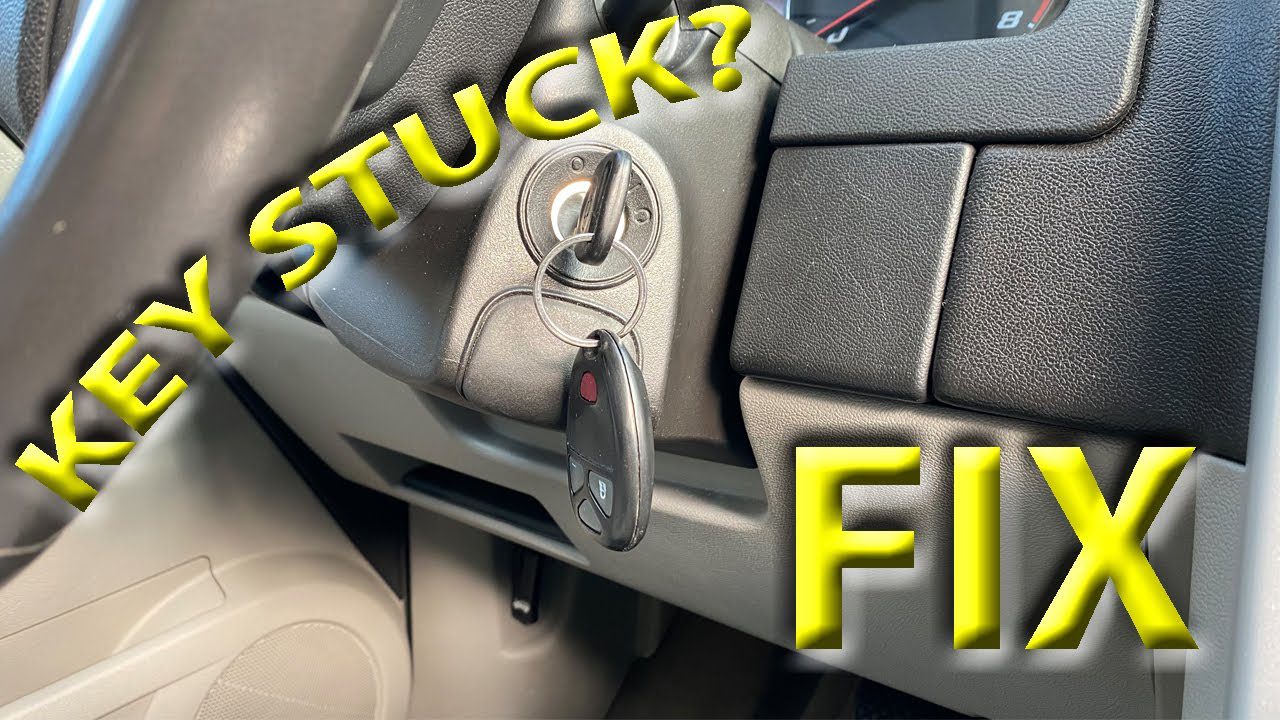

Having your Chevy key stuck in the ignition is one of those problems that feels minor; until it traps you in a parking lot, delays your day, or leaves you worrying that you’ll break the key trying to force it out. The reassuring part is that many “stuck key” situations are not catastrophic failures. In fact, understanding that simple actions like wiggling the key or reactivating the ignition power could resolve the issue provides an accessible solution you can try immediately, often without tools and without a tow. When you approach the problem methodically, you can save real time, money, and stress by solving it on your own; or at least by narrowing down the cause before you pay for diagnostics.
This guide breaks the issue down like a technician would: what’s happening inside the ignition system, why the key gets trapped, and what safe step-by-step techniques can free it. You’ll also learn how steering locks, shift interlocks, battery voltage, and wear inside the ignition cylinder can all play a role. Want more insights? Work through the methods below to release your key and get moving again; then use the prevention tips at the end to keep it from happening twice.
Table of Contents
Important safety note before you begin: Avoid aggressive twisting, prying, or using pliers on the key. It’s surprisingly easy to snap a worn key blade, and once a key breaks off inside the ignition cylinder, the repair becomes far more complex and expensive. Your goal is controlled, gentle correction; not brute force.
Demystifying the Ignition System
Your Chevy’s ignition system is the gateway that allows the engine to start and the electrical system to power up. It’s a blend of mechanical and electrical parts that must align correctly; literally and electronically; before the vehicle will crank, run, and shut down cleanly. When your key gets stuck, it’s often because one of these systems is not reaching its expected “home” position (for example, the cylinder not fully returning to LOCK, the shifter not fully confirming PARK, or an electronic release mechanism not receiving power).
Familiarizing yourself with the ignition system’s main components and how they interact is extremely useful. Not because you need to become a mechanic overnight, but because understanding the process helps you choose the right fix and avoid damaging the ignition lock, steering column, or key.
Key Components of the Ignition System
The ignition system consists of several critical parts that perform different jobs but depend on one another. The ignition cylinder is the mechanical lock where you insert the key. Inside are tumblers/pins that must align to allow rotation. That rotation interacts with the steering lock mechanism (on many models) and also interfaces with electrical controls.
Next is the ignition switch (or ignition switch assembly). This is the electrical component that changes the vehicle’s power state; OFF, ACC, RUN, and START; and sends signals to energize circuits and initiate cranking. In many designs, the cylinder mechanically turns the switch; in others, it triggers a separate electronic sensor that commands the switch. Finally, the system works with the engine’s ignition components such as spark plugs, which ignite the compressed fuel-air mixture inside each cylinder so the engine runs.
These elements operate as a coordinated chain. If one part is worn, binding, or not receiving the right voltage, the chain can “hang” in a position that prevents the key from turning fully back to LOCK; meaning the key cannot be removed.
Understanding these parts can help you pinpoint potential problems. For instance, if the key gets stuck, it might be due to issues with the ignition cylinder’s mechanical movement, a worn key that no longer aligns pins cleanly, a shift interlock that doesn’t confirm PARK, or an ignition switch that is not returning to its expected position. Armed with this knowledge, you can make better decisions; whether that means applying a simple technique at home or knowing when professional help is the smarter route.
How the Ignition System Functions
The ignition system’s primary role is to ignite the air-fuel mixture in your engine and manage the vehicle’s electrical “state.” When you turn the key, the ignition cylinder rotates and activates the ignition switch. The switch then supplies power to key systems and sends an electrical signal to the starter motor (directly or through a relay/solenoid depending on design). The starter motor rotates the crankshaft, and as the crankshaft spins, the pistons move through their cycles.
As pistons compress the air-fuel mixture, the ignition system triggers the spark plugs to ignite it. That combustion pushes the pistons down, and the engine begins running under its own power. When you shut the engine off, the ignition system returns to OFF/LOCK states and; on many vehicles; must verify certain conditions (like being in PARK) before it allows key removal.
Problems such as a dead or weak battery, a malfunctioning ignition cylinder, or a shifter that isn’t fully seated in PARK can interrupt this process. Even though the engine may shut off, the system might not fully release the key. Understanding this sequence helps you troubleshoot logically: if the key won’t come out, ask what is preventing the ignition from reaching the full LOCK/key-release position; mechanical binding, steering lock tension, electrical release failure, or an interlock condition not being met.
One more expert detail that helps in real-world diagnosis: many “stuck key” events are not caused by the key itself but by a state mismatch; the vehicle believes it is not safe to release the key yet. That mismatch can be created by a brake switch problem, a shifter cable that’s slightly out of adjustment, a low-voltage event that leaves a solenoid engaged, or wear that prevents the cylinder from rotating that last few degrees back to LOCK.
Reasons Why Your Key May Get Stuck
A stuck key is inconvenient, but it’s rarely mysterious once you break the causes into categories. Most cases come down to (1) steering wheel lock tension, (2) a worn or damaged key, (3) internal ignition cylinder wear/contamination, or (4) an electrical or interlock-related condition that prevents key release. Understanding what typically goes wrong makes it easier to choose the safest fix.
Below are the most common triggers I see in the field, with practical explanations of what they look like and why they trap the key.
Steering Wheel Lock Activation
In many Chevy models equipped with a steering wheel lock, the steering column can “bind” if the wheel is turned as the vehicle is shut off. This binding can load the lock mechanism and add tension against the ignition cylinder. When that happens, the key may feel trapped; not because the cylinder is broken, but because the steering lock is holding pressure on it.
This usually occurs when the car is turned off with the steering wheel not centered, such as when parking with wheels angled against a curb. If the wheel shifts slightly after shutdown, the lock can engage more firmly. The typical fix is simple: gently turn the steering wheel left and right to relieve tension while you attempt to rotate the key back to LOCK and remove it.
This feature acts as a theft deterrent, which is why it can feel “stubborn.” It’s designed to hold. The trick is to remove tension, not fight it.
Worn or Damaged Key
Keys wear out. The metal blade gradually loses crisp edges on its grooves, especially if the key ring is heavy, the key is used frequently, or the key has been duplicated from a worn original. As the grooves erode, the ignition cylinder pins may not align as cleanly, making the key harder to turn and sometimes harder to remove.
A worn, bent, or slightly twisted key can also bind inside the cylinder. In some cases, the key will turn but not return smoothly to the full LOCK position; so it remains stuck. If you have a spare key, test it. A spare that’s less worn often turns more smoothly and can confirm that the original key is the issue. Replacing a damaged key is a straightforward solution and can prevent future inconvenience (and the bigger headache of a snapped key).
Expert tip: if your key has a noticeable bend, do not try to “bend it back” aggressively. Metal fatigue can cause a fracture. A fractured key inside the cylinder escalates the repair significantly.
Ignition Cylinder Problems
The ignition lock cylinder is a very common source of stuck-key complaints. Over time, dirt, debris, rust, and even tiny metal particles can accumulate inside the cylinder. This contamination can obstruct the movement of pins and make the cylinder feel gritty, sticky, or inconsistent; especially when the weather changes.
Repeatedly forcing a key in a compromised cylinder can also create metal shavings. Those shavings don’t help; they make internal movement rougher and can accelerate wear. If you hear or feel grinding, that’s a strong clue that internal wear or debris is present. In those cases, cleaning and lubrication may help temporarily, but a worn cylinder may eventually need replacement to restore reliable operation.
From an expert standpoint, the most diagnostic clue is consistency: if the key sticks more often over time, or sticks in certain temperatures, or feels rough during rotation, cylinder wear/contamination rises to the top of the suspect list.
Electrical System Malfunctions
In some vehicles, the key-release mechanism is influenced by electrical components; sensors, solenoids, and anti-theft systems that confirm the vehicle is in a safe state before allowing key removal. If those components malfunction, the key can remain trapped even though the cylinder itself feels okay.
Pay close attention to dashboard warning lights or unusual behaviors such as intermittent accessory power, flickering cluster lights, or security/anti-theft indicators. Faulty sensors or an ignition-related anti-theft malfunction can sometimes prevent proper release. In these cases, a technician may need to scan the vehicle for codes and verify the operation of related electrical components. Regular electrical system checks and good battery health can reduce the odds of these problems.
Also consider recent changes: aftermarket remote starters, alarms, audio wiring, or repairs near the steering column can occasionally introduce electrical issues that affect ignition behavior. If the timing of the stuck-key problem coincides with an installation or repair, that correlation matters.
Dead Battery Issues
A dead or weak battery can prevent the key from being removed, especially in vehicles that use an electronic ignition release mechanism. Without sufficient power, an internal lock or solenoid may remain engaged, leaving the key trapped. This can feel counterintuitive; your first thought may be “why would a battery affect a mechanical key?”; but in many modern designs, key removal is tied to an electrical confirmation of vehicle state.
If this happens, jump-starting the car or recharging the battery can restore enough power to release the key temporarily. Monitoring battery health, cleaning terminals, and keeping jumper cables available are practical habits that prevent this scenario from ruining your day.
Professional note: a battery can be weak even if the car “kind of” starts. Low voltage during shutdown or key rotation can still cause odd behaviors. If you notice slow cranking, dim lights, or electronics acting inconsistent, battery testing is worth doing.
Immediate Steps to Take
When you’re standing beside your Chevy with a key that won’t come out, the best approach is to start with low-risk, high-success techniques; methods that correct alignment, relieve tension, and restore the system’s expected state. These steps are designed to reduce the chance of damaging the key or ignition cylinder while maximizing the chance of releasing the key quickly.
When dealing with a stuck Chevy key, knowing what actions to take can make a significant difference. Follow these steps to resolve the issue effectively:
Gently Wiggle the Key
Carefully jiggle the key to release it from the ignition. Done correctly, this small movement can help the key align internal pins or relieve slight binding. The goal is to help the cylinder complete its last bit of rotation back to LOCK so the key can be removed.
Apply light pressure only. Avoid aggressive twisting, pulling, or bending. Excessive force can snap a worn key or damage the ignition cylinder’s internal components; turning a simple inconvenience into a more expensive repair.
Expert technique: while wiggling lightly, try rotating the key slightly toward ACC/RUN and then back toward LOCK. Sometimes the pins settle more easily when the cylinder is moved back and forth within a small range.
Check the Steering Wheel Lock
Steering wheel locks are a frequent reason keys become trapped. If the steering lock is loaded, it can prevent the ignition cylinder from rotating fully back to LOCK. Place one hand on the steering wheel and gently move it left and right while you try to rotate the key back to LOCK with the other hand.
Unlocking the steering wheel may release the key and resolve the issue, especially if the lock engaged due to accidental wheel movement after shutdown. This is one of the most effective “no tools needed” fixes because it addresses a mechanical tension problem directly.
Professional caution: the steering wheel may only move slightly if the lock is engaged; this is normal. You’re not trying to force the wheel; you’re just trying to take pressure off the locking pawl so the cylinder can rotate freely.
Use a Backup Key
If your primary key is worn, bent, or damaged, a spare key may turn and release more smoothly. Spare keys often work better because their grooves are sharper and align the ignition cylinder pins more precisely.
Keeping a backup key accessible is more than convenience; it’s a diagnostic tool. If the spare works perfectly while the main key sticks, you’ve essentially confirmed the root cause without disassembling anything.
Expert note: if the spare key also sticks, that points away from “key wear” and more toward cylinder wear, steering lock tension, interlock problems, or electrical issues.
Inspect the Battery and Electrical Components
A dead or weak battery can keep your key stuck in certain designs. Look for classic symptoms: dim interior lights, slow cranking earlier in the day, unresponsive power locks, or infotainment that behaves erratically. If your Chevy uses an electronic ignition release feature, inadequate voltage can prevent key release.
Jump-starting or recharging the battery may restore the power needed to release the key. If the key releases after restoring power, treat that as a strong clue that battery health is part of the story. Regular battery maintenance; testing voltage, cleaning terminals, and replacing aging batteries proactively; helps prevent repeat events.
Professional practice tip: if you jump-start the vehicle to release the key, don’t stop there. Test the battery afterward. A battery that is failing often causes intermittent electrical issues that show up as “random” problems, including ignition oddities.
Techniques to Free a Stuck Key
If the immediate steps don’t solve the problem, don’t jump straight to replacing parts. Many stuck keys can be resolved by addressing friction inside the cylinder, correcting ignition switch behavior, or relieving tension in a partially seized cylinder. The following methods are ordered from low-risk to more involved, and they focus on protecting the ignition system while getting results.
When faced with a stuck key in your Chevy, employing specific methods can help resolve the problem. These include lubrication, addressing ignition switch faults, and managing a seized cylinder.
Applying Proper Lubrication
Using a dry lubricant such as graphite powder is a classic and effective technique for sticky ignition cylinders. Graphite is preferred because it doesn’t stay wet and tacky. To apply it, sprinkle a small amount into the keyhole, insert the key, and gently move the key in and out and rotate it slightly to distribute the lubricant across the pins and internal surfaces.
Avoid oil-based lubricants. While they may seem to help at first, oils can attract dust and grit, creating a sticky paste over time that makes the problem worse. Regular cleaning and proper dry lubrication can reduce friction and prevent future sticking; especially on vehicles that are parked outdoors and exposed to humidity, dust, and temperature swings.
Expert detail: use graphite sparingly. Too much powder can clump. If you’ve already used an oil product in the past, the cylinder may contain residue that traps dirt; making professional cleaning or eventual replacement more likely.
Fixing a Faulty Ignition Switch
A malfunctioning ignition switch or ignition switch assembly can sometimes contribute to stuck-key complaints. Indicators include difficulty turning the key between positions, a loose or inconsistent feel in the ignition, accessories that don’t behave normally, or a key that won’t return cleanly from RUN to OFF/LOCK.
More serious switch issues typically require professional diagnosis and replacement, because switch assemblies can involve steering column disassembly, security system considerations, and sometimes relearn procedures. That said, gentle techniques can occasionally help in the moment. For example, some drivers find that lightly tapping near the ignition area or gently rocking the key between positions helps a sticky switch/cylinder combination settle back into alignment. This is not a “repair,” but it can be a temporary aid for releasing the key without forcing it.
Professional warning: if the ignition feels loose or electrical power flickers when the key is moved slightly, avoid continued operation until it’s inspected. Ignition switch failures can lead to stalling, no-start conditions, or intermittent loss of accessory power.
Resolving a Seized Ignition Cylinder
Debris, corrosion, or internal wear can cause the ignition cylinder to seize or partially seize. If the key won’t rotate smoothly, first try to clear debris using compressed air. Direct short bursts into the keyway to remove loose grit. Then try a small amount of graphite powder (dry lubricant) and test again with gentle movement.
In some cases, tension from the steering lock contributes to what feels like a seized cylinder. Gently moving the steering wheel left and right while turning the key can relieve that tension. If the key suddenly turns more freely when the wheel is moved, that’s a strong sign the steering lock load; not internal seizure; was the main issue.
Regular maintenance can extend the life of the ignition cylinder. Keeping the key and cylinder clean, avoiding heavy keychains, and addressing minor sticking early prevents accelerated wear. If the cylinder continues to bind despite cleaning and lubrication, replacement may be the reliable long-term solution.
Advanced (But Still Safe) Troubleshooting Steps Professionals Use
If you’ve worked through the steps above and the key is still stuck, you’re likely dealing with one of two scenarios: an interlock condition is not being met, or the ignition cylinder is mechanically failing. The good news is that you can still gather useful information without disassembling the steering column.
Confirm the Vehicle Is Fully in PARK
On many automatic-transmission vehicles, the ignition will not allow key removal unless the shifter is fully in PARK. Sometimes the indicator shows “P,” but the shift cable or linkage is slightly out of adjustment, or the shifter isn’t fully seated. Try the following:
- Press the brake pedal firmly.
- Move the shifter out of PARK and then back into PARK deliberately.
- Release the brake, press it again, and try turning the key to LOCK.
- If the key releases, the likely issue is shifter alignment or the park/shift interlock mechanism.
This step is especially relevant if your key tends to stick after quick parking maneuvers, parking on inclines, or when the vehicle is under load (for example, rolling slightly against the parking pawl). On hills, using the parking brake before shifting into PARK reduces stress on the mechanism and can help prevent stuck key events.
Reduce Drivetrain Load (Especially on Inclines)
If you park on a slope and let the vehicle “rest” against the transmission park pawl, it can create tension that affects shift position confirmation. A simple technique can reduce that load:
- With your foot on the brake, apply the parking brake firmly.
- Shift into PARK.
- Gently release the brake to let the vehicle settle on the parking brake (not the transmission).
- Press the brake again and try turning the key to LOCK.
This doesn’t fix a worn ignition cylinder, but it can resolve a “key won’t release” condition caused by the vehicle not cleanly confirming PARK status.
Reactivate Ignition Power (When Low Voltage Is the Trigger)
As mentioned earlier, reactivating ignition power can help in vehicles where the key release is influenced by electrical locks or solenoids. If the battery is weak, restoring voltage (jump-start or charge) may allow the mechanism to disengage. If your key releases only after power is restored, you’ve learned something important: even if the cylinder is mechanically okay, the system depends on electrical confirmation and release. That’s your cue to test battery health and inspect terminals.
Listen and Feel: What the Ignition Is Telling You
Technicians rely heavily on feel. Pay attention to these clues:
- Gritty, scratchy feel when inserting/removing the key can indicate contamination or internal wear.
- Grinding or crunching sensation may suggest metal shavings or damaged pins/tumblers.
- Key turns but won’t return fully often points to cylinder wear, steering lock tension, or ignition switch return issues.
- Key won’t turn at all may indicate a locked steering wheel, severely worn key, or seized cylinder.
These signals help you decide whether lubrication and cleaning are worth attempting again or whether the situation is beyond DIY and requires repair.
When to Stop DIY and Call a Professional
Some stuck-key situations are appropriate for home troubleshooting, but others can escalate quickly if you continue forcing the issue. Stop DIY and consider professional assistance if:
- The key is visibly bending when you attempt removal.
- You feel the key is close to snapping, or it already has cracks.
- The ignition cylinder feels severely seized, with grinding sounds.
- The steering column or shifter behaves abnormally (excessive play, unusual noises).
- Electrical warning lights suggest broader system issues (security, ignition, or power problems).
A qualified mechanic or locksmith can extract a stuck key safely, diagnose whether the cylinder is failing, and recommend the correct repair path (cleaning, rekeying, cylinder replacement, or switch repair). If you suspect the cylinder is worn and shedding metal internally, early intervention can prevent total lockup.
Prevention: How to Keep Your Chevy Key from Getting Stuck Again
Once you’ve freed the key, take a few preventive steps. Stuck key events often repeat because the underlying cause; wear, contamination, or interlock stress; remains present. The following habits reduce recurrence significantly:
- Lighten your keychain: Heavy key rings place constant downward load on the ignition cylinder, accelerating wear.
- Use the parking brake on slopes: This reduces tension on the shifter/park mechanism and helps ensure full PARK confirmation.
- Keep the key clean: Dirt carried into the cylinder adds friction and debris over time.
- Use graphite sparingly when needed: Dry lubrication helps, but avoid oils that attract grime.
- Maintain battery health: Weak batteries can cause odd ignition behaviors, especially in more electronically managed systems.
- Address early symptoms: If the key occasionally sticks, don’t wait until it becomes permanent. Early cleaning and correction are easier and cheaper.
These measures don’t just prevent inconvenience; they protect the ignition cylinder and reduce the risk of a key breaking or the cylinder locking up completely.
Quick Reference Summary (So You Can Act Fast Next Time)
If you want the condensed “what do I do right now?” checklist, here’s the expert-friendly order of operations:
- Confirm you’re in PARK; shift out and back into PARK.
- Try gentle key wiggle while rotating slightly between ACC and LOCK.
- Relieve steering lock tension by turning the wheel left/right as you turn the key.
- Test a spare key if available.
- If battery seems weak, restore power (jump/charge) and try again.
- Use compressed air and graphite powder to reduce cylinder friction.
- If the key is bending, grinding, or close to breaking, stop and call a pro.
This sequence preserves the ignition system, avoids unnecessary damage, and resolves many stuck-key scenarios without replacement parts.