
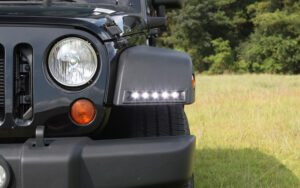

Few dashboard warnings are as persistently annoying as the “parking light out” message on your Jeep Renegade. It often starts innocuously; maybe a daytime running light (DRL) flickers or goes dark one morning. A few days later, while cruising down the highway or idling at a stoplight, the dreaded notification appears: “Parking Light Out.” And just like that, you’re left wondering what went wrong, how serious it is, and whether you can fix it yourself or need to book an appointment at the dealership.
What makes this issue especially frustrating is that it can strike vehicles with relatively low mileage; sometimes under 50,000 miles. The owner’s manual, as comprehensive as it may seem, often falls short of offering a clear, actionable solution. You’re left toggling through menus, swapping bulbs, and watching the error message flash on and off like a strobe light at a dance party you never asked to attend.
Table of Contents
But here’s the good news: in most cases, the Jeep Renegade parking light out problem is fixable; sometimes in your own driveway, sometimes with a bit more effort. This in-depth guide will walk you through the most common causes, step-by-step solutions, and expert tips to keep your Renegade’s lighting system in top shape. Whether you’re a seasoned DIYer or someone who’s never popped the hood, you’ll find practical, easy-to-follow advice here.
Understanding the Jeep Renegade Parking Light System
Before diving into fixes, it helps to understand what the parking light system actually does and why it matters. On most Jeep Renegades, the parking lights are the small, amber or white lights located at the front of the vehicle, typically housed alongside the main headlights. At the rear, you’ll find corresponding red lights. Their primary job is to make your vehicle visible to other drivers when parked; especially in low-light conditions or on the side of the road.
Modern Jeeps integrate parking lights with daytime running lamps (DRLs) and sometimes with the low-beam headlights. This interconnection means that a fault in one area can trigger warnings in another. The vehicle’s onboard computer constantly monitors the electrical load from these bulbs. If it detects a discrepancy; such as a burnt-out bulb, a loose connection, or a wiring fault; it triggers the dashboard warning.
Understanding this interconnected system is key to diagnosing and fixing the problem efficiently. Let’s explore the most effective solutions, starting with the simplest and working up to more involved repairs.
How Can I Fix the Jeep Renegade Parking Light Out?
Fixing the Jeep Renegade parking light out issue can range from a quick DIY task to a more involved repair. The most common solutions include:
- Ensuring the bulbs are properly seated in their sockets
- Replacing burnt-out bulbs with OEM-spec replacements
- Inspecting and repairing damaged lamp holders or contacts
- Replacing the entire lamp assembly and wiring harness if electrical faults persist
Let’s break down each solution in detail so you can tackle the problem with confidence.
Possible Solution #1: Ensure the Bulbs Are Inserted Correctly
Sometimes, the simplest explanation is the right one. Jeeps are built for adventure, and that means they endure vibrations, bumps, and potholes on a regular basis. Over time, these jolts can cause bulbs to shift slightly in their sockets, breaking the electrical connection and triggering the parking light out warning.
Here’s how to check:
Step 1: Park your Jeep on a flat surface and turn off the engine. Open the hood and locate the headlight/parking light housing. On most Renegades, this is accessible from the engine bay or by removing a small access panel.
Step 2: Carefully disconnect the bulb by twisting the socket counterclockwise and pulling it out. Inspect the bulb for any obvious damage; cracks, discoloration, or a broken filament.
Step 3: If the bulb looks fine, reseat it firmly in the socket and reinstall the socket into the housing. Make sure it clicks or locks into place.
Step 4: Turn on the parking lights and check if the warning has cleared. If the message persists, move on to the next solution.
Expert Tip: Never touch halogen bulbs with your bare hands. The oils from your skin can create hot spots on the glass, causing the bulb to fail prematurely. Use nitrile or latex gloves, or handle the bulb by its base only.
Possible Solution #2: Replace the Damaged Bulb
If reseating the bulb doesn’t work, the next logical step is to check if the bulb itself has burned out. A burnt-out bulb is one of the most common causes of the parking light out warning. Fortunately, replacement bulbs are inexpensive and widely available.
Step 1: Identify the correct bulb for your Jeep Renegade. Most models use a 5-watt bulb, but always check your owner’s manual or the part number on the existing bulb. Ordering from your Jeep dealer or a reputable auto parts store ensures you get the right specification.
Step 2: Remove the old bulb as described above. Compare it visually to the new bulb to confirm compatibility.
Step 3: Insert the new bulb into the socket, making sure it’s firmly seated. Reinstall the socket and housing cover.
Step 4: Test the lights and check if the dashboard warning has cleared.
Why OEM Matters: Modern Jeep electrical systems are highly sensitive. Installing a bulb with slightly different wattage or resistance can confuse the onboard computer and cause the warning to persist; or even create new issues. Stick with OEM or OEM-equivalent bulbs whenever possible.
Possible Solution #3: Fix Any Damages on the Lamp Holder
If new bulbs keep failing or the warning returns shortly after replacement, the problem may lie in the lamp holder or socket itself. Over time, the contacts inside the socket can corrode, bend, or develop micro-fractures that interrupt the electrical connection.
Step 1: Open the service flap and remove the entire lamp holder assembly. This usually involves twisting and pulling the socket out of the housing.
Step 2: Inspect the contacts inside the socket. Look for signs of corrosion (greenish or white deposits), bent metal tabs, or blackened areas indicating heat damage.
Step 3: Check the solder bumps on the base of the bulb. If you see gouges, pitting, or missing material, the bulb may not be making proper contact.
Step 4: If the contacts are slightly bent, gently straighten them with a small flathead screwdriver or needle-nose pliers. For corrosion, clean the contacts with electrical contact cleaner and a small brush.
Step 5: Reinstall the bulb and socket, then test the lights.
Expert Tip: If you notice recurring corrosion or heat damage, it may indicate a deeper wiring or grounding issue. In that case, proceed to the next solution.
Possible Solution #4: Replace the Entire Lamp and Wiring Harness
If you’ve tried all the above and the problem keeps coming back; especially if bulbs and sockets blow repeatedly; it’s time to consider a more comprehensive fix. In some cases, the wiring harness itself is faulty. Damaged insulation, chafed wires, or a poor ground connection can cause intermittent failures and repeated bulb burnouts.
This is a more involved repair, typically requiring professional expertise. Here’s what to expect:
Step 1: Contact your Jeep dealer or a trusted independent mechanic. Explain the history of the problem, including how many bulbs and sockets you’ve replaced.
Step 2: The technician will inspect the entire lighting circuit, including the wiring harness, connectors, and ground points. They may use a multimeter or scan tool to pinpoint the fault.
Step 3: If the harness is damaged, it will be replaced along with the affected lamp assembly. This typically takes one to two days at the dealership.
Cost: Expect to pay between $600 and $700 for parts and labor. If your Jeep is still under warranty, this repair may be covered at no cost to you; so always check your warranty status before paying out of pocket.
Expert Tip: Keep all receipts and documentation of previous repairs. If the problem is a known defect, some manufacturers issue technical service bulletins (TSBs) or even recalls that could cover your repair.
Preventing Future Parking Light Issues
Once you’ve fixed the parking light out warning, you’ll want to prevent it from happening again. Here are some expert tips for keeping your Jeep Renegade’s lighting system in top condition:
- Use quality bulbs: Stick with OEM or reputable aftermarket brands. Cheap bulbs may save money upfront but often fail faster and can cause electrical issues.
- Handle bulbs carefully: Always use gloves and avoid touching the glass. Store spare bulbs in their original packaging to prevent damage.
- Inspect regularly: Make it a habit to check all exterior lights monthly. Catching a problem early can prevent bigger issues down the road.
- Address corrosion promptly: If you live in a humid or salty environment, inspect sockets and connectors for corrosion and clean them as needed.
- Keep records: Document all bulb replacements and repairs. This information is invaluable if you need warranty service or are troubleshooting a recurring problem.
FAQs
What Do Parking Lights on a Jeep Mean?
Parking lights are the small, low-intensity lights located at the front and rear of your Jeep. At the front, they are typically amber or white; at the rear, they are red. Their main purpose is to make your vehicle visible to other drivers when parked, especially in low-light conditions. They are often housed in the same assembly as the headlights and may share circuitry with daytime running lamps.
How Do the Parking Lights and Daytime Running Lamps Differ?
Both parking lights and daytime running lamps (DRLs) are safety features designed to increase your vehicle’s visibility. However, they serve different purposes:
Parking lights: Used when the vehicle is stationary, especially in low-light or nighttime conditions, to alert other drivers of your presence.
Daytime running lamps: Automatically activate when the engine is running, making your Jeep more visible during daylight hours.
On many Jeeps, the parking lights and DRLs may share the same bulb or housing, which is why a fault in one can sometimes trigger a warning for the other.
Where Can I Find the Parking Light Controls on Jeep?
The parking light controls are typically integrated with the headlight switch, located on the dashboard or steering column stalk. On most Jeep Renegades, rotating the switch to the first position activates the parking lights. The second position turns on the low-beam headlights. Some models link parking lights to the low beams, so both come on together.
How Do the Brake Lights and Parking Lights Differ?
Brake lights and parking lights are both located at the rear of the vehicle, but they serve different functions:
Brake lights: These red lights illuminate when you press the brake pedal, alerting drivers behind you that you are slowing down or stopping.
Parking lights: These are lower-intensity lights that remain on when the parking light switch is activated, making your vehicle visible when parked.
At the front, parking lights are amber or white, while brake lights are always red and only appear at the rear.
When Should You Seek Professional Help?
While many parking light issues can be resolved at home, some situations call for professional diagnosis:
- If bulbs and sockets keep failing despite proper installation
- If you notice burning smells or smoke near the headlight area
- If the dashboard warning persists after replacing all relevant components
- If you’re uncomfortable working with electrical systems
A qualified technician can use specialized tools to trace wiring faults, check for software issues in the body control module, and identify problems that aren’t visible during a visual inspection.
Understanding the Cost of Repairs
Here’s a quick breakdown of typical costs for parking light repairs on a Jeep Renegade:
| Repair Type | Estimated Cost |
|---|---|
| Replacement bulb (OEM) | $3–$10 |
| Replacement socket/holder | $15–$40 |
| Full lamp assembly | $100–$250 |
| Wiring harness replacement (dealer) | $600–$700 |
If your Jeep is under warranty, harness and assembly replacements may be covered. Always check your warranty terms before authorizing paid repairs.
Conclusion
The Jeep Renegade parking light out warning can be a minor annoyance or a sign of a deeper electrical issue; but in most cases, it’s something you can diagnose and fix yourself. Start with the simplest solutions: check that the bulbs are seated correctly and replace any that are burnt out. If the problem persists, inspect the lamp holder for damage or corrosion. Only escalate to a full wiring harness replacement if all else fails.
By understanding how your Jeep’s lighting system works and following the expert steps outlined in this guide, you can save time, money, and frustration. And if you ever find yourself stuck, don’t hesitate to seek professional help; your safety on the road is worth it.
Here’s to clear roads, bright lights, and a dashboard free of pesky warnings!