
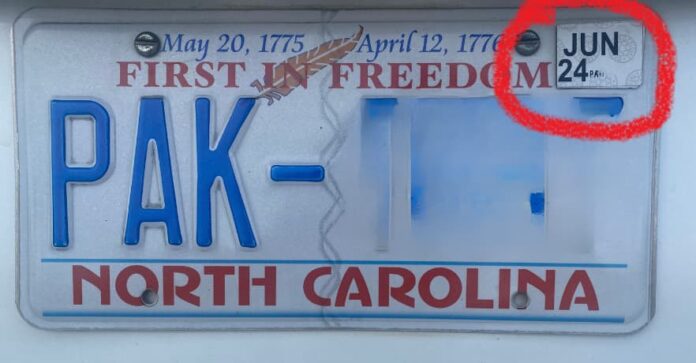
The process of registering your vehicle in North Carolina can feel overwhelming at first, especially if you’re new to the Tar Heel State, have just purchased a car, or are simply renewing an existing registration. But with the right preparation and knowledge, it becomes a straightforward task that keeps you compliant with state laws and safe on the roads. The North Carolina Division of Motor Vehicles (NCDMV) oversees everything, ensuring vehicles meet safety standards, carry proper insurance, and contribute to road maintenance through fees and taxes.
This comprehensive guide demystifies the entire journey; from gathering essential documents to understanding inspections, fees, and renewal strategies. Whether you’re a fresh arrival from another state or a longtime resident buying your dream ride, you’ll find practical insights to streamline the experience and avoid common pitfalls. Let’s dive in and transform what could be a chore into an empowering step toward enjoying North Carolina’s scenic highways worry-free.
Eligibility Requirements: Who Can Register and When?
North Carolina’s vehicle registration rules are designed to accommodate different situations, ensuring every driver meets basic residency, ownership, and safety criteria. The requirements shift depending on whether you’re a newcomer or an established resident, and the type of vehicle you’re registering.
New Residents Moving to North Carolina
Relocating to the beautiful landscapes of North Carolina; be it the mountains of Asheville or the beaches of the Outer Banks; comes with a 60-day window to register your out-of-state vehicle. This timeline gives you breathing room to settle in while complying with state laws.
To get started, you’ll need a valid North Carolina driver’s license (or an out-of-state license paired with a North Carolina Temporary Driving Certificate). Transferring your title is essential; bring your original out-of-state title. If a lien exists, coordinate with your lender to forward the title directly to the NCDMV.
Additional must-haves include:
- Proof of North Carolina address ; Think utility bills, lease agreements, or similar official documents that clearly show your new residence.
- Current proof of liability insurance ; North Carolina mandates continuous coverage from a state-licensed provider.
- Funds for applicable fees, taxes, and the highway use tax ; Budget accordingly, as these can add up.
A key tip: Schedule your safety inspection promptly; within 10 days of registration in most cases. Residents in certain counties will also face an emissions check to ensure cleaner air across the state. Missing these steps could delay your plates and lead to unnecessary stress.
Current Residents Purchasing New or Used Vehicles
If you’ve just driven off the lot with a shiny new car or sealed the deal on a reliable used one from a private seller, congratulations! You have 28 days to complete registration from the date of purchase. This grace period lets you enjoy your new wheels while handling the paperwork.
Gather these essentials:
- Your current North Carolina driver’s license or state-issued ID.
- Proof of ownership ; This could be the Manufacturer’s Certificate of Origin (MCO) for brand-new vehicles or a properly signed title for used ones.
- Up-to-date proof of insurance ; Verify it lists your name, vehicle details, policy number, and effective dates.
- Payment ; Covering registration fees, taxes, title transfer (if needed), and any applicable highway use tax.
Freshly purchased new vehicles often come with a temporary tag from the dealer, allowing legal driving until your permanent plates arrive in the mail. Used vehicles from private sales require more hands-on effort, including title transfer and disclosures.
Motorcycles, Trailers, RVs, and Specialty Vehicles
Motorcycles share many similarities with passenger cars but demand extra attention to rider credentials. You’ll need a valid North Carolina driver’s license with a motorcycle endorsement (Class M or similar), solid proof of ownership, insurance coverage, and fee payments.
Annual safety inspections are mandatory for motorcycles, and larger models in select counties may require emissions testing. Trailers, RVs, campers, and other specialty vehicles follow parallel processes; focus on ownership proof and accurate weight classification for fees.
Important note: Off-road vehicles like ATVs and dirt bikes cannot be registered for public road use in North Carolina. They remain strictly recreational.
Essential Documents: Building Your Registration Toolkit
Success at the DMV (or online) hinges on having the right paperwork ready. These documents establish ownership, confirm safety and environmental compliance, and verify you’re legally insured.
Proof of Liability Insurance: Your Safety Net on the Road
North Carolina law insists on continuous liability coverage before any vehicle can be titled or registered. When you arrive at the DMV counter (or upload digitally), present your current insurance card or declaration page. It must clearly display:
- Your full name as the policyholder.
- The policy number.
- Effective and expiration dates.
- Vehicle identification details (make, model, VIN).
Pro tip: Store a digital or physical copy in your glovebox at all times; it’s required by law during traffic stops. If you switch insurers, notify the DMV within 10 days to prevent lapses that could trigger penalties.
Mastering Vehicle Title and Titling Procedures
The title serves as the vehicle’s “birth certificate,” proving legitimate ownership. Dealer purchases often streamline titling, but private sales require you to handle the transfer personally.
Key items for titling include:
- The original signed title from the previous owner.
- A completed MVR-1 Title Application form (available on the NCDMV website).
- Payment for title fees (typically around $66.75 as of recent schedules, plus any instant title surcharges).
For financed vehicles, lienholders usually retain the physical title until the loan is paid off. Bring loan paperwork and contact details to facilitate the process smoothly.
Odometer and Damage Disclosure: Promoting Transparency
To combat fraud and protect consumers, North Carolina requires honest disclosures about mileage and prior damage.
For odometer readings:
- Complete the MVR-180 form accurately.
- Note the exact current mileage.
- Secure signatures from both buyer and seller.
Damage disclosure covers significant repairs (typically over $1,500) or accident history. Always be truthful; misrepresentation can result in serious legal consequences, including fines or title issues.
Additional Identification and Supporting Forms
Identity verification is non-negotiable. Acceptable options include:
- A valid North Carolina driver’s license.
- State-issued ID card.
- Military ID for active-duty service members.
Bonus documents that speed things up:
- Bill of sale ; Especially useful in private transactions to document price and terms.
- Proof of address ; If your license shows an old address.
- Payment ; Cash, check, or credit card for fees and taxes.
New residents should also pack out-of-state registration documents for a smoother transition.
Vehicle Inspections and Associated Costs: Ensuring Roadworthiness
North Carolina prioritizes safety and environmental responsibility through mandatory inspections, which must be completed before initial registration or renewal.
Safety and Emissions Inspections Explained
Every registered vehicle requires an annual safety inspection performed by a licensed mechanic. The check covers critical components like:
- Headlights and taillights for proper function.
- Brake lights and turn signals.
- Tire condition and tread depth.
- Brake performance and fluid levels.
- Steering and suspension integrity.
- Windshield and wipers.
This inspection costs $13.60 (state-fixed rate). In 19 specific counties (including major areas like Mecklenburg, Wake, Guilford, and Forsyth), an additional emissions inspection is required to monitor exhaust systems and reduce pollution. Combined, the full safety + emissions test runs $30 (stations may charge less, but not more).
You can complete inspections up to 90 days before expiration, giving flexibility. New vehicles often receive a grace period without immediate inspection needs.
Breaking Down Registration Fees
Fees vary based on vehicle type, weight, and power source. Standard passenger cars start with a base registration fee around $46.25, while heavier trucks or specialty vehicles cost more.
Electric vehicles (EVs) incur an additional $214.50 annual fee (as of current schedules) to offset lost gas tax revenue, with plug-in hybrids paying $107.25. These amounts support highway maintenance and are adjusted periodically for inflation.
Understanding Vehicle Property Taxes
Unique to North Carolina, property tax on vehicles is bundled with registration. The amount is calculated based on your vehicle’s assessed value; the newer or more valuable the car, the higher the tax.
The NCDMV collects both registration fees and property taxes in one convenient payment, then distributes the tax portion to your county. This streamlined approach eliminates separate bills and simplifies budgeting.
Step-by-Step Registration Process: From Start to Finish
You have multiple convenient options; choose what fits your schedule best.
In-Person Registration: The Traditional Route
Visit a local NCDMV office or authorized License Plate Agency. Bring all documents (title, insurance, ID), complete the MVR-1 form if titling is needed, and pay fees on the spot. Staff will verify everything, issue your plates, and provide a registration card immediately in most cases.
Clear any outstanding issues like unpaid tickets beforehand to avoid delays.
Online and Mail Renewals: Convenience at Your Fingertips
Existing registrations can often be renewed online through the NCDMV portal; ideal if you have a renewal notice. The system is intuitive: enter your plate number, verify insurance, and pay securely.
For mail renewals, complete the form on your notice and send it with payment. Allow several weeks for processing and delivery of your new sticker and card.
Both methods require valid insurance and no blocks on your record.
Navigating Special Situations
New residents must typically appear in person for out-of-state transfers within 60 days. Dealers provide temporary driving certificates for fresh purchases. Missed deadlines trigger late fees, and expired registrations may require a fresh inspection.
Maintaining an Active Registration: Long-Term Success Strategies
Keeping your registration current prevents headaches and keeps you road-legal.
Renewal Notices, Deadlines, and Easy Options
The NCDMV mails renewal reminders well in advance. Your registration expires on the last day of the month shown on your sticker. Renew online, by mail, or in person using your plate number, insurance details, and payment.
Even without a notice, the responsibility remains yours; set calendar reminders to stay proactive.
Consequences of Late Renewal
A 15-day grace period exists after expiration, but late fees kick in:
- $15 for less than one month late.
- $20 for one to two months.
- $25 for two months or more.
Driving with expired tags risks tickets (a Class 3 misdemeanor in severe cases), towing, or impoundment. Blocks from unpaid child support, lapsed insurance, or other issues can halt renewal; address them swiftly.
Replacing Lost or Damaged Items
Misplaced your registration card? Obtain a duplicate at a DMV office with your license and insurance proof (small fee applies). Damaged plates? Bring the old one for a replacement.
Staying organized with digital copies and timely actions ensures smooth sailing.
In conclusion, mastering North Carolina vehicle registration empowers you to drive confidently across the state. By preparing documents, scheduling inspections early, and renewing promptly, you’ll save time, money, and stress. The NCDMV offers valuable resources; visit their site for the latest forms and updates. Safe travels!

