
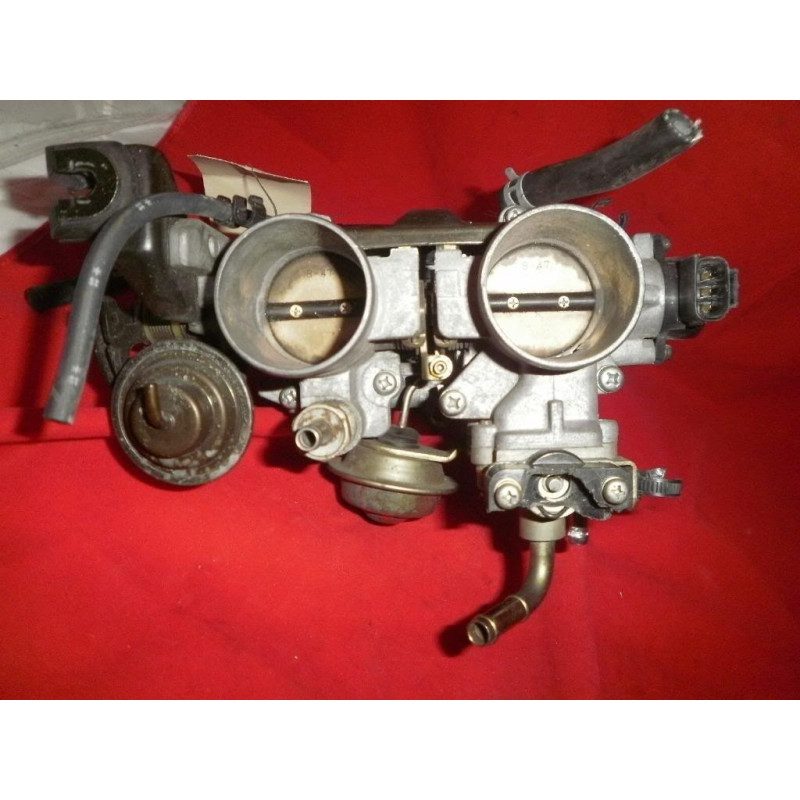

Cleaning the throttle body is one of those maintenance tasks that rarely makes anyone’s “fun weekend plans” list; yet it has an outsized impact on how your engine behaves. The throttle body sits at the intersection of air management and drivability: it influences idle quality, throttle response, fuel economy, and how smoothly your vehicle slows down and comes to a stop. When it’s neglected, the symptoms can look like bigger problems; poor MPG, random stalling, hesitation, or a rough idle that makes you suspect sensors or the fuel system.
If you do not clean the throttle body (or at least inspect and service it when conditions call for it), your vehicle can develop terrible fuel economy and may even stall when slowing down. In severe cases, a dirty throttle body can trigger a chain reaction: the engine control module compensates for restricted airflow, idle control becomes unstable, and the car begins to “hunt” or surge at low RPM. The good news is that throttle body cleaning is often inexpensive, usually straightforward, and in many cases produces immediate results; especially when the buildup is significant.
This expert guide explains what changes when you clean the throttle body, how to know when it’s time, why throttle bodies get dirty in the first place, what chemicals are safe to use, and how to avoid common mistakes that can damage sensors or create new drivability problems. If you want your car to idle smoothly, respond crisply, and stop stalling during deceleration, the throttle body is a smart place to start.
Does cleaning the throttle body make a difference?
A clean throttle body is not a common concern for most vehicle owners. They are far more worried about tractionless tires, getting into an accident with an uninsured driver, oil changes, malfunctioning brakes, and looking for a golden gas station with the cheapest gas.
And honestly, that’s understandable. Most drivers never see their throttle body, and their vehicle doesn’t send an obvious “Your throttle body is dirty” message on the dashboard. But when there is an issue with the throttle body, it is an issue that should not be ignored or disregarded. A poorly performing throttle body can affect the entire vehicle.
From a technician’s perspective, throttle body cleaning is not “snake oil.” It is not a miracle fix for every performance issue. But when the symptoms match; and when deposits are present; it can make a very real difference in:
- Idle stability (less shaking, less hunting, fewer near-stalls)
- Throttle response (less hesitation when you tip into the accelerator)
- Deceleration behavior (reduced tendency to stall or dip too low in RPM when slowing)
- Fuel economy (especially in city driving where idle and low-speed airflow control matter most)
- Overall smoothness (less surge in stop-and-go traffic)
The reason it matters is simple: the throttle body is important to the performance of the entire engine because it is the part of the engine that controls the amount of air that goes into the combustion chamber.
If a poorly performing throttle body does not provide enough air into the engine, the vehicle will not perform as it should. The engine may feel weak at takeoff, stumble at idle, or hesitate when you accelerate gently. This often gets misdiagnosed as a “fuel problem,” but in reality the air side of the equation can be the bottleneck.
On the other hand, if a malfunctioning throttle body allows too much air into the engine (or allows air to enter unpredictably due to poor control), the combustion chamber will require an equal amount of gasoline. The more air in the combustion chamber, the more gasoline must be used. In modern fuel-injected engines, the computer will attempt to correct the air-fuel ratio by adding or subtracting fuel. That correction can work within limits; but when airflow becomes unstable because the throttle plate is sticking, dirty, or not closing as expected, drivability suffers.
It’s also important to understand that throttle bodies don’t only influence wide-open acceleration. In day-to-day driving, the throttle body spends a huge amount of time near idle and part-throttle positions. That is precisely where carbon and oil deposits cause the biggest trouble, because small changes in airflow at idle are a big deal. If deposits reduce airflow when the throttle is barely open, the engine control system has to fight harder to maintain a stable idle and smooth deceleration.
So yes; cleaning the throttle body can absolutely make a difference. The trick is knowing when it’s needed and doing it with the right method and chemicals so you don’t create new problems.
What exactly does the throttle body do (and why deposits cause so many symptoms)?
To make intelligent maintenance decisions, you need a clear mental model of the throttle body’s job. The throttle body is essentially the engine’s “air gate.” It regulates how much air enters the intake manifold. The engine control module uses that airflow (plus sensor input from the MAF/MAP sensor, oxygen sensors, and more) to calculate how much fuel to inject.
On older vehicles, throttle opening was controlled by a cable connected directly to the accelerator pedal. On newer vehicles, many use electronic throttle control (drive-by-wire). The throttle body contains a throttle plate and sometimes a throttle actuator motor and position sensors. Whether cable-operated or electronic, the core concept remains: airflow control must be precise, especially at idle.
At idle, the engine needs only a small amount of air. The throttle plate is nearly closed. This is exactly where a thin ring of carbon buildup around the throttle bore can restrict airflow enough to cause rough idle, stalling, or unstable RPM. Think of it like a doorway: when the door is wide open, a little dirt on the hinges doesn’t matter much. But when the door is almost closed, that dirt can stop it from closing properly or cause it to stick.
In addition, many vehicles rely on the throttle body for idle speed control. Some older designs used a separate Idle Air Control valve (IAC). Many modern systems integrate idle control into the electronic throttle strategy. When deposits disrupt normal airflow, the computer tries to compensate; sometimes successfully, sometimes not. Over time, the computer’s adaptive values can drift, and the problem becomes more noticeable as conditions change (hot vs. cold engine, A/C on vs. off, turning the steering wheel at idle, etc.).
That’s why throttle body cleanliness is not just about “more power.” It’s about predictable airflow. Predictable airflow equals stable idle, smoother shifts (because torque management depends on steady engine behavior), and fewer stalls when slowing down.
How will I know when it is time to clean my vehicle’s throttle body?
There are two main ways to know when it is time to clean your vehicle’s throttle body. The first way is based on the number of miles.
Most vehicle manufacturers and automotive specialists recommend that the owner of a vehicle should clean their vehicle’s throttle body between 60,000 and 80,000 miles.
The second way to know if it is time to clean a vehicle’s throttle body is through the signs of a malfunctioning throttle body.
When the throttle body is dirty and covered with grime, it will not work as it is supposed to and the vehicle’s performance will drop significantly.
All vehicles have to get their throttle bodies cleaned every 60,000 to 80,000 miles. This is the general rule that vehicle maintenance personnel and vehicle manufacturers will recommend.
If you have an older vehicle, one that is from the 1980s and older, or a luxury vehicle, the recommended mileage may change.
To find out the specific number for your vehicle, you can check the manual that came with the vehicle, or you can email the manufacturer for their recommended cleaning time.
Now let’s translate “signs of a malfunctioning throttle body” into symptoms you can actually recognize on a normal drive. A dirty throttle body often shows up as low-speed and idle problems rather than highway issues. Common signs include:
- Rough idle (the engine feels shaky, unstable, or uneven at stoplights)
- Stalling when slowing down (especially coming to stops, when turning into a parking lot, or when the A/C is on)
- Hesitation on takeoff (you press the accelerator and it feels delayed or “lazy”)
- Surging (RPM rises and falls slightly at idle or during steady low-speed cruise)
- Poor fuel economy (often more noticeable in city driving)
- Hard starting or unstable cold start in some cases (because airflow control at startup can be affected)
- Throttle warning lights / check engine light in severe cases (especially on electronic throttle systems)
It’s important to note that these symptoms can overlap with other issues; vacuum leaks, failing MAF sensors, ignition misfires, weak fuel pressure, and even transmission problems can produce similar complaints. But if symptoms are strongest at idle and low speed, throttle body deposits are a strong suspect and a reasonable first check.
As an expert tip, pay attention to patterns. If the vehicle stalls more often when you slow down and turn the steering wheel, or when the A/C compressor kicks on, that’s a clue. Those are moments when the engine needs stable airflow control to maintain idle. A restricted or sticky throttle body makes that job harder.
How does the throttle body become dirty?
Remember, the main function of the throttle body is to regulate how much air goes into the combustion chamber. The faster you drive, the more air and gasoline are needed in the combustion chamber.
Also, vehicles that have powerful engines, like V8 engines, will need more air and gasoline than their V6 and V4 counterparts.
So where does the grime come from? In a perfect world, only clean air would pass through the throttle body. In the real world, throttle bodies see two major contaminant sources:
1) Oil and fuel vapors
Gasoline vapors in the engine escape the combustion chamber, as they are supposed to. Some of the vapors will eventually make their way into the throttle body. The vapors will coat the throttle body and leave a black deposit.
In modern engines, this is commonly linked to crankcase ventilation (PCV) and blow-by gases. The PCV system routes oil mist and vapors back into the intake tract to be burned rather than vented into the atmosphere. That’s good for emissions compliance; but it means oily vapor can deposit inside the intake and throttle body over time. Mix that oil film with dust and soot, and you get sticky carbon buildup.
2) Dirt and airborne particles
Dirt and small particles will also find their way into the throttle body because the vehicle pulls air from the outside of the car.
Even with a good air filter, microscopic dust can pass through, and any air leak downstream of the filter (a cracked intake boot, loose clamp, or bad PCV hose connection) can allow unfiltered air in. The throttle body is one of the first places that grime collects because it’s a restriction point where airflow changes direction and velocity.
If you live somewhere where there are a lot of sandstorms, dust, and dirt flying in the air, you may need to get your engine clean more often than someone who does not live in that environment.
Beyond environment, driving style matters too. Short trips where the engine rarely reaches full operating temperature can accelerate deposit formation. Heat helps burn off some moisture and reduces sludge formation. Vehicles used for frequent short commutes often develop more intake deposits than vehicles that see consistent highway use.
And finally, engine design matters. Some engines with EGR (Exhaust Gas Recirculation) routing near the throttle body can introduce additional soot into the intake stream. Direct injection engines can also develop different deposit patterns in the intake path because fuel is injected directly into the cylinder rather than washing intake surfaces.
What should I clean my vehicle’s throttle body with?
There are several substances that you can use to clean a vehicle’s throttle body. The next time you go to an automotive specialty store, ask a knowledgeable person who works at the store about throttle body cleaner.
While all of the throttle body cleaners on this list can be used on any vehicle, maybe your vehicle has a preferred cleaning chemical.
With most of the types of cleaners on this list, we have also included some products to help you narrow down the type of cleaner you need.
There are six different cleaners that can clean a throttle body
- Throttle body cleaners – CRC Throttle Body & Air Intake Cleaner 05678 – 5 WT OZ, Cleaner for All Fuel Injected Gasoline Engines
- Air intake valve cleaners – Intake Cleaner, Aerosol Can, 12 oz, Flammable, Non-Chlorinated
- General-purpose oil designed for cars
- Carburetor cleaner – Berryman Products 0117 B-12 Chemtool Carburetor, Choke and Throttle Body Cleaner
- Non chlorinated brake cleaner – CRC Brakleen Non-Chlorinated Brake Part Cleaner 50 State Formula, 14oz
When professionals choose a cleaner, the decision is about chemistry and risk. Throttle body cleaner is formulated to dissolve varnish and carbon while being relatively safe for throttle coatings, sensors, and seals (when used correctly). Carburetor cleaners are often more aggressive. They can work, but they can also be harsher on certain plastics or coatings depending on the product formulation.
Air intake valve cleaners are typically designed to remove intake deposits and may be used in intake service procedures. Some are appropriate for throttle body cleaning, but you should always follow product instructions, especially regarding compatibility with electronics and plastics.
General-purpose oil “designed for cars” can sometimes be used as a light lubricant, but it’s not a proper cleaning solvent. If you’re using oil to “wipe” deposits rather than dissolve them, you may simply smear grime rather than remove it. In professional practice, dedicated cleaners are preferred because they evaporate cleanly and leave minimal residue.
If you need to clean your vehicle’s throttle body and you have none of these cleaners listed above, then do not try and look around for other substances.
The throttle body is not a delicate piece of metal, but it does deal with air and the combustion chamber.
So, if the wrong chemical is used to clean the throttle body, the chemical can mix with the air and wreak havoc in the combustion chamber.
This warning is not exaggeration. Some household solvents can damage rubber seals, soften plastics, or leave residues that change airflow behavior. Worse, certain chemicals can damage oxygen sensors or catalytic converters if ingested in significant amounts. Stick with products designed for automotive intake systems, and follow safe usage procedures.
Expert tip: use the right tools along with the right chemicals. A soft microfiber cloth, a lint-free shop towel, and a soft-bristle brush (designed for intake cleaning) can remove deposits without scratching delicate surfaces. Avoid metal scrapers and abrasive pads. The goal is to remove buildup, not damage the throttle bore or plate edges where airflow precision matters.
A note about non-chlorinated brake cleaners
If all you have is a non-chlorinated brake cleaner to clean your throttle body, then you can use it. However, non-chlorinated brake cleaner should only be used as a last resort.
Try to use anything else other than non-chlorinated brake cleaner. You should use it only as a last resort because the wrong brake cleaner can ruin the sensors and the rubber parts around the throttle body.
When you are done using the brake cleaner, wipe down the throttle body as much as you can and try to get all of the substance off. And, if you do not have non-chlorinated brake cleaner, then don’t use anything else.
Don’t use a regular brake cleaner on your throttle body. The chemicals in regular brake cleaners will combust inside of the throttle body and decimate your engine.
Let’s refine the reasoning. Brake cleaners are designed to remove oil and brake dust from metal parts and evaporate quickly. Some formulations are extremely aggressive and can attack plastics, coatings, and sensor housings. “Non-chlorinated” does not automatically mean “sensor-safe.” It only means it doesn’t contain chlorinated solvents, which have their own hazards. Some brake cleaners still contain strong solvents that can swell seals or damage delicate throttle body coatings and electronics.
If you absolutely must use non-chlorinated brake cleaner as a last resort, use it sparingly, keep it away from sensors and wiring connectors, and wipe thoroughly. But the best professional advice remains: use throttle body cleaner for throttle bodies. The cost difference is usually small compared to the cost of replacing an electronic throttle body or troubleshooting damage caused by the wrong chemical.
How to Clean a Throttle Body (Expert Step-by-Step Overview)
The original question many owners have is: “Do I need to remove it?” The answer depends on your vehicle design and how dirty the throttle body is. Some throttle bodies can be cleaned effectively in place by removing the intake tube. Others (especially those with complex electronic control or heavy deposits) are best cleaned off the vehicle to avoid pushing debris into the intake manifold.
Because vehicles vary widely, I’ll describe the safest general approach. If you’re not comfortable working around electronic throttle components, a professional service is recommended.
Before You Start: Key Safety and “Don’t Break It” Notes
Throttle bodies; especially electronic throttle bodies; can be damaged by forcing the throttle plate open by hand. Some designs allow gentle opening; others can strip gears or trigger faults. Always consult your service manual guidance for your specific car. If you’re unsure, remove the throttle body and clean it without forcing the plate, or have a technician handle it.
Also remember:
- Work with the engine off and cool.
- Keep cleaner away from electrical connectors unless the product specifically allows it.
- Do not flood the intake with cleaner; use controlled sprays and wipe.
- Use lint-free towels to avoid leaving fibers behind.
Basic Cleaning Workflow (General)
In a typical DIY cleaning, the workflow looks like this:
- Remove the intake duct/boot to expose the throttle body opening.
- Visually inspect the throttle bore and the edges of the throttle plate for black deposits.
- Apply throttle body cleaner to a towel (not directly flooding the throttle body), then wipe deposits.
- Use a soft brush for stubborn rings of carbon (especially around the throttle plate edges).
- Allow the area to dry, reinstall the intake tube, and ensure clamps are tight (air leaks cause idle issues).
- Start the engine and expect a brief rough idle while the cleaner evaporates and the computer adapts.
If deposits are heavy and the throttle body is removed for cleaning, replace the gasket if your vehicle uses a replaceable gasket. Reusing a crushed gasket can create vacuum leaks that mimic throttle body problems.
After cleaning, some vehicles require an idle relearn. This can happen automatically after a few drive cycles, or it may require a specific procedure. If your idle becomes unstable after cleaning, don’t panic; relearn and adaptation are common steps, especially on electronic throttle systems.
What If My Car Runs Worse After Cleaning?
This happens more often than people expect, and it’s usually not because cleaning was “bad.” It’s because the engine control module had adapted to the dirty throttle body over time. Once you restore proper airflow, the old adaptive values can be temporarily mismatched.
Common post-clean symptoms include:
- Higher idle than normal
- Idle hunting (RPM rising/falling)
- Stalling right after start
- Throttle response that feels “touchy” for a short time
Most of these issues settle after an idle relearn and a short drive. If they don’t, then you should check for air leaks at the intake tube connections (a loose clamp is a very common cause). Also verify that no sensor connector was disturbed during the process.
If a check engine light appears after cleaning, scan for codes. It may point to throttle position correlation, airflow issues, or a vacuum leak. Codes are clues; don’t ignore them.
Throttle Body Cleaning vs. Other “Intake” Maintenance (What It Does and Doesn’t Fix)
Throttle body cleaning improves airflow control at the throttle plate and bore. It does not solve every engine problem. If your vehicle has poor fuel economy due to misfires, failing oxygen sensors, clogged injectors, dragging brakes, underinflated tires, or a stuck thermostat, throttle body cleaning won’t magically fix that.
However, throttle body cleaning is often a smart first step because:
- It’s relatively low cost
- It addresses a common airflow restriction point
- It can prevent stalling and idle instability
- It’s easier than many other drivability repairs
If you want a complete airflow-related maintenance approach, technicians often inspect the air filter, intake ducting, PCV system, and MAF sensor (if equipped). Sometimes a dirty MAF sensor can cause symptoms that mimic a dirty throttle body, and both may benefit from proper cleaning with the correct products.
Conclusion
When the throttle body is dirty, cleaning it can impact your entire vehicle. A clean throttle body will improve the fuel economy of your car, allow for smooth acceleration, and prevent the vehicle from stalling when the vehicle is slowing to a stop. Gasoline vapors, along with the dirt and grime, can get stuck in the throttle body and cause deposits to build up.
From an expert maintenance viewpoint, throttle body cleaning is best treated as a scheduled inspection item and a symptom-based service. If your car is approaching 60,000 to 80,000 miles and you’ve never had the throttle body cleaned, you’re in the common window where deposits often begin affecting drivability. If you drive in dusty environments, take frequent short trips, or notice idle instability and poor low-speed behavior, that window may come sooner.
The most important takeaway is simple: use the right cleaner, use safe technique, and don’t improvise with harsh chemicals. Done properly, throttle body cleaning is one of the most cost-effective ways to restore smooth idle, reduce stalling, and improve how your vehicle feels in daily driving.