
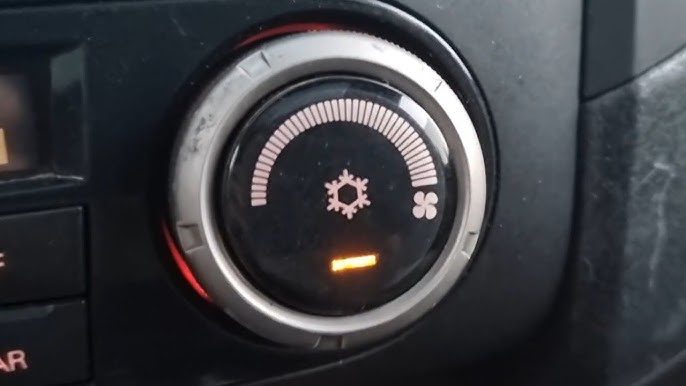
If the AC light on your Toyota is blinking instead of staying solid, that’s not normal — and it’s not something you should shrug off. A steady light means the air conditioning is on and working. A flashing light means the system has detected a problem and is trying to get your attention.
The culprit could be a bad compressor clutch, a worn AC belt, a failing belt tensioner, a tripped pressure switch, or a faulty clutch relay. Some of these are quick, cheap fixes. Others can get expensive fast if you let them go too long and they start damaging neighboring components.
Let’s go through what you can try on your own first, what’s most likely causing the problem, and when it’s time to hand the keys to a mechanic.
Try a Reset Before You Book a Shop Appointment
Before you spend money on a diagnosis, try a simple system reset. Sometimes the blinking light is triggered by a sensor hiccup or a glitch in the car’s computer — not an actual mechanical failure. A reset can clear that kind of false alarm in just a few minutes.
Even if you do end up needing a repair, you’ll probably need to reset the system afterward anyway to clear the warning light. So this step is worth doing regardless.
How to Reset Your Toyota’s AC Warning Light
- Turn the ignition to the first position — the dashboard should light up, but don’t start the engine.
- Press the trip meter reset button on the dashboard, then turn the key to the second position.
- Hold the odometer button for about 10 seconds, then release it. The light should either start blinking or turn off.
- Release the button and start the car. The AC light should be off.
If the light is still blinking, turn the car off and repeat the process once or twice more. But if it persists after three attempts, the problem isn’t a sensor glitch — there’s a real issue in the AC system that needs to be diagnosed.
At that point, it’s time to get a mechanic involved. Don’t put it off — some AC faults can damage surrounding parts if they’re left unaddressed.
5 Reasons Your Toyota’s AC Light Won’t Stop Blinking
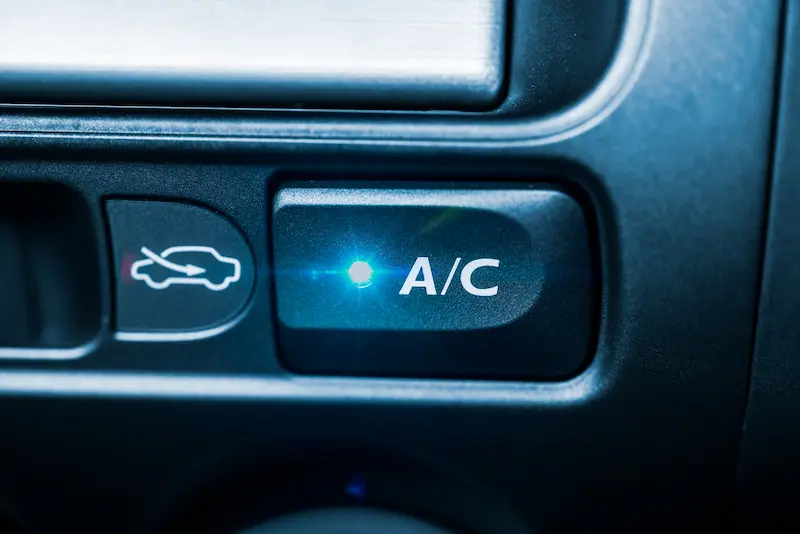
On most Toyota models, the AC button light does double duty. When you press it, the light stays solid to confirm the air conditioning is running. When it starts flashing, the system is warning you that something’s gone wrong.
Here are the five most common causes.
1. The AC Compressor Clutch Has Failed
The compressor clutch tells the AC compressor when to engage and start compressing refrigerant. When it fails, the entire system goes down. Sometimes it’s not the clutch itself but the compressor clutch sensor sending bad signals that triggers the blinking light.

Either way, replacement is usually the fix. And fair warning — this tends to be one of the pricier AC repairs. Even without labor costs, the compressor clutch assembly isn’t cheap, and the more premium the Toyota model, the higher the part cost climbs.
2. The Belt Tensioner Isn’t Holding Proper Tension
The belt tensioner keeps the AC belt tight enough to drive the compressor properly. If it’s loose, the belt slips and the AC can’t function — you might find the system doesn’t blow cold air at all. If it’s too tight, it wears the belt out prematurely. Either scenario can trigger the blinking light.
As a general guideline, belt tensioners should be replaced every 40,000 to 70,000 miles, though your driving conditions and climate can shift that window in either direction.
3. The AC Pressure Switch Is Acting Up
The AC pressure switch monitors refrigerant pressure in the system. If it’s malfunctioning or not connected properly, you might notice the air conditioner blowing warm air — or cutting out entirely without warning. Some owners also hear clicking noises when they turn the AC on, which is a classic pressure switch symptom.
The good news? Replacement parts are affordable. An AC pressure switch typically costs between $20 and $100.
4. The AC Clutch Relay Has Gone Bad
The clutch relay supplies electrical power to the compressor clutch. When it fails, the compressor doesn’t get the signal it needs to engage, which means it can’t compress refrigerant and the whole AC system shuts down.

This is probably the cheapest fix on the entire list. A replacement AC clutch relay usually runs between $7 and $25 — and swapping it out is straightforward enough that most people can do it themselves.
5. The AC Belt Is Worn Out
When an AC belt starts wearing down, you’ll typically hear it before you see it — a loud squealing noise, especially when you first start the car or kick on the AC. If you haven’t noticed the squeal yet, the belt might just be in the early stages of wear.
Another telltale sign? Your windshield defroster stops working properly in cold weather. The AC system actually plays a role in removing moisture from the cabin air during defrost, so a failing belt can affect that function too.
If you’re noticing both symptoms — the squeal and weak defrost — the belt is almost certainly the issue. Replacing it is a relatively simple job, and it’s one that handy DIYers can usually handle without too much trouble.
Don’t Wait Until the AC Dies Completely
A blinking AC light on your Toyota isn’t just an annoyance — it’s the system flagging a specific problem that needs attention. Start with a reset to rule out a sensor glitch. If the light comes back, work through the common causes: compressor clutch, belt tensioner, pressure switch, clutch relay, and the AC belt itself.
Some of these fixes cost less than a fast-food meal. Others can get expensive if you wait too long and let a failing part take out something next to it. The sooner you track down the cause, the cheaper the fix is likely to be — and the sooner you get your cold air back where it belongs.

