
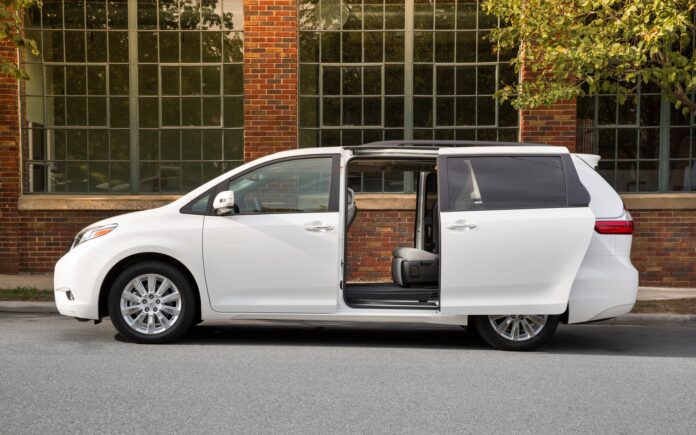
The frustration hits hard when your Toyota Sienna’s power sliding doors; the very feature designed to make family life easier; suddenly turn rebellious. That signature chime or stubborn refusal to slide open or closed can transform a quick errand into a logistical nightmare, especially with little ones, groceries, or strollers in tow. As someone who’s delved deep into automotive diagnostics and minivan ownership quirks, I’ve seen these issues plague Sienna owners across various model years. This in-depth guide draws from real-world patterns, manufacturer insights, and practical fixes to empower you to troubleshoot and often resolve power sliding door troubles yourself.
We’ll explore everything from quick wins to advanced mechanical interventions, while highlighting safety recalls, preventive care, and when it’s smartest to call in the pros. By the end, you’ll have a clear roadmap to restore smooth, reliable operation to your Sienna’s doors.
Common Causes of Toyota Sienna Power Sliding Door Failures
Power sliding door malfunctions in the Toyota Sienna rarely stem from a single villain. Instead, they arise from a mix of electrical gremlins, mechanical fatigue, software hiccups, and environmental factors. Based on widespread owner reports, forum discussions, and service data, here’s the typical breakdown:
- Electrical gremlins (roughly 35% of reported cases): Blown fuses, weak batteries, or wiring faults disrupt power delivery to the motors.
- Mechanical degradation in latch mechanisms (about 28%): Corrosion, worn components, or misalignment prevent proper latching and unlatching.
- Control module or software anomalies (around 22%): Glitches after battery changes or sensor misreads cause erratic behavior.
- Track obstructions or buildup (12%): Dirt, ice, or debris jams the rails, halting smooth travel.
- Overlooked safety features (3%): Child locks or disabled power switches accidentally engaged.
Understanding these categories helps narrow down the culprit quickly, saving time and avoiding unnecessary part swaps.
Start with These Quick, No-Cost Checks
Many door dramas resolve without tools or trips to the dealer. Begin here before rolling up your sleeves for deeper work:
1. Confirm the Child Safety Lock Isn’t Engaged
Nestled on the edge of each sliding door is a small manual switch. When set to LOCK, it disables power operation entirely to prevent accidental openings; a thoughtful safety measure for families with young children. Simply slide it to UNLOCK and test the doors again. This overlooked toggle catches many owners off guard.
2. Examine and Clear the Door Tracks
The lower track collects everything: gravel, leaves, pet hair, spilled snacks, and winter grime. Even tiny particles create resistance that triggers the anti-pinch sensors to reverse the door mid-travel. Gently run your fingers along the entire length of both tracks (upper and lower). Vacuum out loose debris, then wipe with isopropyl alcohol on a cloth for a clean, dry surface. Avoid harsh solvents that could damage seals.
3. Ensure the Power Door Master Switch Is Activated
Located near the driver’s left knee or on the overhead console, this button (often marked “PWR DOOR” or similar) can get bumped off accidentally. When disabled, no power commands reach the doors. Press it to illuminate the indicator and restore functionality. A quick audible confirmation beep usually signals success.
These simple steps fix a surprising number of complaints; often in under five minutes.
Diving into Electrical Troubleshooting
Since electrical faults top the list, systematic checks here pay dividends.
Fuse Inspection and Strategic Upgrades
A blown fuse ranks as the #1 electrical culprit, especially in 2011–2016 models where Toyota addressed recurring failures via Technical Service Bulletin T-SB-0244-17. Overcurrent from motor strain pops the protective fuse.
Access points:
- Under-dash junction block (driver’s side).
- Engine bay fuse box.
Focus on the 25A PSD (Power Sliding Door) fuses (positions vary by year, commonly 16, 21, or 32) and the 30A PWR fuse (often position 38 in the engine compartment).
If blown, replace immediately; but for affected older models, Toyota advised swapping to higher-rated 30A fuses (part 90080-82054) to reduce repeat failures. This minor upgrade enhances durability without altering the circuit.
Battery Voltage and Charging System Health
Power doors demand substantial current to overcome inertia and resistance. A marginal battery (below 12.4V at rest) might start the engine but starve the door motors, leading to hesitation, partial movement, or complete failure.
Grab a multimeter:
- Engine off: ≥12.6V ideal.
- During operation: Watch for drops below 11V under load.
Low readings? Charge fully or test/replace the battery. Many “mysterious” door issues vanish once voltage stabilizes.
Tackling Mechanical Challenges Head-On
When power flows but doors still falter, shift focus to physical components.
Latch Assembly Corrosion and Wear
Particularly rampant in 2011–2016 Siennas, corrosion on the front latch lever pins prevents full engagement. Toyota extended coverage under program ZH4 (and related settlements) to 10 years/unlimited miles for latch repairs in many cases.
Classic symptoms include:
- Doors reverse mid-close with beeps.
- Clicking without movement.
- Partial opening then halt.
For out-of-warranty vehicles, DIY cleaning works:
- Remove the front latch (T30 Torx required).
- Spray electrical contact cleaner to dissolve corrosion.
- Apply dielectric grease to pivots for protection.
- Reinstall with updated striker plate (69370-08031) if available.
This restores crisp latching and prevents recurrence.
Cable and Pulley Wear or Breakage
Frayed or snapped drive cables plague many 2011–2018 models, often causing doors to jam or hang partially open. Forums report this in over two-thirds of partial-closure failures. Replacement cables remain inexpensive (around $7–20), making this a rewarding fix.
Basic steps:
- Partially detach the interior panel for access.
- Remove the damaged cable.
- Route the new one through the motor drum and pulleys.
- Secure ends with proper crimps.
- Test full travel before full reassembly.
Careful threading prevents binding; patience here saves headaches.
Resetting and Reinitializing the Control System
Modern door ECUs “learn” positions and limits. Battery swaps or power interruptions erase this memory, triggering odd behaviors.
Standard Initialization Sequence
- Manually close the door fully (ensure it’s latched).
- Turn ignition to ON (no start needed).
- Hold the dash power sliding door button for about 5 seconds.
- Use the remote or interior switch to fully open/close the door 5–7 times, pausing 3 seconds between each cycle.
- Verify smooth, quiet operation.
Variations exist by year; some require battery disconnect first; but repeating cycles recalibrates sensors reliably.
Important Recall and Warranty History
Toyota addressed sliding door vulnerabilities aggressively. The major 2016 recall (NHTSA 16V-901 / G04) covered ~744,000 2011–2016 Siennas for risks including doors opening while driving due to ice-obstructed latches, motor overcurrent, or faulty warnings.
Additional programs (ZKD for cables, ZH4 for latches) extended coverage to 10 years for certain repairs. Check your VIN on Toyota’s recall site or NHTSA.gov; free fixes may still apply, even on higher-mileage vans.
Newer models (2021+) feature redesigned systems with better sealing and durability, though occasional timeout behaviors (doors powering down after ~85 minutes open to save battery) appear by design.
Repair Cost Breakdown: DIY vs. Professional
Smart choices keep expenses manageable:
- Fuse upgrade: Parts ~$12; DIY free time; Dealer $75–125.
- Cable replacement: Parts ~$7–20; DIY 1 hour; Dealer $200–350.
- Latch service: Parts ~$350; DIY 2–3 hours; Dealer $650–900.
- Motor or full assembly: Parts $700+; DIY advanced; Dealer $1,500–1,900+.
Motor replacements can exceed $1,600–$1,800 at shops, per recent estimates.
Structured Step-by-Step Diagnosis Flowchart
Follow this logical path for efficiency:
- Quick Visual & Safety Scan
- Clear tracks of debris.
- Disengage child locks.
- Confirm manual locks off.
- Electrical Validation
- Activate master switch.
- Test all controls (remote, handle, buttons).
- Inspect/replace fuses.
- Measure battery voltage (rest & load).
- Mechanical Evaluation
- Listen for motor whir (power but no motion = mechanical bind).
- Inspect visible cables for fraying.
- Manually operate for resistance.
- Check latch snap when closing by hand.
- Electronic Reset
- Run initialization.
- Battery disconnect 10+ minutes if stubborn.
Document symptoms (beeps, reversal points) to aid pros if needed.
Proactive Maintenance to Maximize Door Lifespan
Preventive care extends component life dramatically:
Every 6 Months:
- Wipe tracks with isopropyl alcohol.
- Apply silicone-based lubricant to rollers (avoid petroleum WD-40).
- Eyeball cable condition and tension.
- Test latch smoothness manually.
Annually (or Every 15,000 Miles):
- Remove panels for motor/cable inspection.
- Clean/lube latches.
- Check wiring for corrosion.
- Align doors if sagging noticed.
Consistent attention catches issues early.
Decoding the Beep Symphony
Your Sienna “talks” via audio cues:
- Single beep: Minor pinch or safety trigger.
- Double beep: Latch misalignment/failure to engage.
- Five quick beeps: Major mechanical resistance detected.
- Continuous alarm: Door ajar while driving or severe fault.
Noting patterns guides next steps.
Handling Seasonal and Weather Challenges
Cold snaps exacerbate problems:
- Frozen latches seize.
- Battery cranking amps drop.
- Grease thickens.
Pre-warm the van (engine running 5–10 minutes) before power use in winter. Park in garages when possible.
Reliability Upgrades Worth Considering
Frequent issues? Proactive enhancements pay off:
- Electrical Fortification ; Swap to resettable breakers; use marine-grade wiring; add protective covers.
- Cable & Pulley Reinforcements ; Stainless aftermarket cables; sealed-bearing pulleys; anti-fray guides.
- Environmental Barriers ; Dielectric grease everywhere; seal protectors; clear drain paths.
These turn weak points into strengths.
Knowing When to Seek Professional Expertise
Despite best efforts, some faults require Toyota Techstream diagnostics, module reprogramming, or safe full disassembly. Dealership scans (~$100–150) often credit toward repairs.
Temporary Manual Mode Survival Tips
Stuck without power? Override exists:
- Disable auto via master switch.
- Use release levers to free cables if jammed.
- Lube tracks for easier hand-sliding.
- Operate one door at a time if partial function remains.
Manual use feels heavier due to unpowered mechanisms; patience required.
Evolution of Sienna Power Door Tech
- 2004–2010: Straightforward motor setups.
- 2011–2016: Added safeties but latch/cable vulnerabilities.
- 2017–2020: Better sealing, refined modules.
- 2021+: Redesigned for longevity, though battery-save timeouts noted.
Model-specific knowledge sharpens troubleshooting.
Mastering your Sienna’s power sliding doors transforms frustration into confidence. With systematic checks, timely maintenance, and awareness of recalls, most issues stay minor. Prioritize safety; disconnect batteries during electrical work; and never hesitate to consult experts for complex repairs. Your family minivan deserves smooth, dependable access, and with these insights, you’re well-equipped to deliver it.


