
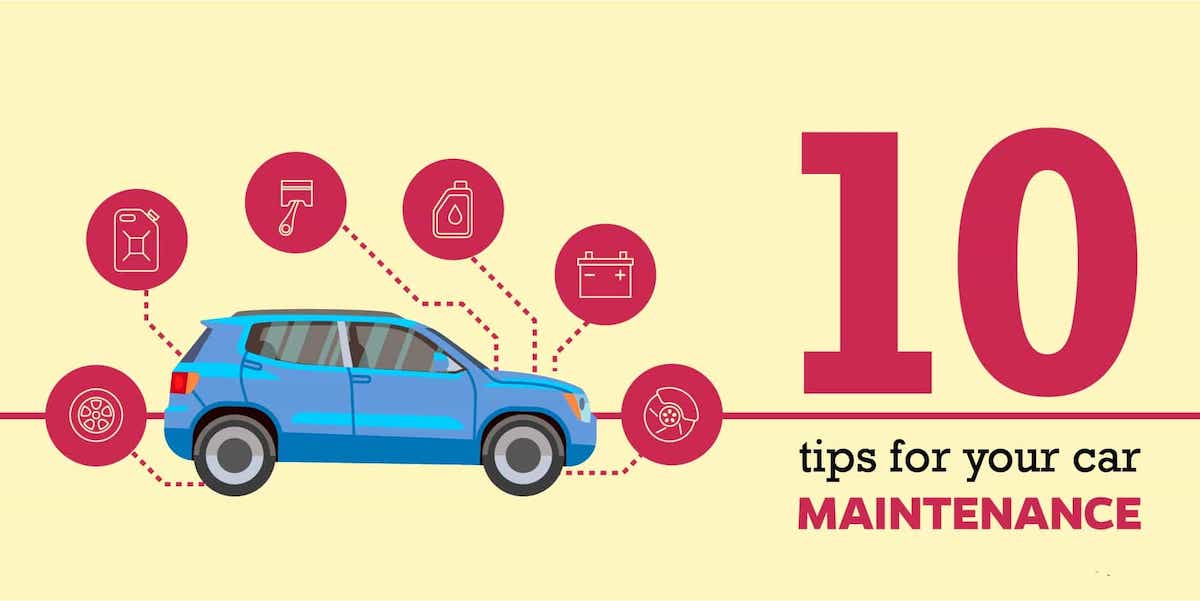

As vehicles age, they generally require more attention and maintenance. That reality isn’t just an opinion—it’s the predictable outcome of wear, heat cycles, vibration, corrosion, fluid breakdown, and the gradual weakening of rubber components (hoses, belts, bushings, seals). The cost of maintaining older vehicles is often significantly higher compared to newer ones, not necessarily because older cars were “built worse,” but because more parts have simply reached the end of their service life. In other words, age turns small tolerances into larger gaps, and small gaps into noticeable problems.
Although brand-new vehicles can operate for a long time without the need for servicing, there are a few exceptions such as changing the oil filter, radiator coolant, transmission oil, and engine oil. Even the newest vehicles still rely on fluids and filtration to protect engines, cooling systems, and drivetrains. Modern cars may stretch service intervals compared to older models, but they do not escape the fundamental laws of friction, heat, and contamination.
Now, let’s discuss some important car maintenance tips and guidelines for servicing automobiles in general. It’s crucial to understand these tips and incorporate them into your vehicle care routine. Additionally, utilizing automotive technology and smartphone apps can be advantageous for identifying and addressing minor issues in your vehicle—especially when you want to catch small problems early, before they become expensive repair events.
Expert perspective (why maintenance saves money): Car maintenance is not “spending money on a car.” It is buying time, reliability, safety, and resale value. Most major breakdowns are not sudden surprises; they are slow-moving failures that give warning signs—noise, vibration, fluid loss, odd smells, inconsistent starts, changes in steering feel, longer braking distances, reduced fuel economy, or warning lights. Maintenance is the discipline of noticing those early signals and acting before the vehicle makes the decision for you on the side of the road.
How to use this guide: The numbered list below is the core “Top 10” set. After that, you’ll find additional strategies, tools, and routines that help you go from knowing maintenance principles to actually doing them consistently. Treat this as a living system: build habits, document what you do, and follow your manufacturer’s schedule as the ultimate authority.
The Top 10 Best Car Maintenance Tips
Below are the top 10 best car maintenance tips that will help you keep your vehicle in optimal condition. Make sure to follow these tips in conjunction with the advice provided by your vehicle’s manufacturer. This list will be updated periodically to ensure its relevancy.
If you have any additional car maintenance recommendations, feel free to share them in the comments section below. Different climates, driving habits, and vehicle platforms create different “best practices,” so helpful experiences and small discoveries from other drivers can be genuinely valuable—especially when they align with sound mechanical reasoning.
Important note: The goal of these tips is to improve reliability and reduce long-term cost. They are not a substitute for your owner’s manual, recall notices, or professional diagnosis when something feels unsafe. If your car is making a new grinding noise, overheating, losing brake pressure, or behaving unpredictably, treat it as a priority safety issue rather than a “later” maintenance item.
1. Read your car’s manual
Pay close attention to your owner’s manual as it provides important information regarding your vehicle’s regular maintenance schedule. This is the most underestimated “tool” in car care because it’s not flashy—but it is precise. The manual tells you what fluids the vehicle was engineered to use, when to replace them, and which inspections matter most for your specific model.
By following the guidelines outlined in the manual, you can avoid common myths such as the need to change oil every three thousand miles. Service intervals vary widely depending on engine design, oil type, driving conditions, and manufacturer requirements. Some vehicles do require shorter intervals under severe conditions (heavy traffic, towing, dusty roads, extreme heat), while others can safely run longer. The manual is where the truth lives for your specific car.
Owning a car involves understanding and implementing this basic concept. When you don’t follow the manual, you either under-maintain (leading to failures) or over-maintain (wasting money). The most cost-effective maintenance strategy is simply: do what the manufacturer recommends, and adjust based on your real-world conditions.
Expert practice: Create a maintenance log immediately. Write down mileage and date for oil changes, filters, brake service, tire rotation, coolant changes, battery replacements, and alignment work. This helps with planning, resale value, and avoiding duplicate work. It also helps you identify patterns (for example, if you are replacing bulbs unusually often, or if your tires are wearing unevenly).
Expert add-on: Use the manual to identify your vehicle’s “severe service” schedule. Many drivers unknowingly qualify for severe service (short trips, stop-and-go traffic, extreme temperatures) and then follow the normal schedule—leading to premature wear. Your manual will usually explain what counts as severe service and what changes as a result.
2. Replace Air Filters in Time
Regularly changing the air filter, approximately every 12 months or twelve thousand miles, significantly benefits your vehicle. The air filter is the engine’s first line of defense against dust and debris. When it clogs, airflow can be restricted, which may affect performance and fuel economy—especially in dusty environments or during seasons with high pollen.
Simply purchase a recommended air filter from your car’s manufacturer and either have a professional replace it or do it yourself at home using online how-to guides. For many vehicles, air filter replacement is one of the simplest DIY tasks: it typically requires opening the airbox and swapping the element. Still, always confirm the correct part and installation orientation.
Expert insight: Many drivers confuse the engine air filter with the cabin air filter. The engine air filter protects the engine. The cabin air filter protects you by filtering dust, pollen, and contaminants from the ventilation system. Both matter, but they serve different purposes. If your cabin smells musty, airflow from vents is weak, or allergy symptoms worsen in the car, check the cabin filter too.
Expert warning signs you’re overdue: reduced acceleration response, unusually dirty airbox, poor fuel economy, or visible dark debris and heavy discoloration on the filter. If you drive frequently on unpaved roads or in construction zones, your filter may need replacement more often than generic intervals suggest.
Cost-saving reality: Filters are relatively cheap. Engines are not. When in doubt, replacing a filter earlier rarely hurts; running a filter far beyond its useful life often does.
3. Change Windshield Wipers in Time
Replacing your windshield wipers is another important aspect of car maintenance that is often overlooked by many. Wipers don’t just affect comfort; they affect safety. Your brakes and tires can be perfect, but if you can’t see clearly in heavy rain, your risk skyrockets. Visibility failures cause accidents more often than people want to admit, especially at night when glare and streaking turn headlights into visual noise.
While certain high-end products may include free installation, you can save money by replacing them yourself. Ensure that you follow the steps outlined in the owner’s manual or a relevant how-to guide as the process may vary depending on your specific car model. Many modern wiper arms use different locking mechanisms, so forcing the wrong method can damage the arm or the blade connector.
Expert timing guideline: Replace wipers when you notice streaks, chattering, skipping, or uneven clearing—especially if cleaning the windshield doesn’t fix it. Heat and sun degrade rubber. In very hot climates, wipers can age quickly even if you rarely use them.
Expert trick: Keep your windshield clean. Wiper blades degrade faster when they rub across grime. A clean windshield reduces blade wear and improves visibility. Also, if you park outdoors in extreme sun, consider using a windshield sunshade; it helps cabin temps, protects the dashboard, and can reduce wiper rubber aging.
Safety reminder: Replace rear wipers too if your vehicle has them. Rear visibility matters in rain, fog, and heavy traffic, and rear wipers are often forgotten until they fail completely.
4. Carry out Some Routine Checks Regularly
Performing regular under-the-hood checks is essential for vehicle maintenance. You don’t need to be a mechanic to conduct these routine checks. What you need is consistency, a flashlight, a few minutes, and a willingness to look for changes. Vehicles rarely go from “fine” to “catastrophic” without giving signals—leaks, low levels, residue patterns, unusual smells, or the faint beginnings of corrosion.
Regular monitoring of your vehicle’s condition helps prevent major repair issues, problems, and breakdowns. The simplest routine checks include: engine oil level, coolant level (when safe and cool), brake fluid level, power steering fluid (if applicable), visible leaks, loose battery terminals, cracked hoses, belt condition, and signs of rodent damage in parked vehicles. You’re not diagnosing everything—you’re spotting obvious risk early.
Expert habit: Build a “2-minute weekly check” and a “10-minute monthly check.” Weekly: glance for leaks under the car and check tire condition. Monthly: open the hood, check fluid levels, inspect belts/hoses, and look for corrosion or residue. This is how you prevent the slow problems from becoming sudden bills.
Expert safety rule: Never open a hot cooling system. If the engine is hot, pressure can cause scalding coolant to spray. Let the vehicle cool. “Routine checks” must never become “routine injuries.”
Expert advantage: Routine checks make you a better customer when you do visit a shop. You can describe symptoms accurately, spot upsells more easily, and approve repairs with confidence because you understand what changed and why it matters.
5. Be Mindful of Tire Pressure
Regularly check your tire pressure as it is crucial for vehicle maintenance. Tires are your vehicle’s only contact point with the road, and pressure determines the size and behavior of that contact patch. Proper tire pressure ensures your safety and the safety of your family, while also saving you from potential problems and expenses.
Keep in mind that tire pressure can change due to long-distance travel and variations in temperature. Pressure drops in cold weather and rises in heat. If you check pressure right after highway driving, the tire will be warmer and readings may be higher than cold-pressure specs. For accurate maintenance, check tires when cold (after the car has been parked for several hours) and inflate to the specification listed in the door jamb placard—not the maximum pressure printed on the tire sidewall.
Expert insight: Under-inflation is one of the most common and most expensive tire mistakes. It increases rolling resistance (hurting fuel economy), creates heat buildup (risking tire failure), and accelerates shoulder wear. Over-inflation can reduce traction and create a harsher ride while increasing center wear. Correct pressure protects both safety and budget.
Expert routine: Check pressure at least monthly and before long trips. If you don’t own a gauge, buy one. A small gauge can save you from big tire bills. If your car has TPMS (tire pressure monitoring), use it as a warning system—not as your primary measurement tool. TPMS often alerts only when pressure is already significantly low.
Safety note: Tire pressure problems can mimic other issues (pulling, vibration, handling instability). Always rule out pressure before assuming suspension or alignment problems.
6. Rotate Tires Regularly
Make it a habit to rotate your car tires to extend their lifespan and avoid future damages, risks, and premature replacements. Tires wear differently depending on drive layout (front-wheel drive, rear-wheel drive, all-wheel drive), alignment condition, and driving patterns. Rotation evens out wear patterns so you get more usable life from the full set.
For every five thousand or ten thousand miles, consider changing the position of your tires from front to back or back to front. The correct rotation pattern can vary by tire type and vehicle setup. Directional tires and staggered wheel setups limit rotation options. Your manual or tire shop can confirm the correct pattern.
Expert insight: Tire rotation is not just about saving tire money. It protects handling and braking consistency. Uneven wear can increase stopping distances and reduce stability in wet conditions. Rotation also helps reveal problems early: if one tire consistently wears faster, you may have an alignment issue, worn suspension components, or a chronic pressure imbalance.
Expert best practice: Combine rotation with a quick inspection: look for sidewall damage, tread cuts, nails, bulges, and unusual wear. Ask for a tread-depth measurement and keep it in your maintenance log. Data makes replacement decisions easier and prevents “surprise bald tire” situations.
Budget note: Many shops include tire rotation at low cost when you buy tires from them, or as part of a service package. If you rotate consistently, you often delay replacement by thousands of miles—real savings over time.
7. Keep Your Vehicle Clean
Keeping your car clean is necessary for smooth running and longevity. Cleaning isn’t only aesthetics—it is basic corrosion management and long-term preservation. Dirt traps moisture. Road salt accelerates rust. Bird droppings and tree sap can damage clear coat. Interior grime can degrade surfaces and create odors that reduce resale value.
Regularly washing your car is particularly important as it protects the paint from damage caused by sun exposure, grease, grime, and even bird droppings. Maintaining a clean car helps prevent unnecessary repair expenses. In some climates, washing the underbody is especially important—salt and mud accumulate where you can’t easily see them.
Expert insight: Cleanliness also supports mechanical inspection. When a car is filthy, small leaks are hard to spot. When it’s clean, you can see oil seepage, coolant stains, or unusual residue faster. A clean engine bay (not soaked—just reasonably tidy) makes early detection much easier.
Interior advantage: A clean interior reduces wear. Dirt acts like sandpaper on seat fabric and carpet fibers. Small habits—shaking out mats, wiping touch points, keeping trash contained—maintain comfort and resale value with minimal effort.
Expert caution: Avoid aggressive high-pressure washing directly into sensitive engine-bay electronics. If you wash the engine bay, do it carefully or have it done professionally. Clean is good; damaged connectors are not.
8. Change Fuel Filters in Time
Don’t overlook the importance of replacing the fuel filter. The fuel filter plays a crucial role in the proper functioning of your vehicle’s system. It helps keep contaminants from reaching fuel injectors and sensitive components. If fuel flow becomes restricted, your engine may struggle under load, idle inconsistently, or experience performance loss.
As it is often ignored, ensure that you follow the manufacturer’s recommendations and replace it in a timely manner to avoid potential issues. Some modern vehicles have “lifetime” filters integrated into the fuel pump module, while others still use serviceable external filters. This is exactly why the owner’s manual matters: fuel system design varies across models.
Expert warning signs: hesitation during acceleration, difficulty starting, sputtering at high speed, reduced power on hills, or unexplained fuel economy decline. These symptoms can overlap with other issues, but fuel filtration is a common and sometimes inexpensive fix that should not be forgotten.
Expert note on fuel quality: In regions where fuel quality varies, fuel filtration becomes even more important. If you frequently fill up at unknown stations or travel through areas with questionable fuel storage conditions, your filter may need earlier replacement than the manual’s standard interval.
Budget reality: Fuel system repairs can be expensive. A filter is cheap insurance compared to injector replacements or pump strain caused by restricted flow.
9. Change Power Steering Oil/Fluid on Time
Changing the power steering oil or fluid as per your vehicle’s requirements is essential. Although it may receive less attention compared to other maintenance items, power steering fluid lubricates the system and keeps steering consistent. Smooth steering feel is not only comfort—it is safety, especially during emergency maneuvers when you need predictable control.
Be sure to give it the consideration it deserves. Over time, fluid can degrade, absorb moisture, and lose lubrication capability. Seals can also age, leading to leaks. A small leak can become a major failure if ignored, particularly in hydraulic systems where pressure and heat work together.
Expert warning signs: whining noise when turning the wheel, stiff steering, jerky steering response, or fluid visible around the pump or steering rack. If you see low fluid levels repeatedly, don’t just top it up—find the leak source. Topping up without diagnosis is like refilling a bucket with a hole.
Expert note: Some newer vehicles use electric power steering (EPS) rather than hydraulic systems, meaning they may not use power steering fluid at all. Again, your manual will tell you what your car actually has. The correct maintenance is the maintenance that matches your system.
Safety reminder: Steering issues escalate quickly under stress. If steering feel changes suddenly, take it seriously and inspect promptly. A steering system is not a “wait until next month” component.
10. Monitor Electrical Components & Lights
Regularly checking the lights and electrical components of your vehicle is another crucial maintenance aspect. Modern vehicles rely heavily on electrical systems: lighting, signaling, braking systems, sensors, safety features, charging systems, and communication modules. Small electrical failures can quickly become safety hazards—especially lighting failures that reduce your visibility to other drivers.
Ensuring that your lights, horns, and other electrical components are functioning properly contributes to your safety while driving. This practice helps you avoid accidents, unexpected risks, and other challenges. Make it routine: check headlights (low and high beam), brake lights, turn signals, reverse lights, fog lights (if applicable), and hazard lights.
Expert insight: Electrical monitoring also includes battery health and charging behavior. If your car starts slower than usual, lights dim at idle, or electronics behave inconsistently, you may have a battery, alternator, or connection issue. Catching charging system problems early prevents “dead battery at the worst time” situations.
Expert habit: Once a month, do a 60-second “walk-around” check at dusk or in a garage: activate hazards, hit brakes, confirm all exterior lights work. Ask a friend to help or use reflections in a window/wall. This tiny habit can prevent tickets and prevent collisions.
Safety note: If a warning light appears on your dashboard, do not ignore it. Some warnings are informational; others indicate immediate safety risk. If you’re unsure, consult the manual and consider an OBD scan (more on that in the “What More?” section).
What More?
You have now familiarized yourself with our top 10 best car maintenance tips and guidelines to follow. However, if you want to optimize the performance of your vehicle, there are additional resources available. Numerous cell phone and tablet apps provide tutorials and videos for conducting basic DIY maintenance services on your car.
Perform a Google search using keywords such as “best apps for car maintenance and repair” to find a comprehensive list of apps suitable for simple car maintenance tasks. Personally, I recommend the AutoMd app as it has proven useful in my day-to-day vehicle maintenance activities.
Aside from smartphone apps, there are also excellent car troubleshooting devices available, such as car diagnostic scanners, auto code readers, and auto diagnostic tools. These tools can help you decode error codes and provide valuable insights for DIY maintenance or when seeking assistance from car support forums.
Turning Tips Into a Routine: A Practical Maintenance System
Knowing maintenance tips is helpful. Building a repeatable routine is what actually saves you money. Most drivers don’t fail because they “don’t care.” They fail because they don’t have a system, so maintenance becomes reactive. Below is an expert-style framework for turning the Top 10 into a simple schedule that fits real life.
Monthly (15 minutes)
- Check tire pressure (Tip 5) and look for visible tire damage or uneven wear.
- Do a quick lighting check (Tip 10): hazards, brake lights, turn signals.
- Look for leaks under the car and check basic under-hood fluid levels (Tip 4).
Every 5,000–10,000 miles (or as your manual states)
- Rotate tires (Tip 6).
- Replace engine oil and oil filter if due (refer to Tip 1 and your manual).
- Inspect wiper blades and replace if needed (Tip 3).
Every 12 months (baseline yearly refresh)
- Replace air filter if due (Tip 2), especially in dusty environments.
- Deep clean the vehicle interior/exterior and protect surfaces (Tip 7).
- Check battery health and terminals; evaluate charging performance (Tip 10).
Expert reminder: Your manual should still be your master schedule. The routine above is a practical “memory aid,” not a replacement for manufacturer-specific intervals.
Smart Use of Automotive Technology (Without Overcomplicating It)
Modern automotive technology can reduce stress and help you detect issues earlier—but only if you use it as a support tool, not a replacement for common sense. Apps and scanners do two useful things: they improve visibility (what’s happening) and reduce uncertainty (what a warning may mean). Used correctly, they help you make better decisions—whether that means a simple DIY fix or a smarter conversation with a mechanic.
How smartphone apps help: Maintenance reminder apps can track oil changes, tire rotation, filters, and service records by mileage and date. DIY tutorial apps can guide beginners through tasks like air filter replacement, wiper changes, and basic checks. Apps can also help you budget for maintenance by making upcoming tasks visible rather than surprising.
How diagnostic scanners help: If a check engine light appears, a scanner can provide the error code and a description. This is valuable because it helps you avoid panic and avoid guessing. Some codes are minor; others indicate misfires, sensor failures, or emissions issues that should not be ignored. A scanner doesn’t “fix” the car—but it helps you ask the right questions and avoid paying for unnecessary diagnostics when the problem is straightforward.
Expert caution: Not all code readers are equal. Some only show basic codes. More advanced ones display live sensor data. Also, a code is a starting point—not a final diagnosis. For example, a code may point to an oxygen sensor, but the true root cause could be a leak or another system triggering the sensor reading. Treat codes as a clue, then confirm.
Common Maintenance Mistakes (That Quietly Cost Drivers Thousands)
To make this guide even more useful, here are the errors experts see repeatedly—mistakes that tend to “feel small” until they become expensive:
- Ignoring the manual and relying on outdated generic advice (Tip 1 exists for a reason).
- Waiting for a failure instead of responding to warning signs like noise, smell, and changes in behavior (Tip 4).
- Under-inflated tires, which quietly increase fuel costs and shorten tire life (Tip 5).
- Skipping tire rotation, leading to uneven wear and early replacement (Tip 6).
- Not checking lights until a ticket or accident makes it obvious (Tip 10).
- Neglecting filters because “the car still runs” (Tips 2 and 8).
- Topping up leaking fluids repeatedly without finding the leak source (Tip 9 and Tip 4).
Maintenance doesn’t need to be complicated, but it does need to be consistent. If you adopt only two habits from this article, make them these: follow the manual’s service schedule (and keep a log), and check tire pressure regularly. Those two alone prevent a surprising number of real-world breakdowns and expenses.
Final Word: Maintenance Is the Best “Upgrade” You Can Buy
Drivers often spend money on upgrades—wheels, audio systems, cosmetics—while postponing the fundamentals. But the most effective upgrade is boring: fluid health, tire integrity, proper filtration, safe visibility, and functional electronics. These basics don’t just keep your car running; they keep it predictable. Predictability is what makes driving safer, commuting smoother, and ownership less stressful.
Whether your car is brand-new or deeply seasoned, the goal is the same: protect the systems that protect you. Follow the tips above, pair them with your manufacturer’s schedule, use technology wisely, and build habits you can repeat. That is how you keep your vehicle in optimal condition for the long run.