

The Baja Turbo failed woefully at its launch, and it’s easy to assume it will remain one of those odd automotive footnotes—an experiment that missed its moment and quietly disappeared. But the longer you watch enthusiast markets, the more you notice a pattern: commercial failure does not automatically prevent a vehicle from becoming desirable later. In fact, failure can be one of the strongest accelerants of future collectibility—because it tends to create scarcity, cultivate a unique story, and filter ownership down to the people who truly “get” the car.
That’s why the signs now point to something interesting: the Baja Turbo may have a real second chance at glory, not as a mainstream hit, but as a classic-car collectible with growing appeal. It is impossible to predict with 100% certainty which cars will become collectibles (even experts get surprised), but certain conditions tend to show up again and again when a vehicle transitions from “unloved” to “wanted.” The Baja Turbo possesses these conditions in a way that’s hard to ignore—especially as the market continues to warm up to unusual, niche, early-2000s vehicles.
Before we get into the factors, it helps to define what “collectible” actually means in modern car culture. Collectible doesn’t always mean “museum piece” or “six-figure auction star.” For many buyers today, a collectible is a vehicle that has developed a strong enthusiast identity, holds value better than comparable models, and becomes increasingly hard to find in clean, original condition. Sometimes it evolves into a weekend car. Sometimes it becomes a “forever daily.” And sometimes it turns into the kind of vehicle people regret selling once the market wakes up to what made it special.
In that context, the Baja Turbo is positioned in a very specific sweet spot: strange enough to be memorable, limited enough to be scarce, and practical enough to be usable. That combination is exactly what helps certain underappreciated vehicles turn into the cult favorites people chase later.
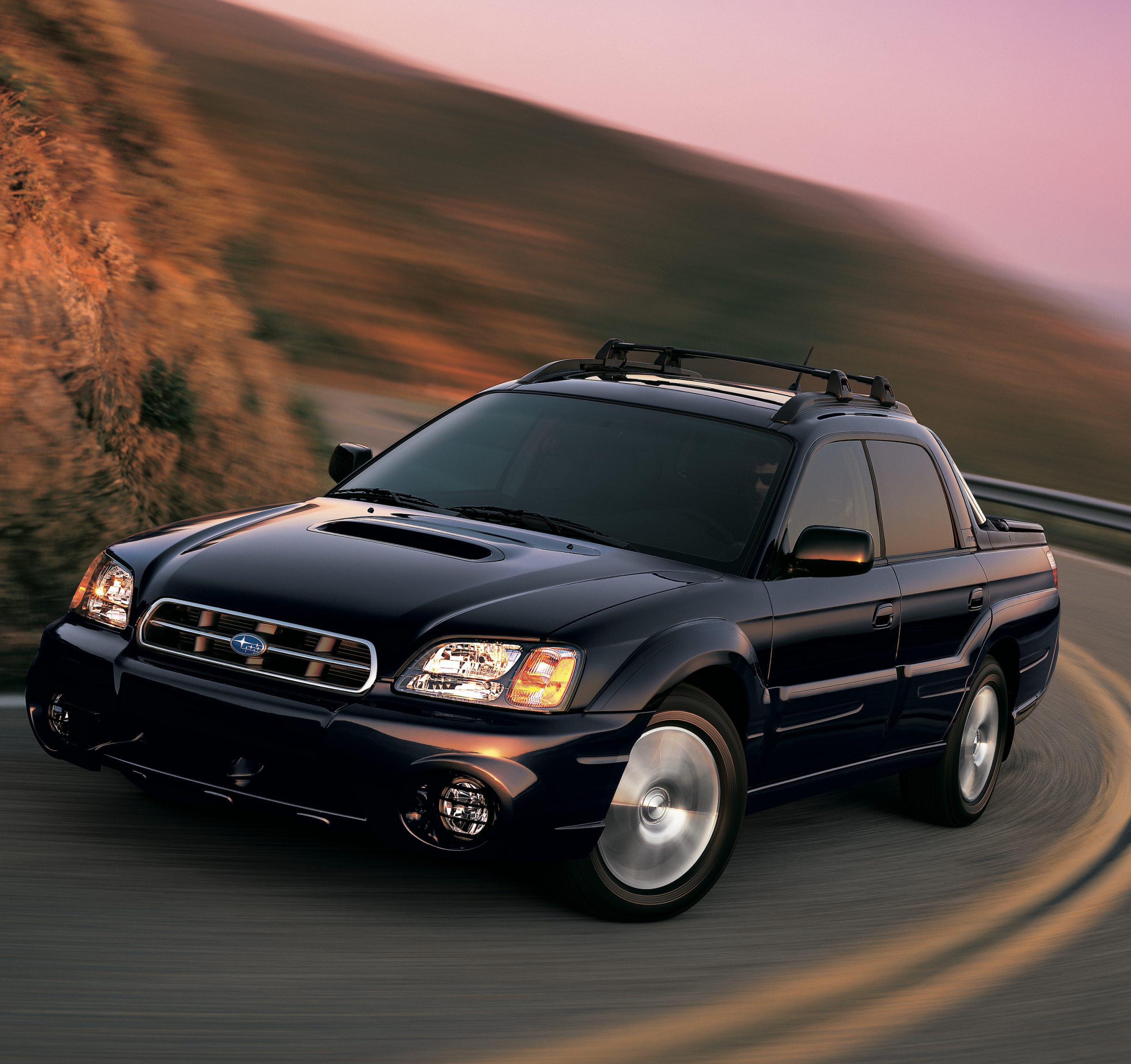
Here are the factors that convert a car into a collectible and how the Baja Turbo possesses them.
Why “Failed” Cars Sometimes Become the Best Collectibles
From an expert collector’s perspective, the vehicles that become valuable later are not always the ones that sold well when new. Many high-volume cars become invisible in the used market because there are simply too many of them. They’re common, easy to replace, and rarely inspire a dedicated community. By contrast, a “failed” car can develop a unique identity, largely because it stands out from the normal product planning logic of its era.
Collectors are drawn to stories. The Baja Turbo has one. It was a bold attempt to create a car-truck crossover before that concept became mainstream and refined. It tried to appeal to buyers who wanted the everyday comfort of a Subaru with the utility vibe of a compact pickup. The market didn’t reward it at the time, but today’s market is increasingly open to unconventional formats—especially as people grow nostalgic for early-2000s design and the era when automakers experimented more freely.
Think of collectibility as a long game where timing matters. A car can be “wrong” for its original market and still be “right” for a later one—especially when it becomes rare and enthusiasts start viewing it as a symbol of creativity rather than a sales mistake. That’s a big part of why the Baja Turbo deserves a second look.
The Core Collectibility Checklist (Rearranged for Clarity)
The list below is intentionally ordered in the way most collector markets tend to work: scarcity creates the foundation, coolness creates demand, and performance (or capability) keeps the car relevant beyond pure nostalgia.
- Rarity
- Potential to be cool
- Performance Potential
1) Rarity
A car often becomes collectible because it’s rare—either because it was produced in low numbers, because few have survived in good condition, or because certain trims and configurations are hard to find. Rarity matters because it changes the buying psychology. When a vehicle is common, buyers negotiate hard and walk away easily. When a vehicle becomes scarce, clean examples become “opportunity purchases”—meaning you buy when you find the right one, not when you feel like shopping.
Fortunately (from a collector standpoint), the Baja Turbo is rare largely because the Baja itself was not loved at launch. Subaru reportedly predicted that about 24,000 Bajas could be sold each year. However, Subaru didn’t reach that target until nearly four years later. The market response was lukewarm at best—there was no widespread love for the Baja. In total, Subaru sold only 30,000 Bajas during the model’s brief run.
Those numbers matter because they’re small enough to create long-term scarcity—especially once you account for real-world attrition. Over time, any niche vehicle faces losses: accidents, rust, neglect, mechanical failures, and modifications that remove originality. In other words, the number “sold” is never the number that survives cleanly. As years pass, the pool of well-maintained, unmodified examples becomes smaller, and those are exactly the cars collectors fight over.
Expert insight: Rarity alone does not create value, but it creates leverage. It turns a “nice to have” vehicle into a “hard to replace” vehicle. When enthusiasts begin to want it, scarcity turns that interest into upward pricing pressure.
How scarcity evolves into collectibility:
In early phases, rare cars are simply “hard to find.” Later, they become “hard to find in good condition.” Then, they become “hard to find in original condition.” The final stage is “hard to find at any price that feels reasonable.” The Baja Turbo is already moving through the first two phases in many markets—especially if you want a clean body, complete interior, and a history that doesn’t include questionable mods.
Why the Baja Turbo’s rarity is especially meaningful:
The Baja wasn’t just any Subaru—it was a format experiment. That makes surviving examples feel like artifacts of a specific “what if?” moment in automotive design. Many vehicles are rare because they were expensive. The Baja is rare because it was misunderstood. Collectors often love the misunderstood ones, because they feel like a secret the mainstream never appreciated.
There’s also a practical side to rarity: it drives community formation. When owners realize their vehicle is uncommon, they tend to network, share resources, preserve knowledge, and treat the car differently. That community effect can raise the model’s profile and further support collectibility.
What to watch as a signal of “rarity becoming valuable”: When you begin to see buyers actively seeking specific trims (like the turbo), preferring original paint and factory options, and paying a premium for documentation—rarity is no longer just a fun fact; it’s a market force. The Baja Turbo is well-positioned for this shift because its overall production run was limited and because demand for quirky niche utility vehicles has grown.
2) Potential to be cool
A collectible must be perceived as cool—at least by a growing subset of enthusiasts. “Cool” isn’t always immediate. In fact, many vehicles that become cool later are mocked at first. That’s because mainstream taste tends to reward familiar design language. True coolness—especially in the collector world—often comes from uniqueness, boldness, and identity.
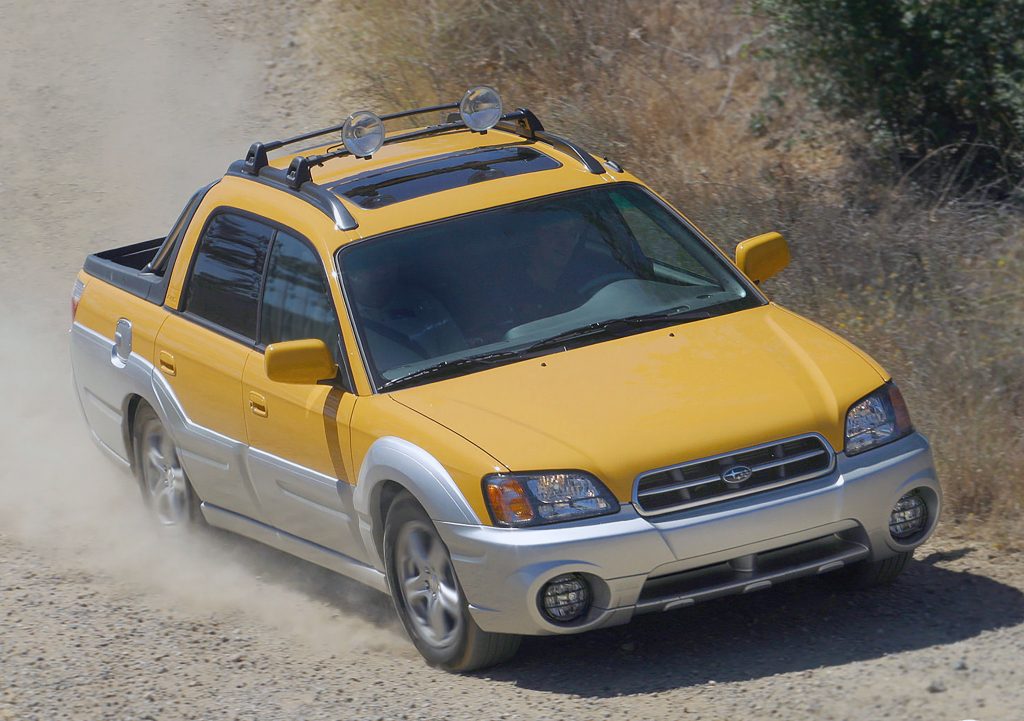
The Baja Turbo may be considered ugly now; however, the design could be perceived as “cool” in a couple of years. That shift happens all the time. Styling that looks awkward in one era can look bold in another—especially when fashion cycles return and nostalgia changes the emotional value of design.
In the Baja’s case, its small-truck design is a big part of its “future cool” potential. It sits in the same general space as other cult-favorite automotive oddities: vehicles that were neither fully one thing nor another, but ended up creating their own category. The Baja isn’t a traditional pickup, and it isn’t a standard wagon. It’s a hybrid identity that feels more interesting now than it did in a market that preferred clearer categories.
Expert insight: “Cool” is rarely about objective beauty. It’s about narrative and identity. The Baja’s identity is unusual, practical, and slightly rebellious—exactly the kind of character that collector communities enjoy celebrating.
Why “ugly today” can become “cool tomorrow”:
There are three common reasons this happens:
- Design fatigue: When modern cars start looking too similar, older weird designs feel refreshing.
- Nostalgia: People who grew up seeing a car become emotionally attached once they have buying power.
- Cultural re-framing: The internet turns “odd” into “iconic” by making a car recognizable and memeable.
The Baja is strongly positioned in all three categories. Modern crossovers have converged toward similar shapes. Nostalgia for early-2000s vehicles is rising. And the Baja is extremely internet-friendly: it’s easy to recognize, easy to describe (“Subaru truck thing”), and visually distinct enough to become a conversation starter at any meet.
Practical cool: the “usable classic” advantage
Another important detail: cars become cooler when they can be used without drama. The Baja’s appeal is not only visual; it’s also functional. Collectors increasingly value “usable classics”—cars you can drive, park, and live with rather than store like fragile art. A small-truck body style suggests utility, and utility adds legitimacy. It makes the car feel like a lifestyle tool rather than a museum object.
How the Baja Turbo fits the “cool kids” group:
The Baja’s small-truck form gives it crossover appeal. Pickup fans notice it because it’s truck-like. Subaru fans notice it because it’s Subaru. Outdoors and lifestyle enthusiasts notice it because it looks like it was built for weekend gear. And collectors notice it because it’s weird enough to be rare, but not so weird that it’s unusable.
In the collector world, this is powerful. Cars that appeal to only one narrow group can stall in value. Cars that can be “cool” in multiple communities tend to grow faster in cultural relevance—and that’s usually when pricing starts to climb.
Expert market signal: When you start seeing Bajas photographed like lifestyle vehicles (camping, outdoor builds, tasteful period-correct wheels), that’s a sign the “cool narrative” is being built. Once that narrative spreads, demand often follows.
3) Performance Potential
Even when a car’s core identity is quirky, performance potential is often what keeps it relevant in enthusiast culture. Collectors and enthusiasts tend to gravitate toward vehicles that can do something well—go fast, handle tough terrain, tow, or simply provide a distinctive driving experience.
Even though the base Baja model is not a high-performance king, the five-speed turbocharged Baja models are good enough to help break into the collectibles market.
Expert perspective: Performance potential doesn’t mean a car must be the fastest in its category. It means the car offers a version that enthusiasts can get excited about—something that feels more alive, more responsive, or more capable. In the Baja Turbo’s case, the turbocharged setup changes the narrative from “interesting oddball” to “interesting oddball that can actually move.” That matters more than most people expect.
Why turbo models help collectibility:
- They become the “right” trim: Many cars have one configuration enthusiasts chase. Turbo trims often become that version.
- They feel special: Performance upgrades create a stronger emotional connection and a more memorable drive.
- They encourage community: Performance owners share tuning, maintenance, and modification knowledge, which strengthens the model’s culture.
This is one reason the Baja Turbo may have a stronger future than the base Baja. A base model can become collectible if it’s rare enough, but a performance-oriented trim tends to accelerate demand because it offers both story and driving engagement. In collector markets, “fun to drive” is often the difference between a car that’s remembered and a car that’s truly chased.
Performance potential also protects long-term interest: A vehicle that is only weird can become a short-lived novelty. A vehicle that is weird and enjoyable to drive often becomes a cult favorite. The Baja Turbo leans toward cult-favorite territory because it offers a more compelling ownership experience than the standard configuration.
Bonus Considerations That Often Push a Car Into “Collectible” Territory
The three factors above—rarity, cool potential, and performance potential—are the core ingredients described in this guide. However, in real collector markets, several supporting conditions often determine whether those ingredients actually turn into long-term value. The Baja Turbo benefits from many of these “supporting factors,” even if they aren’t the headline items.
A Strong Story (The “Failed Experiment” Effect)
Vehicles with clear stories tend to become collectible faster because collectors like telling those stories. The Baja’s story is easy to explain in one sentence: Subaru tried to create a car-truck hybrid, the market didn’t understand it, and now it’s rare. That’s a perfect collectible narrative—simple, memorable, and emotionally satisfying for enthusiasts who enjoy “saving” misunderstood cars.
A Distinct Segment Identity
Collectors often chase vehicles that feel like their own category. The Baja Turbo isn’t a standard pickup, and it isn’t a normal wagon. That category-blending nature is exactly what made it confusing to many buyers at launch—but it’s also what makes it interesting today. In a world where vehicle lineups are increasingly standardized, odd formats stand out.
Enthusiast Usability (Not Just “Show Car” Appeal)
A key advantage for the Baja Turbo is that it can be enjoyed in real life. Many collectibles are too expensive, too fragile, or too uncomfortable for regular driving. A practical, quirky vehicle can build a larger fanbase because it fits into daily life—weekend projects, road trips, outdoor hobbies, or simply commuting with personality.
Expert point: The biggest “growth” collectibles are often the cars that people can actually use. Usability increases visibility, and visibility increases cultural relevance.
The “Survivor” Effect (Originality Becomes the Prize)
As a niche vehicle ages, owners modify, repair, repaint, and personalize. Over time, truly original examples become the rarest of the rare. That’s when collector value often spikes—because buyers aren’t just purchasing a car, they’re purchasing a surviving reference point for what the car used to be.
With the Baja Turbo, originality will likely become increasingly important. Stock body condition, clean interior, correct trim, and documentation will matter more as the pool of clean examples shrinks. The more people build lifted “adventure” versions, the more valuable unmodified survivor examples may become to collectors who want authenticity.
How to Buy a Baja Turbo Like a Collector (Without Overpaying)
If you’re considering buying a Baja Turbo with collectibility in mind, it helps to approach the purchase the way experienced collectors do: identify what makes the car valuable in the future, then buy the best example you can reasonably afford today. The cheapest Baja Turbo is not always the best deal—especially if the “cheap” price is just pre-paid repair bills in disguise.
Prioritize Condition Over Mods
A clean body, a well-kept interior, and a complete, unbroken trim package are worth more than flashy modifications. Mods can be fun, but they often reduce future buyer interest unless they’re reversible and done with quality parts. If your goal is potential collectibility, look for cars that are as close to stock as possible or modified in tasteful, easily reversible ways.
Documentation Is a Value Multiplier
Service records, ownership history, and evidence of careful maintenance become increasingly valuable as a vehicle becomes scarce. Documentation doesn’t just prove the car was cared for—it helps the next owner trust it, which supports resale strength and collector confidence.
Be Realistic About Maintenance
Every aging vehicle has needs. The key is to avoid buying someone else’s deferred maintenance. A collector-minded buyer doesn’t fear maintenance; they fear unknown neglect. If you’re not comfortable evaluating condition yourself, it’s wise to have the vehicle inspected by a professional who understands the platform.
Expert reminder: Future collectibility rewards the owner who maintains the car consistently. The cars that become the most desirable are usually the ones that remain mechanically healthy, not just visually interesting.
How to Preserve Baja Turbo Value Over Time (Practical Ownership Tips)
If the Baja Turbo does become more collectible, the owners who benefit most will be the ones who preserved their vehicles with care. Preservation doesn’t mean locking it away—it means keeping it clean, complete, and mechanically solid.
- Keep it clean and rust-free: Clean underbody areas and address corrosion early.
- Use quality fluids and consistent service intervals: A smooth-running car is a more valuable car.
- Avoid irreversible modifications: If you customize, keep original parts when possible.
- Protect the interior: Interiors often age faster than drivetrains, and a clean cabin signals careful ownership.
- Store responsibly: If you can garage it or protect it from harsh weather, do so.
These habits don’t just preserve value—they preserve the ownership experience. Many future “collector” cars become expensive because clean examples are rare, not because the car itself is inherently expensive. Your goal is to make your Baja Turbo one of the clean examples that will be difficult to replace later.
Conclusion: A Second Chance at Glory Is Realistic
The Baja Turbo may have stumbled at launch, but it now shows multiple signs of future collectibility. It checks the three core boxes that frequently transform forgotten vehicles into cult classics: it is rare due to weak sales, it has genuine potential to become “cool” as tastes shift toward quirky early-2000s design, and it offers performance potential through its five-speed turbocharged variants. Layer on its distinctive story and usable lifestyle appeal, and you get a vehicle that could realistically step into the collectible spotlight.
No one can guarantee exactly how collectible it will become or how fast values will rise. But from an expert standpoint, the Baja Turbo has the traits that collectors repeatedly chase once a vehicle’s reputation flips. If you already own one, preserving it well may pay off. And if you’re shopping for one, buying a clean example before the broader market catches up could be a smart move—especially if you enjoy driving something genuinely different.

