
The automotive world has produced some genuinely breathtaking machines. A 1963 Ferrari 250 GTO. A Porsche 911 in any era. An E-Type Jaguar on a wet road with the light hitting it just right. These are cars that stop people in their tracks.
Then there are the others.
Table of Contents
Not every car that leaves the design studio is a work of art. Some are puzzling. Some look like they were designed by committee, with nobody in the room willing to say what everyone was clearly thinking. A few of them look like accidents that somehow passed production approval and ended up in showrooms where confused buyers had to decide whether to commit.
Engineers and designers sometimes take big swings and miss badly. Other times the mechanics fall apart, or the styling choices age so poorly that what seemed bold in one decade becomes a cautionary tale in the next. Occasionally a manufacturer was under so much financial pressure that they shipped something they probably should have held back another two years.
Whatever the reason, these cars exist. Some became infamous. A few found cult followings despite themselves. Most were forgotten as quickly as possible by everyone involved. Here are some of the most notable offenders, with a look at what went wrong and why they ended up on a list like this one.
DeLorean DMC-12: Visionary or Disaster?
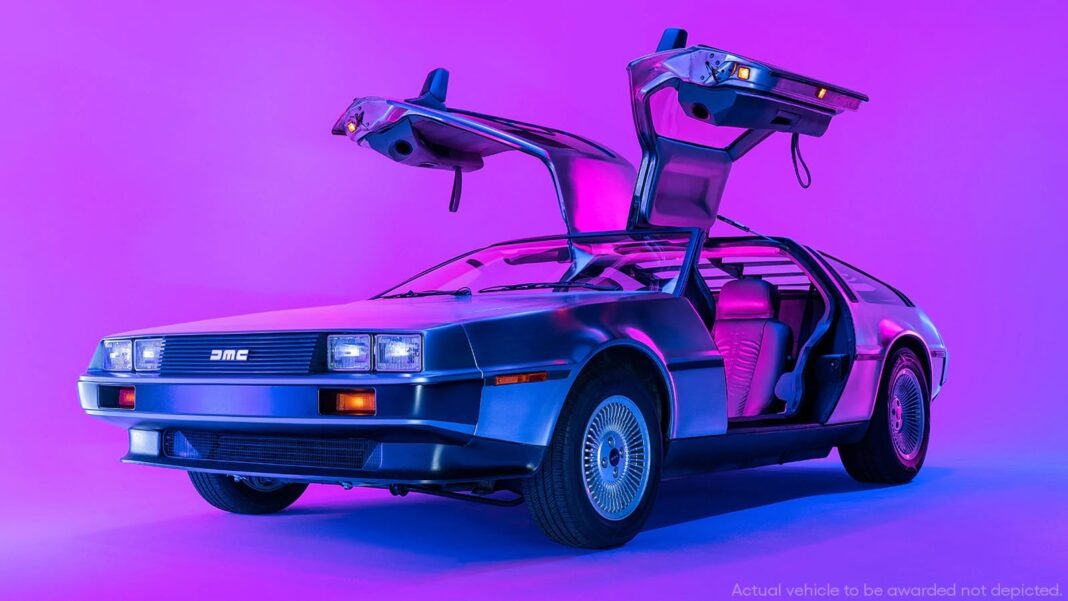
John DeLorean had a vision, and nobody could say he lacked ambition. He left General Motors to start his own car company, built a factory in Northern Ireland, invested in entirely new manufacturing processes, and designed a car with stainless steel body panels and gull-wing doors. That is a long list of calculated risks, and most of them did not pay off the way he intended.
The DMC-12 has drawn comparisons to a toaster oven, and while that is a bit unkind, it is not entirely unfair. The unpainted stainless steel exterior looked striking in certain lighting conditions and deeply strange in others. The wedge shape was aggressive in theory but oddly proportioned in practice. The underpowered Peugeot-Renault-Volvo engine beneath the rear deck did nothing to help matters.
And yet. The DMC-12 became one of the most recognizable cars in history because a small film called Back to the Future decided it was the perfect time machine. That association gave the car a second life that its sales figures never could have. It remains the first car on this list partly because of how well-known it is and partly because the gap between what was promised and what was delivered remains one of the more spectacular mismatches in automotive history.
Bricklin SV-1: Safety Vehicle One, Zero Points for Style
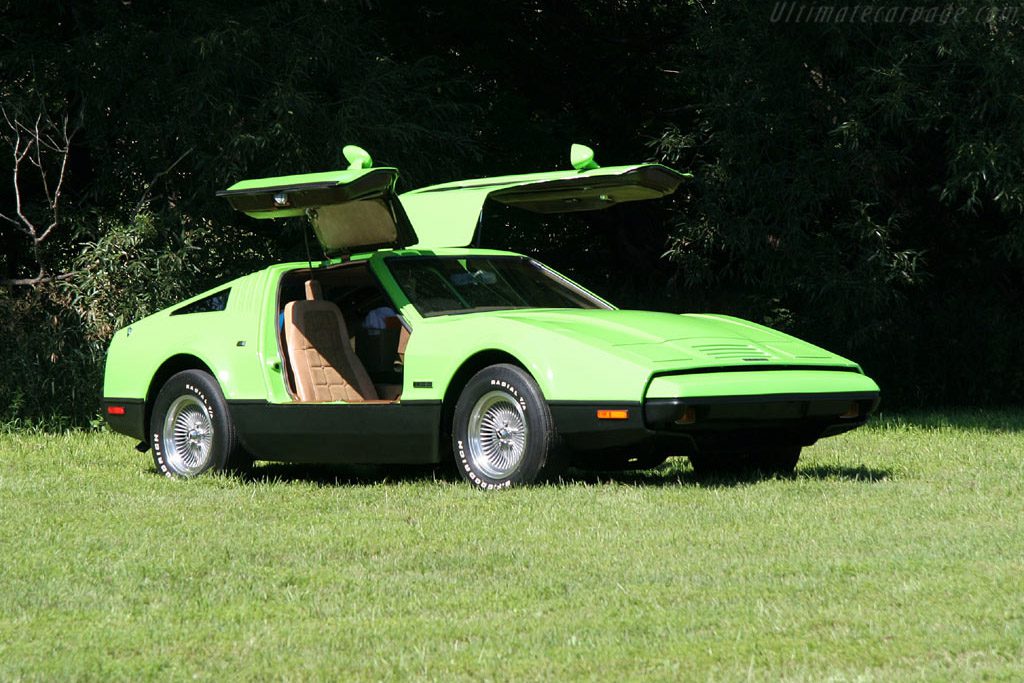
The concept of a “safe and cheap sports car” is worth unpacking for a moment. Those three words do not naturally belong in the same sentence, and the Bricklin SV-1 proved that fairly convincingly. Malcolm Bricklin, the businessman who introduced Subaru to North America, was behind this one, and “Safety Vehicle One” remains one of the least exciting names ever attached to something marketed as a sports car.
The front end has been compared to a Corvette that has had a long run of bad luck and made some questionable decisions. The gull-wing doors were supposed to add drama and elegance. Instead they looked like an afterthought bolted onto a body that could not quite decide what it wanted to be. Fewer than 3,000 were ever built, and that number tells you most of what you need to know about public reception. It was unpopular, and the reasons were visible from fifty feet away.
Cadillac Allanté: When a Luxury Brand Tried Too Hard to Be Cool
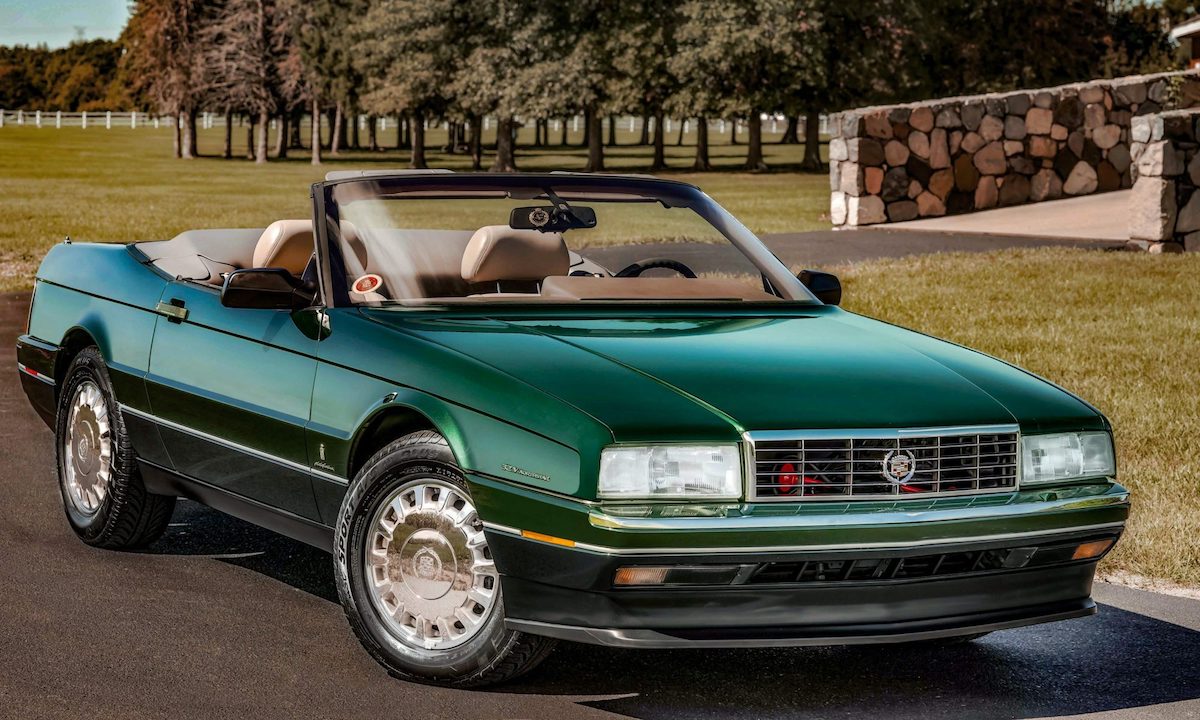
The early 1990s were a particular kind of cultural moment: excess, ambition, and the sense that more was always better. Cadillac, a brand built on tradition, comfort, and a certain dignified excess of its own, decided to chase younger buyers with a two-seater roadster. The result was the Allanté.
The name itself is something of a clue. It was generated by a computer and selected by a panel of consultants, which perhaps explains why it sounds like someone tried to spell “Atlanta” and gave up partway through. The car had a certain surface elegance but never quite landed as the European-fighter it was supposed to be. Pininfarina styled the body, which helped, but the underlying platform was not up to the task, and the badge on the hood was carrying more weight than the chassis could support.
Chevrolet El Camino: The Vehicle That Could Not Decide What It Was
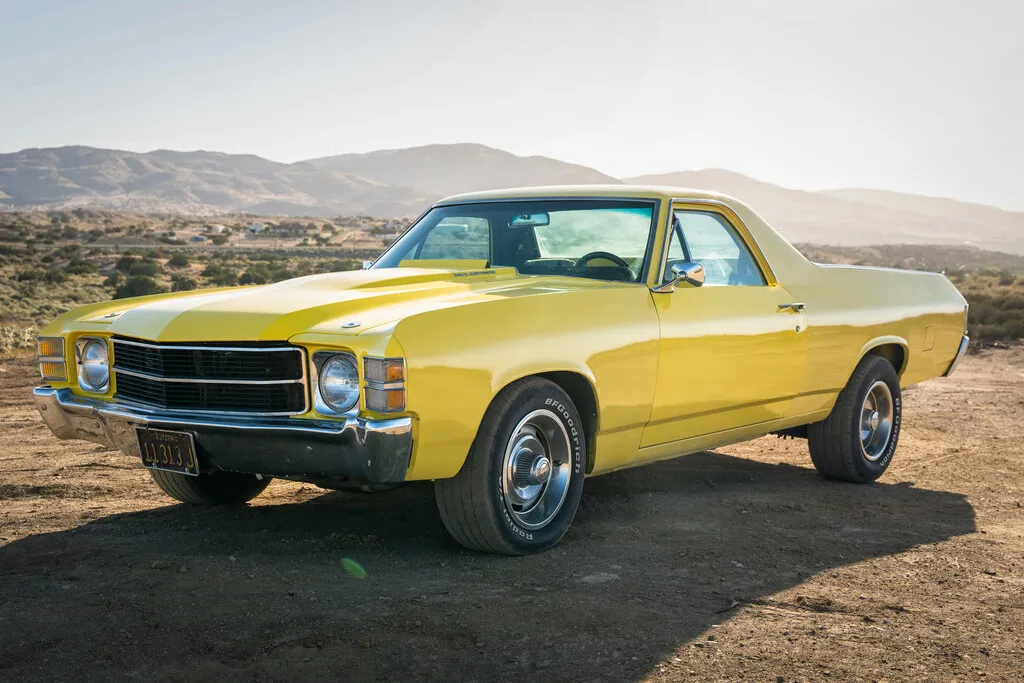
The El Camino occupies a strange and contested place in automotive history. It is neither truck nor car, which is either its greatest charm or its fundamental problem depending on who you ask. The phrase “vehicular hermaphrodite” has been applied to it, and while that is colorful language, it captures the confusion that surrounded the El Camino throughout its life.
The 1980s versions had a boxy front end that was deeply of their era and a cargo bed that raised practical questions about exactly who was expected to use it and for what. The ambition behind the El Camino was genuinely interesting: a vehicle that could function at a social event and haul something the next morning. Whether it achieved either goal is where opinions diverge. It has fans. It also has a permanent spot on lists like this one.
Buick Skylark: The Automotive Definition of Unremarkable
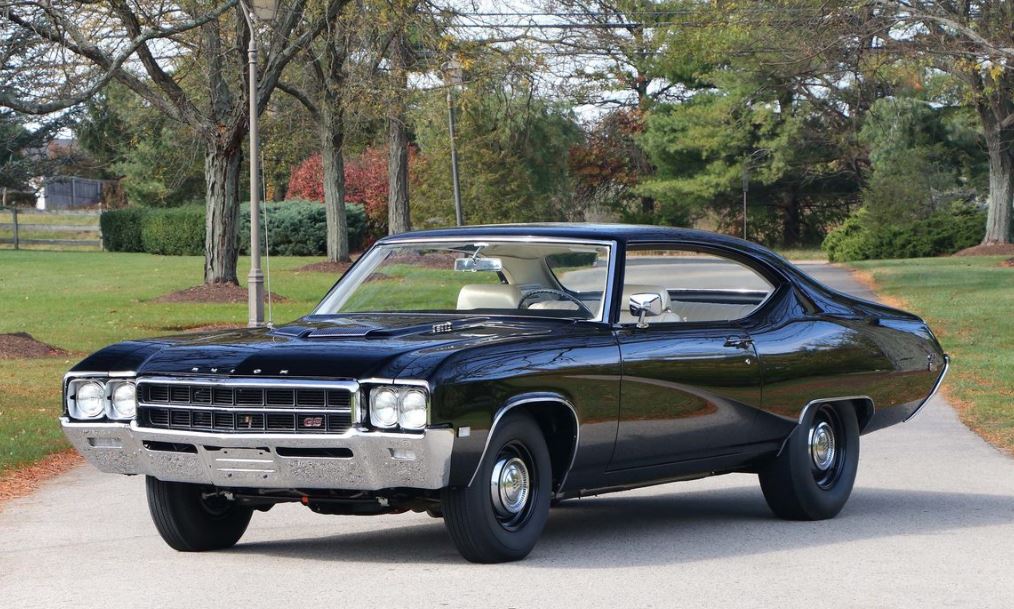
The mid-1980s Skylark is one of those cars that does not generate strong feelings so much as a gentle, foggy indifference. It shows up in period films and television shows to establish a setting, a reliable shorthand for suburban middle-America in the Reagan era, and then disappears without anyone asking about it.
It was practical. It was dependable in the way that any car of that era had to be to sell. It was not, by any reasonable measure, exciting. The design was careful to the point of timidity, and that caution produced something that committed no interesting sins and offered no interesting pleasures either. Seeing one on the road today is genuinely unusual, which may say something about how well they survived or simply about how many were quietly traded away the moment something slightly less anonymous came along.
Volvo 240: The Flying Shoebox With a Strong Safety Record
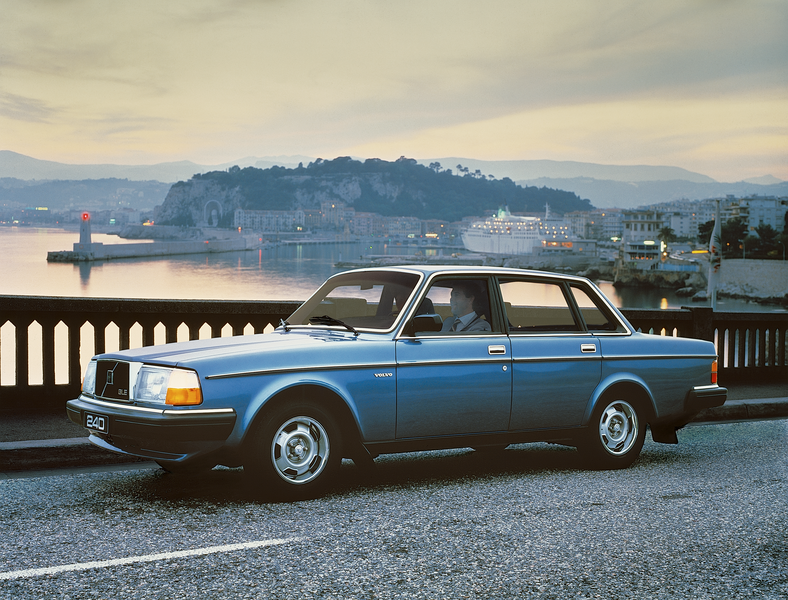
Many people who grew up in the 1980s and 1990s spent time in the back seat of a Volvo 240. It was the default family vehicle for a certain type of practical, safety-conscious household, and Volvo earned that reputation honestly. The 240 was genuinely safe. It was genuinely reliable. It was also genuinely unattractive.
The nickname “flying shoebox” is affectionate and accurate in equal measure. The squared-off front end, the slab sides, and the boxy proportions gave it the visual warmth of a filing cabinet. Nobody bought a 240 because it was beautiful. They bought it because it would keep going and protect its occupants. Those are excellent reasons to buy a car. They just do not help with the aesthetics.
Oldsmobile Dynamic 88: A Long Run That Lost Its Way
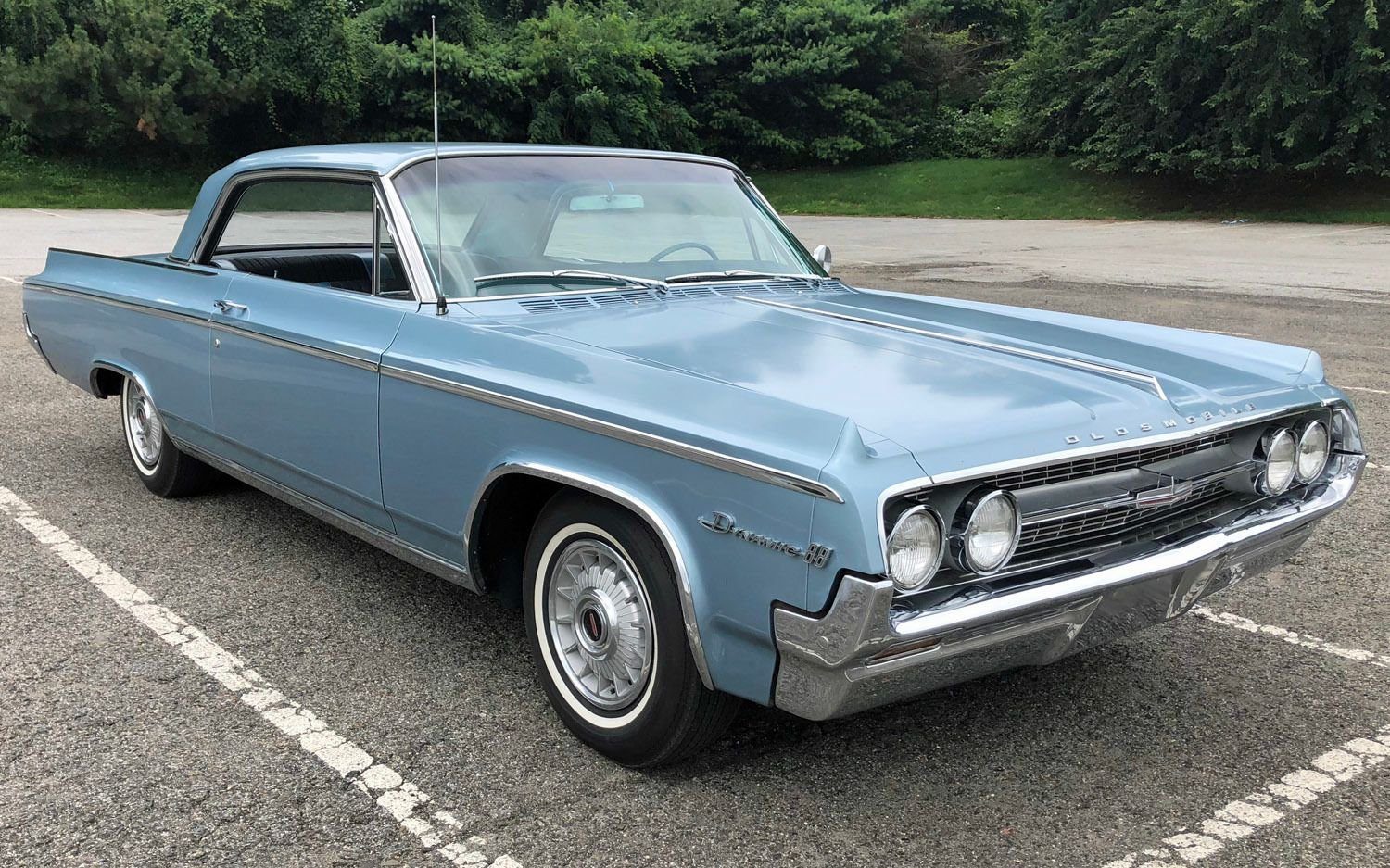
The Oldsmobile Dynamic 88 ran for roughly fifty years in various forms, which is long enough to go through several phases of design quality. The early versions, from approximately 1949 to 1953, are actually quite beautiful by the standards of their era. They captured the optimism and forward motion of postwar American design with genuine style.
What happened after that is harder to explain. The body designs became increasingly awkward: malformed fins appeared and were poorly resolved, front ends looked confused, headlights were positioned as if placed by someone who had not looked at the overall shape, and styling lines went in directions that served no clear purpose. Fifty years of production is a long time to maintain design quality. The Dynamic 88 did not always manage it.
1991 Pontiac Sunbird: The Car That Was Everywhere Without Being Anything
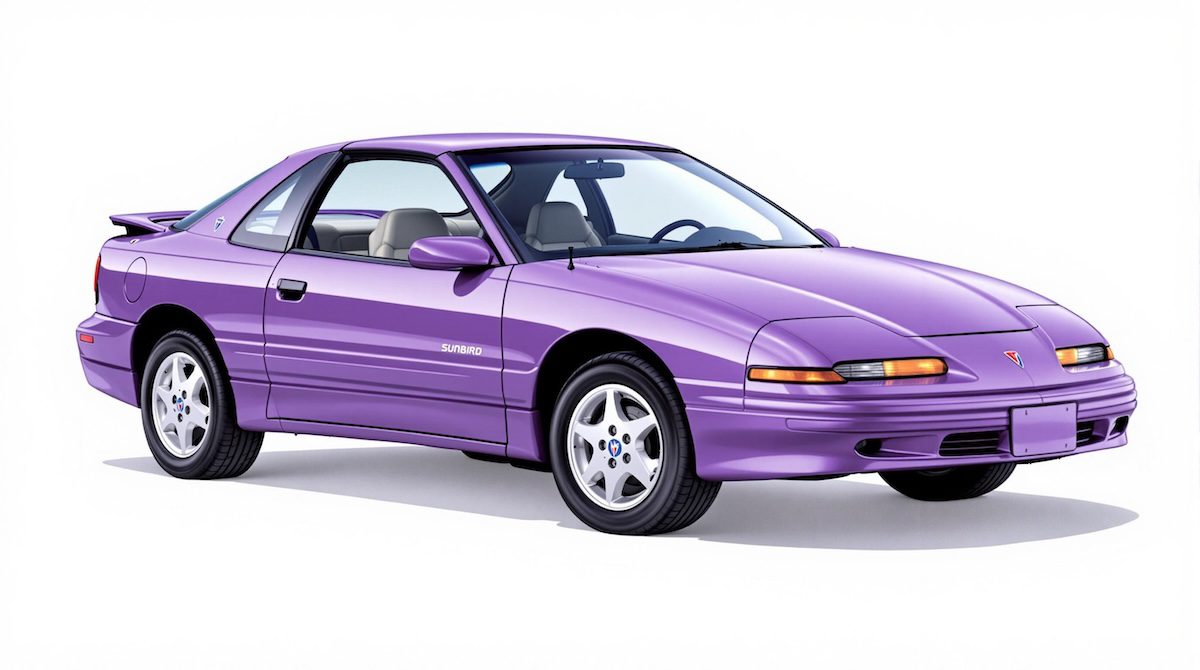
The Sunbird was everywhere in suburban America. People learned to drive in them, ran errands in them, and generally lived large portions of ordinary life in them without ever really looking at them. That invisibility was partly by design, which was itself part of the problem.
From the outside, the proportions were off in a specific way that is hard to unsee once you notice it. The hood was large, the windscreen was short, and the resulting impression was of an engine that had been given far more attention than the people inside. Anyone who sat in the back of one on a long trip will confirm that the passenger experience matched what the proportions suggested.
Oldsmobile Bravada: The Stormtrooper Helmet on Wheels
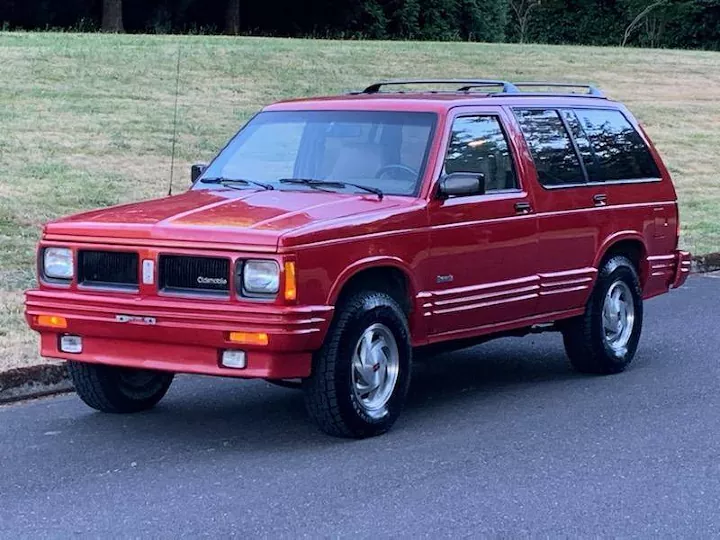
The Bravada was Oldsmobile’s first truck-based vehicle since the 1920s, which is a meaningful piece of context. The brand had not done this in decades, and it showed. The car emerged from the S-Blazer and Jimmy platform family with a series of styling choices that confused rather than impressed.
In white, the resemblance to a Stormtrooper helmet has been noted by enough people that it has become part of the car’s small legacy. That is not typically the association a manufacturer hopes to create. The name Bravada, supposedly from the Spanish word for bravery, required a particular kind of confidence to drive one in public. Many chose not to find out.
Ford Fiesta First Generation: Before It Got Better
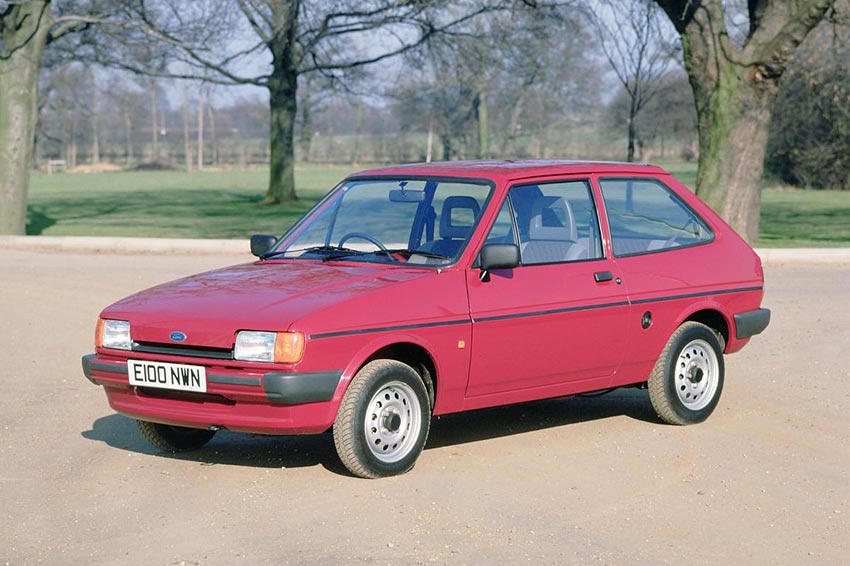
The Ford Fiesta went on to become one of the most successful small cars in European automotive history. The later generations are competent, well-designed vehicles that have earned their popularity honestly. The first generation, built in the 1970s and into the 1980s, was a different story.
It resembled boxes arranged on top of other boxes, with a grille fitted to the front in a way that suggested improvisation rather than design intention. The overall impression was of something built from available parts by people who were not entirely sure what a finished car was supposed to look like. That the nameplate went on to produce genuinely good cars makes the first generation an interesting historical footnote. It is also an argument that starting badly does not prevent you from getting somewhere eventually.
Nissan Juke: Overdesigned in the Most Specific Way

There is a version of the Nissan Juke story where it is a brave, distinctive design that refused to follow convention. Then there is the version where someone in the studio added too many lines, raised the waistline too high, shrank the windows too much, and produced a face that looked like a frog that had a very bad experience with a truck.
The Juke found buyers who appreciated exactly how strange it looked, and there is something to be said for a car that commits entirely to its identity. But the high beltline, the small greenhouse, the headlights positioned where fog lamps would normally live, and the name that sounds like the beginning of a word that was never finished all conspire to make this car more polarizing than its makers probably intended. Even the name raises questions. Jukebox? A regional term? It remains unclear, and that uncertainty adds a layer of confusion that the design itself had already provided.
Tata Indica: Good Intentions, Difficult Execution
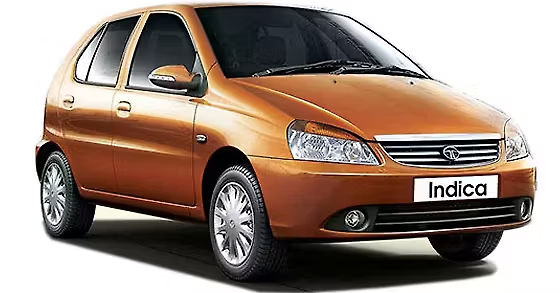
The supermini segment is competitive and unforgiving. Buyers in this category want fuel efficiency, space efficiency, affordability, and at least some visual decency. The Tata Indica offered the first two and struggled with the rest. The body looked compressed, as if someone had applied pressure from both ends during the design phase without accounting for what that would do to the proportions.
The steering wheel angle created headroom issues in the front cabin. The performance was modest at best. For a car whose value proposition was practicality, the cabin felt less practical than the exterior dimensions suggested it should be. India’s automotive industry has come a very long way since the Indica, and Tata itself has produced considerably better vehicles. This one represented an early, imperfect attempt at a difficult task.
Edsel Ranger: Ford’s Most Famous Flop
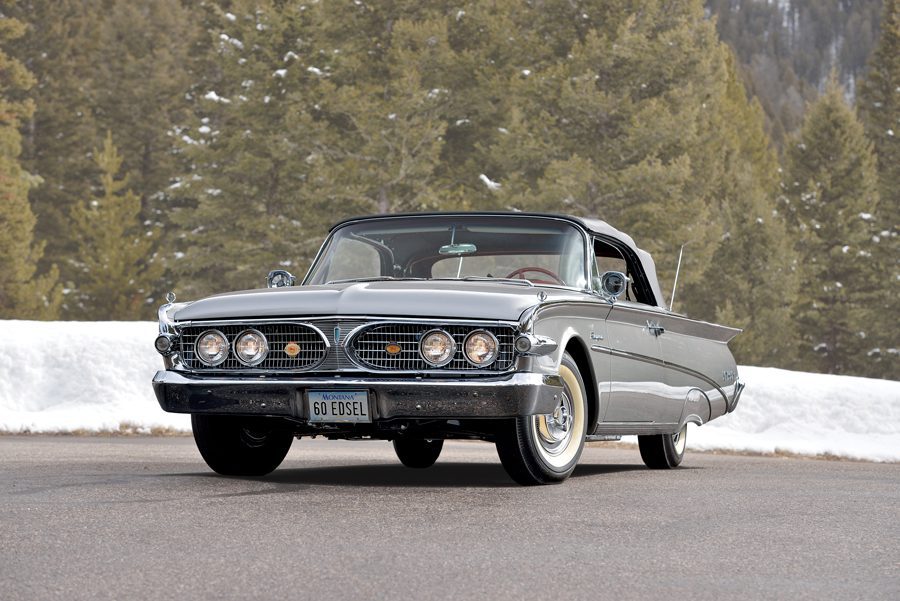
The Edsel is so famous as a failure that its name became a synonym for commercial disaster. Ford built enormous anticipation for the brand, positioned it between the Mercury and Lincoln in the company’s lineup, and then delivered something that buyers found confusing in design and disappointing in quality.
The front end of the Edsel Ranger featured a vertical grille design that was supposed to be distinctive. It was distinctive. The problem was the associations it created, which were not the associations Ford had in mind. The fins were awkward, the body lines did not resolve cleanly, and the overall effect was of a 1950s American car that had been drawn by someone working from memory rather than a clear reference. Production ran for just two model years, from 1958 to 1960, and the short run reflects exactly how the American public felt about it.
1987 Oldsmobile Cutlass Ciera: The Dad Car That Defined a Decade
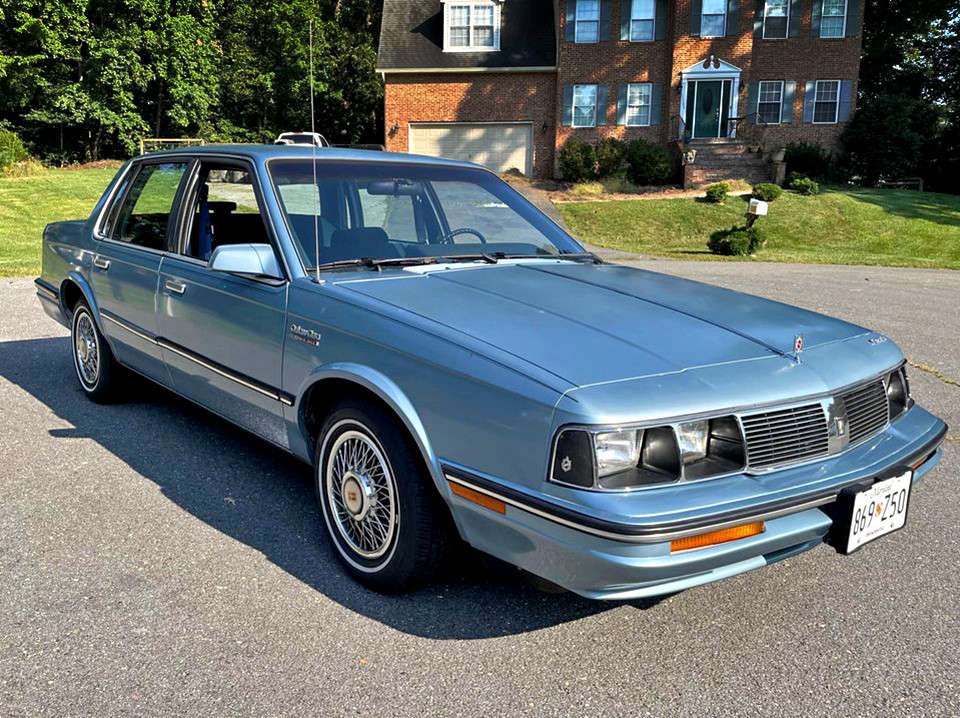
The 1987 Cutlass Ciera is essentially a cultural artifact. It represents a very specific moment in American domestic life: the suburban household, the station wagon, the school run, the trip to the hardware store. It appears in the background of period films and television shows not because it is interesting to look at but because it is so perfectly ordinary that it communicates the era without comment.
Calling it a shoebox is accurate and also perhaps the most interesting thing you can say about its appearance. It did what it was supposed to do. It moved people from one place to another reliably and without incident. The 1980s produced a surprising number of cars that achieved exactly this goal while contributing nothing to the visual history of the automobile.
Volkswagen 181 (The Thing): Function Above All, Beauty Optional
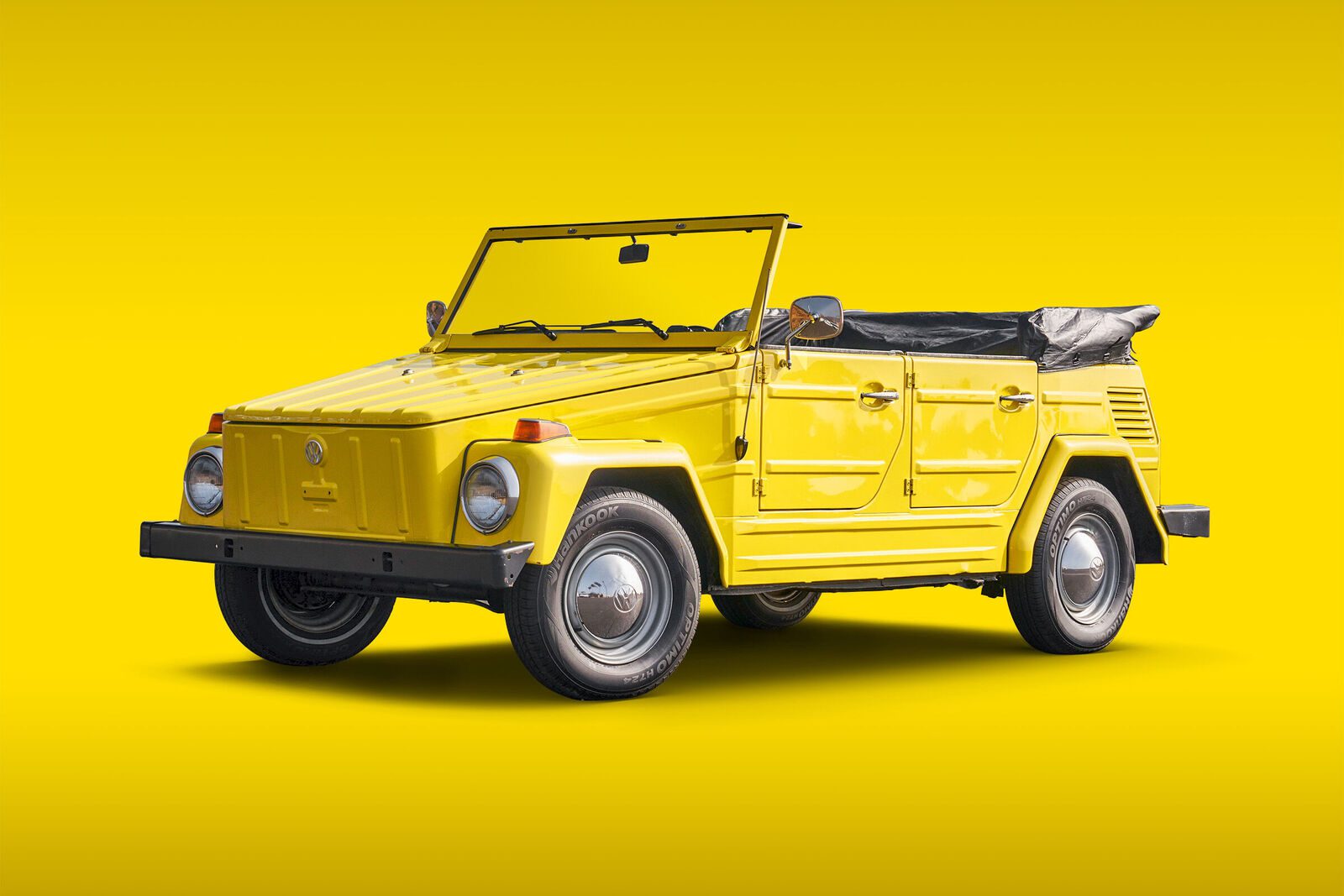
The VW 181 deserves some credit for honesty. It was designed for military use in the late 1960s, intended to traverse difficult terrain and survive conditions that would destroy a more refined vehicle. Form followed function in the most literal possible way: part Jeep, part dune buggy, part whatever container would survive the most punishment while costing the least to build.
When it entered the civilian market under the name “Thing” in the United States, buyers knew immediately that no aesthetic concessions had been made on their behalf. The flat body panels, the crude lines, and the general impression of a vehicle assembled from surplus military parts were all entirely deliberate. It has since acquired genuine cult status, which suggests that total honesty in design can sometimes produce its own kind of appeal even when that appeal has nothing to do with beauty.
Daewoo Tico: The Perfect Definition of Unremarkable
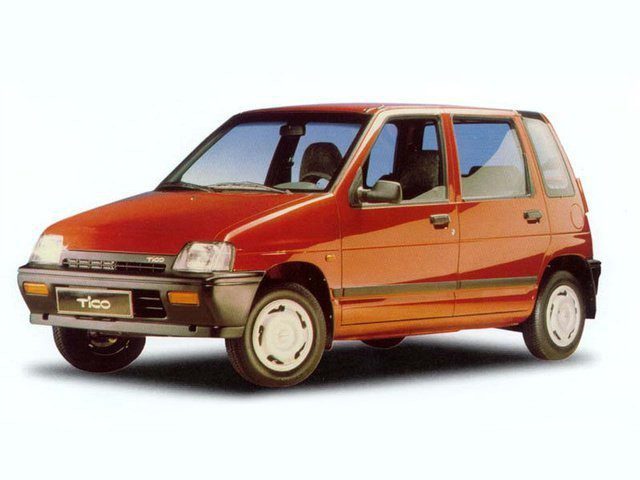
The Tico was made for South Korean city traffic between 1991 and 2001. It was compact, it was inexpensive, and it was positioned for exactly the kind of dense urban environment where those qualities matter most. What it was not was interesting to look at, and the word “unremarkable” may be the most precisely accurate description available.
It found its market in South Korea and, perhaps surprisingly, gained a foothold in Romania and parts of Eastern Europe where affordable urban transportation was in high demand. The Tico did not try to be more than it was, which may be its most honest quality. It still did not earn any design awards.
Subaru BRAT: A Name and a Design That Both Missed
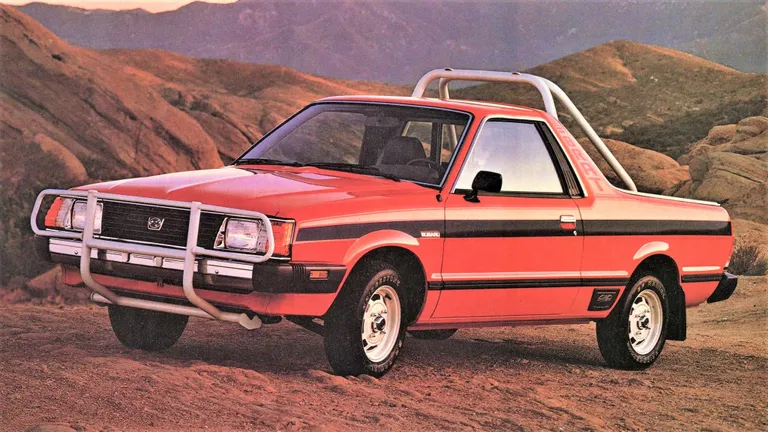
BRAT stands for Bi-drive Recreational All-terrain Transporter, which is the kind of acronym that suggests the name came before the vehicle. The design confirmed that suspicion. The bed was too small to be genuinely useful as a truck. The cabin was too cramped to be comfortable as a car. The front end had a resemblance to the AMC Gremlin that was difficult to unsee once noticed.
Subaru put rear-facing seats in the bed for a period, which was either an inspired or deeply questionable decision depending on your perspective and your jurisdiction. The BRAT has its admirers, as all unusual vehicles eventually do, but its combination of an unfortunate name and uncertain purpose makes it difficult to defend on purely practical grounds.
Wartburg 353: A Car Whose Name Set Expectations Accurately
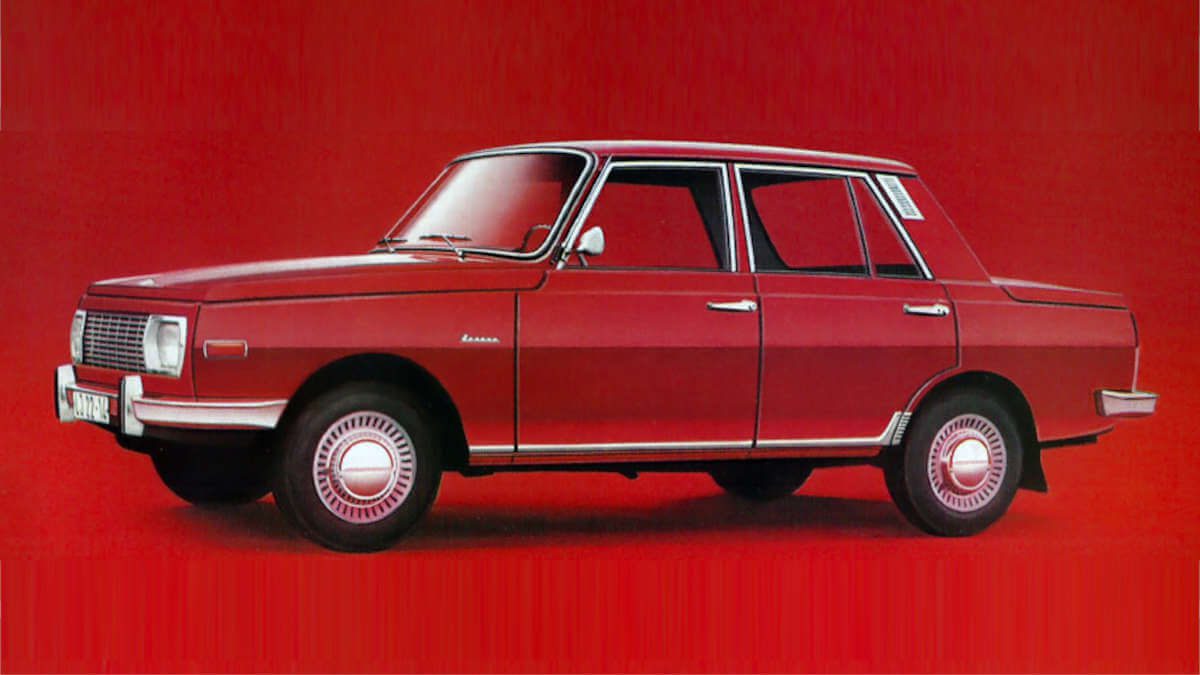
The Wartburg 353 came from East Germany during an era when car ownership was not accessible to most people. The car that was available was this: a mid-sized vehicle with a propensity for understeering in bad weather, a body design that generated little enthusiasm, and a ride quality that was acceptable only when conditions were good.
The English-speaking world has noted that the word “wart” appears in the name, which does nothing for the vehicle’s image. That observation is unfair to German etymology but entirely predictable in terms of consumer psychology. The car was a product of its context, built under constraints that would have challenged any manufacturer. That it existed at all was an achievement. That it was beautiful was never part of the plan.
Matra Rancho: Off-Road Ambitions With Very On-Road Limitations
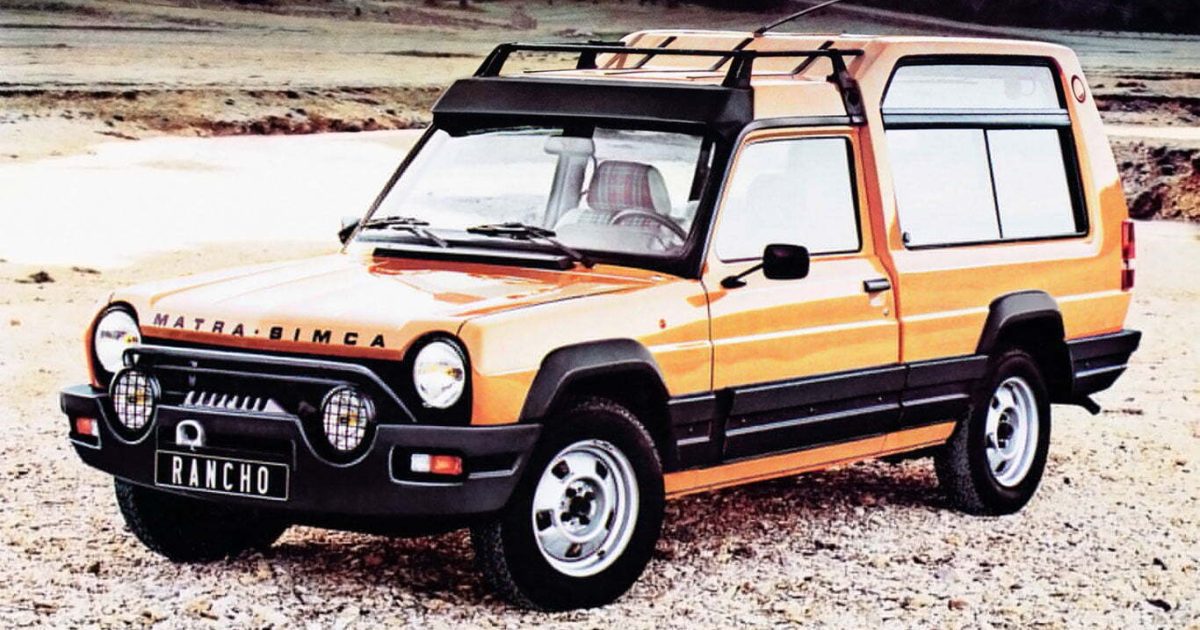
The Rancho wanted to be an off-road vehicle and arrived without the hardware to make that ambition credible. It was based on a modified pickup platform, used front-wheel drive, and did not have the power or drivetrain to go where its styling suggested it wanted to be. All the visual cues of adventure were present: the raised body, the cargo rails on the roof, the substantial lamps. The actual capability was not.
The design did not resolve well despite having all the individual components of something that should have worked. Somehow the combination produced something that looked like a parody rather than the genuine article. Cars that look like what they want to be but cannot deliver on the promise tend to attract exactly this kind of attention.
Citroën Ami: Best Forgotten From the Rear
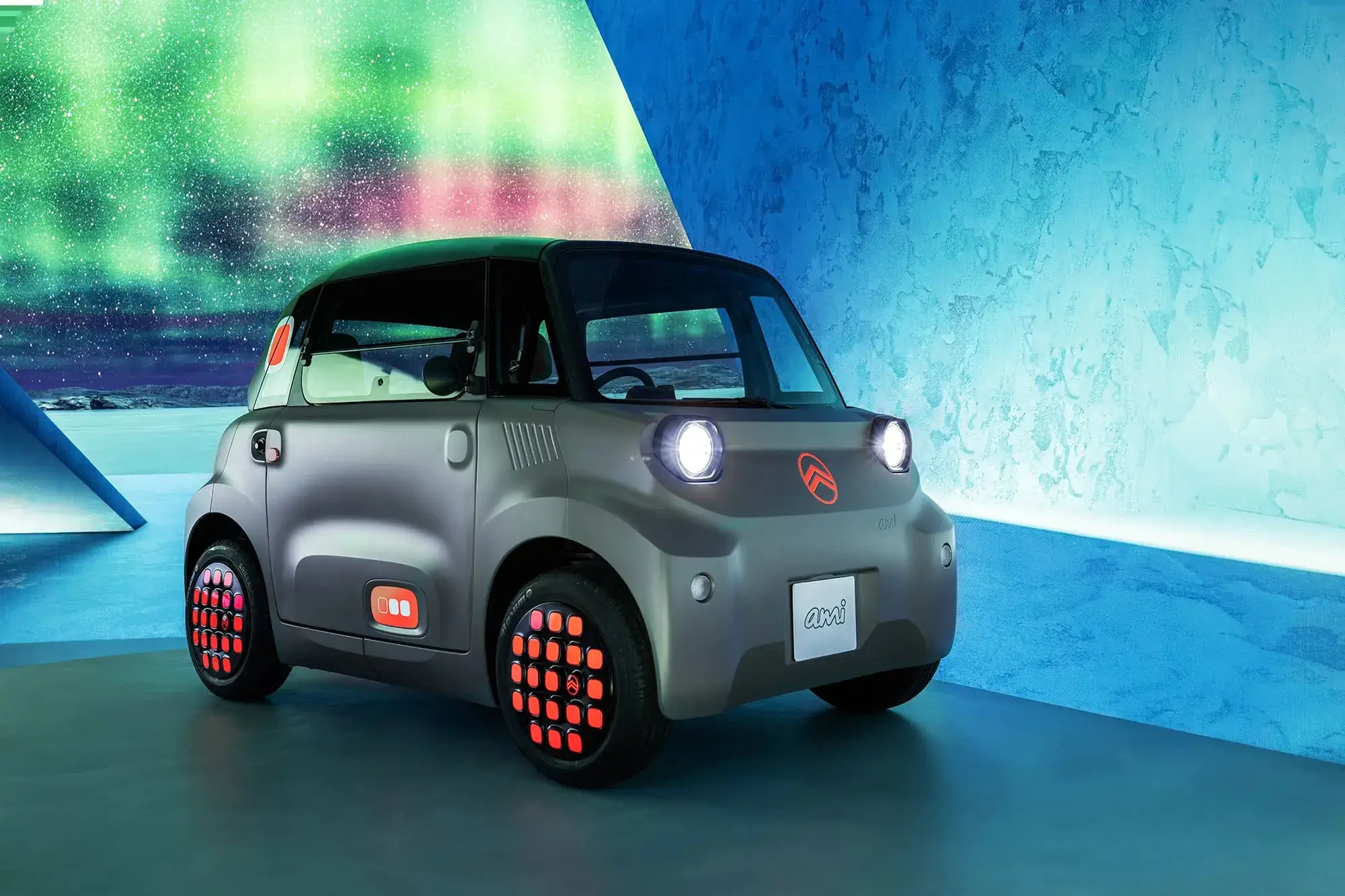
The Citroën Ami was a significant car in French automotive history, serving as the best-selling car in France for a period before its production ended in 1978. It was built for the postwar European reality: affordable, simple, and practical enough for the daily demands of ordinary life.
From the front, it was acceptable. From the rear, it raised questions that its designers never fully answered. The swept design of the rear end suggested a hybrid of sedan and estate that served neither purpose particularly well. It was a car that asked for your understanding and offered functionality in return. Many French buyers accepted that trade. People encountering it from behind, however, were less charitable.
Lightburn Zeta: From Cement Mixers to Cars, Without Obvious Improvement
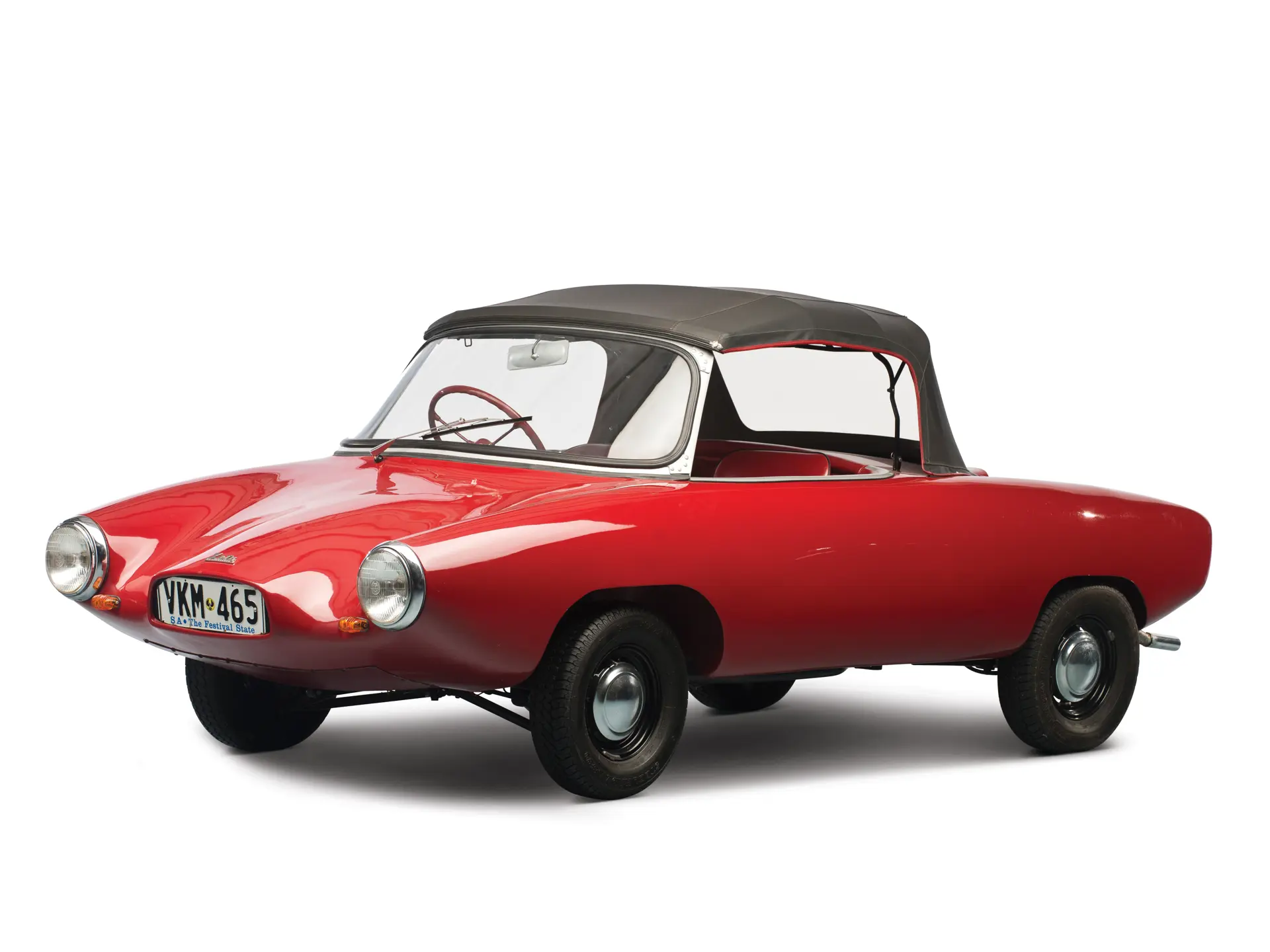
Lightburn and Co. built washing machines and cement mixers before they decided to build cars. That background shows. The Zeta had bug-eyed proportions, an asymmetrical body that was difficult to explain and harder to defend, wheel wells that looked structurally uncertain, and a windshield design that suggested nobody had checked whether it would actually work before production began.
Very few were made, and the design strongly implies that the company’s core competencies lay elsewhere. Moving from industrial equipment to passenger car manufacturing requires more than good intentions. The Zeta demonstrated that gap in the most visible possible way.
Fiat Multipla: Top Gear’s Ugliest Car of 1998 and a Fine Family Vehicle
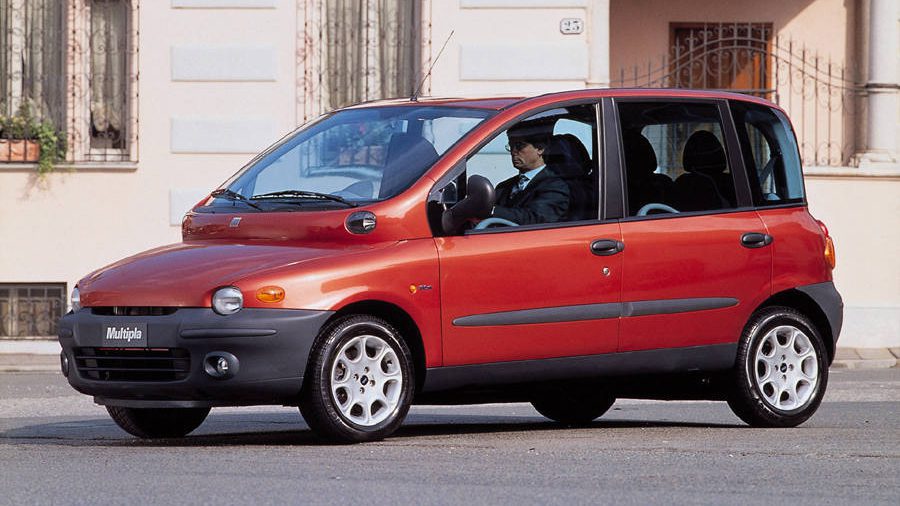
The Multipla is one of the more genuinely conflicted entries on this list. Top Gear Magazine named it the ugliest car of 1998. It has appeared on numerous worst-design lists and generated genuine bewilderment from automotive journalists who could not quite categorize what they were looking at.
It also received consistent praise as a family vehicle. The interior packaging was genuinely clever: six seats in two rows of three, unusually good visibility, and more practical space than its size would suggest. The bulging upper windscreen frame, the double-height front end, and the two offset sets of headlights were all byproducts of those interior decisions rather than design choices made independently. The Multipla is unusual in that its ugliness was largely the result of its usefulness. Whether that trade was worth making is where opinions continue to diverge.
Sebring-Vanguard Citicar: An Electric Car Before Anyone Was Ready
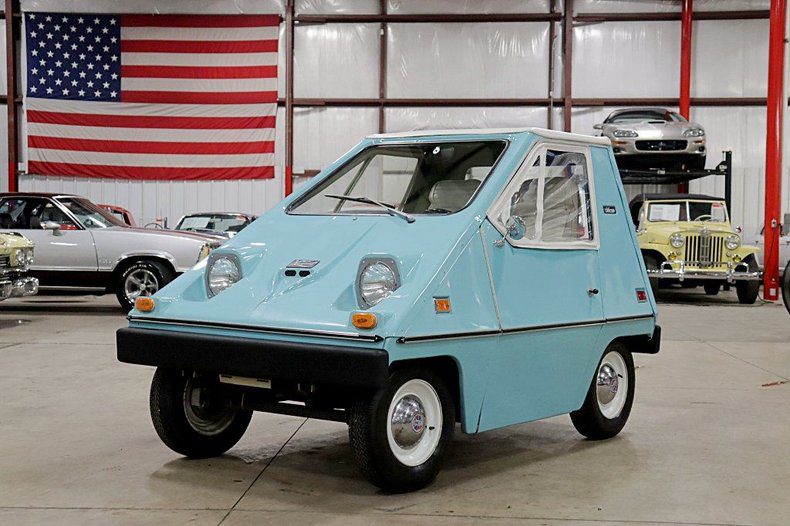
The 1974 oil crisis focused minds on fuel efficiency in a way that had not happened before, and the Citicar was a direct response. It was electric, which was forward-thinking. It had a wedge-shaped body that has been compared to a disco shoe, which was less forward-thinking. Its top speed of 36 miles per hour made it significantly slower than most other traffic it would encounter, and the appearance did nothing to compensate for the performance limitations.
Production stopped in 1979, and the Citicar is now essentially a historical artifact. The idea behind it was not wrong. Electric urban transportation makes perfect sense. The execution was not ready, and the body design ensured that nobody who saw one would forget it, though not for flattering reasons.
Nissan S-Cargo: Retro Style With Snail-Like Results
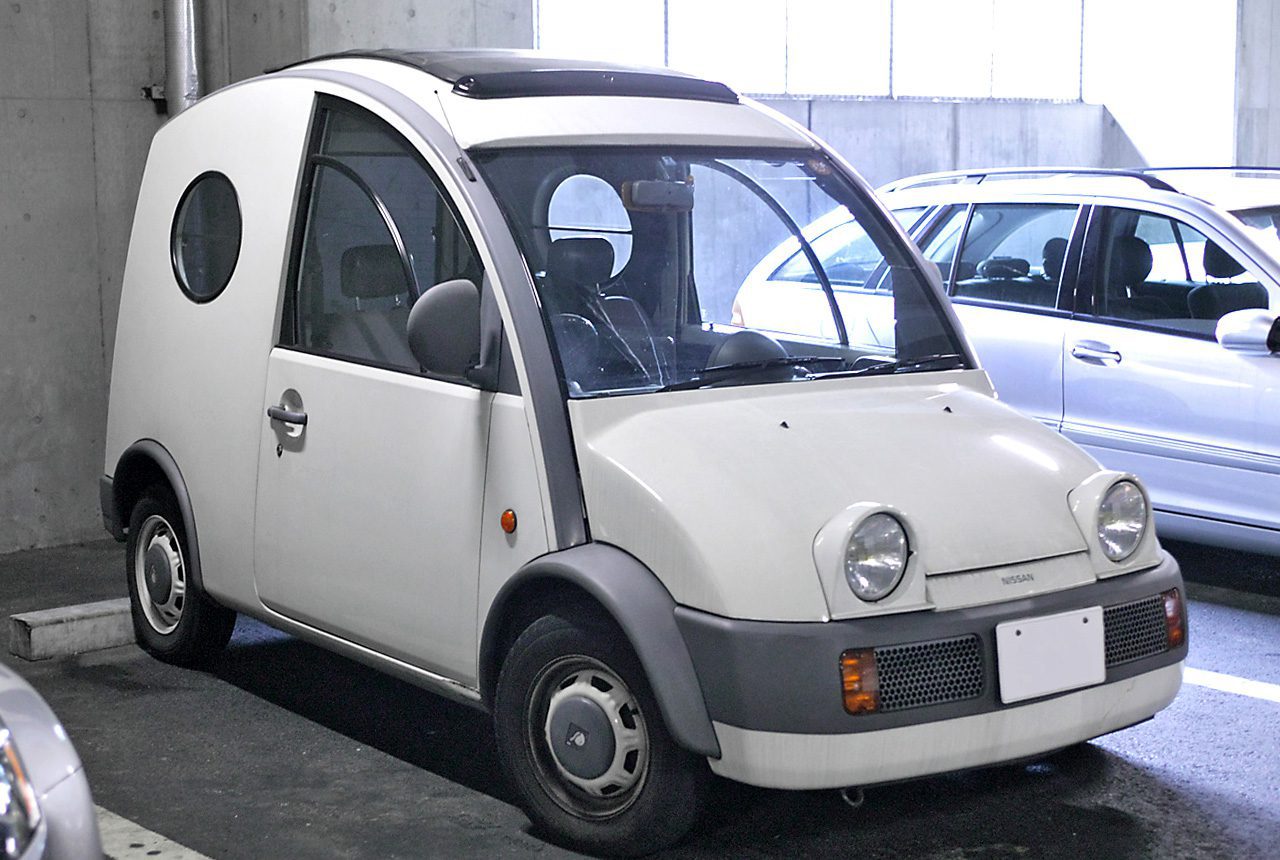
Built in 1989 as a delivery vehicle with a retro body shape, the S-Cargo’s name was a play on both “cargo” and “escargot,” acknowledging the snail-like silhouette directly in the branding. That degree of self-awareness is admirable. The vehicle itself still struggled to find a market.
Retro styling done well can be charming. The S-Cargo’s interpretation of retro styling produced something that looked more like a prop than a vehicle. Performance was mediocre, the market footprint was small, and the idea of arriving at a destination in one of these was something most buyers were not prepared to do.
Bond Bug: Three Wheels, One Flip-Top, Many Questions
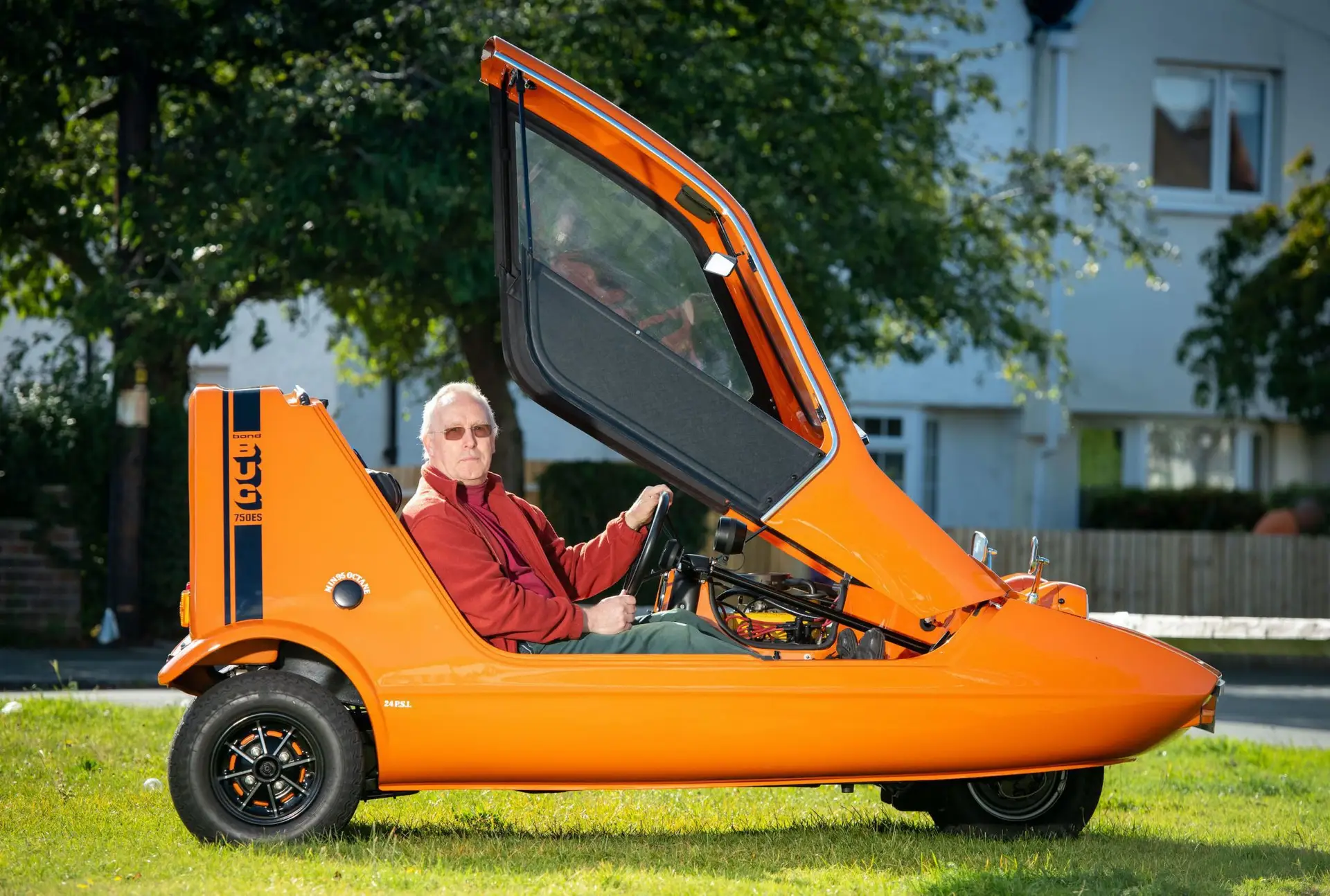
Bond Cars Ltd, which later became Reliant, designed the Bug for affordable urban use. Three wheels kept it in a different vehicle category with lower tax and licensing requirements in the UK, which made financial sense. A flip-top entry method instead of conventional doors was the kind of design decision that seemed innovative until you sat in one in the rain.
The beach buggy aesthetic, the unusual proportions, and the general impression of something assembled from a kit rather than engineered from the ground up made the Bond Bug memorable without making it desirable. It was affordable, which was the point. It looked like what it cost, which was less of a selling point.
Nissan Cube: When the Name is the Entire Design Brief
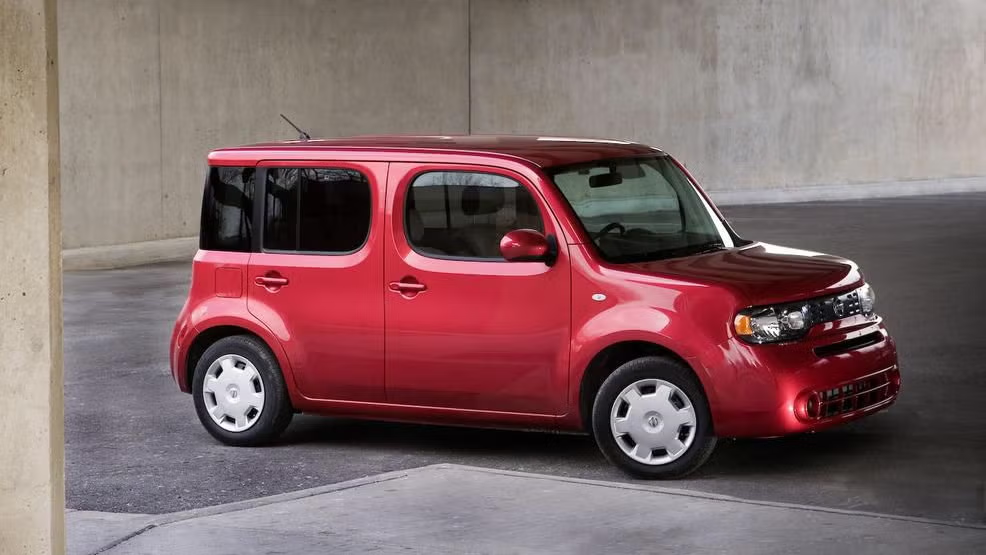
The Cube named itself accurately. It was cubic, with windows placed in the cubic body and the overall impression of someone who was asked to make a car and worked from the shape of a cardboard box outward. That is not always a failure: the Smart car and certain kei vehicles have made simplicity of form work in their favor.
The Cube’s problem was that its interior followed the same logic as its exterior: soft suspension that prioritized comfort over handling, sluggish acceleration, and an asymmetric rear window that was whimsical in the design studio and odd in person. Driving one was perfectly acceptable. Looking at one from outside required some adjustment.
Yugo: The Car That Became a Punchline
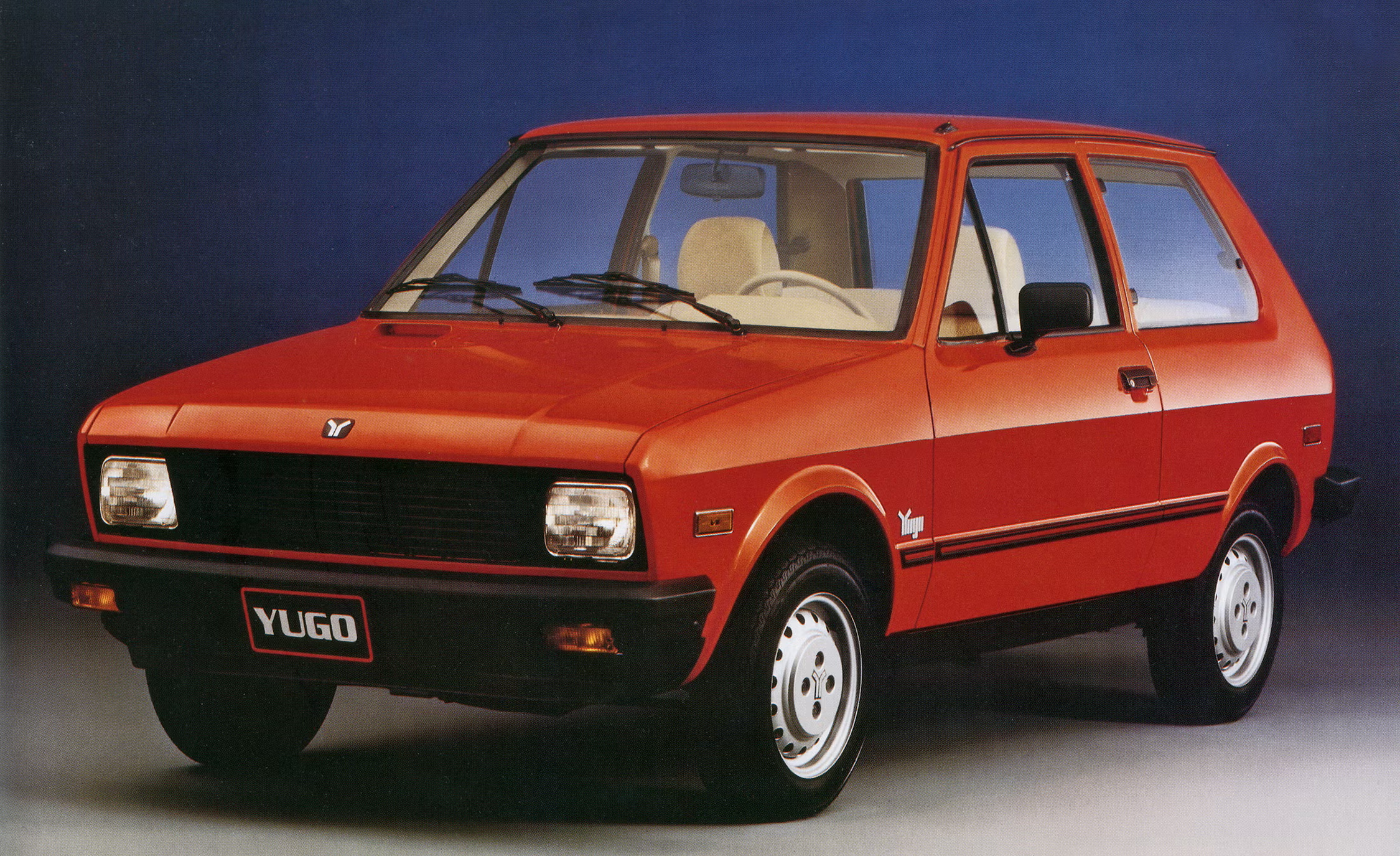
The Yugo is a rare automotive case study: a car that sold in genuine volume on its first day, with approximately 1,050 units moved in a single day by Yugo America, and then collapsed into one of the most comprehensively mocked products in automotive history. The appeal was simple. It was cheap. Nothing else about it worked as well as the price tag suggested it should.
Quality control was poor, performance was modest by even modest standards, and the crash test results were not reassuring. Saturday Night Live noticed. Jay Leno noticed. David Letterman and The Simpsons noticed. One Philadelphia dealer offered a complimentary Yugo with the purchase of a Toyota and found that most buyers declined the bonus car. That tells you most of what you need to know about its reputation by the time the jokes finished with it.
AMC Pacer: America’s Fishbowl on Wheels
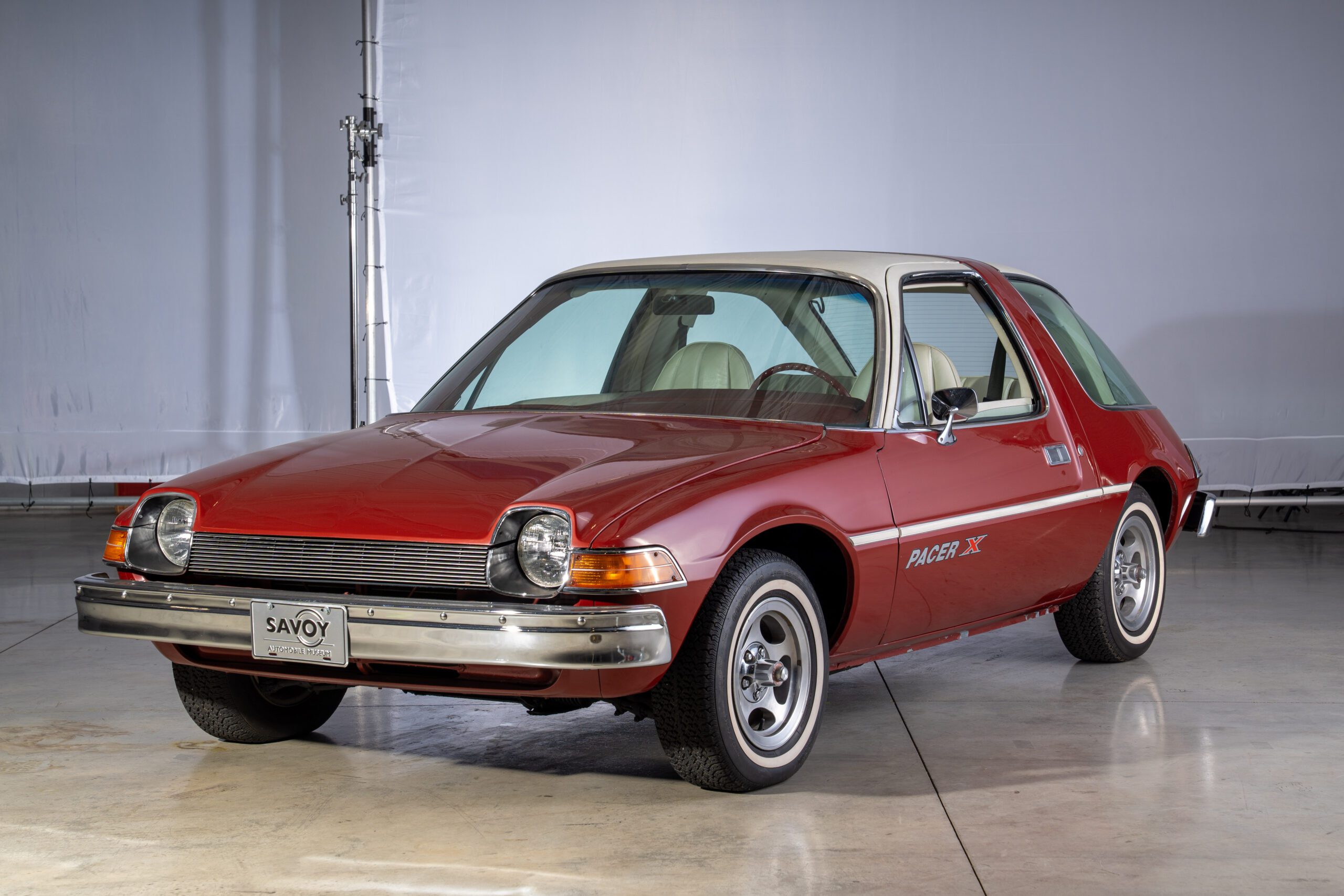
The AMC Pacer has secured its place in the conversation about notable cars in American automotive history, though not for the reasons its makers hoped. Produced from 1975 to 1980 by American Motors Corporation, the Pacer was a genuinely unusual design: wide, low, with enormous glass area that created the impression of driving in an aquarium.
The story of how it came to market involves a level of executive decision-making that has been described as reckless by polite observers and something stronger by less polite ones. AMC CEO Roy D. Chapin Jr. was aware of the car’s limitations and pushed forward anyway. The Pacer’s commercial failure was not a surprise to anyone who had been paying attention. Its legacy is that of a car enthusiasts now discuss with a kind of baffled fondness that only very distinctive failures ever generate.
1983 Chevrolet Cavalier: Budget Transportation, Budget Everything
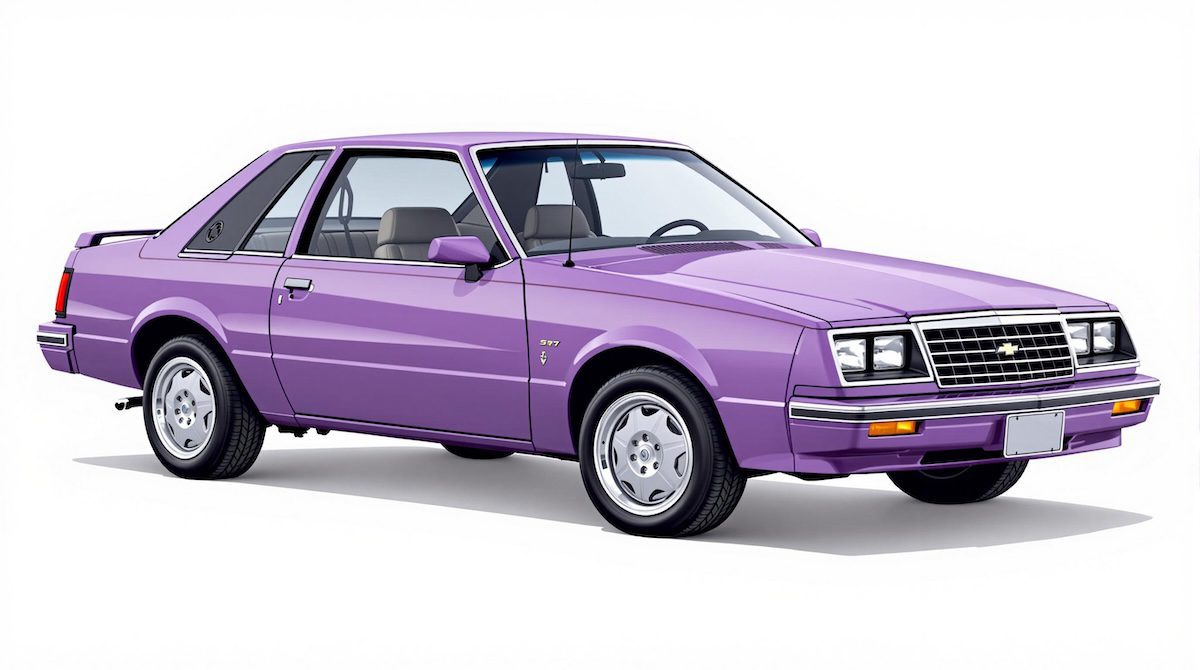
The 1983 Cavalier committed its worst sins under the hood rather than over it. The 2.8-liter MPFI V6 that some buyers opted for has been cited as one of the least impressive engines General Motors produced in that period. Long acceleration times and a maintenance record that suggested the engine had opinions about being driven were the main complaints.
The body was not offensive exactly. It was just thoroughly unenthusiastic, a compact car that looked like it had been drawn by someone tasked with drawing a car without any particular interest in the result. Fuel economy was reasonable. Everything else was a compromise. It ran reliably until it did not, and when it stopped running, the repair costs had a way of clarifying why the purchase price had been low in the first place.
Ford Pinto: A Safety Record That Overshadowed Everything Else
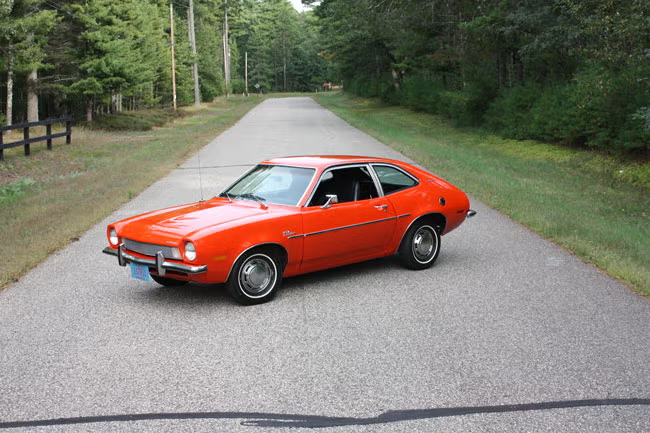
The Ford Pinto has a complicated legacy. It was Ford’s first North American subcompact, produced from the 1971 to 1980 model years, and it sold in significant numbers to buyers who needed affordable basic transportation in an era when fuel costs were a genuine concern.
What defined the Pinto’s history was not its appearance but its safety controversy. Multiple fatal fires caused by fuel tanks puncturing in rear-end collisions drew media and government investigation and produced one of the most discussed corporate decision-making cases in American business history. Later safety reviews found the Pinto’s overall record comparable to other subcompacts of its era, but by then the reputation was fixed. The Pinto became a name associated with a larger conversation about product liability and corporate responsibility that the car’s designers almost certainly never anticipated.
Renault Twingo: A Smile That Became a Fright
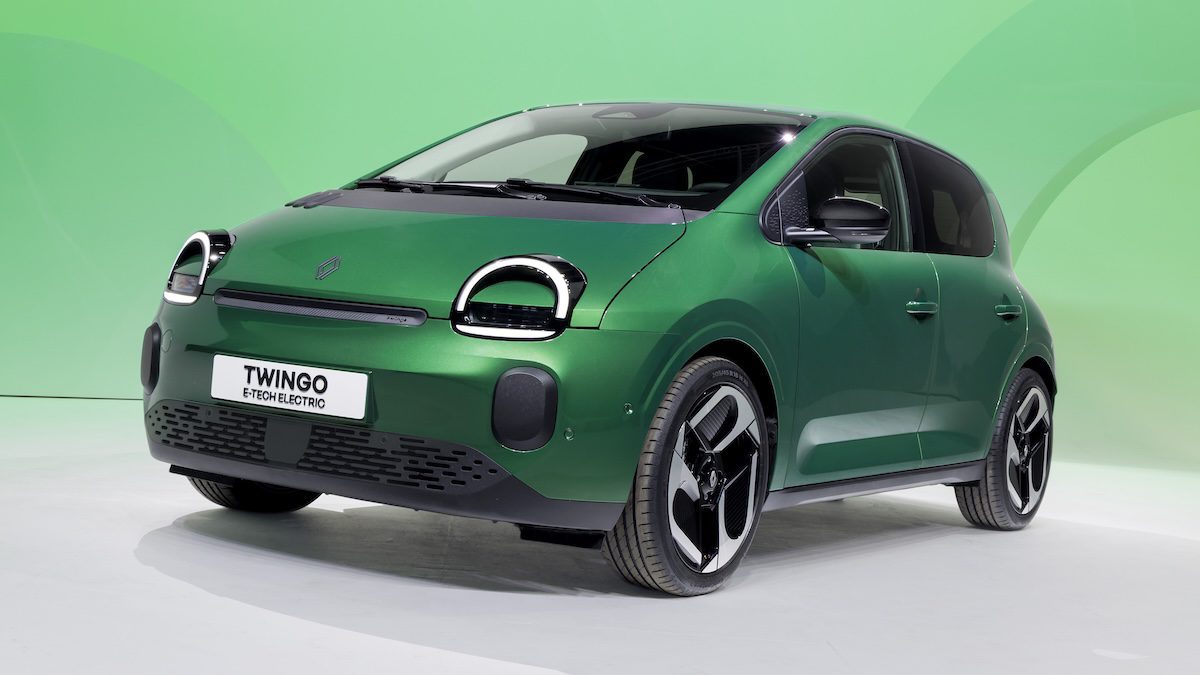
Designer Patrick Le Quément intended the Twingo’s front face to express friendliness and approachability through an anthropomorphic smiling expression. The result was a face that looked more startled than happy, as if the car had just realized something alarming about its situation.
The interior continued the design adventure. The instrument cluster was placed in the center of the dash rather than directly in front of the driver, which was unconventional to a degree that required adjustment. The seat upholstery patterns were festive in a way that divided opinion. The antenna mounted on the driver’s side mirror made sense to someone involved in its placement, though exactly who and why remains unclear. The Twingo sold well in France despite all of this, which says something interesting about the relationship between design ambition and commercial success.
Volkswagen Thing (Type 181): Honesty as a Design Philosophy
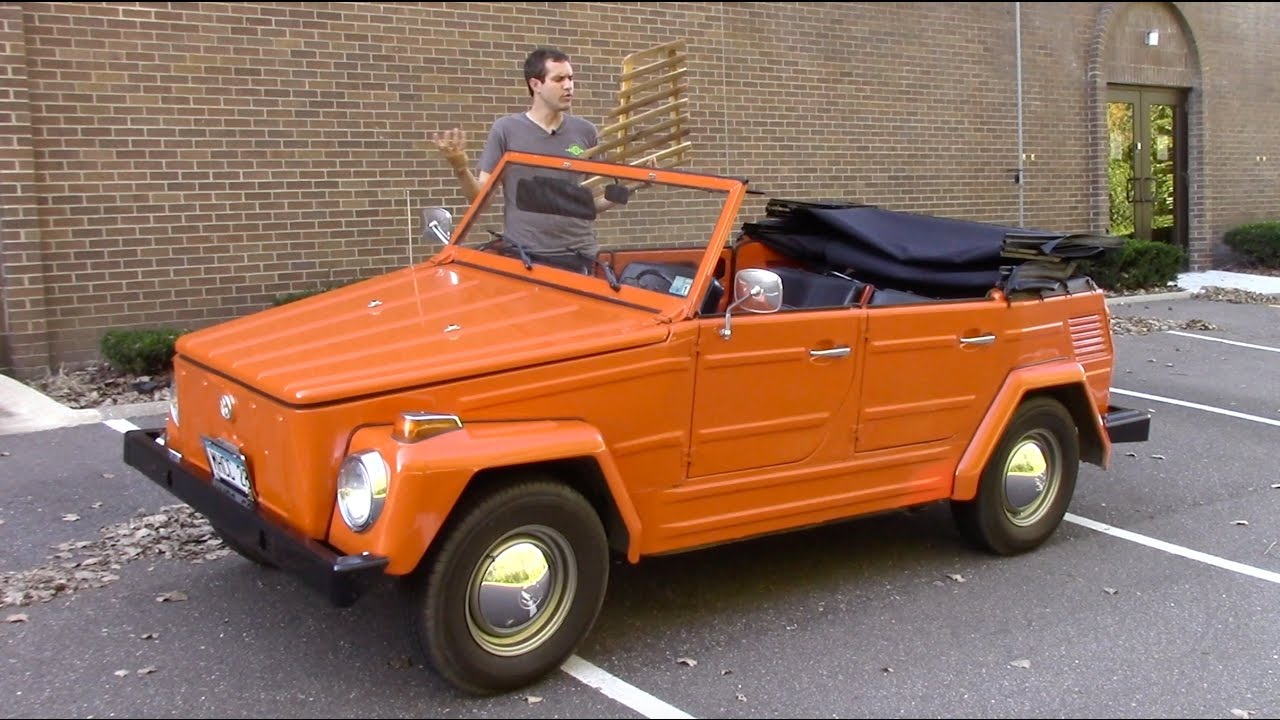
The VW Type 181 had a military origin and made no attempt to disguise it when it reached civilian buyers. Originally developed for the German military in the late 1960s, it was released to the public under various names depending on the market: Trekker in the UK, Thing in the United States. The American name in particular set expectations with unusual directness.
Driving it felt consistent with looking at it: functional, uncushioned, and honest about being a box with wheels. The retro appeal it has acquired in subsequent decades reflects the broader cultural rehabilitation of vehicles that were too honest about their nature to pretend to be something else. Whether it qualifies as cool now or simply unusual is a question each observer has to answer for themselves.
Trabant: East Germany’s Answer to a Question Nobody Asked

East Germany built the Trabant as its version of what a small people’s car should look like, roughly forty years after the Volkswagen Beetle established what that concept could achieve. The comparison is not flattering. The body was made partly from Duroplast, a material that did not decompose after the vehicle’s useful life, creating environmental problems that followed the car long after production ended.
The Trabant became an unlikely symbol of the Cold War era and of the restrictions of life behind the Iron Curtain. Its appearance was modest even by the standards of what it was attempting. The backseat offered limited space, the interior was basic even by the standards of its era, and the small engine did not make strong arguments for itself. Trabants now appear in museums and at reunification-era exhibitions as historical artifacts, which may be the most dignified destiny available to them.
Plymouth Signet: Playing It Safe Into Obscurity
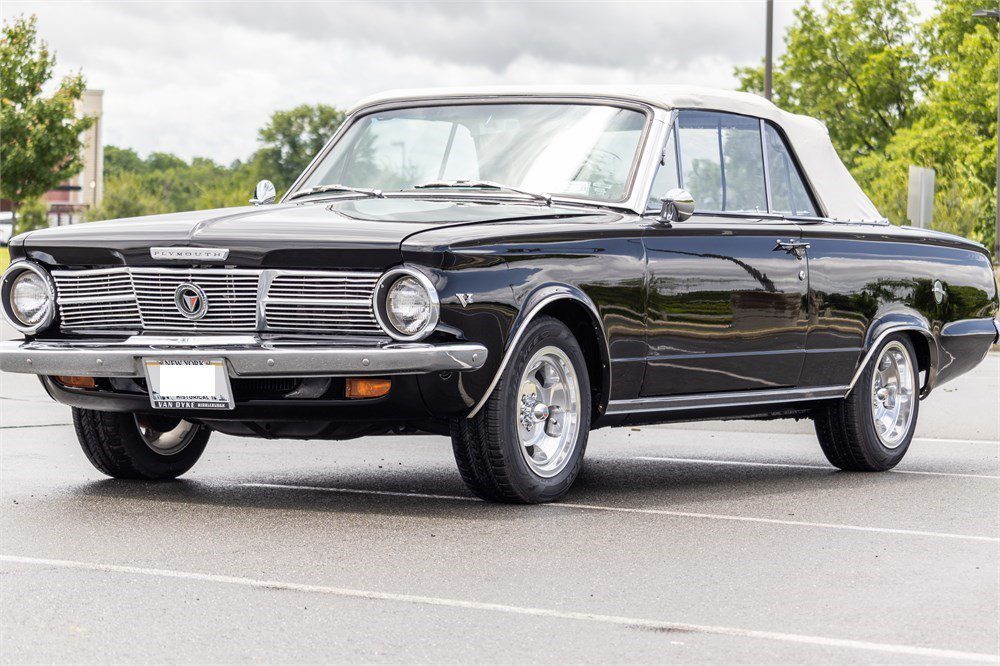
The Plymouth Signet emerged when the brand needed to rebuild its reputation after a series of models that had not connected with buyers. The designers responded by playing it safe, perhaps too safe. The result was a car that avoided memorable mistakes by avoiding anything memorable at all.
It was large, which was consistent with the era and the market. It was adequately styled in a way that committed to nothing interesting. It sold reasonably well through the late 1960s, which suggests the strategy of cautious design had a market even if it did not have admirers. The Signet lasted longer than many of the other cars on this list, which may be the most honest argument available in its favor.
Mercury Capri: The Sports Car That Was Not
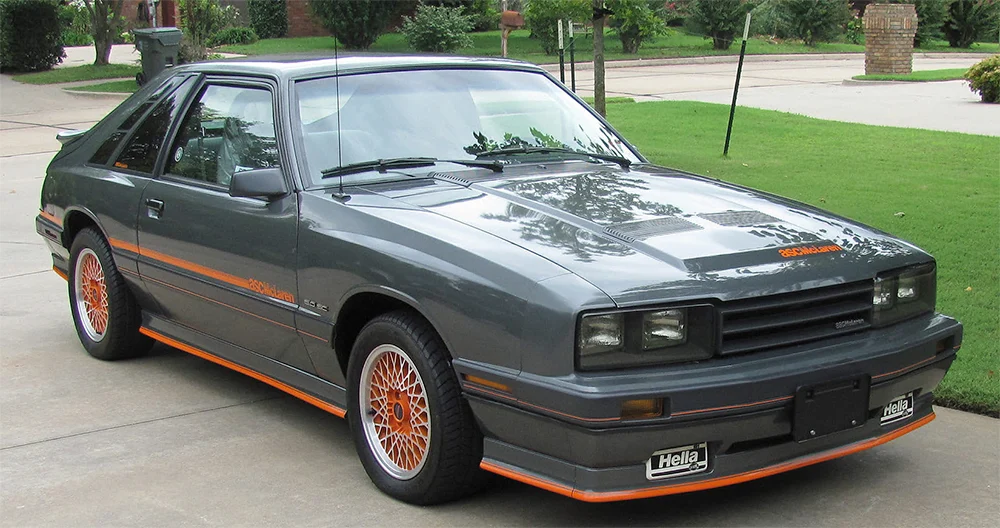
The Mercury Capri was marketed as a sports car and a convertible, which requires a certain boldness given what it actually looked like. The body was angular in ways that suggested a station wagon more than a sports vehicle. The rear window curved in a way that drew attention to itself without resolving into anything satisfying.
Originally sold in Australia before being exported to the United States, the Capri RS Turbo version carried performance credentials that the body language never quite backed up. It bent where it should have been straight and was straight where some movement would have helped. The result was a car that looked like it had been designed to fill a segment rather than to serve a driver, which is a distinction buyers often notice even if they cannot immediately articulate why.
Cadillac Cimarron: The Rebadging Mistake Nobody Forgot
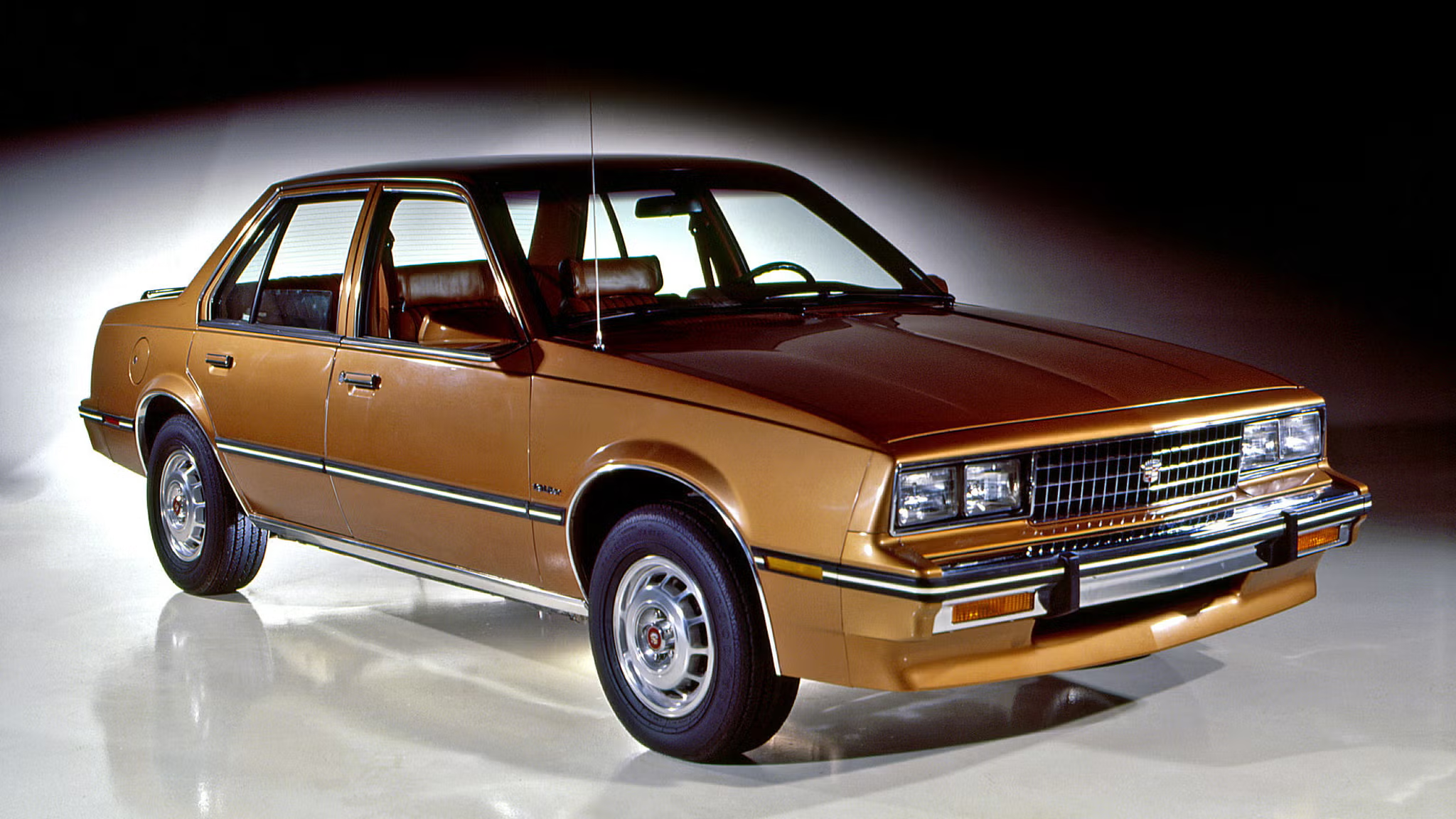
The Cadillac Cimarron is discussed in automotive business schools as a case study in what happens when a premium brand puts a badge on a budget product and expects the badge to carry the weight. It was essentially a rebadged Chevrolet Cavalier with leather trim, sold at a price that the underlying product could not justify to buyers who understood what they were looking at.
Cadillac executives reportedly knew before launch that the car was likely to be a commercial and reputational problem for the brand. They sold it anyway. That decision has been analyzed extensively in the decades since, and the analysis is not kind. The car was unremarkable in appearance, inadequate in feel, and damaging to the brand in ways that required years to repair.
Geo Storm: Named After Drama, Delivered Mediocrity
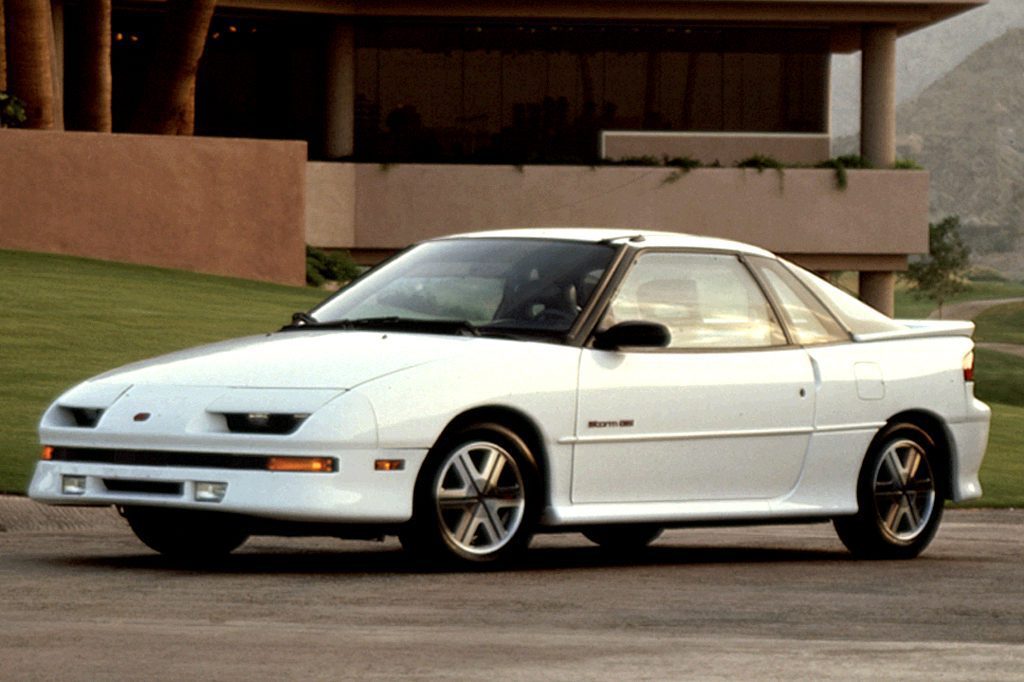
Isuzu built the Geo Storm in the early 1990s under the Geo brand, which was GM’s attempt to compete with Japanese imports at an accessible price point. The name Storm suggested drama and performance. The car had a top speed of around 108 mph and enough horsepower to make that number feel optimistic for a vehicle in this category.
The body shape, sometimes called “wagon back,” was an awkward attempt at a sporty hatchback silhouette that did not quite achieve what it set out to do. The colors available were uninspiring. Production ran for only three years, ending in 1993, and the car left the market without leaving much impression either on the road or in automotive memory.
Buick Electra: The Steel Surfboard
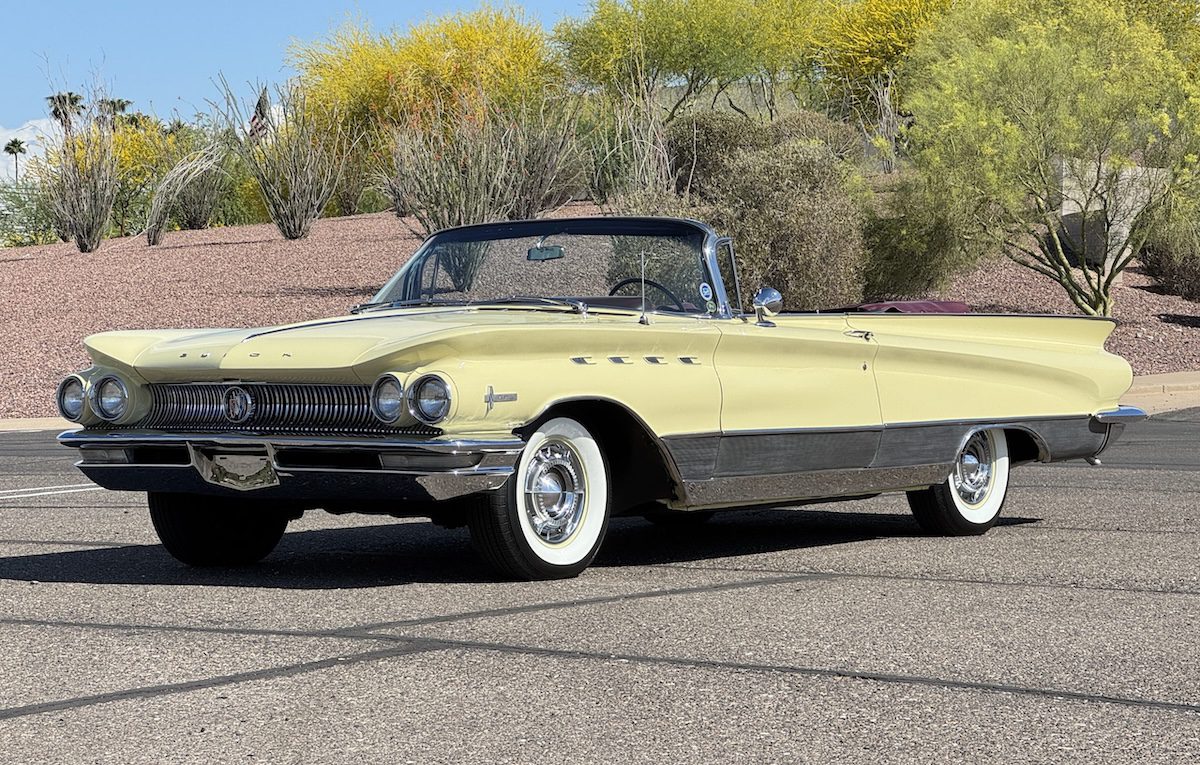
When the Buick Electra arrived in the late 1950s, it came in at eighteen feet of length, which created parking and maneuvering challenges that its luxury positioning did not resolve. The comparison to a steel surfboard captures the flat, wide impression the car created, particularly in profile.
It was sold as a luxury vehicle, which required buyers to accept the styling as part of the luxury experience. Some did. The Electra sold, though not at the volumes Buick had hoped for, and the combination of its size, its appearance, and its failure to deliver the prestige its price implied placed it firmly in the category of ambitious attempts that did not quite arrive where they were aimed.
Ford Maverick (1969): The Import Fighter That Lost the Fight
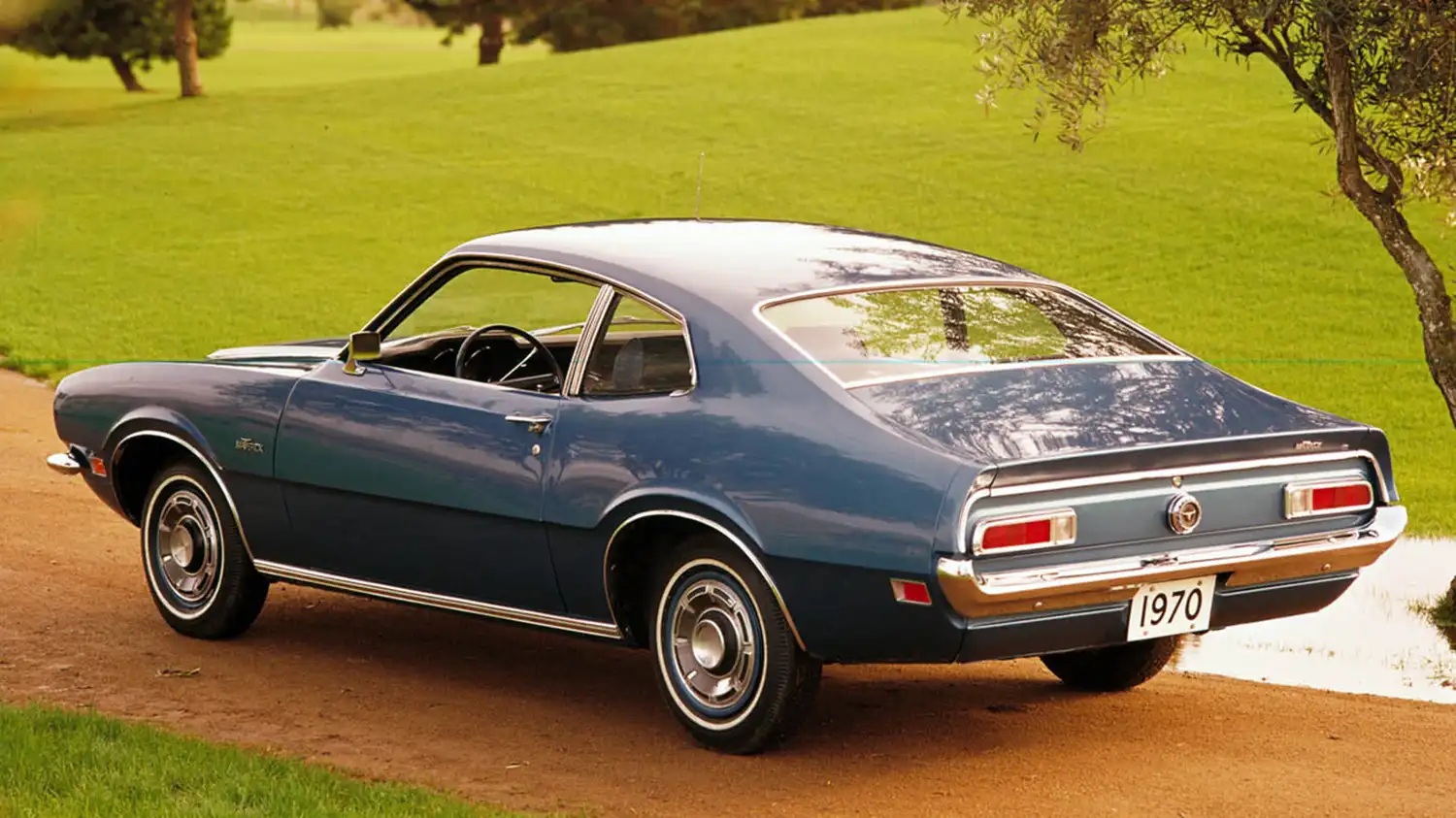
The 1969 to 1977 Ford Maverick was Ford’s response to the growing popularity of European and Japanese imports, positioned as a cheaper, more fuel-efficient alternative for buyers who were beginning to question whether a large American car was necessary. The Volkswagen Beetle was the primary target.
The Maverick’s proportions were unfortunate in ways that were hard to look away from. The front end was heavy, the overall stance was low in an ungainly rather than athletic way, and the color names Ford chose to offer, including Anti-Establish Mint, Hulla Blue, Original Cinnamon, Freudian Gilt, and Thanks Vermillion, suggested either a marketing department that was having a great deal of fun or one that had lost the thread entirely. The car has been compared to a Blobfish, which is not a comparison that helps the resale value.
Dodge Aries: The K-Car That Saved Chrysler and Looked Like It Cost Nothing
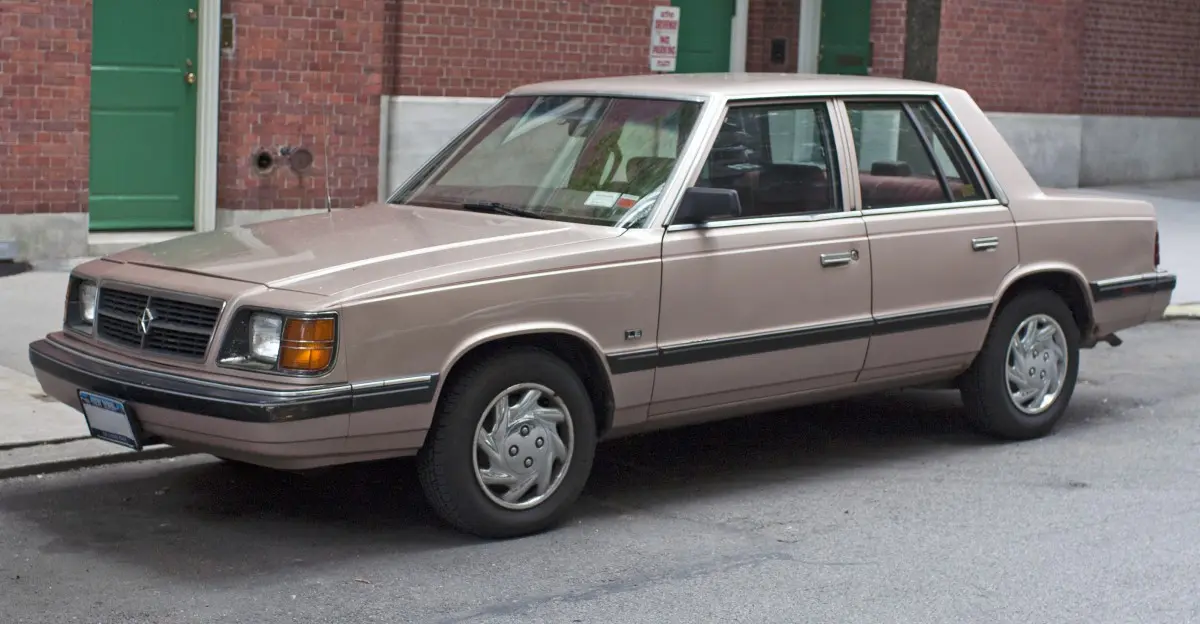
The Dodge Aries was the first of Chrysler’s K-cars, introduced in 1981 when the company was in genuine financial crisis. The K-car platform actually served Chrysler well in commercial terms: it was cheap to build, adaptable across multiple body styles, and sold in numbers that helped stabilize the company’s finances at a critical moment.
The appearance of the Aries reflected the practical priorities that produced it. It was boxy, simple, and gave no indication that design was a primary consideration in its development. Available as a sedan, hatchback, or station wagon over its eight-year production run, it replaced a brand’s floundering product range and was in turn replaced by the Plymouth Acclaim. It served its purpose. It did not do it beautifully.
Studebaker Convertible: Spacecraft Proportions, Limited Appeal
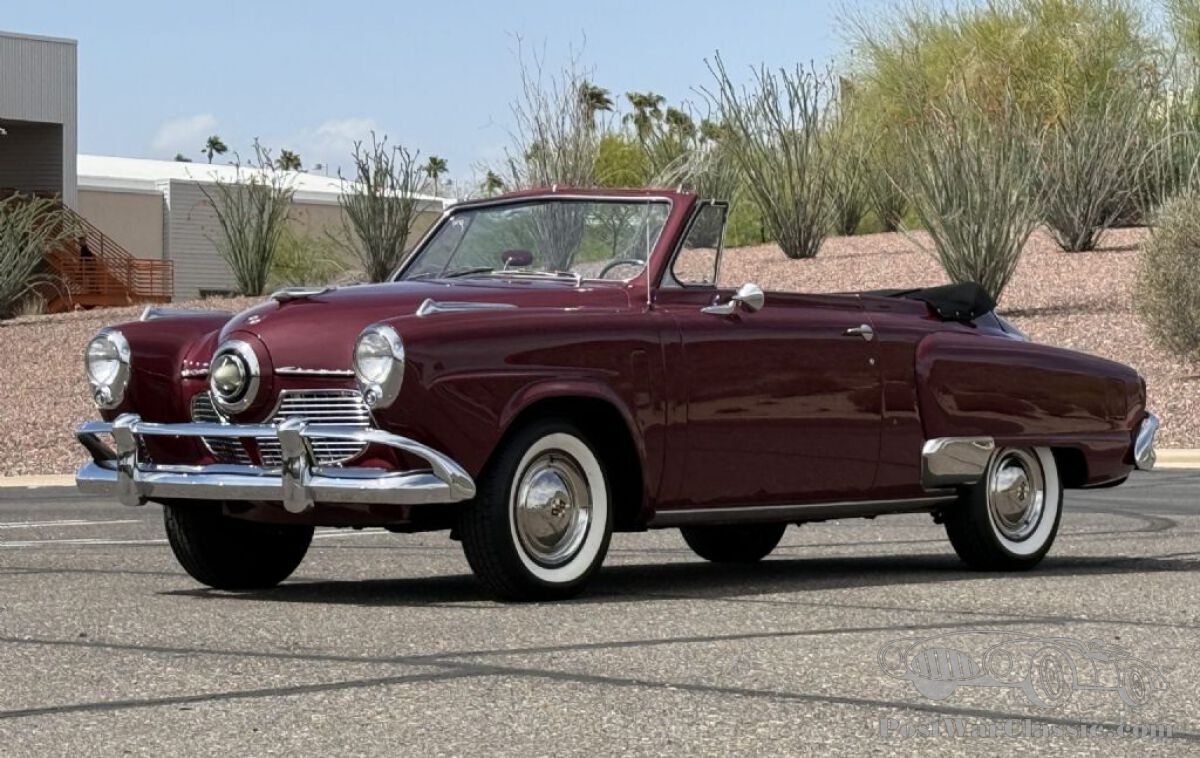
Studebaker produced some genuinely interesting cars through its history, and the company’s later models showed real design ambition. The convertible in question, with its extra-long fenders that gave it a spacecraft-like profile among 1950s contemporaries, was not among the brand’s more successful aesthetic experiments.
The chassis was not well-suited to convertible configuration, which limited production and contributed to a car that never established itself as what it was trying to be. Studebaker continued making vehicles until the company closed in the late 1960s, and the better designs from its later years gave no reason to remember the convertible as representative of what the brand could achieve.
Chevrolet Celebrity: An Honest Name Would Have Been “Reliable Enough”
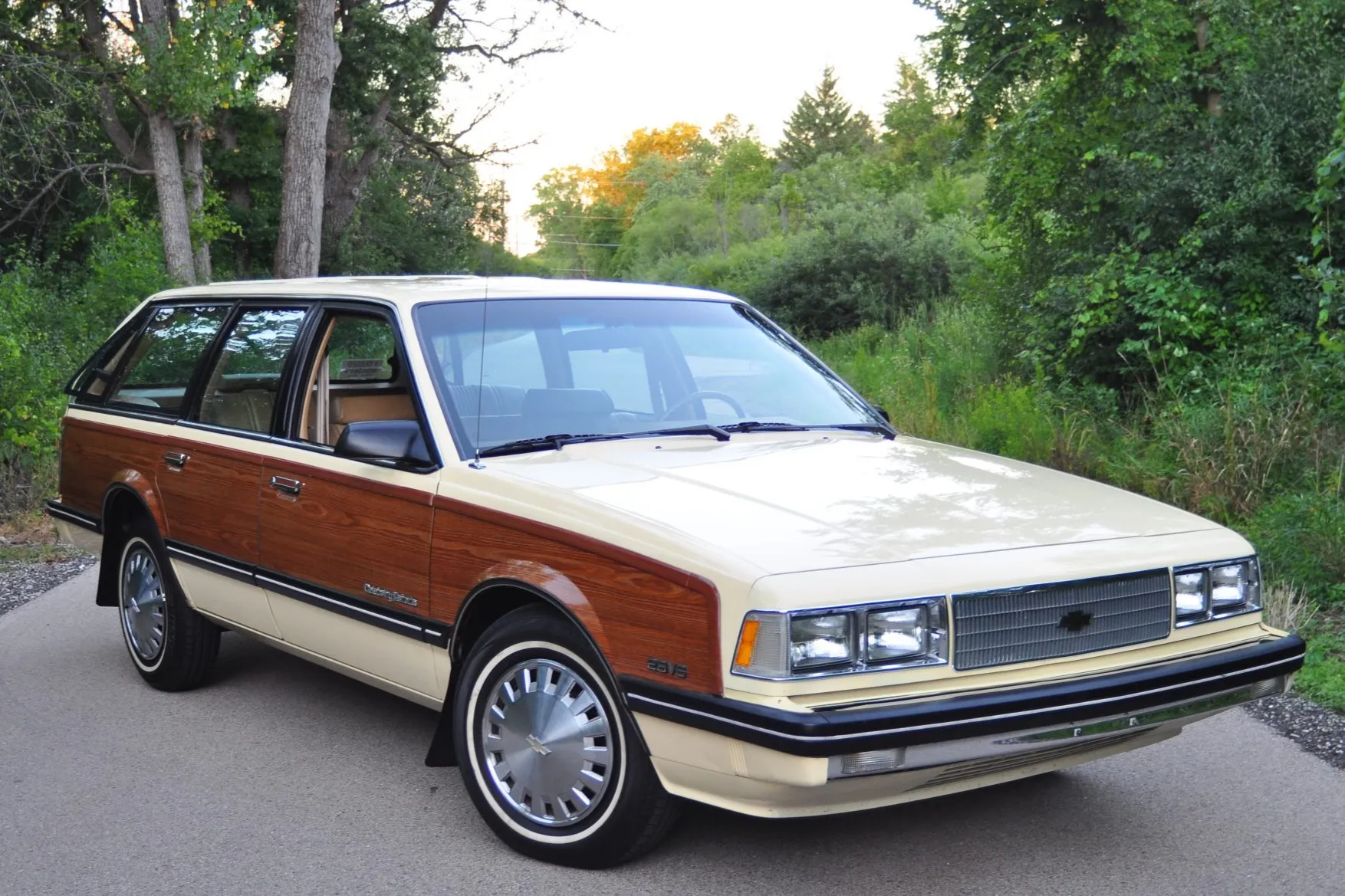
Naming a square, fuel-efficient compact “Celebrity” was an optimistic move that the car’s appearance did not support. The Celebrity was a practical family vehicle that delivered reasonable mileage and basic reliability without any of the glamour its name suggested.
It was one of the most honest cars of the 1980s in at least one sense: everything about the way it looked communicated exactly what it was and what it offered. No one bought a Celebrity expecting to be surprised. The station wagon version was withdrawn in the early 1990s, and the model was succeeded by the Lumina, which inherited many of the same practical virtues and most of the same aesthetic limitations.
AMC Gremlin: A Name That Fit the Design
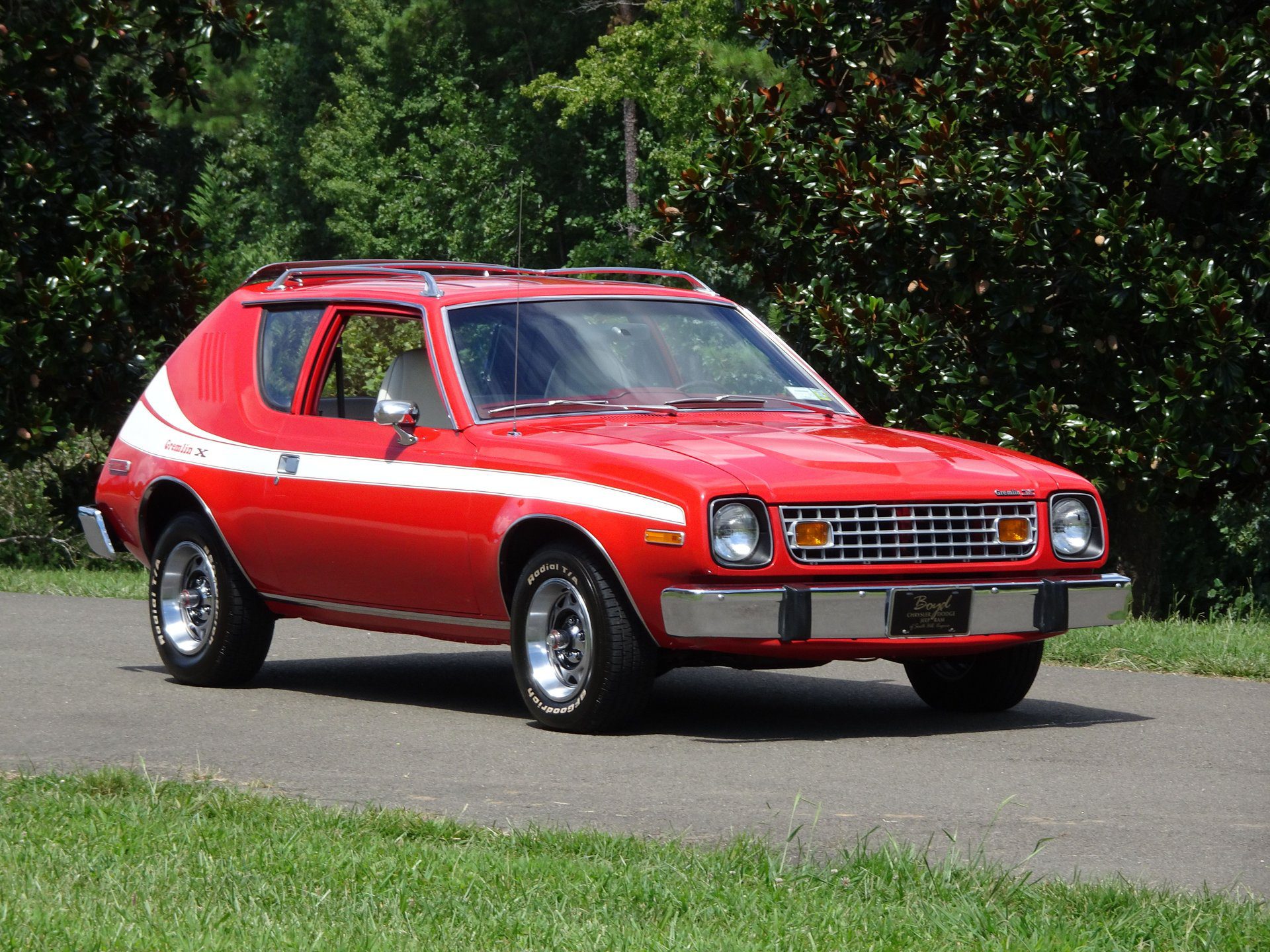
The Gremlin was American Motors Corporation’s answer to the compact car challenge of the early 1970s, and the name proved to be either brilliantly self-aware or catastrophically self-sabotaging depending on how you read the situation. A gremlin, in folklore, is a mischievous creature that causes mechanical problems. Naming a car after one was a choice.
The body had a crouched, hunched quality that the name reinforced. The truncated rear end was a deliberate design decision that created unusual proportions, and those proportions did not age well. AMC sold the Gremlin from 1970 to 1978, and the car found buyers who appreciated its price and reasonable performance. The legacy, however, is shaped more by the appearance and the name than by anything the Gremlin achieved on the road.
Ford Taurus: Popular, Practical, and Shaped Like a Sad Cupcake
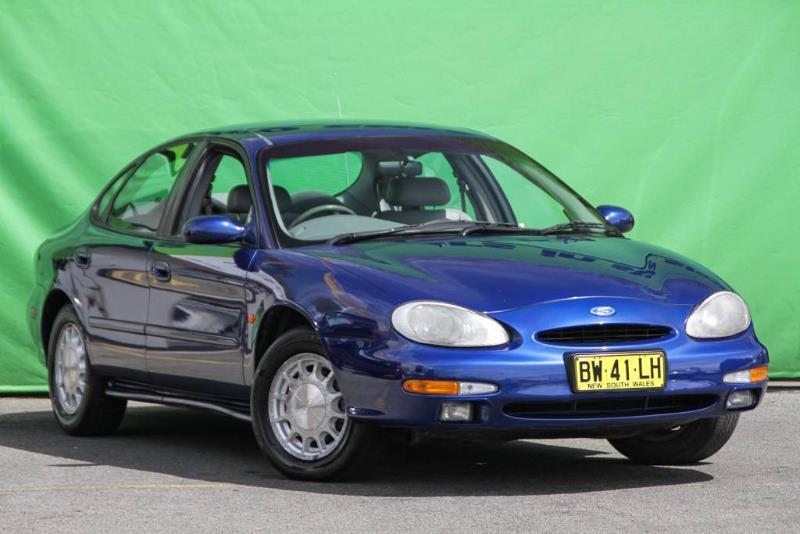
The Ford Taurus was one of the most commercially successful American cars of the 1990s. It was affordable, widely available, and practical enough for the family sedan segment it targeted. It was also, viewed from certain angles, shaped like a lopsided cupcake that had not risen evenly.
The oval design language Ford pursued in the mid-to-late 1990s version gave the Taurus a soft, rounded profile that was distinctive in the worst possible sense. The circular body panels, the unusual front and rear lamp designs, and the overall impression of something designed by someone who had been told “no sharp corners” and interpreted the instruction with maximum enthusiasm all contributed to a car that buyers purchased for reasons other than how it looked. The Taurus has since been discontinued, and its design choices remain a useful reference point in conversations about when clean-sheet redesigns go wrong.
Aston Martin Lagonda: Revolutionary Intentions, Challenging Results
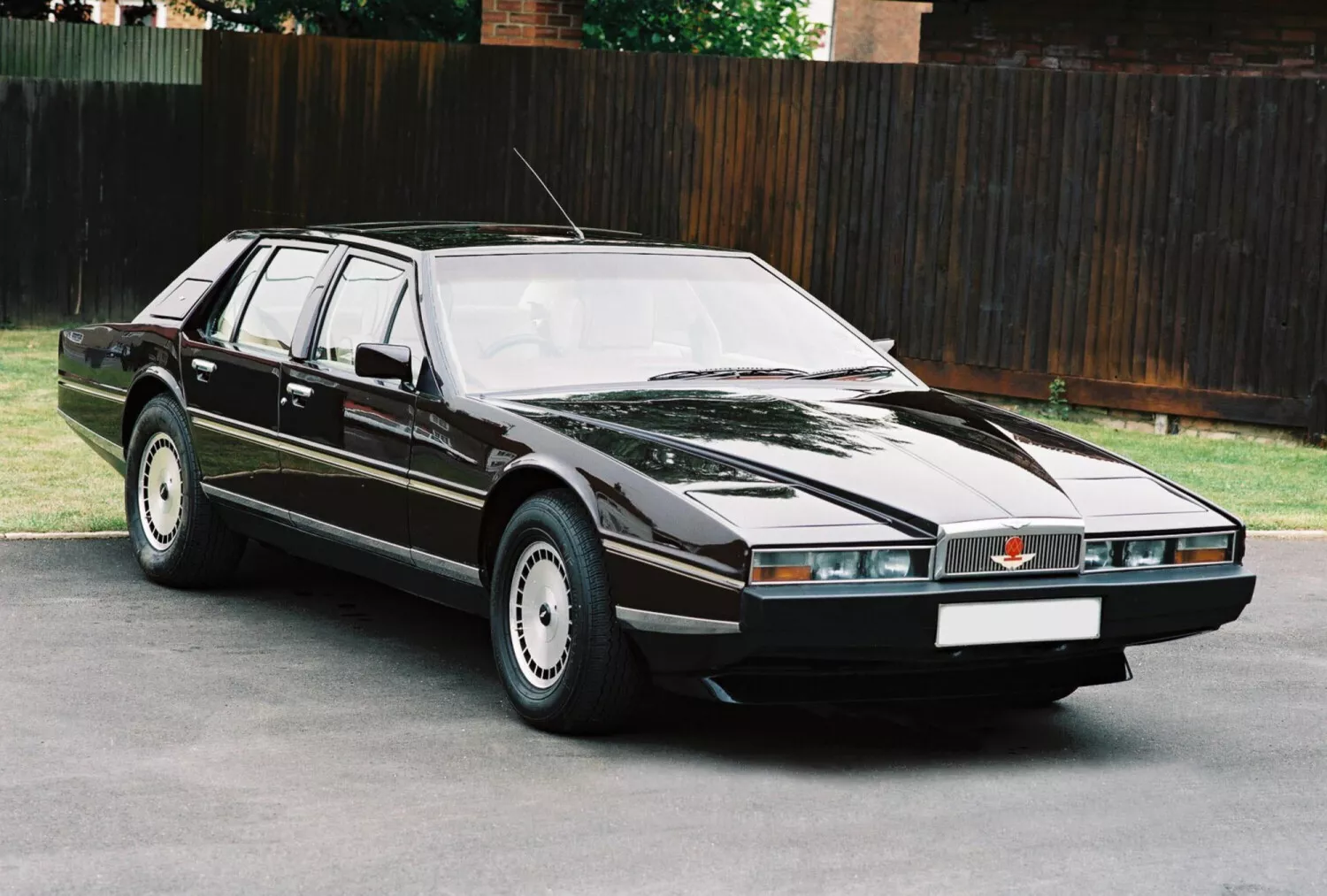
The Aston Martin Lagonda was genuinely radical for its time. Introduced in the late 1970s, it featured an all-digital instrument cluster and an interior that was as forward-looking as anything in the automotive world at that moment. The problem was that the technology required to make the digital instruments work reliably did not yet exist, creating a car whose ambition consistently exceeded what production could deliver.
The body was flat and wide in a way that the Lagonda’s price tag, which reached six figures, did not seem to justify. The wedge profile was extreme without being elegant, and from a distance, it could be mistaken for something considerably less exclusive than it was. Between the late 1970s and the mid-1980s, only 25 examples were sold. Each required approximately 2,200 man-hours to build. That labor intensity reflected the complexity of what was being attempted rather than the quality of what was achieved. The Lagonda remains a fascinating and unusual object in automotive history: a genuinely ambitious car that arrived before the world was ready for it, built in a way that made its ambitions evident and its limitations equally so.