

If you want your vehicle to stay dependable, safe, and pleasant to drive, routine maintenance cannot be treated as an afterthought. Most car owners understand the basics: change the oil, top off fluids, and respond when something clearly goes wrong. But somewhere between a quick oil change and a major repair sits one of the most important maintenance appointments your car can receive: the full service.
A full car service is often mentioned by dealerships, repair shops, and service advisors, yet many drivers are not completely sure what it actually includes. Some assume it is just a slightly more expensive oil change. Others think it means every part on the vehicle will be replaced or adjusted. The truth is more balanced. A proper full service is a broad, structured maintenance visit designed to inspect the major systems of the vehicle, perform scheduled service tasks, and catch small problems before they become expensive ones.
As an automotive maintenance specialist, I can tell you that one of the biggest reasons cars become unreliable is not always poor engineering. More often, it is delayed maintenance. Small issues get ignored. Fluids go unchanged too long. Tire wear patterns go unnoticed. Brake pads wear down beyond the ideal point. Belts, hoses, and filters are left alone until they become obvious problems. A full service is meant to interrupt that cycle. It gives the car a detailed health review while the important systems are still functioning well enough to be preserved.
In this guide, I will explain exactly what a full car service usually includes, why the contents can vary from one shop to another, how it differs from a basic service, how often it should be done, and what benefits you gain by staying on schedule. I will also break down the costs in realistic terms and explain why a full service often saves far more money than it costs. Most importantly, I will help you understand how to judge whether a service package is actually worthwhile instead of just accepting the label “full service” at face value.
Because that is the key point many drivers miss: the words “full service” sound universal, but the actual contents are not always identical. One shop may include fluid inspections, brake checks, tire rotation, air filter replacement, and a detailed suspension review. Another may use the same label for something much thinner. The smartest car owner is not the one who hears the phrase and nods. It is the one who asks what is truly being done.
By the end of this article, you will know what a quality full service should involve and how to tell whether your vehicle is due for one.
What Is a Full Car Service?
A full car service is a comprehensive maintenance appointment that goes far beyond a simple oil and filter change. It combines routine replacement items with a wider inspection of the vehicle’s essential systems. The goal is not only to refresh basic maintenance fluids and wear items, but also to identify any developing problems in areas such as braking, steering, suspension, tires, drivetrain, and engine performance.
In practical terms, this means a full service is both preventive and diagnostic. Preventive, because it addresses maintenance items before they cause trouble. Diagnostic, because it involves inspecting systems that may not yet be visibly failing but are starting to wear. That combination is what makes it so valuable.
A basic service, by contrast, is usually narrower in scope. It might involve changing the engine oil and oil filter, topping off a few fluids, and performing a quick visual check. That type of service is important and should not be underestimated, but it does not usually provide the same level of system-wide attention.
Many dealerships and workshops recommend a full service once every year or around every 12,000 miles, though this depends on the manufacturer’s maintenance schedule, your driving conditions, and the age of the vehicle. A newer vehicle driven gently on highways may not need certain service items as frequently as an older car that deals with stop-and-go traffic, rough roads, heavy loads, or harsh weather.
It is also important to recognize that not every garage defines “full service” in the same way. Some shops use the term honestly to describe a detailed and valuable appointment. Others use it more loosely as a sales label. That is why I always advise drivers to ask for a written list of what is included. If the service is truly comprehensive, the shop should be able to explain the work clearly.
In its best form, a full car service gives you a structured snapshot of your car’s condition. It tells you what was maintained, what looks healthy, what is wearing, and what may soon need attention. That kind of information is incredibly useful, especially if you are trying to avoid breakdowns, protect resale value, and keep long-term repair costs under control.
How a Full Service Differs from a Basic Service
To understand why a full service matters, it helps to compare it with a more basic maintenance visit. A standard basic service often focuses on the essentials required to keep the engine lubricated and the car generally operational. That may include engine oil replacement, an oil filter replacement, and a brief fluid top-up or visual inspection.
There is nothing wrong with that. In fact, regular basic servicing is one of the most important habits any car owner can follow. But a full service goes further. It treats the car like a system of connected components rather than just an engine needing fresh oil.
For example, a basic service may not include a close inspection of brake wear, steering play, drivetrain components, shock absorber condition, wheel bearing health, tire wear pattern analysis, or a meaningful look at the exhaust system. A full service usually should. A basic service may top off washer fluid. A full service should also look at brake fluid condition, coolant level, transmission fluid status, and visible leaks. A basic visit may check whether your lights work. A full service should put that information into the broader context of vehicle safety and mechanical condition.
The difference is not just about more labor. It is about more context. A full service looks at the vehicle as an integrated machine. If the tire wear is abnormal, it may suggest an alignment or suspension issue. If the engine air filter is dirty, the service may connect that with airflow and fuel-efficiency concerns. If the brake pads are near the end of their life but not quite there yet, you get time to plan rather than being surprised later by a noisy, metal-to-metal brake job.
That is why drivers who only get minimal servicing often feel like car repairs “come out of nowhere.” In reality, many of those repairs were building for months. The warning signs simply were not being checked carefully enough. A proper full service helps eliminate that blind spot.
What Does a Full Service Include?
A proper full service usually includes a broad range of checks and maintenance tasks. While the exact contents vary by workshop and vehicle type, most quality full services revolve around the same core areas: general checks, engine care, fluids, brakes, wheels and tires, drivetrain, steering, suspension, and exhaust. These categories work together to create a complete picture of your car’s mechanical condition.
Below, I will explain each area in depth so you understand not only what is usually checked, but also why it matters.
1. General Checks
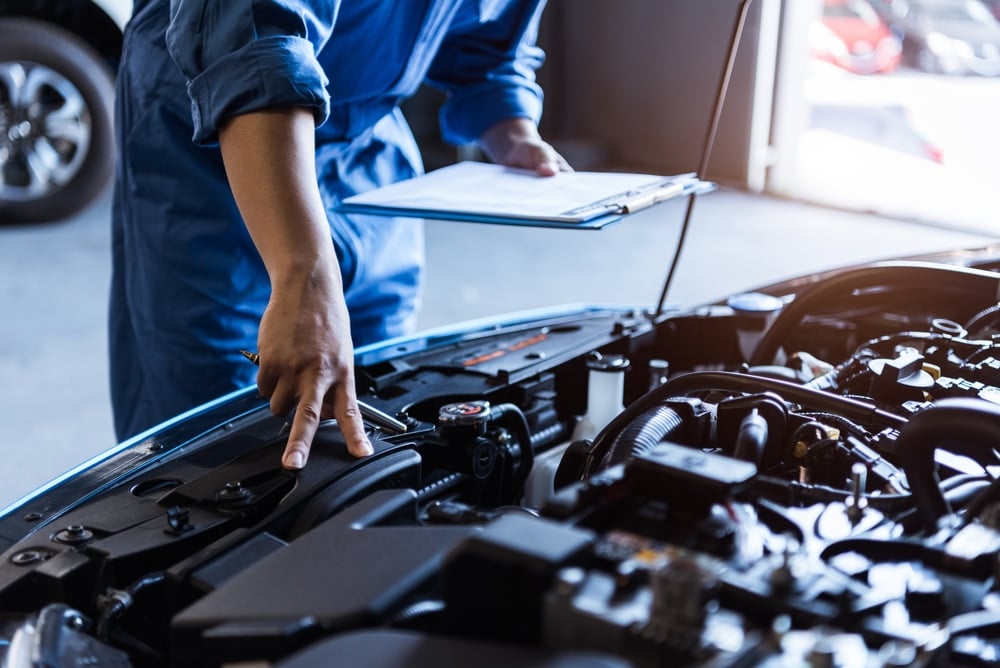
The general inspection stage may sound simple, but it is often the first chance to catch easy-to-miss issues that directly affect safety and everyday usability. This part of the service usually begins with the battery, because without a healthy battery, even a perfectly tuned engine can leave you stranded. The technician may test battery voltage, charging condition, or cold-cranking health depending on the equipment available.
Exterior lights are another routine but essential check. Headlights, brake lights, turn signals, reverse lights, fog lights, and license plate lights all contribute to visibility and safety. A burnt bulb may seem minor, but it can affect legality, night driving, and communication with other road users.
The horn is also commonly checked. This is one of those components drivers rarely use until they need it urgently, which is exactly why it should be working at all times. Wipers and washers are usually part of the inspection too. Good visibility is a safety issue, not a cosmetic one, and worn blades or a dry washer reservoir should not be ignored.
Inside the cabin, a proper service may include seat belt inspection, dashboard warning light review, and a check of key interior safety functions. Some shops also include replacement of the cabin air filter if it is due. While that filter does not affect how the engine runs, it does affect cabin airflow, HVAC performance, and the quality of air entering the passenger compartment.
These general checks are valuable because they often reveal simple issues before they become irritating or dangerous. A failing battery caught during service is far preferable to a no-start in a parking lot. A weak washer system noticed early is better than discovering it in heavy road spray on the highway. Small details matter more than drivers sometimes realize.
2. Engine Care
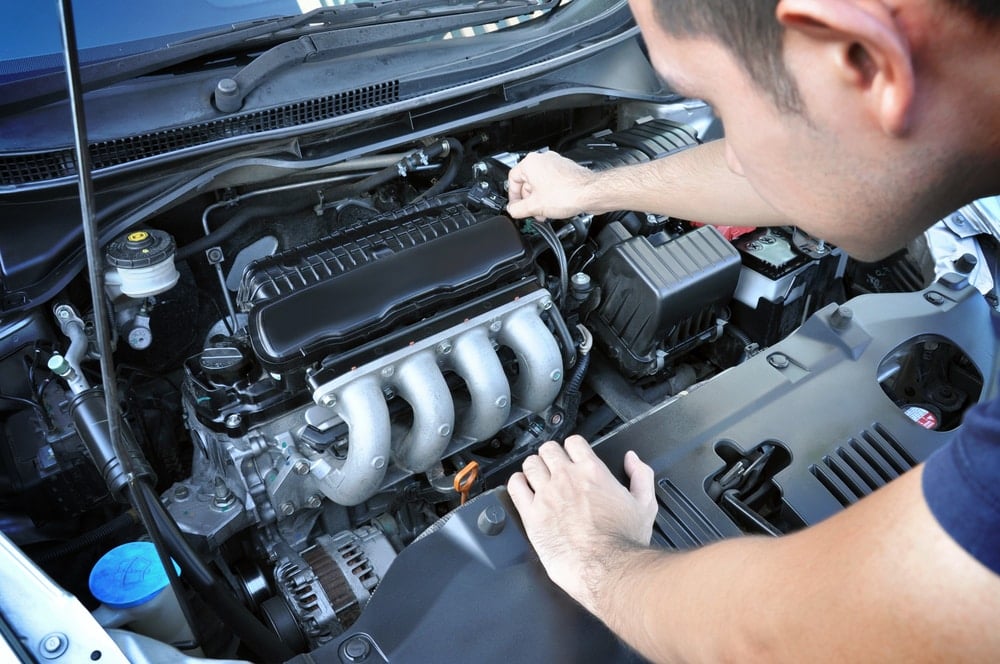
If the general checks are the service’s broad opening act, engine care is often the centerpiece. For most vehicles, this begins with the oil and oil filter change. Clean engine oil is absolutely essential because it lubricates moving parts, removes heat, traps contaminants, and reduces wear. Once the oil degrades, everything inside the engine is forced to work harder under less protection. A full service almost always includes fresh oil and a new oil filter unless the oil was changed very recently as part of another maintenance event.
The engine air filter is another common replacement item. A clogged air filter restricts airflow into the engine, which can affect fuel efficiency, throttle response, and overall engine performance. On some vehicles, replacing the air filter is quick and inexpensive. On others, it is integrated into a more complex service sequence. Either way, it belongs in the maintenance conversation.
Belts and hoses are also inspected during engine care. Rubber components age whether the vehicle is driven heavily or not. A cracked belt, swollen coolant hose, or oil-soaked vacuum line may still be functioning today while quietly moving toward failure tomorrow. Spotting deterioration early makes replacement much cheaper and far less stressful than dealing with a roadside breakdown.
Depending on mileage and the maintenance schedule, a full service may also trigger more specific engine-related tasks. Spark plugs are a good example. In many modern vehicles, spark plug replacement is required at specific mileage intervals. Ignoring that service can reduce fuel economy, cause misfires, and eventually damage more expensive parts such as ignition coils or catalytic converters. The same logic applies to items such as the serpentine belt, timing-related inspections where applicable, and PCV system checks.
Engine care is about more than keeping the engine running today. It is about protecting internal components from wear, supporting efficient combustion, and preventing avoidable damage. If this part of the service is handled well, it has a direct impact on reliability, engine life, and even emissions performance.
3. Fluid Checks
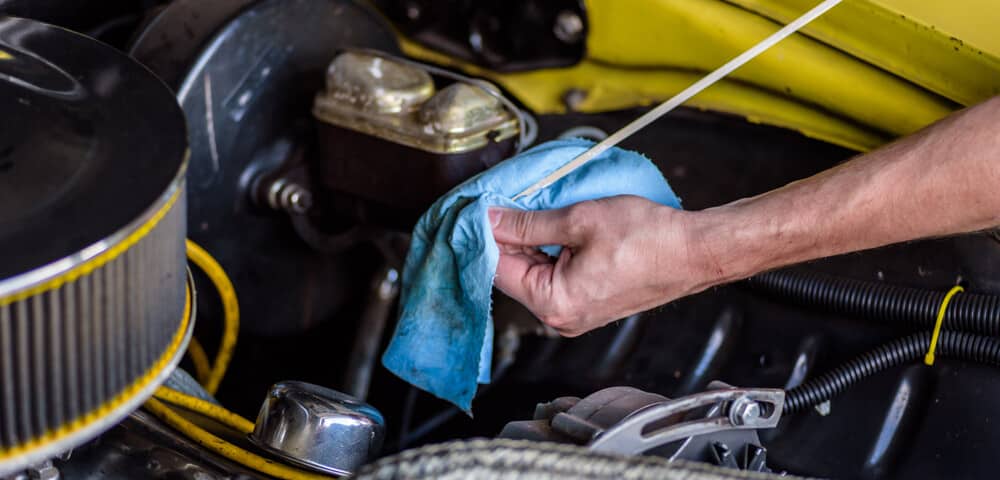
Fluids are the lifeblood of the vehicle. They lubricate, cool, transfer force, and protect the systems they serve. That is why a full service should never treat fluid checks as a superficial glance. A proper fluid inspection looks not only at level, but also at condition.
The coolant should be checked for proper level and visible condition. Low coolant can indicate a leak, and contaminated coolant may suggest internal corrosion or overdue maintenance. Transmission fluid deserves close attention as well. In vehicles with automatic transmissions, fluid condition strongly affects shift quality and transmission longevity. Low, burnt, or dirty transmission fluid is not something to ignore.
Brake fluid is another critical item. Unlike oil, many drivers forget brake fluid exists until there is a problem. But brake fluid absorbs moisture over time, which can lower braking performance and increase corrosion inside the hydraulic system. A full service should include at least a fluid level and condition assessment, even if a complete flush is not due yet.
Power steering fluid, where applicable, should also be checked. Some modern cars use electric power steering and therefore have no hydraulic steering fluid, but vehicles that do use hydraulic systems need that fluid monitored for level and leaks. Washer fluid is simple by comparison, but still worth checking because good visibility depends on it.
What I like most about fluid checks in a full service is that they often uncover deeper problems. A low fluid level is not just a number. It is a clue. Coolant may suggest a leak. Brake fluid loss may point toward pad wear or a hydraulic issue. Dirty transmission fluid can reveal neglected maintenance. Fluids tell stories, and a good technician reads them carefully.
That is why “all fluids checked” should never mean “all caps were opened and closed.” It should mean the technician evaluated whether those fluids are at the right level, in the right condition, and free from signs of contamination or leakage.
4. Brake System Inspection
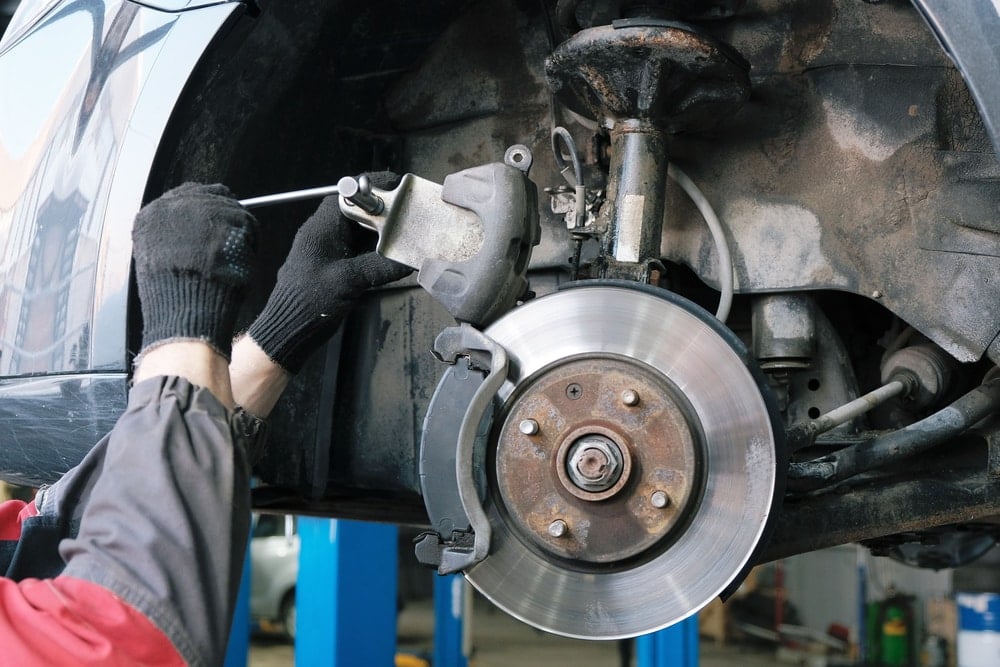
Few systems are as important as the brakes, so this part of a full service should never be rushed. At minimum, a proper inspection includes checking brake pad thickness, rotor condition, visible brake line condition, and hydraulic system integrity. If the pads are near the end of their useful life, this is exactly when you want to find out—not when the wear sensors start screaming or the car begins pulling under braking.
Brake rotors should be inspected for scoring, cracking, excessive rust on the friction surface, or signs of overheating. A rotor may still stop the car even when it is no longer in ideal condition, but the goal of a full service is to catch these issues before braking quality and repair cost escalate.
The calipers should also be checked for leaks, sticking behavior, and proper operation. Sticking calipers can lead to uneven pad wear, pulling to one side, overheated brakes, and reduced fuel economy. Brake hoses and hard lines deserve attention too. Age, corrosion, and road exposure can degrade them slowly, and once they fail, the safety risk becomes immediate.
The parking brake, whether mechanical or electronic, should also be reviewed. Many drivers overlook this until they need it for an incline or emergency. A full service is the right time to confirm that it still holds properly and that its related hardware is not binding or excessively worn.
Brake inspections are one of the clearest examples of preventive maintenance saving money. Replacing pads on time is manageable. Waiting until the pads damage the rotors, overheat the calipers, or reduce braking safety is much more expensive. Good service does not just repair what is already broken. It helps keep you from getting there in the first place.
5. Wheel and Tire Inspection
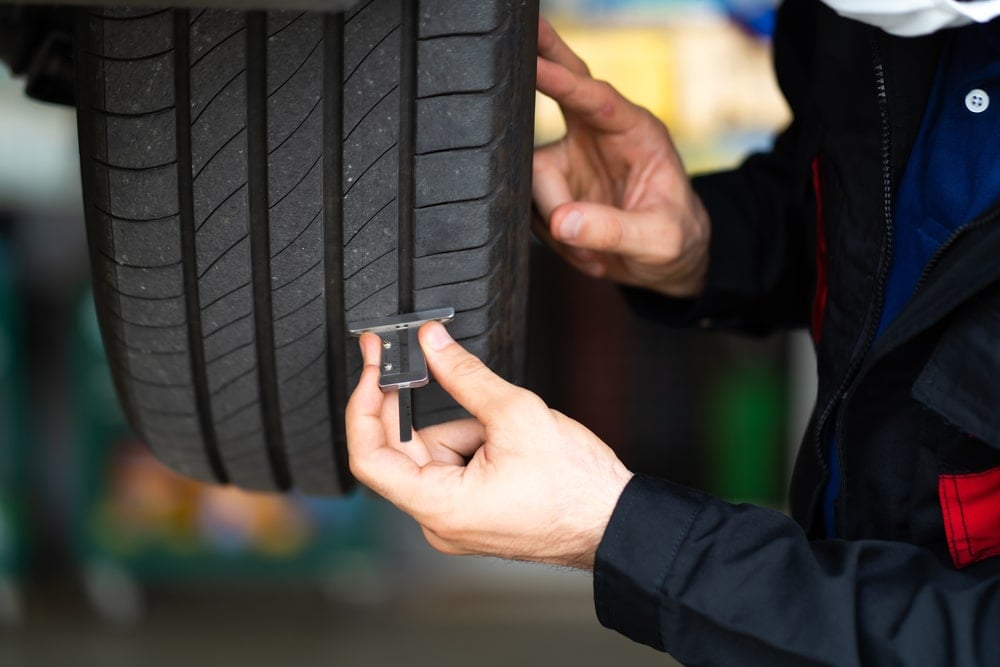
Your tires are the only part of the vehicle that actually touches the road, so their condition matters enormously. Yet because wear happens gradually, many drivers miss the warning signs until a tire is already unsafe. A full service should include a proper tire and wheel inspection, not just a quick glance.
Tire pressure should be checked and adjusted to the proper specification. Pressure that is too low or too high can affect fuel economy, handling, braking, and tire wear. But pressure is only the beginning. Tread depth needs to be evaluated, and the technician should look for uneven wear patterns, sidewall cracking, puncture repairs, bulges, and other visible damage.
Uneven wear is especially important because it often indicates another problem. Feathering may suggest alignment issues. Excess inner or outer wear can point to suspension geometry problems. Cupping may indicate worn shocks or struts. In other words, tire wear is often a symptom, not just a tire problem.
During a thorough full service, the wheels themselves may also be checked for damage, missing wheel weights, or signs of improper fitment. Depending on the vehicle and service package, a tire rotation may be recommended if wear patterns and interval timing support it. Rotation is not always included automatically, but it often makes sense as part of overall maintenance because it helps even out tread wear and extend tire life.
This part of the service provides a major safety benefit. Tires rarely fail without warning. They usually show signs of age, wear, or stress first. A proper inspection helps catch those signs before they become a blowout, hydroplaning problem, or emergency replacement situation.
6. Drivetrain Check
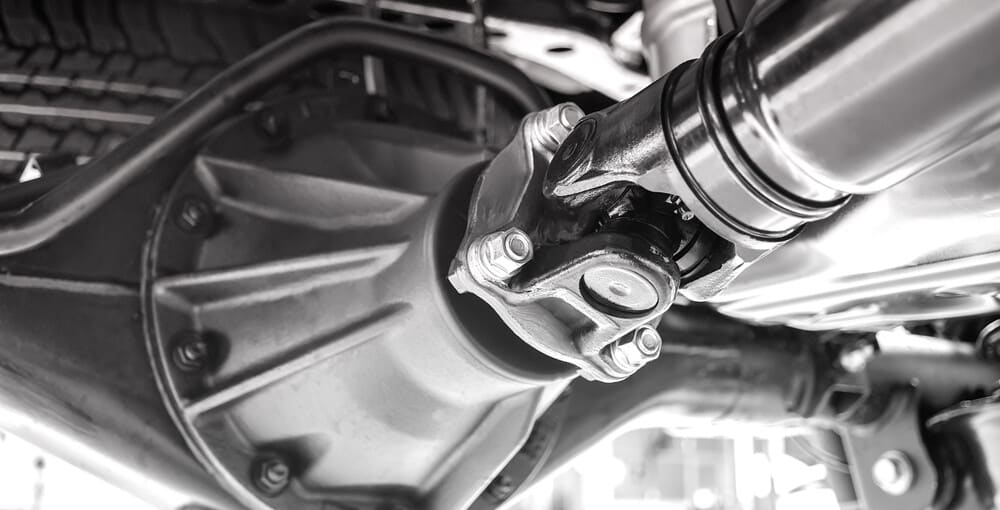
The drivetrain is the link between the engine’s power and the wheels that move the vehicle. If this system is ignored, small wear issues can quietly turn into major drivability problems. A good full service should therefore include at least a basic drivetrain review.
The transmission is part of this conversation, especially through the fluid inspection and shift behavior evaluation. A healthy transmission should shift smoothly and predictably, whether automatic or manual. If the technician notices delayed engagement, rough shifts, slipping, or unusual noises, those are signs that further diagnosis may be needed.
On front-wheel-drive vehicles, the CV axles and boots deserve close inspection. Torn boots allow grease to escape and contamination to enter, which quickly shortens joint life. On rear-wheel-drive and four-wheel-drive vehicles, driveshafts, universal joints, and differentials become especially important. Differential leaks, noisy bearings, or excessive play in drivetrain joints can all be caught earlier if someone is paying attention during service.
In all-wheel-drive systems, drivetrain inspection matters even more because there are additional components responsible for distributing power correctly. A minor fluid leak or torn boot in one section can have costly consequences later if left alone.
This is not always the most visible part of a full service to the driver, but it is one of the most valuable. Drivetrain failures are rarely cheap. Catching them in the inspection stage is far better than discovering them through vibration, noise, or complete breakdown.
7. Steering System Check
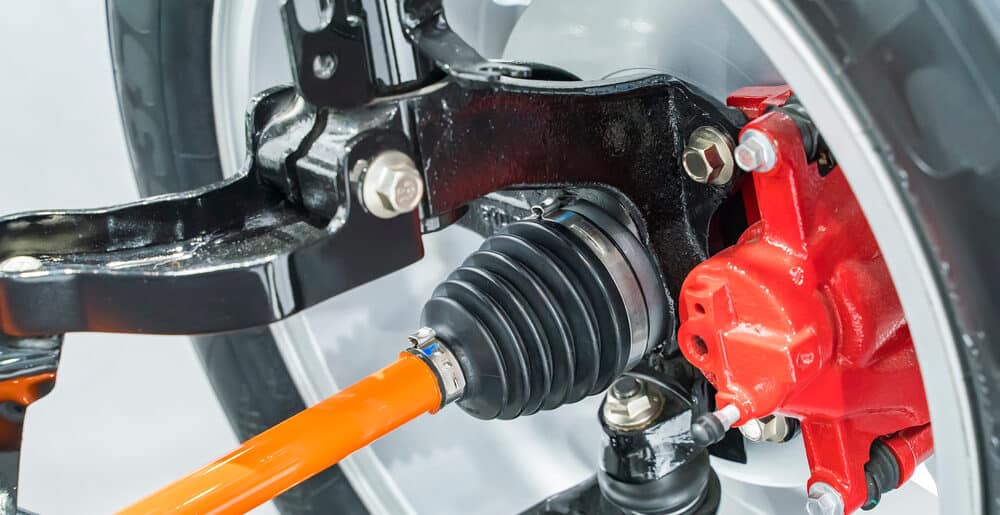
A vehicle that cannot steer correctly is not just inconvenient. It is dangerous. That is why steering system inspection belongs in any meaningful full service package. The technician should check for visible leaks, worn steering components, unusual play, and anything else that might compromise directional control.
On hydraulic power steering systems, the fluid level and condition matter. Hoses and fittings should be checked for seepage or wear. The steering rack or gearbox should also be inspected for leakage or looseness. On electric power steering systems, the fluid component disappears, but the mechanical parts still need attention.
Tie rods, rack ends, and other linkage parts should be assessed for looseness or damage. Excessive play in steering components can lead to wandering, uneven tire wear, vague handling, and in severe cases, loss of precise steering control.
A full service is also the right time to connect steering feel with tire wear and suspension condition. If the car has uneven tire wear and loose steering components, those facts are related. If the power steering fluid is low and there is a leak at the rack, that matters not only for steering effort but also for long-term repair planning.
This is where expert service stands out from a rushed inspection. Good technicians do not look at each system in isolation. They understand how steering, alignment, tires, and suspension all interact. The more complete the service, the more useful those connections become.
8. Suspension System Inspection
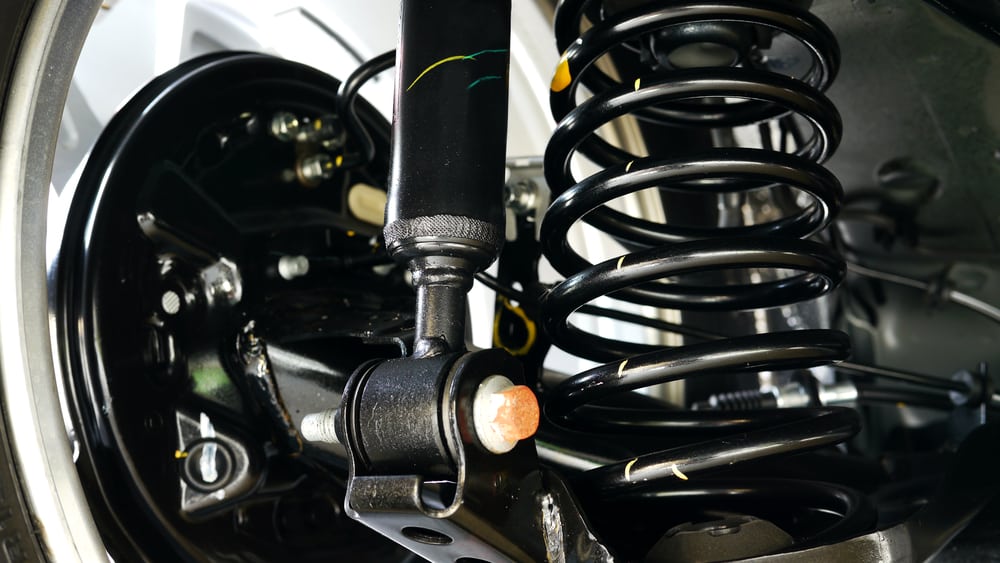
The suspension system is what allows the car to ride smoothly, absorb road impacts, and stay stable during braking, cornering, and acceleration. It is also one of the most commonly neglected systems because wear often develops gradually. Drivers adjust to the decline without realizing how much control and comfort the car has lost.
In a full service, the suspension check usually includes inspection of shocks, struts, springs, bushings, mounts, sway bar links, and associated hardware. The technician may look for leaks from dampers, sagging springs, torn boots, cracked bushings, or looseness in joints and mounting points.
Wheel bearings and axle-related hardware often fit into this category as well. A failing bearing may not be dramatic at first, but it can create noise, vibration, and eventually serious safety concerns. Catching that early is exactly what routine inspection is for.
Suspension issues often announce themselves through ride quality and tire wear before they become obvious mechanical failures. If the car bounces too much, dives under braking, or feels unstable over bumps, worn suspension parts may be responsible. During service, the technician has a chance to confirm whether these behaviors are beginning to appear, even before the driver has fully noticed them.
From a cost perspective, early suspension maintenance can prevent unnecessary tire wear and reduce stress on related parts. From a safety perspective, it helps preserve control and predictable handling. Both reasons are good enough not to ignore it.
9. Exhaust System Check
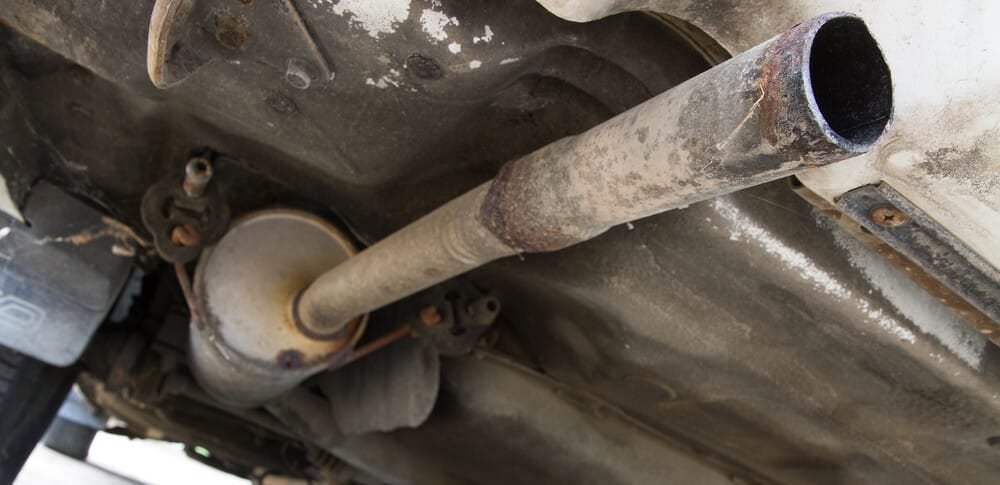
The exhaust system does much more than quiet the engine. It routes combustion gases safely away from the cabin, helps manage emissions, and influences engine efficiency. If the exhaust develops leaks, restriction, or sensor-related issues, the consequences can range from noisy annoyance to serious emissions and drivability problems.
A full service should include at least a visual inspection of the exhaust path. That means checking pipes, hangers, clamps, joints, and visible sections of the muffler and catalytic converter area. Rust, loose mounting points, impact damage, and soot marks near joints can all point to trouble.
The technician may also note the general character of the exhaust smoke, if any is visible. Excessive blue, white, or black smoke can indicate oil burning, coolant burning, or fuel mixture issues. While that alone does not diagnose the car, it provides valuable clues.
On some services, especially in emissions-sensitive regions, an exhaust-related scan or emissions check may be included. Even if there is no Check Engine Light yet, early signs of exhaust leaks or emissions trouble can often be found visually or audibly during inspection.
Again, this is where the value of a full service appears. You are not waiting for a loud exhaust or a failed emissions test. You are catching the small signs first, when the repair is usually simpler and cheaper.
Additional Service Items That May Be Included
Not every full service package stops at the nine major categories above. Depending on the vehicle, mileage, and workshop policy, some services may also include battery-terminal cleaning, wheel balancing recommendations, scan tool checks for stored codes, throttle body inspection, fuel filter replacement where applicable, cabin sanitation services, or software updates on newer vehicles.
This is one reason I always urge drivers to ask exactly what is covered. A genuinely useful full service may include valuable extras tailored to the vehicle’s age and service schedule. But those extras should make sense. They should support maintenance, safety, and long-term reliability rather than simply inflate the bill with cosmetic add-ons.
Context matters. A three-year-old car with low mileage may not need the same service package as a ten-year-old daily commuter with 120,000 miles. A good service provider knows the difference and explains it clearly.
Benefits of Full Car Service
Now that we have covered what a full service usually includes, the next question is obvious: is it worth it? In my professional opinion, yes—provided the service is legitimate and properly matched to the car’s needs. The benefits are not theoretical. They show up in reliability, safety, cost control, and even resale value.
1. Better Safety
The clearest benefit is safety. Every system checked during a full service has a direct or indirect impact on how safely the vehicle behaves. Worn brake pads, underinflated tires, loose steering parts, tired suspension components, dim exterior lighting, and old wipers may not seem connected at first, but all of them influence accident risk.
The strength of a full service is that it does not wait for these issues to become emergencies. It finds them while they are still manageable. That gives you time to plan repairs and keep the car in a safe operating condition instead of reacting to surprise failures.
Drivers often think safety failures happen suddenly. Sometimes they do. More often, though, the signs were there and simply went unnoticed. A full service reduces the odds of that happening.
2. Longer Vehicle Lifespan
Cars last longer when they are maintained consistently. That may sound obvious, but it is one of the most proven truths in vehicle ownership. Engines do not survive neglect indefinitely. Transmissions do not like old fluid. Brakes, belts, filters, tires, and suspension parts all wear in predictable ways. If you stay ahead of that wear, the vehicle remains dependable much longer.
A full service supports longevity because it is not just reactive. It catches wear patterns before they trigger breakdowns or major component damage. That protects the car’s lifespan in a practical way. It is one thing to say maintenance matters. It is another to understand that a simple fluid check or belt inspection today may be what prevents a catastrophic failure next year.
Cars reward attention. Ignore them, and they become expensive. Service them on time, and they usually return the favor with years of reliable use.
3. Improved Fuel Efficiency
An engine that breathes properly, burns fuel efficiently, and runs with clean oil is almost always more efficient than one operating with neglected maintenance items. Dirty air filters, old spark plugs, dragging brakes, worn tires, poor alignment, and underinflated tires all chip away at fuel economy. None of them may seem dramatic in isolation, but together they can raise your fuel costs noticeably over time.
A full service helps preserve fuel efficiency by keeping these systems closer to their intended condition. You may not save huge amounts in a single week, but the long-term effect is real. In an era where fuel prices can rise quickly, it makes sense to protect efficiency wherever you can.
More importantly, good fuel economy is often a sign that the vehicle is operating smoothly overall. A car that runs efficiently is usually a car that is being cared for properly.
4. Higher Resale Value
When the time comes to sell or trade in your vehicle, maintenance records matter. Buyers feel more confident when they can see proof that the car has been serviced on time. A full service history suggests the owner did not just drive the vehicle until something broke. It shows a pattern of care.
That confidence can translate into real money. A well-maintained car is usually easier to sell and can often justify a stronger asking price, especially if it is also clean and mechanically quiet. Even if the buyer does not pay dramatically more, the car tends to sell faster because it inspires fewer doubts.
From a valuation standpoint, documented service history supports the claim that the vehicle has been looked after properly. In private-party sales, that can make a meaningful difference.
5. Lower Long-Term Ownership Costs
This is the benefit many drivers only appreciate after they have already paid for neglect. Regular service costs money, yes. But delayed maintenance nearly always costs more in the long run. Replacing spark plugs on time is much cheaper than replacing a damaged catalytic converter caused by prolonged misfires. Refreshing brake pads before they wear through is cheaper than replacing rotors and calipers too. Catching a leaking hose early is cheaper than overheating the engine.
A full service helps keep the car in the “maintenance” category instead of letting small problems graduate into the “repair” category. That difference is enormous for your budget. The point of good service is not to spend money for the sake of spending it. It is to direct modest spending now so you do not face painful spending later.
Drivers sometimes see service costs and think they are being asked to pay for caution. In reality, they are being offered a chance to avoid paying for delay.
How Much Does a Full Service Cost?
The cost of a full car service varies widely depending on the vehicle, the shop, the region, and what is actually included. As a realistic average, most drivers can expect to pay somewhere around $200 to $800. That is a broad range, but it reflects the reality that a compact economy car at an independent shop and a luxury SUV at a dealership are not going to be priced the same way.
There are several factors that influence the final price. The first is labor rate. Dealerships typically charge more than independent repair shops, although they may also follow brand-specific maintenance procedures more closely. The second is the cost of parts and fluids. Synthetic oil, premium filters, expensive air filters, specialty transmission fluids, and spark plugs can all raise the price. The third is the actual service depth. A true full service that includes substantial inspection and maintenance work should cost more than a glorified oil change dressed up with a fancy name.
There is also a mileage factor. A vehicle at a low annual service interval may need little more than oil, filters, and inspection. A vehicle at a major mileage milestone may need spark plugs, brake fluid service, transmission service, and additional replacement items. In that case, the same appointment becomes more expensive because more genuine maintenance is being performed.
It is worth noting that bundling services into one visit often saves money compared with paying for them individually. If the car already needs an oil change, air filter, inspection, and brake check, combining them during one scheduled appointment usually makes more financial sense than spacing them out inefficiently.
If you perform some maintenance work yourself, the cost can drop dramatically. Oil changes, cabin filters, air filters, and wiper replacement are often manageable for capable owners. But even then, having a professional perform a broad inspection can still be worth the labor charge because it provides another set of trained eyes on the vehicle’s safety and wear items.
The key is not to ask only, “How much does a full service cost?” The better question is, “What exactly am I getting for that price?” Once you know that, you can decide whether the service is good value.
How Long Does a Full Car Service Take?
In most cases, a full car service takes between two and four hours. That estimate can shift depending on the complexity of the vehicle, the shop’s workflow, and whether the service uncovers issues that need immediate attention. Some appointments take longer simply because the technician must remove extra components to access filters or spark plugs. Others stretch out because the shop is busy or because the car requires additional approved work once the inspection is complete.
Modern vehicles vary dramatically in service accessibility. On some cars, the oil filter and air filter are easy to reach, the wheels come off easily for inspection, and the underbody systems are clearly visible. On others, one simple maintenance item may require much more disassembly. That is why labor time is not just about the number of tasks. It is also about the design of the vehicle itself.
If a service provider promises an extremely fast “full service” that sounds too good to be true, it is worth asking what corners are being cut. A proper brake, suspension, steering, and drivetrain inspection takes time. A thorough technician cannot genuinely evaluate an entire vehicle in a rushed, assembly-line manner. Good service is not always slow, but it should never feel superficial.
If the car needs extra repairs after the service, the total time can easily exceed half a day or even a full day. That is not necessarily a bad sign. Sometimes it simply means the inspection did its job and found items that deserve immediate attention.
How Often Should You Get a Full Car Service?
A common rule of thumb is once every 12 months or 12,000 miles, whichever comes first. That is the interval many dealerships and service centers use as a practical recommendation. However, the true answer depends on your car’s manufacturer schedule, your driving conditions, and the vehicle’s age and mileage.
If you drive mostly in severe conditions—short trips, heavy traffic, extreme heat, freezing weather, dusty roads, steep hills, or frequent towing—you may benefit from more frequent or more targeted servicing. These conditions put extra stress on fluids, brakes, tires, and cooling systems. Likewise, older vehicles often need closer observation than newer ones because wear-related issues become more likely with age.
The best reference point is the service schedule in your owner’s manual. It will show what the manufacturer expects at different mileage intervals. In many cases, the “full service” your shop offers should line up with one of those scheduled maintenance milestones. If it does not, ask why. Good service should support the maintenance schedule, not replace it with vague assumptions.
For drivers who are unsure, my practical advice is this: if the car has gone a year since its last comprehensive inspection, or if several smaller maintenance items are beginning to come due at once, that is usually the right time to schedule a full service.
Questions You Should Ask Before Booking a Full Service
Because “full service” is not always defined the same way from shop to shop, it is smart to ask a few direct questions before booking. This is not being difficult. It is being informed.
Ask for a written outline of what the service includes. Ask whether oil and filters are included. Ask if tire rotation is included or billed separately. Ask whether brake fluid, transmission fluid, and coolant are merely checked or actually tested for condition. Ask whether the shop performs a scan for stored error codes. Ask whether labor for replacing wear items found during inspection is included or quoted separately.
Also ask whether the service follows the manufacturer maintenance schedule for your exact model. This is especially important if the car is under warranty, relatively new, or has a complicated maintenance plan. You want the service to align with what the engine, transmission, and support systems actually need—not just with a generic package.
A quality shop should not be annoyed by these questions. In fact, the best shops appreciate informed customers because expectations are clearer and trust is easier to build. If the answers sound vague, rushed, or defensive, that is useful information too.
When a Full Service Is Especially Important
While regular intervals matter, there are also moments in a car’s life when a full service becomes especially valuable. One is before a long road trip. If you are about to drive hundreds or thousands of miles, that is the perfect time to have the tires, brakes, fluids, belts, cooling system, and battery checked. It is much better to discover a weak tire or low brake pad in your hometown than on the side of a highway in bad weather.
Another ideal time is after buying a used vehicle. Even if the seller claims the car was well maintained, a full service gives you a baseline. You find out what condition the fluids are in, whether the brakes are healthy, how the tires are wearing, and whether there are any neglected areas you should address immediately. It becomes the starting point for the car’s next chapter under your ownership.
A full service is also wise if the car has begun showing several small warning signs at once. Perhaps the steering feels a little looser, the brakes feel softer than before, the fuel economy has dipped, and the tires are starting to wear unevenly. None of these symptoms alone may seem urgent, but together they suggest the vehicle is overdue for a broader inspection.
Finally, if you plan to sell the vehicle soon, a full service can be a strong preparation step. Not only does it improve the car’s condition, but it also gives you recent documentation showing that the car was maintained responsibly.
Can You Do a Full Service Yourself?
This depends on your skill level, tools, workspace, and the type of vehicle you own. A confident home mechanic can absolutely handle some parts of a full service. Oil changes, air filters, cabin filters, wiper blades, and even spark plugs on accessible engines may be manageable. Fluid checks are straightforward if you know the correct procedures. Tire inspection and basic brake pad checks are also within reach for many experienced owners.
However, a true full service requires more than replacing easy items. It also involves evaluating suspension wear, steering looseness, drivetrain issues, brake condition, underbody leaks, and overall system health. That level of inspection is harder to duplicate without lifting equipment, proper tools, experience, and a trained eye.
My professional view is that a mixed approach often works best. If you enjoy maintaining your own car and have the skills to handle basic service items correctly, there is nothing wrong with doing part of the work yourself. But it is still valuable to have the vehicle professionally inspected at intervals, especially if you want a serious look at the brakes, suspension, steering, and underbody systems.
Doing everything yourself is only cheaper if the work is done correctly. If something important is missed, the savings disappear quickly. Cars reward competence, not just enthusiasm.
Final Thoughts
A full car service is far more than a basic maintenance stop. At its best, it is a structured inspection and maintenance visit designed to keep the vehicle safe, efficient, and reliable by checking the systems that matter most: the engine, fluids, brakes, tires, drivetrain, steering, suspension, exhaust, and everyday safety equipment.
It matters because cars rarely fail without warning. Most problems begin as small signs—low fluid, uneven wear, soft brakes, weak battery output, cracked belts, or worn suspension parts. A full service is your chance to catch those signs before they become breakdowns, safety hazards, or major repair bills. That is where the real value lies.
Yes, a full service costs more than a simple oil change. But when done properly, it offers much more in return. It protects safety, supports fuel efficiency, improves reliability, extends the lifespan of the vehicle, and gives you documentation that helps preserve resale value. Most importantly, it shifts your car ownership from reactive to proactive. You stop waiting for problems to interrupt your life and start managing the car on your own terms.
The most important takeaway is this: never judge a full service by its name alone. Ask what is included. Compare it to your vehicle’s maintenance schedule. Make sure it addresses the systems your car actually needs attention in. Once you do that, a full service stops being a vague sales phrase and becomes one of the smartest investments you can make in your car.
When regular full service is done at the right intervals, a vehicle stays easier to trust, easier to live with, and usually much cheaper to own over the long run. That is why, despite the upfront cost, it is almost always worth it.

