
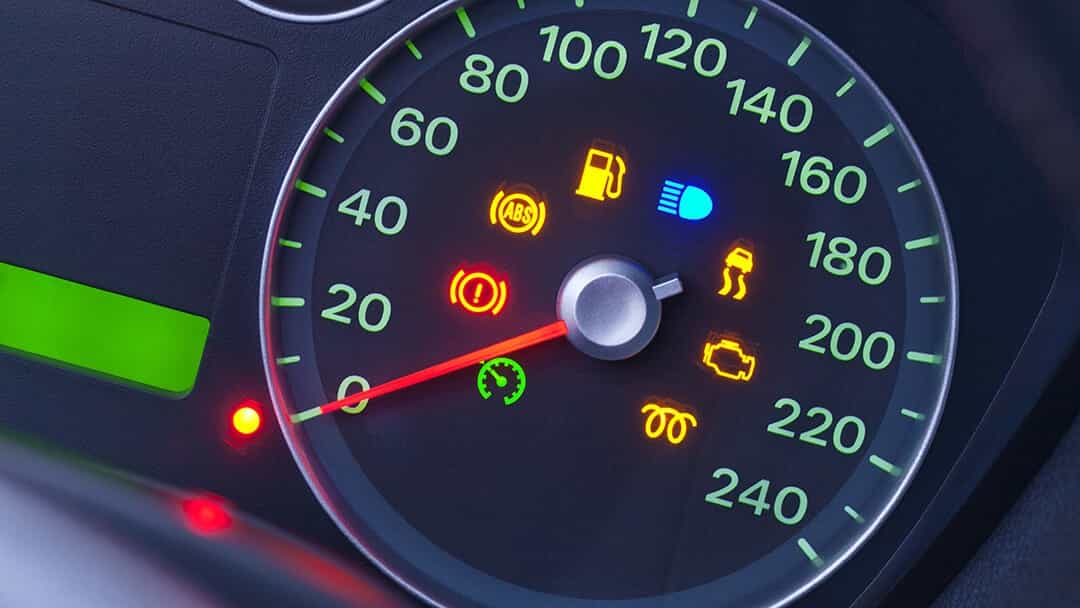

Your car is constantly talking to you. Not with words, obviously — but through those little glowing symbols on the dashboard that most of us glance at, shrug off, and promptly forget about. Here’s the thing, though: those lights are not decoration. They’re your vehicle’s way of telling you something important — sometimes urgent, sometimes routine, but always worth understanding. And yet, most drivers couldn’t tell you the difference between a check engine light and an oil pressure warning if their road trip depended on it.
I’ve spent years working around vehicles and helping drivers make sense of exactly this kind of confusion. So I can tell you from experience: one of the most common — and most expensive — mistakes people make is ignoring a dashboard warning light. Sometimes it’s nothing more than a loose gas cap. Other times, it’s the car pleading with you to pull over before the engine destroys itself. The difference between those two situations can be thousands of dollars and a very bad day on the side of the highway.
That’s why this guide exists. Not to overwhelm you with jargon, but to give you a clear, practical reference for the most important warning lights you’ll encounter behind the wheel. Whether you’re a first-time driver, a seasoned commuter, or someone who just noticed a strange new symbol glowing on the dash, this breakdown will help you understand what your car is trying to say — and what you should actually do about it.
We’ll cover everything from ABS warnings to tire pressure alerts, explain the color-coding system that tells you how urgently to react, and walk through troubleshooting steps that can save you from panic, unnecessary tow bills, or worse. Consider this your go-to dashboard decoder — written in plain language, from someone who’s seen what happens when these warnings get ignored.
Why Dashboard Warning Lights Deserve Your Attention
Modern cars are packed with sensors. Dozens of them, actually — monitoring everything from engine temperature and oil circulation to tire pressure and exhaust quality. When something falls outside its expected range, your car flags it through the dashboard. That’s the system working as designed: catching problems early, before they get dangerous or expensive.
The challenge is that most drivers don’t know what the symbols mean. And honestly, that’s not entirely their fault. Some of the icons are genuinely confusing — a wavy line here, an exclamation point there, a shape that could be a submarine or a battery depending on how you squint at it. But here’s what matters: you don’t need to memorize every single one. You just need to understand the system well enough to know when to act fast, when to schedule a visit to a mechanic, and when it’s safe to keep driving.
Ignoring a warning light doesn’t make the problem go away. In most cases, it makes things worse. A small coolant leak becomes a warped engine head. A sensor glitch becomes a failed catalytic converter. A low brake fluid warning becomes a total brake failure on a downhill slope. These are real outcomes, and they happen because the warning was there — but nobody listened.
So before we get into the individual lights, let’s start with the single most useful thing you can learn about your dashboard: the color system.
What the Colors Mean: Green, Amber, and Red Explained
Nearly every car manufacturer uses the same basic color logic for dashboard indicators, and once you understand it, you’ll immediately know how urgently to respond — even before you identify the specific symbol. Think of it like a traffic light:
- Green or blue lights are informational. They tell you a feature is active — like your headlights, cruise control, or turn signals. Nothing to worry about. These are just status updates.
- Yellow or amber lights are warnings. They mean something needs attention — not necessarily right this second, but soon. Maybe a sensor is off, a fluid is getting low, or a system like traction control is actively kicking in. You can usually keep driving, but you should get things checked before the situation escalates.
- Red lights mean stop. Literally. A red dashboard warning is telling you there’s an immediate problem — overheating, oil pressure loss, brake failure, or a critical safety system malfunction. If a red light comes on while you’re driving, find a safe spot to pull over and deal with it right away.
One additional note: a flashing warning light is almost always more serious than a steady one. A flashing check engine light, for example, doesn’t mean “get around to it when convenient.” It usually means something is actively damaging the engine or exhaust system right now.
With that foundation in place, let’s go through the most common and most important dashboard warning lights you’re likely to see.
ABS Warning Light (Anti-Lock Braking System)
If this amber light shows up on your dashboard, it means there’s a problem with the anti-lock braking system. ABS is the technology that keeps your wheels from locking up during hard braking — which is especially important on wet or icy roads. Without it, a hard stop could send you into an uncontrolled skid instead of a straight, controlled slowdown.
Now, here’s the reassuring part: your regular brakes still work. The car will still stop. However, the ABS safety net is no longer active, which means you’ve lost the skid-prevention layer. If you’re driving in rain, snow, or on gravel, that matters a lot.
What to do: Drive carefully and avoid situations that demand hard braking if you can. Schedule a diagnostic appointment soon — the issue is often a wheel speed sensor or an ABS module fault, and both are straightforward for a qualified mechanic to diagnose.
Airbag / SRS Warning Light

This one matters more than people realize. When the airbag light (also labeled SRS, for Supplemental Restraint System) turns red, it means there’s a malfunction in the system responsible for deploying your airbags during a collision. That could be a faulty crash sensor, a wiring issue in the steering column, or a problem with the seatbelt pretensioners. Whatever the cause, the bottom line is this: if you’re in an accident while this light is on, the airbags may not deploy.
On the other hand, if you see an amber “Passenger Airbag Off” indicator, that’s usually nothing to worry about. It means the system has detected something lightweight — like a bag or a child seat — on the front passenger seat and has disabled the airbag to prevent injury to a small occupant. When a full-sized adult sits down, the light should turn off on its own.
What to do: Don’t ignore the red SRS light. Get it checked by a professional. Airbag systems are not something to gamble with.
Battery or Charging System Warning
Here’s a common misconception: the battery symbol on your dashboard doesn’t necessarily mean the battery itself is dead. More often, it means the alternator — the component that recharges the battery while the engine runs — has failed. When that happens, the car is surviving on whatever charge the battery has left. And once that charge runs out, everything shuts down: engine, power steering, lights, everything.
What to do: Turn off anything you don’t absolutely need — the radio, air conditioning, heated seats, anything drawing power. Head straight to a mechanic or a safe stopping point. You’re on borrowed time, and you don’t know how long the battery reserve will last.
Brake Pad Wear Indicator
This amber light is most common on European and luxury vehicles. It means an electronic sensor embedded in the brake pad has detected that the pad material is worn down to a point where replacement is needed. In plain terms: your brakes are getting thin.
You can still drive on it for a short distance — enough to get home or to a shop. But if you ignore it for too long, the pads will wear through completely, and the metal backing plates will start grinding against the brake rotors. That turns a standard brake job into a much more expensive repair.
What to do: Schedule brake service soon. Don’t wait until you hear squealing or grinding — by then, you’re already doing damage.
Brake System / Brake Fluid Warning
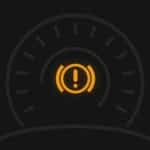
This red light — often an exclamation mark inside a circle, or simply the word “BRAKE” — is one you should never dismiss. It can mean several things: the parking brake is still engaged, the brake fluid level has dropped dangerously low, or there’s been a loss of hydraulic pressure in the braking system. Any of those can seriously compromise your ability to stop.
What to do: First, check whether the parking brake is fully released. If it is and the light stays on, pull over safely and look at the brake fluid reservoir under the hood. If the fluid is low, there may be a leak somewhere in the system. Do not keep driving — your brakes could fail without warning. Have the car towed to a mechanic if needed.
Exterior Bulb Failure

This symbol usually looks like a lightbulb or sunburst with an exclamation point. It means one of your exterior lights — a headlight, tail light, brake light, or turn signal — has burned out. It’s more than a visual nuisance; driving with a dead light is a traffic offense in most places, and it’s genuinely dangerous at night.
What to do: Walk around the car and check every light. Replace the bad bulb as soon as you can. Most bulb replacements are quick and affordable — and they save you from a ticket and an unsafe situation.
Oil Change / Maintenance Reminder
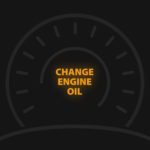
This amber light — often a wrench icon or a message on the screen — is your car’s way of saying it’s time for an oil change. Modern vehicles calculate this based on mileage, engine hours, and how hard you’ve been driving. It’s not a crisis, but it’s not something you should put off for months either.
Old, degraded oil doesn’t protect engine components the way fresh oil does. Over time, that leads to increased wear, higher operating temperatures, and eventually serious internal engine damage.
What to do: Schedule the oil change soon. Treat this as a maintenance reminder, not an emergency — but don’t ignore it either.
Check Engine Light (Malfunction Indicator Lamp)
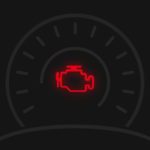
This is probably the most recognized — and most misunderstood — warning light out there. Shaped like an engine outline, the check engine light can mean anything from a loose gas cap to a failing catalytic converter. It’s triggered by the car’s onboard diagnostics system (OBD-II), which monitors dozens of engine and emissions-related parameters.
The key distinction is how the light behaves. A steady amber light usually means the issue is minor or at least not immediately destructive — think a bad oxygen sensor or an evaporative emissions leak. You can keep driving, but get the codes scanned soon.
Meanwhile, a flashing check engine light is a completely different story. That usually means the engine is misfiring badly, which can send unburned fuel into the exhaust and quickly destroy the catalytic converter. That’s a very expensive outcome from something that might have started as a cheap fix.
What to do: If it’s steady, drive normally but get it checked within a few days. If it’s flashing, pull over and shut the engine off as soon as it’s safe to do so.
Cruise Control Indicator
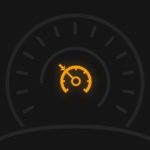
This green or white symbol — usually shaped like a speedometer with an arrow — just tells you that cruise control is active. If it’s white or amber, the system is armed but no speed has been set yet. Once you lock in a speed, the light typically turns green, meaning the car is now maintaining throttle for you.
Nothing to worry about here. It’s purely informational.
Diesel Exhaust Fluid (DEF) Warning
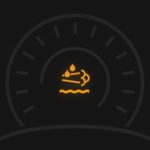
If you drive a modern diesel vehicle, this light means the fluid used to reduce harmful exhaust emissions — commonly known as AdBlue or DEF — is running low. It might not seem urgent, but here’s the catch: if the tank runs completely dry, many diesel vehicles will actually prevent you from restarting the engine until the fluid is refilled.
What to do: Top up the DEF tank at your next opportunity. Most auto parts stores and fuel stations sell it, and refilling is simple. Just don’t let it run out.
Diesel Particulate Filter (DPF) Warning
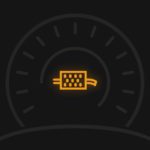
Another diesel-specific symbol. The DPF catches soot particles from the exhaust before they leave the tailpipe. Over time, that soot builds up and needs to be burned off through a process called regeneration. This light usually means the filter is getting clogged and needs a good highway run to clear itself out.
What to do: Take the car out on a highway and drive at steady speeds above 40 mph for 15 to 20 minutes. The heat from sustained driving should trigger a regeneration cycle and clear the filter. If the light doesn’t go away after that, the filter may need manual attention from a mechanic.
Door or Trunk Ajar
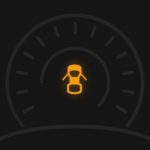
Simple one: a door, the hood, or the trunk isn’t fully closed. Most modern dashboards will even show you a diagram of the car highlighting exactly which one is the culprit.
What to do: Stop and close it properly before driving. An unsecured door or trunk is a safety risk, especially at speed.
Electronic Throttle Control (ETC) Warning

This light — often a lightning bolt between two brackets — points to a problem with the electronic throttle system. In modern cars, pressing the gas pedal sends an electronic signal to the throttle body rather than pulling a physical cable. When that signal chain breaks down, the car may go into a fail-safe mode that severely limits power and speed.
What to do: If the car suddenly becomes sluggish and this light appears, get off the road safely. Don’t try to force power out of an engine that’s protecting itself. Have the vehicle towed to a shop for diagnosis.
Engine Temperature / Coolant Warning
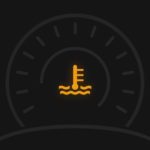
This is one of the scariest lights you can see — a thermometer dipping into wavy lines, glowing red. It means the engine is overheating. The cause could be a busted radiator hose, a failed water pump, a stuck thermostat, or a blown head gasket. Whatever the reason, continuing to drive can warp the cylinder heads and cause irreversible engine damage.
What to do: Pull over immediately. Shut the engine off. And whatever you do, do not open the radiator cap on a hot engine. The system is under pressure, and boiling coolant can cause severe burns. Let it cool, then have it towed.
Engine Oil Pressure Warning
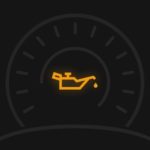
If I had to pick the single most critical warning light on any dashboard, this would be it. The little oil-can symbol in red doesn’t mean “you’re a quart low.” It means the engine has lost oil pressure, which means the moving parts inside the engine are no longer being properly lubricated. Without lubrication, metal grinds against metal, and the engine can seize within minutes.
What to do: Pull over immediately. Check the oil level on the dipstick. If it’s empty, add oil carefully. If the oil level looks fine but the light stays on, do not restart the engine. The oil pump may have failed, and running the engine at that point can cause complete internal destruction. Call for a tow.
Fog Light Indicator

This green or amber symbol — a lamp with wavy lines through the beam — just means your front fog lights are switched on. Fog lights sit low and wide to cut through mist, rain, or fog without blinding oncoming traffic. It’s informational only.
Just remember to turn them off when conditions improve, since driving with fog lights on in clear weather can dazzle other drivers.
Low Fuel Warning
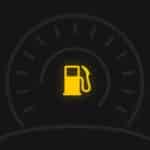
You know this one — the little gas pump icon. It means you’re running low, usually with about one to two gallons left. Most people treat this as a gentle suggestion to find a gas station eventually, but there’s a less obvious risk here: the electric fuel pump inside the tank uses the fuel itself as a coolant. When the fuel level drops too low repeatedly, the pump can overheat and fail — and that’s an expensive repair.
What to do: Refuel sooner rather than later. Try not to make a habit of driving with the light constantly on.
Glow Plug Indicator (Diesel Only)
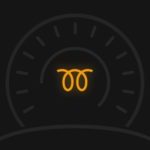
Diesel engines don’t use spark plugs — they rely on compression heat to ignite fuel. In cold conditions, glow plugs warm the combustion chambers to help the engine start smoothly. When you turn the key, this coiled-wire symbol lights up briefly while the plugs heat up. Once it goes off, you’re clear to crank the engine.
What to do: If the light turns on during normal operation, wait for it to cycle off before starting. If it starts flashing while you’re driving, that usually indicates a problem with the engine management system — get it scanned.
Overdrive Off / Transmission Warning
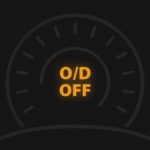
On many older automatics, an “O/D OFF” light simply means you’ve manually disabled overdrive — the highest gear — usually by pressing a button on the shifter. That’s useful for towing or driving downhill when you want more engine braking.
However, if this light starts blinking, that’s something else entirely. A flashing overdrive light usually signals an internal transmission fault, and that can escalate quickly if ignored.
What to do: If steady, it’s fine — you probably pressed the button by accident. If flashing, get to a transmission specialist as soon as possible.
Loose Gas Cap / Fuel Cap Warning
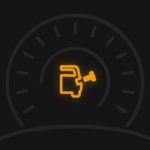
This one catches people off guard because it seems so minor — and it is. A loose or missing gas cap allows fuel vapors to escape, which triggers the car’s evaporative emissions system to flag a leak. If the cap isn’t tightened properly after refueling, this light may come on.
What to do: Pull over, take the cap off, and screw it back on until you hear it click firmly. The light may take a day or two of normal driving to reset on its own. If it doesn’t go away, and the cap seems fine, it could eventually trigger the check engine light.
Power Steering Warning
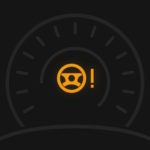
This warning — a steering wheel with an exclamation mark — means the power steering assist has failed. On older cars with hydraulic power steering, the cause might be low fluid or a broken belt. On newer vehicles with electric power steering, it’s usually a sensor or motor fault.
Either way, the result is the same: the steering wheel becomes extremely heavy and hard to turn, especially at low speeds like parking lot maneuvering.
What to do: You can still steer the car, but it takes significantly more effort. Try restarting the engine to see if it clears. If it doesn’t, get to a shop. Don’t drive long distances with failed power steering — it can be exhausting and potentially unsafe.
Rear Window Defroster Indicator
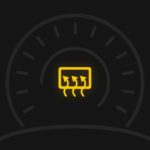
This amber light just tells you the rear window defroster is currently running. It uses thin heating wires embedded in the glass to melt frost and clear fog from the back window. Purely informational — no action needed.
Reduced Engine Power / Limp Mode
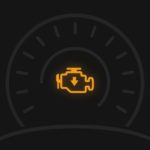
If you see a message like “Reduced Engine Power” or an engine icon with a downward arrow, your car has gone into what’s known as limp mode. This means the computer detected a serious problem and decided to cut power dramatically to protect the engine and transmission from further damage.
In limp mode, the car can barely accelerate. It’s not designed for highway driving — it’s designed to get you to safety or to a repair shop without destroying anything else in the process.
What to do: Don’t try to push through it. Drive carefully to the nearest safe location and get the diagnostic codes pulled. Your car is genuinely trying to save itself here.
Seatbelt Reminder
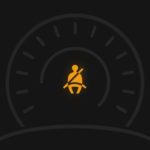
This red light — often accompanied by an annoying chime — means someone in the car hasn’t buckled up. Weight sensors in the seats trigger it. The fix is obvious: buckle your seatbelt.
Security / Immobilizer Warning

This symbol — often a car with a padlock — relates to the vehicle’s anti-theft system. If it blinks slowly while the car is parked and locked, that’s normal. The immobilizer is armed.
On the other hand, if it stays solid while you’re trying to start the car, the computer can’t recognize the chip inside your key fob. It will disable the fuel pump to prevent theft.
What to do: Try your spare key. If that doesn’t work, the key fob may need to be reprogrammed — which usually requires a dealership or a locksmith with the right equipment.
Service Vehicle Soon
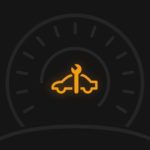
This wrench-over-car symbol usually means the vehicle has detected a non-emissions-related fault. It could be a sensor issue, a body control problem, or something else that falls outside the scope of the check engine light. Think of it as the car saying, “Something’s not right, but it’s not the engine or exhaust.”
What to do: Have the codes scanned to identify what triggered it. It’s often minor, but it’s worth investigating before it leads to something bigger.
Traction Control / Stability Control (ESC)
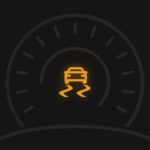
This one — a car with wavy skid marks behind it — has two behaviors you should know about. If the light flashes while you’re accelerating, that’s normal. It means the system is actively working to regain traction, usually because the road is slippery.
If it stays solidly on, though, that means the traction control system has been turned off or has malfunctioned. Without it, the car won’t automatically manage wheelspin in low-grip conditions.
What to do: Check whether you accidentally pressed the traction control off button. If not, and the light won’t clear, have it diagnosed.
Transmission Temperature / Failure
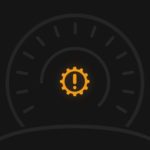
A gear icon with a thermometer or exclamation point — glowing red — is a serious transmission alert. It usually means the transmission fluid is overheating or there’s been an internal mechanical failure. Automatic transmissions are extremely sensitive to heat. The longer you drive with this light on, the more internal damage builds up.
What to do: Pull over immediately. Leave the engine running in Park so the fluid can circulate through the cooler, then call for help. Continuing to drive risks a full transmission failure — and those repairs are among the most expensive you can face.
Tire Pressure Warning (TPMS)
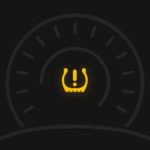
This amber light — a tire cross-section with an exclamation point — means at least one of your tires is significantly under-inflated. The system typically triggers when pressure drops about 25% below the recommended level. That might not sound dramatic, but low tire pressure affects handling, increases stopping distance, kills fuel economy, and raises the risk of a blowout at highway speeds.
What to do: Check all four tires with a pressure gauge and inflate them to the specs listed on the sticker inside the driver’s door frame. If the light flashes for about a minute when you first start the car and then stays solid, it usually means a TPMS sensor battery has died or a sensor itself has failed.
Washer Fluid Low

This one’s about as low-stress as dashboard lights get. The windshield icon with a dotted water spray means your washer fluid is running low. Top it off when convenient to keep your windshield clean and your visibility clear.
What to Do When a Warning Light Appears: A Step-by-Step Response
Panic never helps. If a light appears on your dash mid-drive, the most important thing is to stay calm and think clearly. Here’s a practical sequence that works in almost every situation:
- Look at the color first. Red means stop. Amber means caution. Green or blue means a system is simply active.
- If it’s red or flashing, pull over safely. Use your indicator, move to the shoulder or a parking lot, and stop in a visible, safe spot.
- Check your gauges. Look at the temperature gauge and the tachometer. Are they spiking or acting unusual? That can quickly tell you if the engine is overheating or losing oil pressure.
- Shut off the engine if needed. For oil pressure and overheating warnings, turning the engine off immediately is the smartest thing you can do.
- Check the owner’s manual. It’s in the glovebox for exactly this reason. It will show you the specific meaning of the light for your make and model.
- Call for help if necessary. If the warning involves fluid loss, overheating, or a flashing engine light, don’t risk restarting the car. Call for a tow instead.
How to Keep Warning Lights From Showing Up in the First Place
The best way to deal with dashboard warnings is to avoid triggering them altogether. Regular, routine maintenance goes a long way toward keeping the dash clean and dark. Here are a few habits that make a real difference:
- Follow your service schedule. Oil changes, fluid flushes, belt replacements, and filter swaps should happen at the intervals your manufacturer recommends — not when something breaks.
- Check fluid levels regularly. Pop the hood every few weeks and glance at the engine oil, coolant, brake fluid, and transmission fluid levels. Low fluid is one of the most common reasons for critical warning lights.
- Keep tires properly inflated. Check them monthly with a physical gauge, and don’t rely solely on the TPMS light to tell you there’s a problem.
- Replace filters on time. A clogged air filter can affect engine performance, fuel economy, and emissions — all of which can eventually trigger warning lights.
- Keep a basic code reader in the car. An inexpensive OBD-II scanner lets you read diagnostic codes yourself. It won’t fix every problem, but it gives you immediate context when a warning light appears — and helps you decide whether you need a mechanic or just a tighter gas cap.
Frequently Asked Questions About Dashboard Warning Lights
Can I keep driving if a warning light comes on?
It depends entirely on the color and the specific light. Green and blue lights are just status indicators — they’re fine. Amber lights usually mean something should be checked soon, but you can typically continue driving carefully. Red lights mean pull over as soon as it’s safe. And a flashing warning — especially a flashing check engine light — means stop driving immediately to prevent further damage.
Why did my check engine light come on and then go off?
This often happens when the onboard computer detects a temporary condition — like a brief misfire, a fuel vapor leak, or a sensor glitch — that corrects itself. The code may still be stored in the computer even if the light turns off. It’s worth having it scanned, especially if the light reappears.
Is it safe to drive with the ABS light on?
Your regular brakes will still work normally. However, the anti-lock feature that prevents wheel lockup during hard braking is disabled. That means you won’t have as much control during emergency stops, especially on wet or icy surfaces. It’s safe to drive carefully, but have it checked soon.
What’s the most dangerous warning light?
The oil pressure warning and the coolant temperature warning are generally considered the most urgent. Both can lead to catastrophic engine damage within minutes if you keep driving. A flashing check engine light is also extremely serious because it usually indicates active engine damage.
Why do all the warning lights come on when I turn the key?
That’s completely normal. When you turn the key to the “on” position before starting the engine, the car performs a self-test of all its systems. Every warning light briefly illuminates to confirm that the bulbs or indicators are working. They should all turn off within a few seconds once the engine starts. If any stay on after that, it means that system has detected a fault.
Can a loose gas cap really trigger the check engine light?
Yes, and it’s more common than you’d think. The gas cap seals the fuel system. If it’s loose or cracked, fuel vapors escape, and the evaporative emissions system flags it as a leak. Tightening or replacing the cap is often the cheapest possible fix for a check engine light.
How much does it cost to diagnose a warning light?
Many auto parts stores will scan your OBD-II codes for free. A dealership or independent mechanic may charge a diagnostic fee, which can range from $50 to $150 depending on the shop and the complexity of the issue. Alternatively, you can buy a basic code reader for under $30 and read the codes yourself as a starting point.
The Bottom Line
Your dashboard is one of the most useful tools your car gives you — if you know how to read it. Each warning light exists for a reason: to catch problems before they become expensive, to flag safety issues before they become dangerous, and to give you time to act instead of react.
The color system alone will get you through most situations: green is fine, amber means check it soon, and red means deal with it now. Beyond that, knowing the specific meaning of each symbol gives you confidence. Instead of staring at a glowing orange icon and wondering whether the car is about to explode or just needs washer fluid, you’ll know exactly where you stand.
If you take one thing away from this guide, let it be this: warning lights are not there to scare you — they’re there to protect you. Pay attention to them, respond appropriately, and stay on top of basic maintenance. Your car, your wallet, and your peace of mind will all be better for it.
And if a light comes on that you’re not sure about? Look it up. Check the manual. Or come back to this guide. That’s exactly what it’s here for.