
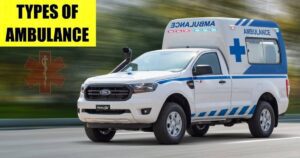

When most people picture an ambulance, they see the same thing: a white van with red lights and sirens screaming down a city street. But the reality is far more varied than that. Ambulances come in forms most people never think about, from motorcycles weaving through gridlocked traffic to pressurized aircraft flying patients across continents.
Each type exists because different emergencies happen in different environments, and a single vehicle design can’t handle them all. A standard road ambulance is useless on an oil rig 100 miles offshore. A helicopter can’t treat 50 people at a music festival. The medical field has developed specialized ambulance types to match specific situations, patient needs, and terrain challenges.
Here are 10 distinct types of ambulances, what they’re equipped for, and when each one gets the call.
See also: Can we trust electric cars that drive themselves?
1. Basic Life Support (BLS) Ambulance
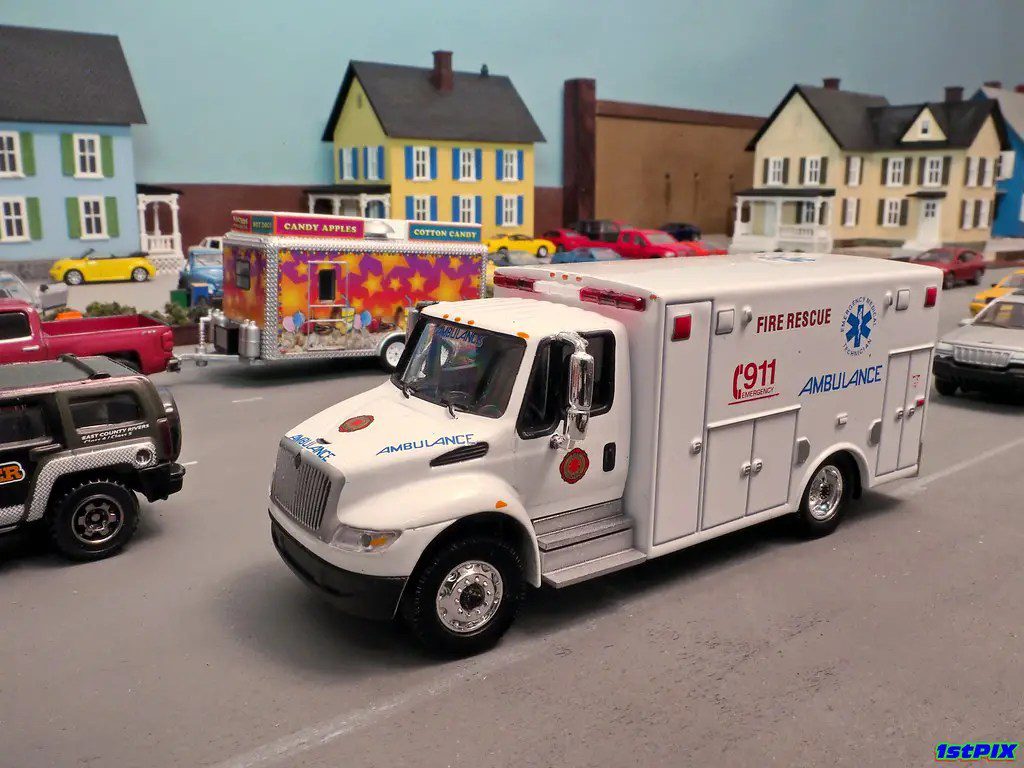
The BLS ambulance is the workhorse of medical transport. It’s designed for patients who need to get to a hospital but aren’t in immediate life-threatening danger. Think of someone recovering from surgery, an elderly patient transferring between facilities, or a person with a non-critical injury who still can’t drive themselves.
These ambulances are staffed by Emergency Medical Technicians (EMTs) trained in basic emergency care. The equipment on board typically includes hospital-style beds, pulse oximeters, oxygen delivery systems, and automatic-loading stretchers and wheelchairs for easier patient handling.
What a BLS ambulance doesn’t have is advanced cardiac monitoring, IV medication administration capabilities, or the tools needed for critical interventions. It’s built for stable patients who need medical transport, not for someone in cardiac arrest or with life-threatening trauma. If a BLS crew arrives and determines the patient needs a higher level of care, they’ll call for an Advanced Life Support unit.
2. Advanced Life Support (ALS) Ambulance
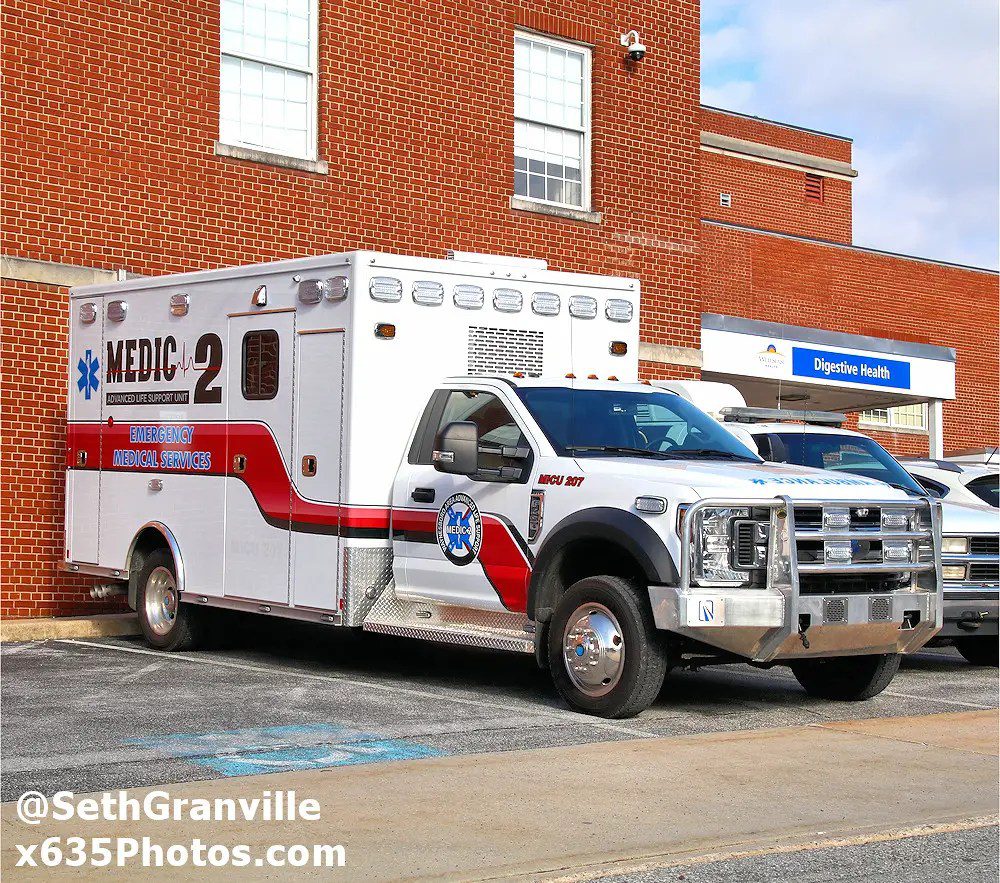
This is the ambulance you want showing up when someone’s life is on the line. ALS ambulances are dispatched for critically ill or injured patients who need active medical intervention during transport, not just a ride to the hospital.
The crew on an ALS unit receives significantly more medical training than BLS staff. They’re qualified to administer a wider range of medications, perform advanced airway management, read and interpret cardiac monitors, start IV lines, and deliver life-saving treatments that go well beyond basic first aid.
The equipment reflects this capability. ALS ambulances carry cardiac monitors and defibrillators, advanced airway tools, a full pharmacy of emergency medications, and specialized equipment for managing trauma, respiratory failure, and cardiac emergencies. When a 911 call involves chest pain, difficulty breathing, major trauma, or an unresponsive patient, an ALS unit is what gets dispatched.
The key difference between BLS and ALS comes down to this: BLS transports patients. ALS treats them en route.
3. Neonatal Ambulance
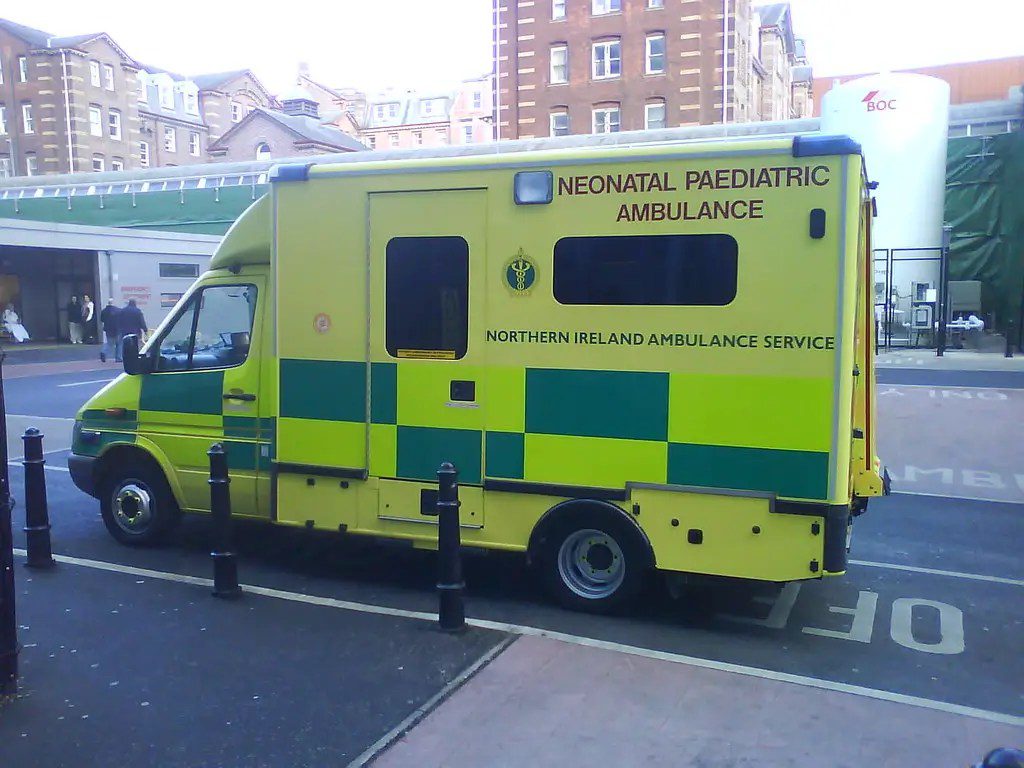
Babies don’t always wait for a convenient time to arrive. When labor begins unexpectedly, whether a mother is at the grocery store, in a car, or at home weeks before her due date, a neonatal ambulance provides the specialized care that newborns and delivering mothers need.
These ambulances carry equipment specifically sized for infants, including neonatal-specific monitoring devices, warming equipment, and a portable incubator. The incubator is critical for premature babies who can’t yet regulate their own body temperature. The crew is trained in both delivery assistance and post-delivery neonatal care.
Many neonatal ambulances are also configured to transport both the mother and the newborn simultaneously. Premature deliveries and birth complications require immediate, specialized attention, and having the right equipment on board during those first critical minutes can make the difference between a healthy outcome and a tragedy.
4. Bariatric Ambulance
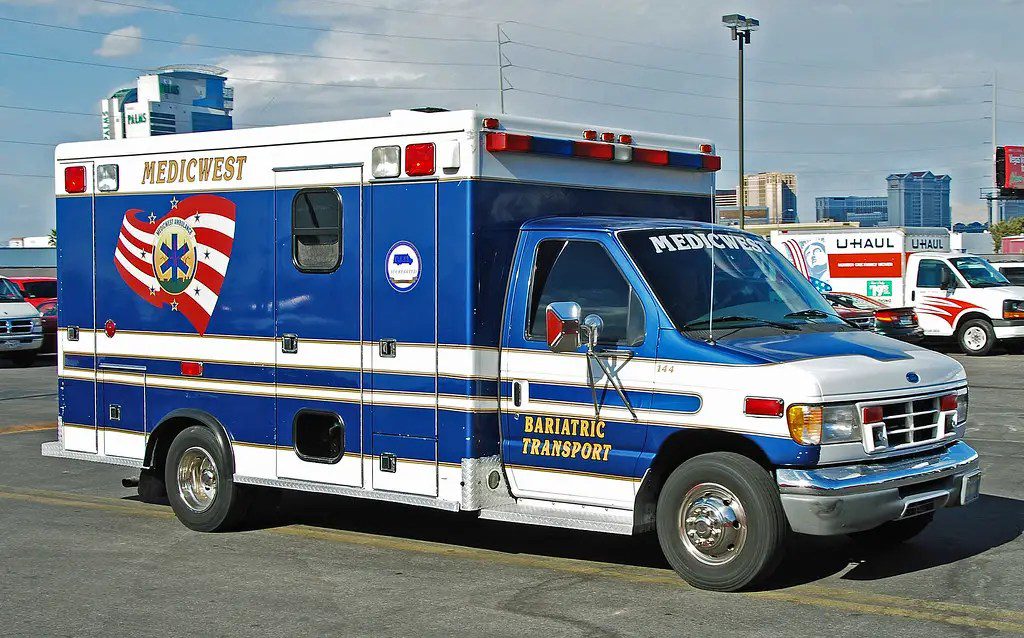
Standard ambulances have a problem that doesn’t get talked about much: they aren’t built to safely accommodate patients over a certain size. The interior space is limited, the doorways are narrow, and the stretchers have weight limits that many patients exceed. Trying to force a 450-pound patient onto a standard gurney isn’t just uncomfortable. It’s dangerous for both the patient and the crew.
Bariatric ambulances are purpose-built to solve this problem. They feature wider interior spaces, larger door openings for easier entry and exit, and bariatric gurneys, which are reinforced stretchers designed to safely support patients weighing significantly more than a standard stretcher can handle. Heavy-duty lifting equipment helps the crew move patients without risking injury.
Generally, patients weighing over 400 pounds require a bariatric ambulance. Some units are rated to handle patients up to 1,000 pounds. These vehicles ensure that every patient receives safe, dignified transport regardless of their size.
5. Isolation Ambulance
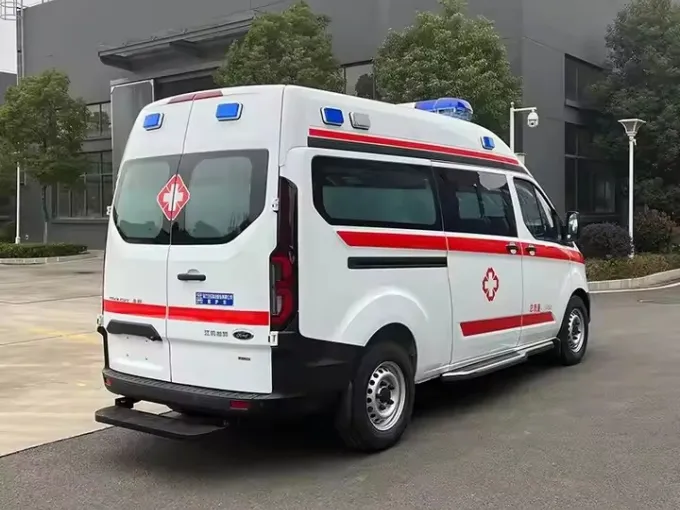
When a patient has been exposed to hazardous chemicals, radiation, or a highly contagious disease, you can’t just load them into a standard ambulance. Doing so would expose the crew and potentially contaminate the vehicle, the hospital, and everyone who comes into contact along the way.
Isolation ambulances are sealed units designed to transport these patients safely. They’re equipped with biological and chemical filtration systems that prevent contaminated air from escaping the patient compartment. The crew wears appropriate protective equipment and is specifically trained in hazmat and infectious disease protocols.
These ambulances became especially prominent during infectious disease outbreaks, but they’ve always been part of the emergency response toolkit. Workers at chemical plants, laboratories, and nuclear facilities face exposure risks that require this level of containment during transport. In a world where the next pandemic is always a possibility, isolation ambulances are a critical piece of public health infrastructure.
6. Multiple Victim Assistance (MVA) Ambulance
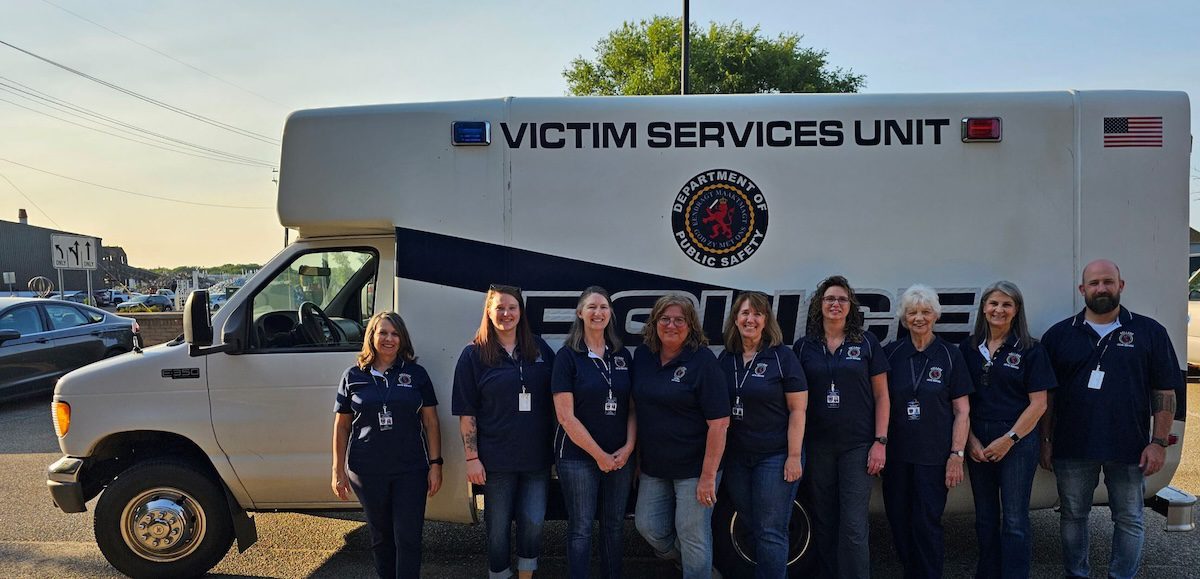
Go to any large concert, sporting event, festival, or conference, and there’s likely an MVA ambulance (or several) staged nearby. These vehicles serve as mobile first-aid stations, equipped to handle the kinds of medical issues that commonly arise when large groups of people gather.
The medical equipment on board is modest compared to a BLS or ALS unit. You’ll find bandages, gauze, splints, and other first-aid supplies in quantity. The goal isn’t to provide advanced medical care. It’s to treat minor injuries like cuts, sprains, and heat-related illness, assess patients who might need a higher level of care, and keep the main emergency system from being overwhelmed with non-critical calls.
The staff may be trained in advanced first aid rather than full EMT or paramedic certification. Their primary role is triage: evaluate the situation, provide basic treatment, and call for a BLS or ALS ambulance if the patient needs more than what can be handled on-site. Think of them as the front line that keeps minor issues from becoming major ones and identifies the serious cases before they escalate.
7. Helicopter Ambulance
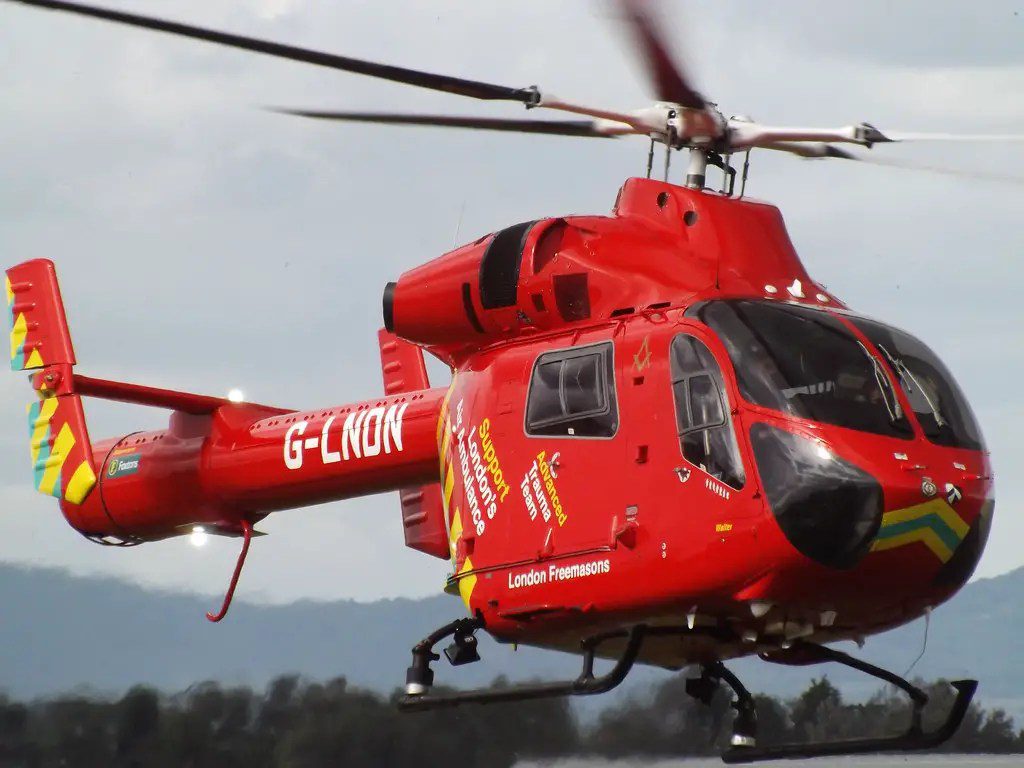
When time is the enemy and the patient is either too far from a hospital or in a location that ground ambulances can’t reach, the helicopter ambulance steps in. These are the aircraft you see landing on hospital rooftops, at highway accident scenes, or in remote wilderness areas.
Helicopter ambulances carry advanced life support equipment, often comparable to what you’d find in an ALS ground unit. They can provide critical care during flight, including cardiac monitoring, medication administration, and airway management. The speed advantage is enormous. A helicopter can cover in minutes what might take a ground ambulance an hour or more, especially in rural areas or heavy traffic.
The tradeoff is capacity. Most medical helicopters can only accommodate one patient and one or two medical crew members. The space inside is tight, which limits the types of procedures that can be performed in flight. Larger military-style helicopters can carry more patients, but they need significantly more landing space and are rarely available for civilian medical use.
Helicopter ambulances are also essential for reaching patients on oil rigs, ships at sea, remote islands, and mountainous terrain where no road exists.
8. Fixed-Wing Air Ambulance
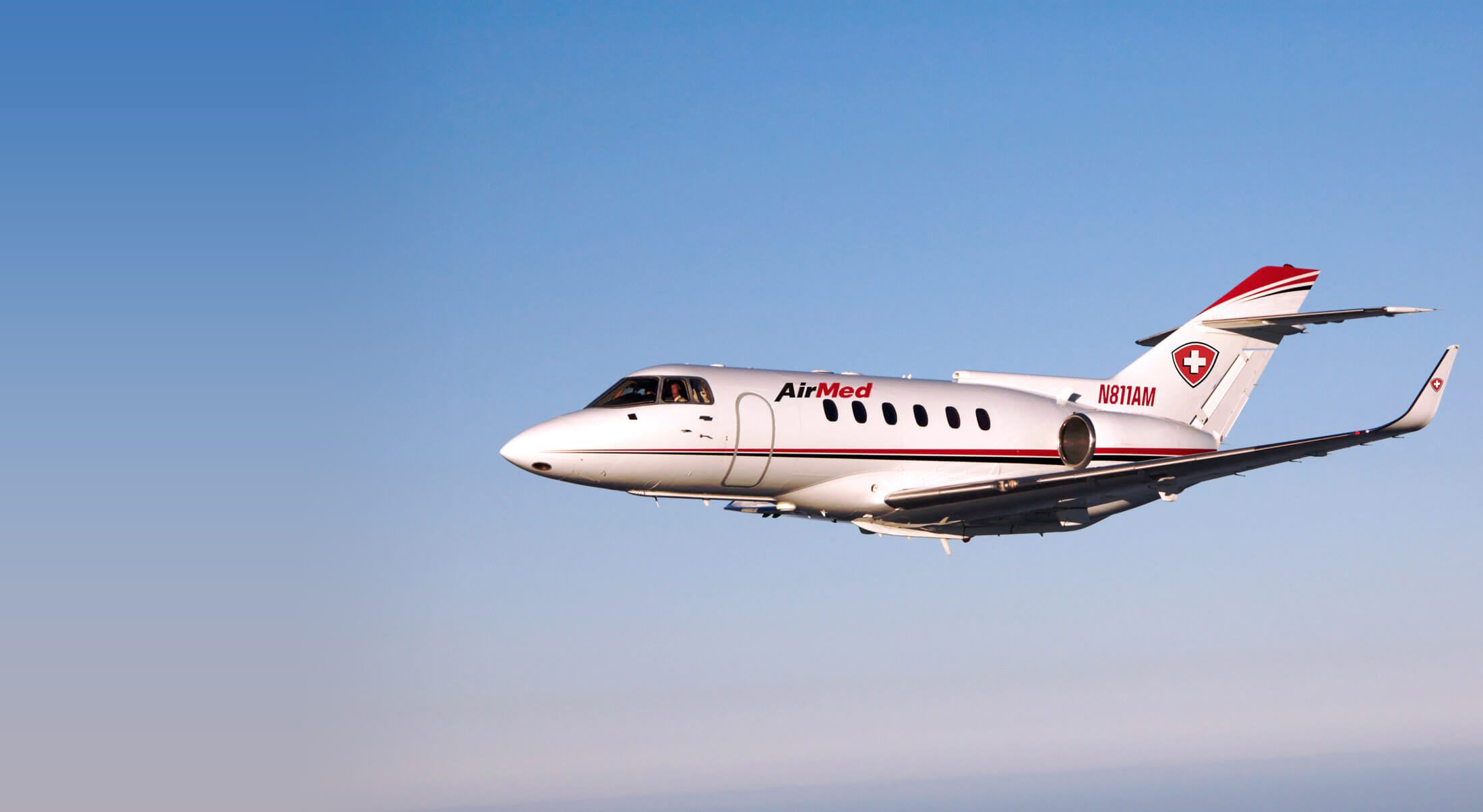
When a patient needs to travel hundreds or thousands of miles to reach the right medical facility, a helicopter won’t cut it. That’s where fixed-wing air ambulances come in. These are conventional airplanes that have been converted into flying intensive care units.
The interior is configured with medical equipment that can range from basic life support to full advanced life support capabilities, depending on the patient’s needs and the distance being traveled. The crew typically includes a doctor and highly qualified EMT or paramedic professionals who can manage the patient’s condition throughout the flight.
Fixed-wing air ambulances are commonly used for international medical evacuations, transferring patients from remote regions to major medical centers in other cities or countries, and repatriating patients who become seriously ill while traveling abroad. They’re pressurized, which matters when transporting patients with certain medical conditions at altitude. The ability to maintain a stable cabin environment during a multi-hour flight is something a helicopter simply can’t provide.
9. Motorcycle Ambulance

In a city choked with traffic, a full-size ambulance can get stuck just like every other vehicle on the road. Motorcycle ambulances solve this by getting a trained medical professional to the patient as fast as physically possible, weaving through gridlock that would leave a van stranded blocks away.
A motorcycle ambulance doesn’t transport patients. It transports medical expertise. The motorcycle carries a paramedic or EMT along with a compact but carefully selected kit of medical supplies: enough to control bleeding, stabilize a patient, manage an airway, and keep someone alive until a full ambulance arrives.
Cities frequently deploy motorcycle ambulances as first responders. The medic arrives on scene, assesses the situation and the patients, provides immediate treatment, and then advises dispatchers on what type of ambulance to send for patient transport. In dense urban environments, this approach can shave critical minutes off response times. Those minutes can be the difference between life and death for a cardiac arrest patient or someone with severe bleeding.
Motorcycle ambulances are also effective on rough terrain and narrow streets that larger vehicles can’t navigate at all.
10. Bicycle Ambulance
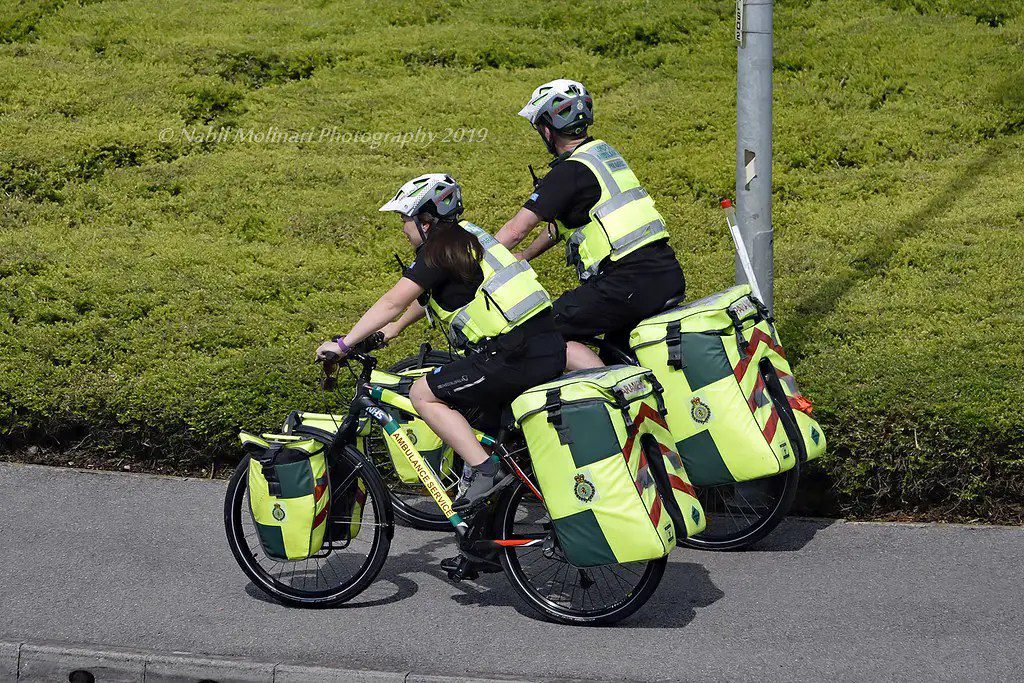
It might sound low-tech, but bicycle ambulances fill a real gap in emergency medical services. Like motorcycle ambulances, their primary purpose is getting medical care to the patient rather than getting the patient to care. They’re slightly slower than motorcycles, but they can access places that even motorcycles can’t: pedestrian zones, park trails, narrow alleyways, and areas with no road infrastructure at all.
In congested urban areas where traffic makes motorized response times unpredictable, a bicycle paramedic can often arrive faster than any other unit. In developing regions with limited road networks, bicycle ambulances may be the only viable option for reaching patients in remote villages.
Some bicycle ambulances are modified to tow a small trailer where a patient can sit or lie down during transport. The trailer also extends the bicycle’s carrying capacity for medical equipment and supplies. It’s not glamorous, but in situations where the alternative is no medical response at all, a bicycle ambulance can genuinely save lives.
Why So Many Types Exist
The variety of ambulance types reflects a simple truth: medical emergencies don’t all look the same, and they don’t all happen in the same place. A cardiac arrest in downtown Manhattan requires a completely different response vehicle and crew than a premature birth in a rural village with no paved roads, or a chemical exposure at an industrial plant, or a trauma patient on an offshore oil platform.
Each type of ambulance represents a solution to a specific problem. The BLS ambulance handles routine medical transport so ALS units stay available for critical calls. Helicopter ambulances defeat distance and terrain. Motorcycle and bicycle units defeat traffic. Isolation ambulances protect the public from contagion. Bariatric ambulances ensure that patients of all sizes receive safe transport.
The next time you see an ambulance on the road, it’s worth considering that the one you’re looking at is just one piece of a much larger system designed to put the right medical capability in the right place at the right time. Which type would your community benefit from having more of?