
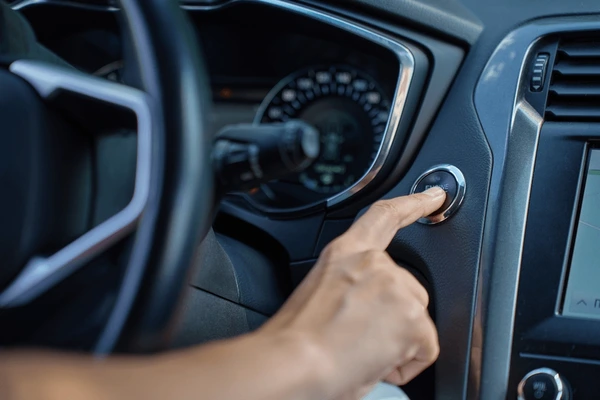
Keyless ignition systems have quietly taken over the automotive world, and honestly, it is easy to see why. You walk up to your car, the doors unlock on their own, you sit down, press a button, and the engine fires up. No key fumbling, no twisting anything in the ignition, no digging through your bag in the rain. It feels effortless, and once you get used to it, going back to a traditional key feels almost primitive.
But that same convenience raises a genuinely important question that most drivers eventually find themselves thinking about: what actually happens if you lose the key fob while you are already behind the wheel? Does the car just cut out? Can you keep driving? And what if the fob battery decides to die when you are parked 40 miles from home?
These are not paranoid, edge-case worries. Real drivers have dropped fobs out of car windows on the highway, left them sitting on gas station counters, or had a passenger accidentally walk off with the fob after jumping out at a stoplight. It happens more often than you would think. And if you do not know how your keyless system actually behaves in those situations, you could end up stranded, panicking, or making a bad decision that costs you a lot of money.
So let us break all of this down, step by step, in plain language. No jargon, no fluff. Just the real information you need to stay in control no matter what happens with your key fob.
How Keyless Ignition Systems Actually Work Under the Hood
Before we get into the what-if scenarios, it helps to understand the basics of how the system works when everything is running normally. Because once you understand the mechanics, everything else makes a lot more sense.
A keyless ignition system, which you might also hear called a push-button start system or a smart key system, uses radio frequency identification technology to create a conversation between your key fob and the car. Think of it like two devices that recognize each other by a secret handshake. The fob constantly broadcasts a low-frequency radio signal. When you and your fob get within a few feet of the vehicle, sensors positioned around the car pick up that signal and verify it matches the encrypted code stored in the car’s computer.
If the code matches, the car gives you the green light. Doors unlock, the trunk responds to your touch, and the start button becomes active. Press it with your foot on the brake, and the engine starts. All of this happens in a fraction of a second, completely invisibly, without you consciously doing anything beyond showing up.
The encryption built into that signal is what makes the system secure. It is not just a simple on/off broadcast that anyone with the right equipment can copy. Modern fobs use rolling codes, meaning the signal changes every time it is used. That makes it significantly harder for would-be thieves to intercept and duplicate the code.
That said, the system is not bulletproof, and we will come back to the security side of things later. For now, the key takeaway is this: the fob needs to be physically near the car for the magic to happen. Range is limited, intentionally so, and that limitation plays a big role in how the car behaves when the fob disappears.
Can You Keep Driving If the Key Fob Leaves the Car?
Here is the part that surprises most people, and the answer is yes, you can absolutely keep driving.
If the engine is already running and the fob leaves the vehicle or goes out of detection range, the car will not shut off. The engine keeps running. You keep driving. Nothing dramatic happens, at least not immediately. Most vehicles will display a warning message on the dashboard or trigger an audible beep to let you know the fob is no longer detected, but the engine stays on.
Why? Safety. Think about what would happen if a car was designed to cut the engine the moment the fob signal disappeared. You are cruising at 65 miles per hour on the interstate, your fob slides off the seat and lands on the floor outside the detection zone, and suddenly the engine dies. You lose power steering. You lose power brakes. Every electrical system goes dark. That scenario is not an inconvenience. That is a potentially fatal accident waiting to happen.
Automakers understood this from the beginning, which is why keyless systems are engineered to maintain engine operation regardless of what happens to the fob after the car is already running. The fob is essentially only needed at two specific moments: when you unlock the car and when you press the start button. Once the engine is running, you are good to go until you turn it off.
But here is the catch, and it is a significant one. The moment you park and press that stop button, the fob becomes critical again. Without it present and functional, the car will not restart. You could be locked out of your own vehicle in a parking lot, a rest stop, or someone’s driveway with zero ability to get back on the road without help.
So if you realize mid-trip that your fob is gone or not responding, your immediate goal should be to complete your journey without turning the car off until you have sorted out the situation.
What Happens When You Leave the Fob Inside the Car and Walk Away?
This is one of the most common keyless ignition mistakes, and it is the kind of thing that happens when you are in a rush, distracted, or just not thinking about it. You grab your bag, step out of the car, and walk off, not realizing the fob is still sitting on the passenger seat.
Most modern keyless systems have safeguards to prevent exactly this scenario. If the car detects that the fob is still inside the cabin when you close the door and attempt to lock it from outside, it will either refuse to lock the doors or sound an alert warning you. Some vehicles will even automatically unlock the doors again to draw your attention to the problem.
But here is the real-world truth: these safeguards are not perfect, and they do not work every single time. A few scenarios can trip them up:
- If you lock the car using the physical door lock button rather than the fob or the exterior door sensor, some systems will not override the lock.
- If the fob is stuffed into a bag or wedged somewhere in the car that the sensors have trouble reading, the system may not detect it reliably.
- Some older keyless systems simply do not have this protective feature built in at all.
If you end up locked out with the fob trapped inside, you are going to need either a spare fob, a locksmith, or a roadside assistance service. That is an expensive and frustrating situation that a few seconds of awareness could have prevented.
Get into the habit of always patting your pocket or checking your bag for the fob before closing the car door. It takes two seconds and it will save you a headache.
The Hidden Physical Key Inside Your Fob (Most Drivers Never Know This)
Here is a piece of information that a surprisingly large number of keyless car owners do not know about: most key fobs have a small physical key hidden inside them. Not a symbolic key, not a decoration. An actual, usable, metal key blade.
It is there specifically for emergencies, for those moments when the fob battery dies, the system malfunctions, or something else goes wrong and you need a mechanical backup to get into your car.
To find it, look at your fob closely. There is usually a small button, tab, or sliding mechanism somewhere on the side or back of the fob. Press it or slide it, and a metal key blade will pop out, often no bigger than a house key. That little key can manually unlock your driver’s side door the old-fashioned way.
Now, here is where it gets slightly tricky. Many modern vehicles disguise the door lock cylinder or hide it entirely behind a small plastic cap or trim panel on the door handle. You may need to pry that cap off gently with a flathead screwdriver or your fingernail to access the keyhole underneath. Your owner’s manual will show you exactly where it is on your specific vehicle.
Once you unlock the door with the physical key, there is one more thing to be aware of: the car’s alarm system may go off. The car has no way to know that the person using the physical key is the legitimate owner, so it treats it as a potential break-in. The alarm will usually stop once the car’s computer detects the fob nearby or once you start the engine through the backup procedure. But if you are in a quiet parking lot at midnight, expect to attract some attention.
Do not wait until you are stranded to figure out whether your fob has a hidden key. Pull it out right now and check. It takes 30 seconds, and knowing it is there could save you from a very stressful situation down the road.
What to Do When Your Key Fob Battery Dies Away From Home
Key fob batteries are small, they are cheap, and most people never think about them until the fob stops working. A typical fob battery will last anywhere from two to four years depending on how frequently you use the fob, what type of battery it uses, and the ambient temperature where you live. Cold climates can drain batteries faster than warm ones.
You will usually get a warning before the battery dies completely. The range of the fob will start to shrink, meaning you have to stand closer to the car to get it to respond. The car may display a “low key fob battery” warning on the dashboard. If you see that message, do not ignore it. Swap the battery within the next week or two at the latest.
But if the battery dies completely and you are stuck, here is the step-by-step process to get back on the road:
- Pop out the hidden physical key. Use it to manually unlock the driver’s door by locating and using the keyhole (which may be hidden under a small trim cap).
- Get inside the car and find the backup fob detection zone. Most manufacturers build a specific spot where you can place a dead fob and the car will still read it using a passive reader that does not require battery power from the fob. This spot is often on or directly behind the start button, inside the center console, or near the cup holders. Check your owner’s manual for the exact location.
- Place the fob in that designated spot, press the brake pedal, and push the start button. The car should detect the fob through the passive reader and allow the engine to start even with a completely dead fob battery.
- Drive directly to an auto parts store. Fob batteries are usually CR2032 or similar coin cells that cost less than five dollars. Many stores will even install it for you at no charge. Replacing the battery yourself takes about two minutes once you know how to open the fob, and most manufacturer websites or YouTube channels have quick tutorials specific to your model.
The key detail here is step two. That backup detection zone varies by manufacturer, and if you do not know where it is on your specific vehicle before you need it, you will waste time and frustration trying to figure it out in a parking lot. Spend five minutes reading that section of your owner’s manual now so you are not learning it under pressure later.
A Quick Reference: Common Fob Battery Types by Brand
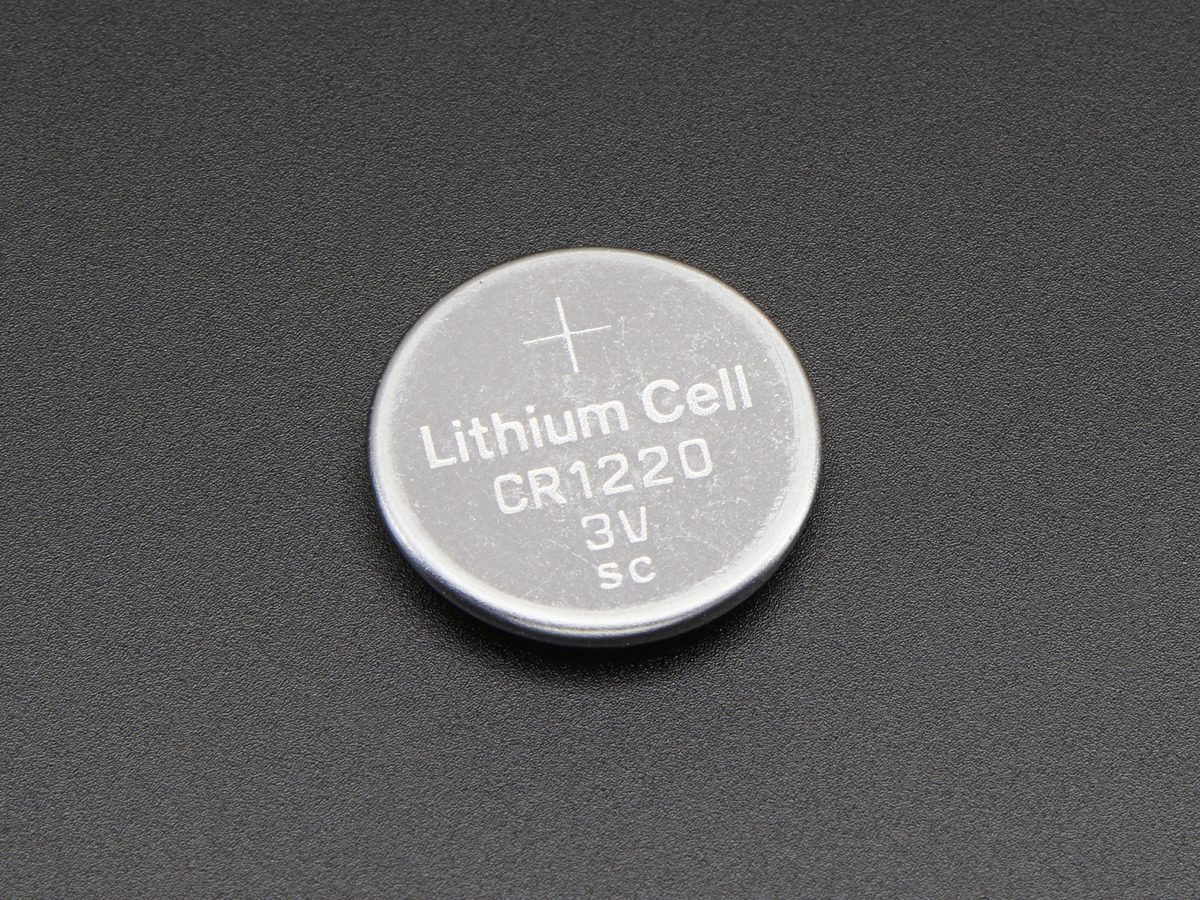
Most key fobs use coin-type lithium batteries. Here is a general reference for some of the most common vehicle brands. Always verify with your specific model year’s owner’s manual before purchasing.
| Vehicle Brand | Common Fob Battery Type | Approximate Cost |
|---|---|---|
| Toyota / Lexus | CR2032 | $3 to $7 |
| Honda / Acura | CR2032 | $3 to $7 |
| Ford / Lincoln | CR2032 or CR2025 | $3 to $7 |
| Chevrolet / GMC | CR2032 | $3 to $7 |
| BMW | CR2450 or CR2032 | $5 to $10 |
| Mercedes-Benz | CR2025 or CR2032 | $3 to $8 |
| Hyundai / Kia | CR2032 | $3 to $7 |
| Nissan / Infiniti | CR2025 or CR2032 | $3 to $7 |
| Volkswagen / Audi | CR2032 | $3 to $8 |
| Subaru | CR1620 or CR2032 | $3 to $7 |
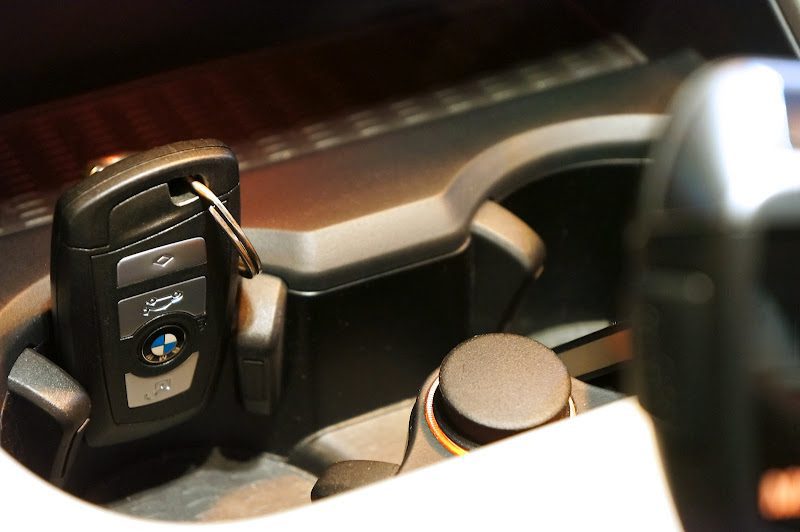
Again, these are general guidelines. Your specific model may differ, so always confirm before buying a replacement battery.
Can Your Smartphone Replace the Key Fob?
This is where things get genuinely exciting, because the technology is moving fast and the answer for a growing number of vehicles is yes.
Several manufacturers now offer digital key functionality that allows your smartphone to serve as a key. Brands that have implemented some form of this include Tesla, BMW, Mercedes-Benz, Genesis, Hyundai, Kia, Ford, and others. The technology typically works via Bluetooth Low Energy or Near Field Communication, the same technology used in contactless payments, allowing you to unlock, lock, and start the car with your phone.
Some systems even allow you to share a digital key with another person temporarily, which is useful if you want to let a family member borrow the car without handing over a physical fob. You can also set restrictions on the shared key, like limiting speed or geofencing the vehicle to a specific area.
But before you get too excited, there are some practical considerations worth knowing:
- You have to set it up before you need it. If you have never configured the app and linked it to your vehicle, you cannot suddenly use it as a backup when the fob goes missing. Set it up on a calm afternoon, not in a panic on a Tuesday night in a parking garage.
- Your phone needs to be alive. A dead phone is just as useless as a dead fob. If you rely on your smartphone as your only backup, keep the phone charged.
- Connectivity matters. Depending on the system, you may need an active Bluetooth connection, cellular data, or both. Underground parking garages with poor signal can cause issues.
- Not every vehicle supports this. Especially on models older than five years, this feature simply may not exist. Check your manufacturer’s website or ask your dealership directly.
If your vehicle supports a digital key app, setting it up is one of the smartest five-minute investments you can make. Think of it as a free insurance policy against the day your fob goes missing.
What Happens If You Lose the Key Fob Completely?
This is where things stop being just inconvenient and start being genuinely expensive. Losing your only key fob is one of the pricier car-related emergencies you can face, and it catches a lot of people completely off guard.
If the fob is gone and you do not have a spare, you have essentially two options: go to the dealership or contact a specialized automotive locksmith.
Going through the dealership is the most straightforward route. They can order a replacement fob specific to your vehicle, program it to match your car’s computer, and cut a new physical key if needed. The downside is cost and time. Depending on your vehicle’s make and model, a replacement fob can run anywhere from $200 to $600 or more. Luxury brands tend to sit at the higher end of that range. Add in programming fees and potentially a tow if you cannot get the car to the dealership, and you could be looking at a bill that makes your stomach drop.
An automotive locksmith who specializes in transponder keys and fob programming can sometimes do the job for less than the dealership. Some can even come to your location, which saves the tow truck cost. But be cautious about quality. Not all aftermarket fobs are created equal, and some vehicles have proprietary systems that only work with OEM parts. Ask the locksmith upfront whether they have experience with your specific make and model before committing.
Here is the reality check most people need to hear: if you bought a used car and only received one key fob, go get a spare made now. Not next month, not when you get around to it. Now. The cost of a proactively made spare is almost always significantly less than an emergency replacement, and the peace of mind is worth every dollar.
Estimated Cost of Replacing a Key Fob by Vehicle Type
| Vehicle Category | Estimated Fob Replacement Cost | Programming Required? |
|---|---|---|
| Economy / Compact Cars | $150 to $300 | Yes |
| Midsize Sedans / SUVs | $200 to $400 | Yes |
| Trucks (domestic brands) | $200 to $400 | Yes |
| Luxury Sedans / SUVs | $300 to $600+ | Yes |
| European Luxury Brands | $400 to $800+ | Yes, often dealer only |
| Electric Vehicles | $300 to $600+ | Yes |
These figures are approximate and will vary based on your location, the specific model year, and whether you use a dealership or an independent locksmith. Always get a quote before committing to any service.
The Security Risk Nobody Talks About at the Dealership
Keyless ignition systems are generally very secure, but there is one well-documented vulnerability that car owners should know about, particularly if you park in a driveway close to the street or live in a densely populated area.
It is called a relay attack, and it is exactly as clever and unsettling as it sounds. Here is how it works: two thieves work together. One stands close to your house, near the front door or a window where the key fob signal might be detectable. The other stands next to your car. Using inexpensive relay devices, they amplify your fob’s signal from inside your home and broadcast it to the car, tricking the vehicle into thinking the fob is right there next to it. The car unlocks. The engine starts. And your car is gone, all without anyone ever touching the fob.
This type of theft has been documented in cities across Europe, North America, and Australia, and it tends to target higher-value vehicles. The scary part is how quickly and silently it can happen, often in under 60 seconds.
The good news is that protecting yourself from relay attacks is relatively simple and cheap:
- Use a Faraday pouch. These signal-blocking pouches, which you can buy online for anywhere from $10 to $30, completely block the fob’s radio signal when stored inside. The thieves cannot amplify a signal that is not broadcasting. Keep your fob in one of these pouches every night.
- Store the fob away from exterior walls and windows. The closer the fob is to the outside of your home, the easier it is for a relay device to pick up the signal. Keep fobs in a drawer near the center of your home when not in use.
- Check if your fob has a motion sensor. Some newer fobs include a built-in motion sensor that puts the fob into sleep mode after a period of inactivity. A sleeping fob does not broadcast a signal, which renders relay attacks useless. Check your owner’s manual or manufacturer website to see if your fob has this feature and how to activate it if it does not come enabled by default.
- Consider adding a physical deterrent. A steering wheel lock or a visible alarm system will not stop a relay attack from unlocking the car, but it adds a layer of complication that many thieves prefer to avoid. Criminals tend to go for the easiest targets.
None of these measures are foolproof on their own, but combining two or three of them significantly reduces the risk.
The Danger Nobody Wants to Think About: Forgetting to Turn the Car Off
This is a serious issue that deserves its own section, because it has resulted in actual deaths and it is directly connected to how keyless ignition works.
With a traditional key ignition, there is a built-in physical reminder that the car is on: the key is in the ignition. You cannot walk away without either taking the key out or feeling its absence. That physical object anchors your attention.
With a keyless system, there is no such anchor. You press a button to start and press a button to stop. But if you are distracted, in a hurry, or the vehicle is a quiet hybrid that barely makes any noise, it is surprisingly easy to step out of the car, grab your stuff, and walk inside without pressing that stop button. The car keeps running silently in the garage.
Carbon monoxide, the gas produced by a running combustion engine, is odorless and colorless. You cannot detect it without a monitor. In an attached garage connected to a home, a running car can fill the space and eventually spread into living areas, with potentially fatal consequences.
The National Highway Traffic Safety Administration has documented multiple deaths linked to this exact scenario. Many newer vehicles now include an automatic shutoff feature that turns the engine off after a set period of idling, and some will send an alert to your smartphone if the car is left running. But not all vehicles have these features, especially older models that received keyless ignition before these safety additions became standard.
The fix is simple but requires habit. Every single time you exit the vehicle, check that the engine is off before you close the door. Make it as automatic as putting on a seatbelt. If your car is quiet, look at the dashboard and confirm the engine indicator is off. It takes three seconds and it could save your life or someone else’s.
The Real Benefits of Keyless Ignition Beyond Just Convenience
It would be easy to walk away from this article thinking keyless ignition is more trouble than it is worth. But that is not the right takeaway. When you understand the system and know how to handle the edge cases, the benefits are real and significant.
- Accessibility: For drivers with arthritis, limited grip strength, or other hand mobility issues, not having to insert and turn a key is a genuine quality-of-life improvement. The push-button start requires almost no physical effort.
- No ignition cylinder wear: Traditional key ignitions develop mechanical wear over time. The ignition cylinder can eventually fail, often at inconvenient times and at significant repair cost. Keyless systems eliminate that entire mechanical failure point.
- Remote start capability: Many keyless systems pair with remote start features that let you start the car from inside your home or office. On a freezing January morning or a sweltering August afternoon, being able to let the car reach a comfortable temperature before you even step outside is a serious perk.
- Personalized driver profiles: Many vehicles tie the keyless entry system into driver profile recognition. When your fob is detected, the car can automatically adjust the seat, mirrors, steering column, and infotainment settings to your preferences. The car is ready for you before you even sit down.
- Hands-free trunk access: Many systems extend keyless detection to the rear of the vehicle, allowing you to open the trunk by briefly standing near it, useful when your hands are full of groceries or luggage.
Honest Downsides Worth Knowing Before You Buy
In the spirit of giving you the complete picture, here are the legitimate drawbacks that come with keyless ignition systems:
- Replacement costs are high. Losing a traditional metal key might cost you $10 to $30 to replace. Losing a smart key fob can cost you $200 to $600 or more. That is a significant financial difference, and it catches people off guard.
- Battery dependence creates vulnerability. A dead fob battery is not catastrophic, but if you do not know the backup procedures for your specific vehicle, it can leave you stranded and confused.
- Relay theft is a real threat. As discussed, the wireless nature of the system creates an opening for tech-savvy criminals that traditional locks do not have. It requires a simple but active countermeasure to protect against.
- The silent engine risk is genuine. Particularly in hybrids and electric vehicles, forgetting to turn the car off is easier than most people would expect, and the consequences in an enclosed garage can be severe.
- System malfunctions happen. Like any electronic system, keyless ignition can occasionally malfunction. Sensors can fail, the car can have trouble detecting the fob in certain conditions, or software glitches can cause unexpected behavior. When this happens, you need to know your backup options.
Quick-Reference Guide: What to Do in Each Keyless Ignition Emergency
| Situation | What to Do |
|---|---|
| Fob leaves the car while driving | Keep driving. Do not turn the engine off until you have resolved the situation. Dashboard warning is normal. |
| Fob battery completely dead | Use hidden physical key to unlock door. Place fob on the backup detection zone near the start button. Press brake and start button. Drive to get a new battery. |
| Fob locked inside the car | Check if you have a spare fob. If not, call a locksmith or roadside assistance. |
| Fob completely lost | Contact dealership or specialized automotive locksmith for a replacement and reprogramming. Expect significant cost. |
| Car alarm triggered by using physical key | Get inside the car and start the engine using the backup fob detection procedure. Alarm should stop once the car detects the fob. |
| Car will not detect fob despite fob being present | Try moving the fob to a different location inside the car. Check for interference from other electronics. Consult owner’s manual for backup start procedure. |
How to Prepare Before Something Goes Wrong
The best time to prepare for a keyless ignition emergency is before one happens. Here is a practical action list that takes less than 30 minutes total and could save you significant money and stress later.
- Find the hidden physical key inside your fob right now. Look for the release button on the side or back. Pop the key out and confirm it works in your door. Put it back in.
- Read the emergency start section of your owner’s manual. Find out exactly where the backup fob detection zone is on your specific vehicle. Take a photo of the relevant page on your phone for future reference.
- Note the fob battery type. Open the fob, identify the battery model number (usually printed on the battery), and buy a spare battery to keep in your glove compartment. Spend five dollars now and you will never be stranded over a dead battery.
- Download and set up the manufacturer’s app if your vehicle supports it. Link it to your vehicle. Test that it works. Keep it as a backup option.
- Order a spare fob if you do not already have one. If you only have one fob, call your dealership or a reputable locksmith and get a second one made and programmed. Keep it somewhere safe at home, not in the car.
- Buy a Faraday pouch. They cost less than the price of a fast-food meal and they significantly reduce your relay theft risk. Keep your fobs in it every night.
- Build the engine-off habit. Every time you exit the car, visually confirm the engine is off before you close the door. Start doing this today.
None of these steps require technical knowledge, special tools, or significant money. They just require a few minutes of attention while everything is still working fine.
Keyless Ignition Is the New Standard, Whether You Like It or Not
Keyless ignition is not a niche feature anymore. It is standard equipment on the vast majority of new vehicles sold today, and that percentage grows every year. Within the next decade, finding a new car with a traditional key ignition will likely be as unusual as finding one without power windows today.
That means whether you already drive a keyless vehicle or you are about to buy one, understanding how the system works is no longer optional knowledge. It is basic automotive literacy for the modern driver.
The technology genuinely makes life more convenient in ways that add up every single day. But it also introduces a set of scenarios that traditional key owners never had to think about, and being unprepared for those scenarios is what turns a minor inconvenience into a stressful, expensive problem.
Know where your spare fob is. Know the backup procedure for your car. Know how to get into the vehicle if the battery dies. Take five minutes to set up the app. Keep the fob in a Faraday pouch at night. And every time you step out of the car, make sure the engine is actually off.
None of that is complicated. All of it matters. And the drivers who take care of these things in advance are the ones who never have to panic on a dark parking lot at 10 PM wondering how they are going to get home.
The question is not whether you will eventually face one of these keyless ignition scenarios. The question is whether you will be ready when you do.