
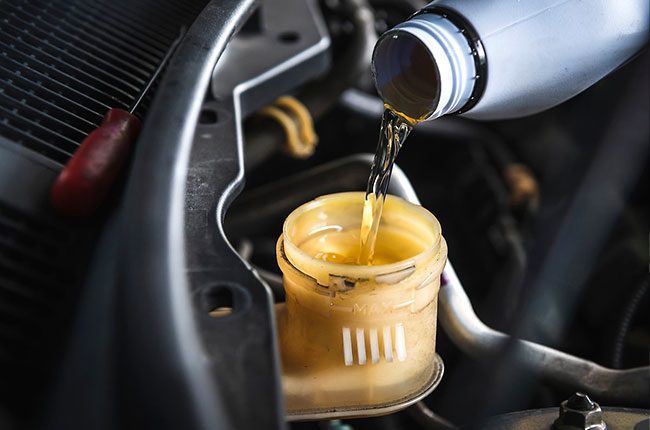
You just finished topping off your brake fluid reservoir and realized you might have added a bit too much. The fluid level is now above the MAX line. Should you worry? Will this cause problems? Or is it no big deal since having more brake fluid seems safer than having too little?
Most drivers understand that low brake fluid is bad. Your car warns you with a dashboard light, and mechanics constantly check the level during service. But what about too much brake fluid? This gets far less attention, yet overfilling the brake fluid reservoir can cause genuine problems that compromise your braking performance and potentially damage expensive components.
In this comprehensive guide, I am going to walk you through everything you need to know about brake fluid levels. We will cover how brake fluid actually works, why the reservoir has minimum and maximum marks, what happens when you overfill it, the real risks versus the myths, how to fix an overfilled reservoir, and how to maintain proper fluid levels going forward. By the end, you will understand exactly why that MAX line exists and why you should respect it.
How Brake Fluid Actually Works in Your Car
Before we talk about overfilling, you need to understand what brake fluid does and how the hydraulic brake system functions. This context makes the problems with too much fluid make sense.
Your brake system is hydraulic, meaning it uses fluid under pressure to transmit force. When you press the brake pedal, you are pushing a piston in the master cylinder. This piston pressurizes brake fluid, and that pressure travels through brake lines to the brake calipers at each wheel. The pressure pushes pistons in the calipers, which squeeze brake pads against the rotors, creating friction that slows the car.
This hydraulic system works because fluids are incompressible. When you push on one end, the force transmits instantly to the other end. This is why you get immediate brake response when you press the pedal. The system is sealed to maintain pressure and prevent contamination.
The brake fluid reservoir sits on top of the master cylinder and serves as a supply tank. As brake pads wear down over time, the brake caliper pistons extend further to compensate. This extension means more fluid stays in the calipers rather than returning to the reservoir, so the reservoir level drops gradually as the pads wear. This is completely normal and actually serves as a wear indicator. When the fluid level gets low, it often means your brake pads need replacement soon.
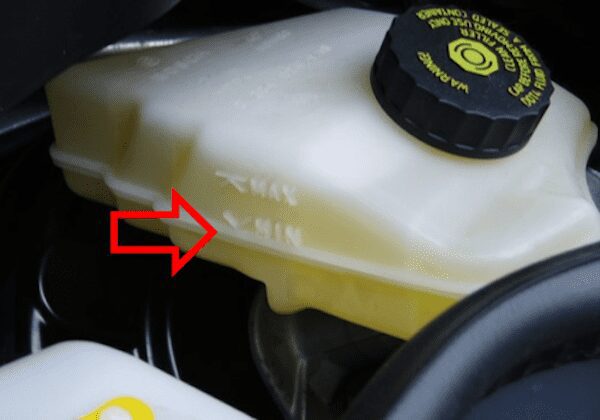
The reservoir has MIN and MAX marks for a reason. The maximum level assumes brand new brake pads. As the pads wear and caliper pistons extend, the level drops toward the minimum. When you replace the brake pads and push the caliper pistons back in, all that fluid returns to the reservoir. If the reservoir was already at the maximum when the pads were worn, pushing the pistons back will overflow the reservoir.
What Happens When You Overfill the Brake Fluid Reservoir
Now that you understand how the system works, let us talk about what goes wrong when you add too much fluid.
Overflow When Brake Pads Are Replaced
This is the most immediate and obvious problem. If your reservoir is filled above the MAX line and then a mechanic pushes the caliper pistons back to install new brake pads, the fluid has nowhere to go. It overflows out of the reservoir, spilling brake fluid all over the master cylinder, brake booster, and potentially other components in the engine bay.
Brake fluid is corrosive to paint and certain plastics. Where it spills, it can damage painted surfaces, plastic components, and rubber parts. The mess is also annoying to clean up properly because brake fluid is slippery and attracts dirt.
Professional mechanics know to check the reservoir level before pushing caliper pistons back, and they will remove excess fluid first. But if you do your own brake work and the reservoir is overfilled, you will quickly discover the problem when fluid starts overflowing everywhere.
Increased Moisture Absorption
Brake fluid is hygroscopic, meaning it absorbs moisture from the air. This is one of the most problematic characteristics of brake fluid and the main reason it needs periodic replacement.
The reservoir cap is vented to allow the fluid level to rise and fall as the brake pads wear. This vent is necessary, but it also allows moisture from the air to enter the reservoir. The more fluid you have in the reservoir, the more surface area is exposed to this moisture-laden air, and the faster the fluid absorbs water.
Water in brake fluid is bad for multiple reasons. It lowers the boiling point of the fluid dramatically. Brake fluid is designed to have a very high boiling point, typically over 400 degrees Fahrenheit for fresh fluid. Water brings this down significantly. If the fluid boils under hard braking, it creates vapor bubbles in the brake lines. Unlike liquid, vapor is compressible, so when you press the brake pedal, you compress the vapor bubbles instead of transmitting pressure to the calipers. This is called brake fade, and it results in a spongy pedal and dramatically reduced braking power.
Water also causes corrosion of metal brake components. The brake system has steel and aluminum parts that corrode when exposed to moisture. This internal corrosion can damage the master cylinder, calipers, and brake lines over time.
Having excess fluid in the reservoir accelerates all these problems because there is more fluid exposed to air and more opportunity for moisture absorption.
Contamination Happens Faster
Beyond moisture, brake fluid gets contaminated by tiny particles from normal system wear. Microscopic amounts of rubber from seals, metal from cylinder walls, and other debris accumulate in the fluid over time. More fluid means more total contamination even if the concentration stays the same.
This contamination accelerates fluid degradation and can damage seals and other components. It is another reason brake fluid needs periodic replacement regardless of how it looks.
Potential Seal and Sensor Damage
The brake fluid reservoir cap and the reservoir itself have seals to prevent leaks while allowing the necessary venting. Overfilling can put extra pressure on these seals, potentially causing leaks or premature seal failure.
The fluid level sensor in the reservoir is designed to work within the MIN to MAX range. Excessively high fluid levels can potentially damage this sensor or cause it to give false readings. While not common, it is possible, and replacing the sensor is an unnecessary expense.
Thermal Expansion Issues
Fluids expand when heated. While brake fluid does not heat up as much as engine oil or transmission fluid, it does experience some temperature variation. If the reservoir is completely full with no air space for expansion, the expanding fluid can force its way past seals or the cap, causing leaks and spills.
The air space above the MAX line is there partially to accommodate this thermal expansion. Overfilling eliminates this expansion space and can cause problems.
Separating Real Risks from Myths
There is a lot of misinformation floating around about overfilled brake fluid. Let me separate fact from fiction.
Myth: Too Much Brake Fluid Causes Brake Drag
Some people claim that overfilling the reservoir causes the brakes to drag or prevents the caliper pistons from fully retracting. This is not how hydraulic systems work. The fluid level in the reservoir does not create pressure in the system. Pressure only occurs when you press the brake pedal.
When you release the pedal, the master cylinder piston returns to its rest position, releasing pressure. The caliper pistons retract slightly due to the square-cut seals that hold them. This happens regardless of how much fluid is in the reservoir as long as the system is not damaged.
Brake drag has different causes like seized caliper slide pins, corroded pistons, or problems with the master cylinder. Reservoir fluid level is not one of them.
Myth: Overfilling Increases System Pressure
Another common misconception is that having more fluid increases pressure in the brake lines, somehow overloading the system. Again, this is not how it works. The reservoir is not a pressure vessel. It operates at atmospheric pressure. The pressure in the brake system comes solely from pushing the brake pedal, which pushes the master cylinder piston.
Having extra fluid in the reservoir does not create additional pressure any more than having a full gas tank creates pressure in the fuel lines. The two things are unrelated.
Real Risk: Overflow and Spills
This is the primary genuine risk of overfilling. When brake work is done and caliper pistons are pushed back, or when the fluid heats up and expands, or when the car goes over bumps that slosh fluid around, an overfilled reservoir can spill. The spilled fluid can damage paint and components, create a slippery mess, and waste expensive brake fluid.
Real Risk: Accelerated Fluid Degradation
Having excess fluid means more surface area exposed to air and moisture, faster moisture absorption, and more rapid fluid contamination. This shortens the interval before the fluid needs replacement and increases the risk of brake performance problems from degraded fluid.
Real Risk: Hiding Brake Wear
The gradual drop in brake fluid level serves as a useful indicator that brake pads are wearing and approaching the need for replacement. If someone keeps topping off the reservoir instead of letting the level drop naturally, this warning indicator is defeated. You might not realize your brake pads are dangerously worn until you hear metal-on-metal grinding.
How to Fix an Overfilled Brake Fluid Reservoir
If you have overfilled your brake fluid reservoir, fixing it is straightforward but requires care to avoid contaminating the fluid or making a mess.
What You Need
Get a turkey baster or fluid transfer pump designed for automotive use. You also need a clean container to hold the removed fluid, shop towels or rags, and possibly gloves because brake fluid is nasty stuff that you do not want on your skin.
Make sure everything that will touch the brake fluid is clean. Contaminating the fluid with dirt defeats the purpose of having clean fluid in the system.
The Process
Open the reservoir cap carefully. If the reservoir is very full, fluid might want to spill out when you remove the cap, so have a rag ready. Use the turkey baster or transfer pump to remove fluid from the reservoir. Work slowly and carefully to avoid spilling. Remove fluid until the level is at the MAX mark or just slightly below it.
Transfer the removed fluid to your container. Do not pour it back into the original brake fluid bottle because it might be contaminated. Either dispose of it properly or save it for non-critical uses like topping off if needed in the future before a fluid change.
Wipe the reservoir cap and the area around the reservoir opening clean before reinstalling the cap. You do not want any dirt falling into the reservoir.
Replace the cap and make sure it is seated properly. The cap should seal but also allow venting, so do not force it or cross-thread it.
Disposing of Excess Fluid
Brake fluid is hazardous waste and should not be poured down drains or thrown in the trash. Most auto parts stores and service stations accept used brake fluid for recycling. Save it in a sealed container and take it to a proper disposal location.
Proper Brake Fluid Maintenance
Understanding how to maintain your brake fluid properly prevents overfilling and ensures your brake system stays healthy.
Checking Brake Fluid Level
Check your brake fluid level monthly or before long trips. The reservoir is usually translucent, so you can see the level without removing the cap. The fluid should be between the MIN and MAX marks. If it is at or below the MIN mark, add fluid to bring it to the MAX mark.
If the level drops quickly or you find yourself adding fluid frequently, you have a leak somewhere that needs professional diagnosis and repair. Brake fluid does not get consumed like engine oil. It only goes down as brake pads wear or if there is a leak.
Adding Fluid Properly
When you do need to add brake fluid, use the correct type specified in your owner’s manual. Common types are DOT 3, DOT 4, and DOT 5.1. These are glycol-based and can generally be mixed, though using a single type is preferable. DOT 5 is silicone-based and cannot be mixed with the others. It is rare and only used in specific applications. Using the wrong type can damage seals and cause brake failure.
Clean around the reservoir cap before opening it. Dirt falling into the reservoir contaminates the fluid and can damage seals and components. Add fluid slowly until it reaches the MAX mark. Do not overfill. A little below MAX is fine and leaves room for the fluid to rise when the pads are replaced.
Use fluid from a sealed container. Brake fluid absorbs moisture from the air, so a bottle that has been open for months has already absorbed water and is partially degraded. Once you open a bottle, use it within a few months or dispose of the remainder.
When to Replace Brake Fluid Completely
Brake fluid should be completely replaced periodically, typically every two to three years regardless of mileage. Some manufacturers recommend longer intervals, but two to three years is a safe conservative approach that accounts for moisture absorption.
A complete brake fluid flush removes all the old contaminated fluid and replaces it with fresh fluid throughout the entire system. This is different from just topping off the reservoir, which leaves most of the old fluid in the system.
Professional brake fluid testing equipment can measure the moisture content and boiling point of your fluid to determine if replacement is needed. Many shops offer this as a free service. If your fluid has absorbed significant moisture or the boiling point has dropped substantially, flush the system even if it has not been two years.
Why You Should Not Keep Topping Off
If you find yourself frequently adding brake fluid to maintain the level, stop just topping it off and figure out why the level is dropping. Either the brake pads are worn and need replacement, or you have a leak.
Worn brake pads are the normal reason for fluid level drop. As the pads wear down, the caliper pistons extend to compensate, keeping the pads close to the rotors. This extension means fluid moves from the reservoir into the calipers and stays there. When you check the reservoir, the level is lower.
This is actually a useful wear indicator. When the reservoir reaches the MIN mark, your pads are getting low and should be inspected. If you just keep topping off the fluid instead of checking the pads, you are defeating this warning system.
If the pads are not worn but the fluid level keeps dropping, you have a leak. Common leak points include brake line fittings, caliper seals, the master cylinder, or brake hoses. Leaks are serious and need immediate repair. Driving with a brake fluid leak is dangerous because you can lose braking ability if enough fluid escapes.
Special Considerations for Brake Pad Replacement
Understanding the relationship between brake pad wear and fluid level is important, especially if you do your own brake work or want to understand what your mechanic is doing.
When brake pads are replaced, the caliper pistons must be pushed back into the calipers to make room for the thicker new pads. Pushing the pistons back forces fluid back into the master cylinder reservoir. If the reservoir is already full, this returning fluid has nowhere to go and overflows.
Professional mechanics know to check the reservoir level before pushing caliper pistons back. If the level is high, they remove some fluid first to prevent overflow. If you do your own brake work, follow this same practice. Before pushing caliper pistons back, check the reservoir and remove fluid if needed to bring the level down to about halfway between MIN and MAX.
After installing new pads and pushing the pistons back, check the reservoir level again. It should have risen as the fluid returned from the calipers. The level should now be at or near the MAX mark. If it is not, either fluid was lost during the job through spills or leaks, or there might be air in the system that needs bleeding.

The Bottom Line on Brake Fluid Levels
Too much brake fluid is not catastrophic, but it is not good either. The reservoir has MIN and MAX marks for valid engineering reasons, not just as suggestions. Keeping the fluid level within this range ensures the system works as designed and prevents problems.
Overfilling primarily causes issues with overflow during brake service, accelerated fluid degradation from moisture absorption, and potential damage to seals and sensors. It does not cause brake drag or increased system pressure like some myths claim, but the real problems are serious enough to avoid.
If you accidentally overfill the reservoir, removing the excess is simple and should be done promptly. Use a clean turkey baster or transfer pump, work carefully to avoid contamination or spills, and dispose of the removed fluid properly.
Going forward, maintain your brake fluid properly by checking the level monthly, using the correct fluid type when topping off, avoiding overfilling by stopping at the MAX mark, investigating why the level is dropping rather than just repeatedly topping off, and replacing the fluid completely every two to three years.
Your brake system is the most critical safety system on your vehicle. Proper brake fluid maintenance, including maintaining the correct fluid level, keeps this system functioning reliably. The few minutes you spend checking fluid level and the few dollars you spend on proper fluid are trivial compared to the importance of having brakes that work correctly when you need them. Respect the MAX line on that reservoir. It exists for good reasons, and staying at or below it keeps your brake system healthy and your driving safe.