
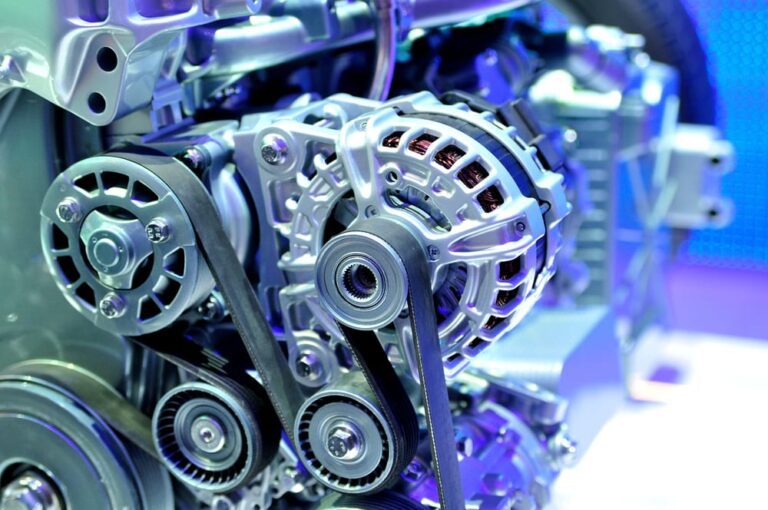
Pop the hood of your car and look at the front of the engine. You will see a rubber belt snaking around several pulleys, connecting various components. That innocuous-looking belt is your drive belt, also called a serpentine belt or accessory belt, and it is one of the most important and underappreciated components in your entire vehicle. When it fails, your car goes from fully functional to seriously crippled in seconds.
Most drivers never think about their drive belt until something goes wrong. It just sits there quietly doing its job, spinning your alternator, power steering pump, air conditioning compressor, and sometimes your water pump. Because it works silently in the background, people forget it exists. Then one day it breaks, and suddenly nothing works right. The steering becomes impossibly heavy, the battery light comes on, the AC stops blowing cold, and if you are really unlucky, the engine overheats.
In this comprehensive guide, I am going to walk you through everything you need to know about drive belts. We will cover what they do, how they work, how to recognize when one is failing, how often to replace them, what happens when they break, and how to maintain them properly. By the end, you will understand why this simple rubber belt deserves way more respect and attention than it typically gets.
What Exactly Does the Drive Belt Do?
The drive belt has one fundamental job. It transfers rotational power from your engine’s crankshaft to various accessories that need to be driven continuously while the engine runs. Think of it as a mechanical power distribution system that uses friction and tension to spin multiple components from a single power source.
When your engine runs, the crankshaft spins. A pulley attached to the crankshaft drives the belt, which wraps around pulleys connected to various accessories. As the belt moves, it turns these pulleys, which in turn operate the accessories. The whole system works on friction between the ribbed belt and the grooved pulleys.
The Accessories Your Drive Belt Powers
Let us talk about what actually depends on this belt. The specific accessories vary by vehicle, but most modern cars have the drive belt powering these critical components.
The alternator is the first and arguably most critical accessory. This component generates electricity to charge your battery and power all electrical systems while the engine runs. Without the alternator working, your battery drains quickly and the car dies. Everything electrical in your car depends on the alternator, from the engine computer to the headlights to the fuel pump. No alternator means no running car within minutes.
The power steering pump creates hydraulic pressure that makes steering effortless. On older hydraulic power steering systems, this pump is belt-driven. When the belt fails, you lose power steering assistance instantly. The car still steers, but it requires enormous physical effort, especially at low speeds or when stopped. Many newer cars use electric power steering that does not depend on the drive belt, but millions of vehicles on the road still have hydraulic systems.
The air conditioning compressor is what makes your AC blow cold air. The compressor is basically a pump that circulates refrigerant through the AC system. When the belt fails, the compressor stops, and you lose air conditioning immediately. Not life-threatening, but definitely uncomfortable, especially in summer heat.
The water pump circulates coolant through the engine to prevent overheating. On many modern engines with timing chains, the water pump is driven by the drive belt rather than the timing system. This makes belt failure much more serious because without the water pump running, the engine overheats rapidly and can be destroyed in minutes.
Some vehicles also use the drive belt to power other accessories like an air pump for emissions control or a vacuum pump for brake boost on diesel engines. The specific configuration depends on your vehicle make and model.
How the Belt Actually Works
The belt itself is made of reinforced rubber with V-shaped ribs on one side that mesh with grooves in the pulleys. This ribbed design creates multiple contact points that grip the pulleys effectively, allowing the belt to transfer significant power without slipping.
Inside the rubber are layers of reinforcement, typically made from polyester, Kevlar, or other high-strength materials. These reinforcements give the belt tensile strength so it does not stretch excessively or break under load. The outer rubber compound protects the reinforcement and provides the friction surface.
The belt route on modern cars is often complex, snaking around six or more pulleys in a specific path. One of these pulleys is a tensioner that maintains proper belt tension automatically. The tensioner uses a spring mechanism to keep constant pressure on the belt, compensating for wear and thermal expansion.
Some systems also include one or more idler pulleys that guide the belt along its path and ensure it contacts the driven pulleys at the correct angle for maximum grip. These smooth pulleys just redirect the belt and do not drive any accessories themselves.
How Long Do Drive Belts Actually Last?
This is one of those questions where the answer depends on multiple factors. Belt technology, vehicle design, operating conditions, and maintenance all affect lifespan.
Traditional Rubber Belts
Older style drive belts made from standard rubber compounds typically lasted 50,000 to 80,000 miles before needing replacement. These belts degraded from heat, ozone exposure, and constant flexing. You could often see visible cracking on the belt surface as it aged, giving warning that replacement was due.
Many manufacturers recommended replacing these belts every 60,000 miles or so regardless of visible condition because the internal reinforcement could degrade even when the outer rubber looked okay. Better to replace it proactively than risk a failure.
Modern EPDM Belts
Newer vehicles use belts made from EPDM (ethylene propylene diene monomer) rubber, which is dramatically more durable than older compounds. EPDM belts resist heat, ozone, and cracking much better than traditional rubber. Manufacturers claim these belts can last 100,000 miles or more, with some even suggesting they are good for the life of the vehicle.
The challenge with EPDM belts is that they fail differently than old-style belts. Instead of developing obvious surface cracks, EPDM belts tend to fail more suddenly from internal degradation that is not visible. You might have a belt that looks perfectly fine on the outside but is actually near failure internally.
Because of this invisible deterioration, many mechanics recommend replacing EPDM belts around 100,000 miles even if they look good. Waiting for visible damage is risky because by the time you see problems, failure might be imminent.
What Really Affects Belt Life
Operating conditions dramatically affect how long a belt lasts. Extreme heat accelerates degradation, so vehicles in hot climates wear out belts faster. Frequent short trips where the engine never fully warms up can cause belt wear from temperature cycling. Exposure to oil or coolant from leaks destroys belts quickly.
The condition of the pulleys and tensioner also matters enormously. A worn tensioner that does not maintain proper belt tension causes premature belt failure. Pulleys with worn bearings that do not spin smoothly create friction and heat that damage the belt. A single seized pulley can destroy a brand new belt in minutes.
Contamination is a major belt killer. If engine oil, power steering fluid, or coolant gets on the belt, it attacks the rubber and causes rapid deterioration. The belt becomes slick and starts slipping, which generates heat that accelerates the damage. A contaminated belt needs replacement, and the source of contamination needs to be fixed or you will just ruin the new belt too.
Warning Signs Your Drive Belt Is Failing
Drive belts usually give warning signs before complete failure. Learning to recognize these symptoms can save you from being stranded.
Squealing or Squeaking Noises
This is the most common symptom of belt problems. A squealing sound from the engine compartment, especially when you first start the car or when you turn the steering wheel, often indicates belt issues. The squeal happens when the belt slips on the pulleys instead of gripping properly.
Slipping can be caused by a worn belt that no longer grips effectively, insufficient belt tension from a weak tensioner, contamination on the belt surface, or a misaligned pulley. Sometimes the noise comes and goes with temperature changes or humidity, which makes diagnosis tricky.
Do not ignore squealing. It tells you something is wrong that needs attention. The belt might last months with intermittent squealing, or it might fail tomorrow. You cannot predict, so get it checked.
Visible Cracks and Damage
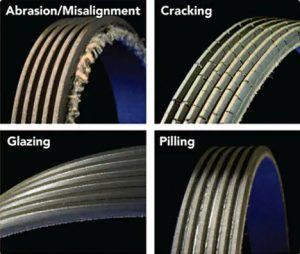
On older rubber belts, visible cracking on the belt surface is a clear warning sign. The cracks usually appear on the ribbed side where the belt contacts pulleys. Small surface cracks might seem harmless, but they indicate the rubber is degrading and the belt is approaching failure.
Other visible damage includes chunks missing from the belt, shiny glazed appearance from slipping and overheating, fraying or separating at the edges, and obvious wear where you can see the reinforcement cords inside the belt.
Any of these conditions means the belt needs replacement soon. Do not wait until it actually breaks because you cannot predict when that will happen, and it will likely be at the most inconvenient time possible.
Electrical Problems
Since the drive belt powers the alternator, belt problems often show up as electrical symptoms. The battery warning light on your dashboard indicates the alternator is not charging properly. This could mean the belt is slipping and not turning the alternator fast enough, or it could mean the belt broke completely and the alternator is not turning at all.
Dimming lights, especially at idle, can indicate the alternator is not providing enough current because the belt is slipping. Electrical accessories that work poorly or intermittently might also point to belt issues affecting alternator output.
Power Steering Problems
Heavy steering, especially when turning at low speeds, can indicate the belt is not driving the power steering pump properly. You might notice the steering is sometimes normal and sometimes heavy, which suggests the belt is slipping intermittently.
Complete loss of power steering assistance usually means the belt broke entirely, though it could also indicate a failed power steering pump. Either way, extremely heavy steering needs immediate diagnosis.
Air Conditioning Failure
If your AC suddenly stops blowing cold and you hear no sound of the compressor engaging when you turn on the AC, the belt might have failed. The AC compressor is usually the highest load on the drive belt system, so a marginally failing belt might slip on the AC compressor pulley even when it still grips the other pulleys.
Overheating
If your engine temperature gauge climbs higher than normal, and especially if it rises quickly, check whether the drive belt is intact. On vehicles where the belt drives the water pump, belt failure means no coolant circulation and rapid overheating. This is an emergency. Shut off the engine immediately to prevent catastrophic damage.
What Happens When the Drive Belt Breaks
Let us talk about the reality of drive belt failure. What actually happens, and how bad is it really?
Immediate Effects
The moment the belt breaks, all belt-driven accessories stop working instantly. The alternator stops charging, so the battery warning light illuminates. The power steering pump stops, so steering becomes extremely heavy. The AC compressor stops, so cold air becomes just fan-blown ambient air. If the belt drives the water pump, coolant stops circulating and the engine starts overheating immediately.
You will usually hear a loud slapping sound as the broken belt flails around before getting thrown off or jammed somewhere. Under the hood, you might see the belt hanging off pulleys or lying on the ground underneath the car.
Can You Keep Driving?
This depends entirely on whether the belt drives the water pump. If it does not, you can technically drive a short distance to safety, but it is not pleasant or advisable. The steering will be incredibly heavy, requiring serious strength to turn, especially at low speeds. The battery will drain within minutes as all electrical systems draw power with no recharging.
Once the battery dies, the engine computer loses power and the engine stops. Modern engines cannot run without electrical power for the computer and fuel pump. So even though the belt breaking does not mechanically damage the engine, you will not get far before the car dies from electrical starvation.
If the belt drives the water pump, you absolutely cannot drive the car. Without coolant circulation, the engine will overheat in literally minutes, potentially causing warped cylinder heads, blown head gaskets, or complete engine destruction. The cost of repairing that damage is thousands of dollars compared to a hundred-dollar belt replacement.
The smart move when a belt breaks is to pull over immediately, shut off the engine, and call for a tow. Trying to limp along to save towing costs risks turning a cheap repair into an expensive disaster.
Can a Broken Belt Cause Other Damage?
Sometimes yes, though this is less common than with timing belt failures. A broken drive belt can wrap around the crankshaft pulley and get jammed, potentially damaging the pulley or even the crankshaft seal. The flailing belt can hit other components under the hood, possibly damaging hoses, wiring, or other parts.
Pieces of the belt can get stuck in tight spaces and be difficult to remove. I have seen belt chunks wedged between the engine and frame that required significant disassembly to extract.
But unlike a timing belt, a broken drive belt will not destroy the engine mechanically by causing valves and pistons to collide. The drive belt only powers external accessories, not internal engine timing components. So while inconvenient and potentially expensive if you keep driving, a broken drive belt is not the catastrophic failure that a timing belt break can be.
How to Check Your Drive Belt
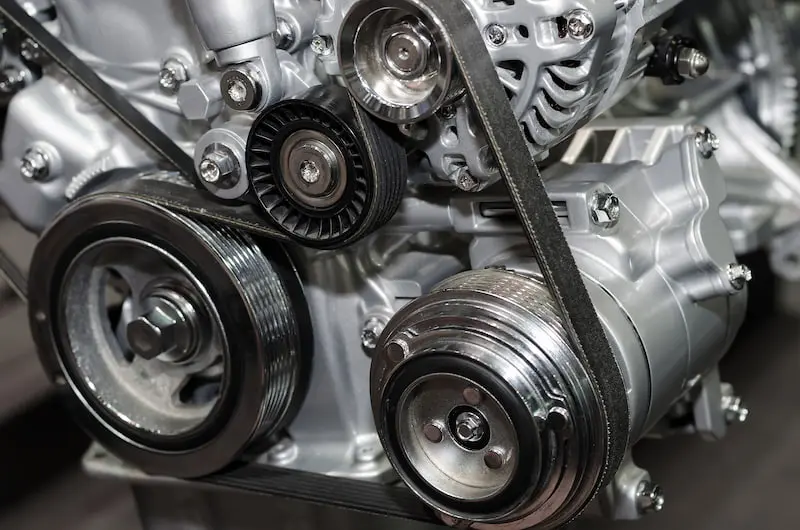
Regular inspection catches problems before they strand you. Checking a drive belt is straightforward and takes just a few minutes.
Visual Inspection
Pop the hood and locate the belt. It should be easy to spot snaking around the front of the engine. You might need a flashlight to see it clearly in some areas where it runs between components.
Look at the ribbed side of the belt where it contacts the pulleys. On older rubber belts, check for cracks running across the ribs. Small shallow cracks might be acceptable, but deep cracks or cracks along the length of the belt indicate the belt is near failure.
Check for chunks missing from the belt, shiny glazed appearance, fraying at the edges, or any spots where you can see the internal reinforcement cords. Any of these conditions means replacement is needed soon.
On EPDM belts, surface appearance is less telling. The belt might look perfect even when it is nearing failure. This is why mileage-based replacement is recommended for EPDM belts rather than waiting for visible damage.
Check for Contamination
Look for signs of oil, coolant, or power steering fluid on the belt or pulleys. Contamination appears as wetness or dark staining. If you find contamination, identify and fix the source before replacing the belt or the new belt will fail quickly too.
Check Belt Tension
With the engine off, press on the belt at its longest straight section between pulleys. The belt should have some give but should feel firm. If it feels loose and floppy, the tensioner might be weak. If it feels extremely tight with no give at all, something might be wrong with the tensioner or belt routing.
Proper tension is critical. Too loose and the belt slips, overheats, and wears prematurely. Too tight and it puts excessive stress on pulleys and bearings, causing premature component failure.
Listen for Noises
Start the engine and listen carefully. There should be no squealing, squeaking, or unusual sounds from the belt area. Any noise indicates a problem, whether that is a worn belt, weak tensioner, or failing pulley bearing.
Turn the steering wheel back and forth while listening. If squealing increases when you turn the wheel, the belt might be slipping on the power steering pump pulley.
Turn on the air conditioning and listen for changes. If the belt starts squealing when the AC comes on, it might be having trouble with the additional load from the compressor.
When to Replace Your Drive Belt
This is where opinions vary, but here is sensible guidance based on belt type and vehicle usage.
For traditional rubber belts, replace every 60,000 to 80,000 miles or at the first sign of cracking, damage, or noise. Do not push these belts beyond 100,000 miles regardless of appearance.
For EPDM belts, follow the manufacturer’s recommended interval, which is typically 100,000 to 150,000 miles. But consider replacing earlier, around 100,000 miles, especially if you drive in extreme conditions or if the belt shows any signs of wear.
A smart approach is to replace the drive belt whenever you do other major service that requires removing it anyway. If you are replacing the timing belt or chain, which often requires drive belt removal, go ahead and put a new drive belt on at the same time. The part cost is minimal compared to the labor already being performed.
When replacing the belt, strongly consider replacing the tensioner and any idler pulleys at the same time, especially if the vehicle has over 80,000 miles. These components wear out too, and replacing them with the belt prevents having to repeat the job when they fail shortly after.
The labor to replace a belt is the same whether you replace just the belt or the belt plus tensioner and pulleys. The parts might add 50 to 150 dollars to the job, but that is cheap insurance against having to pay for labor again in six months when the tensioner fails.
Drive Belt Maintenance
Unlike many components, drive belts require very little active maintenance. But there are things you can do to maximize belt life and catch problems early.
Inspect the belt every time you change oil or at least twice a year. This takes five minutes and can prevent roadside failures. Keep the belt and pulleys clean. If you notice dirt and debris buildup, wipe it off. Contamination accelerates wear.
Fix any leaks immediately. Oil and coolant leaks that drip onto the belt will destroy it quickly. The few dollars saved by delaying a repair will be lost many times over when you have to replace the belt prematurely.
Avoid belt dressings and conditioners sold at auto parts stores. These products promise to stop squealing and extend belt life, but they often cause more problems than they solve. The slick residue attracts dirt and can cause belts to slip. A belt that needs dressing is a belt that needs replacement.
If you live in an area with extreme temperature swings or high heat, be more aggressive with belt replacement intervals. Heat is the biggest enemy of rubber, and extreme conditions accelerate degradation significantly.
The Bottom Line on Drive Belts
The drive belt is a perfect example of a simple component that deserves far more attention than it typically receives. It costs maybe 30 to 80 dollars for the part and perhaps 100 to 200 dollars in labor to replace, yet it powers critical systems that make your car functional and safe.
Treat your drive belt with respect. Inspect it regularly, replace it proactively based on mileage rather than waiting for failure, and address any symptoms like noise or slipping immediately. The time and money you invest in proper belt maintenance is trivial compared to the inconvenience and expense of a roadside failure or the catastrophic engine damage that can result from overheating due to belt failure.
Keep a spare belt in your trunk if you are mechanically inclined and your vehicle has a simple belt routing that allows roadside replacement. For most modern cars with complex belt paths, this is not practical, but on older vehicles with straightforward systems, a spare belt and basic tools can get you home when the belt breaks far from help.
Remember that this single component connects your engine’s power to the alternator keeping your battery charged, the power steering pump making your wheel easy to turn, the AC compressor keeping you cool, and possibly the water pump preventing your engine from melting itself. For such a critical component, a drive belt receives shockingly little attention from most drivers. Do not be most drivers. Check your belt, replace it when needed, and it will quietly continue doing its job keeping your car running properly for thousands of miles to come.