
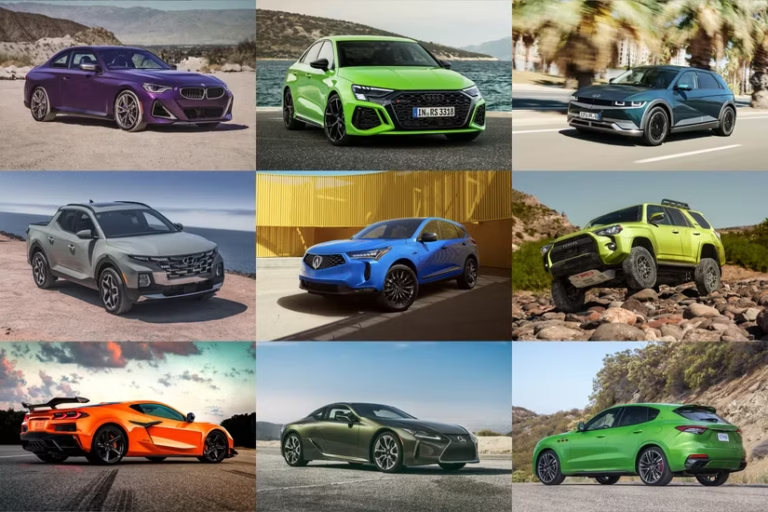
You are standing in the dealership lot or scrolling through online listings, trying to decide what color car to buy. You probably have a favorite color in mind, but then that practical voice in your head starts asking questions. Which color is going to show every little scratch? What about dirt and dust? Will I be washing this thing every other day just to keep it looking decent?
These are smart questions to ask. The color you choose has a huge impact on how much maintenance your car needs and how good it looks between washes. Some colors are incredibly forgiving, hiding minor imperfections and dirt like magic. Others show every speck of dust and every tiny scratch the moment they happen. If you want a car that looks good with minimal effort, color choice matters more than you might think.
In this detailed guide, I am going to break down which car colors are best and worst for hiding scratches, dents, dirt, and general wear and tear. We will look at the science behind why certain colors hide imperfections better than others, examine specific colors and how they perform in the real world, and help you make an informed decision that balances your aesthetic preferences with practical considerations.
Why Color Matters More Than You Think
Before we dive into specific colors, it helps to understand why color makes such a dramatic difference in how scratches and dirt appear on your vehicle. This is not just subjective preference. There is actual science behind it related to how light interacts with surfaces and how our eyes perceive contrast.
When your car gets scratched, what you are actually seeing is a disruption in the smooth surface of the paint and clear coat. Light hits these disruptions differently than it hits the surrounding smooth surface, creating shadows and highlights that make the scratch visible. The amount of contrast between the scratch and the surrounding paint determines how noticeable it is.
Dark colors create high contrast with scratches. A scratch on black paint often appears as a lighter line because you are seeing through the dark paint to lighter primer or bare metal underneath. Your eye immediately picks up on this contrast, making even tiny scratches highly visible.
Light colors have less contrast with most scratches. Since the base layers under the paint are typically lighter colors, scratches do not stand out as dramatically. The scratch is still there, but your eye does not notice it as readily because there is less visual contrast.
Dirt visibility works on similar principles. Dust and dirt are typically gray, brown, or tan. On a black car, this creates obvious contrast. On a silver or beige car, the dirt blends in much better with the base color, making the car look cleaner even when it is not.
The Best Colors for Hiding Imperfections
Now let us get specific. These colors are your best options if you want a car that hides scratches, swirls, dents, and dirt effectively.
Silver: The Champion of Low-Maintenance Colors
Silver is hands down the single best color for hiding scratches, swirl marks, and minor dents. It is not the most exciting color, and you will not turn heads at car shows, but for pure practicality, nothing beats silver.
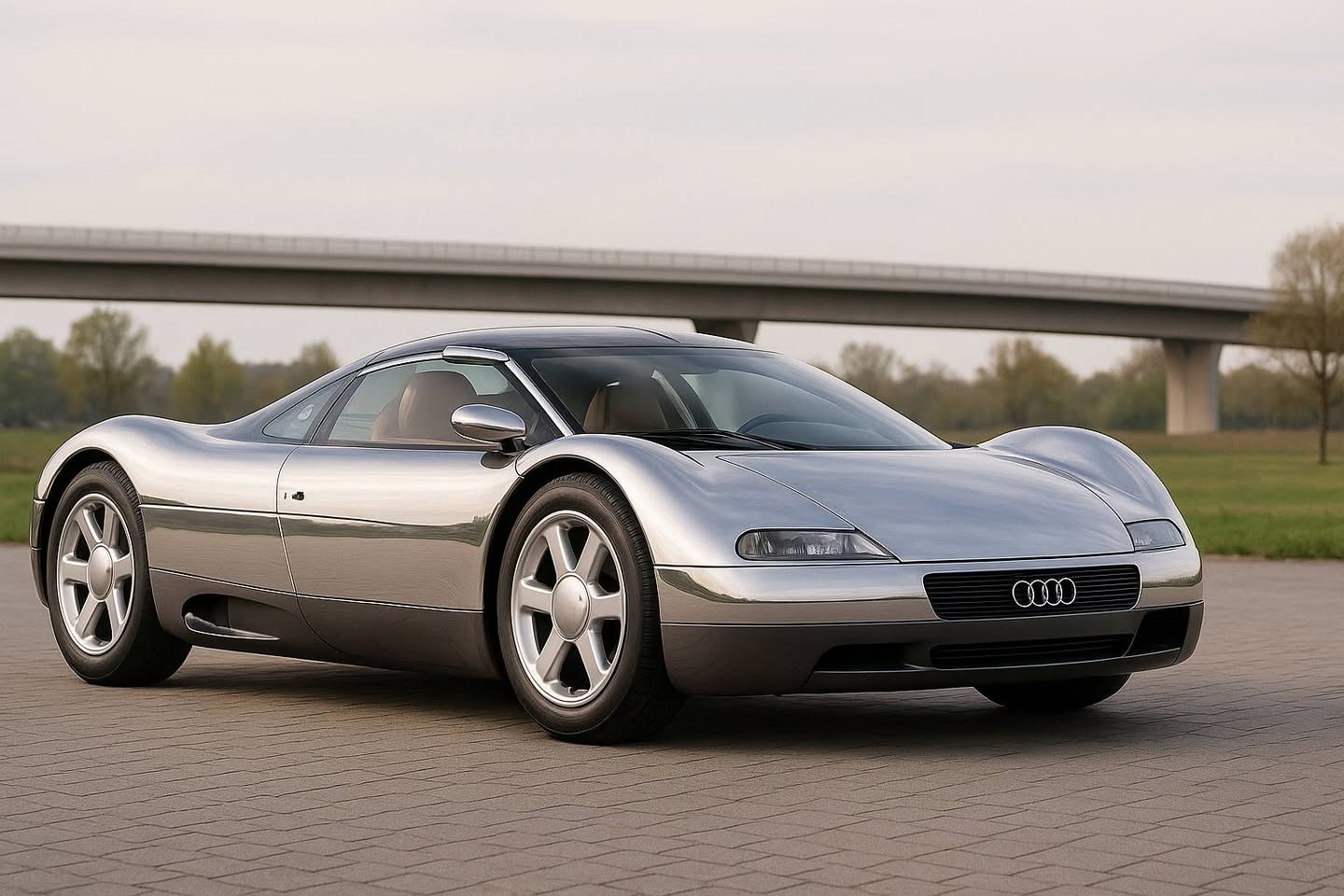
The reason silver works so well is that it creates minimal contrast with almost everything. Scratches tend to appear silver or light gray, which blends right in. Dust and dirt are usually grayish tones that are barely noticeable on silver paint. Even dents are less visible because the way light reflects off silver paint masks the shadows that make dents obvious on other colors.
Silver also has another huge advantage. It is one of the most common colors, which often makes it cheaper to buy and easier to match if you need touch-up paint or body work down the road. Parts like bumpers and mirrors are frequently available in silver from salvage yards, making repairs more affordable.
The downsides? Silver is boring to some people. It is not flashy or distinctive. Your car will blend into parking lots rather than stand out. If you want attention and uniqueness, silver is not your color. But if you want a car that always looks reasonably clean and presentable with minimal effort, silver is hard to beat.
Light Gray: Silver’s Sophisticated Cousin
Light gray offers almost all the practical benefits of silver with a slightly more refined appearance. It hides scratches and dirt nearly as well as silver while looking a bit more elegant and modern.
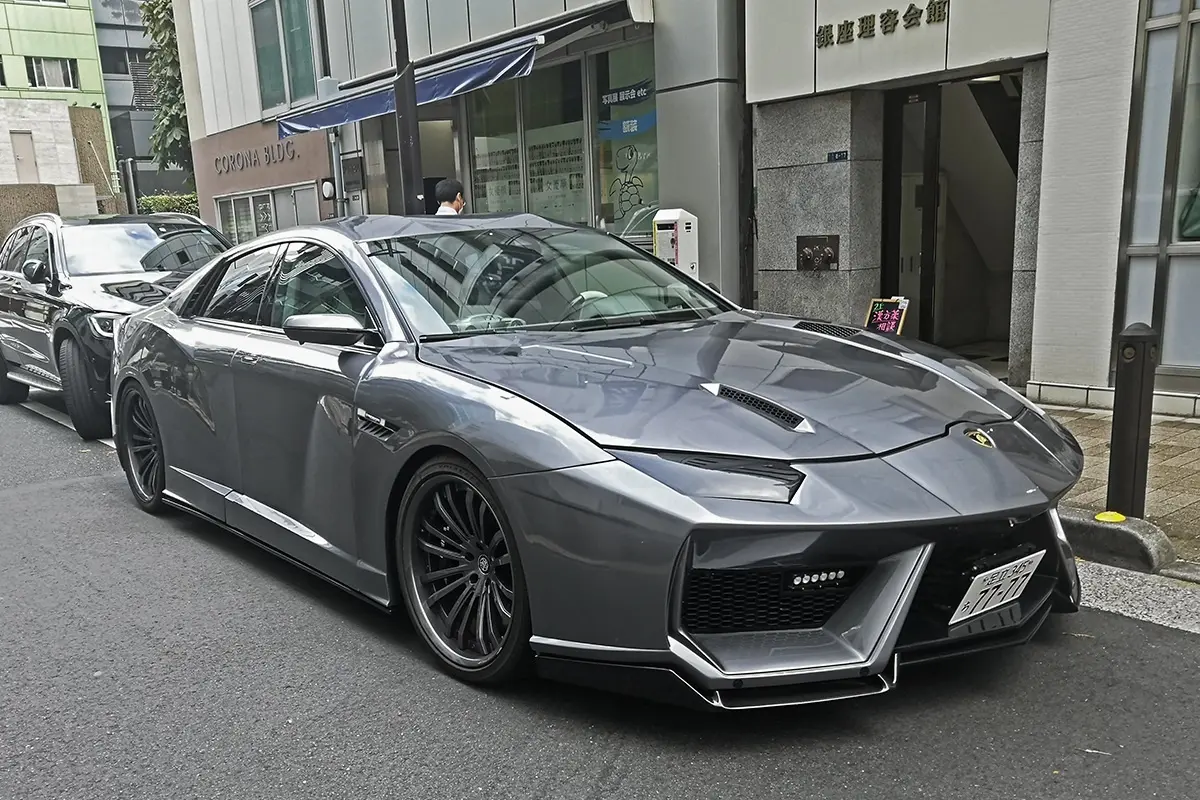
Modern light gray metallics have become very popular on luxury vehicles for exactly this reason. They look expensive and sophisticated while being remarkably forgiving of minor imperfections. A light gray Mercedes or BMW can go a week between washes and still look presentable in a way that a black one never could.
The distinction between silver and light gray can be subtle. Some colors straddle the line between the two. Generally, light gray has less of the bright metallic sparkle that characterizes silver, giving it a more muted, sophisticated appearance.
Gold and Champagne: Hiding Dirt Like Magic
Gold, champagne, and beige tones are exceptional at hiding dirt. The reason is simple. These colors closely match the color of dust and road grime. Where a black or white car shows every spec of dirt, these colors make dust virtually disappear.
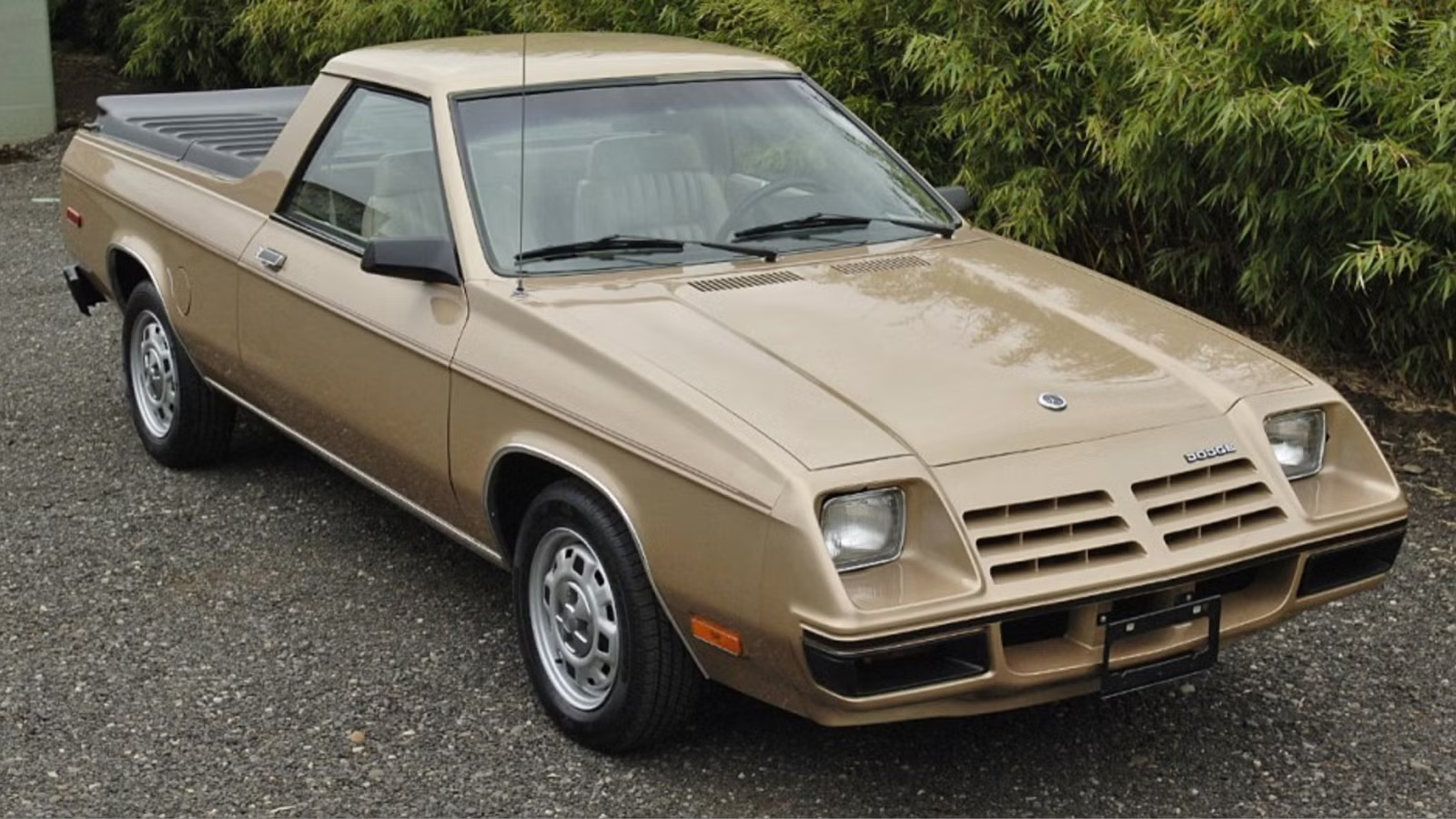
This is particularly valuable if you live in a dusty area or do not have time to wash your car frequently. A champagne-colored SUV can accumulate a surprising amount of dust and still look reasonably clean from a distance. The same amount of dust on a black vehicle would make it look filthy.
These colors also do a decent job hiding scratches, though not quite as well as silver. The warm tones tend to blend scratches better than cool colors like blue or green.
The challenge with gold and champagne is that they are not for everyone aesthetically. Some people find them dated or uninspiring. They were extremely popular in the 1990s and early 2000s but have fallen out of fashion in recent years. That said, if practicality is your priority, do not let trends stop you from choosing a color that makes your life easier.
Tan and Light Brown: The Underrated Workhorses
Tan, beige, and light brown are criminally underrated when it comes to hiding wear and tear. Like gold and champagne, these earth tones blend beautifully with dirt and dust. They also hide scratches reasonably well due to low contrast.
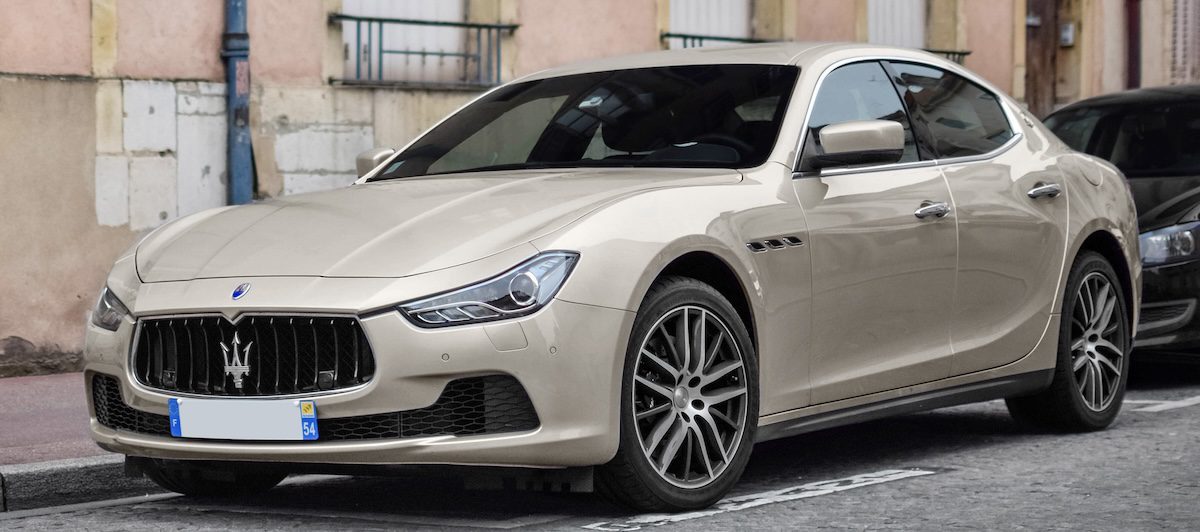
Light brown metallics have become more common on trucks and SUVs in recent years, and for good reason. These vehicles often see rougher use, dusty conditions, and unpaved roads. A color that hides dirt and minor scratches is a massive practical advantage.
These colors have another benefit that people do not always consider. They age gracefully. As paint fades over years of sun exposure, tan and brown tones tend to fade more evenly and less noticeably than brighter colors. A ten-year-old tan car often looks better than a ten-year-old red or blue car with the same amount of fading.
White: Better Than You Think, With Caveats
White is interesting because it sits in the middle of the practicality spectrum. It is significantly better than dark colors for hiding scratches, but it has a major weakness when it comes to dirt.
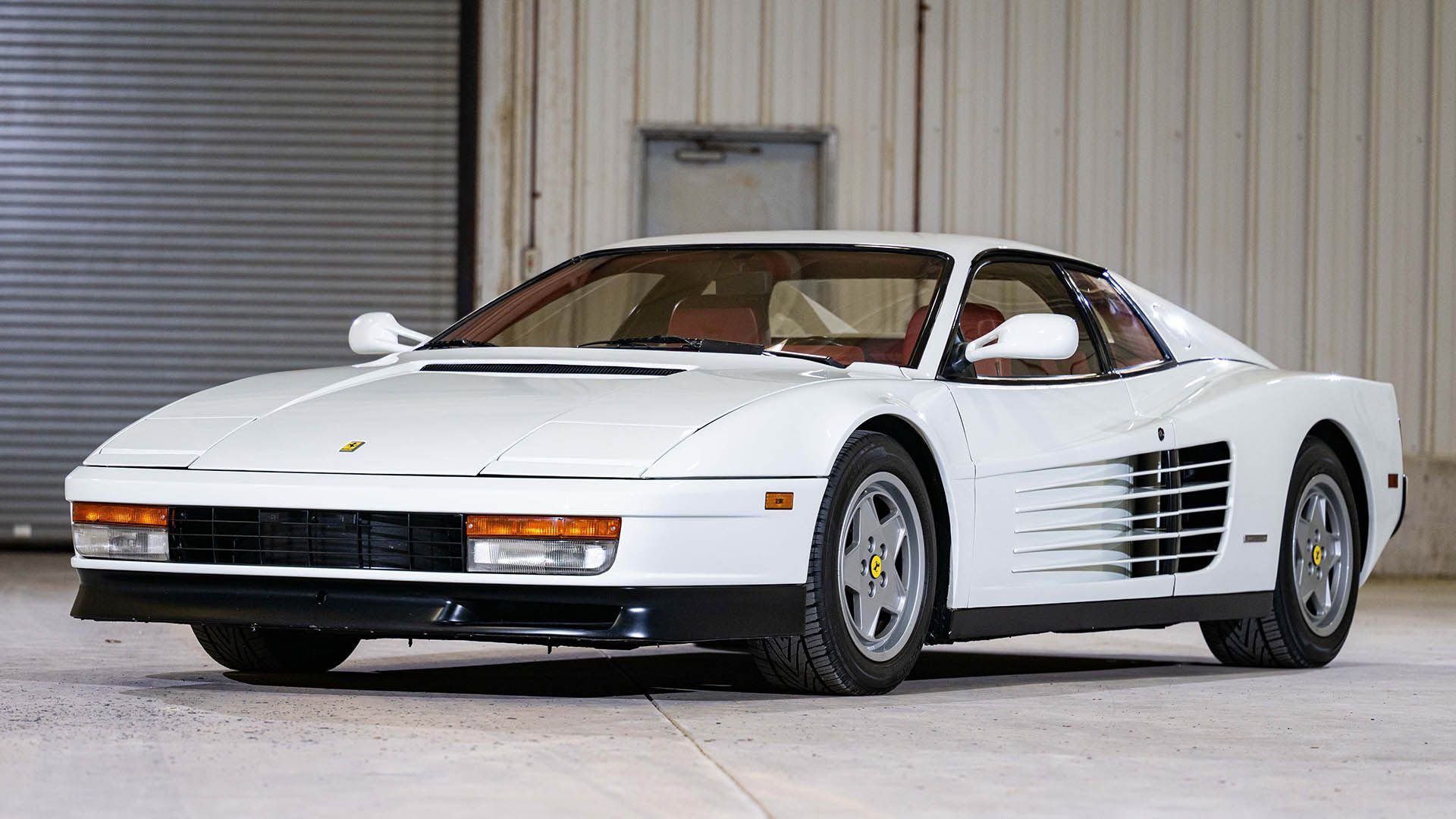
Scratches on white paint are much less visible than on black or dark blue because of the low contrast. Since primer and base layers are typically light colored, scratches blend in reasonably well. Swirl marks and minor clear coat damage are also less obvious on white.
The problem with white is that certain types of dirt show up dramatically. Mud, road grime, brake dust, and anything dark creates high contrast against the white surface. After a rainy drive on dirty roads, a white car can look absolutely filthy while a silver car driven in the same conditions still looks acceptable.
White also shows yellowing and oxidation as it ages, particularly on lower-quality paint. Cheap white paint can develop a yellowish tinge over time, especially on horizontal surfaces like the hood and roof that get maximum sun exposure.
That said, white remains popular for good reasons. It stays cooler in hot climates because it reflects rather than absorbs heat. It is widely available and usually inexpensive. It looks clean and modern when it is actually clean. Just know that maintaining that clean look requires more frequent washing than with silver or tan.
Colors That Show Every Imperfection
Now let us talk about the other end of the spectrum. These colors look fantastic when they are perfect, but they show every flaw and require significant maintenance to keep looking good.
Black: Beautiful But Brutal to Maintain
Black is the worst color for showing scratches, swirls, dust, and dirt. Period. There is no debate here. If you want a car that always looks perfect, black is your enemy.
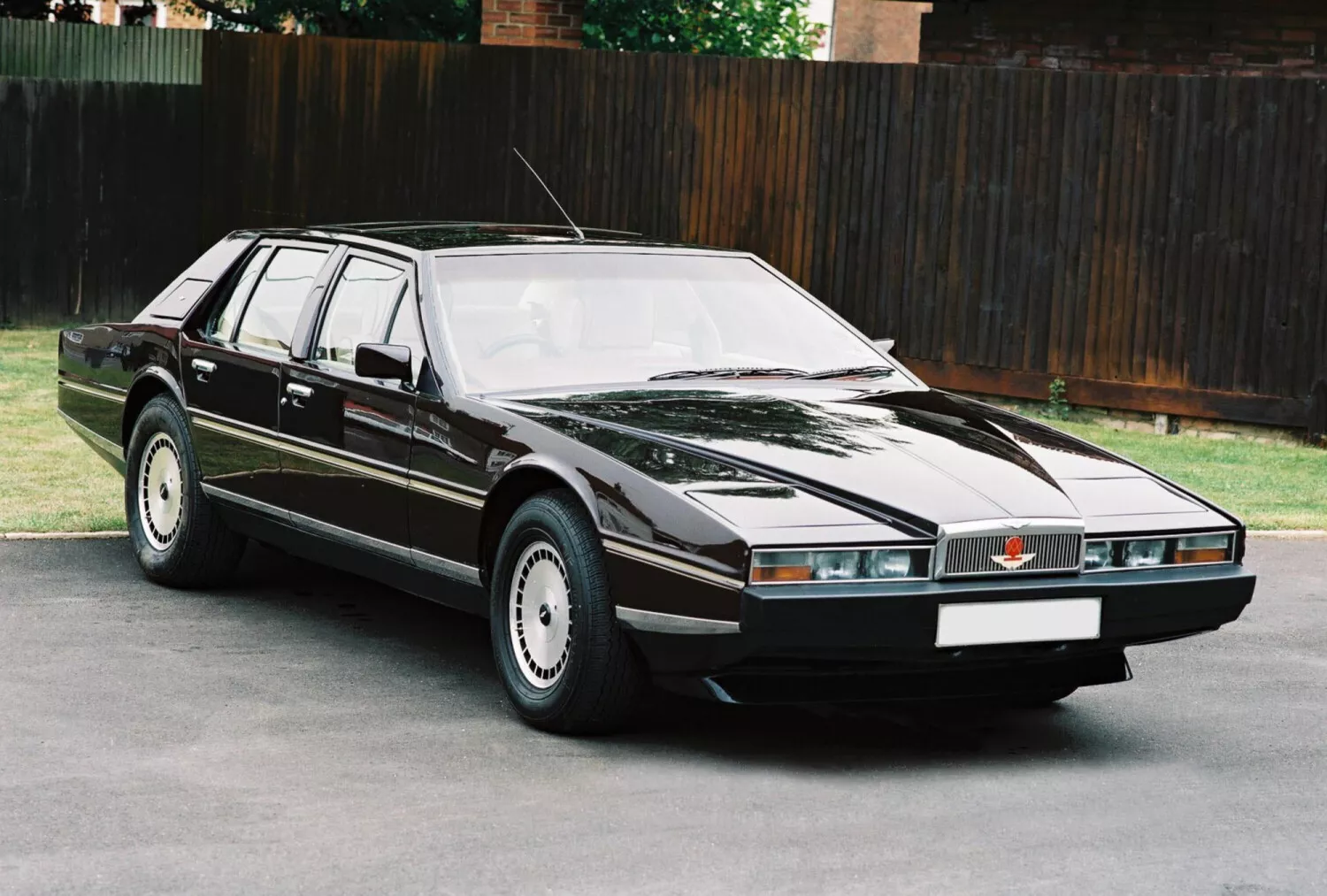
The reason is maximum contrast. Every scratch appears as a light line against the dark paint. Every spec of dust is visible. Swirl marks from improper washing show up like spider webs in direct sunlight. Water spots etch into the paint and remain visible long after the water dries.
Black cars look absolutely stunning for about twenty minutes after a proper detail. Then you drive it, park it outside, or even just look at it wrong, and imperfections appear. Owners of black cars joke that the car is dirty before you even finish washing it. This is not far from the truth.
If you absolutely must have a black car, be prepared for serious maintenance commitment. You will need to wash it frequently, at least weekly if you want it to look good. You will need to learn proper washing techniques to minimize swirl marks. Paint correction and polishing become necessary more often than with other colors.
The payoff is that nothing looks quite as sleek and dramatic as a perfectly maintained black car. But maintaining that perfection is a never-ending battle.
Dark Blue and Dark Gray: Almost as Bad as Black
Dark blue and dark gray are only marginally better than black when it comes to showing imperfections. They have the same issues with high contrast making scratches and dirt obvious, just slightly less extreme.
Dark metallic blues are particularly troublesome because the metallic flake in the paint can make swirl marks and scratches even more visible under certain lighting conditions. The sparkle draws your eye directly to imperfections.
Charcoal and dark gray have become trendy in recent years, and they do look sophisticated and modern. But they require nearly as much maintenance as black to look their best. Dust shows clearly, scratches are obvious, and keeping them looking good is a constant effort.
Bright Red: Scratches and Fading Issues
Red occupies a middle ground for scratch visibility. It is not as bad as black, but it is not great either. Scratches show up as lighter lines against the red, creating noticeable contrast.
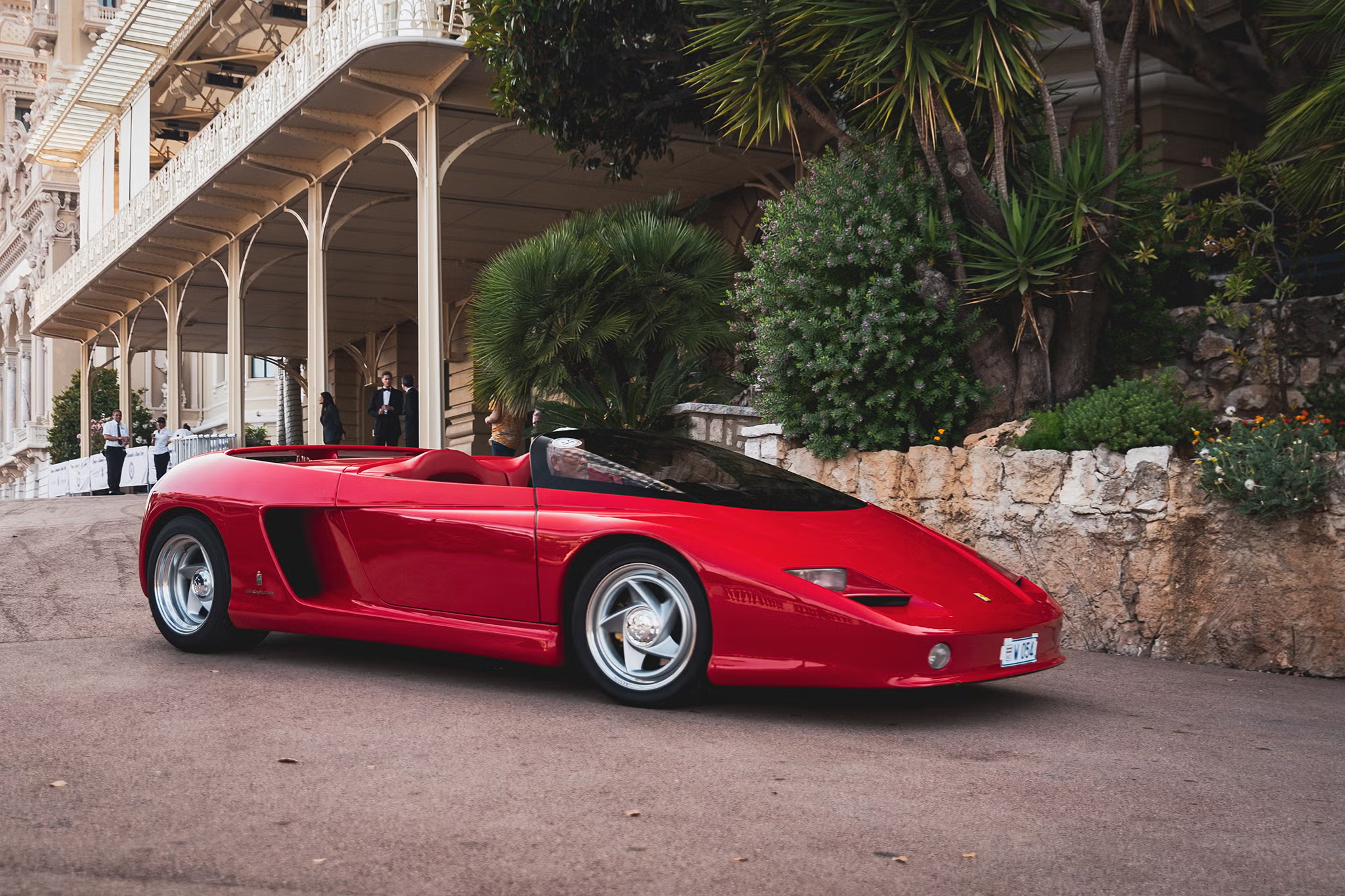
Red has an additional problem that other colors do not face to the same degree. It fades faster than almost any other color. The pigments used in red paint are particularly susceptible to UV damage. A red car parked outside in sunny climates will noticeably fade within just a few years, developing a pinkish or orangish tone that looks cheap and worn.
This fading happens unevenly. Horizontal surfaces like the hood, roof, and trunk fade faster than vertical panels. This creates a two-tone effect where the hood is noticeably lighter than the doors, which looks terrible.
Red does have one advantage. It hides some types of dirt reasonably well, particularly reddish dust common in certain regions. But the scratch visibility and fading issues make it a higher-maintenance color overall.
Green: Uncommon and Problematic
Green is not particularly common on modern vehicles, which tells you something right there. Most greens show scratches clearly due to contrast, and dirt is quite visible on most green tones.
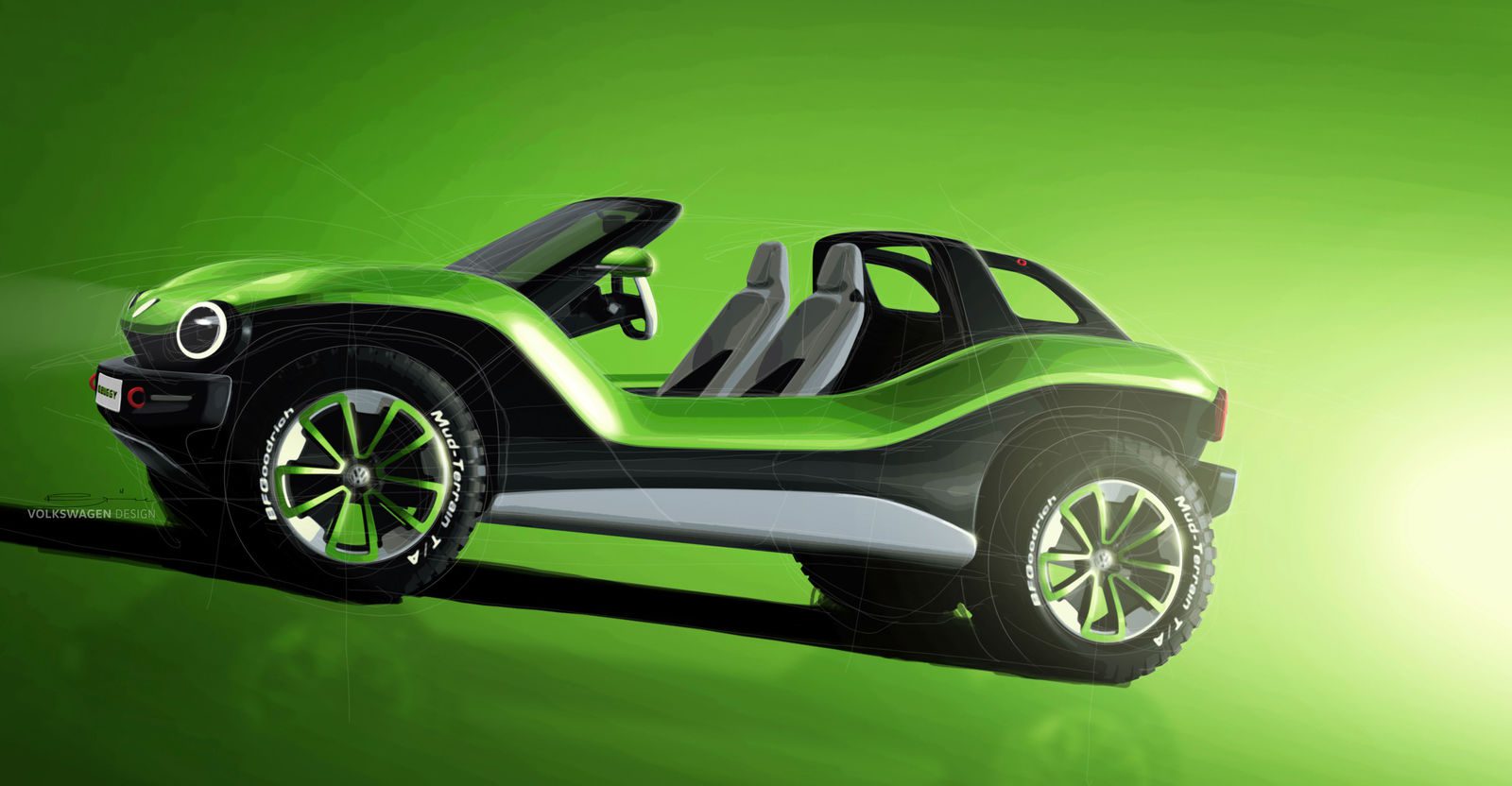
Darker greens like British racing green or dark forest green have the same problems as other dark colors with high scratch visibility. Lighter greens tend to show dirt more than earth tones while not hiding scratches as well as silver.
Some military-inspired greens like olive drab actually hide dirt fairly well because they closely match certain types of dust and grime. But these colors are uncommon and not to everyone’s taste.
Special Paint Types and How They Perform
Beyond just color, the type of paint finish affects how well it hides or shows imperfections. Let us break down the main categories.
Metallic Paint: A Double-Edged Sword
Metallic paint contains tiny flakes of metal suspended in the paint, giving it a sparkly appearance and depth. This can help hide minor scratches by creating visual complexity that distracts the eye. The multiple layers of reflection from the metallic flakes can mask small imperfections.
However, metallic paint can also make swirl marks more visible under certain lighting. The metal flakes catch and reflect light, which can highlight circular scratch patterns created by improper washing.
The net effect depends on the base color. Metallic silver is excellent at hiding scratches. Metallic black is still terrible. The metallic component helps, but it cannot overcome the fundamental visibility issues with dark colors.
Pearl and Pearlescent Finishes
Pearl paint uses mica particles instead of metal flakes, creating a softer, more iridescent appearance. The color seems to shift and change depending on viewing angle and lighting.
This complexity helps hide minor imperfections because there is so much visual interest happening with the paint itself. Your eye focuses on the color-shifting effect rather than small scratches.
The downside is cost. Pearl finishes are expensive, both for the initial paint and for any future repairs or touch-ups. Matching pearl paint is challenging and requires skill, making body work more expensive.
Matte Paint: Unique But High-Maintenance
Matte paint has become trendy on performance and luxury vehicles. It creates a unique, non-reflective appearance that definitely stands out.
Matte paint is actually worse at hiding scratches than gloss paint because you cannot polish or buff matte finishes. Any scratch is permanent until you repaint. The non-reflective surface also shows fingerprints, smudges, and certain types of dirt more readily than gloss finishes.
Matte paint requires specialized cleaning products and techniques. You cannot use wax or most detailing products designed for gloss paint. Maintaining matte finishes properly is expensive and time-consuming.
If you want low-maintenance paint, avoid matte finishes. They are purely for people who prioritize unique appearance over practicality.
Real-World Factors That Matter Beyond Color
Color is important, but other factors affect how well your car hides wear and tear. Understanding these helps you make a fully informed decision.
Paint Quality Matters Enormously
A high-quality paint job in black can actually hold up better than cheap paint in silver. Modern factory paint from premium manufacturers includes UV inhibitors, hardeners, and thick clear coats that resist scratching and fading.
Economy cars sometimes use single-stage paint or thin clear coat to save money. This paint scratches more easily and fades faster regardless of color. A budget car in silver will still hide scratches better than a budget car in black, but premium paint on any color looks better longer.
If you are buying used, inspect the paint quality carefully. Cheap resprays and touch-ups often do not match the durability of factory paint. A car that has been repainted might look great initially but could develop problems quickly.
Your Environment Changes Everything
Where you live and park your car dramatically affects which colors make sense. In dusty desert climates, earth tones and silver are godsends. In areas with heavy tree pollen, lighter colors show the yellow-green pollen less than dark colors.
If you park outside in direct sun every day, avoid reds and other colors prone to fading. If you park in a garage and rarely expose the car to harsh conditions, color choice matters less for longevity.
Areas with harsh winters where roads are salted heavily are tough on all paint. Salt and road grime create a film that shows on every color. White and light colors tend to show this winter grime more dramatically than medium tones.
Your Washing Habits Make or Break Appearance
The best color in the world will not save you if you wash your car improperly or not at all. Swirl marks and scratches come primarily from washing with dirty towels, using automated car washes with harsh brushes, or washing in direct sunlight.
Learn proper washing techniques regardless of your car’s color. Use the two-bucket method, high-quality microfiber towels, and gentle soap. Wash in shade and dry thoroughly to prevent water spots.
That said, some colors are far more forgiving of washing mistakes than others. Silver hides the swirls created by automated car washes much better than black. If you cannot commit to proper hand washing, choose a forgiving color.
Making Your Decision: Practical vs. Passionate
We have covered a lot of information. Now comes the hard part. How do you actually choose?
If practicality is your only concern, the answer is simple. Get silver, light gray, or a gold/champagne/tan tone depending on which you find least objectionable aesthetically. These colors minimize maintenance and always look reasonably good with minimal effort.
But most people do not buy cars based purely on practicality. You probably have colors you love and colors you hate. A car is a significant purchase that you will see every day for years. Choosing a color you actively dislike to save an hour of washing per month might not be worth it.
The key is finding the right balance. If you love the look of black but cannot commit to the maintenance, dark gray or charcoal gets you close to that aesthetic with less upkeep. If you want a blue car, lighter blues show less scratching than navy or dark blue.
Be honest with yourself about your lifestyle and habits. If you wash your car twice a year whether it needs it or not, choosing a high-maintenance color will just lead to frustration. If you enjoy detailing and take pride in a perfect finish, maybe black or dark blue is fine because you will put in the work.
Consider how long you plan to keep the car. If you lease or trade every three years, fading and long-term wear matter less. Choose what you like. If you plan to drive this car for a decade, durability and aging characteristics become much more important.
Special Situations and Specific Vehicles
Certain types of vehicles have color considerations worth mentioning separately.
Work trucks and commercial vehicles benefit enormously from practical colors. Silver, white, and tan hide the abuse these vehicles take. A landscaping truck in black looks filthy constantly. The same truck in tan can work all day and still look presentable.
Off-road vehicles face similar considerations. Mud, dust, and trail pinstripes are inevitable. Earth tones and medium colors hide this damage much better than black or white. There is a reason military vehicles are olive drab and tan, these colors camouflage dirt and damage.
Sports cars and performance vehicles are different. People buy these for emotion and passion, not practicality. If you want a red Ferrari or yellow Corvette, get it. You are not buying that car to save money on car washes. The maintenance is part of the ownership experience.
Family vehicles like minivans and SUVs benefit from practical colors because they see heavy use, kid abuse, grocery hauling, and generally rough treatment. A silver or champagne minivan handles family life better than black.
The Long-Term Reality of Color Choice
Let me share some real-world observations from years of watching how different colored cars age and wear.
Silver and light gray cars consistently look better as they age than almost any other color. Ten-year-old silver cars with mediocre maintenance still look acceptable. Ten-year-old black cars with the same care look rough.
Red cars fade dramatically, and owners are often disappointed by how quickly their vibrant red becomes dull pink. This happens even with garage parking and regular washing. The chemistry of red pigment just breaks down faster under UV exposure.
White ages reasonably well except on lower-quality paint where yellowing occurs. Modern premium white paints hold up much better than cheaper white finishes.
Earth tones like tan and brown age gracefully because fading is less noticeable. These colors can fade significantly and still look fine because the faded version is just a slightly lighter shade of the same color.
Black never stops being high-maintenance. A fifteen-year-old black car requires just as much work to look good as a new one, maybe more because the paint has accumulated years of swirls and imperfections.
Protecting Whatever Color You Choose
Regardless of which color you ultimately choose, protecting the paint extends its life and keeps it looking better. Here are the most effective protection strategies.
Paint protection film on high-impact areas like the front bumper, hood edge, and mirror backs prevents rock chips and scratches. This is particularly valuable on dark colors where chips are very visible.
Ceramic coating provides a hard, protective layer over the paint that resists scratching, makes washing easier, and adds depth to the color. This benefits every color but is especially worthwhile on high-maintenance colors like black.
Regular waxing or sealing protects paint from UV damage and environmental contaminants. This is particularly important for reds and other colors prone to fading.
Garage parking when possible dramatically extends paint life for any color. UV exposure is one of the biggest enemies of automotive paint. A garaged car ages much more slowly than one parked outside constantly.
Proper washing technique prevents the swirls and scratches that make dark colors look bad. Learn to wash correctly and your car will look better regardless of color.
The Bottom Line on Color Choice
If there is one takeaway from this entire discussion, it is this. Silver and light gray are objectively the best colors for hiding scratches, dirt, and imperfections while requiring minimal maintenance. This is not opinion, it is physics and how human vision works.
Black and dark colors are objectively the worst for showing every flaw and requiring constant upkeep to look good. Again, this is not subjective, it is measurable reality.
Everything else falls somewhere in between. Earth tones, golds, and champagnes hide dirt exceptionally well. White is good for scratches but shows certain dirt dramatically. Medium colors like medium blue or green split the difference.
But here is the thing. Knowing the practical answer does not mean you have to choose it. Cars are emotional purchases. If you absolutely love a certain color and are willing to accept the maintenance it requires, that is a valid choice. Just go in with your eyes open, understanding what you are signing up for.
The worst decision is choosing a high-maintenance color without understanding the commitment, then being frustrated when it looks terrible without constant care. If you choose black, commit to keeping it perfect or accept that it will look flawed. If you choose silver because it is practical but you hate how it looks, you will resent your car every time you see it.
Find your personal balance between practical and passionate. Maybe that is silver because you value practicality. Maybe that is red because you love red and accept the maintenance and fading. Maybe that is white as a compromise between excitement and practicality. There is no universal right answer, only the right answer for your specific priorities, lifestyle, and preferences. The goal is making an informed choice you will be happy with for years, not discovering too late that you picked a color that drives you crazy every time you look at a scratch or layer of dust that would be invisible on a different shade.