
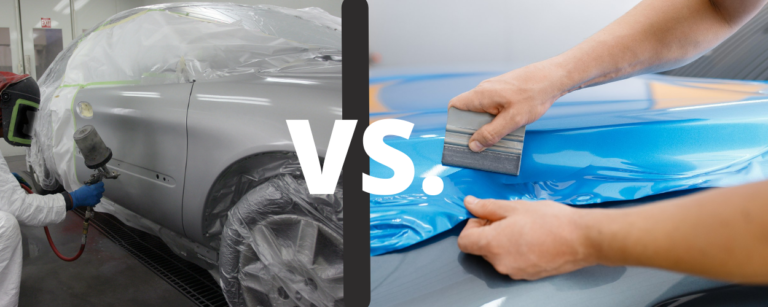
You have probably seen them on the road. Cars that look like they just rolled off a show room with perfectly smooth, flawless finishes in colors you would never expect. Maybe a matte black sports car, a chrome-wrapped luxury sedan, or a business van covered in eye-catching graphics. Chances are, you were not looking at paint. You were looking at a vehicle wrap.
Car wrapping has exploded in popularity over the past decade, and for good reason. It offers a way to completely transform your vehicle’s appearance without the permanence, cost, and hassle of a traditional paint job. But like anything automotive, there is a lot more to it than just slapping some vinyl on your car and calling it a day.
In this comprehensive guide, I am going to walk you through everything you need to know about car wrapping. We will cover what it actually is, why people do it, the different types available, how much it costs, how long it lasts, and whether it is the right choice for your situation. By the end, you will have all the information you need to decide if wrapping is right for your vehicle.
What Exactly Is Car Wrapping?
Car wrapping is the process of applying large sheets of vinyl film over your vehicle’s painted surfaces. Think of it like applying a giant, super-high-quality sticker to your car. The vinyl adheres to the paint and body panels, completely changing the appearance of the vehicle without actually painting anything.
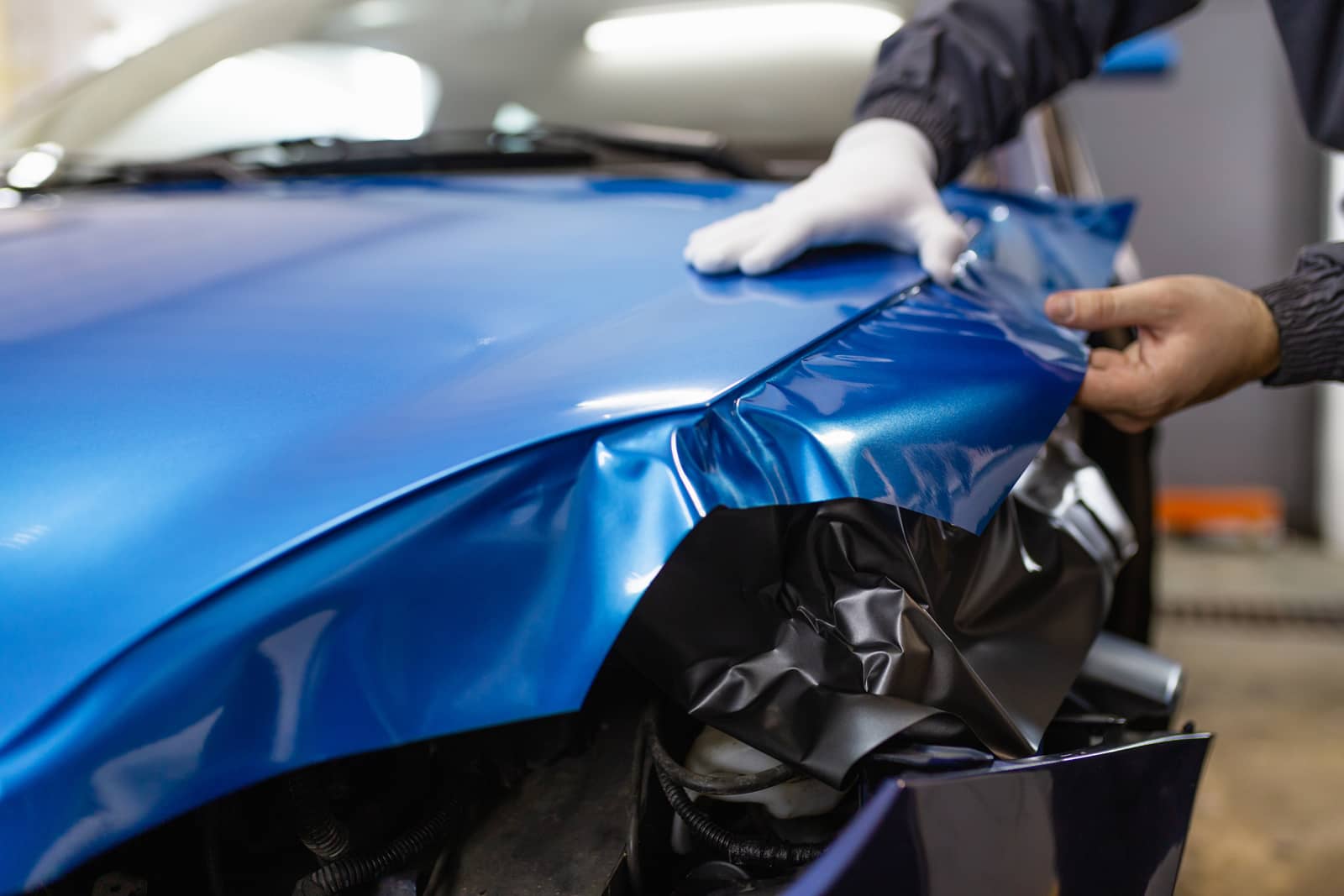
The vinyl used for wrapping is not the same stuff you use for bumper stickers or window decals. This is specialized automotive vinyl designed specifically for this purpose. It is thick enough to be durable and provide some protection, but thin and flexible enough to conform to complex curves, body lines, and contours.
The process involves carefully cleaning and prepping the vehicle, then precisely cutting and applying the vinyl to each panel. Professionals use heat guns and specialized tools to stretch the vinyl around curves, work out air bubbles, and ensure perfect adhesion to the surface.
Wraps can cover the entire vehicle, which is called a full wrap, or just portions of it, called a partial wrap. You might wrap just the hood, roof, and trunk for a two-tone look. Or maybe just add racing stripes or accent colors to certain panels. The flexibility is one of the big advantages of wrapping compared to paint.
Why Do People Wrap Their Cars?
There are several good reasons why someone might choose to wrap their vehicle instead of painting it or leaving it as-is. Understanding these motivations helps you figure out if wrapping makes sense for your situation.
Changing the Color Without Permanent Commitment
This is probably the most common reason. You want your car to be a different color, but you do not want to paint it. Maybe you love your car but hate the boring silver it came in from the factory. A wrap lets you change it to whatever color you want, and if you get tired of that color in a few years, you can just remove the wrap and either go back to the original paint or apply a different wrap.
This is especially appealing for people who lease vehicles. You cannot permanently modify a leased car, but a wrap can be removed at the end of the lease with no damage to the original paint, assuming it was applied properly.
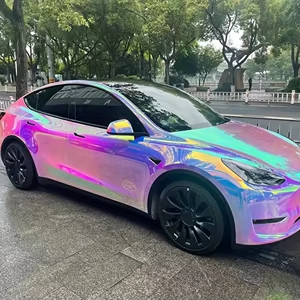
The color options with wraps are virtually unlimited. Gloss, matte, satin, metallic, chrome, color-shifting, textured finishes like carbon fiber or brushed metal, you name it. Some of these finishes would be extremely expensive or even impossible to achieve with traditional paint.
Protecting the Original Paint
High-quality vinyl wrap actually protects the paint underneath from minor scratches, stone chips, UV damage, and environmental contaminants. This is why some people wrap brand new vehicles in clear protective film, sometimes called paint protection film or PPF.
If you plan to keep your car for a long time and want to preserve the original paint in pristine condition, a wrap provides a sacrificial layer. When the wrap eventually wears out or gets damaged, you remove it and the original paint underneath is still perfect.
This paint protection aspect is particularly valuable for expensive or collectible vehicles where maintaining original paint can significantly impact resale value. It is also popular with people who put a lot of highway miles on their cars and want to protect the front end from rock chips.
Covering Up Paint Damage
Got some scratches, faded paint, or minor damage you want to hide? A wrap can cover it up at a fraction of the cost of bodywork and repainting. This only works if the damage is relatively minor and the surface is still smooth. Deep scratches, dents, or rust need to be repaired before wrapping because the vinyl will conform to the surface and show every imperfection.
For a car with faded or oxidized paint that is otherwise in good shape, wrapping can restore a like-new appearance without the expense of a full respray. This is common with older vehicles where the clear coat has failed but the body is solid.
Business Advertising and Branding
Vehicle wraps are incredibly popular for business use. A wrapped company vehicle is essentially a mobile billboard that advertises your business everywhere you drive. Unlike other forms of advertising that you pay for monthly, you pay once for the wrap and it keeps working for years.
Studies show that vehicle wraps generate thousands of impressions per day in urban areas. People see your company name, logo, phone number, and services while stuck in traffic, at stop lights, and in parking lots. The return on investment can be significant for businesses that rely on local customers.
Fleet vehicles for plumbing companies, electricians, delivery services, and other businesses are commonly wrapped with company branding. Even a single vehicle used for business purposes benefits from the professional image and constant advertising a wrap provides.
Personal Expression and Customization
Some people just want their car to stand out and reflect their personality. A custom wrap lets you create something truly unique. Maybe you want your car to look like it is made of brushed aluminum, or covered in camouflage, or featuring custom graphics and artwork.
Car enthusiasts often wrap their vehicles in bold colors and finishes that would be impractical with paint. A matte purple Lamborghini or a chrome gold Mercedes certainly turns heads, and wrapping makes these wild looks achievable and reversible.
The Different Types of Vinyl Wrap Available
Not all wraps are created equal. The type of vinyl you choose affects the look, durability, cost, and how difficult it is to install. Here are the main categories.
Cast Vinyl: The Premium Choice
Cast vinyl is manufactured through a casting process that creates a thin, highly flexible film. This is the top-quality option used for full vehicle wraps. Cast vinyl conforms easily to complex curves and contours, making it ideal for wrapping entire cars with their various body lines and shapes.
The major advantage of cast vinyl is longevity. High-quality cast vinyl from manufacturers like 3M and Avery can last 5 to 7 years or even longer with proper care. The colors stay vibrant and the vinyl resists shrinking, cracking, and fading much better than cheaper alternatives.
Cast vinyl is more expensive than other types, but for a full vehicle wrap that you want to last, it is worth the investment. The material cost is higher and it typically requires professional installation due to the skill needed to work with it properly.
Calendared Vinyl: The Budget Option
Calendared vinyl is manufactured through a different process that creates a thicker, less flexible film. It is cheaper than cast vinyl but has significant drawbacks for full vehicle wraps.
The thickness and reduced flexibility make calendared vinyl harder to work with on complex curves. It tends to shrink more over time, which can cause the edges to lift and fail prematurely. The expected lifespan is typically 3 to 5 years, shorter than cast vinyl.
Calendared vinyl works fine for flat surfaces like fleet vehicle doors where you are just applying graphics or lettering. But for a full wrap with complex contours, cast vinyl is the better choice despite the higher cost.
Paint Protection Film: Clear and Protective
Paint protection film, often called PPF or clear bra, is a transparent urethane film applied specifically to protect paint. It is thicker than color vinyl and designed primarily for protection rather than appearance.
Modern PPF has self-healing properties. Minor scratches and swirl marks disappear when exposed to heat, either from the sun or from a heat gun. This keeps the film looking clear and new even after years of use.
PPF is commonly applied to high-impact areas like the front bumper, hood, fenders, mirrors, and door edges. These are the areas most likely to get rock chips and scratches from road debris. Full-vehicle PPF is available but extremely expensive, typically costing more than a quality paint job.
The main advantage of PPF over colored vinyl is superior protection. It absorbs impacts better and resists scratching more effectively. The disadvantage is cost. PPF is significantly more expensive per square foot than color wrap vinyl.
Specialty Finishes: Getting Creative
Beyond standard colors, wrap manufacturers offer all sorts of specialty finishes. Chrome and metallic wraps create a mirror-like shine. Matte and satin finishes provide a non-reflective look that is very popular right now. Color-shift or flip wraps change color depending on viewing angle and lighting.
Textured wraps mimic materials like carbon fiber, brushed metal, or leather. Printed wraps can feature custom graphics, patterns, or even photographic images. The possibilities are limited only by imagination and budget.
These specialty finishes typically cost more than standard colors and often require professional installation to look right. But they create looks that would be impossible or prohibitively expensive with traditional paint.
The Car Wrapping Process: What Actually Happens
Understanding how wrapping works helps you appreciate the skill involved and what to expect if you decide to wrap your vehicle.
Preparation Is Everything
Before any vinyl touches the car, extensive prep work is required. The vehicle must be thoroughly cleaned to remove all dirt, grease, wax, and contaminants. Professional installers typically wash the car, then use special cleaners and solvents to ensure the surface is completely clean.
Any trim, badges, door handles, and accessories that will not be wrapped usually get removed. This allows the vinyl to be tucked under edges for a cleaner, more professional look. Some installers wrap around these components, but removal provides better results.
Surface imperfections need attention before wrapping. Small scratches and swirls might be acceptable, but anything deep enough to feel with your fingernail will show through the vinyl. Dents need to be repaired. Rust must be treated. The vinyl will conform to whatever surface it is applied to, so that surface needs to be as smooth as possible.
Measuring and Cutting
Professional installers measure each panel and cut the vinyl slightly oversized. This extra material gets trimmed away during installation for precise fitment. Some companies use computer-aided design and cutting systems that create pre-cut kits for specific vehicle models, but custom cutting on-site is still common.
The installer plans out how to lay out the vinyl to minimize seams and ensure a cohesive look. On complex curves and areas, the vinyl might need to be cut into smaller sections that overlap slightly to allow for proper stretching and conforming.
Application and Heat Work
Applying the vinyl requires skill and patience. The installer removes the backing paper and carefully positions the vinyl on the panel. Using squeegees and heat guns, they work out air bubbles and stretch the vinyl to conform to the surface.
Heat is essential for wrapping. Warming the vinyl makes it pliable so it can stretch around curves, into recesses, and over edges. Too little heat and the vinyl will not conform properly. Too much heat can damage the vinyl or the paint underneath.
Working methodically from one section to another, the installer applies the vinyl, heats it, squeegees out bubbles, trims excess material, and tucks edges. Complex areas like bumpers with vents and curves require significant heat work and careful manipulation to get the vinyl to lay flat without wrinkles.
Finishing and Post-Heating
After all the vinyl is applied, the installer goes over the entire vehicle with heat to ensure proper adhesion and to set the vinyl in place. Edges get extra attention because these are the areas most likely to lift over time.
Removed components get reinstalled. The installer checks the entire wrap for any bubbles, wrinkles, or imperfections and addresses them. The vehicle should look smooth and flawless, like it was painted that color from the factory.
Professional installers typically recommend waiting 24 to 48 hours before washing the car to allow the adhesive to fully cure. Some also recommend avoiding automated car washes for the first week or two.
How Much Does Car Wrapping Cost?
This is the question everyone wants answered. The reality is that wrap costs vary significantly based on multiple factors.
Factors That Affect Wrap Pricing
Vehicle size is the biggest factor. Wrapping a compact car uses less material and takes less time than wrapping a full-size truck or SUV. A small coupe might cost $2,000 to $3,000 for a full wrap, while a large SUV could run $4,000 to $6,000 or more.
The type of vinyl dramatically affects cost. Basic gloss colors are the cheapest. Specialty finishes like chrome, color-shift, or textured wraps cost significantly more due to higher material costs. Paint protection film is the most expensive option per square foot.
Full wraps cost more than partial wraps, obviously, because they cover more area. But even partial wraps vary in price depending on what is being wrapped. A simple hood and roof wrap costs less than wrapping the entire front clip including bumper and fenders.
Labor costs vary by location and installer experience. Shops in major metropolitan areas charge more than those in smaller cities. Highly experienced installers who do show-quality work command premium prices compared to entry-level installers.
Vehicle complexity matters too. A car with lots of curves, body lines, vents, and trim is harder to wrap than a simple box-shaped vehicle. Exotic cars with complex bodywork can cost significantly more to wrap because of the additional time and skill required.
Typical Price Ranges
For a full wrap on a standard sedan using quality cast vinyl in a basic color, expect to pay $2,500 to $4,000. Compact cars might be slightly less, while mid-size SUVs run $3,500 to $5,000. Large trucks and full-size SUVs can easily hit $5,000 to $7,000.
Specialty finishes add to these base prices. Chrome wraps can add $1,000 to $2,000 or more to the cost. Color-shift and other premium finishes similarly increase the price. Custom printed wraps with graphics and designs cost more due to design time and printing expenses.
Partial wraps are more affordable. A basic roof wrap might cost $300 to $500. Hood wraps run $400 to $800. Racing stripes or accent pieces can be as low as $200 to $500 depending on complexity.
Paint protection film is the most expensive option. A full front-end PPF application including hood, fenders, bumper, and mirrors typically costs $1,500 to $3,000. Full-vehicle PPF can exceed $7,000 to $10,000 on larger vehicles.
These are rough estimates and actual prices vary significantly by location and specific circumstances. Always get quotes from multiple installers and make sure you understand exactly what is included in the quoted price.
How Long Does a Car Wrap Last?
Durability is a key consideration when deciding whether to wrap your vehicle. Nobody wants to spend thousands of dollars on something that falls apart in a year.
High-quality cast vinyl from reputable manufacturers like 3M, Avery Dennison, or Hexis typically lasts 5 to 7 years when properly installed and maintained. Some installers claim their wraps can last up to 10 years, but this is optimistic. Five to seven years is a realistic expectation for a well-done wrap.
Calendared vinyl has a shorter lifespan, typically 3 to 5 years. The material is less stable and tends to shrink and fade faster than cast vinyl. For a temporary application or a vehicle you will not keep long, calendared vinyl might be acceptable. For a long-term wrap, cast vinyl is worth the extra cost.
Paint protection film often lasts longer than color wraps, with 7 to 10 years being typical for quality products. The thicker material and UV-resistant properties help it hold up better over time.
These lifespan estimates assume proper care and maintenance. A wrap that is never washed, parked in direct sun constantly, and exposed to harsh weather will deteriorate faster. Conversely, a garaged vehicle that is hand-washed regularly might exceed the typical lifespan.
Caring for Your Wrapped Vehicle
Proper maintenance extends wrap life and keeps it looking good. The care requirements are not difficult, but they do differ from caring for painted surfaces.
Washing Your Wrapped Car
Hand washing is always the safest option for wrapped vehicles. Use a mild soap designed for automotive use and soft microfiber cloths or mitts. Avoid abrasive scrubbing and stiff brushes that can scratch or lift the vinyl.
Touchless automatic car washes are generally safe for wraps. The high-pressure water and gentle chemicals will not damage quality vinyl. However, avoid automatic washes with brushes. The brushes can catch edges of the vinyl and cause lifting, especially around door handles, mirrors, and trim.
Pressure washing is acceptable but use caution. Keep the nozzle at least a foot away from the surface and avoid blasting directly at seams and edges. High pressure at close range can lift vinyl edges or force water underneath the wrap.
Remove bird droppings, bug splatter, and tree sap as soon as possible. These contaminants can stain or damage vinyl if left on the surface for extended periods. Use warm water and mild soap to gently clean them off.
Protecting Your Wrap
Park in shade or a garage whenever possible. Constant UV exposure fades colors and degrades vinyl over time. While quality wrap vinyl has UV inhibitors, minimizing sun exposure extends its life.
Waxing is not necessary and some products can actually damage vinyl. If you want to add protection and shine, use products specifically designed for vinyl wraps. Many manufacturers make vinyl-safe detail sprays and sealants.
Avoid petroleum-based products, aggressive solvents, and abrasive polishes. These can damage the vinyl or strip away protective coatings. Stick to products labeled safe for vinyl or clear-coated surfaces.
Inspect the wrap regularly for lifting edges or damage. If you notice an edge starting to lift, have it professionally re-adhered before it gets worse. Small problems caught early are easy fixes. Ignored problems become expensive repairs.
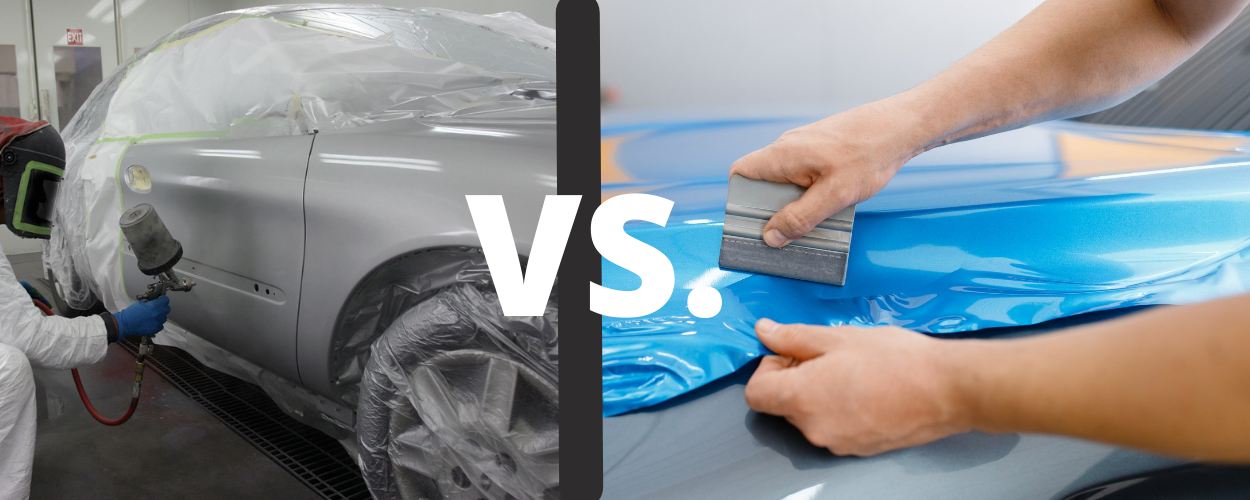
Wrapping vs. Painting: Making the Right Choice
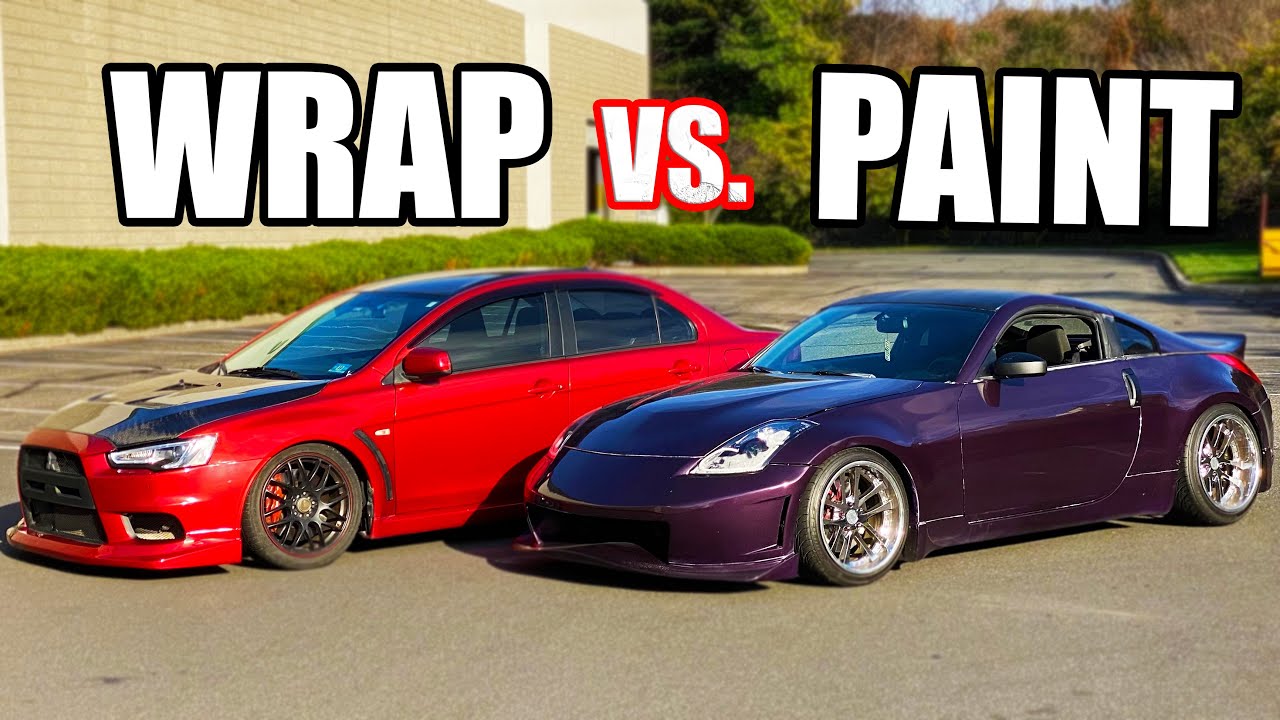
The wrap versus paint debate comes up constantly. Which option is better depends entirely on your situation, goals, and budget.
When Wrapping Makes More Sense
Wrapping is the better choice when you want a temporary change. If you might want to change colors again in a few years, or if you will be selling the car and want to return it to original condition, wrapping is ideal.
For unique finishes like matte, chrome, or color-shift, wrapping is usually much cheaper than achieving the same look with paint. Some of these finishes are nearly impossible with traditional paint or require extremely expensive specialty paints and processes.
If your original paint is in good condition and you want to preserve it, wrapping provides protection while changing the appearance. This is especially valuable for collectible or high-end vehicles where original paint affects value.
The speed of installation favors wrapping. A quality wrap can be completed in 1 to 3 days. A proper paint job requires a week or more when you factor in prep, painting, and curing time.
When Painting Makes More Sense
Paint is the better long-term solution. A quality paint job will last the life of the vehicle if properly maintained. Wraps need replacement every 5 to 7 years at best.
If the original paint is already damaged, faded, or failing, painting might be the only real option. Wraps cannot fix bad paint, they just cover it temporarily. Eventually, the wrap will need removal and you will still have bad paint underneath.
For a show car or restoration where perfection is the goal, paint typically looks better than vinyl. While modern wraps can look fantastic, trained eyes can usually spot the difference between quality paint and quality vinyl.
Paint allows for repairs. You can spot-repair painted panels if they get damaged. With a wrap, damage usually means replacing the entire panel’s worth of vinyl.
The Cost Comparison
This is where things get interesting. A basic single-stage paint job from a chain shop might cost $1,000 to $3,000. But this is low-quality work with minimal prep and cheap materials. It will not look great and will not last long.
A proper paint job from a quality body shop with good prep, quality paint, and clear coat typically costs $5,000 to $10,000 for a standard vehicle. Exotic colors, special finishes, or extensive bodywork can push this much higher, sometimes exceeding $20,000.
A quality full wrap typically costs $2,500 to $5,000 for most vehicles, which is less than a proper paint job. However, factor in that the wrap will need replacement in 5 to 7 years. Over a 10 to 15-year period, you might wrap the car twice while paint would still be fine.
When you run the numbers over the long term, paint and wrap end up costing similar amounts, just spread out differently. Wrapping costs less upfront but requires periodic replacement. Painting costs more initially but lasts much longer.
Can You Wrap a Car Yourself?
This question comes up a lot, especially from people trying to save money. The honest answer is yes, you can wrap your own car. But should you? That is a different question.
DIY wrapping is technically possible. You can buy vinyl, watch YouTube tutorials, and attempt it yourself. People do it successfully. But there is a massive difference between a DIY wrap and a professional installation.
The skill required to wrap a vehicle properly is significant. Working with heat, stretching vinyl around curves, eliminating bubbles, getting seams to line up perfectly, and tucking edges cleanly all take practice. Your first attempt will almost certainly have visible imperfections.
The tools required add up too. You need heat guns, quality squeegees, cutting tools, and ideally a climate-controlled workspace. Working outside or in a dusty garage leads to contamination and poor results.
Material waste is another consideration. When you mess up a section, that vinyl is wasted. Professionals can work more efficiently because of their experience. A DIYer might waste $500 worth of vinyl learning how to properly wrap a bumper.
If you are on a tight budget and willing to accept less-than-perfect results, DIY wrapping can work for simple projects. A roof wrap or hood stripes are more approachable for beginners than a full vehicle wrap.
For a full wrap that you want to look professional, paying an experienced installer is worth it. The difference in quality between amateur and professional work is immediately obvious. A bad DIY wrap looks cheap and can actually hurt your vehicle’s appearance rather than improve it.
Common Problems and How to Avoid Them
Understanding what can go wrong helps you avoid problems and know what to watch for.
Lifting and Peeling Edges
This is the most common wrap failure. Edges that were not properly adhered or sealed start to lift over time. Once lifting starts, it accelerates as water gets underneath and the adhesive loses grip.
Prevention comes down to proper installation. Edges need to be properly heated, pressed, and sealed. High-stress areas like door handles and mirrors require extra attention. Using quality vinyl with strong adhesive also helps.
If you notice lifting edges early, have them professionally re-adhered before the problem spreads. Once significant lifting occurs, that section of vinyl usually needs replacement.
Bubbles and Wrinkles
Small air bubbles are normal during installation and most will work out on their own within a few days as the vinyl settles. Larger bubbles or wrinkles indicate poor installation technique.
Professionals can sometimes fix small bubbles by carefully piercing the vinyl and working out the air. Large bubbles or wrinkles usually require removing and reapplying that section of vinyl.
Fading and Discoloration
All wraps will eventually fade from UV exposure. Quality vinyl resists fading much better than cheap material, but given enough time and sun exposure, colors will dull.
Parking in shade and garaging the vehicle when possible minimizes fading. Using vinyl-safe protectants with UV inhibitors also helps. When fading becomes noticeable, it is usually time to replace the wrap.
Adhesive Damage When Removing
This is a concern everyone has. Will removing the wrap damage the original paint? With quality vinyl properly installed on good paint, removal should not cause damage. The adhesive is designed to release cleanly when the vinyl is heated and pulled at the correct angle.
Problems occur when wraps are left on too long and the adhesive becomes too strong, or when cheap vinyl with aggressive adhesive is used. Wrapping over failing clear coat or weak paint can pull up the paint when the wrap is removed.
Have wraps professionally removed if you are concerned about potential damage. Professionals know the correct techniques and have the experience to minimize risk.
Legal Considerations and Registration Issues
Before you wrap your car in bright pink chrome, understand the legal implications. Requirements vary by location, so check your local laws.
Most areas require you to update your vehicle registration if you permanently change the color. With a wrap, this gets murky because it is technically not permanent. Some states require registration updates for wraps, others do not. Check with your local DMV.
Certain colors might be restricted. Some jurisdictions prohibit colors or finishes that resemble emergency vehicles. Chrome and highly reflective finishes might be illegal in some areas because they can create dangerous glare.
If you lease your vehicle, check your lease agreement before wrapping. Some leases prohibit modifications, though many allow wraps since they are removable and protect the original finish.
For business wraps, you might need permits for commercial advertising depending on local regulations. Most areas do not require permits for vehicle wraps, but some cities have specific requirements.

Is Wrapping Right for Your Car?
We have covered a lot of information. Let us bring it together to help you make a decision.
Wrapping makes the most sense if you want to change your vehicle’s appearance temporarily, protect the original paint, or achieve a finish that is difficult or expensive with traditional paint. It is ideal for people who get bored with the same color or who want the flexibility to change looks every few years.
The cost of wrapping is competitive with quality paint work in the short term, though paint wins over longer periods. If you keep cars for a decade or more and want a permanent solution, painting might be the better investment. If you trade vehicles every few years or lease, wrapping makes more sense.
Quality matters enormously with wrapping. Cheap vinyl and amateur installation look cheap and fail quickly. If you cannot afford quality materials and professional installation, you might be better off waiting until you can or considering alternatives.
Wrapping is not magic. It cannot fix deep scratches, dents, or failing paint. The vinyl will only look as good as the surface underneath. If your car needs bodywork, do that first or consider painting instead.
For business owners, vehicle wraps offer incredible advertising value that pays for itself through constant exposure. The investment makes sense purely from a marketing perspective, even before considering the aesthetic benefits.
At the end of the day, wrapping is a tool for changing and protecting your vehicle’s appearance. Like any tool, it works brilliantly when used properly for the right application. Understanding what wrapping can and cannot do, what it costs, and how to maintain it allows you to make an informed decision about whether it is the right choice for your situation and your vehicle.