
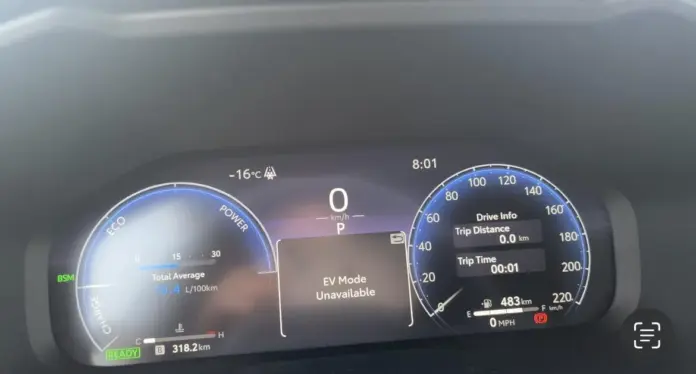
EV mode is one of the most appreciated features in a hybrid vehicle. When it works, it allows you to move quietly through neighborhoods, parking lots, stop-and-go traffic, and low-speed city streets without burning gasoline at all. For many drivers, that feels like the best part of hybrid ownership. It is efficient, quiet, smooth, and satisfying—especially when fuel prices rise and every little bit of savings matters.
So when EV mode suddenly refuses to activate, it can be frustrating. Many owners assume something is broken right away, but that is not always the case. In most situations, EV mode becomes unavailable because the car’s control system has decided that conditions are not right for electric-only operation. That decision is usually based on speed, battery condition, engine temperature, or a setting the driver may have changed without realizing it.
As a hybrid-system specialist, I can tell you that EV mode is not simply a button you press whenever you feel like driving on battery power. It is a carefully managed operating mode. The vehicle decides when it is safe, efficient, and practical to rely on the battery and electric motor alone. If the system believes the battery needs protection, the engine needs to warm up, or the driving demand is too high, EV mode will be restricted or disabled temporarily.
That does not mean the feature is useless. It means the feature is smarter and more protective than many drivers realize.
In this guide, I will explain the most common reasons EV mode may not be available, what each of those reasons means mechanically, when EV mode normally works best, and what you can do to improve the chances of using it more often. I will also explain the difference between normal EV mode limitations and actual battery-health concerns so you know when to relax and when to investigate further.
If your hybrid’s EV mode has stopped cooperating, this is what you need to know.
What EV Mode Actually Does in a Hybrid
Before diagnosing why EV mode is unavailable, it helps to understand what the system is designed to do. In a hybrid vehicle, EV mode allows the car to move using electric power from the hybrid battery instead of gasoline from the fuel tank. This usually works best at low speeds and under light load, where the electric motor can move the vehicle efficiently without needing support from the internal combustion engine.
That means EV mode is especially useful in places where speed is low and constant acceleration is not required. Think neighborhood driving, parking lots, slow-moving traffic, drive-through lines, or crowded city streets. These are conditions where the electric motor can do meaningful work without draining the battery too aggressively.
However, EV mode in a hybrid is not the same thing as driving a fully electric vehicle. A hybrid battery is much smaller than a battery in a dedicated EV, and the system is engineered to balance electric operation with gasoline operation carefully. The battery is there to support efficiency, reduce fuel use, and capture regenerative braking energy—not to replace the gasoline engine in every situation.
This distinction matters because many drivers expect EV mode to behave like an unlimited electric drive setting. It is not that. It is a controlled efficiency tool, and the vehicle decides when conditions support its use.
Why EV Mode May Not Be Working
When EV mode is unavailable, the reason usually falls into one of four categories. The car may be moving too fast. The engine and hybrid system may not be fully warmed up yet. The hybrid battery may be too weak, too cold, too hot, or simply not charged enough. Or the driver may have accidentally switched the mode off without realizing it.
These are the most common causes, and each one makes sense once you understand how the hybrid system protects itself.
1. You Are Driving Too Fast

The most common and least serious reason EV mode is unavailable is simple: the car is moving too fast.
Hybrid EV mode is not designed for high-speed cruising or aggressive acceleration. Most systems are programmed to allow electric-only movement mainly at lower speeds, often around neighborhood or city pace. In many vehicles, that means EV mode works best under roughly 25 to 30 mph, though the exact number varies by manufacturer and model.
Why is speed such a limiting factor? Because the electric motor and hybrid battery are intended to support efficiency, not replace the engine during high-demand driving. Once speed rises, the power needed to keep the car moving climbs quickly. Wind resistance increases, rolling demand changes, and battery draw becomes much heavier. At that point, it is more efficient and mechanically sensible for the gasoline engine to join in or take over.
Drivers sometimes imagine EV mode as a way to quietly glide down the freeway without using fuel. In a traditional hybrid, that is usually unrealistic. The system was not built for sustained high-speed battery-only travel. Instead, it was built to reduce fuel use in the specific driving conditions where electric propulsion is most efficient.
This is why EV mode often shines in very slow traffic. When you are crawling in congestion or moving around a neighborhood, the system can rely on electric power for short stretches and avoid wasting gasoline in conditions where the combustion engine would be least efficient. But once you push the car beyond its intended EV speed range, the mode will usually disengage or refuse to activate.
In other words, if EV mode is unavailable while you are driving too fast, that is not a problem. That is the system working as designed.
2. The Engine or Hybrid System Has Not Warmed Up Yet
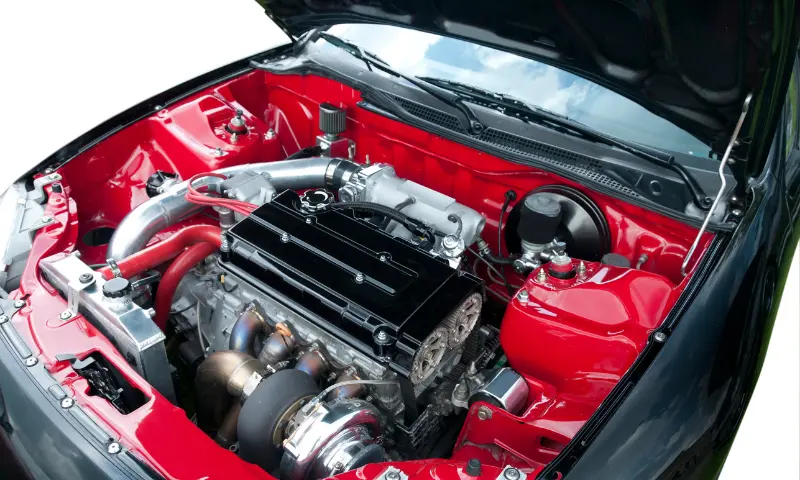
Another very common reason EV mode will not activate is that the engine and hybrid system are not warm enough yet. This confuses a lot of owners because they assume EV mode should be most useful right after startup. In reality, many hybrids prefer to complete a warm-up phase before allowing full or frequent EV operation.
The reason is not just about the engine. It is also about system efficiency, emissions control, cabin climate support, and battery management. When the car is first started, especially in cold weather, the gasoline engine may need to run briefly so it can warm up itself and other related components. This helps the vehicle meet emissions goals, provide heat to the cabin when needed, and make sure the hybrid system is operating in a temperature range it considers safe and efficient.
Some hybrids use heat pumps, some use engine-based heat support, and some blend multiple systems. The exact details vary by vehicle, but the principle is the same: a cold hybrid system often behaves more conservatively. It may use the engine first, then allow EV mode more freely once temperatures stabilize.
That is why short trips can make EV mode feel inconsistent. If you start the vehicle and only drive for a few minutes, the car may spend much of that time warming itself up rather than prioritizing electric-only operation. On a longer drive, especially after the initial warm-up phase is complete, EV mode may become available more often.
Owners sometimes call this “preconditioning” when they intentionally allow the hybrid to warm up or stabilize before expecting optimal EV behavior. While full preconditioning is more often discussed in plug-in hybrids and EVs, the concept still matters in regular hybrids: the system works best once it has reached the conditions it was designed for.
So if EV mode is unavailable right after starting the car on a cold morning, do not assume something is wrong. The hybrid may simply be taking care of its own warm-up priorities first.
3. The Battery Is No Longer as Strong as It Once Was
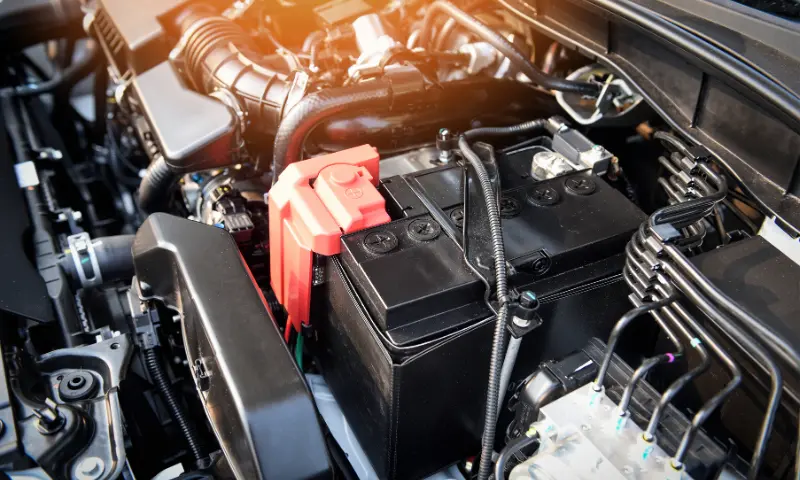
If EV mode has become noticeably less available over time, battery condition deserves serious attention. This is one of the most important long-term reasons hybrid owners begin noticing that the vehicle no longer behaves the way it once did.
Hybrid batteries do not fail all at once in most cases. More often, they lose performance gradually. Over time, the battery’s ability to store and deliver energy declines. That means the car becomes more cautious about relying on electric-only operation, because the battery no longer has the same reserve or confidence margin it had when new.
This does not necessarily mean the battery is dead. It means the battery may be aging enough that the hybrid system is adjusting its behavior. One of the ways it does that is by limiting EV mode more often. The vehicle protects the battery from deeper discharge, excessive strain, and conditions that could accelerate degradation further.
In the real world, many hybrid batteries remain useful well beyond 100,000 miles, but it is true that battery performance tends to become more noticeable after that point. Some manufacturers and owners report that around the 100,000-mile mark is where the first meaningful decline becomes easier to feel, especially in how often the car leans on battery-only driving. That is not a universal failure line, but it is a reasonable point to start paying more attention.
Battery replacement cost varies enormously by vehicle. In some cases, the pack itself may cost around $1,000 at the low end for certain remanufactured or smaller-unit solutions. In other cases, especially with larger, newer, or more specialized systems, total cost can rise to several thousand dollars once labor, testing, and compatibility work are included.
This is why a disappearing EV mode should not automatically trigger panic. A reduced EV mode frequency does not always mean immediate battery replacement is required. Battery state of charge, outside temperature, speed, and warm-up behavior still matter. But if the vehicle now almost never enters EV mode in situations where it used to do so easily, then battery aging becomes a strong suspect.
If that suspicion grows, a professional battery health evaluation is the smartest next step. Guessing at hybrid battery condition based on feel alone can be misleading.
4. You Accidentally Turned EV Mode Off
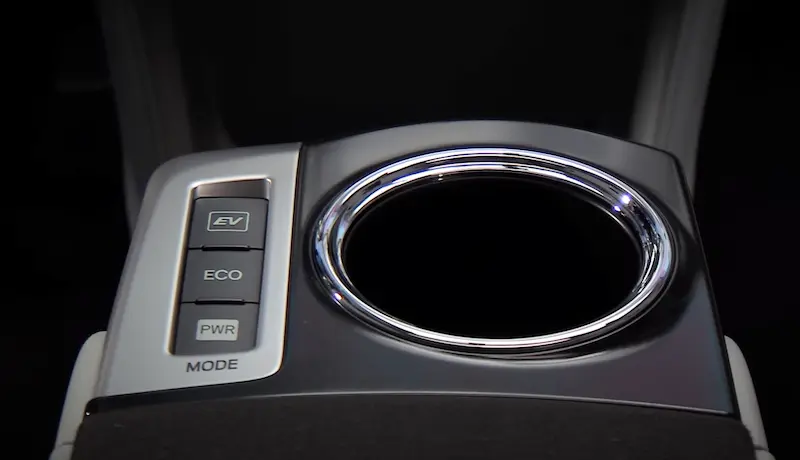
It happens more often than people admit. You brush a control with your elbow, hand, or knee while adjusting your seating position or reaching for something, and suddenly a driving mode has been changed without you realizing it. EV mode buttons are not always placed in obvious locations, and depending on the vehicle, they may sit near other controls on the dash, center console, or steering wheel area.
If your hybrid previously used EV mode normally and there are no warning lights, no battery concerns, and no environmental reasons for it to be unavailable, do not overlook the simple explanation: the setting may have been disabled manually.
Some cars place the EV mode button in the switch cluster near the driver’s knee. Others integrate it into the center console or the drive-mode controls. The exact location varies by manufacturer, and on some models the button is easy to hit by accident when entering or exiting the car.
The reason this problem matters so much is that it is also the easiest one to solve. If EV mode has simply been switched off, restoring it may take only one press of the correct button. But because many drivers assume the issue must be something more technical, they overlook this possibility entirely and start worrying about the battery or drivetrain unnecessarily.
That is why I always recommend starting with the basics. Before diagnosing a major hybrid problem, verify the settings. The most expensive assumptions are often built on the simplest oversights.
Other Less Obvious Reasons EV Mode May Be Unavailable
The four causes above are the most common, but they are not the only possible reasons. Hybrid systems also monitor many secondary conditions that can influence EV mode behavior. Depending on the vehicle, the system may reduce or disable EV mode when the battery charge is too low, when cabin heating or air conditioning demand is too high, when outside temperatures are extreme, when the vehicle is climbing steep grades, or when the driver is asking for more power than the electric motor can reasonably provide on its own.
Strong acceleration demand is a major one. Even if the car is moving slowly enough for EV mode, heavy throttle input often forces the engine to start. The system interprets that request as beyond what battery-only driving should support. Likewise, if the vehicle is parked on a hill or carrying a heavy load, it may decide engine assistance is the safer or more efficient path.
This is why some drivers feel like EV mode works “sometimes but not others” even when the speed is the same. The hybrid is weighing more than just speed. It is considering thermal state, battery state, driver demand, load, and system efficiency all at once.
In expert terms, hybrid EV mode is a conditional privilege, not an unrestricted right. The car grants it when the operating conditions make sense.
When Does EV Mode Normally Activate?
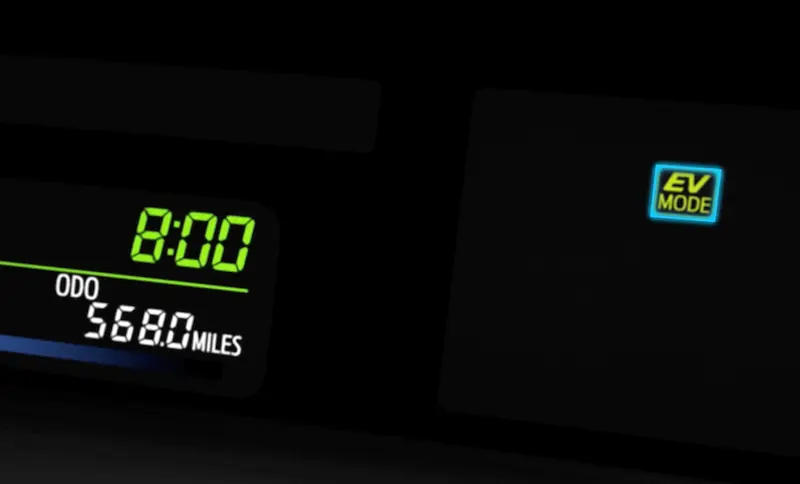
Once you understand why EV mode may not work, the next logical question is when it usually does. In a typical hybrid, EV mode activates most reliably when the vehicle is fully warmed up, moving at low speed, under light throttle, and working with a reasonably healthy battery charge.
That means the best EV-mode situations are usually:
- neighborhood driving
- parking lots and garages
- slow-moving city streets
- stop-and-go traffic
- light creeping in congestion
In many hybrids, that sweet spot is somewhere around 30 mph or less, though the exact upper speed limit depends on the vehicle and the system’s operating logic. Some cars may use EV mode briefly at slightly higher speeds under very light load. Others are stricter. But in general, EV mode is a low-speed efficiency feature, not a substitute for gasoline operation during normal highway travel.
Another major factor is engine and battery temperature. When the system is warmed up and stable, EV mode tends to become more available. That is why hybrid owners often notice better EV behavior after the car has been driven a little while rather than immediately from a cold start.
Battery charge also matters. If the hybrid battery has enough usable energy stored, the system is more willing to rely on it. If the battery state of charge is low, the engine will often remain active to preserve charge and system balance.
Throttle input is the final big condition. If you are smooth and gentle with the accelerator, EV mode has a much better chance of staying active. If you press hard, the system assumes you want stronger acceleration and brings the engine in.
Once drivers understand this pattern, they often begin changing their driving style naturally. They stop expecting EV mode during every part of the drive and start learning how to create the conditions where it works best. That not only makes the system feel less confusing, but also usually improves fuel economy overall.
How Driving Style Affects EV Mode More Than Most Owners Realize
One of the most useful lessons for any hybrid owner is that EV mode availability is influenced heavily by driving behavior. A hybrid system may be capable of using battery-only propulsion, but it also responds directly to what the driver asks of it. If you constantly request more acceleration than the electric motor is comfortable providing, the gasoline engine will step in more often, even if all the basic EV-mode conditions are otherwise acceptable.
Smooth throttle application is one of the most effective ways to increase EV usage. If you treat the accelerator gently, especially during takeoff and low-speed cruising, the car is more likely to stay in electric mode. If you jab at the pedal, accelerate aggressively between traffic lights, or surge repeatedly in stop-and-go traffic, EV mode becomes harder to maintain.
Braking style matters too. Hybrids recover energy through regenerative braking, which helps recharge the battery during deceleration. Gentle, anticipatory braking gives the system more opportunity to harvest energy smoothly. Hard, late braking may still recover some energy, but not as gracefully, and it tends to reflect a driving pattern that is less favorable to battery-only operation overall.
Route choice also plays a role. Flat, low-speed roads favor EV mode more than steep hills or repeated fast merges. Drivers who use hybrids mostly for urban commutes often see more EV-mode engagement than drivers who spend their time climbing grades or pushing hard onto highways.
In short, EV mode is partly mechanical and partly behavioral. The more you understand what the system likes, the more you can drive in a way that encourages it without forcing it.
How Hybrid Battery Age Changes EV Mode Behavior Over Time
Battery aging deserves more explanation because it is one of the most misunderstood parts of hybrid ownership. Owners often think in all-or-nothing terms: either the battery is fine, or it is dead. Real battery behavior is much more gradual than that.
A healthy hybrid battery stores and releases energy within a certain usable range. As it ages, that usable range usually shrinks. The system can still function, but it may become less willing to spend energy freely because the battery no longer has the same reserve. That means the control logic becomes more conservative. One of the easiest places for a driver to notice that conservatism is EV mode availability.
The battery may still accept regenerative charge. The car may still drive perfectly well as a hybrid. But the periods of pure electric driving may shorten, become less frequent, or disappear under conditions where they used to appear regularly. This is one reason a hybrid can still seem “fine” while also showing subtle signs that the battery is no longer as youthful as it once was.
Heat, age, mileage, and charging-discharge history all affect battery aging. Cars used in very hot climates may show battery decline faster than identical models in mild climates. Cars that spent years in heavy urban cycling may age differently than those used mostly for long-distance highway travel.
That is why the mileage number alone should not be treated like a prophecy. The often-mentioned 100,000-mile benchmark is useful as a rough ownership expectation, not a rule written in stone. Some hybrid batteries remain healthy well beyond that point. Others begin feeling weaker earlier depending on use and environment.
If EV mode loss is gradual and no warning lights are present, a professional battery health test can be extremely helpful. It gives you real data instead of guesswork and can help separate normal age-related decline from a developing battery problem that deserves more urgent attention.
What EV Mode Unavailability Does Not Always Mean
It is important not to jump straight from “EV mode is not available” to “the hybrid battery has failed.” That is one of the most common overreactions. In many cases, EV mode is unavailable for normal reasons: the vehicle is cold, the battery charge is low, the speed is too high, the cabin climate system is demanding too much, or the driver is simply asking for more power than EV mode is built to provide.
Likewise, a single trip without EV mode does not prove anything major is wrong. Patterns matter more than isolated moments. If EV mode disappears only on cold mornings but returns later, that is likely normal warm-up behavior. If EV mode disappears only on steep roads or with strong air-conditioning demand, that may also be normal. If it vanishes permanently in all conditions where it used to work, then your suspicion should rise.
In diagnosis, context is everything. Temporary unavailability is common. Permanent loss of normal EV behavior is what deserves closer investigation.
When You Should Worry and When You Shouldn’t
You probably should not worry if:
- EV mode is unavailable right after a cold start
- the car is moving too fast for normal EV operation
- you are using heavy throttle
- the battery charge is low after long use
- cabin heating or cooling demand is unusually high
- you accidentally switched the mode off and can restore it manually
You should start paying closer attention if:
- EV mode used to work frequently in certain conditions and now almost never does
- the battery warning system begins showing related messages
- fuel economy has dropped noticeably along with EV mode availability
- the car behaves strangely during transitions between gasoline and electric operation
- the hybrid battery is older and the pattern has been getting worse steadily
You should definitely seek diagnosis if:
- the vehicle displays hybrid system warnings
- the battery cooling system appears to be malfunctioning
- you notice severe performance changes along with loss of EV mode
- the system enters limp or failsafe behavior
Those distinctions matter because they keep you from turning normal hybrid behavior into unnecessary anxiety while still respecting signs of genuine trouble.
How to Improve the Chances of EV Mode Activating More Often
If your hybrid is healthy and you simply want to encourage more EV-mode operation, there are several realistic ways to do that. None of them involve tricking the system. They involve creating better conditions for it.
First, allow the car to warm up properly before expecting frequent EV activity. This is especially relevant in cold weather. Second, use smooth throttle inputs. Gentle acceleration keeps the system in its low-load comfort zone. Third, avoid unnecessary weight in the vehicle. Extra mass demands more power. Fourth, maintain proper tire pressure because rolling resistance affects how much work the electric system must do. Fifth, drive proactively. Anticipate traffic flow and brake gently so regenerative braking can do more useful work.
It also helps to avoid assuming EV mode is the only way to save fuel. Hybrids are designed to optimize the balance between engine and battery use even when the driver is not consciously focusing on mode selection. A car that uses its engine when needed and battery when efficient is still doing its job. Chasing EV mode constantly can become counterproductive if it leads to unnatural driving habits.
The best approach is to support the system, not fight it.
Final Thoughts
EV mode in a hybrid vehicle is one of the most rewarding features modern drivers can experience, especially in city traffic and low-speed daily use. But it is not always available on demand, and that is usually by design—not by failure. The most common reasons EV mode stops working are that the car is going too fast, the engine or hybrid system has not warmed up yet, the battery charge or battery health is not in the right condition, or the setting was turned off accidentally.
The most serious of those long-term causes is battery aging, but even that should be approached with perspective. A temporary lack of EV mode does not automatically mean the battery is dying. Patterns matter. Context matters. Temperature, speed, load, and driver demand all matter too.
If you want to get the most from EV mode, learn the conditions it prefers. Warm system, low speed, smooth throttle, healthy charge, and light demand. If the feature still refuses to appear under ideal conditions where it once worked easily, then battery health or system diagnosis becomes more important.
In the end, EV mode is best understood not as a permanent entitlement but as a smart efficiency function. Your hybrid decides when battery-only operation makes mechanical and economic sense. The better you understand that logic, the less confusing and more useful the system becomes.
And that understanding is what helps hybrid ownership feel clever instead of frustrating.

