
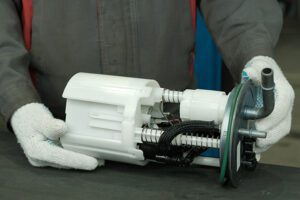

The typical time required to replace a fuel pump in most vehicles falls between 2 and 4 hours, though this can vary significantly depending on the car’s design, accessibility, and whether the tank needs to be dropped. On average, plan for 2 to 3 hours for a straightforward job performed by a skilled mechanic. This makes timely replacement crucial; your fuel pump is the unsung hero that keeps your engine humming smoothly, delivering a steady stream of gasoline from the tank to the combustion chambers. Without it functioning properly, even the most powerful engine becomes useless, turning your reliable ride into an expensive paperweight.
But what exactly goes into swapping out this vital component? Let’s dive deeper into the world of fuel pumps, exploring why they matter, where they’re hidden, associated costs, potential pitfalls after installation, warning signs of failure, and whether tackling the job yourself (or paying a pro) truly pays off. By understanding these details, you’ll be better equipped to keep your vehicle running efficiently and avoid unexpected breakdowns.
Why Replacing Your Fuel Pump Is Crucial for Vehicle Performance
Imagine your car’s fuel system as a finely tuned delivery network: the fuel pump serves as the reliable courier, constantly shuttling gasoline from the tank through fuel lines and filters straight to the engine’s injectors or carburetor (depending on your model’s era). This process enables the precise air-fuel mixture needed for combustion, powering your wheels forward or in reverse with seamless control.
Neglecting a failing pump doesn’t just inconvenience you; it can lead to complete engine shutdown, stranding you at the worst possible moment. Beyond propulsion, the pump acts as a frontline defender, incorporating a built-in strainer or filter that traps dirt, rust, sediment, and other contaminants lurking in the tank. Clean fuel reaches the engine, preventing injector clogs, corrosion, or premature wear on sensitive components.
Many modern fuel pumps also integrate the sending unit for your fuel gauge. This floating mechanism inside the tank measures fuel levels and relays accurate readings to your dashboard display. A malfunctioning pump can therefore distort your gas gauge, leaving you guessing whether you’re running on fumes or have plenty left.
Manufacturers typically recommend inspecting or replacing fuel pumps around the 100,000 to 150,000-mile mark for both electric (most common today) and older mechanical types. With diligent care, some units exceed 200,000 miles. One key longevity secret? Keep your tank at least a quarter full whenever possible. Fuel acts as a natural coolant and lubricant for the pump’s electric motor. Running the tank near empty exposes the pump to air, causing it to overheat, suffer thermal shock (especially after refilling a bone-dry tank), or even crack from inconsistent operation and dry running.
Low fuel levels force the pump to work harder against vacuum resistance, accelerating wear and reducing efficiency. Over time, this strain leads to inconsistent pressure, reduced performance, and eventual failure. By maintaining adequate fuel volume, you minimize heat buildup, ensure smoother operation, and extend the pump’s life; simple habits that pay big dividends in reliability and cost savings.
Locating the Fuel Pump: A Hidden Component in Modern Vehicles
In the vast majority of contemporary cars, trucks, and SUVs, the fuel pump is an in-tank electric unit, submerged directly inside the fuel tank for optimal cooling and quieter operation. This design positions it close to the fuel source, allowing it to push (rather than pull) gasoline through the lines toward the engine with consistent pressure.
Older vehicles or certain specialty applications might feature an external (in-line) pump mounted along the fuel line, often under the car near the tank or in the engine bay. However, in-tank setups dominate modern production due to their efficiency, reduced noise, and better heat management from constant fuel immersion.
Accessing an in-tank pump usually involves removing the rear seat or accessing a service panel in the trunk or cabin floor, though some models require dropping the entire fuel tank; a more labor-intensive process that extends repair time.
Breaking Down the Cost of a New Fuel Pump
Fuel pump replacement isn’t a one-size-fits-all expense; prices fluctuate based on your vehicle’s make, model year, engine size, and whether you’re sourcing OEM (original equipment manufacturer) or aftermarket parts. Recent estimates place the total cost; including parts and professional labor; typically between $1,000 and $1,500, though simpler jobs on accessible vehicles can dip lower (around $800–$1,200 in some cases).
Parts alone often range from $200 to $1,100, depending on complexity. Basic electric pumps might start around $100–$300, while integrated assemblies (including the sending unit, filter, and housing) for newer or luxury models push toward the higher end. Labor charges vary by region and shop rates but commonly fall between $200 and $600, reflecting 2–4 hours of work at $100–$150 per hour.
Additional variables include:
- Vehicle specifics: High-performance, luxury, or larger trucks demand pricier, more robust pumps.
- Assembly vs. standalone pump: Many modern designs require replacing the entire module (pump + sender + filter), increasing costs but ensuring compatibility.
- Timing and market factors: Prices evolve with manufacturing updates, supply chain issues, or tariffs on imported components.
- DIY savings: Handling it yourself cuts labor fees dramatically, though it requires tools, safety precautions, and mechanical know-how.
Always get multiple quotes from reputable shops, and consider warranties; quality aftermarket or OEM pumps often come with solid coverage.
Potential Issues After Fuel Pump Replacement
Replacing the fuel pump aims to restore peak performance, but errors during installation or using subpar parts can introduce new headaches. Poor workmanship or mismatched components often manifest as:
- Rough or erratic engine running ; Often from improper wiring connections. If harnesses aren’t securely attached or polarity is reversed, the pump may deliver inconsistent fuel, starving the engine and causing misfires, hesitation, or vibration.
- Hard starting or extended cranking ; Residual air in lines or insufficient initial pressure buildup creates vacuum resistance. The engine may crank longer before firing, especially if the pump doesn’t prime correctly.
- Complete pump failure post-install ; Leaks from loose fittings, damaged O-rings, or improper seating prevent pressure buildup. Contaminants dislodged during removal can also clog the new unit if the tank isn’t thoroughly cleaned.
- Inaccurate or erratic fuel gauge readings ; The integrated sending unit might not align properly or could be faulty. Many experts recommend replacing the entire assembly to avoid mismatched components leading to wildly fluctuating or stuck readings (e.g., always showing full or empty).
- Total gauge failure ; In severe cases, electrical issues or poor integration cause the dashboard fuel indicator to stop working entirely.
To minimize these risks, always pressure-test the system after installation, inspect for leaks, and ensure the tank is free of debris. Professional installation with proper tools and diagnostics often prevents these common post-replacement woes.
Recognizing When It’s Time for a Fuel Pump Replacement
Your fuel pump deserves regular attention like any critical car part. Routine visual checks can reveal early warning signs such as rust buildup, debris accumulation, or unusual odors. More telling are drivability issues: repeated hard starts, sudden stalling mid-drive, or the engine quitting unexpectedly.
Start diagnostics by inspecting the fuse box; look for blown or corroded fuses related to the fuel system. If fuses appear intact, connect a fuel pressure gauge to the test port (usually on the fuel rail). With the engine running, verify pressure matches your vehicle’s specifications (consult the service manual). Low or zero pressure points directly to a worn pump.
Additional red flags that scream “replace now” include:
- A persistent whining or humming noise from the fuel tank area (louder than normal).
- Engine sputtering, backfiring, or cracking sounds under load.
- Struggling to maintain speed or climb inclines (feels like power fades).
- Repeated difficulty starting, especially when hot.
- Unexpected surges or hesitation during acceleration.
- Noticeably worse fuel economy without other explanations.
- Inability to hold consistent highway speeds without jerking.
Catching these symptoms early prevents cascading damage, such as clogged injectors or catalytic converter issues from lean running.
[Image placeholder for “Is It Worth Replacing a Fuel Pump” remains as in original.]
Is Replacing the Fuel Pump Truly Worth It?
Absolutely; delaying replacement of a failing fuel pump risks total engine failure, leaving you immobile and facing towing fees or worse. A proactive swap restores smooth power delivery, improves fuel efficiency, and safeguards expensive downstream components.
For best results, entrust the job to a certified mechanic experienced with your vehicle type. They have the tools, lifts, and diagnostic equipment to handle tank drops, pressure tests, and leak checks efficiently while minimizing risks.
If you’re mechanically inclined and have the time, DIY is feasible with basic hand tools, a service manual, and safety gear (work in a well-ventilated area, disconnect the battery, relieve fuel pressure, and avoid sparks near gasoline). Follow manufacturer steps precisely; drain the tank if needed, access the pump, disconnect lines and electrical connectors, install the new unit with fresh seals/gaskets, reassemble, and test thoroughly.
While the process can feel daunting the first time (and labor-intensive on some models), a successful replacement typically takes 2 to 4 hours and delivers immediate benefits: reliable starts, steady performance, and peace of mind on the road.
In the end, treating your fuel pump with respect; through proper maintenance, timely replacement, and quality parts; ensures your vehicle remains dependable for years to come. Don’t wait for a roadside breakdown; address issues promptly and enjoy the drive.