
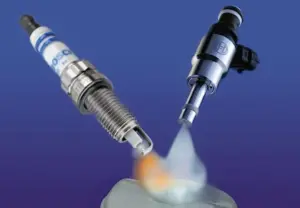

A faulty injector circuit is one of the classic triggers behind the OBD-II diagnostic trouble code P0200 (Injector Circuit Malfunction). In many vehicles, you may also see a cylinder-specific variation such as P0202, which typically points toward an injector circuit issue tied to a particular cylinder (often cylinder 2, depending on the manufacturer’s definition). While the exact wording can vary by brand, the underlying story is the same: the engine computer is no longer happy with what it’s seeing in the electrical circuit that controls one or more fuel injectors.
To understand why this matters, it helps to view the injector circuit the way a technician does. The fuel injector is not simply a “sprayer.” It’s an electromechanical valve. The injector circuit is the electrical pathway and control strategy that allows the injector to open and close at the correct time, for the correct duration, and with predictable consistency. In other words, the circuit helps monitor the injector while regulating how much fuel the injector delivers and when it sprays fuel into the system.
Table of Contents
When that control becomes unstable; because of wiring damage, corrosion in a connector, poor power supply, a failing injector coil, or even a problem inside the engine control electronics; the injector can’t deliver fuel correctly. That’s not just a performance issue. It can become a drivability problem, an emissions problem, and in the worst cases, an engine durability problem. A vehicle with an injector circuit fault may run rough, hesitate, misfire, stall, struggle to start, or illuminate the check engine light repeatedly; even after the code is cleared; until the root cause is addressed.
From an expert standpoint, the important takeaway is this: P0200/P0202 isn’t a “guess and replace” code. It’s an electrical circuit code. Sometimes the injector is truly defective, but a surprising number of P0200-type complaints are caused by harness issues, poor pin tension in a connector, short-to-ground, short-to-voltage, high resistance, or a driver issue inside the control module. The smartest repair is the one that confirms which piece is failing before money is spent.
The circuit is said to fail when it delivers low voltage or abnormal resistance feedback to the Engine Control Module (ECM); also commonly referred to as the Power Control Module (PCM) on many vehicles. When the ECM/PCM detects a reading that is out of the expected range, it interprets the condition as a malfunction. As a result, the ECM will detect an out-of-range sensor or circuit condition and store a fault code along with freeze frame data that captures what was happening at the moment the fault set.
Because modern engine management is data-driven, that freeze frame snapshot is extremely valuable. It may show engine load, RPM, coolant temperature, fuel trims, voltage, and more. Those details help you determine whether the code occurred at idle, under acceleration, when hot, when cold, or during a particular driving event. That’s why a thorough diagnosis is not only about “finding the bad part”; it’s also about understanding when and why the circuit failed.
In this guide, I’ll walk you through a professional-style diagnostic approach to injector circuit codes, explain how to test the injector and its wiring intelligently, and outline a safe, methodical process for replacing a fuel injector when replacement is truly the best fix. The goal is to keep the message easy to understand while still reflecting how an experienced technician would evaluate this problem in the real world.
How to Diagnose Failing Injector Circuit
Diagnosing injector circuit faults is all about separating three possibilities:
- The injector itself has an internal electrical or mechanical issue (coil resistance out of range, internal short, sticking pintle, etc.).
- The wiring/connectors between the injector and ECM/PCM are compromised (open circuit, short circuit, high resistance, corrosion, loose pins).
- The ECM/PCM injector driver (the transistorized control side that pulses the injector) is failing, or the system logic is being misled by a related electrical fault.
Before you begin any testing, prioritize safety. Fuel systems are pressurized, and injector rails often sit near hot engine components. If you’ll be disconnecting injector connectors or removing the fuel rail, allow the engine to cool and follow safe depressurization procedures. Also, be mindful that some tests require the engine to run, so keep clear of belts, fans, pulleys, and moving components.
Now, here is a structured diagnostic process that keeps you from skipping the basics or chasing the wrong component.
- Connect the diagnostic devices and run a check for the codes present. Make sure you store the freeze frame data linked to the codes.
- Clear the codes before attempting to fix the faulty injector circuit.
- The code that represents a malfunctioning injector circuit is the P0200 or P0202, depending on the vehicle.
- Head straight to detect the fault before carrying out any other tests, and there are several ways to do this.
- Remove the injector connector to access the injector. This way you can test with a solenoid a few things, including the injector resistance. We will also see if there are signals from the injector driver.
- If you don’t have access to the injector, you can check the wire from the PCM head straight to the fuse box, and look for a green and black wire.
- Disconnect power to the PCM. Get your multimeter to get the continuity and resistance of the wire circulating from the PCM to the connectors
- Take a comparison rating of the resistance from a new healthy injector.
Let’s expand on what those steps mean in practical, technician-friendly terms; because the difference between “checking a code” and “diagnosing a circuit” is the difference between an accurate fix and a repeat problem.
1) Scan for codes and save freeze frame data.
Start with a scan tool capable of reading engine codes at minimum. If you have access to enhanced data, even better. Document every stored and pending code, not only P0200/P0202. Misfire codes (P0300–P030x), lean/rich codes (P0171/P0172), and fuel trim irregularities can provide important context. Freeze frame data is your “crime scene photo”; don’t erase it without saving it.
2) Clear codes before you start repairs.
Clearing the code doesn’t fix the problem, but it helps you verify whether the fault returns immediately, under idle conditions, or only under load. Some injector circuit issues are intermittent (for example, a harness that opens only when the engine torques), and clearing the code helps you reproduce the fault more predictably.
3) Confirm the correct code family.
As stated, the code representing a malfunctioning injector circuit is often P0200 or P0202 depending on the vehicle. Many cars also use P0201, P0203, P0204, and so on for different cylinders. The diagnostic path is similar, but cylinder-specific codes allow you to compare a “suspect” cylinder to a “known good” one.
4) Detect the fault before you run unrelated tests.
That’s expert advice for a reason. Injector circuit faults are electrical. If you immediately start replacing spark plugs, coils, oxygen sensors, or fuel pumps without confirming the injector circuit integrity, you can spend a lot of money while the real fault remains untouched. A clean circuit diagnosis should happen early.
5) Unplug the injector connector and test.
Removing the injector connector gives you direct access to evaluate injector coil resistance and to check for driver signals. In practice, you will often use a multimeter (for resistance) and a noid light or scope (for signal). The phrase “test with a solenoid” is essentially pointing to testing the injector coil/solenoid action; the electrical winding that creates the magnetic field to open the injector.
6) If injector access is limited, trace wiring at the PCM and fuse box.
Real-world engine bays are tight. Some injectors are buried under intake manifolds or complex covers. If you cannot easily access the injector connector, you can still evaluate circuit integrity by following wiring paths. The note about finding a green and black wire from PCM to fuse box reflects a common strategy: identify the power feed and/or control wire color. Keep in mind wire colors vary by model and year, so the most reliable method is still the manufacturer wiring diagram.
7) Disconnect power to the PCM and check continuity/resistance.
This is critical. If you test resistance with the module powered, you can get false readings or risk damaging the meter or module. With PCM power disconnected, you can check the circuit for continuity from the PCM connector to the injector connector. You’re looking for opens (no continuity), shorts (unexpected continuity to ground or other circuits), and high resistance (poor connections or corrosion).
8) Compare injector resistance against a known good injector.
Comparison testing is a professional shortcut that works well. If cylinder 2 is flagged and cylinder 1 is healthy, compare their injector coil resistance values. A major difference is a clue. The comparison can also be made to a brand-new injector. This doesn’t replace manufacturer specifications, but it helps you identify outliers quickly.
After exhausting all the steps above and your rating is perfect go to the next step.
In other words, if the wiring checks out and the injector resistance is within a reasonable range; and yet the code persists; your next job is to confirm whether the injectors are receiving proper power supply and proper driver pulses under operating conditions.
- Reconnect the plugs and connectors to check for battery voltage for all injectors.
- Switch the ignition on to check the battery voltage at the injector points.
- Use your multimeter to measure the voltage and install the noid lights at each fuel injector, make sure the engine is running while carrying out the test.
- At this point, the injector circuit will show low voltage and that indicates that you’ll need to get deeper.
- Remove the intake and read the specifications from the owner’s manual. The injector resistance based on the manufacturer’s spec reading range should be between 11 ohms-13ohms.
- Make sure you tape off the ends of the injectors
Here’s how an experienced diagnostician interprets and applies those steps:
Reconnect plugs and verify power.
Many injector circuits are powered by a shared supply; often through a fuse and relay; while the ECM/PCM controls the ground side in pulses (injector “driver” control). With the key on (KOEO) you should typically see battery voltage present at the injector’s power feed terminal. If no injector has proper voltage, the issue is likely upstream: a blown fuse, faulty relay, broken power feed wire, or a shared connector problem. If only one injector lacks voltage, that suggests a local wiring/connector issue.
Key-on voltage check at injector points.
This is a foundational step. It tells you whether the circuit can supply power before you even ask the ECM to pulse the injector. Use backprobing techniques to avoid damaging connectors. If you pierce insulation, seal it afterward to prevent corrosion. Also, confirm battery health; low system voltage can create misleading results.
Use a multimeter and noid lights while the engine runs.
Noid lights are a simple but effective tool: they plug into the injector connector and flash when the ECM/PCM commands injector pulses. A steady light, no light, or an inconsistent flash pattern can point to driver issues or circuit faults. For more advanced diagnosis, an oscilloscope is even better, but noid lights are a practical starting point and align with the test method listed above.
If the circuit shows low voltage, go deeper.
Low voltage can mean many things: excessive resistance at a connector, a failing fuse contact, a corroded splice, voltage drop across a damaged wire, or poor ground strategy. This is where voltage drop testing under load becomes extremely valuable. Measuring voltage with no load can look “fine,” but under injector load the voltage may collapse due to high resistance. This is why technicians often prefer live testing with the engine running or with an active output test if the scan tool supports it.
Injector resistance specification (11–13 ohms).
The note about 11–13 ohms is a common range for certain port fuel injector designs, but it is not universal. Some injectors are high-impedance, others low-impedance. Direct injection systems can be different again. The right way to apply this step is exactly as stated: remove intake components if necessary, access the injectors, and cross-check the manufacturer’s specifications in the owner’s manual or service data. If the spec for your vehicle is 11–13 ohms, then a reading outside that range is a strong indicator that the injector coil is failing.
Tape off injector ends.
This is a practical safety/cleanliness step. When injectors are removed or disconnected, taping off the ends reduces contamination risk. Dirt entering an open fuel passage or intake port is the type of “small mistake” that can cause big follow-up problems. Keeping openings protected is a hallmark of clean, professional work.
At this stage, you should have enough evidence to decide whether you’re dealing with:
- A power feed issue (no/low voltage at all injectors or a single injector)
- A control/driver issue (noid light doesn’t pulse, inconsistent pulses, code returns quickly)
- An injector coil issue (resistance out of spec or inconsistent across cylinders)
- An intermittent harness fault (passes static tests but fails with vibration/heat)
If your diagnostic evidence points strongly to a defective injector, replacement is often the correct fix. If the evidence points toward wiring or ECM/PCM driver problems, you’ll want to address those before replacing injectors; because a brand-new injector won’t fix a broken circuit.
How Can I Replace Fuel Injector?
Here are a few steps to take off the bad fuel injector and replace it with a new one. Replacing a bad fuel injector is one of the common fixes for code P0200 (and for cylinder-specific injector circuit codes like P0202 when you’ve confirmed that injector or its immediate connector is the root issue). You’ll typically need a fuel injector puller, a flathead screwdriver, and a few other minor tools. Depending on the vehicle layout, you may also need new injector O-rings, a small amount of clean engine oil (to lubricate seals), shop towels, safety glasses, and potentially a torque wrench to tighten the fuel rail properly during reassembly.
As an expert precaution: fuel systems can hold pressure even after the engine is turned off. Always follow the proper method to relieve fuel pressure, and work in a well-ventilated area away from open flames or sparks. Keep a fire extinguisher rated for fuel fires within reach if you’re doing hands-on fuel work. These steps may sound cautious, but they reflect real-world safety practices.
To do this, take the following steps:
Step 1: Look over your injector system
Start by checking your car’s injector system. Study the entire system and plan your approach before you remove anything. On some engines, access is straightforward; on others, you may have to remove intake ducting, engine covers, throttle body piping, or even portions of the intake manifold. This is where reading the manufacturer’s specs in your owner’s manual (or service information if you have it) pays off. It helps you understand bolt locations, torque values, seal requirements, and fuel pressure relief procedures.
You should take the proper procedure to relieve the fuel system pressure to avoid damaging the injector system. Practically speaking, that may involve disabling the fuel pump and running the engine until it stalls, or using a service port (if equipped). Some vehicles require specific steps. If you skip depressurization, fuel can spray when lines are disconnected, creating a safety hazard and a mess. Also, before you proceed, disconnect the negative battery terminal where appropriate; especially if you’ll be unplugging multiple connectors or working near electrical junctions.
Finally, confirm you’re replacing the correct injector. If the code is P0202, verify cylinder numbering for your engine (it is not always intuitive). This small confirmation step prevents the costly mistake of replacing the wrong component.
Step 2: Pull out the fuel rail
Most cars’ fuel injector system features a fuel rail. The rail is essentially the distribution channel that supplies fuel to each injector at consistent pressure. First take the fuel rail off by disconnecting the fuel rail lines, screws, and bolts that connect the rail to the injector or intake assembly. Work methodically: label anything that could be confused during reassembly, and keep fasteners organized.
Some cars have wiring passed over the rail. Follow the right procedure to remove the wires. This matters because brittle connectors and aged harness clips can break easily. If you force wiring out of the way, you can create a new electrical problem while trying to fix an injector issue; exactly the kind of scenario that turns a simple repair into a frustrating week. Use gentle pressure, release locks correctly, and avoid pulling on wires directly (always pull at the connector housing).
As you lift the rail, do it evenly. Injectors are often seated with O-rings that can stick in the intake ports. Lifting one end aggressively can bend the rail or damage an injector seal. If the rail feels stuck, recheck for hidden bolts and carefully work it loose rather than prying aggressively against fragile components.
Step 3: Disconnect the fuel injector components
Now that the fuel delivery rail is out of the way (or at least loosened enough to access the injectors), the next thing is to disconnect the fuel injector fasteners and connectors. First, remove the fuel lines that are connected on top of each of the injectors if your design uses that layout. Many engines feed the injectors through the rail directly, but the instruction remains useful: identify and remove any fuel line or retention piece that prevents injector removal.
Then disconnect the fuel plugs that are fastened to the wiring harness by springy wires or retaining clips. You can remove the springy wires with a flathead screwdriver, as noted. Do this carefully: those clips can fly off and disappear into the engine bay, and some become brittle with heat cycling. A good professional habit is to cover the area with a shop towel while releasing clips, so they don’t launch into the unknown.
While you’re here, take a close look at the injector connector pins. If you see green corrosion, burnt discoloration, loose pin fitment, or damaged seals, address it now. Many injector circuit problems are not the injector itself; they’re the connection. A new injector won’t fix a connector that can’t carry current reliably.
Step 4: Yank the fuel injector
After pulling out the fuel injector fastening components, you’ll be face-to-face with the fuel injector itself. While there are several ways to yank the fuel injector, using a puller will be your best bet. It provides controlled force and reduces the chance of cracking plastic housings, damaging the injector body, or stressing nearby components. The objective is to remove the injector cleanly without scoring the bore or tearing up the sealing surfaces that the O-rings rely on.
Slip the injector puller under the lip of the injector casing. Allow the injector to pop out and sink gently into a hole inside the intake manifold (or out of its port, depending on engine design). Leave this hole open because you’ll need it to install the new injector.
Expert tip: once the injector is out, inspect the old O-rings. If an O-ring is torn, flattened, or missing a chunk, that’s a clue that sealing integrity was compromised. Also confirm that no old O-ring remained stuck in the intake port; this is a common cause of vacuum leaks or fuel seepage after reassembly if overlooked.
Also, keep the area clean. An open intake port is essentially a direct path into the engine. Any debris that falls in can become an internal problem. This is where the earlier note; “Make sure you tape off the ends of the injectors”; becomes part of a larger cleanliness strategy: tape or cover any openings that could be contaminated while you work.
Step 5: Install a new injector
Take off the old injector and install a new one. Don’t force the new injector into the open hole and follow the steps in reverse order.
To make installation go smoothly, confirm the replacement injector matches the original: correct part number, connector style, length, and O-ring configuration. Lightly lubricate new O-rings with clean engine oil (unless your manufacturer specifies otherwise). This reduces the chance of tearing an O-ring during insertion. Press the injector into place evenly until it seats properly. It should feel secure, not “halfway in.”
Reinstall the fuel rail carefully, ensuring all injectors align with their ports before tightening bolts. Tighten hardware according to the manufacturer’s sequence and torque values if available; over-tightening can distort components, while under-tightening can cause leaks. Once everything is reconnected, cycle the ignition key on and off a few times (without starting) to prime the fuel system, then inspect for leaks before starting the engine. After startup, watch for fuel smell, rough idle, or seepage around the injectors and rail.
Finally, clear any codes again and verify the repair with a test drive. If P0200/P0202 returns, it’s a signal that the injector may not have been the root cause, or that an additional issue (like wiring, connector damage, or PCM driver malfunction) is still present.
FAQs
Can I drive my car with a failing injector?
Yes, you can drive a car with a faulty injector, but for a limited distance. From a professional perspective, “limited distance” means only what is necessary to get the vehicle somewhere safe for diagnosis and repair. The reason is simple: an injector that is not metering fuel correctly can create chain reactions that damage other systems.
Driving on a malfunctioning injector can make the engine flood and the car stall. It can also cause a severe misfire that overheats the catalytic converter (especially if unburned fuel is entering the exhaust). Beyond that, it can lead to fuel pre-ignition, erratic combustion, poor fuel economy, and accelerated wear on vital parts. If the injector is stuck open, excess fuel can wash oil from cylinder walls, reducing lubrication and increasing wear. If the injector is stuck closed or not pulsing, that cylinder may run lean or not contribute power, creating imbalance and vibration. So yes, the car may move; but the longer you drive it, the more you gamble with expensive components.
In short: if you must drive, keep it short, avoid hard acceleration, and arrange repairs as soon as possible. A quick response to injector issues is usually far cheaper than dealing with collateral damage later.
What Code Does the Fuel Injector issue pop up?
There are a few issues that can flag the P0200 code. It could be an ECU problem (ECU/ECM/PCM terminology varies by brand), a short in the wiring, or a faulty injector circuit. Connection issues can also trigger the code, which is why inspecting injector plugs and harness routing is not optional; it’s essential.
There are several fixes to the code, and the correct fix depends on what testing proves. You can fix any connection issues, tighten loose wires and replace bad ones, or replace the ECM or PCM if a confirmed internal driver failure exists. Lastly, you can take off the fuel injector and replace it with a new one. The key is to follow the diagnostic steps above so you’re not replacing parts blindly. A clean diagnosis protects your budget and increases the chances of a one-and-done repair.
If you’re seeing P0202 specifically, the same logic applies; just with a sharper focus on the cylinder indicated by the code. Compare the suspect injector’s resistance and pulse behavior against a known good injector on another cylinder. That comparison often reveals whether you’re dealing with an injector coil problem or a circuit integrity problem.
The video above provides a helpful visual reference for diagnosing injector-related issues. Watching a real diagnostic process can make concepts like noid light testing, connector access, and fuel rail removal much easier to understand; especially if this is your first time working around injectors.
Final Thoughts
An injector circuit fault can cause a whole lot of damage to your vehicle, especially if you ignore it and continue driving as if nothing is wrong. Once the circuit gets bad, it’s time to fix it; because injector control is fundamental to how the engine runs, how efficiently it burns fuel, and how safely it manages emissions and exhaust temperatures.
You can diagnose as stated above, using a general test and/or manufacturer-specific ECM test. The best diagnostic strategy is the one that starts with freeze frame data and code confirmation, then moves through logical checks: injector resistance, connector condition, circuit continuity, voltage supply verification, and injector pulse confirmation with a noid light (or scope if available). This method helps you decide whether the injector is truly defective, the wiring is compromised, or the ECM/PCM driver needs professional attention.
Even if you need to drive with a failed fuel injector, don’t let the problem stay too long. Injector faults often create secondary damage; catalytic converter overheating, spark plug fouling, fuel dilution of oil, poor drivability, and unstable idle that can lead to stalling at inconvenient or unsafe times. A quick response to an auto issue is best for the health of your car and your finances, and it’s also the difference between a manageable repair and an expensive cascade of failures.
I hope you’ll find this article helpful. If you follow the steps carefully and keep your testing organized, you’ll not only address P0200/P0202 more effectively; you’ll also build a diagnostic mindset that helps with many other engine performance issues in the future.