
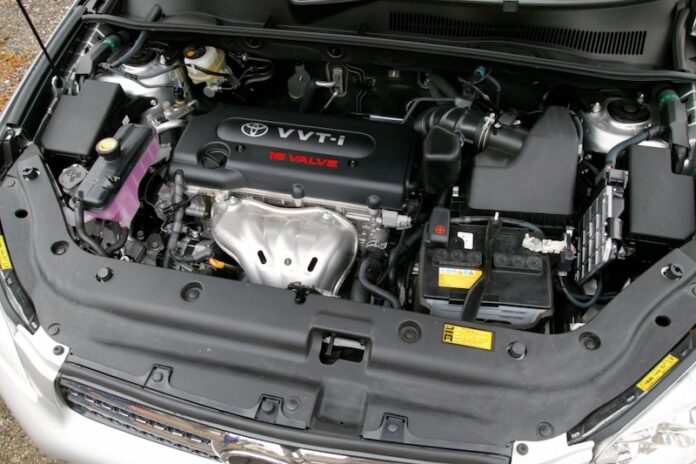

The Toyota 2.4L engine stands out as a powerhouse of reliability, smooth performance, effortless drivability, and exceptional longevity when properly cared for. Yet, like any mechanical workhorse, it has its share of known weak spots. Dive in with us as we uncover the most frequent issues plaguing the 2.4 liter Toyota engine, share straightforward remedies, and offer practical preventive care strategies to help you sidestep trouble and keep your engine running strong for the long haul.
SEE ALSO: Major Reasons car makers ditch the Carburetor
Toyota 2.4 Liter Engine Problems
Since its introduction in 2002, the 2.4-liter Toyota engine (commonly known as the 2AZ-FE) has powered a wide array of Toyota models. While it has earned a solid reputation overall, certain recurring issues have surfaced over the years. That said, experts and owners alike regard it as one of Toyota’s more dependable four-cylinder designs, especially when routine maintenance is prioritized, major failures remain rare and often manageable.
Let’s break down the primary trouble areas and explore effective ways to address them.
Weakened Cylinder Head Bolt Threads
One notable vulnerability involves the threads that secure the cylinder head bolts, particularly in earlier versions of the engine. When these threads weaken or strip; often in the rear bolts closest to the firewall, coolant can begin leaking externally or even into the combustion chambers via a compromised head gasket. This demands prompt attention to prevent catastrophic engine damage like warped components or hydrolock.
Fortunately, skilled DIY mechanics or professionals can tackle this repair. Specialized thread repair kits (such as Time-Sert or similar inserts) restore the threads effectively, though they come at a premium, typically ranging from $1000 to $1700 for parts alone. Costs climb higher if you also replace the head gasket or address related wear.
Burning Oil
Excessive oil consumption ranks as the most widespread complaint with the 2.4-liter Toyota engine. It often stems from piston ring design flaws, where low-tension rings allow oil to slip past into the combustion chamber, especially after the engine surpasses roughly 50,000 miles. In severe cases, owners report using up to a quart (about a liter) every 1,200 miles or less, a clear red flag.
Left unchecked, this can foul spark plugs, damage catalytic converters, and eventually lead to complete engine failure. Resolving it isn’t simple or inexpensive: the engine must be pulled, disassembled, fitted with upgraded pistons and rings (per Toyota’s later TSB recommendations), then rebuilt and reinstalled. Expect labor-intensive work that can total $5,000 to $7,000 or more, depending on shop rates and additional needs.
Engine Overheating
Overheating in a 2.4 Toyota engine can range from minor to serious. Sometimes, it’s as straightforward as low coolant levels, top it off and monitor. More often, it signals deeper cooling system concerns, such as a clogged radiator, faulty thermostat, leaking hoses, or even water pump wear.
Start by consulting a trusted mechanic for a thorough diagnostic. Optimistic outcomes include a quick thermostat swap or hose replacement (often under $200). However, if the issue escalates to a blown head gasket or failed radiator, repairs can exceed $1,500. Regular coolant flushes and inspections go a long way toward catching problems early.
Defective or Damaged Piston Rings
Piston rings play a critical role in sealing combustion pressure and controlling oil flow within the cylinders. Wear, carbon buildup, or manufacturing inconsistencies can cause them to lose effectiveness, leading to poor performance, blue exhaust smoke, foul odors from burning oil, and accelerated oil consumption.
If your Toyota starts smoking excessively or you detect burning oil smells, get it inspected immediately to limit further harm. Replacement piston rings themselves are affordable, usually under $200, but the labor to access and install them is substantial, often requiring 10+ hours of teardown and reassembly, which drives up the final bill considerably.
Redesigned 2.4 Liter Engine
Toyota rolled out meaningful updates to the 2.4-liter engine around 2008, incorporating refined camshaft profiles, an aluminum block with cast-iron liners for durability, improved combustion chamber geometry, piston oil squirters for better cooling, and enhanced variable valve timing. These changes boosted power and torque slightly while aiming to address some earlier shortcomings.
If you’re shopping for a replacement Toyota 2.4 engine for sale, prioritizing post-2008 units (or those verified to have received Toyota’s piston/ring updates under relevant service programs) can offer greater peace of mind.
Ultimately, no engine is flawless, but the 2.4-liter Toyota shines brightest with diligent upkeep. Stick to scheduled oil changes (using the recommended viscosity), monitor fluid levels regularly, address warning signs promptly, and treat it with respect, it rewards owners with years, even decades, of dependable service.