
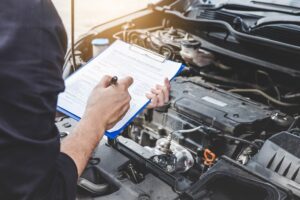

If you drive in Delaware, your car has to pass a vehicle inspection before it can be titled or registered. It’s not optional. The state checks both safety equipment and emissions to make sure your vehicle is roadworthy and isn’t pumping out more pollution than it should.
The good news? Delaware actually makes this fairly painless. The DMV performs inspections at their facilities at no cost. But you still need to show up prepared. Here’s everything you need to know to get through the process without a hitch.
What Delaware’s Vehicle Inspection Program Is All About
Why the State Requires Inspections
The purpose is straightforward: keep unsafe cars off the road and keep the air reasonably clean. Regular inspections catch problems like worn-out brakes, bald tires, or busted lights, the kind of stuff that causes accidents when it goes unchecked.
The emissions side targets air quality. Delaware tests vehicles to make sure they meet the National Ambient Air Quality Standard (NAAQS) for ozone. If your car is spewing more pollutants than allowed, you’ll need to fix it before it passes.
The Two Parts of Every Inspection
Your vehicle generally needs to pass both a safety inspection and an emissions test before it can be titled in Delaware. The Delaware Division of Motor Vehicles handles both at their facilities and again, there’s no charge.
The safety inspection covers the mechanical basics: brakes, tires, lights, seat belts, and other essential components. The emissions test checks your exhaust system to make sure your vehicle meets environmental standards.
One exception worth noting: if you’re buying a brand-new car from a dealer that has never been titled in any state, the dealer may provide a Delaware Application for Title (MV212A form) that exempts you from the initial inspection. So if you’re buying new, ask your dealer about this, it could save you a trip to the DMV.
What to Bring and How to Prepare
Documents You’ll Need at the Inspection
Don’t show up without your paperwork. You’ll need:
- Vehicle registration card – Proves your car is registered with the state.
- Proof of insurance – Required for the inspection.
- Registration renewal notice – If your current registration is about to expire, bring this along.
Make sure everything is current and easy to grab. Showing up with an expired insurance card or a registration that lapsed two months ago just means you’re coming back another day.
Get Your Car Ready Before You Go
A little preparation goes a long way. Walk around your car and check the obvious stuff before heading to the DMV:
- Lights – Test every single one. Headlights, taillights, brake lights, turn signals, license plate lights. They all need to work and be clean.
- Tires – Look for bulges, cuts, bald spots, or exposed fabric. Tread depth needs to be at least 2/32 inch.
- Exterior – No loose or missing parts. Make sure nothing’s hanging off or rattling around.
- Cleanliness – A clean car makes the inspection faster and easier for everyone involved.
If you have children under six, make sure their child restraint safety seats are properly installed. Delaware’s DMV enforces this strictly during inspections.
For more details, check the Vehicle Services Inspections page on the Delaware DMV website.
What the Safety Inspection Actually Checks
Brakes and Tires
Brakes are the first thing inspectors focus on. They’ll check for worn pads, proper operation, and any warning signs of failure. If you’ve been hearing squealing or grinding when you stop, get that addressed before the inspection, it’s almost certainly a fail.
Tires need at least 2/32 inch of tread depth with no balding, bulges, or visible fabric. Proper inflation matters too. Think of it this way: your tires are the only things connecting your car to the road. If they’re in bad shape, nothing else matters.
Lights and Signals
Every light on your car needs to function. Headlights, brake lights, turn signals, license plate lights, all of them. They also need to be properly aimed so you’re not blinding oncoming drivers.
A single burned-out bulb is enough to fail the safety check. It’s a $3 fix that takes two minutes. Don’t let something that simple cost you a return trip.
Windows and Windshield
Inspectors look for cracks, chips, or any damage that could obstruct your view. Even a small crack can spread fast, especially in temperature changes, so it’s worth fixing before it becomes a bigger problem.
Your windshield wipers need to work properly and clear rain effectively. Clean windows and a clear windshield aren’t just about passing the inspection, they’re about being able to see where you’re going in bad weather.
Steering and Suspension
The inspector will check for looseness or unusual play in the steering mechanism, plus the condition of your shock absorbers and struts. If your car pulls to one side or the steering feels sloppy, something’s off.
Steering and suspension problems don’t just fail inspections, they make your car genuinely dangerous to drive. A car that doesn’t go where you point it is a car you shouldn’t be driving.
What the Emissions Test Covers
Gas Cap and Fuel System
This is one of the first things checked. The technician makes sure your gas cap forms a proper seal and that there are no leaks in the fuel system. A bad seal lets fuel vapors escape into the atmosphere, which is both an environmental issue and enough to fail your emissions test.
If your gas cap is cracked, warped, or doesn’t seal properly, replace it before the inspection. They’re cheap and available at any auto parts store.
On-Board Diagnostics (OBD-II) Testing
Every modern vehicle has an OBD-II system that monitors engine and emissions components, things like the catalytic converter, oxygen sensors, and other emissions-related parts. During the test, a technician plugs a scan tool into your car’s OBD port and reads what the system has been tracking.
If the system has flagged any issues, it’ll produce diagnostic trouble codes (DTCs) that identify specific problems. A lit check engine light is usually a dead giveaway that something will come up during this test. Get it diagnosed before you go.
Tailpipe Emissions Standards
This test measures the actual pollutants coming out of your exhaust, carbon monoxide, hydrocarbons, and other harmful gases. Your vehicle has to fall within specific limits that vary based on the model year.
If your car exceeds those limits, you’ll need repairs to bring it into compliance before a retest. Common culprits include a failing catalytic converter, bad oxygen sensors, or a rich-running engine.
Different Vehicle Types, Different Rules
Passenger Cars and Light-Duty Vehicles
Standard passenger cars and light-duty vehicles go through the full inspection, safety checks plus emissions testing. The inspection covers brakes, tires, lights, wipers, and the emissions test we just covered.
If you bought a new car that’s never been titled anywhere, the dealer’s MV212A form may exempt you from the initial inspection. Otherwise, expect the full process.
Motorcycles and Trailers
Motorcycles get inspected on brakes, tires, lights, and exhaust systems. Make sure your exhaust is working efficiently enough to meet emissions standards.
Trailers depend on their gross vehicle weight. Lighter trailers are checked for proper lights, brakes, and hitch condition. Heavier trailers face more thorough inspections to make sure they can safely handle their loads.
Diesel and Heavy-Duty Vehicles
Diesel-powered and heavy-duty vehicles face stricter inspection standards. Vehicles up to 8,500 lbs undergo OBD-II emissions testing. Anything above that gross vehicle weight rating (GVWR) requires a more comprehensive emissions test. Brakes, tires, and safety systems all get thoroughly examined on heavy vehicles, there’s no cutting corners when you’re talking about something that weighs several tons.
What If Your Car Fails? Waivers and Retesting
When You Might Qualify for a Waiver
If your car fails the emissions test but you’ve already spent a significant amount on repairs, you may be eligible for a Repair Waiver. The catch: repairs must be performed by a certified emission repair technician.
Delaware sets specific cost limits that determine waiver eligibility. For older vehicles, the repair cost threshold is $75.00. For newer models, the limit varies based on updated state regulations. Check the Vehicle Services FAQ for the current numbers.
How the Repair and Retest Process Works
When your vehicle fails, you’ll receive a Vehicle Inspection Report listing the trouble codes and required repairs. Take that report to a qualified emission repair technician who can address the specific issues without tampering with any components.
Once repairs are complete, bring the car back for a retest. If it passes, you’re cleared. If it still fails, you may need further work or it might be time to look into that waiver if your repair costs are adding up.
Understanding Your Inspection Results
What Pass and Fail Actually Mean
A passing inspection gets you a Vehicle Inspection Report confirming your car meets all standards. Keep this document, you’ll need it for registration renewal and your own records.
If you fail, the report highlights exactly what went wrong. Common failure reasons include brake issues, lighting problems, and emissions failures. The report tells you what to fix, so there’s no guessing involved.
Making Sense of the Codes
Your Vehicle Inspection Report includes codes that explain why your car passed or failed. These range from minor issues, like a malfunctioning light, to major ones like brake failure or emissions problems. Understanding what each code means helps you prioritize repairs and communicate effectively with your mechanic.
Once everything’s fixed and your vehicle complies with all regulations, it receives the certification needed for registration renewal. One more thing to remember: Delaware’s Child Restraint Law (Title 21, §4803) requires children under six weighing less than 60 lbs to be in an approved safety seat during the inspection. Have that set up before you arrive.
The whole process is designed to be straightforward, show up prepared, keep your car maintained, and you’ll pass without drama. The real question is: when’s the last time you actually checked all your lights, tires, and brakes? If you can’t remember, that’s your sign to do it today.