

Louisiana vehicle inspections are one of those things that seem more complicated than they actually are. The state runs two separate inspection programs, safety and emissions, and which ones apply to you depends on where you live and what you drive. Once you understand the requirements, the whole process takes about 30 minutes and costs very little.
Here’s the full breakdown of what gets checked, what you need to bring, what it costs, and how to avoid the most common reasons people fail.
How Louisiana’s Vehicle Inspection System Works
Louisiana’s inspection program is run through privately owned businesses that are approved by the Louisiana Department of Public Safety and Corrections. You won’t go to a government-run facility. Instead, you’ll visit a local auto repair shop or garage that holds state authorization to conduct inspections.
The program serves two purposes: keeping unsafe vehicles off the road and reducing air pollution. That’s why there are two distinct types of inspections.
Safety Inspections vs. Emissions Inspections
Safety inspections check the mechanical components that keep you alive on the road: brakes, lights, tires, steering, mirrors, windshield condition, and seat belts. Every registered vehicle in Louisiana needs a safety inspection.
Emissions inspections measure your vehicle’s pollution output to comply with the federal Clean Air Act. These are only required in specific areas of the state, primarily the five-parish Baton Rouge ozone nonattainment area. If you don’t live or register your vehicle in one of those parishes, you likely don’t need an emissions test.
Both inspections must be passed to legally operate your vehicle. If you fail either one, you get one free re-inspection within 30 days at the same station. That’s a nice perk that saves you from paying twice for the same issue.
What Gets Checked During Your Inspection
The Safety Inspection Checklist
The safety portion covers the systems that directly affect whether your car is safe to drive. Here’s what inspectors are looking at:
- Brakes: This is the big one. The inspector will actually drive the vehicle at 20 mph and apply the brakes to test their effectiveness. Worn pads, spongy pedals, or poor stopping performance will fail you.
- Lights: Every light on the car needs to work. Headlights, brake lights, turn signals, reverse lights, and marker lights. A single burned-out bulb can cause a failure.
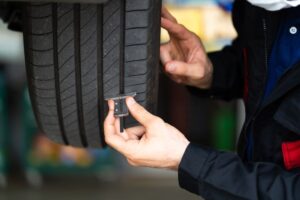
- Tires: Adequate tread depth, no significant damage like bulges or exposed cords, and proper inflation.
- Windshield and wipers: Cracks that obstruct the driver’s view will fail. Wipers need to actually clear the glass effectively. Torn or streaking blades won’t cut it.
- Seat belts: All belts must latch, retract, and function properly.
- Steering: Excessive play or looseness in the steering system is a safety concern that will cause a failure.
- Mirrors: Side mirrors and rearview mirror need to be intact and properly positioned.
The road test portion is worth noting because it catches people off guard. The inspector doesn’t just look at the brakes. They actually drive the vehicle to test how it stops. If you know your brakes feel soft or your car pulls to one side when stopping, get that fixed before you show up.
The Emissions Inspection
If you’re in an area that requires emissions testing, your vehicle’s pollution control systems get a separate examination. The inspection covers:
- OBD scan or smog check: The results are uploaded automatically to the Louisiana Office of Motor Vehicles.
- Catalytic converter: Must be present and functioning.
- Oxygen sensors: Checked for proper operation.
- Exhaust system: Inspected for leaks and proper routing.
- Gas cap integrity: A damaged or poorly fitting gas cap allows fuel vapors to escape, which is a surprisingly common reason for emissions failure.
If your vehicle fails the emissions test, you’ll receive instructions on what needs to be repaired and how to get retested.
What to Bring to Your Inspection
Show up without the right paperwork and you’re making a return trip. Here’s what you need:
- Proof of liability insurance: Must be current and valid. An expired card won’t work.
- Vehicle registration: The VIN on your registration needs to match the vehicle.
- Current license plate: Properly secured to the vehicle.
- Valid driver’s license: Typically required to complete the inspection process.
Get all of this together before you leave the house. Missing documentation is the most avoidable reason for a wasted trip.
Who Needs What: Vehicle Eligibility and Location Requirements
Not every vehicle goes through the same inspection. What’s required depends on three factors:
- Vehicle age: Older vehicles may face more rigorous checks. Newer vehicles might be exempt from certain tests.
- Vehicle type: Trucks, commercial vehicles, motorcycles, trailers, and school buses each have their own inspection criteria.
- Location: If your vehicle is registered in the five-parish Baton Rouge ozone nonattainment area, you’ll need both safety and emissions inspections. Outside that zone, it’s typically safety only.
Knowing which category you fall into before scheduling saves you from showing up at the wrong type of station or preparing for a test you don’t actually need.
How to Find a Station and What to Expect When You Get There
Finding an Approved Inspection Station
Inspections are conducted at privately owned businesses authorized by the Louisiana Department of Public Safety and Corrections. These are usually local auto repair shops and garages. You can find one by checking online directories, asking local shops directly, or searching the state’s approved station database.
Most stations accept walk-ins, but calling ahead to confirm availability is a smart move, especially during busy periods. Standard operating hours are typically Monday through Friday, 8:00 AM to 4:30 PM. Make sure the station has certified mechanic inspectors on staff.
What Happens During the Inspection
When you arrive, you’ll hand over your proof of insurance and other documentation. A certified mechanic inspector then conducts the inspection, which includes the road test for brakes (driving at 20 mph and applying them) along with a thorough check of all safety components.
The whole process typically takes about 30 minutes, though that can vary depending on how busy the station is.
What Happens After
If your vehicle passes, you’ll receive an inspection certificate and a Vehicle Inspection Report (VIR). Keep both in your vehicle. The certificate proves your compliance with Louisiana’s safety regulations, and you may need it for registration renewal.
If your vehicle fails, the VIR will detail exactly which items need to be fixed. No sales tax or late penalty fees are charged on the inspection itself. Make the repairs, return to the same station within 30 days, and you’ll get one free re-inspection.
The Most Common Reasons Vehicles Fail (And How to Avoid Them)
Safety Failures That Trip People Up
Brakes are the number one reason vehicles fail safety inspections. If your pads are worn thin, your rotors are scored, or the pedal feels soft, get them checked before your appointment. Remember, the inspector is actually going to drive your car and test the brakes at speed.
Windshield wipers are another surprisingly common failure point. Torn blades, wipers that don’t make proper contact with the glass, or a wiper motor that doesn’t work will all cause a failure. A $15 pair of new wiper blades can save you a return trip.
Steering and mirrors round out the frequent offenders. Excessive play in the steering wheel, a damaged mirror, or a missing side mirror will all flag issues. These are the kinds of things you’ve probably been living with for months without thinking about them, but they’ll catch you at inspection time.
Emissions Failures Worth Knowing About
Two of the most common emissions failures are almost comically simple:
The Exhaust Gas Recirculation (EGR) system is a frequent culprit. When it malfunctions, your car pumps out more pollutants than allowed. This usually requires a mechanic to diagnose and repair.
The gas cap integrity test catches a lot of people. A cracked, loose, or poorly sealing gas cap lets fuel vapors escape. That’s technically an emissions failure. The fix? A new gas cap for about $10. It’s one of those situations where a tiny, cheap part can save you the hassle of a failed inspection.
Moving to Louisiana? Here’s What Out-of-State Vehicle Owners Need to Know
New Residents Have a 30-Day Window
If you’re establishing residency in Louisiana, you have 30 days to get your vehicle inspected. Establishing residency means things like obtaining a Louisiana driver’s license and registering your vehicle in the state. Your car needs to meet Louisiana’s safety and emissions standards, regardless of what state it came from.
Visit an approved inspection station with your documentation. If your vehicle hasn’t been registered in Louisiana yet, you’ll need a valid temporary license plate.
Out-of-State Vehicles Can Still Be Inspected
Even if your vehicle is registered in another state, you can still get it inspected in Louisiana. The same requirements apply. You’ll need a current, non-expired license plate and must meet Louisiana’s safety and emissions standards.
For detailed FAQs on the emissions side, the Louisiana Department of Environmental Quality has a helpful resource page. If your vehicle fails, you’ll typically get a grace period to make repairs and return for re-inspection.
What It Costs and What Happens If You Don’t Comply
Inspection Fees
Louisiana keeps inspection costs reasonable. A standard safety inspection runs about $10. Commercial vehicle inspections may cost more. No sales tax or late penalty fees are added to the inspection charge.
If your vehicle fails, the free re-inspection within 30 days at the same station saves you from paying twice. That’s a genuine incentive to go back to the same shop rather than shopping around.
Penalties for Driving Without a Valid Sticker
Don’t test this one. Law enforcement can and does issue fines for vehicles without valid inspection stickers. The fines vary but are designed to be uncomfortable enough to motivate compliance. In some cases, driving without a valid sticker can result in points against your driver’s license, which can raise your insurance rates and create additional legal problems.
The Insurance and Registration Connection
A valid inspection is typically required to renew your vehicle registration. Without current registration, you can’t legally drive. And insurers may view a lapsed inspection as increased risk, potentially bumping your premiums.
It’s a domino effect. Let your inspection lapse and it can cascade into registration problems, insurance complications, and fines. Staying current avoids all of that. For the complete regulatory details, the Louisiana Motor Vehicle Safety Inspection Program manual has everything.
Inspection Requirements by Vehicle Type
Motorcycles and Trailers
Motorcycles get inspected for brakes, lights, tires, and exhaust systems. It’s a simpler checklist than a car, but the same standards of functionality apply.
Trailers are checked for hitch condition, tire integrity, lighting systems, and brakes (if the trailer is equipped with them). Making sure the trailer is securely attached and the lights all work is the bare minimum, but it’s where most trailer failures happen.
Commercial Vehicles
Commercial vehicles face stricter standards because of their size and the distances they cover. Inspections cover brake systems, steering mechanisms, lights, tires, and emissions. If you’re a commercial operator, keeping your vehicle in top mechanical condition isn’t optional. A failed inspection means your truck or van isn’t going anywhere.
School Buses
School buses get the most thorough inspection of any vehicle type. Inspectors check the engine, brakes, lights, emergency exits, seats, seat belts, and even sanitary conditions. When a vehicle is responsible for transporting children every day, the margin for mechanical failure is zero.
Special Situations: Re-Inspections, Lost Stickers, and Exemptions
Re-Inspection After a Failure
If your vehicle fails, make the necessary repairs and return to the same station within 30 days for a free re-inspection. Bring your previous inspection report, repair receipts, and any notes from your mechanic. If emissions were the issue, you may need to visit an Emissions Challenge Station for additional testing.
Lost, Stolen, or Damaged Stickers
If your inspection sticker goes missing or gets damaged, you’ll need a duplicate sticker. Go back to the station that performed the original inspection with proof that the inspection was completed. A small fee may apply. In some cases, you might receive a temporary sticker (usually valid for up to 30 days) while waiting for parts or completing repairs.
Who Gets an Exemption
Not every vehicle goes through the standard inspection process. State-owned vehicles with public license plates are often exempt. New vehicles with low mileage (generally under 12,000 miles within the first year of ownership) may also qualify for exemptions from certain tests.
If you’ve failed emissions testing multiple times and made good-faith repair efforts without success, you may be eligible for a waiver. Check with the Louisiana Department of Public Safety and Corrections for the specific criteria. These waivers exist for situations where the cost of bringing a vehicle into compliance would be unreasonable relative to the vehicle’s value.
Louisiana’s inspection process is straightforward once you know what applies to you. Check your sticker’s expiration, get your paperwork together, and handle any obvious mechanical issues before you show up. A 30-minute inspection and a $10 fee is a lot easier to deal with than a roadside fine and a lapsed registration. When does yours expire?