
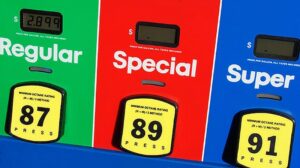

Fueling a car sounds simple until you reach the pump and have to choose between regular, mid-grade, and premium gas. At that point, many drivers start asking the same questions. Does the octane rating really matter? Can you mix different grades if you need to? Will one tank of the wrong fuel harm the engine? And is premium fuel ever worth the extra cost if your car does not absolutely require it?
The short answer is reassuring. In most modern vehicles, mixing premium and regular gasoline will not cause immediate damage. Most newer engines are smart enough to adapt to some variation in fuel quality, especially if the change is temporary. However, that does not mean fuel grade is meaningless. If your vehicle was engineered to run on premium fuel, repeatedly using lower-octane gasoline can reduce performance and may increase the risk of knocking under the wrong conditions. On the other hand, putting premium fuel into a car designed for regular will usually not hurt anything, but it often will not give you much in return except a higher fuel bill.
As an automotive diagnostic specialist, I can tell you that the confusion around fuel grades usually comes from one misunderstanding: people assume premium gas is a “better” or “stronger” fuel in every possible way. It is not. Premium gasoline is mainly about octane rating, which is a measure of how much compression the fuel can handle before igniting prematurely. Whether that matters depends entirely on the engine you drive.
In this guide, I will explain what happens if you mix premium and regular gas, whether it can damage the engine, how modern cars react differently from older ones, and how to decide which fuel your vehicle actually needs. I will also explain the real difference between fuel grades and why some cars are completely fine on regular while others genuinely benefit from or require premium.
Once you understand how octane works, the whole issue becomes much less mysterious.
Can You Mix Premium and Regular Gas?
Yes, you can mix premium and regular gas, and in most cases nothing catastrophic will happen. If the tank already contains one grade and you add another, the two fuels will blend together and create an average octane level somewhere in between. So if you mix 87-octane regular with 93-octane premium, the final fuel in the tank will behave like a mid-level blend rather than staying as two separate fuels.
For most modern daily drivers, this is not a problem, especially if it happens only occasionally. If your vehicle normally runs on regular and you add premium, the engine will continue to run. If your vehicle recommends premium but you temporarily use regular or a mixed tank, the engine control system will usually adjust timing and other operating parameters to protect itself as much as possible.
That said, “can” and “should” are not always the same thing. A temporary mix is usually fine. Repeatedly using a lower octane than the manufacturer recommends is a different conversation. Engines that are tuned for premium fuel may lose power, efficiency, and smoothness when forced to run on lower-octane gasoline. Some older high-compression engines are especially sensitive and can begin knocking quickly if the fuel grade drops too far.
So yes, the fuels can be mixed. No, a one-time mix is usually not an emergency. But the smartest long-term strategy is still to use the octane grade recommended by the manufacturer unless the manual clearly says you have flexibility.
What Really Happens When You Mix the Two?
When premium and regular gasoline mix in the tank, they simply combine into a blended fuel with an in-between octane rating. The fuel does not separate, become unstable, or turn harmful just because two grades were combined. The engine will not know that one gallon was premium and another gallon was regular. It only reacts to the final effective octane level of the fuel it is burning.
That means if your tank has half regular and half premium, the result behaves roughly like mid-grade fuel. This is why many drivers accidentally create their own mid-grade when they switch pumps or top off with a different fuel than they used before.
The more important question is how your engine responds to that blended octane. If the engine is designed for regular fuel, a mixed tank generally changes very little. If the engine strongly prefers premium, then the lower average octane may cause the control system to intervene by adjusting timing and reducing the chance of knock. In a modern car, that usually means you might notice less power or a slight drop in refinement rather than immediate damage. In an older or more sensitive engine, the effects can be harsher.
So the real event is not chemical danger inside the tank. The real issue is whether the blended octane level still meets the engine’s needs.
What Is the Difference Between Premium and Regular Gas?
The biggest difference is octane rating. Octane is a measure of a fuel’s resistance to pre-ignition or detonation under pressure. In simpler terms, higher-octane fuel can tolerate more compression and heat before it ignites on its own. That matters in engines with high compression ratios, turbochargers, superchargers, or aggressive ignition timing.
At most fuel stations, the grades generally look like this:
- Regular: usually 87 octane
- Mid-grade: usually 89 octane
- Premium: usually 91 to 93 octane, depending on region
The exact premium number varies by state and fuel provider. Some markets treat 91 as premium, while others go as high as 93. Regardless of the number, the purpose remains the same: provide fuel that resists knock better under demanding engine conditions.
Regular gas is perfectly suitable for the majority of mainstream vehicles because their engines are designed around that fuel. These engines do not need extra knock resistance under normal operating conditions. Premium gas does not automatically contain more energy, more cleaning power, or dramatically more performance potential for every engine. Its main advantage is octane.
This is why premium only matters when the engine design can actually use it. In an engine that does not require higher octane, the extra cost may buy you very little. In an engine that does require it, however, that octane margin is critical.
What Happens If You Put Regular Gas in a Car That Calls for Premium?
This is where the answer depends heavily on the age and design of the vehicle. In older high-compression engines, using regular gas instead of premium could cause immediate knock or pinging because the engine had less ability to adapt. The fuel would ignite too early under pressure, and the resulting combustion shock would create the metallic knocking sound drivers and technicians know well. Repeated heavy knock can damage pistons, valves, and other internal parts over time.
Modern vehicles are better prepared for this situation. Most newer premium-fuel vehicles have knock sensors and advanced engine management software. If the control system detects detonation or sees conditions likely to cause it, the engine control unit can adjust ignition timing and other parameters to reduce the risk. That is why a modern car may survive a temporary tank of regular fuel without obvious catastrophe. The computer steps in and protects the engine as much as possible.
However, protection and optimization are not the same thing. When the engine pulls timing to handle lower-octane fuel, it usually gives something up in return. You may notice weaker acceleration, less throttle response, reduced smoothness, or a small drop in fuel economy. In some cases, you may notice nothing at all. But even when symptoms are mild, the engine is no longer running at its best if it was calibrated for premium fuel.
A one-time tank of regular in a premium-recommended or premium-required car is usually not a disaster, especially in a modern vehicle. But repeatedly using lower-octane fuel than the manufacturer specifies is not a smart long-term strategy. The engine was engineered around a certain combustion margin, and asking it to operate below that margin all the time is simply unnecessary stress.
If your owner’s manual says premium is required, take that seriously. If it says premium is recommended, you may have more flexibility, but you should still understand that some performance and efficiency may be left on the table when using regular.
What Happens If You Put Premium Gas in a Car That Uses Regular?
In most cases, nothing dramatic happens. The car will run normally, and you probably will not hurt anything. Premium fuel is not dangerous to an engine designed for regular. The engine will simply operate using a fuel that has more octane resistance than it actually needs.
This is why many drivers try premium once in a while and then wonder if they should switch permanently. Sometimes they feel a slight difference in smoothness or response. Sometimes they feel nothing at all. In the vast majority of regular-fuel cars, the gain is minimal or nonexistent. That is because the engine was not designed to take real advantage of the higher-octane fuel. It does not need the extra detonation resistance, so the premium fuel mostly just costs more.
There are a few exceptions. Some engines are tuned conservatively enough to run on regular but can adjust upward a little when premium is used, especially in hotter weather or under load. In those cars, the difference may show up as slightly better responsiveness or a little more efficiency. But these gains are usually modest, not transformative.
The key point is this: premium gas in a regular-fuel car usually does not cause damage. It simply does not provide enough extra benefit to justify the extra cost in most ordinary vehicles. If the manual calls for regular, regular remains the financially smart choice unless the manufacturer specifically indicates that premium can improve performance.
Will Mixing Premium and Regular Gas Damage the Engine?
In most modern vehicles, no. Mixing the two will not usually cause direct engine damage, especially if it happens accidentally or only from time to time. The fuel blend simply creates an average octane level. The engine then reacts to that average based on what it was designed to handle.
Where risk begins is not in the act of mixing itself but in consistently running an engine on lower octane than it requires. If the engine depends on premium and you repeatedly dilute it with regular enough that the octane falls below the required range, the long-term consequences may include increased knocking, reduced performance, and greater mechanical stress. That does not mean one accidental mix ruins the engine. It means the wrong fuel strategy over time can have consequences.
The safest way to think about it is this: a temporary mix is usually manageable, but a long-term mismatch between fuel grade and engine requirements is a bad habit. The fuel itself is not the enemy. The problem is forcing the engine to operate outside the conditions it was designed for.
Why Older Cars React More Harshly Than Newer Ones
Older engines often react more strongly to octane mistakes because they lack the electronic sophistication of modern vehicles. Many classic or early electronic-control engines cannot monitor combustion quality as precisely, and they may not have the same level of knock detection and adaptive timing control that a modern engine does. That means if they receive fuel with insufficient octane, they are more likely to knock audibly and continue doing so until the fuel is corrected or the driver backs off.
Newer engines, by contrast, usually have knock sensors and faster processing logic. These systems can detect abnormal combustion and retard timing to protect the engine. The result is a vehicle that may feel slower or less eager on regular fuel, but still avoids the kind of immediate metallic knocking that older drivers remember from the past.
This difference is a big reason why stories about “my old car hated the wrong fuel” can both be true and not fully applicable to a modern turbocharged sedan or crossover. Engine management has evolved. That evolution has made fuel-grade mistakes more survivable in the short term, though not necessarily ideal in the long term.
How Do You Know Which Fuel Your Car Needs?
The easiest place to check is the fuel door. Many vehicles have a label there that tells you exactly what octane to use. If it says premium fuel is required, that is your answer. If it says premium is recommended, you have some flexibility, but the manufacturer is still telling you where the engine performs best.
The second place to check is the owner’s manual. This is the most reliable source because it explains not only what fuel is acceptable, but sometimes why. In some manuals, you will find language such as “87 octane minimum,” “91 octane recommended,” or “premium unleaded required.” Those phrases are not interchangeable, and you should read them carefully.
If you do not have the manual, the next-best option is to look up the exact requirements through the manufacturer, dealer, or trusted technical documentation source. Online forums can sometimes help, but only if the information is coming from owners with the same engine and region-specific fuel setup. A random internet answer is not as trustworthy as factory guidance.
The important thing is to distinguish between:
- Required: use premium because the engine depends on it.
- Recommended: premium improves performance, but regular may still be acceptable.
- Regular required or acceptable: paying extra for premium usually brings little benefit.
Those wording differences matter far more than many buyers realize.
When Premium Fuel Is the Right Choice
Premium fuel is the right choice whenever the manufacturer says it is required. At that point, the conversation is basically over. The engine was designed with a higher octane fuel in mind, and using regular long term is asking the engine to operate outside its intended combustion margin.
Premium is also often the smart choice for high-performance engines, turbocharged engines, supercharged engines, and engines with high compression ratios—even when the manual says premium is “recommended” rather than required. These engines are often capable of making more power and running more efficiently when they are given the higher octane they were optimized around.
Luxury and performance cars commonly fall into this category, but so do many modern mainstream vehicles with small turbocharged engines. Downsized turbo engines often run higher boost and more aggressive tuning than their naturally aspirated ancestors, which increases the value of premium fuel.
Another point that buyers sometimes overlook is warranty protection. If the manufacturer clearly requires premium fuel and the engine develops a knock-related or combustion-related problem, using the wrong fuel could complicate a warranty claim. That does not mean every denied claim will be based on fuel receipts, but it is still an unnecessary risk. If the factory tells you what to use, following that guidance is the smart move.
When Regular Fuel Is the Best Choice
If the manufacturer specifies regular 87-octane fuel, then regular is the best value for your car. In this case, the engine was designed to run properly and efficiently on that fuel. Premium will usually not unlock hidden power, transform fuel economy, or make the car noticeably healthier. It will mostly increase your fuel bill.
That is why using premium in a regular-fuel commuter car is often more of a psychological upgrade than a mechanical one. Drivers sometimes assume they are “treating the car better” by spending more at the pump. In most regular-fuel vehicles, the engine does not need that extra octane, so the gesture is mostly financial, not functional.
If you want the best version of regular fuel, it often makes more sense to focus on fuel quality rather than octane grade. Choosing a reputable top-tier station with proper detergent levels is usually more beneficial than simply paying for higher octane your engine does not need.
In short, if the manual says regular is fine, believe it. There is no reward for spending more on octane your engine cannot meaningfully use.
When the Manufacturer Gives You a Choice
Some modern engines are designed with a flexible approach to octane. The manufacturer may say that regular fuel is acceptable but premium is recommended for maximum performance. This is becoming more common, especially in turbocharged engines where the control system can adapt to different octane levels and change the engine’s behavior accordingly.
In this situation, both fuels are technically allowed, but they do not produce exactly the same result. Premium may unlock a little more horsepower, stronger torque, smoother response, or slightly better efficiency. Regular may still run safely, but with reduced output or less optimized combustion timing. Whether that difference matters depends on the driver.
For example, some engines can lose a noticeable amount of advertised power when switched from premium to regular, while still remaining perfectly safe to drive. Many people will never notice the reduction during normal commuting. Others, especially those who enjoy stronger acceleration or tow heavier loads, absolutely will.
This is where buyer priorities come in. If you care about getting every bit of performance the engine was designed to offer, premium may be worth it. If you are more concerned about fuel cost and use the car mainly for ordinary commuting, regular may be the better practical choice when the manufacturer allows it.
In this “recommended but not required” category, there is no universal answer. The right fuel is the one that matches both the engine’s flexibility and your expectations.
Can You Switch Back and Forth Between Premium and Regular?
Yes, you can switch back and forth if the vehicle allows more than one octane rating. Many modern engines can adapt to this without drama. That said, you should still stay consistent with the manufacturer’s guidance.
If premium is required, switching back and forth between regular and premium is not a good habit. The engine may survive the occasional lower-octane tank, but that does not make the pattern wise. If premium is only recommended, switching occasionally is much less concerning because the engine was designed with more flexibility built in.
Frequent switching will not generally confuse the engine in any serious way. The control system is not “shocked” by changing octane. It responds to the combustion behavior it sees and adapts accordingly. But the more often you run lower octane in an engine that prefers premium, the more often you are asking it to give up its ideal operating conditions.
So yes, switching is possible. Whether it is smart depends entirely on whether the car was designed to tolerate that flexibility in the first place.
Will One Tank of the Wrong Fuel Ruin the Car?
In almost all cases, no. One tank of regular fuel in a premium-recommended car is very unlikely to ruin anything, especially if the car is modern and you drive it gently until the next fill-up. Likewise, one tank of premium in a regular-fuel car is not harmful at all. The engine may react, adjust, or simply continue running normally, depending on the design.
The bigger issue is habit, not accident. A temporary mismatch is one thing. Repeatedly ignoring the required fuel grade is another. Engines are very good at surviving occasional mistakes. They are less enthusiastic about chronic ones.
So if you had to use a different octane once because of availability, travel, or a fuel shortage, do not panic. Refill with the proper grade at the next opportunity and move on. But use that as an exception, not your new routine.
What to Do If You Accidentally Used the Wrong Gas Grade
If the mistake was simply using a different octane grade—not diesel in a gasoline car, but just the wrong gasoline grade—your response depends on what the car normally requires.
If you put premium in a regular-fuel car, you do not need to do anything special. Drive normally. The car will be fine.
If you put regular in a premium-recommended or premium-required car, the smartest approach is to drive gently, avoid hard acceleration or heavy load, and refill with the correct premium fuel once the tank drops enough to make topping off worthwhile. If the car begins knocking or running poorly, stop pushing it and get the proper fuel back into the tank as soon as possible.
In most modern vehicles, the engine control system will protect itself reasonably well during that temporary period. But it still makes sense to avoid demanding maximum performance until the correct fuel is back in the system.
Again, we are talking about a gasoline octane mistake here, not a major fueling disaster. Different octane grades are usually a manageable issue, not a mechanical emergency.
Why the Wrong Octane Affects Performance
The reason fuel grade changes performance is tied directly to combustion timing. Engines designed for higher octane can often run more advanced ignition timing, more boost, or more aggressive compression without knock. That allows them to make stronger, cleaner power. If lower-octane fuel is used instead, the engine may need to back off timing to avoid detonation. Once it does that, some of the potential performance disappears.
This is why some drivers notice less acceleration or weaker throttle response when they switch from premium to regular in a premium-capable engine. The car is not “broken.” It is simply operating with less combustion headroom.
On the other side, a regular-fuel engine often cannot use extra octane because it was never tuned aggressively enough to need it. The combustion event was already stable and safe on 87. Giving it 93 does not automatically let it make more power unless the control strategy was designed to capitalize on that extra octane margin.
That is the hidden logic behind the premium-versus-regular debate. It is not about good fuel and bad fuel. It is about whether the engine can make meaningful use of additional knock resistance.
Final Thoughts
Mixing premium and regular gas is usually not a serious problem in modern cars. The fuels blend together, creating an average octane level, and most newer engines can adapt to temporary changes in fuel quality without immediate harm. That is why one accidental tank or occasional mix generally does not turn into a repair disaster.
The real issue is not the act of mixing itself. The real issue is whether the final octane level still matches what the engine needs. If your car was designed for regular fuel, premium will usually just cost more without offering much extra. If your car was designed for premium fuel, using lower-octane gas repeatedly can reduce performance and increase the chance of knock, especially in older or high-compression engines.
The smartest rule is also the simplest one: use the fuel grade your manufacturer recommends. If premium is required, treat that as non-negotiable. If premium is only recommended, you may have room to decide based on your budget and expectations. If regular is specified, there is usually no reason to spend extra on premium.
Fuel grade is not about prestige. It is about compatibility. Once you understand that, the decision at the pump becomes much easier—and much less expensive in the long run.