
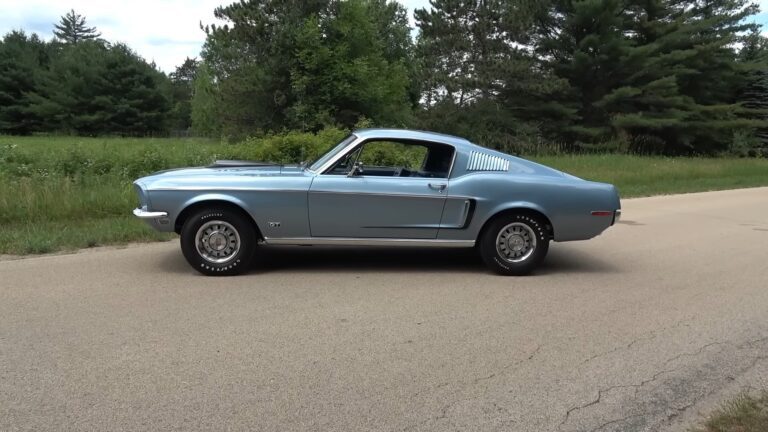
The 1960s and 1970s didn’t just produce “fast cars”—they produced cultural monuments on four wheels. This was the era when American automakers learned how to turn displacement into identity, when styling became as emotionally important as specifications, and when a rumbling V8 could feel like a national soundtrack. These decades delivered game-changing production runs of majestic machines that continue to hook generations around the globe year after year—whether you grew up hearing one idle at a stoplight, you discovered them through movies, or you fell in love after a single look under a hood.
This list highlights some of the best muscle cars from the diverse American automobile industry, with works from Ford, Chevrolet, Pontiac, and others. But to appreciate these icons properly, it helps to frame them like an expert would: muscle cars weren’t only about raw horsepower. They were about packaging (big power in relatively affordable bodies), attitude (design that looked ready to fight), and a very specific kind of usability—cars you could drive on the street and still talk about like they belonged on a drag strip.
In the sections below, the entries are arranged in a more historically intuitive flow—beginning with early-era pioneers and moving toward later “peak” rarity and performance legends. For each car, you’ll find a clear explanation of what makes it significant: not only the engine and the numbers, but the context—why it mattered then, and why it still matters now. If you’re a long-time enthusiast, consider this a refined refresher. If you’re new to classic muscle, consider it a guided tour through the loudest, boldest chapter of the American performance story.
How We’re Defining “Best” Muscle Cars in This List
“Best” is always subjective, but muscle car history gives us a few reliable criteria that experts generally agree on. The cars below are included because they score highly in one or more of the following categories:
- Performance capability for the era (power, acceleration, top speed, and real-world speed potential).
- Engineering significance (iconic engines, special packages, or design milestones).
-
Cultural impact (the cars people remember, reference, and dream about).
Rarity and collector value (limited production, special trims, or highly sought-after configurations).
Legacy (how strongly the car influenced what came after it).
Now, let’s get into the icons.
1. 1964 Pontiac GTO
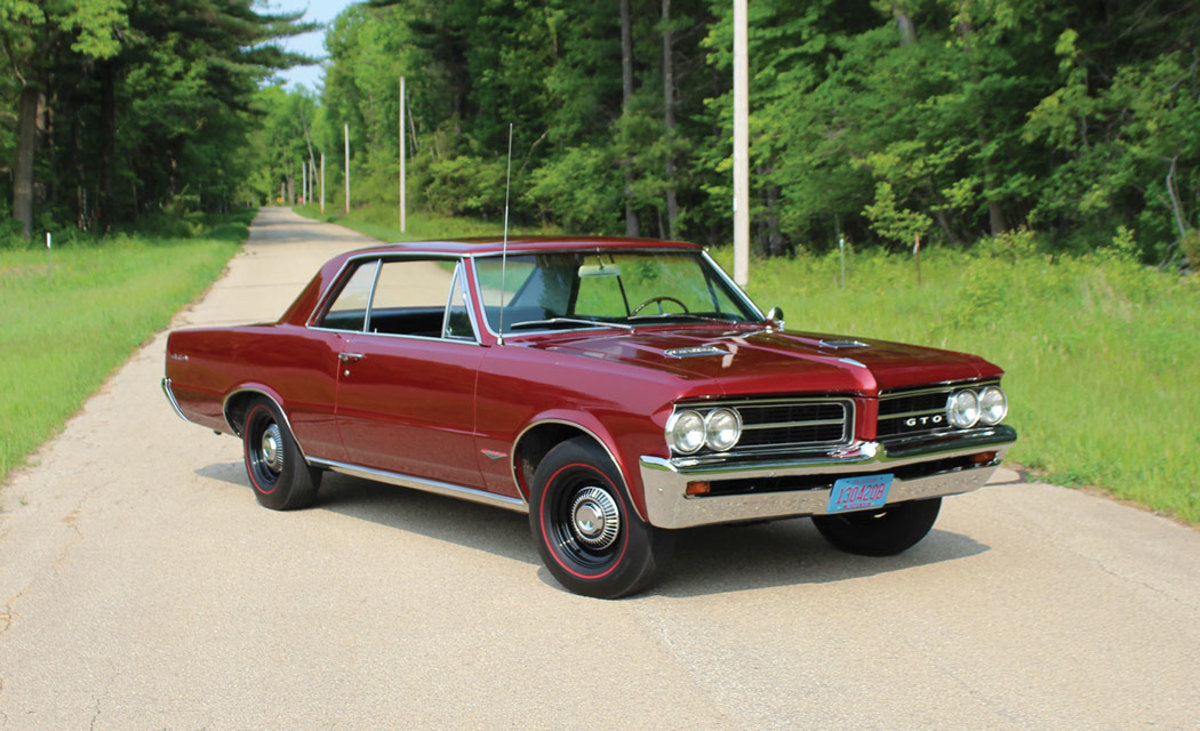
The 1964 Pontiac GTO is one of the most frequently cited muscle cars of the 1960s, and its reputation isn’t based on hype alone. It’s a foundational model—often treated as a pioneer in its class—because it helped formalize the idea of taking serious V8 performance and pairing it with a relatively accessible package. That concept would become a defining blueprint for the muscle era.
It has unique features that made it stand out as a performance-forward street machine. The vehicle was originally meant to be a street race car before proving it was better for alternative uses—an important detail, because many classics earned their legend by being more versatile than their original intent. In practice, the GTO became a symbol of the era’s “power you can actually live with” philosophy: strong acceleration, aggressive road presence, and a kind of mechanical honesty that made enthusiasts feel connected to the car.
You can achieve acceleration of up to 100 km/h—an emphasis that points directly to what muscle buyers cared about most: real-world punch. The GTO’s broader legacy is also about influence. Once the performance market saw what buyers responded to, the competitive floodgates opened. The GTO helped trigger an era when every major brand wanted its own hero car—louder, faster, and more memorable than the next.
Collector’s perspective: The GTO matters because it isn’t only “a great car”—it’s a reference point. Many later muscle cars are best understood as responses to the kind of demand the GTO proved existed at scale.
2. 1967 Shelby Cobra 427 Super Snake
The 1967 Shelby Cobra 427 Super Snake is the kind of vehicle that makes muscle car history feel almost mythological. While many muscle cars were designed around production practicality, the Super Snake reads like an uncompromising performance statement—an intentionally limited edition with a simplified, sleek body design that looks “clean” but hides serious aggression. It’s a classic example of how minimalism in shape can amplify intimidation when the proportions and stance are correct.
This model is described as having “collected huge pumped muscles,” which is a colorful but accurate way of saying the Cobra’s entire identity is built around raw power and lightweight purpose. It features a 7.0-liter V8 engine with 410 horsepower and other extra strengths. The “extra strengths” point matters because it suggests the car isn’t simply about a headline number—it’s about the overall package: power delivery, response, and the kind of driving experience that feels alive and slightly dangerous in the way enthusiasts secretly love.
Expert context: Cobras occupy a special space because they represent an extreme interpretation of “power-to-weight.” Even when modern cars exceed their numbers, few replicate the same visceral simplicity: big engine, small body, and minimal insulation between you and mechanical reality.
Collector’s perspective: Limited-production, high-performance cars with strong brand mythology often become “forever cars” in elite collections. They’re not only driven—they’re preserved as proof that a certain era once allowed this kind of automotive boldness to exist.
3. Mustang 428 Cobra Jet 1968
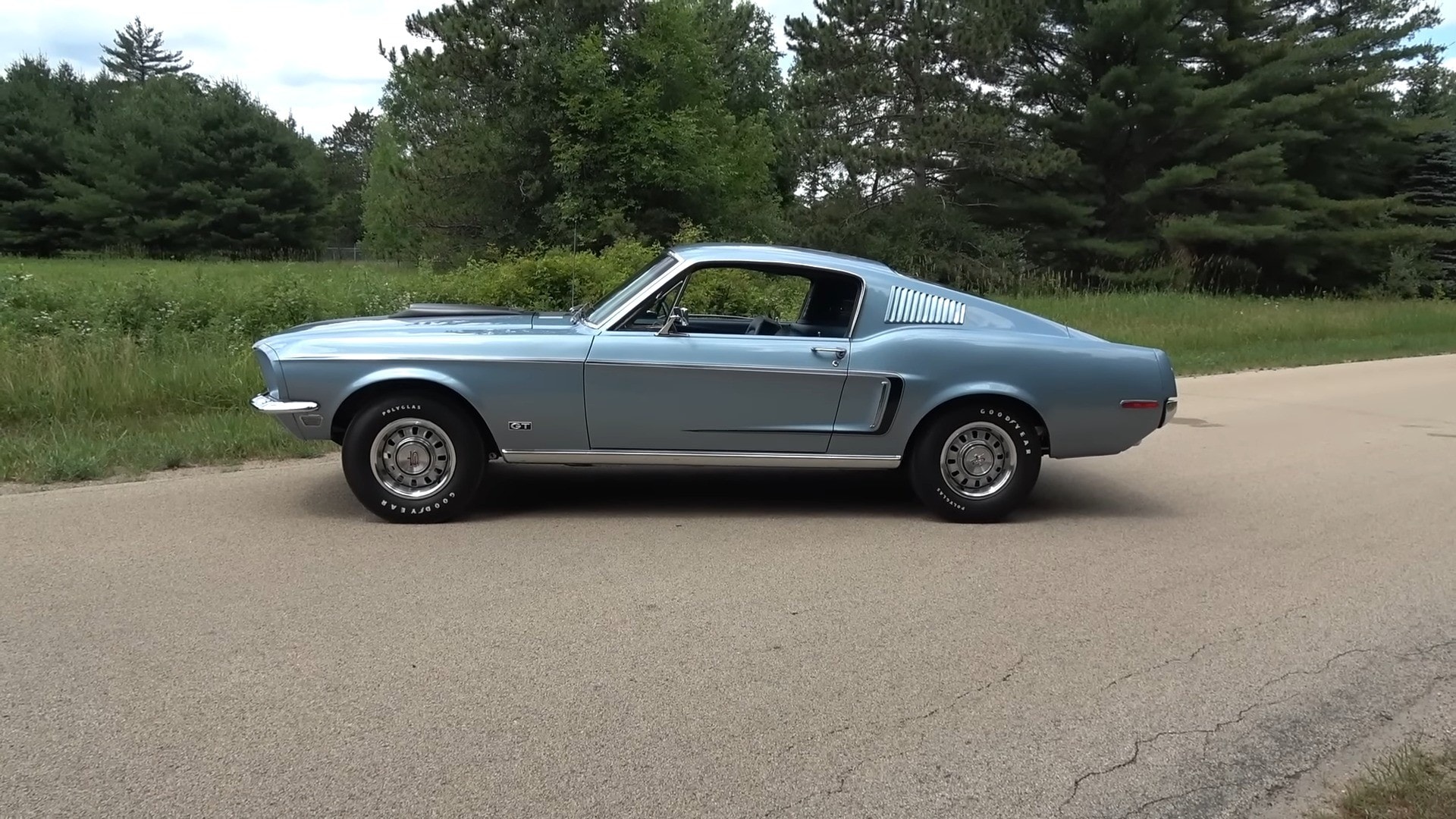
Most enthusiasts agree that the Ford Mustang emerged as Chevrolet Camaro’s main competitor—and it’s a rivalry that has remained relevant for decades. That long-term relevance doesn’t happen by accident. It happens when a model becomes flexible enough to evolve and strong enough to keep its identity intact across generations. The 1968 Mustang 428 Cobra Jet is one of the moments where that identity sharpened into something undeniably serious.
This was positioned as the most powerful Mustang of its time, featuring a 7.0-liter V8 engine and a sporty engine setting that sends output to the rear wheels at 410 horsepower. That configuration matters because it represents the traditional muscle formula at its purest: big V8, rear-drive, and a performance posture that invites you to think about drag strips even while standing still.
Expert context: A Cobra Jet-badged Mustang is not only about the engine. It’s about the role the car played in performance culture: an accessible icon that could be tuned, raced, and talked about endlessly. The Cobra Jet name itself became shorthand for Ford performance intent—one of those labels that feels like it carries a warning.
Collector’s perspective: Models that represent “peak spec” within a year or generation tend to become anchor points in collections. They’re the cars people mention first when they’re describing what made a lineup special.
4. 1969 Chevrolet Camaro ZL1
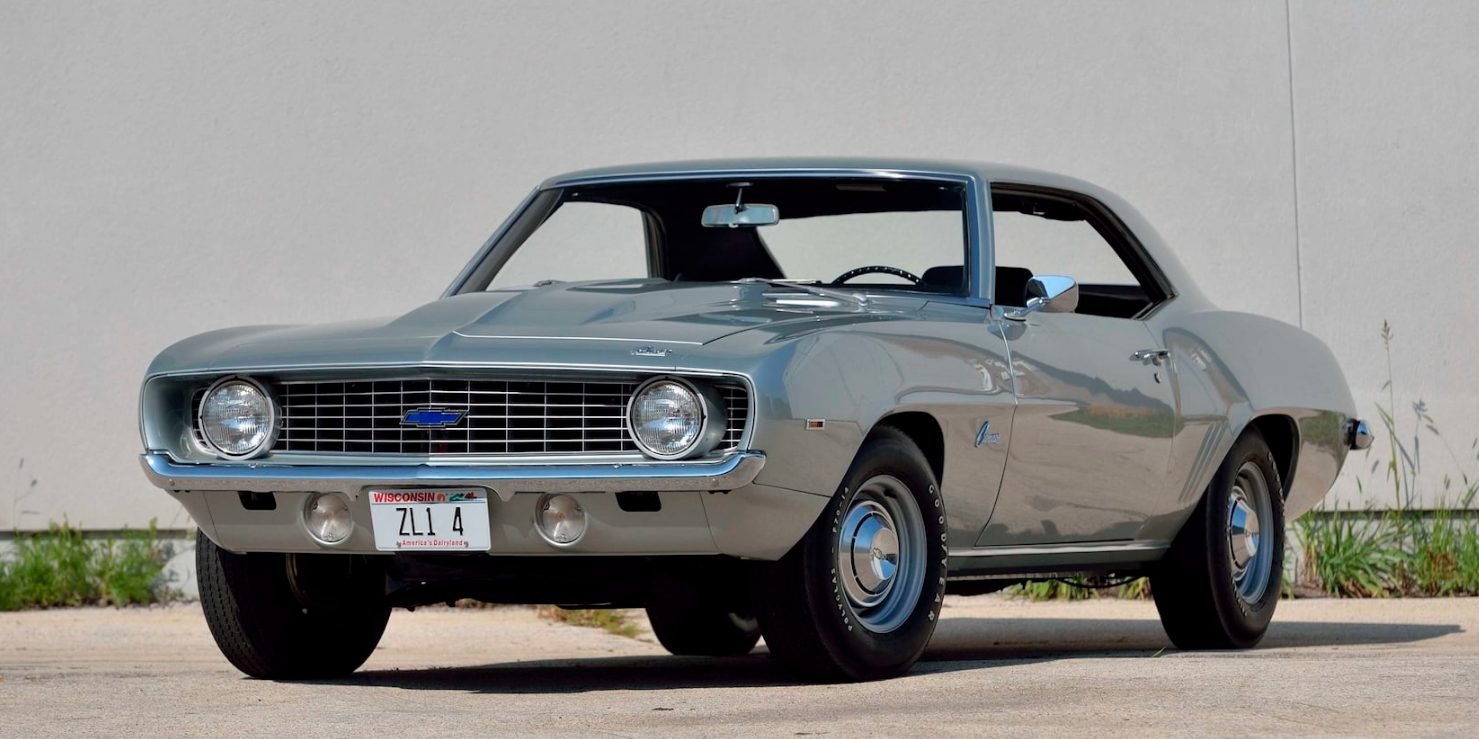
You don’t need to be a Peaky Blinders fan to appreciate the aura of the 1969 Chevrolet Camaro ZL1. This car has the kind of presence that speaks for itself: low, aggressive, and tuned around the core muscle promise—massive output, high excitement, and a strong sense of “built to win.” It’s frequently remembered as one of the fastest and most powerful machines of its era.
It is equipped with a 7-liter big block with eight cylinders enabling the production of 500hp, and it can accelerate from 0–100 in 5.5 seconds. Whether you interpret those numbers as period benchmarks or modern retellings, the underlying point remains: this was engineered to dominate, not merely participate. Cars like the ZL1 were designed to leave an impression not only on the road, but in the stories enthusiasts would tell afterward.
Expert context: The Camaro’s broader significance is that it represents Chevrolet’s ability to build performance into a mass-appeal platform. The ZL1 name, in particular, became a kind of elite designation—something that implies the “best version” rather than just another trim.
Collector’s perspective: The muscle market heavily rewards cars that were rare, powerful, and culturally “loud.” The ZL1 checks those boxes in a way that continues to drive admiration and high demand.
5. 1971 Plymouth Hemi Cuda
The 1971 Plymouth Hemi Cuda is not just a famous muscle car—it’s widely treated as one of the rarest muscular cars, a vehicle whose legend grows stronger because so few people ever get to experience one outside a show floor or auction listing. Its rarity is a major part of why it has become a “holy grail” piece for collectors who build garages around the most exclusive American performance artifacts.
This convertible comes with a 7.2-liter engine and a four-speed manual transmission, allowing it to accelerate to 251 km/h in 5.6 seconds, cementing its worth as a four-million-dollar piece. Those figures—presented exactly as they’re commonly repeated—help explain the car’s reputation: it represents maximum drama in both specification and market value.
Expert context: The Hemi Cuda is often cited as the kind of car that sits at the crossroads of speed, scarcity, and cultural memory. When a vehicle becomes that rare, its value becomes about more than performance—it becomes about symbolism. It’s a physical reminder of the moment when American automakers built muscle cars with almost reckless confidence.
Collector’s perspective: In the high-end market, cars like this function as “institutional collectibles.” They are treated as investment-grade artifacts, preserved carefully, insured heavily, and traded in circles where provenance and originality can matter as much as the engine itself.
More Legendary Muscle Cars from the Golden Era (Honorable Icons Worth Knowing)
The five cars above are standout highlights, but the muscle era is too rich to stop there. Below are additional icons that consistently appear in serious enthusiast discussions. These are the cars that helped define the 1960s and 1970s performance arms race—models that brought their own engineering personality, cultural influence, and collector desirability to the table.
6. 1970 Chevrolet Chevelle SS 454
If the Camaro represents compact aggression, the Chevelle SS 454 represents the full-size muscle formula turned up to maximum volume. The Chevelle’s appeal has always been its blend of straight-line intent and everyday usability: it can look like a classic cruiser until you remember what “454” signifies in performance culture. For many collectors, the SS 454 is the perfect “big-body bruiser”—a car that feels like it has gravity.
Expert context: The Chevelle SS lineage matters because it helped make the idea of a “muscle family car” feel normal. That sounds contradictory until you understand the era: people wanted performance, but they also wanted space, comfort, and practicality. The Chevelle delivered that balance with swagger.
7. 1970 Dodge Challenger R/T
The Dodge Challenger R/T became an instant design icon because it looks like a muscle car even when parked. The hood lines, the stance, and the “ready to launch” shape all communicate intent. The R/T badge represents a performance promise, and the Challenger became one of the era’s most recognizable silhouettes—partly because it blends aggression with a hint of sophistication.
Expert context: In muscle car culture, the Challenger often symbolizes “presence.” Some cars are fast; others are unforgettable. The Challenger is frequently both.
8. 1969 Dodge Charger Daytona
The Charger Daytona represents one of the most dramatic moments in American performance styling: when aerodynamics and racing ambition pushed design into territory that looked almost futuristic. The giant wing and pointed nose are not subtle—because the goal was never subtlety. This was a statement piece built around speed and dominance.
Expert context: Cars like the Daytona are loved because they show what happens when motorsport pressure forces creativity. Whether you consider it beautiful or outrageous, it’s undeniably unforgettable.
9. 1970 Plymouth Superbird
The Plymouth Superbird is another aerodynamic legend—often discussed alongside the Daytona because both represent a time when manufacturers were willing to build “race-looking” street cars in order to compete. The Superbird is the kind of car that proves muscle wasn’t only about engine size; it was also about boldness in engineering and design direction.
Collector’s perspective: Superbirds are cultural magnets. People who don’t care about horsepower still stop and stare, because the design refuses to blend into any crowd.
10. 1969 Pontiac Firebird Trans Am
The Firebird Trans Am became a symbol of Pontiac performance identity: athletic proportions, a reputation for capability, and a nameplate that would go on to develop enormous cultural influence. While many muscle cars focus purely on straight-line strength, the Firebird/Trans Am identity often carries a more “driver’s car” aura—something that enthusiasts love because it suggests balance as well as power.
Expert context: This is one reason the Firebird remains relevant. It’s not only a muscle car; it’s a personality—one that evolved into a pop-culture icon for decades afterward.
11. 1970 Buick GSX
Buick muscle cars often surprise casual fans because the brand is frequently associated with comfort rather than rebellion. The GSX is the counter-argument—a car that demonstrates how deeply the muscle era permeated American manufacturing: even brands with “smooth” reputations built machines that could intimidate at stoplights.
Expert context: The GSX is particularly admired because it feels slightly “unexpected.” Unexpected muscle cars often become cult favorites because they stand out in a scene dominated by the most famous names.
12. 1970 Oldsmobile 442 (W-30)
The Oldsmobile 442 is one of the era’s most enduring performance badges, and the W-30 association signals a performance-forward configuration. Oldsmobile muscle tends to appeal to enthusiasts who like the “quiet killer” archetype: cars that look clean and classic but hide serious capability.
Expert context: In the muscle world, “442” is more than a number—it’s a reputation. Reputation is part of what keeps these cars alive in collector consciousness long after their production years.
13. 1968 Dodge Dart GTS 440
Some muscle cars feel like they were built to be outrageous, and the Dart GTS 440 belongs in that conversation. The “Dart” name suggests compactness, while “440” suggests brute force—so the combination becomes inherently interesting: a smaller car with a big engine, designed to shock people who underestimate it.
Expert context: Compact muscle cars often feel more aggressive because they amplify the power-to-size contrast. They also tend to deliver an experience that feels raw and direct—the kind of thing enthusiasts describe as “unfiltered.”
14. 1969 Ford Torino Cobra
The Ford Torino Cobra is often remembered as a powerhouse that doesn’t always get the mainstream attention it deserves. In a muscle landscape dominated by Mustangs and Camaros, Torinos can feel like the “deep cut” that serious enthusiasts appreciate—big, bold, and built with confidence.
Collector’s perspective: Cars that sit slightly outside the most saturated headlines often become the ones collectors hunt later—because scarcity of attention can translate into a unique identity at shows and events.
15. 1970 Ford Mustang Boss 429
The Boss 429 is often treated as a unicorn within Mustang history—one of those models that feels engineered with motorsport and legend in mind. The “Boss” label is not subtle branding; it’s a declaration. For enthusiasts, the Boss cars represent the high-intensity end of Ford performance thinking.
Expert context: Cars that become “Boss-level” legends tend to do so because they combine scarcity, technical intrigue, and a narrative that enthusiasts love repeating. That narrative becomes part of the value.
16. 1969 Ford Mustang Mach 1
If the Cobra Jet represents peak power messaging, the Mach 1 represents an iconic Mustang performance identity with styling cues that became instantly recognizable. For many fans, “Mach 1” isn’t only a trim—it’s the version of the Mustang that looked like a muscle car should look: purposeful, sporty, and unmistakably of its era.
Expert context: The Mach 1 matters because the muscle era wasn’t only about engines. It was about visual language—hood scoops, stripes, and stances that communicated speed without needing explanation.
17. 1971 AMC Javelin AMX
AMC deserves credit for bringing a unique voice to the muscle conversation. The Javelin AMX is frequently appreciated because it proves the muscle era wasn’t limited to the biggest giants. Smaller players contributed real performance, distinctive styling, and a kind of outsider cool that feels even more appealing now that mainstream models have dominated the spotlight for decades.
Collector’s perspective: “Alternative muscle” often becomes more desirable with time. As the most famous cars become increasingly expensive, knowledgeable collectors look for icons with comparable attitude but different badges.
18. 1965 Shelby GT350
The Shelby GT350 is the kind of car that helps explain why “Shelby” became an entire performance mythology. It represents a moment when the Mustang platform was sharpened into a more focused performance tool. The GT350 legacy lives because it feels like a driver’s car first—an identity that becomes more valuable as modern performance cars become increasingly insulated and digitally managed.
Expert context: Shelby-badged Mustangs are often treated as a bridge between production performance and racing intention. That’s why they remain aspirational long after their original production era.
19. 1970 Mercury Cyclone Spoiler
Mercury performance cars can feel like the “parallel universe” of Ford muscle—sharing DNA, but often carrying their own identity through design and marketing. The Cyclone Spoiler is remembered as a performance-focused model with an aggressive name and styling cues that fit the era’s obsession with speed and dominance.
Expert note: Cars like this matter because muscle history is not a single storyline. It’s a family tree. Mercury models show how performance thinking spread across brand portfolios.
20. 1967 Chevrolet Impala SS
The Impala SS demonstrates that muscle could exist in larger, more comfortable formats. It’s a reminder that American performance wasn’t limited to compact coupes. Big-body cars could deliver serious power while also serving daily life. For many enthusiasts, that “big and fast” formula feels uniquely American.
Collector’s perspective: Large-body muscle cars often shine in the cruising culture—shows, long drives, and events where presence and comfort matter as much as speed.
21. 1968 Plymouth Road Runner
The Road Runner is frequently celebrated as a high-value performance concept: strong muscle character without unnecessary luxury. It is often remembered as a car designed to deliver what performance fans wanted most—power and attitude—without pretending to be refined. That honesty is part of the charm.
Expert context: In muscle car history, some models succeed by being expensive and exclusive. Others succeed by being accessible and fun. The Road Runner identity sits firmly in the “built to be enjoyed” camp.
22. 1969 Chevrolet Nova SS
The Nova SS often appeals to enthusiasts who love a more compact, less “showy” muscle car that still delivers serious capability. It carries that sleeper-adjacent vibe: clean, simple lines with the potential for surprising performance. In modern muscle culture, Novas also have a reputation for being highly modifiable, which keeps the platform alive in builder communities.
Expert note: The muscle era wasn’t only factory spec. Many of these cars became legends because of how easily they could be tuned, rebuilt, and personalized.
23. 1970 Dodge Coronet Super Bee
The Super Bee name alone tells you what the car is supposed to do: sting. It’s one of those models whose identity is built around street presence and performance credibility. For many fans, Super Bee cars represent Mopar muscle at its most playful—bold branding, bold style, bold intent.
Collector’s perspective: Cars with strong, memorable branding often age well because the story is easy to tell. People remember names like Super Bee, and that memory becomes part of demand.
24. 1969 Hurst/Olds
Hurst collaborations became part of muscle culture because they signaled something more specialized than a standard showroom option. The Hurst/Olds sits in that interesting place where branding, performance identity, and limited-run excitement intersect. It’s the kind of vehicle that feels designed to be noticed—and remembered.
Expert context: Special editions matter because they compress a lot of excitement into a small production window. They become “time stamps” of what the market valued at a specific moment.
25. 1971 Dodge Demon
The Dodge Demon represents the kind of compact, attitude-heavy muscle philosophy that continues to influence modern performance branding. Even the name communicates mischief. Demon-era muscle cars remain popular because they sit at a sweet spot: smaller footprint, punchy vibe, and strong identity that doesn’t require a luxury price tag to feel cool.
Collector’s perspective: Compact muscle cars often become favorites for owners who want the “classic muscle look” with a size that feels easier to live with, store, and restore.
26. 1968 Chevrolet Impala
While “muscle car” conversations often focus on coupes, full-size cars like the Impala remain essential to understanding American performance culture. They show how broad the performance appetite was: not everyone wanted a compact street racer; some wanted a big, comfortable car with strong power and undeniable presence.
Expert note: The muscle era was not one vehicle type—it was an attitude that spread across many platforms. Large-body performance cars prove that performance demand was cultural, not niche.
27. 1973 Pontiac Firebird
Later-era muscle often reflects a transition period: changing regulations, shifting consumer expectations, and manufacturers adapting performance identity to a new market reality. Models like the Firebird continued to carry the muscle spirit forward, showing that “muscle” didn’t disappear—it evolved.
Expert context: Part of muscle car expertise is understanding evolution. The early years were often about rawness; later years often show how brands tried to preserve identity while responding to new constraints.
Why These Muscle Cars Still Matter Today
It’s tempting to frame classic muscle cars as nostalgia objects—and yes, nostalgia plays a role. But their lasting power comes from something more concrete: these cars represent a time when design, engineering, and cultural desire aligned into a distinct identity. They were loud in both sound and personality. They were visually confident. And they taught generations what it feels like when a car is not merely transportation, but a statement.
From an expert perspective, muscle cars also matter because they show the logic of a market in motion. You can track shifts in fuel economy concern, regulation, brand competition, and consumer taste by looking at what these cars were—and how quickly they changed. That’s why the 60s and 70s remain the most referenced chapters in American performance history: they weren’t just about speed; they were about identity and competition.
Finally, the collector market has ensured these cars continue to live—not only in museums, but in garages, weekend meets, auctions, and restorations. People restore them because they want the experience, the sound, and the feel of analog performance. They also restore them because a well-preserved muscle car can be a piece of history you can actually drive.
Expert Tips for Buying or Owning a Classic Muscle Car (Without Regret)
If this list has you thinking about ownership, here are expert-level principles that reduce the most common mistakes:
Buy the best body you can afford: Rust repair can cost more than engine work, and it’s often harder to do correctly. A clean structure is a priceless starting point.
Document everything: Photos, receipts, and service notes protect value and simplify future maintenance. Collector markets reward clarity.
Expect “classic realities”: These cars can run hot, smell like fuel, and demand attention. That’s not always a flaw; it’s part of the era. But you should choose with open eyes.
Insurance and storage matter: A muscle car kept outside year-round will deteriorate faster. Secure, dry storage is one of the best investments you can make.
Drive it responsibly: Classic muscle cars often lack modern safety systems. Respect the limits—especially in wet conditions or on old tires.
Whether you’re an admirer, a collector, or someone planning a future purchase, the most important thing is to understand what these cars represent. They are not simply machines. They are chapters—chapters of American industry, design, competition, and the human desire to build something that feels larger than life.