
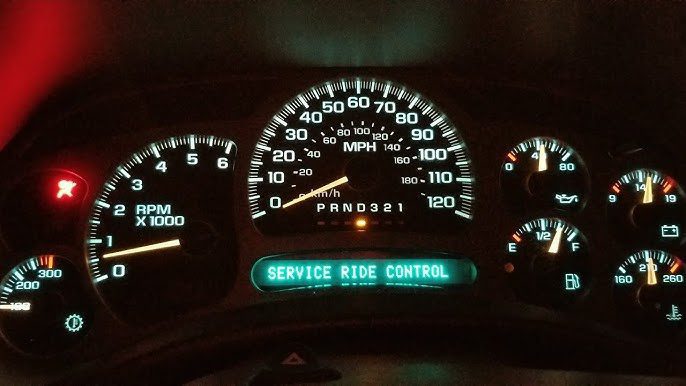
If you’ve noticed a “Service Ride Control” message on your dashboard, you’re in very good company. This warning can be unsettling because it sounds broad and it is. In most vehicles, this message means the ride control or suspension management system has detected a fault that could affect ride comfort, handling, and, in some cases, vehicle safety. The system may still function partially, or it may switch into a default “fail-safe” mode to protect components until repairs are made. The encouraging part is that once you understand what the ride control system is designed to do, the warning becomes far less mysterious and far easier to diagnose logically.
In this guide, I’ll walk you through what the message actually means (and what it does not mean), which vehicles tend to see it more frequently, the major components involved, and a practical troubleshooting path you can follow before spending money on parts. You’ll also learn what symptoms matter most, which quick inspections can reveal common failures, and how routine service can prevent the warning from returning. Whether you drive a performance oriented car like a Corvette or a full-size GMC SUV like a Yukon or Escalade, the same diagnostic principles apply: confirm the complaint, retrieve the correct fault codes, check the most failure-prone components first, and verify the repair with a road test.
By the time you finish reading, you should have a clear plan, either for a careful DIY inspection or for a more productive conversation with a repair shop. The goal isn’t only to clear a dashboard message; it’s to restore the suspension system’s ability to keep the vehicle stable, controlled, and comfortable in the real world.
Understanding Service Ride Control Messages
Encountering a “Service Ride Control” message can be confusing, especially because modern suspension systems are no longer purely mechanical. Depending on what you drive, anything from a GMC Yukon to a Cadillac Escalade, this message usually points to an issue in the suspension management system, not just “bad shocks.” Today’s ride control systems can include electronic dampers, height control, air compressors, pressure sensors, ride height sensors, and control modules that communicate with other vehicle networks.
What makes this message feel vague is that multiple components feed the same system. A small sensor fault, a damaged wire, or a weak compressor can all lead to the same dashboard warning. That’s why understanding the meaning behind the message (and how to interpret it alongside your vehicle’s symptoms) is the first step toward an accurate fix.
It’s also important to recognize that the warning is often protective by design. If the vehicle can’t trust a sensor reading or detects the suspension cannot respond as commanded, it may disable certain features to prevent unpredictable handling. In other words, the message is your vehicle saying, “I can’t guarantee normal ride control operation right now.”
What Does Service Ride Control Mean?
The “Service Ride Control” message indicates that your vehicle has detected a malfunction within the ride control (suspension control) system. In practical terms, this system’s job is to manage how the suspension reacts to the road, controlling body motion, reducing bounce, maintaining ride height (where applicable), and helping the vehicle remain stable during braking, cornering, towing, and heavy loads.
In vehicles equipped with Electronic Suspension Control (ESC) or other electronically managed damping, the control module may adjust damping rates in real time to match conditions, stiffening the suspension during aggressive maneuvers, or softening it for comfort on rough roads. When the system detects a fault, it may set a trouble code and switch to a default mode. That default mode can feel “stiffer than normal,” “floaty,” or simply inconsistent, depending on the type of failure.
You may encounter this warning in a variety of platforms, including performance cars and SUVs. For example, it is often discussed in Corvette communities such as Corvette forums, and it’s also common in GM trucks and luxury SUVs. The message frequently corresponds to specific fault codes, such as Diagnostic Trouble Code (DTC) C0580, though the exact code depends on model and configuration. When codes like this appear, the module is indicating a circuit, sensor, actuator, or communication problem that prevents normal system control.
What does this mean for you as the driver? Potentially several things:
- Your vehicle may no longer adjust damping as effectively in changing conditions.
- Ride height control (if equipped) may not maintain proper level under load.
- You may experience altered ride quality, increased body roll, or reduced stability on uneven surfaces.
- Some vehicles may restrict certain features to protect the suspension or to prevent unsafe behavior.
Most importantly, the message usually calls for prompt attention, not because the vehicle will instantly become undrivable, but because suspension faults can compound. A small leak or weak compressor that’s ignored can become a burned-out compressor. A loose connector that’s ignored can become a corroded harness requiring more extensive repairs. Addressing the warning early is often the difference between a manageable fix and an expensive one.
One expert note: “Service Ride Control” is not a diagnosis by itself. It’s an umbrella warning. Your next step is always to retrieve the stored DTCs from the appropriate module (not just the engine computer) and then confirm the fault with inspection and testing.
Common Vehicles Affected
While ride control warnings can occur on many vehicles equipped with electronic suspension, some models appear more frequently in owner reports, particularly larger SUVs and trucks that use air suspension or electronic damping to maintain comfort and load leveling. SUVs from General Motors, including the GMC Yukon and Cadillac Escalade, are common examples. The Escalade ESV is not immune either. These vehicles often rely on height sensors, compressors, and electronically controlled shocks to keep ride height consistent, especially when towing or carrying passengers and cargo.
Why do these models show the message more often? It’s not necessarily that they’re “bad vehicles.” Rather, they tend to use more complex suspension systems with more components that can fail. Add real-world factors, winter road salt, moisture intrusion, high mileage, frequent load changes, and aging rubber air lines and the odds of seeing a suspension warning naturally increase.
Owners of these vehicles often discover the message after one of these events:
- Parking overnight and finding one corner of the vehicle sitting low (possible air leak or sensor issue).
- Hearing the compressor run longer than normal (possible leak or weak compressor).
- Experiencing a harsher ride or unusual bouncing (possible damper failure).
- Noticing the warning after battery replacement or electrical work (possible module reset or voltage issue).
If you drive a model known for advanced ride control features, take unusual alerts seriously and investigate early. Knowing which vehicles are more likely to display the “Service Ride Control” message helps you anticipate maintenance needs, plan inspections proactively, and reduce the chance of being caught off guard by a sudden change in ride quality.
Components of the Ride Control System
Understanding the building blocks of the ride control system makes troubleshooting far more straightforward. While the exact configuration varies by vehicle, most modern ride control systems include a control module, sensors that measure suspension position and vehicle dynamics, and actuators such as electronically controlled shock absorbers or air springs. Each part contributes to a smooth, stable driving experience and each part can generate a warning when its behavior falls outside expected limits.
When everything is working correctly, the system continuously makes small adjustments you may never notice. The ride stays composed over rough pavement, the vehicle remains more level under load, and the suspension response feels “premium” rather than bouncy or harsh. When the message appears, the system is telling you that at least one piece of that chain, sensor input, module processing, or actuator output, can’t be trusted.
Below are the core components most closely associated with a “Service Ride Control” message, along with how they work and what typically goes wrong.
Electronic Suspension Control (ESC)
Electronic Suspension Control (ESC) functions like the command center of the ride control system. Using an electronic control unit (ECU) or a dedicated suspension control module, ESC processes sensor information and decides how the suspension should respond in real time. The module may look at wheel speed, steering angle, body motion, braking input, acceleration, and ride height (if equipped). Based on that information, it commands changes to the suspension, such as adjusting damper stiffness or activating height leveling.
This type of technology is common in vehicles with advanced ride control systems, including models like the Cadillac Escalade ESV. It helps balance the vehicle by controlling components like air shocks, air springs, and electronically adjustable dampers. By constantly monitoring sensors and comparing actual vehicle behavior to expected behavior, ESC helps each wheel maintain better contact with the road. That translates to improved comfort, better handling in corners, and more stability during quick lane changes or sudden stops.
From an expert diagnostic perspective, ESC issues tend to fall into several categories:
- Input faults: a sensor is reporting incorrect data (ride height sensor, accelerometer, pressure sensor).
- Output faults: an actuator isn’t responding (electronic damper solenoid failure, compressor issue).
- Electrical faults: wiring damage, poor grounds, corroded connectors, blown fuses.
- Communication faults: the suspension module cannot communicate reliably with other modules.
- Internal module faults: rare, but possible, especially with water intrusion or severe corrosion.
ESC is designed to fail safely. If it detects implausible data, it may stop making adaptive adjustments and default to a baseline setting. That’s why you might experience a ride that feels “stuck” in one mode, or a vehicle that sits at an incorrect height until the problem is corrected.
A professional grade scan tool is often the fastest way to see what ESC is complaining about. It can show live sensor data and commanded outputs, which helps confirm whether the module is receiving accurate inputs and whether actuators are responding appropriately. However, even without a scan tool, understanding ESC’s role helps you interpret symptoms: if the ride suddenly becomes harsh or inconsistent, the system may no longer be adapting as intended.
Air Suspension and Compressor
Air suspension systems replace traditional steel springs with air springs (air bags) or air-assisted shocks. The benefit is flexibility: the system can adjust suspension height and firmness more dynamically than conventional springs. A suspension compressor pumps air into the system, while valves and lines distribute that air to maintain target ride height and load leveling.
This setup is especially popular in luxury SUVs and trucks, including many GM platforms, because it improves comfort and helps the vehicle stay level when loaded with passengers, cargo, or towing weight. Instead of sagging in the rear under load, the system can add air pressure to restore normal ride height. That improves headlight aim, handling balance, braking stability, and overall driving confidence.
However, air suspension systems are also more sensitive to leaks and compressor wear. If an air spring develops a small leak, the compressor may run more often and for longer periods to compensate. Over time, that extra workload can overheat and weaken the compressor, turning a small leak into a full system failure.
A faulty compressor, leaking air line, or failing valve block can easily trigger the “Service Ride Control” message. Typical warning-related signs include:
- The compressor runs frequently, loudly, or for extended time.
- The vehicle sits lower after parking (often one corner more than others).
- Ride height changes slowly or fails to adjust under load.
- You hear hissing (air leak) near a wheel well or under the vehicle.
If your vehicle uses air suspension, treat repeated compressor activity as a symptom, not the root cause. The compressor is often the “victim,” working overtime because of a leak or a sensor issue. Replacing a compressor without fixing the leak can lead to repeat failures.
Expert tip: When diagnosing air suspension problems, always confirm the vehicle’s battery and charging system health. A weak battery can cause low voltage that prevents the compressor from operating correctly or triggers module faults that mimic compressor failure. Electrical foundation matters in modern suspension systems just as much as mechanical condition.
Shock Absorbers and Springs
Shock absorbers and springs form the mechanical backbone of any suspension system, whether the vehicle is fully electronic, partially electronic, or mostly conventional. Shock absorbers dampen motion by converting the suspension’s kinetic energy into heat, reducing bounce, sway, and oscillation after bumps. Springs coil, leaf, or air springs, support the vehicle’s weight and maintain ride height.
In vehicles like the Cadillac Escalade ESV, these components often work in partnership with ESC. The system may adjust shock stiffness electronically, allowing the same vehicle to feel comfortable on rough roads and stable during cornering. When shocks wear out, you may experience:
- Excessive bouncing after bumps
- Nose dive during braking
- Body roll in turns
- Uneven tire wear
- A “floating” sensation at highway speed
When the shocks are electronically controlled (for example, with solenoids), the system can also detect electrical faults in the damper circuits. That means you may receive a “Service Ride Control” message even before the shock is completely worn out mechanically, because the electronic portion is failing. Likewise, a shock that is mechanically worn may cause handling instability that the system interprets as abnormal body motion, prompting warnings in some configurations.
Regular inspection is the best defense. Look for oil leaks on shocks, damaged mounts, cracked bushings, sagging ride height, or uneven tire wear. These clues help you identify whether the suspension problem is primarily mechanical, electronic, or a combination of both. Preventive inspection is especially important on vehicles with air suspension, because uneven ride height can place additional stress on air springs and related hardware.
Troubleshooting the Service Ride Control System
Successfully diagnosing a ride control warning is about gathering the right evidence and following a logical sequence. Many owners make the understandable mistake of replacing the most obvious part, like shocks or the compressor, without confirming the fault. But because multiple failures can trigger the same message, the smartest approach is systematic: retrieve the codes, inspect the most common failure points, test sensor circuits when necessary, and evaluate the control module only after the basics check out.
In professional diagnostics, we often start with two questions:
- What exactly is the system complaining about? (The DTCs answer this.)
- Is the complaint consistent with what the driver feels? (Symptoms confirm or challenge the code.)
With that in mind, the sections below guide you through the same process in an owner-friendly way, focusing on suspension issues, pressure/height sensors, and the suspension control module. Each area can offer specific clues that narrow the problem quickly.
Diagnostic Procedures
When the service suspension or “Service Ride Control” message appears, begin with basic diagnostics, ideally before disassembling anything. Step one is to check the vehicle for Diagnostic Trouble Codes (DTCs). Use an OBD-II scanner, but keep an important limitation in mind: many basic scanners read only engine and transmission codes. Suspension, ABS, body, and chassis codes may require a scan tool that can access those modules.
Even so, scanning is worth doing because it prevents guesswork. Codes can indicate a failure in a specific damper circuit, a ride height sensor, a compressor relay, an air pressure sensor, or a module communication issue. Some codes will also indicate whether the fault is current (active) or stored (history). That distinction matters: an active fault is present right now; a history fault may have been triggered during low voltage or a temporary event.
After pulling codes, document them. Write down the code numbers and descriptions. Many people clear codes immediately, which can remove valuable context. It’s often smarter to record the codes first, then clear them only after you’ve made an inspection or repair and then see what returns.
Next, observe and note the vehicle’s behavior. Symptoms are diagnostic clues. For example:
- Harsh ride may suggest dampers stuck in a firm default state or electronic damper control disabled.
- Excessive bouncing may indicate worn shocks or dampers not responding.
- Vehicle leaning or sitting low may point toward air suspension leaks, compressor issues, or ride height sensor faults.
- Intermittent warnings often suggest wiring/connector issues, moisture intrusion, or marginal sensors.
Listen for unusual sounds. A compressor running continuously, clicking relays, or hissing near a wheel well can provide immediate direction. Also look for visual changes: Is one corner lower than the others? Does the vehicle correct height after starting? Does it drop again after parking?
Finally, perform a careful visual inspection. Check for damaged wiring near the suspension, broken sensor linkages, cracked air lines, and leaks around shocks/struts. Many ride control issues are visible once you know where to look, especially in areas exposed to road salt and water.
When diagnostics are done in this order, codes first, symptoms second, inspection third, you avoid the “parts cannon” approach and dramatically increase the odds of fixing the issue correctly the first time.
Pressure Sensor and Ride Height Issues
Pressure sensing and ride height control are central to air suspension and many electronically managed suspension systems. If your vehicle can adjust height, it must measure height, and it must confirm that system pressure can achieve and maintain that height. When either measurement becomes unreliable, the control module may set codes and trigger the “Service Ride Control” message.
Start with a visual inspection of each sensor and its linkage (if equipped). Ride height sensors are commonly mounted near suspension arms and connected by small linkage rods. These rods can be damaged by debris, corrosion, or improper lifting points. If the linkage is bent, disconnected, or seized, the sensor may report an incorrect height, even if the suspension itself is physically fine.
Next, check the wiring and connectors leading to the sensors. Loose, damaged, or corroded connections are common culprits, especially on older vehicles or those driven in harsh climates. A connection may look intact but still have internal corrosion that increases resistance and distorts sensor signals.
When possible, use a multimeter to test sensor circuits. You’re typically checking for correct reference voltage, signal voltage behavior, and good ground. A sensor that never changes output or changes erratically, may be faulty, but wiring damage can mimic the same symptoms. That’s why circuit testing matters.
Also evaluate the vehicle’s stance on a flat surface. If one side sits noticeably lower, it may indicate:
- An air leak at a spring, line, or fitting
- A faulty height sensor reporting incorrect position
- A valve issue preventing air distribution
- Mechanical wear causing sag (spring weakness, damaged mount)
Consistent pressure readings are necessary for smooth operation. If the system cannot build or hold pressure, it may command the compressor to run more frequently. That can overheat the compressor, blow fuses, or cause relay failures. So, if you suspect an air leak, address it early to protect the compressor.
Expert level insight: Intermittent ride height issues often happen because of temperature changes. Rubber air bladders can leak more when cold, and fittings can contract/expand slightly. If the vehicle sits low after cold nights but improves after driving, you may be dealing with a marginal leak or a sensor that becomes inaccurate in cold conditions.
If your DTCs point to pressure sensor faults, verify whether the sensor is integrated into the compressor assembly, the valve block, or a separate line. The location matters for diagnosis. A sensor can be correct, but the system may still set codes if the compressor cannot achieve pressure targets, again reinforcing why you must interpret codes alongside real-world symptoms.
Evaluating the Suspension Control Module
The suspension control module (or ride control module) is the system’s coordinator, responsible for interpreting sensor data and commanding actuators like electronic shocks or an air compressor. If you’ve inspected sensors and the message persists, it’s reasonable to evaluate the module and its supporting circuits. However, from an expert standpoint, the module is rarely the first component to condemn. Most module “failures” are actually wiring, power/ground, or communication problems that prevent the module from functioning correctly.
Start with the basics: locate the module (often near the trunk area, under interior trim, or under the dashboard depending on platform). Look for visible signs of trouble such as:
- Moisture intrusion or water staining
- Corroded connectors
- Damaged wiring loom or pinched harness
- Aftermarket wiring taps that compromise circuit integrity
Next, confirm power and ground. A module that does not receive stable battery voltage and a clean ground can set misleading codes. Low voltage events such as, weak batteries, jump starts, or alternator issues, can trigger ride control messages even when the suspension hardware is fine. If the message appeared immediately after battery service, this is especially worth checking.
For thorough module evaluation, professional diagnostic tools are strongly recommended. These tools can read live data, verify module communication status, run actuator tests (commanding compressor or damper changes), and confirm whether the module has software updates available. Some platforms also require recalibration routines after repairs such as, ride height sensor calibration or steering angle correlation, depending on how integrated the suspension system is with other stability systems.
Resetting the module can sometimes help if no hard faults are detected, because modules may store temporary faults after voltage drops or communication interruptions. That said, a “reset” is not a repair. If a hard fault exists, like an open circuit, short, or failed sensor, the code will return quickly after clearing.
If the problem persists after verifying sensors, wiring, and module power/ground, then module replacement may be considered. At that point, professional support is usually the safest path because module replacement can require programming, configuration, and calibration to match the vehicle’s options and VIN. Done correctly, it restores reliable operation; done incorrectly, it can create new communication problems across the vehicle network.
In summary, evaluate the control module strategically: treat it as the “brain,” but remember that brains often look faulty when their senses (sensors) or nerves (wiring) are compromised.
Service and Maintenance for Ride Control Systems
Keeping your ride control system healthy is one of the best investments you can make in long-term comfort, handling, and tire life. Suspension systems are wear systems, components flex, seals age, and electronics live in harsh environments. The goal of maintenance is not only to fix the “Service Ride Control” message when it appears, but also to prevent the conditions that cause it: leaks, corrosion, worn dampers, sensor degradation, and overworked compressors.
A well-maintained ride control system offers benefits beyond comfort. It improves stability in emergency maneuvers, helps maintain consistent braking performance (because tire contact with the road is more controlled), and reduces uneven tire wear that can become expensive over time. For SUVs and trucks, especially those that tow or carry loads, maintaining ride control components also keeps vehicle geometry closer to design specifications, supporting safer steering, braking, and headlight aim.
Below are professional-grade maintenance strategies translated into practical steps for owners.
Routine Inspection and Servicing
Routine inspection is the simplest way to prevent ride control problems from escalating. Start with your service manual. Manufacturers often provide guidance on inspection intervals and special checks for air suspension or electronically controlled dampers. Even if you don’t follow the service manual word-for-word, using it as a reference helps you focus on the components your vehicle actually has.
During inspections, look for wear or damage in the suspension parts and the supporting electrical system. Key items to inspect include:
- Shock and strut bodies for oil leaks or physical damage
- Air springs (if equipped) for cracks, dry rot, or abrasion marks
- Air lines and fittings for rubbing, cracking, or loose connections
- Ride height sensor linkages for bending, looseness, or corrosion
- Electrical connectors for corrosion, broken locking tabs, or damaged wiring
- Tires for uneven wear patterns that suggest suspension or damping issues
Pay particular attention to systems that use real-time damping or active damping strategies. These systems constantly adapt the suspension based on road conditions and driving behavior. If you notice handling changes, like increased bounce, unusual harshness, or inconsistent body control, it may indicate the damping system is not adjusting correctly, even if the vehicle still “drives.”
When replacement is necessary, many owners and shops use reputable aftermarket solutions. You can use helpful resources like Dorman or Arnott products to replace worn-out parts. These brands often provide replacement air suspension components, compressors, and related hardware designed for specific applications. The most important step is ensuring the replacement part matches your exact vehicle configuration, since ride control systems can vary by trim level and option package.
Also consider environmental factors. Vehicles driven in regions with winter road salt benefit from more frequent underbody rinsing and connector inspection. Salt accelerates corrosion, and corrosion is one of the most common causes of sensor and module communication issues in suspension systems.
Finally, don’t ignore early warning signs. A compressor that suddenly seems louder, a vehicle that sits low after parking, or a new clunk over bumps is often the system giving you an early signal, long before a full warning message appears.
Replacing Components
At times, replacement is the most responsible solution, especially when components have reached the end of their service life or have failed electrically. Common parts that wear or fail in ride control systems include shocks, struts, air springs, compressors, valves, height sensors, and the ride control module. When the vehicle displays a “Service Ride Control” message, it typically means the system has detected a diagnostic trouble code and has either limited operation or switched to a protective mode.
Before replacing anything, confirm the correct failure point with codes and inspection. For example:
- A leaking air spring often causes the compressor to run frequently and can lead to compressor failure if ignored.
- A faulty height sensor can cause incorrect leveling even if the air system is tight.
- An electronic damper circuit fault may require replacing a damper with integrated electronics rather than a conventional shock.
- A wiring/connector fault can mimic component failure and should be repaired first.
When it’s time to replace components, consult your service manual for proper steps, torque specifications, lifting points, and safety precautions. Suspension components are under load, and air suspension systems can retain pressure. Safe procedures matter.
Brands like Dorman and Arnott offer a range of replacement parts designed for various models. For many owners, these options provide a practical path to restoring ride height and comfort without dealership-level pricing. That said, quality and compatibility are everything: mixing mismatched components or installing parts intended for a different configuration can lead to repeat warnings, poor ride quality, or calibration issues.
After replacement, verify that the ride control system functions as intended. This may involve clearing codes, performing a recalibration procedure (if required), and test-driving the vehicle over a variety of surfaces. Pay attention to:
- Whether the message stays off after a full drive cycle
- Whether ride height remains consistent after parking overnight
- Whether the vehicle handles predictably during braking and cornering
- Whether compressor runtime has returned to normal (if equipped)
Regular maintenance and correct component replacement prevent larger failures. A ride control system is a network, when one component fails and forces another to overwork, costs rise quickly. Fixing the root cause early is the best long-term strategy.
Common Symptoms That Often Accompany a Service Ride Control Message
Although the dashboard message is the most obvious sign, the vehicle usually provides additional clues. Interpreting those clues helps you differentiate between an air suspension leak, an electronic damping issue, a sensor problem, or a wiring fault. Below are the symptoms I recommend paying attention to first, because they tend to correlate strongly with specific failure patterns.
Changes in Ride Quality (Harsh, Bouncy, or Inconsistent)
A sudden harsh ride can indicate that adaptive dampers have switched to a default setting (often firm) because the control module cannot manage them properly. A bouncy or “floaty” ride can indicate worn dampers or a failure of electronic damping control. If the ride quality changes depending on speed or driving mode, that can suggest an intermittent electronic fault rather than purely mechanical wear.
As an expert rule of thumb, mechanical damper wear tends to be gradual, while electronic control faults often feel sudden, because the system flips from “adaptive” to “fail-safe” quickly when it detects a fault.
Vehicle Sitting Low, Leaning, or Failing to Level Under Load
If your vehicle has air suspension or auto-leveling, a low corner, rear sag, or a noticeable lean often points toward air loss or incorrect height sensor readings. The key question is whether the vehicle corrects itself when started. If it rises after starting, the compressor is likely capable, but a leak may be present. If it never rises, the compressor, relay, fuse, or valve system may be compromised or the system may be locked out due to an electrical fault.
Also pay attention to how quickly the vehicle loses height after parking. A rapid drop suggests a more significant leak, while a slow drop suggests a small leak that may become worse over time.
Unusual Noises (Compressor, Clicking, Hissing, Clunks)
Compressor-related noise is common when the system is struggling to build pressure. Clicking noises may be relays cycling repeatedly, often because the compressor is running too often or the system is losing pressure quickly. Hissing typically suggests an air leak. Clunking may indicate worn suspension bushings, damaged mounts, or mechanical faults that can indirectly trigger ride control warnings if the system detects abnormal body movement.
Noise diagnosis is not always precise, but it narrows the search. A compressor that runs longer than normal is a strong indicator that the system is compensating for something, usually pressure loss.
A Practical, Expert Troubleshooting Workflow (So You Don’t Replace Parts Blindly)
If you want the shortest path to a correct fix, follow a structured diagnostic sequence. This mirrors professional practice and helps you avoid replacing expensive components unnecessarily. Here’s the workflow I recommend in most cases:
- Step 1: Confirm the system type. Determine whether your vehicle uses air suspension, electronic dampers, or both.
- Step 2: Retrieve the right codes. Use a scan tool that can read chassis/suspension modules, where possible.
- Step 3: Inspect the basics. Check fuses, relays, wiring near wheels and underbody, and visible leaks.
- Step 4: Validate symptoms against codes. Do they match a leak, sensor fault, or electrical issue?
- Step 5: Test rather than guess. Use a multimeter for sensor circuits and verify compressor command and pressure behavior.
- Step 6: Repair and verify. Clear codes, recalibrate if needed, and road test.
This workflow matters because ride control systems are interconnected. The system may throw codes for a symptom (like “cannot reach target height”) that is caused by a different root cause (like an air leak). The code is still valuable, but it must be interpreted correctly.
If you’re not equipped for deeper testing, you can still use this workflow to communicate effectively with a shop. When you arrive with codes documented, symptoms described clearly, and observations like “rear drops overnight” or “compressor runs for 45 seconds after startup,” you help the technician diagnose faster and more accurately.
When to Seek Professional Help (and What to Ask For)
Some ride control issues are straightforward, like an obvious air leak or a damaged sensor linkage. Others require specialized tools and procedures, particularly when modules need programming or the system requires calibration. If the warning persists after basic inspection, or if you have multiple suspension-related codes, professional diagnostics can be the most cost-effective next step.
When speaking with a shop or dealership, consider requesting:
- A full scan of chassis/suspension modules (not just engine codes)
- Verification of module power/ground and connector condition
- Air suspension leak test (if equipped) and compressor performance check
- Ride height sensor calibration check (if applicable)
- Inspection of wheel-end and suspension bushings for mechanical contributors
This ensures the shop approaches the problem as a system diagnosis rather than guessing at components. It also helps you understand whether the repair is addressing the root cause or merely treating symptoms.
Safety note: If the vehicle’s ride height is severely uneven, if steering feels unstable, or if the vehicle bottoms out easily, it’s safer to limit driving and arrange service. Suspension faults can affect braking and stability, particularly in emergency maneuvers.