
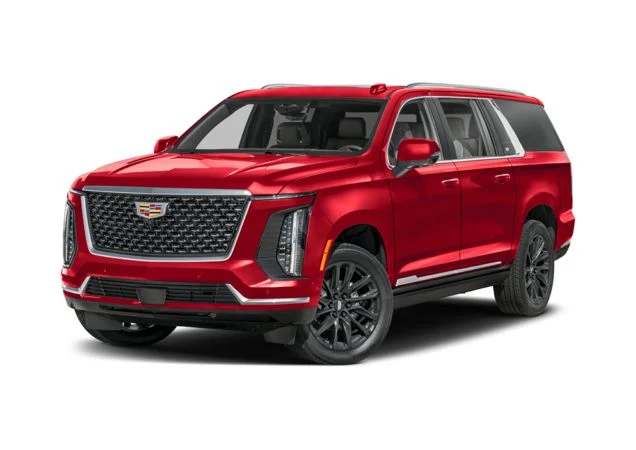
If you own a Cadillac Escalade and the dashboard lights up with a “Service Suspension System” message, your stomach probably drops a little. That’s completely normal. This warning means something in your SUV’s suspension isn’t working the way it should—and in a vehicle built to deliver one of the smoothest rides on the road, that matters.
But here’s the thing: this message doesn’t automatically mean something catastrophic happened. In a lot of cases, it’s pointing to a fixable problem—a sensor acting up, an air spring leak, a tired compressor, or worn shocks. The key is understanding what triggered it and dealing with it before a small issue snowballs into a big repair bill.
Let’s break down what this warning actually means, what’s most likely causing it, and how you can get your Escalade riding like it should again.
What Your Escalade’s Suspension Actually Does (And Why It’s So Complex)
Your Escalade’s suspension does way more than cushion bumps. It supports the vehicle’s weight, keeps all four tires firmly on the pavement, manages body roll in corners, controls dive under braking, and delivers that signature luxury-SUV composure. This is a heavy, full-size vehicle—so the suspension has to work overtime to keep things smooth without sacrificing control.
That’s exactly why Cadillac loaded the Escalade with some seriously sophisticated hardware. When everything’s working, the ride feels stable, quiet, and almost effortless—even on rough pavement. When something starts to fail, though, you’ll notice pretty quickly.
Control Arms: The Foundation You Never Think About
Control arms connect the frame to the wheel assembly and let the wheels move up and down as the suspension reacts to the road. Their bushings and joints absorb vibration and keep your alignment geometry where it needs to be.
In plain English? They directly affect steering feel, braking stability, and how well your tires grip the road. When a control arm bushing wears out or a ball joint gets sloppy, you might notice wandering, clunking over bumps, or vague steering in turns. They work quietly in the background, but they’re absolutely foundational to how solid and planted the Escalade feels.
Shocks and Struts: Why Your Escalade Stops Bouncing
Shock absorbers and struts are what keep the SUV from bouncing like a trampoline after every bump. They control spring movement and calm the suspension’s reaction to road disturbances.
When they start to wear, you’ll get nose-diving under braking, excessive squat when you accelerate, more body roll through turns, and a floaty, disconnected feeling at highway speed. Because the Escalade is so large and heavy, worn dampers amplify these problems more than they would in a smaller car. Even if the decline happens gradually over months, the impact on comfort and control can be significant.
Air Suspension: Adaptive Comfort That Can Go Wrong
Depending on your model year and trim, your Escalade may have an air suspension system. Instead of (or alongside) traditional steel springs, it uses air springs—basically air bags—to maintain ride height and handle varying loads.
The system includes a compressor, valves, air lines, sensors, and electronic controls that raise or lower the vehicle as needed. Loading up for a road trip? Towing a trailer? The system compensates automatically, keeping the SUV level. That helps with comfort, headlight aim, braking balance, and overall handling.
But when a leak develops, a sensor drifts, or the compressor starts struggling, the vehicle may sag on one side, ride unevenly, or throw up warning messages. It’s one of the most common sources of the “Service Suspension System” alert.
Magnetic Ride Control: Real-Time Suspension Intelligence
Some Escalades come equipped with Magnetic Ride Control, which is genuinely impressive technology. The dampers are filled with a special magnetorheological fluid that changes its resistance almost instantly when a magnetic field is applied.
What does that mean in the real world? The suspension adapts in real time—firming up when you need control and softening when comfort is the priority. It’s one of the big reasons many Escalades feel surprisingly composed on rough pavement yet still confident through curves. When this system faults out, the ride might feel unusually harsh one day, overly soft the next, or just plain inconsistent.
The Electronic Brain Behind It All
Beyond the mechanical hardware, your Escalade’s suspension relies on a web of electronic inputs: ride height sensors, accelerometers, a control module, wiring, fuses, connectors, and solenoids. Everything talks to everything else.
Because the system is so integrated, something as simple as a loose connector or a corroded sensor plug can trigger a warning that sounds way scarier than the actual problem. That said, don’t ignore it. The vehicle flagged the issue because something’s off enough to affect suspension performance—and that deserves attention.
Why Putting Off Suspension Repairs Is a Mistake
Here’s where a lot of owners get tripped up. The Escalade might still feel “okay” after the warning appears, so they push the repair down the road. Bad idea.
Suspension problems almost always get worse gradually. What starts as a mild ride quality issue can turn into uneven tire wear, poor handling, a burned-out compressor, or a much bigger repair bill. Catching things early is the single best way to protect both your wallet and your driving experience.
Knowing how these systems work also makes you a better communicator with your mechanic. Instead of saying “the ride feels weird,” you can tell them the rear is sagging, or the ride’s harsher over bumps, or the warning pops up after towing. That kind of detail speeds up diagnosis and saves you money.
How to Spot Suspension Trouble Before It Gets Expensive
Suspension problems rarely show up overnight. They usually start with subtle clues—a faint noise here, a slight lean there—before becoming full-blown mechanical failures. Learning to recognize these early signs can save you serious time and money.
That Dashboard Warning Isn’t Optional Reading
The “Service Suspension System” message is often your first and clearest heads-up. It appears when the control module detects abnormal behavior from a sensor, damper, air ride component, or communication circuit.
Don’t treat it like a “check engine light you can live with.” It’s the vehicle telling you it can no longer guarantee normal suspension performance. The cause might be something straightforward—a failing height sensor, a temporarily overheated compressor. Or it could point to worn shocks, an air leak, or an electrical fault that’s preventing the system from doing its job.
Even intermittent warnings matter. They often point to wiring issues, moisture in connectors, or sensors on their way out. These problems are notorious for getting worse over time. Get the vehicle scanned for diagnostic trouble codes by someone who knows Cadillac suspension systems. It’s the only way to tell the difference between a minor glitch and a real mechanical problem.
When Your Escalade Starts Sitting Crooked
Your Escalade should maintain a consistent, level stance. If one corner sits lower than the others, the rear drops overnight, or the SUV seems to constantly adjust its height, something’s off.
On air-ride-equipped models, a leaking air spring, weak compressor, or faulty height sensor can throw off the balance. The system might cycle repeatedly trying to correct itself, eventually overheating the compressor. That’s often when you’ll see a “Leveling System Unavailable” message—it’s a self-protection response.
Ride height issues aren’t just cosmetic. They affect stability, steering feel, braking, headlight aim, and tire wear. If your Escalade looks uneven when parked or struggles to level itself after startup, get it inspected sooner rather than later.
Strange Noises That Shouldn’t Be There
Clunking, knocking, creaking, or rattling over bumps? Those are your suspension’s way of crying for help. Worn joints, deteriorated bushings, loose mounts, or tired dampers are common culprits.
On air-suspension models, listen for the compressor too. If it’s running constantly, sounds louder than normal, or cycles at weird times, it may be struggling to maintain pressure. A hissing sound can mean an air leak. Repetitive clicking might point to a valve or electrical issue.
Luxury vehicles are engineered to be quiet. When you start hearing noises regularly, something’s wearing out. Pay attention to when the noise happens—during turns, over sharp bumps, when the vehicle’s parked and adjusting height—and share those details with your technician. It makes diagnosis much faster.
The Ride Just Doesn’t Feel Right Anymore
If your Escalade suddenly feels rougher, bouncier, or less composed than usual, don’t write it off as “just getting old.” One of this SUV’s defining traits is its ability to soak up imperfections, so a noticeable drop in ride quality is a real signal.
Some drivers describe it as “stiff and unsettled.” Others say it feels “loose and wallowy.” Both can point to suspension trouble—just in different components. A failing magnetic ride damper might allow too much movement, while a sensor fault or air ride issue might make things oddly firm or uneven.
A rougher ride also means more driver fatigue on long trips, and it can affect braking distance and cornering stability. If the change happens suddenly, schedule an inspection right away.
One more thing to watch for: inconsistency. A healthy Escalade should feel predictable day to day. If the ride’s fine on Monday and weirdly harsh on Tuesday, an intermittent sensor signal, electrical issue, or compressor problem might be altering the suspension’s behavior behind the scenes. If you notice the ride changing after towing, heavy loading, or long highway drives, mention that pattern during diagnosis—it can be a huge help.
Fixing the Most Common Suspension Problems
When the “Service Suspension System” warning appears, the real challenge is figuring out which part of the system is responsible. The Escalade’s suspension blends traditional mechanical parts with advanced electronics, so symptoms can overlap. A sagging rear might be a leaking air spring, a weak compressor, or a bad sensor input. A harsh ride could mean worn shocks or a fault in the adaptive damping system.
Let’s look at the most common trouble spots.
Air Compressor Problems: The Most Likely Suspect
If your Escalade sits unevenly, struggles to maintain ride height, or keeps throwing suspension warnings, the air compressor is one of the first things to check. It’s responsible for pressurizing the air springs so they can support and level the vehicle.
When it’s working, you barely notice it. When it’s failing, the signs are hard to miss: it runs much longer than normal, sounds louder, or doesn’t kick on at all. You might see the rear sagging after the vehicle’s been parked, or the system taking forever to level after you load up passengers or cargo.
Here’s an important detail a lot of people miss: the compressor often isn’t the root cause of its own failure. It may be overworking because there’s an air leak somewhere else in the system, forcing it to run constantly until it overheats or burns out.
Start by listening after startup. Does the compressor run briefly and stop? Cycle repeatedly? Stay completely silent when it should be adjusting? A compressor that runs nonstop usually means a leak. One that never runs may have a blown fuse, failed relay, or internal failure. Check solenoid valves, fittings, and electrical connections for corrosion too—especially if you live in an area with road salt.
If you need to replace the compressor, make sure the rest of the system is healthy first. Dropping in a new compressor without fixing a leaking air spring or damaged line is a recipe for repeat failure. The real goal is figuring out why the compressor was stressed in the first place.
Worn Rear Shocks and Struts: More Than Just Comfort
Rear shocks and dampers play a huge role in how your Escalade handles bumps, weight transfer, and body motion. When they start wearing out, you’ll notice increased bouncing, a harsher ride from the back, extra body sway during lane changes, or a feeling that the SUV takes too long to settle after a bump.
On Escalades with adaptive or electronically controlled dampers, the symptoms can be trickier. Instead of leaking oil right away, an adaptive unit might respond inconsistently—feeling normal one minute and strangely uncontrolled the next.
Do a visual inspection. Look for oil around the shock body, cracked bushings, damaged boots, or loose mounting hardware. Pay attention to whether one side behaves differently from the other—a single failed shock can make the Escalade lean or bounce unevenly, especially under load.
Don’t ignore this stuff. Worn shocks create a chain reaction: irregular tire wear, compromised braking stability, and extra stress on other suspension components. If your Escalade has magnetic ride or electronically controlled dampers, make sure replacements are compatible with the system. Wrong parts can trigger warnings, create uneven performance, or produce a ride quality that feels nothing like what Cadillac intended.
Sensor and Accelerometer Failures: When the Electronics Lie
Modern Escalade suspensions depend heavily on sensors—accelerometers, ride height sensors, position sensors—to make split-second decisions. If one of these starts failing or sending inconsistent data, the control module can’t manage the system properly.
The result? False adjustments, poor damping behavior, incorrect ride height, or dashboard warnings. The ride might feel too stiff (the system overcompensating) or too floaty (the dampers not responding when they should). What makes sensor issues particularly frustrating is that they don’t always create obvious physical symptoms right away, yet they can seriously affect how the Escalade drives.
Check sensor connections and wiring for dirt, corrosion, looseness, or physical damage. Road debris, moisture, and vibration all take their toll over time. A slightly loose connector can cause intermittent faults that come and go—which is why a professional scan tool is so valuable. It can read live data and pinpoint exactly which sensor is misbehaving.
Sometimes a dealership software update fixes calibration or communication issues. But if warnings persist after checking connections and software, the sensor itself probably needs replacing. Don’t guess with electronics—replacing the wrong part gets expensive fast.
Once a bad sensor is identified and replaced, the difference can be dramatic. The Escalade’s suspension makes countless tiny adjustments during normal driving, and it can only do that well with accurate data. A single unreliable sensor can confuse the entire system. That’s why some owners report the SUV feeling mechanically fine yet still throwing warnings and riding inconsistently—the hardware’s sound, but the system’s “eyes and ears” are feeding it bad information.
Keeping Your Escalade’s Suspension Healthy for the Long Haul
Regular suspension maintenance is one of the smartest investments you can make in your Escalade’s long-term comfort, safety, and resale value. These parts don’t usually fail all at once—they wear gradually, sending small signals before things get serious.
Watch the Compressor Like a Hawk
On air-ride-equipped Escalades, the suspension compressor deserves special attention. If you hear it running too often, notice the vehicle taking longer to level, or see warnings after loading cargo, investigate. A healthy compressor operates smoothly and only as needed. If it’s laboring constantly, it’s probably compensating for a problem elsewhere. Catching compressor strain early helps you avoid total failure and the cascade of repairs that follows.
Don’t Forget the Electronics
On vehicles with adaptive or magnetic ride tech, calibration and communication matter just as much as physical component condition. Fault codes, outdated software, or poor electrical connections can alter how the SUV responds to the road—even if the shocks and air components look fine mechanically. Routine electronic checks, especially when warnings pop up, go a long way toward maintaining the refined ride Cadillac engineered.
Simple Habits That Prevent Big Problems
Here are some practical things you can do to keep your Escalade’s suspension in top shape:
- Schedule routine inspections — Catch small issues before they become expensive ones.
- Listen for unusual noises — Clunks, hisses, and rattles are early warning signs.
- Monitor ride quality — If the ride suddenly feels rough or inconsistent, something’s changing.
- Watch ride height — A sagging corner or uneven stance often points to air suspension or damper trouble.
- Protect electrical connections — Clean, secure connectors help sensors deliver accurate data.
- Act on warnings promptly — A service message is always cheaper to handle early.
The Power of Just Looking at Your Vehicle
One of the simplest but most overlooked habits? Basic observation. Every now and then, look at your Escalade parked on level ground. Does it sit evenly? Does the rear seem lower after sitting overnight? Does it adjust more than usual at startup?
These tiny observations can reveal problems before they trigger a major warning. Also pay attention to how the SUV behaves after towing or carrying heavy loads. If the system struggles to level, responds slowly, or stays active longer than normal, a checkup is probably in order.
Keep the Underbody Clean
Dirt, road salt, and moisture accelerate corrosion—especially around connectors, compressor hardware, mounting brackets, and metal suspension parts. While cleaning alone won’t prevent every issue, it reduces the risk of avoidable damage from environmental exposure. If you live somewhere with harsh winters, occasional underbody rinses can be surprisingly beneficial.
A lot of air suspension and sensor problems don’t start with major component failure. They start with corrosion and contamination that quietly interfere with normal operation over months and years.
Combine Suspension Checks With Other Services
Tire rotations, brake inspections, and oil changes are perfect opportunities to glance at the suspension. Look for leaking shocks, cracked bushings, damaged air lines, or mounting hardware that’s coming loose. Because wear develops gradually, these brief inspections can catch a problem long before it changes the driving experience in an obvious way.
Suspension issues rarely stay isolated. They tend to affect other areas of vehicle behavior as time goes on—tires, steering, braking. Catching them early keeps everything working together the way it should.
The bottom line? A “Service Suspension System” message isn’t something to postpone indefinitely, especially on a vehicle with advanced adaptive and air ride components. Early diagnosis might reveal a modest fix—a sensor connection, a software calibration, a single worn part. Wait too long, and that small problem can stress the compressor, chew up your tires, or create a whole cascade of ride and handling complaints. Stay attentive, act early, and your Escalade will keep delivering the ride it was built to deliver.