
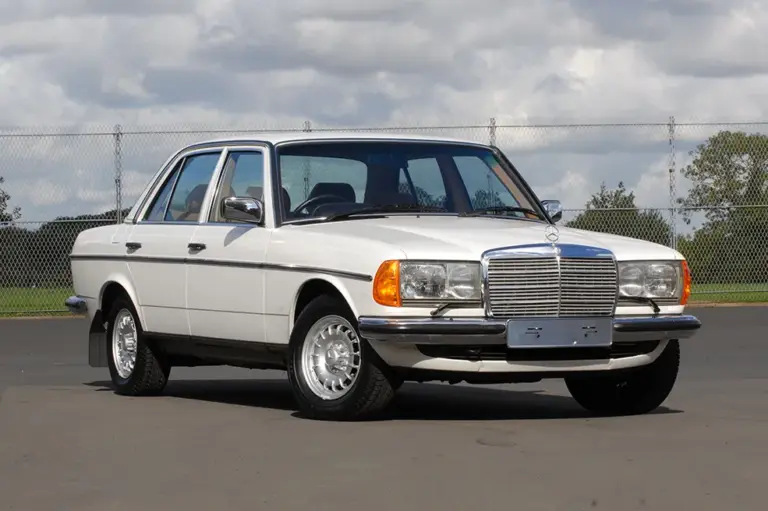
Buying a second-hand car can be one of the smartest financial decisions you make—or one of the most frustrating, depending on how you approach it. Many buyers turn to the used-car market because it offers a lower entry cost, slower depreciation, and access to models that may be out of reach when purchased new. Yet that financial advantage comes with a trade-off: unlike a brand-new vehicle, a used car already has a history. It has been driven, repaired, maintained—or neglected—by someone else. And what you are really buying is not just the machine in front of you, but the consequences of how it was treated before it reached your hands.
That is why so many people enter the used-car market with mixed emotions. On one hand, they want to save money. On the other, they worry about hidden faults, fake claims, poor maintenance, suspicious paperwork, or paying too much for a car that will immediately demand more money in repairs. Those concerns are valid. But they should not scare you away from buying used. They should simply convince you to buy with structure rather than impulse.
As someone who looks at car-buying decisions through both a technical and practical lens, I can tell you this: most bad used-car purchases do not happen because the buyer is unlucky. They happen because the buyer is rushed, underprepared, emotionally distracted, or focused on the wrong things. Too much attention goes to paint shine, badge prestige, and “good deals,” while too little attention goes to maintenance records, tire condition, cooling-system health, suspension wear, ownership history, and whether the asking price actually reflects reality.
A good used-car purchase is rarely the result of guesswork. It is the result of a method. You define your needs before you chase a model. You research common faults before you call the seller. You understand the vehicle’s market value before you negotiate. You ask the right questions before you drive across town. You inspect carefully before you agree to anything. And most importantly, you remember that every used car is a package deal: performance, condition, ownership history, paperwork, and price must all make sense together.
This guide is designed to help you do exactly that. It takes the original simple buying advice and expands it into a more practical, expert-level framework that is still easy to understand. I will walk you through each stage of the process—from identifying the type of vehicle you actually need, to researching the model, choosing where to buy, evaluating the history report, understanding market value, speaking with the seller, test-driving intelligently, inspecting the car thoroughly, involving a professional, and negotiating with confidence.
Whether you are looking for an affordable commuter hatchback, a reliable family sedan, a practical SUV, a pickup for work, or even a retro or enthusiast car, the same basic principle applies: never let excitement outrun evidence. A second-hand car can save you a lot of money, but only if you buy the right one, in the right condition, for the right price.
If you are currently confused about how to choose a good used car within your budget, do not worry. That confusion is normal. The used-car market is noisy, crowded, and full of half-truths. The purpose of this guide is to simplify the process without oversimplifying the risks. Follow the steps carefully, and you will dramatically improve your chances of ending up with a car that serves you well rather than draining your wallet after the purchase.
Why Buying a Used Car Feels Risky—And How to Reduce That Risk
Before we move into the steps, it helps to understand why used-car buying feels so stressful. A second-hand vehicle is not a mystery because used cars are inherently bad. It feels risky because information is unevenly distributed. The seller knows more than the buyer at the beginning of the process. The car itself can look perfectly presentable while hiding expensive wear underneath. A polished dashboard, recently washed engine bay, and glossy paint can make a vehicle feel trustworthy even when its suspension is tired, its transmission is hesitant, or its maintenance history is incomplete.
That imbalance of information is what creates anxiety. It is also why disciplined buyers tend to do better than enthusiastic ones. The goal is not to become paranoid about every used car. The goal is to ask enough questions and inspect enough evidence that the car stops being a gamble and starts becoming a measurable purchase.
From an expert’s perspective, there are five broad risk areas in any used-car deal:
- Mechanical risk: the engine, gearbox, suspension, steering, brakes, tires, cooling system, and electronics may have hidden wear.
- Financial risk: the asking price may be too high compared with the vehicle’s real condition, mileage, and market value.
- Paperwork risk: registration, ownership transfer, financing liens, accident history, and service records may be incomplete or misleading.
- Suitability risk: the vehicle may not actually fit your needs, running costs, or lifestyle even if it appears attractive at first glance.
- Behavioral risk: the biggest danger often comes from the buyer—moving too fast, skipping inspection, or falling in love with one option before doing due diligence.
This guide is structured to reduce all five of those risks. It is not about “finding a cheap car” alone. It is about buying intelligently. Cheap and smart are not always the same thing. Sometimes the cheapest car becomes the most expensive after repairs, downtime, tire replacement, registration issues, or poor fuel economy. A good used-car purchase is the one that makes sense not just on purchase day, but six months and two years later.
Now let us move into the buying process in a more logical order.
Step 1: Decide What Kind of Car You Actually Need
The first and most important decision happens before you contact a seller, browse listings, or fall in love with a particular model. You need to determine what kind of vehicle truly fits your needs. This sounds obvious, but many buyers get it wrong because they start with emotion: “I want that model,” “I like that shape,” or “This car looks premium for the price.” Those are understandable reactions, but they are weak foundations for a smart purchase.
Used-car buying should begin with function. Ask yourself what job the car must perform in your life. Will it mainly be used for city commuting? Long-distance highway travel? Family transport? Business deliveries? School runs? Rural roads? Heavy cargo? Weekend driving? If you buy a vehicle that does not match your real usage pattern, you may save money at purchase but create inconvenience and expense afterward.
For example, a small hatchback may be ideal if your priorities are fuel efficiency, easy parking, and low maintenance cost. A sedan may suit someone who wants better ride quality, a larger trunk, and a more stable highway feel. A compact SUV might make sense if road conditions are poor, your family is growing, or you need more cabin height and luggage flexibility. A pickup or loaded truck is a different category altogether and should be chosen only when your work or environment truly demands it, because larger vehicles typically bring higher fuel, tire, and maintenance costs.
There is another layer to this decision: the difference between “needs” and “wants.” This is where many budgets quietly get damaged. Buyers say they want to save money, but then insist on premium trim levels, oversized wheels, luxury interiors, panoramic roofs, upgraded infotainment systems, or cosmetic extras that inflate the asking price without improving the practical function of the vehicle. Features such as leather seats, alloy wheels, aftermarket stereo systems, custom lighting, and visual body upgrades may look appealing, but they usually raise the cost and do not always increase reliability.
That does not mean you should reject all extra features. It means you should rank them honestly. Some add-ons matter. Air conditioning in a hot climate matters. Safety systems matter. Reverse sensors or a rear-view camera may matter if you drive in crowded cities. But beyond a certain point, features become luxuries rather than necessities. If your goal is to stay within budget, it is usually smarter to prioritize:
- reliability,
- maintenance affordability,
- fuel economy,
- parts availability,
- safety,
- and suitability for your daily use.
An expert trick here is to create three short lists before you even start shopping:
- Must-have features – the things your car cannot do without.
- Nice-to-have features – useful, but not essential.
- Don’t-care features – things that should not influence your price decision at all.
This approach helps you avoid paying extra for a car that impresses your eyes but burdens your wallet. It also protects you from sellers who try to justify high prices by highlighting cosmetic or comfort upgrades instead of condition, service history, and mechanical health.
At this stage, it is also wise to think beyond the purchase price. A used luxury car may cost the same as a newer economy car, but the ownership costs can be completely different. Bigger wheels mean more expensive tires. Turbocharged engines may require more careful maintenance. Premium parts and brand-specific diagnostics cost more. Insurance can be higher. Fuel consumption can be worse. The right used car is not the one that looks expensive for cheap—it is the one you can comfortably own and maintain.
So before you go any further, be brutally honest with yourself. What does the car need to do? How much space do you need? How far do you usually drive? How rough are your roads? How important are fuel savings? How much maintenance can you realistically afford? Once you answer those questions clearly, the market becomes much easier to navigate.
Step 2: Research the Make and Model Deeply Before You Commit
Once you know the type of vehicle you need, the next step is to research the specific make and model you are considering. This is where disciplined buyers separate themselves from impulsive ones. A car may look attractive, drive well for ten minutes, and still be a poor choice if it has a known pattern of expensive failures, weak resale value, poor fuel economy, or limited parts support in your area.
Research should not be superficial. Too many buyers say they “researched the car” when all they really did was look at a few photos and read a short listing description. Real research means understanding what ownership of that model is like in the real world. You want to know whether the car is economical, durable, easy to service, comfortable to drive, and practical to live with. You also want to know what commonly goes wrong.
Start with owner reviews, mechanic opinions, long-term user experiences, and model-specific discussions. Pay attention to recurring complaints, not isolated emotional comments. One angry owner may not mean much. But if you repeatedly see the same concerns—weak automatic transmission, overheating tendency, expensive suspension wear, electrical gremlins, timing-chain issues, poor air-conditioning performance, or body-rust problems—that pattern deserves attention.
You should also speak with people who actually own or maintain the model. Friends, relatives, local mechanics, parts suppliers, and fleet operators can be valuable sources of practical information. A car can receive praise in glossy reviews but still be a headache in your market if spare parts are scarce, mechanics dislike working on it, or fuel quality affects its reliability.
Here are some of the most useful questions to answer during your research:
- Is the model generally considered reliable?
- What common faults appear after higher mileage?
- Are replacement parts easy to find locally?
- Is maintenance affordable or unusually expensive?
- Does the transmission have a good or bad reputation?
- How does it perform on the kind of roads you use most?
- Is fuel economy realistic, or only good on paper?
- Does it hold its value reasonably well?
- Are there trim levels or engine variants you should avoid?
This step also helps you understand whether the model you chose is “driver-friendly.” That phrase means different things to different people, but at a practical level it includes visibility, steering ease, ride comfort, parking convenience, clutch feel if manual, cabin layout, and how stressful the car is to use every day. A vehicle can be mechanically sound and still feel tiring or awkward in daily use.
Do not ignore the importance of ownership cost. Many buyers focus only on purchase value and underestimate how much the wrong model can cost to run. An inexpensive used car with rare parts or frequent repairs is not truly cheap. Likewise, a slightly more expensive model with a stronger reliability record and better parts availability may be the better long-term bargain.
As an expert, I strongly recommend narrowing your options to two or three proven models rather than chasing dozens of random listings. When you focus your research, you become sharper. You begin to know the common problems, average market pricing, expected mileage ranges, trim differences, and deal-breaker issues. That knowledge gives you confidence later when you inspect cars and speak with sellers.
In short, do not just choose a car you like. Choose a car you understand. A well-researched model reduces surprises, improves negotiation strength, and makes you far less vulnerable to poor buying decisions.
Step 3: Build a Realistic Budget Before You Start Shopping
Although the original advice emphasizes saving money, many used-car buyers still make the same mistake: they set a purchase budget but forget the ownership budget. That difference matters. The amount you can spend to buy the car is not automatically the amount you can afford to own it.
If your maximum budget is, for example, the full amount sitting in your account, that does not mean you should spend every cent on the car itself. A used car usually comes with immediate or near-immediate expenses. These may include registration, transfer fees, insurance, fuel, tires, fluid changes, minor repairs, battery replacement, new wipers, wheel alignment, brake servicing, or preventive maintenance to establish a fresh ownership baseline.
A smart used-car budget includes three layers:
- Purchase budget – what you can spend to acquire the vehicle.
- Immediate repair reserve – money set aside for the first few weeks or months.
- Ongoing running cost budget – what you can comfortably spend on fuel, insurance, maintenance, and routine wear items.
This matters because a used car in “good enough” condition may still need basic work. A seller may be perfectly honest and still hand over a vehicle that soon needs tires, front brake pads, a battery, an oil change, or suspension bushings. That is not necessarily fraud—it is simply reality in the used market.
If your budget is tight, the practical strategy is to buy slightly below your maximum limit. That creates breathing room. Too many buyers stretch themselves to buy the fanciest car possible, then suffer when ordinary maintenance appears. The smarter move is often the opposite: buy a simpler, cleaner car and keep money in reserve.
Your budget should also reflect the trims and features you identified in Step 1. Premium options, leather interiors, large infotainment packages, alloy wheels, and similar extras can raise the asking price significantly without improving the car’s mechanical strength. If savings are your priority, stay disciplined. Mechanical soundness is worth more than cosmetic prestige.
Another expert-level point: mileage and condition should be balanced against price, not viewed separately. Some buyers chase the lowest mileage number they can find, even when the price premium is unrealistic or the car has been poorly maintained. Others chase the cheapest listing and ignore obvious condition issues. Neither approach is wise. Budgeting is about understanding value, not simply minimizing the sticker price.
A realistic budget helps you shop calmly. It prevents emotional overreach, improves negotiating discipline, and protects you from the dangerous habit of “making the numbers work later.” When buying used, the car should fit your life—not trap your finances.
Step 4: Decide Where to Buy the Car
Once you know what you need and what you can afford, the next decision is where to buy. This is more important than many people realize because the source of the car often affects not only price, but also paperwork quality, return options, disclosure standards, and the level of inspection you must personally handle.
There is no single perfect buying platform for everyone. Each source has advantages and disadvantages. The wise approach is to understand what each channel offers and then decide which level of risk and convenience suits you best.
Certified or Established Used-Car Dealers
Used-car stores and established dealers are often the easiest option for buyers who want structure. They typically have multiple vehicles in one place, more standardized paperwork, and some level of business reputation to protect. In many cases, they also offer basic inspection reports, service touch-ups, or limited after-sales support.
The major advantage here is convenience and variety. You can compare several cars of the same class on the same day and get a broader sense of pricing. For first-time buyers, this can be reassuring. However, the downside is obvious: dealer pricing is often higher than private-sale pricing because the dealer includes overhead, preparation cost, and profit margin.
That does not automatically make dealer purchases bad value. Sometimes paying a bit more for cleaner paperwork, easier processing, and some level of accountability is worth it. But never assume that a dealership car is mechanically perfect just because it is displayed professionally. Inspection discipline still matters.
Online Used-Car Platforms
Online platforms are now one of the most common ways people browse used cars. Their biggest strength is market visibility. You can compare prices, mileage, locations, and trims quickly. You can also observe how wide the price spread is for the same model, which helps you understand the market before making any call.
But online convenience can create false confidence. A clean listing is not the same as a clean car. Professional photography can hide defects. Descriptions can be incomplete or exaggerated. Some platforms merely connect buyers and sellers and take no responsibility for the vehicle itself. So use online resources as a research and lead-generation tool, not as a substitute for inspection.
Private Owners
Buying directly from a private owner is often where the best raw price can be found. Without dealer overhead, you may get a better deal than you would from a retail lot. It can also be easier to learn the story of the car from someone who has actually driven it for years rather than someone who recently acquired it for resale.
However, private purchases demand more caution from the buyer. You must verify ownership, inspect the car carefully, confirm service history, and make sure the seller’s claims are consistent. There is usually less protection if something goes wrong after the sale. This does not mean private owners are untrustworthy; many are honest. It simply means the responsibility for checking the car falls more heavily on you.
From an expert perspective, private sellers can be excellent sources when:
- the vehicle has a documented service history,
- the seller can explain ownership clearly,
- the paperwork is complete,
- the car’s condition matches the description,
- and you are willing to do proper inspection and due diligence.
Wherever you decide to buy, do not lock yourself into a single channel too early. Spend time surveying all options so you develop a realistic sense of price, availability, and condition. The more examples you see, the less likely you are to overpay for the first acceptable car.
Step 5: Check the Vehicle History and Documentation Before Emotion Takes Over
A used car is more than metal, rubber, and glass. It is also a paper trail. One of the biggest mistakes buyers make is focusing on visible condition while ignoring documentary evidence. Yet the history report and paperwork can reveal things that the paintwork never will: previous accidents, ownership changes, loan or lien complications, service irregularities, flood history, odometer inconsistencies, or major repairs.
That is why the vehicle history report is such a critical step. It gives context to the car’s current condition. A vehicle may look clean today, but if the records show repeated accident repairs, unexplained title changes, or long gaps in ownership history, you need to understand why. Similarly, a car with moderate mileage and excellent service records may be a safer purchase than a lower-mileage car with no paper trail at all.
The documentation you should ideally review includes:
- proof of ownership,
- registration documents,
- vehicle identification details that match the car,
- service records or maintenance invoices,
- accident or repair history if available,
- inspection certificates where applicable,
- and any financing-release or lien-clearance proof if relevant.
Pay close attention to consistency. Do the mileage records rise logically over time? Do the VIN and chassis numbers match the paperwork? Does the seller’s story match the documented maintenance? Does the service history show regular care, or just a few isolated repairs when something failed?
Vehicle history affects value directly. A car with clean ownership, steady service, and no major accident record will generally command a stronger price than one with unclear history. That is not unfair; it is the market assigning value to confidence. Buyers pay more when uncertainty is lower.
As an expert, I treat missing documents as a pricing issue at best and a deal-breaker at worst. A seller who says, “Don’t worry about the papers, it’s all fine,” is asking you to replace evidence with trust. That is not wise. In used-car buying, documentation reduces risk, improves negotiation quality, and protects you legally after the purchase.
If the history report reveals serious damage, title problems, inconsistent mileage, or unresolved paperwork, you have two choices: walk away or price the risk appropriately. But never ignore it. The history report is not a formality. It is one of the most powerful tools you have.
Step 6: Confirm the Car’s True Market Value Before You Start Negotiating
Many used-car buyers know they should negotiate, but fewer know what they should negotiate from. Good negotiation does not begin with an aggressive attitude. It begins with accurate market knowledge. If you do not know what the car is actually worth, you cannot tell whether the seller’s price is fair, inflated, or suspiciously low.
This is one of the most practical steps in the entire process. Compare several examples of the same model, engine type, trim level, and similar age. Pay attention to mileage, accident history, cosmetic condition, service records, tire condition, and whether the vehicle is being sold by a dealer or private owner. All of those factors affect price.
A common mistake is comparing cars only by year and model name. That is too broad. Two cars from the same year can differ significantly in value depending on transmission type, equipment level, maintenance history, number of previous owners, region, and overall condition. A car with fresh tires, recent service, clean documentation, and no accident history may deserve a premium over a neglected example, but not an unlimited one.
When you study the market carefully, several useful things happen:
- You recognize unrealistic asking prices quickly.
- You identify “too cheap to be normal” listings that may hide problems.
- You understand what condition level belongs to what price range.
- You gain confidence when speaking to sellers.
- You avoid negotiating blindly.
From an expert standpoint, true market value is not a single perfect number. It is a realistic range. Your job is to determine where the specific car sits within that range. Is it a top-condition example that deserves the upper end? Is it average and should sit near the middle? Or does it need tires, suspension work, cosmetic repairs, and documentation cleanup, meaning it belongs below the norm?
Knowing the market also helps protect you psychologically. Sellers often anchor buyers with statements like “This is a rare bargain,” “The price is final because I already reduced it,” or “Others are more expensive.” Those claims may be true—or they may simply be sales tactics. Market knowledge lets you test those claims instead of absorbing them emotionally.
Always remember: asking price is not value. It is only the seller’s opening opinion. Real value is the point where market evidence, vehicle condition, and ownership risk intersect.
Step 7: Speak With the Seller Before You Spend Time Viewing the Car
One of the simplest ways to save time and avoid weak leads is to have a good conversation with the seller before you go to inspect the vehicle. This step is often underestimated, but it is one of the easiest filters in the entire buying process. A direct conversation can help you judge not only the seller’s urgency and honesty, but also whether the car is worth the trip.
The goal of that conversation is not to cross-examine the seller aggressively. It is to gather useful information efficiently. You want to know:
- why the car is being sold,
- how long the seller has owned it,
- whether the title and registration are clear,
- whether there are any current mechanical issues,
- what recent repairs or maintenance have been done,
- whether the service history is available,
- and whether the price is negotiable.
How a seller answers can be just as revealing as the content of the answer. Someone who responds clearly, consistently, and without unnecessary drama is usually easier to work with. Someone who becomes vague, defensive, or contradictory may be hiding problems—or may simply be difficult. Either way, it is useful information.
This conversation also helps you estimate the true value of the car. A seller who is moving, upgrading, or needs cash quickly may be more flexible on price than someone who is casually “testing the market.” That does not mean you should exploit desperation unfairly, but it does mean timing and motivation matter.
At the same time, be careful not to treat seller urgency as proof of a good deal. Some sellers want a fast sale because they know the car has problems. That is why urgency should improve your caution, not replace it.
An expert buyer also uses this step to ask for specific evidence before visiting. For example:
- Can you send a photo of the current odometer reading?
- Can you show the service records?
- Can you confirm the VIN or registration details?
- Can you send clearer photos of the tires, dashboard, engine bay, or body panels?
This is not being difficult. It is being efficient. A serious seller with a genuinely marketable car should usually be able to provide basic details.
Good conversations save bad journeys. Before you invest your time in a physical inspection, use the phone or messaging to remove obvious mismatches. It is one of the simplest ways to shop smarter.
Step 8: Take a Proper Test Drive—Never Skip It
No matter how clean the paperwork looks or how reassuring the seller sounds, you should never buy a second-hand car without driving it. A test drive is not an optional courtesy—it is a core diagnostic tool. The car may look fine parked, but the moment it begins moving, its real condition starts revealing itself.
A quick spin around the block is usually not enough. You should aim for a drive long enough to let the engine, gearbox, brakes, steering, and suspension show their behavior in more than one condition. A five-kilometer drive is a reasonable minimum, but in practice, a slightly longer and more varied route is better if possible.
During the test drive, you are not trying to enjoy the car like an owner yet. You are evaluating it like an investigator. Focus on the basics:
- Does the engine start smoothly from cold?
- Is the idle stable?
- Does the car accelerate cleanly or hesitate?
- Does the transmission shift smoothly?
- Do the brakes feel strong and straight?
- Does the steering wander, pull, or vibrate?
- Are there rattles, knocks, or clunks over bumps?
- Do warning lights appear on the dashboard?
- Does the temperature gauge remain stable?
- Does the air conditioning work properly?
Also test the car under different conditions if possible. Low-speed maneuvering can reveal steering noises, clutch issues, and suspension knocks. Moderate acceleration can reveal drivetrain hesitation or transmission delay. Braking from moderate speed can reveal shudder, pulling, or weak stopping power. A rough road can reveal suspension wear that a smooth road hides.
Do not let the seller distract you during the drive. Some sellers talk constantly because they are nervous; others do it because they do not want you listening closely to the car. Be polite, but stay focused. Turn off the stereo. Listen for wheel-bearing hum, brake squeal, suspension clunk, engine misfire, exhaust leaks, and unusual vibrations.
As an expert, I also recommend testing all the practical functions while driving and parked: power windows, mirrors, wipers, indicators, horn, lights, reverse camera, parking sensors, infotainment, seat adjustments, and HVAC controls. Electrical problems are not always expensive, but they can be irritating and they affect negotiation.
The test drive gives you the closest thing to a real-life preview of ownership. A car that feels wrong while you are evaluating it will not magically feel right once you pay for it. Trust evidence over hope.
Step 9: Inspect the Car Carefully—Inside, Outside, and Underneath
After the test drive, or ideally both before and after it, inspect the car closely. This is where you move beyond the general driving feel and start examining the physical details that reveal how the vehicle has been treated. A proper inspection is not about looking for perfection. It is about determining whether the car’s visible condition matches the asking price and the seller’s claims.
To make this easier, inspect the vehicle by section rather than randomly. That reduces the chance of missing something important.
Interior Inspection
The interior tells a story. Not always a complete one, but a useful one. Look at the dashboard, seats, steering wheel, gear lever, switches, floor mats, roof lining, door trims, and cabin cleanliness. Excessive wear on these areas can suggest heavy use, poor care, or odometer claims that deserve skepticism.
Cleanliness is not everything, but it does matter. A well-kept interior often suggests an owner who cared about the vehicle generally, though it is not proof of perfect maintenance. Watch for torn seat material, sagging roof fabric, cracked trims, sticky buttons, missing knobs, malfunctioning controls, damaged seatbelts, and musty smells that may indicate water leaks or previous flooding.
Check especially:
- dashboard warning lights,
- seat condition and adjustment function,
- air-conditioning performance,
- window switches and mirrors,
- locking system,
- stereo or infotainment controls,
- dashboard cracks or tampering signs.
Exterior Inspection
Move slowly around the car. Look for paint mismatches, uneven panel gaps, scratches, dents, rust, bubbling paint, signs of filler, cracked lamps, windshield chips, damaged mirrors, worn weather seals, and signs of previous repair work. A used car does not need to be cosmetically flawless, but the body should make sense. One door that is a slightly different shade, a misaligned bumper, or overspray on trim may indicate accident repair.
Check all visible exterior elements:
- headlights and tail lights,
- fog lights if equipped,
- wipers and washer jets,
- side mirrors,
- indicators,
- glass seals,
- and door, hood, and trunk shut lines.
Do not overlook underbody evidence if you can safely view it. Rust, fresh undercoating in suspicious areas, wet oil residue, damaged splash shields, or bent structural points can tell you a lot about the car’s life.
Engine Bay Inspection
The engine is the heart of the vehicle, but you do not need to be a master mechanic to notice useful clues. Look for oil leaks, coolant stains, cracked hoses, loose wiring, signs of overheating, suspicious cleaning, and fluid levels. A filthy engine is not ideal, but an unnaturally spotless engine bay can also be suspicious if it appears freshly washed to hide leaks.
If you know your way around engine basics, inspect calmly. If you do not, this is where a mechanic becomes valuable. Either way, check:
- engine oil condition and level,
- coolant level and color,
- battery terminals and age,
- belts and hoses,
- unusual smells,
- excessive engine vibration at idle.
An engine may not need to look perfect, but it should not show obvious neglect.
Tires and Wheels
Tires matter more than most first-time buyers realize. They are expensive to replace and they reveal a lot about alignment, suspension, and previous owner habits. Check the tread depth, tire age, brand matching, sidewall damage, and whether wear is even across each tire. Uneven wear may suggest alignment issues, worn suspension parts, or poor maintenance.
If the tires are near the end of their life, that is a valid negotiation point. It is also a safety issue. Good tires are not a cosmetic luxury; they are essential for braking, stability, and wet-road performance.
Suspension and Ride Quality
A smooth ride depends heavily on suspension health. During inspection and test drive, listen for knocks over bumps, bouncing after dips, steering looseness, and uneven ride height. Poor suspension affects comfort, control, tire wear, and overall driving confidence.
If there is a problem, do not assume it is minor. Suspension issues vary from simple bush wear to more involved repairs involving struts, control arms, links, or steering components. Always factor this into price and ownership planning.
Service Record Review
A vehicle’s service history often explains its present condition better than the seller’s words do. A car that has been serviced regularly, with records to prove it, is usually a safer purchase than one with a vague maintenance story. Look for consistency. Were oil changes done regularly? Were major maintenance items handled on time? Is there evidence of routine care rather than crisis-only repair?
The ideal used car is not necessarily the one with the fewest cosmetic flaws. It is the one whose condition, service pattern, and price align logically. That is what a thorough inspection helps you determine.
Step 10: Bring in a Professional Inspection Before You Commit
Even if you are reasonably confident around cars, an independent professional inspection is one of the best investments you can make during a used-car purchase. This is especially true for higher-value vehicles, older cars, imported models, or any situation where the mechanical condition is difficult to judge from a visual check and short test drive alone.
A professional inspector or trusted mechanic brings three things you may not fully have as a buyer:
- technical pattern recognition,
- diagnostic tools and inspection experience,
- and emotional distance from the deal.
That last point matters more than people admit. By the time a buyer finds a car that looks promising, there is often emotional momentum. The mechanic does not share that excitement. That neutrality helps.
A professional inspection may reveal:
- underbody damage,
- engine leaks,
- hidden accident repair,
- pending suspension or brake work,
- electronic fault codes,
- cooling-system weaknesses,
- transmission concerns,
- or wear patterns you may not have noticed.
It helps even more if the professional brings basic inspection tools or diagnostic equipment. A scan tool, flashlight, tire gauge, paint-depth meter, or lift access can reveal things that a driveway viewing cannot.
Some buyers avoid this step because they think it will annoy the seller or cost too much. That is short-sighted. The cost of an inspection is tiny compared with the cost of buying the wrong car. Any reasonable seller with confidence in the vehicle should understand why you want an independent opinion. Resistance to inspection is itself useful information.
From an expert standpoint, professional inspection is not a sign that you do not know what you are doing. It is the sign that you do. Smart buyers understand the limits of visual confidence and seek evidence before exchanging money.
Step 11: Negotiate the Price Calmly and Close the Deal Properly
After all research, conversation, history checks, test driving, and inspection, you are finally in a position to negotiate from strength rather than hope. This is where many buyers either become too timid or too aggressive. The best negotiation style is neither. It is calm, informed, and evidence-based.
Start by deciding the highest amount you are willing to pay based on market value, condition, and the repairs or maintenance the car still needs. Your offer should be realistic, but it should also account for the issues you have identified. If the tires are worn, the suspension needs work, the battery is old, and the car is priced as if it needs nothing, your negotiation case is strong.
Useful negotiation points include:
- tire condition,
- brake wear,
- pending service,
- cosmetic damage,
- missing records,
- minor mechanical faults,
- or comparison with similar lower-priced vehicles in the market.
Do not invent faults to push the price down. That usually backfires and reduces trust. Instead, refer to visible or documented realities. Good negotiation sounds like this: “The car drives well, but it will need tires soon and the suspension noise at the front will need attention. Based on that and what similar cars are selling for, this is the price that makes sense to me.”
You should also stay emotionally willing to walk away. This is the most powerful negotiation tool a buyer has. If the seller refuses all reason, if the paperwork is uncertain, or if the car suddenly feels less attractive under inspection, walking away is not failure. It is discipline. The used market always has more cars. What you cannot recover easily is the money lost on a poor purchase.
Once the price is agreed, close the deal carefully. Verify the paperwork again. Confirm the seller’s identity and ownership status. Make sure the payment method is secure and documented. Get signed proof of sale where applicable. Ensure all keys, manuals, service records, and transfer documents are handed over. If something needs to be repaired before handover, get the agreement clearly stated rather than relying on verbal promises.
As an expert, I would summarize the final stage like this: never let the excitement of “finally finding one” make you careless at the finish line. Many bad purchases happen right after a good inspection because the buyer relaxes too early. Stay organized until the transaction is fully complete.
Common Mistakes Buyers Make When Purchasing a Second-Hand Car
Because the used-car market is emotional as well as practical, it is worth highlighting the mistakes that most often lead to regret. These errors are common across beginners and experienced buyers alike. Understanding them can save you money even if you already know the main steps.
- Buying on appearance alone: shiny paint, polished interiors, and aftermarket accessories can distract from mechanical problems.
- Skipping the history report: a clean-looking car can still have a complicated past.
- Ignoring ownership costs: the purchase price is only one part of the real cost of the vehicle.
- Trusting words over evidence: sellers may be honest, but documentation and inspection matter more than reassurance.
- Not test-driving properly: a rushed drive hides drivability faults.
- Negotiating without market knowledge: without comparable data, you may overpay or offend needlessly.
- Failing to involve a professional: one inspection can prevent a very expensive mistake.
- Letting urgency make the decision: fear of “losing the deal” causes many buyers to abandon caution.
The best used-car buyers are not the ones who know every technical detail. They are the ones who stay patient, follow a system, and refuse to shortcut the process.
A Simple Expert Checklist Before You Say Yes
By the time you are ready to buy, the car should satisfy most of the following:
- It fits your real needs and budget.
- You understand the model’s reputation and common issues.
- The source of the sale is clear and acceptable to you.
- The history report and paperwork make sense.
- The asking price matches market reality.
- The seller has answered questions consistently.
- The car drives properly in real conditions.
- The visible inspection does not reveal serious red flags.
- A professional inspection supports the deal—or at least does not expose expensive hidden faults.
- The final price leaves room for immediate ownership costs.
If too many of those boxes remain unchecked, keep looking. The used-car market rewards patience far more than haste.
Conclusion
Buying a used car is not as difficult as many people fear—but it does require discipline. The smartest buyers do not chase bargains blindly. They define what they need, study the model carefully, understand the market, question the seller intelligently, test-drive properly, inspect methodically, verify the paperwork, and negotiate from evidence rather than excitement.
If you follow this process, you dramatically reduce the chances of ending up with a car that looks affordable at first and becomes expensive later. More importantly, you increase the chances of buying a vehicle that fits your daily life, respects your budget, and gives you confidence instead of stress.
The central lesson is simple: a good second-hand car is not chosen by luck. It is chosen by preparation. Performance, condition, mileage, service records, paperwork, and price must all support one another. When they do, a used car can be an excellent purchase. When they do not, even a “cheap” deal can become a costly mistake.
So if you are preparing to buy a second-hand car, use the steps in this guide as your framework. Stay patient, stay observant, and let facts—not pressure—make the final decision.