
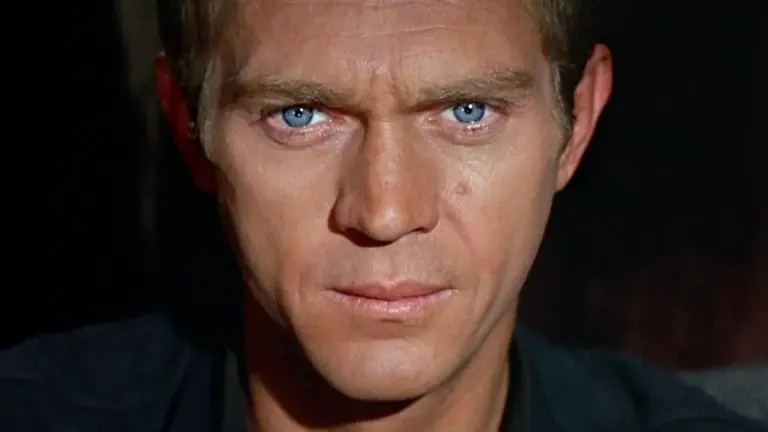
Steve McQueen was not just one of the coolest actors to ever walk onto a film set. He was a genuine, dyed-in-the-wool car fanatic who lived and breathed motorsport. While most celebrities of his era collected art or real estate, McQueen collected machines. Race cars, sports cars, off-road rigs, classic trucks, European exotics, American muscle. He wanted all of it, and at his peak, he had most of it.
His collection was not curated for appearances. McQueen actually drove these cars, raced them, modified them, and pushed them hard. He competed in real events, held an FIA racing license, and nearly entered Le Mans as a factory driver. The cars in his garage were not trophies. They were tools for someone who genuinely could not get enough of speed, mechanics, and the road.
Here are 18 of the most remarkable cars that passed through Steve McQueen’s hands, along with the stories that make each one worth knowing about.
18. Ferrari 275 GTB/4
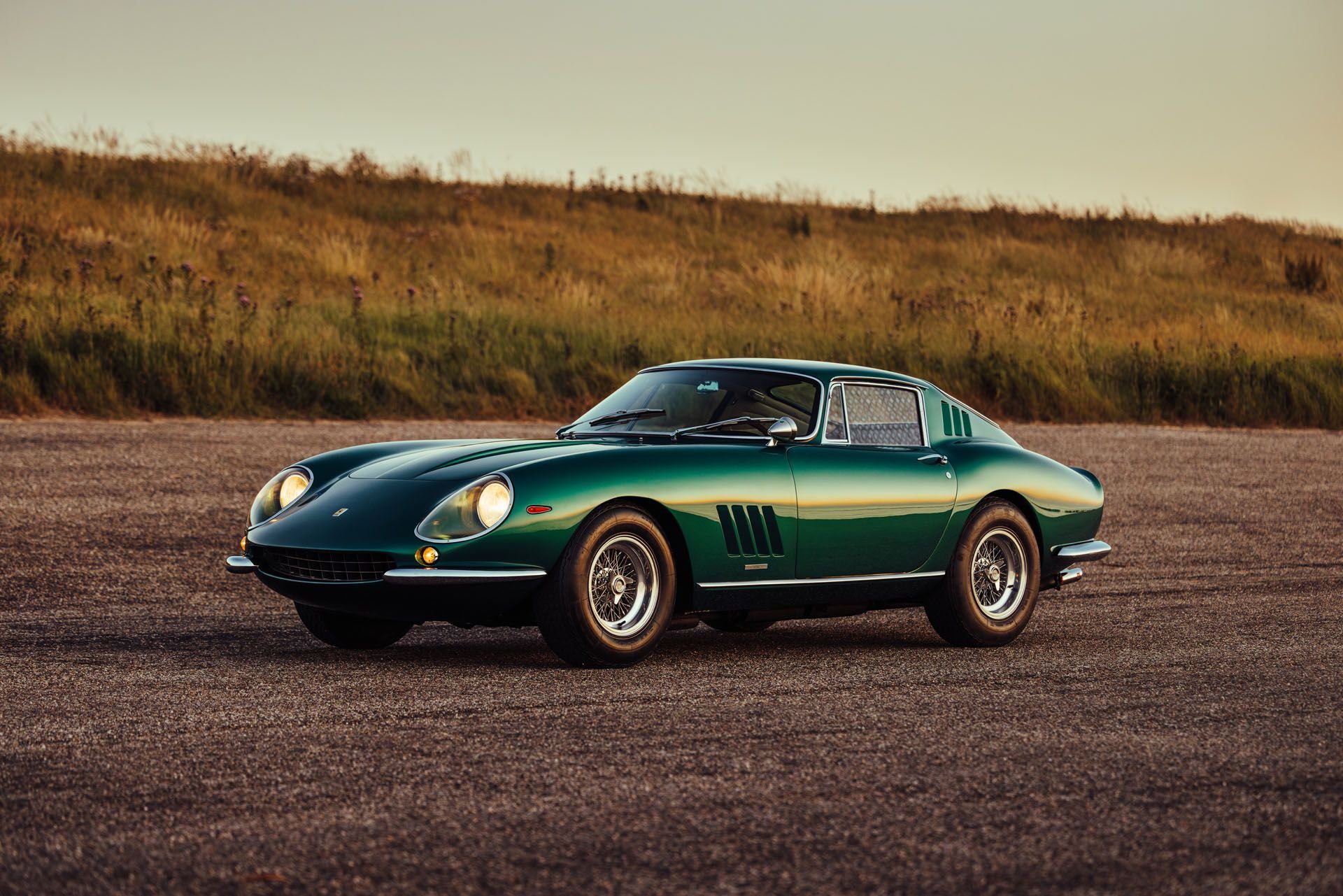
The Ferrari 275 GTB/4 is one of those cars that automotive historians still argue is among the most beautiful things Ferrari ever produced. Built between 1964 and 1968, it was powered by a 3.3-liter V12 engine and represented the absolute peak of Ferrari’s road car engineering during that period.
McQueen owned more than one example over the years, which tells you everything about how much he appreciated the car. One of his 275 GTB/4s appeared in the 1968 film The Thomas Crown Affair, driven by McQueen in the unmistakable shade of blue that suited the car perfectly.
Beyond the Ferrari, this period of McQueen’s collecting saw him accumulate a fascinating range of machines. He owned two Porsche 911S models, one of which he had modified with dedicated racing gear. He picked up a Jaguar XKSS in 1971. He had Mercedes-Benz vehicles including a 280SE coupe and a 300SL Gullwing. He owned an Austin Mini Cooper S, a Shelby Mustang GT350R, and an AC Cobra. For a single person, that garage is almost incomprehensible.
17. 1967 Ford Mustang GT 390
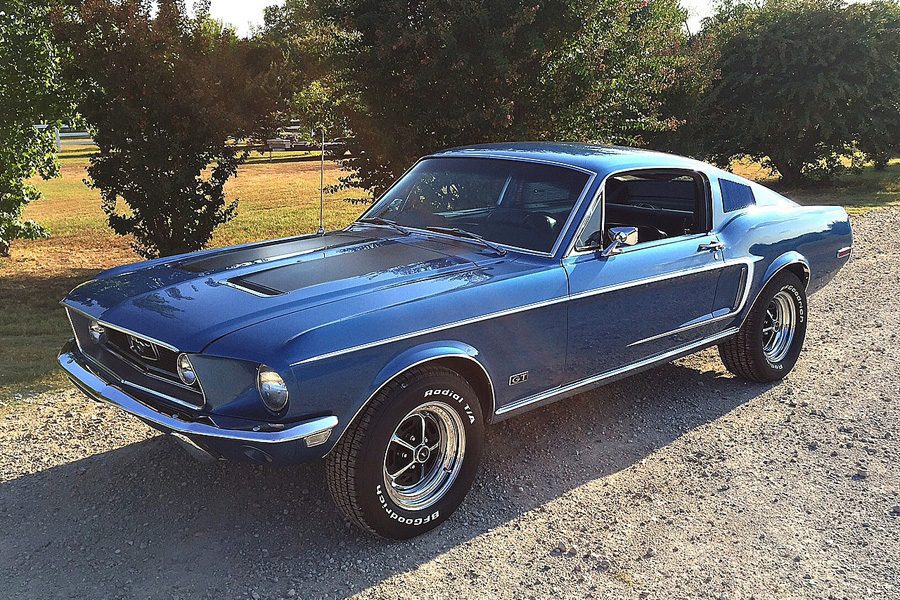
If you have ever seen Bullitt, you already know this car, even if you did not know you knew it. The 1968 film features one of the most celebrated chase sequences in cinema history, and the Highland Green 1968 Mustang GT 390 that McQueen drives through the streets of San Francisco became as famous as the man behind the wheel.
But McQueen’s relationship with the GT 390 predates the film. He purchased a 1967 model from a friend who had already modified it for extra performance. The car fit his personality completely: it was raw, fast, a little aggressive, and not interested in subtlety.
The Bullitt Mustang took on a life of its own after the film. One of the original screen cars resurfaced after decades missing and sold at auction in 2021 for a staggering $3.74 million, making it one of the most valuable movie cars ever sold. It remains the clearest example of how McQueen’s association with a vehicle transforms it into something beyond ordinary automotive history.
Another Mustang-era piece of McQueen’s collection worth mentioning: his 1960 Porsche 356B Cabriolet, housed on his private ranch and kept in immaculate condition. That car sold at auction in 2012 for over $500,000.
16. 1958 Porsche 1600 Super Speedster
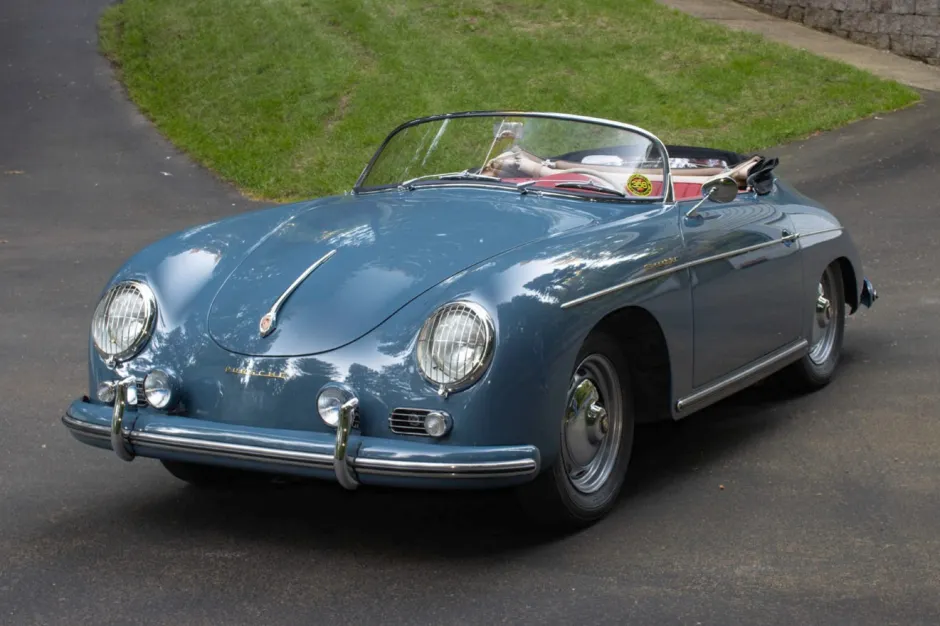
Porsche produced just over 1,000 examples of the 356 Speedster, and the 1600 Super variant is one of the most coveted configurations among collectors today. It was a proper lightweight roadster with a removable top, a four-speed manual gearbox, and enough power to reach 160 mph in the right conditions. For a car of its era, that was genuinely remarkable performance.
McQueen was drawn to it for obvious reasons. The car was built for driving, not displaying. It was a machine you had to be committed to, and McQueen was nothing if not committed when it came to putting a car through its paces. The Super Speedster appeared in the 1959 film The Great Escape and left an impression on audiences that still resonates with Porsche enthusiasts decades later.
15. 1969 Porsche 911S
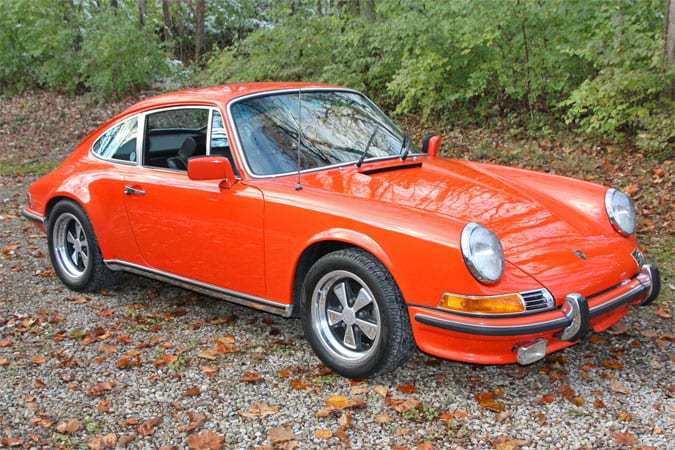
McQueen’s affection for Porsche was lifelong and well-documented, and the 1969 911S sits at the center of that relationship. This was the sporting flagship of the 911 lineup at the time, fitted with a flat-six engine producing 175 horsepower and capable of reaching 60 mph from a standstill in around seven seconds.
On paper those numbers might not sound dramatic today, but the 911S was not about straight-line speed. It was about how the car felt through corners, the way the rear-engine balance loaded up under hard braking, the mechanical precision of the gearshift. McQueen understood all of that intuitively. The 911S matched his driving style perfectly: direct, responsive, and rewarding for a driver who actually knew what they were doing behind the wheel.
14. Ferrari 250 GT Berlinetta Lusso
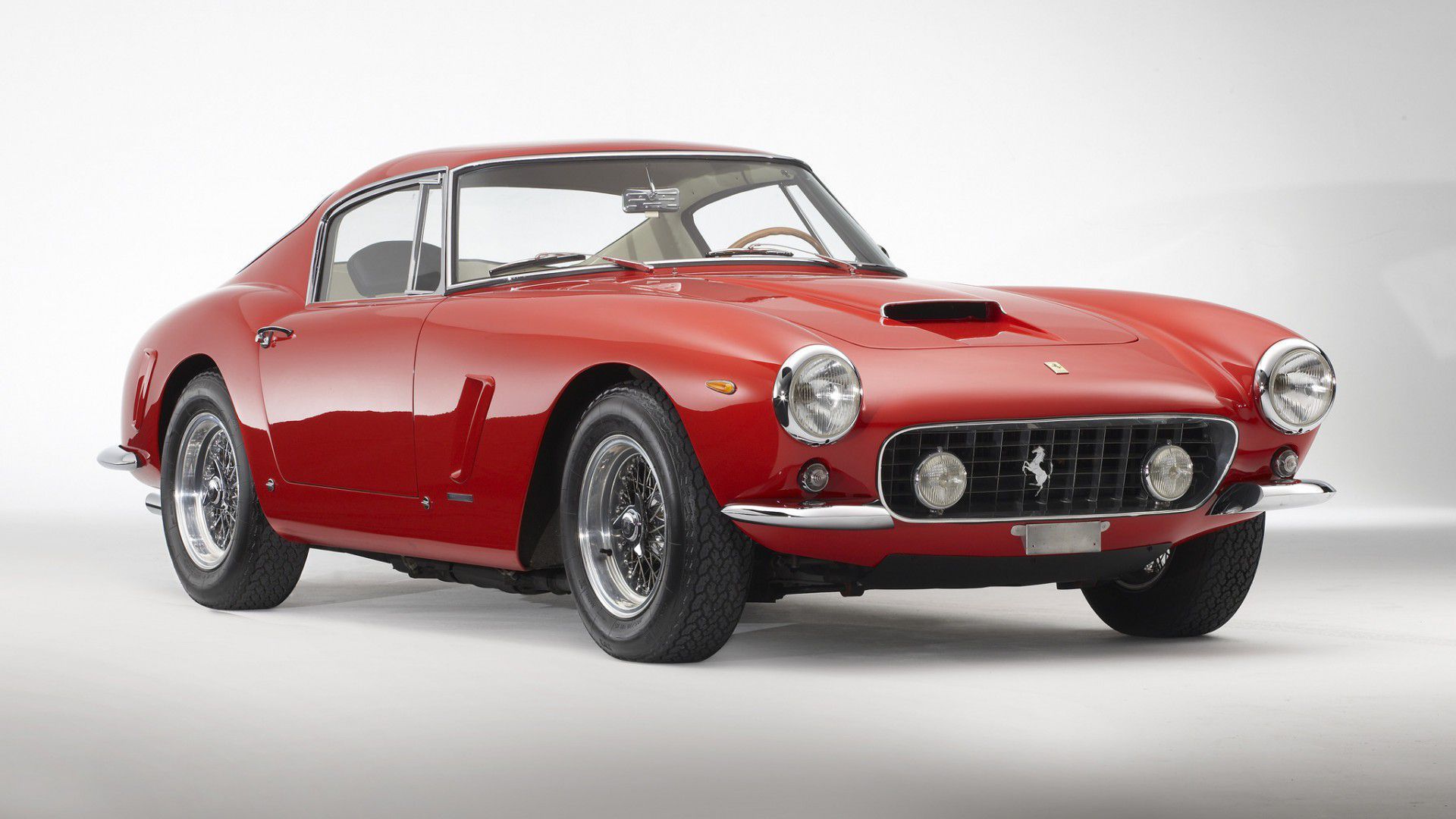
The 250 GT Berlinetta Lusso is widely regarded as one of the most beautiful cars Ferrari ever built. Pininfarina designed the body, and even among Ferrari aficionados who are notoriously difficult to impress, this car commands almost universal admiration. The name Lusso means luxury in Italian, and the car delivered exactly that without sacrificing the performance that made the 250 series legendary.
Under the hood sat a 3.0-liter V12 producing up to 240 horsepower. Combined with the car’s light weight and exceptional chassis balance, the Lusso was both an elegant grand tourer and a genuinely capable performance machine. McQueen owning one of these feels inevitable in retrospect. He had a well-developed eye for the intersection of beauty and mechanical substance, and the 250 GT Lusso is exactly that intersection.
13. 1967 Mini Cooper S 1275
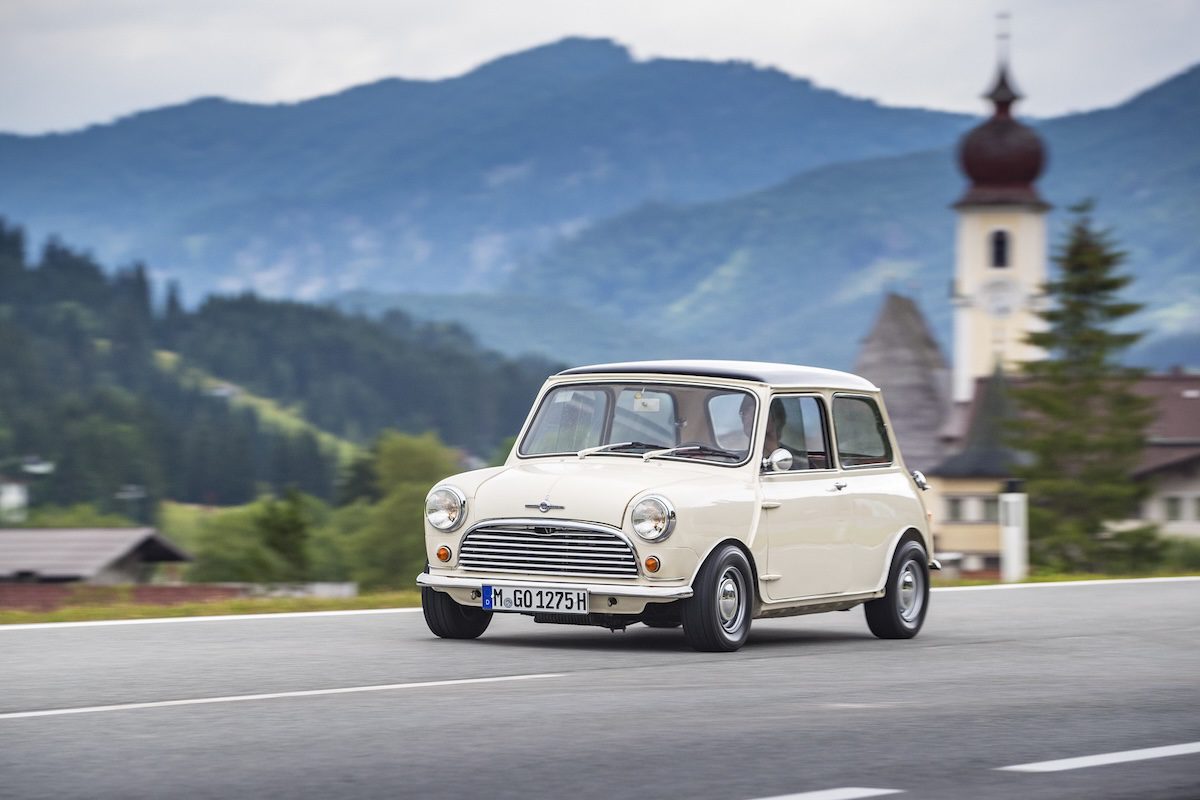
Here is where McQueen’s collection gets genuinely interesting. Among the Ferraris and Porsches and race-prepared exotics sat a Mini. Not just any Mini, a 1967 Cooper S 1275, which is the highest-performance variant of an already quick little car.
McQueen loved the Mini because it was honest. It was light, nimble, and deeply entertaining to drive fast on a winding road, which is precisely the kind of driving McQueen enjoyed most. He owned several versions over the years, including a 1966 Countryman and a 1967 Austin Cooper S. He drove them to film sets, around his California ranch, and on local roads where a Ferrari would have been overkill.
He reportedly modified his Cooper S with additional headlights for better visibility. Even on a small, relatively inexpensive car, McQueen could not help improving it. He kept this particular car from 1967 right up until his death in 1980. The other daily driver he turned to during this period was a 1971 Porsche 911S Targa, which he used regularly on the canyon roads around Los Angeles.
12. 1961 Cooper T-56 Mark II
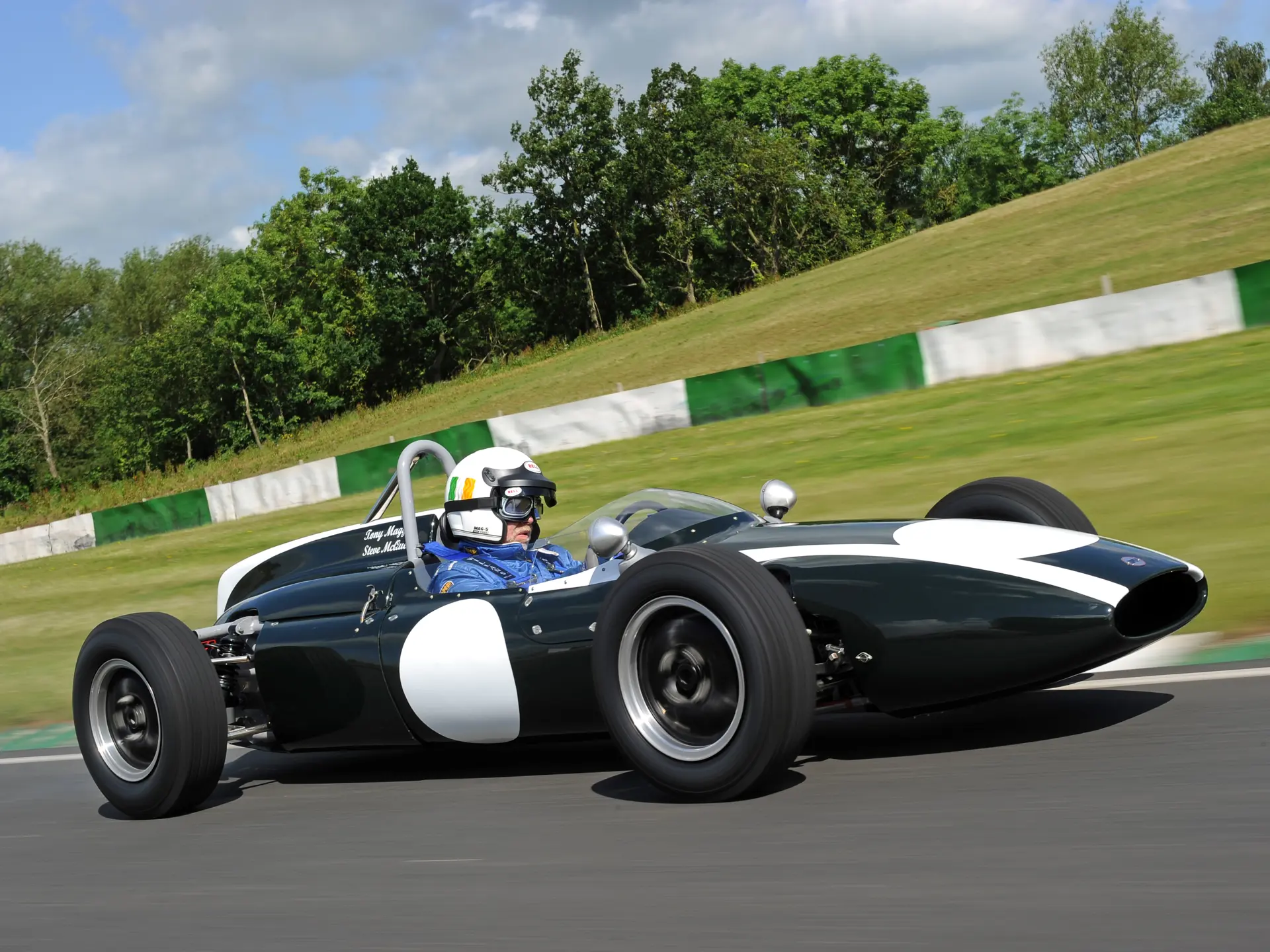
The Cooper T-56 was a serious piece of racing hardware. With an 850cc engine in an extremely lightweight chassis, it was not built for comfort or style. It was built to go fast on a racetrack, and that is exactly what McQueen used it for.
He owned the car for nearly a decade and used it across multiple disciplines: rally racing, public road events, and even worked it into the production of Bullitt. McQueen drove the Cooper himself in competition, which was not a vanity exercise. He was a capable and committed racing driver who earned the respect of professional competitors. The T-56 was one of the vehicles through which he developed and demonstrated that skill.
11. Von Dutch 1904 Winton Flyer Replica
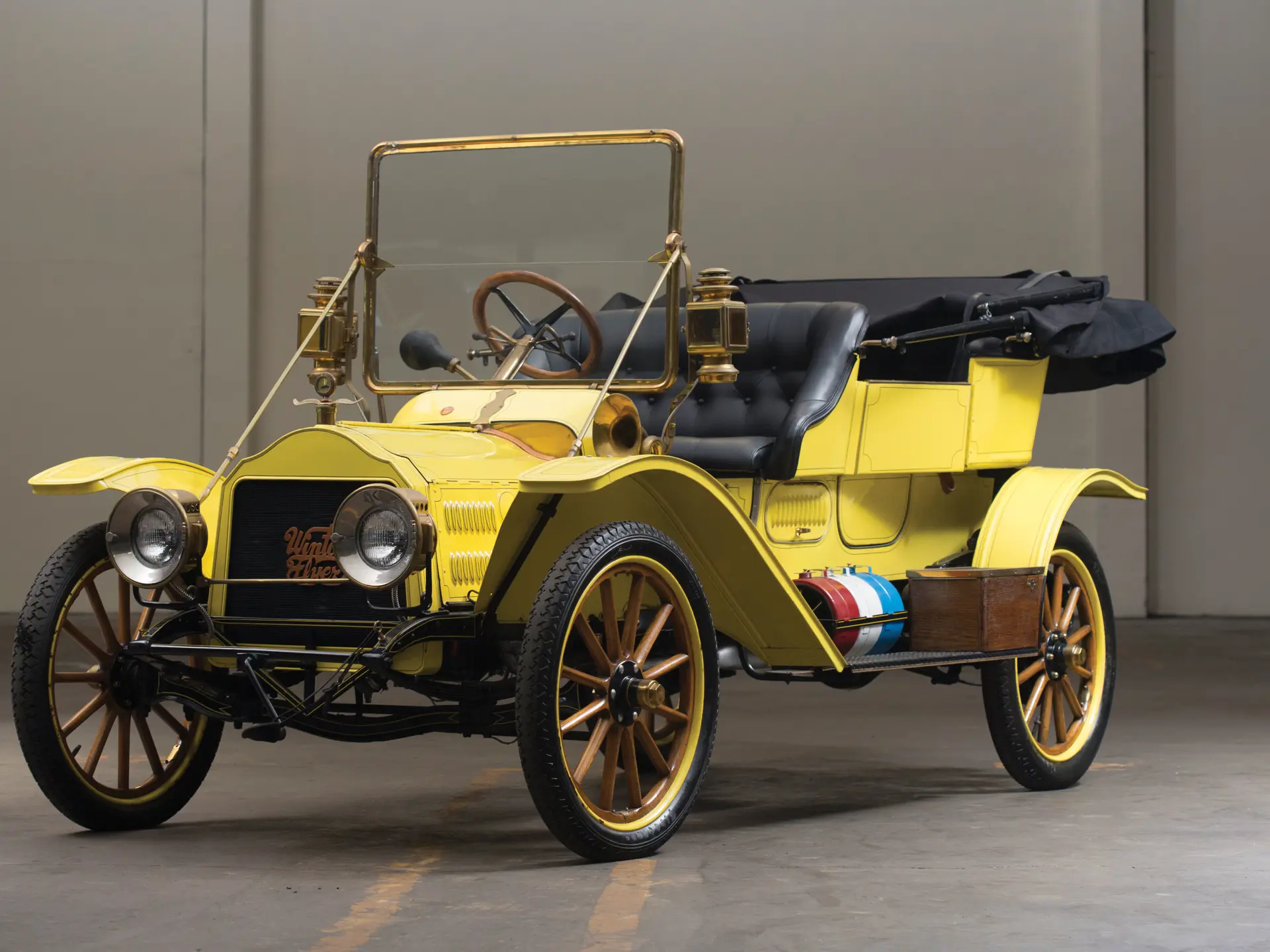
This one is a departure from everything else on this list, and that is exactly why it belongs here. The Winton Flyer was the original car to break the 100 mph barrier, built by the Winton Motor Carriage Company in 1904. The replica McQueen owned was built by Dutch craftsman Kees Nierop, who specialized in faithful recreations of early automotive history.
McQueen bought the replica in 1967 and held onto it for several years. He was known to drive it to MGM studios during the filming of Bullitt, arriving on set in what looks like something from the earliest days of the automobile. It is a reminder that McQueen’s interest in cars was genuinely historical. He was not just chasing speed. He appreciated where the whole thing began.
10. Special Order 1976 Porsche 930 Turbo Carrera
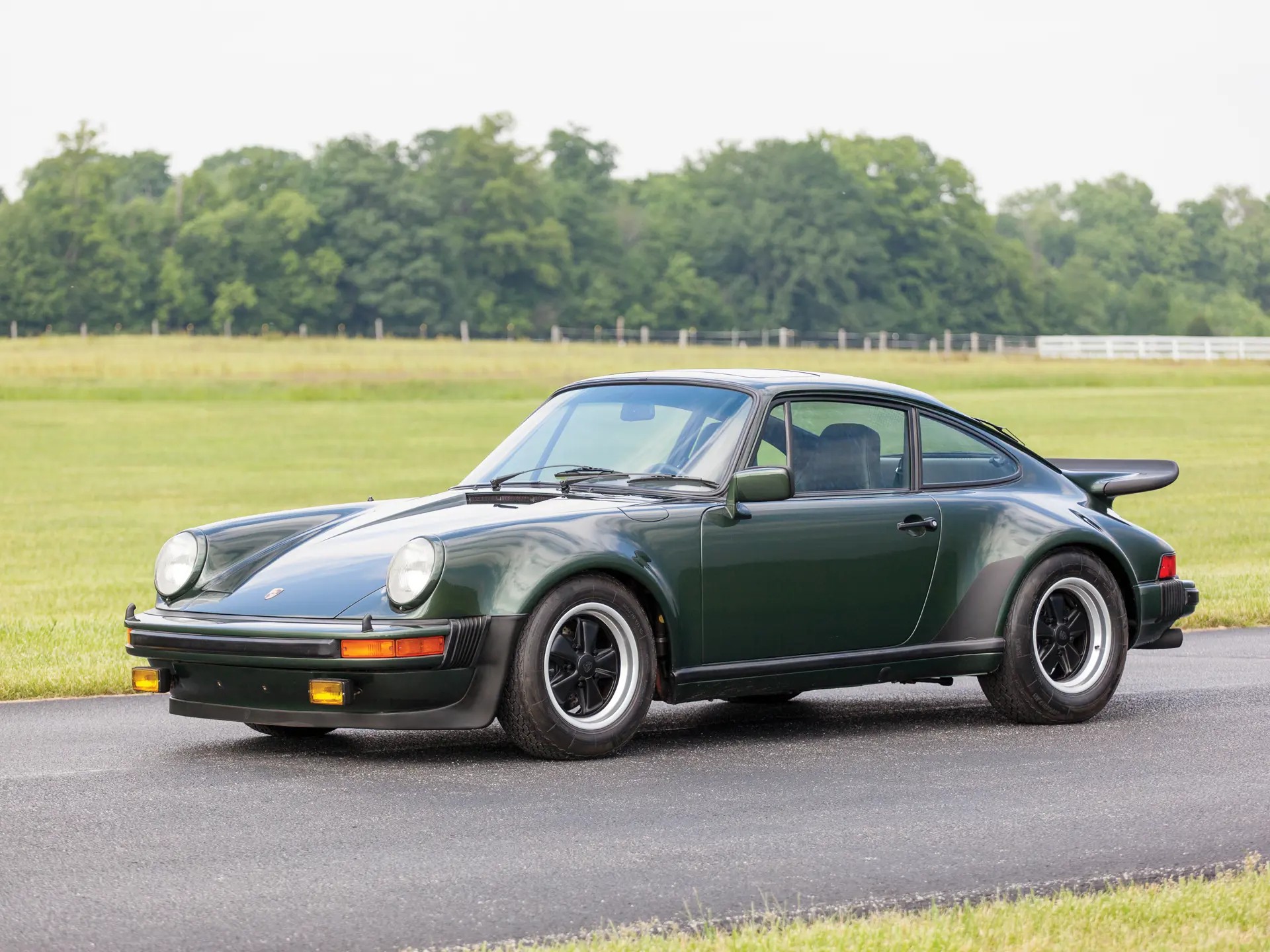
The 930 Turbo was Porsche’s weapon in the mid-1970s: a 3.3-liter turbocharged flat-six that could push the car to 160 mph and had enough power to genuinely unsettle inexperienced drivers. Porsche’s own engineers informally referred to it as the Widowmaker because of how the turbo lag and rear-heavy weight distribution combined to catch people off guard at the limit.
McQueen ordered his in Porsche’s distinctive Speed Yellow, a color that ensured the car was visible from considerable distance. The car was not a subtle statement. For McQueen, it did not need to be. Unfortunately, the car was involved in an accident shortly after he took delivery of it and was destroyed, which makes it one of the more tragic entries in his collection. What survives is the knowledge that he had the taste to order one and the confidence to drive it.
9. 1959 Lotus Eleven
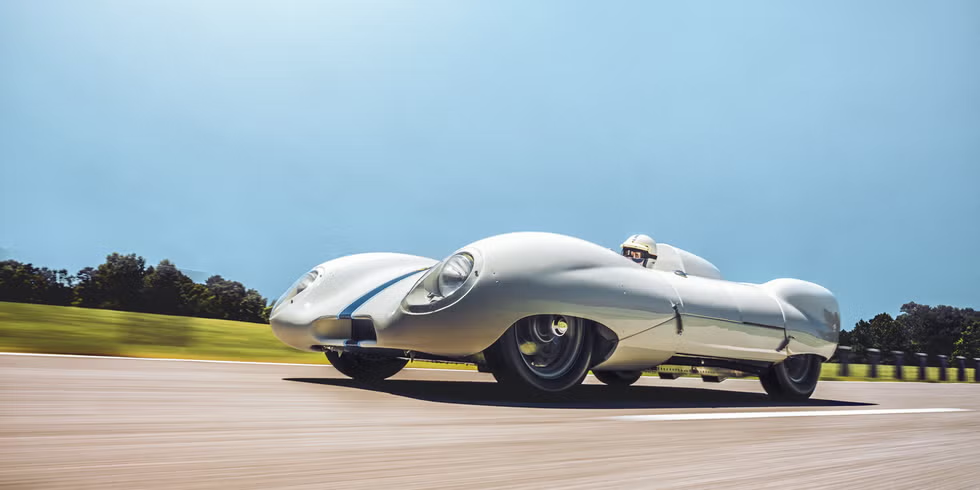
Colin Chapman’s Lotus Eleven was a genuinely revolutionary piece of engineering. Chapman used a mid-engined layout well before it became standard practice in racing, and the combination of steel, aluminum, and fiberglass construction produced a car that was both structurally sound and remarkably light. Powered by a 1,100cc Ford engine, the Eleven could reach 130 mph and was considered a genuine threat on the race circuits of its era.
McQueen took ownership of the car in 1962, which aligns with the period when he was actively developing his motorsport credentials. The Lotus Eleven was not a vehicle for posing. It was a serious racer that demanded real commitment from the person driving it. McQueen was very much the right person for that car.
8. 1951 Hudson Hornet
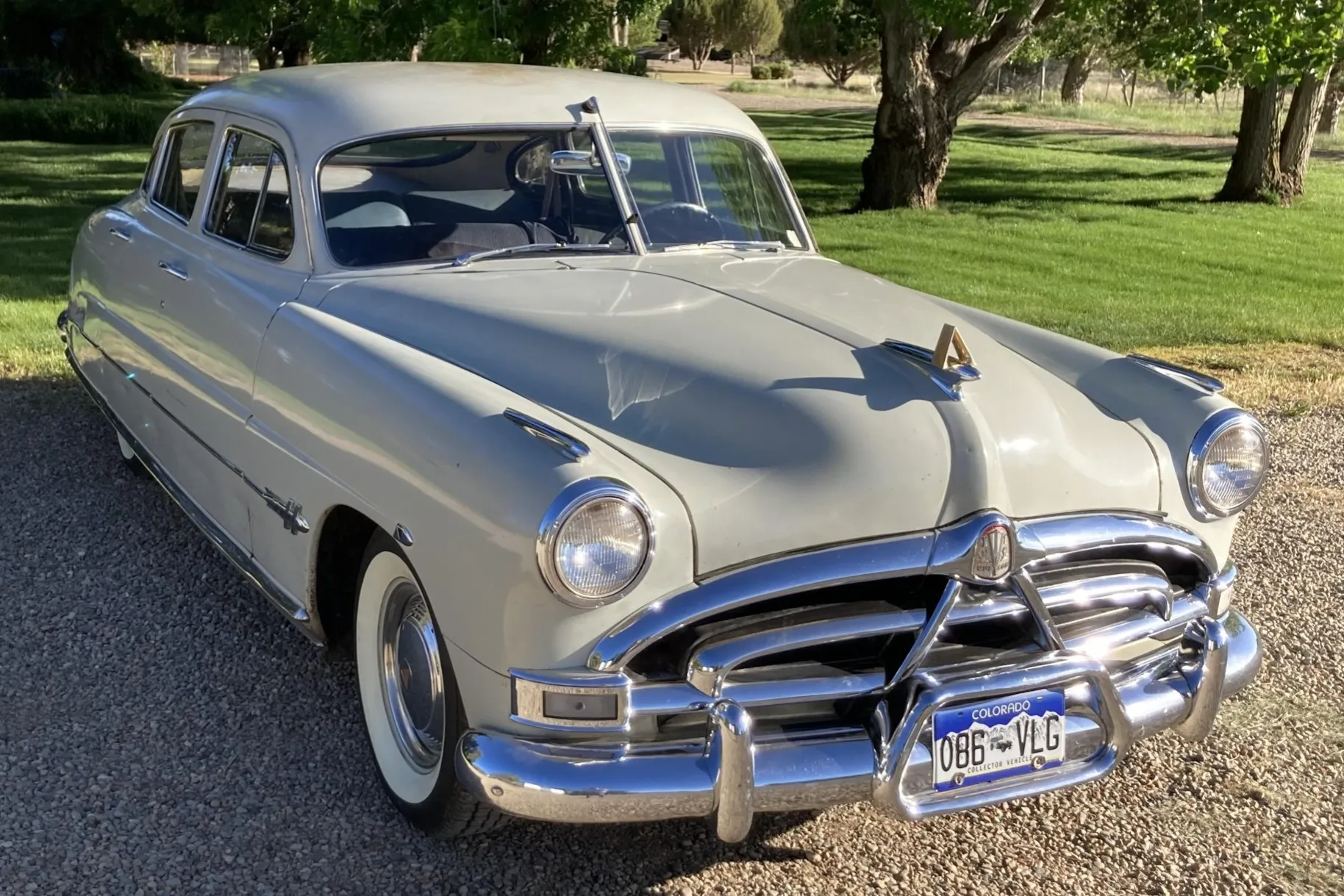
The Hudson Hornet occupies a special place in American automotive history. In the early 1950s, it dominated stock car racing in a way that no other production-based vehicle could match, winning the NASCAR Grand National championship in 1951, 1952, and 1953. The secret was Hudson’s “step-down” body design, which gave the car a low center of gravity and extraordinary stability at speed.
McQueen owned his Hornet in the mid-1960s and drove it around Hollywood with the same casual authority he brought to everything. He also used it for film work and general transportation between sets. The car is now part of the permanent collection at the Petersen Automotive Museum in Los Angeles, where it remains on display as a piece of both automotive and Hollywood history.
7. 1969 Porsche 908/2 Flunder Spyder
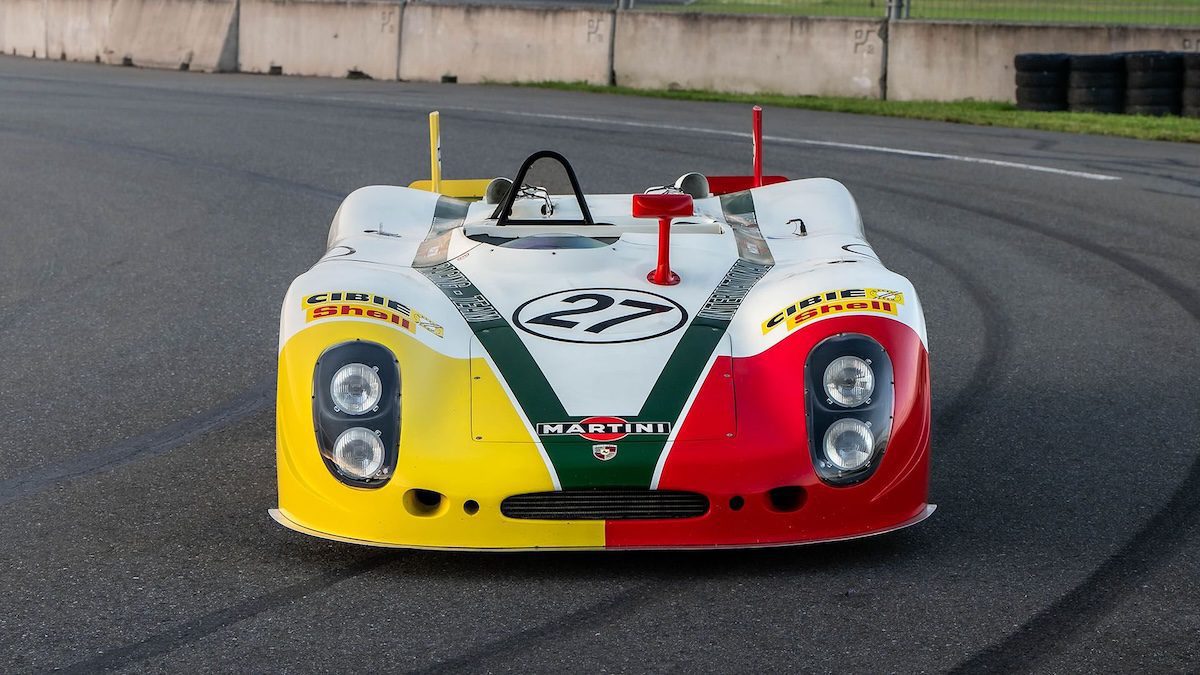
The 908/2 was a factory Porsche racing machine, built to compete in the World Sportscar Championship between 1968 and 1971. It used a 3.0-liter flat-eight engine mounted in an aluminum monocoque chassis, producing a car that was as technically sophisticated as anything competing at Le Mans or Sebring during that period.
McQueen’s specific example had an interesting history before it reached him. It was originally owned by actor Paul Newman and had been modified for racing with long-tail bodywork and a prominent power bulge on the hood. McQueen acquired the car in 1971 and used it as a daily driver, which is an extraordinary statement when you consider what the 908/2 actually was. He drove it in that capacity until 1975 when he sold it to a private collector in England. It remains one of the rarest and most significant cars ever associated with him.
6. Shelby Cobra 289
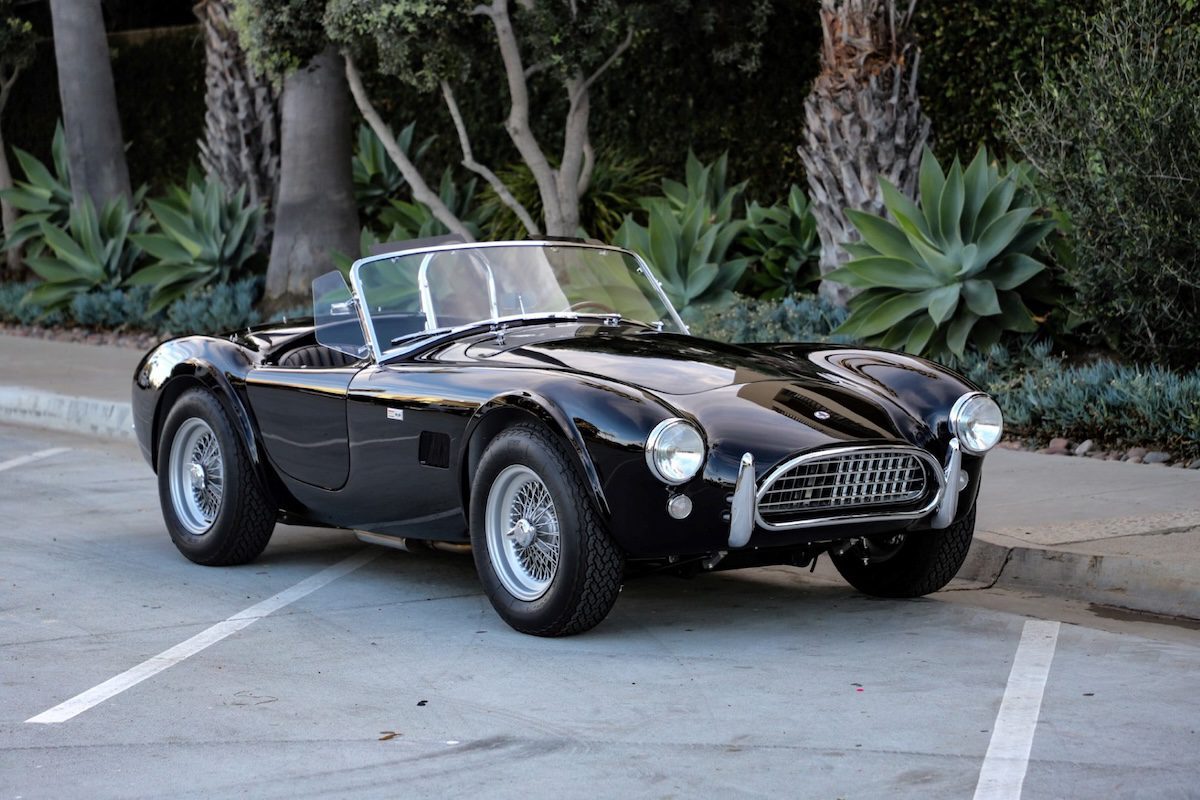
Carroll Shelby’s original Cobra is one of the foundational vehicles of American performance car culture. The 289 variant used a 4.7-liter Ford V8 in a tubular frame chassis clothed in an aluminum body borrowed from the British AC Ace. The result was a car that weighed almost nothing and had a power-to-weight ratio that genuinely alarmed automotive journalists when it first appeared in 1962.
McQueen’s Cobra appeared in Bullitt, contributing to one of the most famous car sequences in film history. His driving during that film was not purely performed by stunt drivers. McQueen was behind the wheel for significant portions of the chase, and the Cobra scenes specifically benefited from his genuine ability as a driver. The four-speed manual gearbox, the raw V8 sound, and the sheer aggression of the Cobra suited the film’s energy perfectly.
5. 1972 Mercedes-Benz 300SEL 6.3
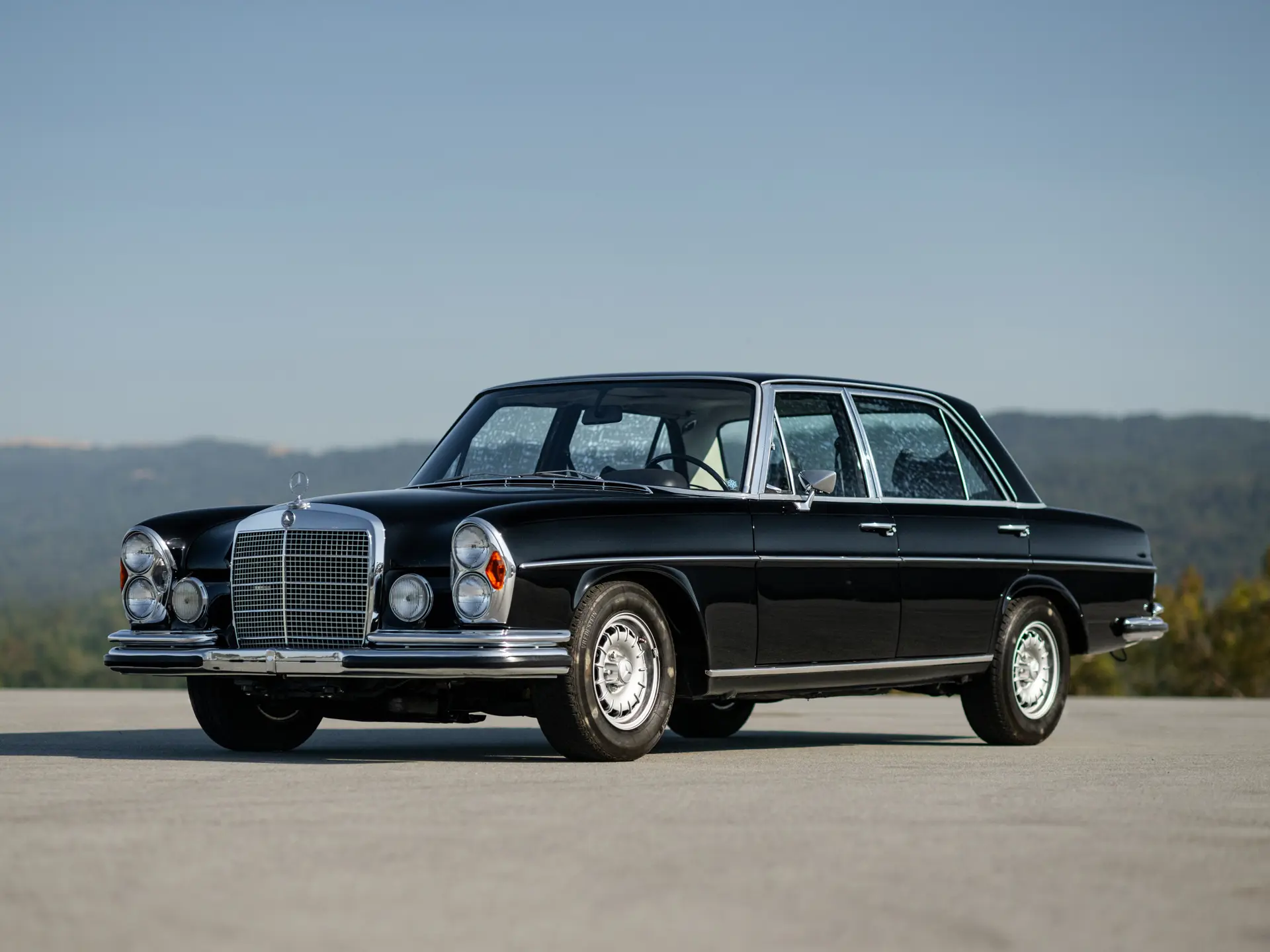
The 300SEL 6.3 was Mercedes-Benz’s answer to a question nobody had publicly asked: what happens if you take the 6.3-liter V8 engine from the 600 limousine and put it into the mid-size 300SEL sedan? The answer turned out to be one of the fastest and most luxurious production cars of the early 1970s, one that would embarrass far more exotic machinery on a highway run while carrying four passengers in complete comfort.
McQueen owning one of these says something specific about where he was in his life by the early 1970s. This was not a race car or a stripped-out sports car. It was a refined, powerful, and extremely well-built luxury saloon that happened to have a ferocious engine. He was seen driving it regularly around town, and the car’s elegant lines made it stand out even among the other remarkable machines he owned.
4. Baja Boot
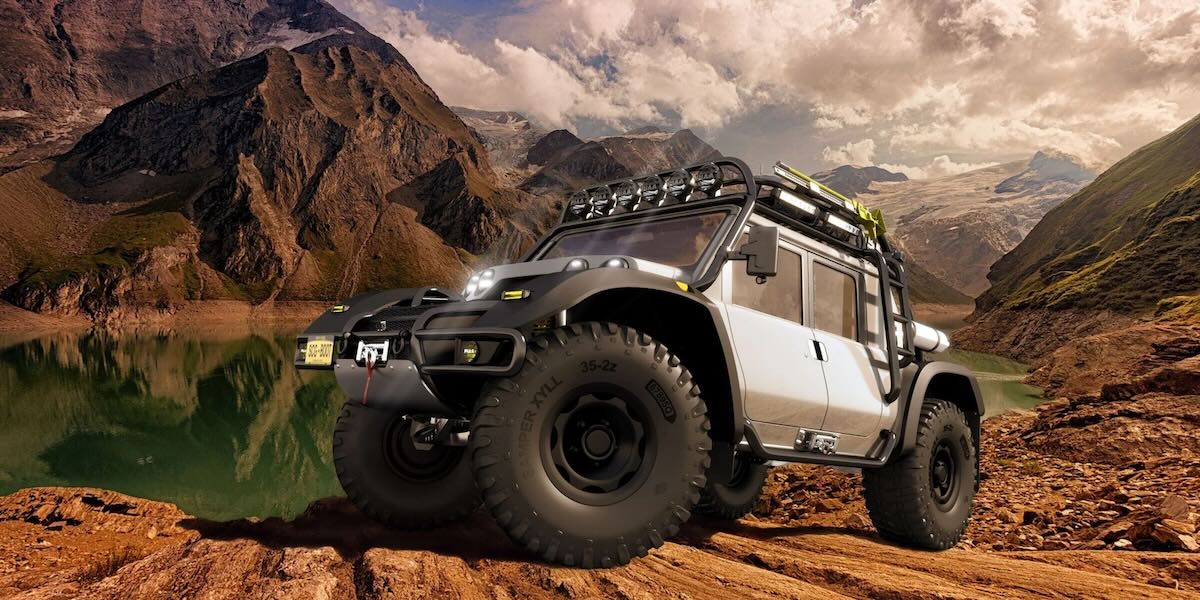
If every other car on this list speaks to McQueen’s love of speed and engineering sophistication, the Baja Boot speaks to something wilder. This was a purpose-built off-road racing vehicle created in collaboration between McQueen and legendary automotive engineer Vic Hickey. It packed a 350-horsepower V8 engine, four-wheel drive, and oversized tires designed to absorb the brutal punishment of desert racing.
The original plan was to run the car in the 1967 Baja 1000, the grueling off-road race through the Baja California peninsula. That plan did not come to fruition, but the Baja Boot survived to become one of the most visually striking and mechanically outrageous vehicles ever associated with McQueen’s name. It represents the side of him that was not satisfied with paved roads and organized circuits. Sometimes he just wanted to drive something enormous into the desert as fast as possible.
3. Austin Healey “Sebring Sprite”
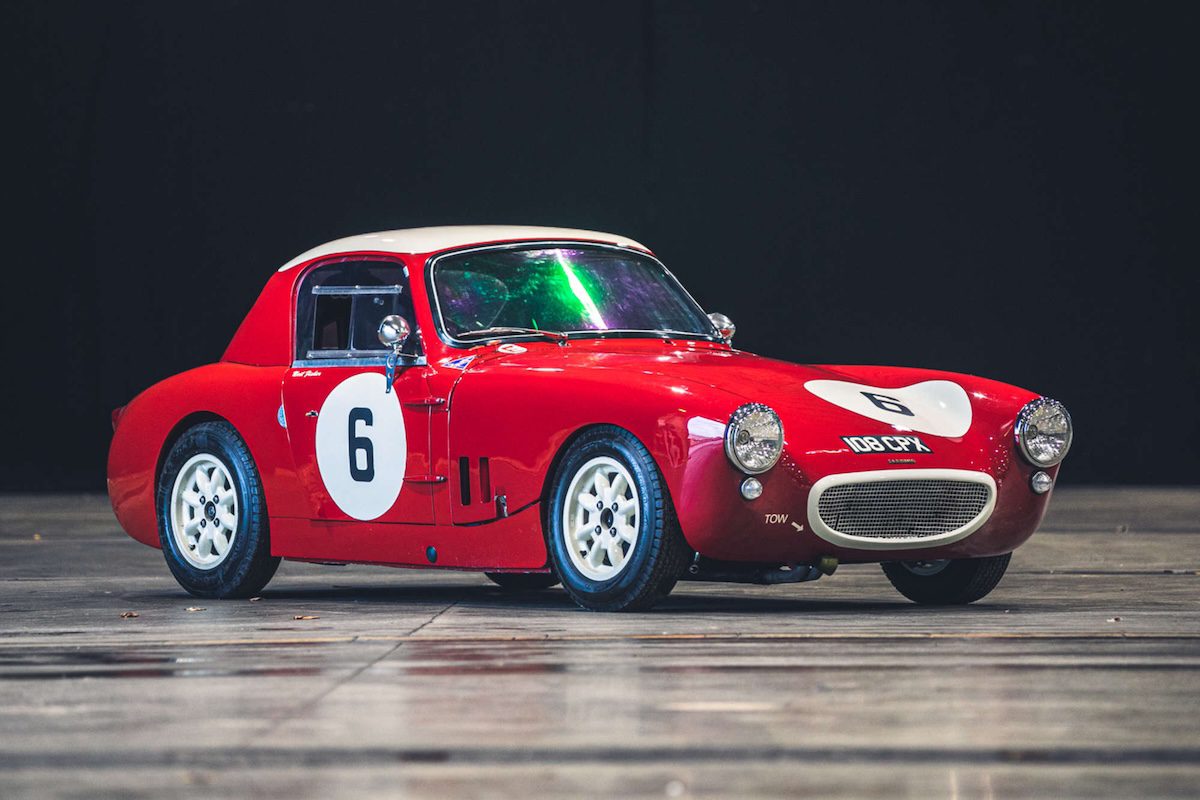
The Austin Healey Sebring Sprite is one of those vehicles where the racing history and the Hollywood connection are permanently intertwined. This two-seater was built specifically for competition and ran at the 12 Hours of Sebring in 1962, one of the most demanding endurance races in North America. Its white body, red racing stripes, and black interior give it a look that is instantly recognizable to anyone familiar with McQueen’s collection.
McQueen owned the car from 1967 right through until his death in 1980, which represents one of the longest ownership periods of any vehicle in his collection. The Sebring Sprite is now fully restored and on permanent display at the Petersen Automotive Museum in Los Angeles, where it sits as one of the most tangible physical connections to McQueen’s life in motorsport.
2. 1952 Chevy 3800 Pickup with Camper
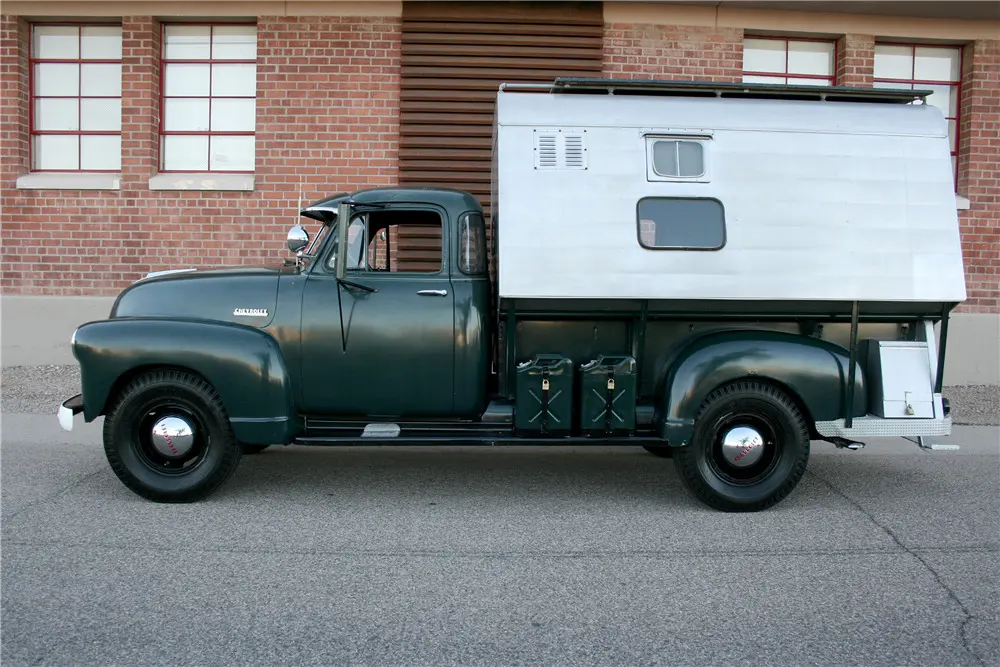
Between the racing Porsches and the Italian exotics, McQueen also owned a 1952 Chevy 3800 pickup fitted with a custom camper shell. This might seem like an odd inclusion in a collection of this caliber, but it makes complete sense when you understand how McQueen lived.
He had a private ranch and he liked escaping to remote locations, away from Hollywood and the machinery of fame. The Chevy 3800 was built for exactly that kind of use. It was heavily modified with a high-performance engine, painted in two-tone blue, and fitted with the camper that made extended trips into the wilderness possible. McQueen took it off-road regularly, exploring areas that a Ferrari simply could not reach. It represents the part of him that needed to get away from everything, including the cars that made him famous.
1. Jaguar XKSS
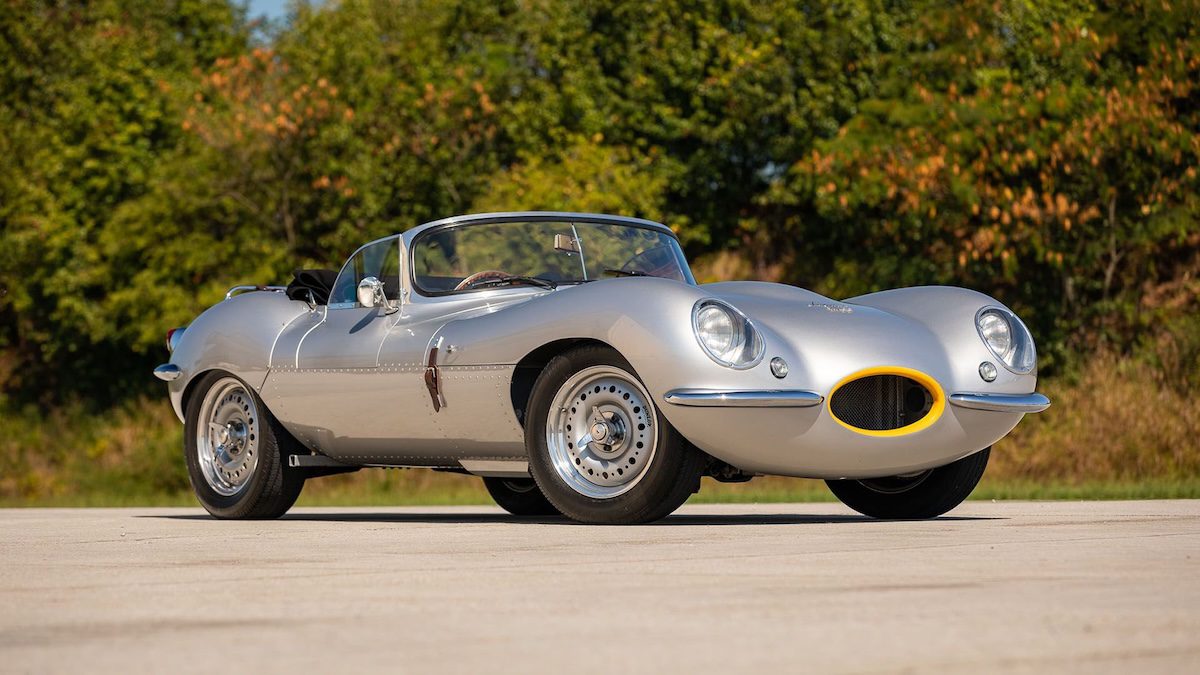
If you had to pick one car from McQueen’s entire collection that best represents the man himself, the Jaguar XKSS makes a very strong argument for the top spot. Jaguar built only 16 examples before a factory fire in 1957 ended production, making it one of the rarest automobiles in existence. The XKSS was essentially a lightly road-going version of the D-Type that had won Le Mans three consecutive years, fitted with minimal creature comforts but fully capable of reaching 150 mph from a 3.4-liter straight-six engine.
McQueen purchased his example in 1971 and kept it until 1977. The leather and wood interior gave it a level of luxury that sat in extraordinary contrast to its racing DNA. He drove it on public roads, which required actual commitment given what the XKSS demanded from its driver. The car’s scarcity, its racing heritage, and its direct connection to McQueen have made it one of the most talked-about vehicles in any collection discussion involving his name.
The XKSS encapsulates what made McQueen’s relationship with cars different from other celebrities who happened to own impressive machines. He understood what he was driving. He had the skill to use it properly. And he genuinely cared about the history and engineering behind it. That combination, the knowledge, the ability, and the genuine passion, is what separates a car enthusiast from someone who simply has enough money to buy extraordinary things.