
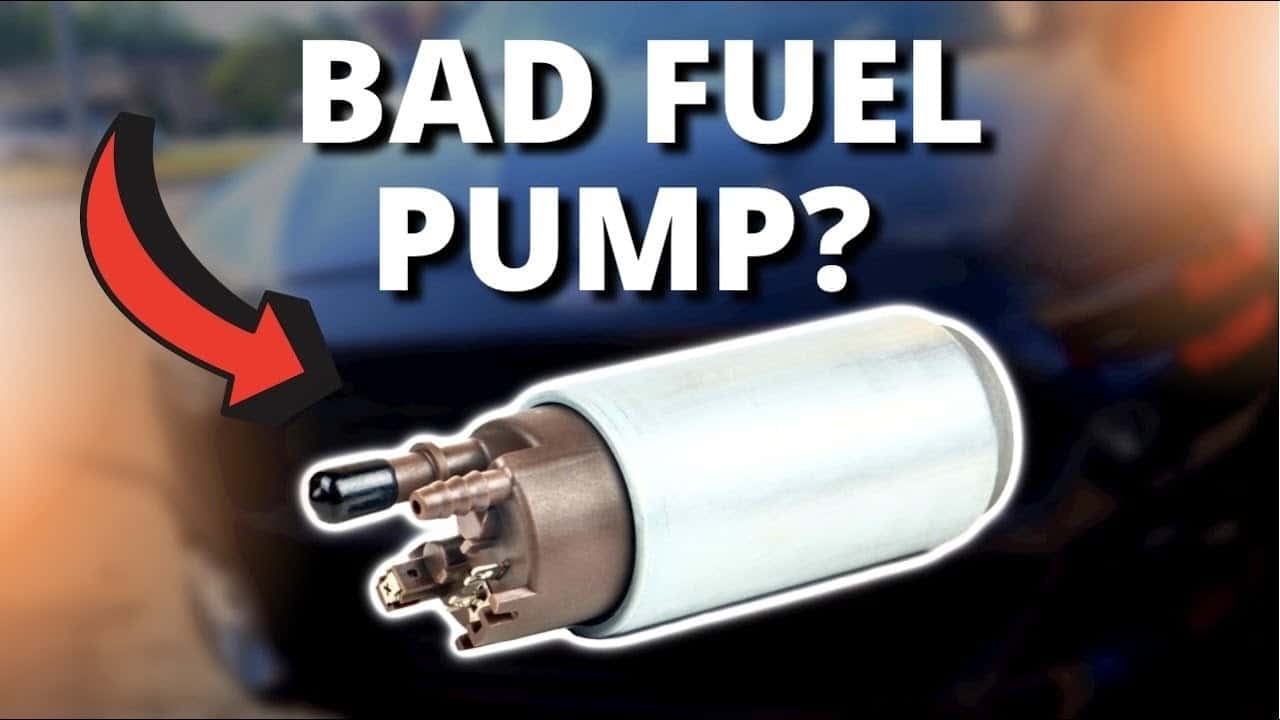

Picture this: You’re cruising down the highway, wind in your hair, tunes blasting; then suddenly, your dashboard lights up like a Christmas tree with that dreaded orange check engine glow. Panic sets in. Is it something minor, or is your ride about to strand you? One of the most common culprits behind this warning is a failing fuel pump, the unsung hero quietly delivering fuel to your engine’s hungry cylinders.
If your car’s or truck’s check engine light illuminates without warning, don’t brush it off; head straight to a trusted mechanic. Using advanced diagnostic tools, they can interface with your vehicle’s On-Board Diagnostics (OBD-II) system to pinpoint the exact issue triggering the alert. Ignoring it could turn a manageable repair into a costly engine overhaul.
Among the frequent offenders is a malfunctioning fuel pump. When this critical component fails, it can no longer deliver the precise volume of fuel required from the tank to the engine, disrupting combustion and performance. Depending on the severity, you may need to repair or fully replace it to restore smooth operation.
In this comprehensive guide, we’ll dive deep into the world of fuel pump failures. From the telltale signs that something’s wrong to the root causes, diagnostic codes, and proactive prevention strategies, you’ll gain expert-level knowledge to stay one step ahead of breakdowns. Let’s explore how to keep your vehicle running strong.
Will a Bad Fuel Pump Throw a Code?
Absolutely; a failing fuel pump will almost always trigger an OBD-II trouble code and illuminate your check engine light. Modern vehicles are equipped with sophisticated sensors that constantly monitor fuel system parameters, including pressure in the fuel rail.
Each make and model has a specific fuel pressure threshold required for optimal performance. If the pump can’t achieve or maintain that pressure; whether too low or excessively high; the engine control module (ECM) detects the deviation and logs a fault code. This safeguards the engine from running too lean (not enough fuel) or too rich (excess fuel), which could lead to misfires, catalytic converter damage, or even severe engine wear.
When the fuel pump weakens or fails, it struggles to supply consistent pressure, starving the engine of fuel during acceleration or at idle. The result? The check engine light comes on as an early warning. Common diagnostic trouble codes associated with fuel pump issues include P0087 (Fuel Rail/System Pressure – Too Low) and P0088 (Fuel Rail/System Pressure – Too High). These codes can sometimes overlap with misfire-related faults because insufficient or erratic fuel delivery directly causes incomplete combustion.
Sensors around the fuel tank and rail send real-time data to the vehicle’s computer. Once an anomaly is detected, the system activates the warning light and stores the code for technicians to retrieve with a scan tool. This built-in intelligence helps catch problems early, potentially saving you from being left stranded on the side of the road.
What Causes a Fuel Pump to Go Bad?
A failing fuel pump doesn’t happen overnight; it’s often the result of accumulated stress, neglect, or environmental factors. Left unaddressed, it can starve your engine of fuel, leading to sluggish acceleration, random stalling, and in severe cases, complete no-start conditions. Worse yet, inconsistent fuel delivery can cascade into damage to injectors, spark plugs, and even the catalytic converter.
Imagine your car hesitating during overtakes or shutting off unexpectedly at a traffic light; these aren’t just annoyances; they pose real safety risks. Understanding the primary causes empowers you to take preventive action. Here are the four most common reasons fuel pumps fail prematurely.
1. Electrical System Problems
Electrical gremlins top the list of fuel pump killers. The pump relies on a steady supply of power from the battery, through relays, fuses, and wiring harnesses. Corrosion on connectors, frayed wires, a failing fuel pump relay, or a weak battery can interrupt this flow, causing the pump to run erratically or not at all.
Signs of broader electrical issues often appear elsewhere first: dim interior lights, malfunctioning infotainment screens, or intermittent accessory failures. These subtle clues indicate it’s time for a full electrical system inspection before the pump gives out completely.
2. Contamination or Foreign Substances in the Fuel Tank
Your fuel tank is designed exclusively for gasoline (or diesel). Any intruder; water from condensation, dirt from poor-quality fuel, rust from an aging tank, or even accidental contaminants; can wreak havoc. These particles clog filters, abrade pump internals, and cause corrosion throughout the fuel lines and injectors.
Contaminated fuel alters viscosity, making it harder for the pump to pressurize and deliver consistently. Over time, this strain accelerates wear. Always choose reputable fuel stations and consider adding fuel system cleaners periodically to flush out debris.
3. Old Build-Up or Residue Coating the System
In older vehicles or those with irregular maintenance, sediment, varnish, and carbon deposits gradually coat the pump, strainer, and lines. This buildup restricts flow, forces the pump to work harder, and generates excess heat; creating a vicious cycle of degradation.
High-mileage cars are especially prone to this issue. Regular fuel filter replacements and system flushes can significantly extend pump life by keeping internals clean and free-flowing.
4. Natural Wear and Reaching End of Lifespan
Like any mechanical component, fuel pumps have a finite lifespan; typically 100,000–200,000 miles, depending on driving habits and maintenance. Heat, constant operation, and fuel acting as both lubricant and coolant take their toll over time.
Older vehicles naturally experience part fatigue. When age is the culprit, a thorough inspection during replacement can uncover other impending failures, preventing future headaches.
Symptoms of a Bad Fuel Pump
Spotting a failing fuel pump early can save you from inconvenient breakdowns and expensive towing bills. These symptoms often appear gradually, giving you time to act. Pay attention to changes in performance; these are your vehicle’s way of communicating distress.
- Check Engine Light Illuminates – This universal warning should never be ignored. Scan for codes immediately, as fuel delivery issues frequently trigger it.
- Engine Cranks But Won’t Start (or Requires Multiple Attempts) – The pump fails to build initial pressure, preventing proper fuel delivery for ignition.
- Sluggish or Delayed Acceleration – Your car feels lazy when you press the gas, struggling to gain speed due to insufficient fuel under load.
- Surging or Hesitation with Light Throttle Input – Even gentle acceleration causes erratic behavior as pressure fluctuates.
- Stalling at Idle or When Stopped – The engine dies at traffic lights or in drive-thru lines because the pump can’t maintain minimum pressure without motion.
- Poor Fuel Economy Despite Normal Driving – A weak pump may overcompensate by dumping excess fuel, or inconsistent delivery forces the engine to run inefficiently.
- Frequent Engine Overheating – Excess or erratic fuel can disrupt combustion balance, generating extra heat that stresses cooling components.
- Whining or Buzzing Noise from the Fuel Tank – A strained pump often produces audible high-pitched sounds, especially noticeable at low fuel levels.
Encountering two or more of these signs? It’s highly likely your fuel pump is on borrowed time. Schedule a professional diagnosis promptly; early intervention is far cheaper than waiting for total failure.
This helpful video demonstrates practical tests for identifying a bad fuel pump, including fuse checks, electrical testing, and fuel pressure verification; essential steps before committing to replacement.
Conclusion
A malfunctioning fuel pump reliably triggers your check engine light and sets corresponding OBD codes like P0087 or P0088. Whenever this warning appears, resist the urge to reset it and hope for the best; always diagnose the root cause with a scan tool or professional help.
Your engine is a symphony of precisely timed components. A failing fuel pump disrupts this harmony, and small issues can rapidly escalate, affecting injectors, sensors, and beyond. Proactive maintenance; keeping your tank above a quarter full, using quality fuel, changing filters regularly, and addressing electrical concerns early; can extend pump life dramatically.
Stay vigilant, listen to your vehicle, and address symptoms promptly. Your car will reward you with reliable performance, better efficiency, and fewer surprise repair bills. Drive smart, maintain diligently, and keep those wheels turning smoothly for miles to come.