
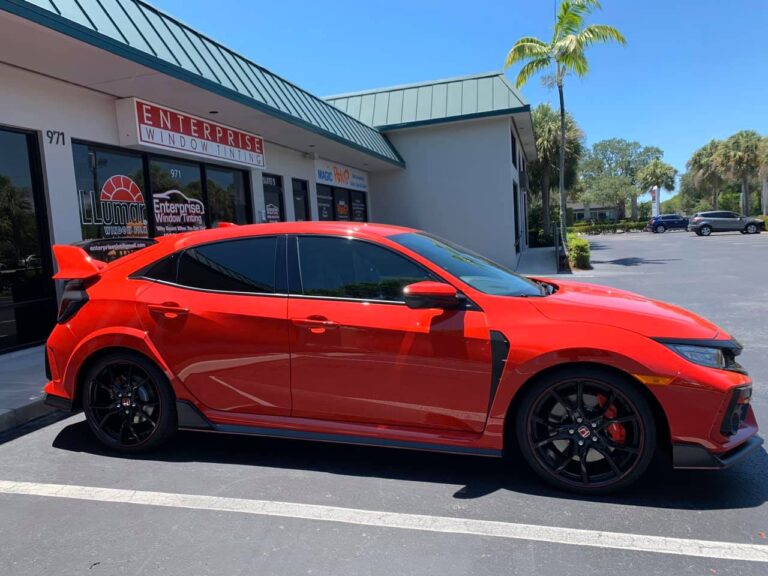
Window tinting is one of those car modifications that looks simple on the surface but involves more detail and nuance than most people realize. You have probably seen tinted windows on thousands of vehicles, but have you ever stopped to think about where that film is actually applied, how it works, or what happens if it is done incorrectly?
Most car owners assume window tint is just stuck on the glass and that is the end of it. But the reality is a bit more involved. There are different types of tint, different installation methods, specific care requirements, and plenty of ways to mess it up if you do not know what you are doing.
Whether you are thinking about tinting your windows for the first time, trying to understand why your tint is bubbling or peeling, or just curious about how the process works, this guide will walk you through everything you need to know.
What Window Tint Actually Is and What It Does
Window tint is a thin, multilayered film made primarily from polyester. It is designed to be applied to automotive glass to reduce the amount of visible light, UV radiation, and heat that passes through the windows. The film itself is scratch-resistant and typically includes an adhesive layer that bonds it to the glass.
The benefits go well beyond just making your car look sleek. Quality window tint blocks a significant percentage of harmful ultraviolet rays, which protects your skin and prevents the interior materials like the dashboard, seats, and trim from fading and cracking over time. It also reduces glare from headlights and the sun, keeps the cabin cooler on hot days, and adds a layer of privacy and security by making it harder for people to see inside your vehicle.
Some types of window tint also add shatter resistance, meaning that if the glass breaks, the film helps hold the pieces together rather than scattering them across the interior. This can be a real safety advantage in an accident.
Where Is Window Tint Applied: Inside or Outside the Glass?
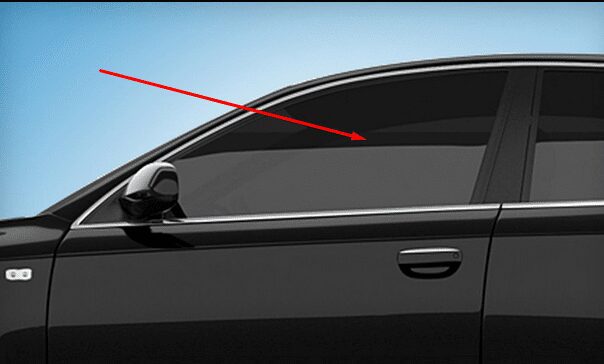
This is one of the most common questions people ask when they first learn about window tinting, and the answer is almost always the same: window tint is applied to the inside surface of the glass.
There are practical reasons for this. When the film is on the inside, it is protected from road debris, weather, dirt, car washes, and anything else that could scratch, peel, or degrade it. Exterior surfaces take a beating every time you drive. Rain, dust, gravel, ice scrapers, and automated car wash brushes would destroy exterior-applied tint in short order.
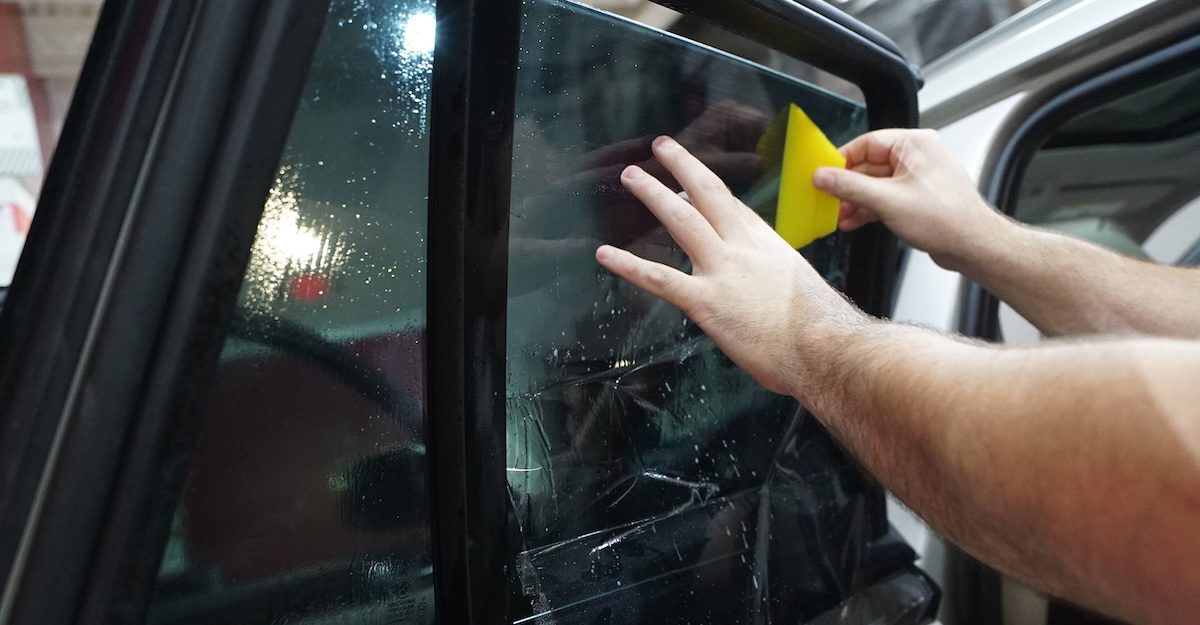
Installing the tint on the inside also makes it easier to achieve a smooth, bubble-free finish. The installer has more control over the environment, and there is no concern about contaminants landing on the adhesive layer during application.
That said, there are specialty films designed for exterior application, particularly for commercial buildings or architectural glass. These films are engineered differently and use adhesives and coatings that can withstand outdoor exposure. But for automotive use, interior application is the standard and the most practical option.
Why Interior Application Is the Industry Standard
Beyond just durability, installing tint on the inside of the glass makes it far easier to maintain and preserve. You are not scraping ice off it in the winter. You are not running it through abrasive brushes at the car wash. You are not exposing it to direct sunlight and rain on a daily basis, which would accelerate fading and peeling.
Interior tint also performs better optically. Because the film is bonded to the smooth inner surface of the glass, you get a cleaner, more uniform appearance without distortion or haze that can develop when films are exposed to environmental wear.
From a legal and enforcement standpoint, interior tint is also easier to measure and verify. Law enforcement uses tint meters that measure visible light transmission through the glass, and those readings are clearer and more consistent when the film is applied on the inside.
Can Window Tint Be Applied to the Outside of the Glass?
Yes, it is technically possible to apply certain types of window film to the exterior of automotive glass, but it is not common and it is not recommended for most situations. Exterior films are specialty products designed for specific applications, and they come with trade-offs.
Exterior films are more commonly used on buildings where interior application is not practical, such as storefront windows or large glass facades. These films are built with tougher coatings and more durable adhesives to withstand weather and physical wear, but even then, they degrade faster than interior films.
For cars, exterior tint would be exposed to constant abuse. Every time you drive in the rain, hit gravel on the road, or go through a car wash, you are risking damage to the film. Over time, it would scratch, peel, and lose effectiveness much faster than an interior installation.
If you ever encounter someone offering to install tint on the outside of your car windows, ask why. In almost every legitimate scenario, interior application is the better choice.
What You Should Not Do After Getting Your Windows Tinted
Getting your windows tinted is only half the job. What you do immediately afterward can make or break the quality and longevity of the installation. Tint needs time to cure properly, and rushing that process or interfering with it will cause bubbles, peeling, and adhesion problems.
Here are the most important things to avoid right after tint installation:
Do Not Roll Down Your Windows for at Least 48 Hours
This is the most common mistake people make. When you roll the window down too soon, the tint can shift, peel at the edges, or get caught in the window seal. The adhesive needs time to bond fully to the glass, and moving the window before that happens can ruin the installation.
Wait at least two days, and in colder or more humid weather, wait even longer. Your installer will give you a specific timeframe based on the weather conditions at the time of installation. Follow it.
Do Not Wash Your Car for Several Days
Water and cleaning chemicals can interfere with the curing process. If you take your freshly tinted car through a car wash too soon, moisture can seep under the edges of the film and prevent it from adhering properly. This leads to bubbling, peeling, and hazy spots that never go away.
Wait at least three to five days before washing the exterior, and avoid letting water run directly down the inside of the windows during that time. If your car gets dirty, wipe down the body panels gently by hand and leave the windows alone.
Do Not Park in Direct Sunlight or Extreme Heat Immediately After Installation
While heat generally helps tint cure, too much direct heat too soon can cause the adhesive to activate unevenly, leading to bubbles or distortion. If possible, park in a garage or shaded area for the first day or two after installation. This gives the film time to settle and bond evenly without being baked by the sun.
Do Not Use Harsh Cleaners or Scrub the Tint
Once the tint is fully cured, you can clean it, but only with the right products. Never use ammonia-based glass cleaners like Windex, as ammonia breaks down the adhesive and causes the film to turn purple and peel over time. Use a mild soap and water solution or a cleaner specifically formulated for window tint.
Use a soft microfiber cloth, never paper towels or abrasive sponges. Scrubbing too hard or using rough materials will scratch the film permanently.
Do Not Panic If You See Small Bubbles Right After Installation
It is completely normal to see small water bubbles or a slightly hazy appearance immediately after tint installation. These are caused by moisture trapped between the film and the glass, and they will evaporate as the tint cures. Depending on the weather, this can take anywhere from a few days to a couple of weeks.
If the bubbles are still there after three weeks, or if they are large and irregular, that indicates a problem with the installation and you should contact the installer.
Why Does Window Tint Look Lighter Right After Installation and Darker Later?
This surprises a lot of people. You get your windows tinted, and when you first look at them, the tint seems lighter or hazier than you expected. A few days later, it looks noticeably darker and clearer. What changed?
The answer is moisture. During installation, the installer uses a soapy water solution to position the film on the glass. This moisture gets trapped between the film and the glass, and it creates a hazy, grayish appearance that makes the tint look lighter than it actually is.
As the tint cures, that moisture gradually evaporates. Once it is fully gone, the film adheres completely to the glass and the true color and darkness of the tint becomes visible. This process can take anywhere from three days to two weeks depending on temperature, humidity, and the thickness of the film.
So if your tint looks a little off right after installation, give it time. It will darken and clear up as it dries.
How Long Does Window Tint Actually Last?
Window tint is not a lifetime modification. Like any material exposed to heat, UV radiation, and daily use, it will eventually degrade. But how long it lasts depends on several factors.
On average, quality window tint should last 5 to 10 years with proper care. Cheaper films or poorly done installations may start showing problems within a year or two. High-end films installed by professionals and maintained correctly can last well beyond a decade.
Here is what affects tint lifespan:
- Film quality: Premium films from brands like 3M, LLumar, or SunTek are built to last longer and resist fading, peeling, and bubbling better than bargain-brand films.
- Installation quality: A professional installation with proper surface prep and curing time will outlast a DIY job or a rushed installation by a discount shop.
- Climate and UV exposure: Cars in hot, sunny climates like Arizona or Florida will see their tint degrade faster than cars in cooler, cloudier regions.
- Care and maintenance: Using the wrong cleaners, scrubbing too hard, or rolling windows up and down aggressively can shorten tint life significantly.
- Type of tint: Dyed films fade faster than ceramic or carbon films. Metallized films last longer but can interfere with electronics. Ceramic films are the most durable and stable over time.
If your tint starts turning purple, bubbling, peeling at the edges, or developing a hazy appearance, it is time to replace it.
How Much Does It Cost to Tint Your Car Windows?
Window tint pricing varies widely depending on where you live, the type of film you choose, and who does the installation. But here is a general breakdown of what you can expect to pay:
| Service | Estimated Cost Range |
|---|---|
| Full car tint (standard dyed film) | $100 to $250 |
| Full car tint (carbon or hybrid film) | $200 to $400 |
| Full car tint (ceramic film) | $400 to $800 |
| Single window tint | $50 to $100 |
| Tint removal | $100 to $200 |
| Tint removal and replacement | $300 to $600 |
Budget shops may advertise full-car tints for under $100, but those jobs typically use the cheapest film available and rushed installation methods. You get what you pay for, and in many cases, those bargain tints will fade, bubble, or peel within a year.
Spending a bit more upfront for quality film and a reputable installer will save you money and frustration in the long run.
How Much Does It Cost to Remove and Replace Old Tint?
If your current tint is old, faded, or peeling, you will need to have it removed before installing new film. Tint removal is not always easy, especially if the film is very old or was installed poorly. The adhesive can bond so strongly to the glass that it requires significant effort to scrape it off without damaging the window or the defroster lines on the rear glass.
Professional tint removal typically costs $100 to $200 depending on how many windows need to be done and how stubborn the old film is. If you are having new tint installed at the same time, many shops will include removal in the overall price or offer a discount.
Replacing old tint with new film usually runs between $300 and $600 for a full car, depending on the type of film you choose.
Types of Window Tint and How to Choose the Right One
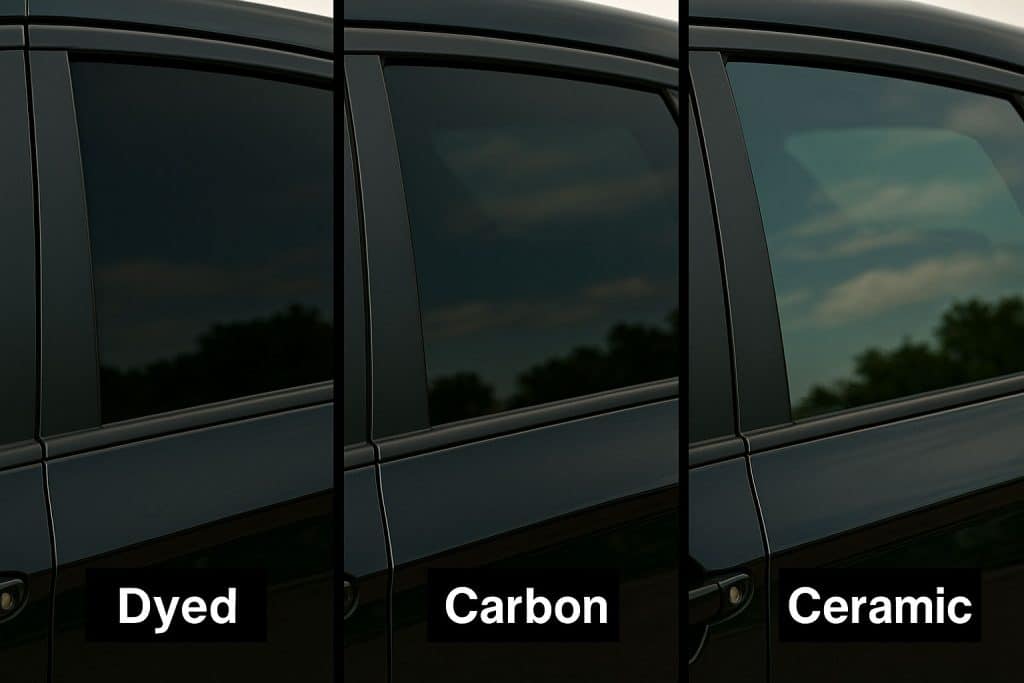
Not all window tint is created equal. There are several different types of film, each with its own characteristics, benefits, and price points. Here is a breakdown of the most common options:
Dyed Window Tint
This is the most affordable option. Dyed film uses layers of dye to absorb light and reduce glare. It provides privacy and a darker appearance, but it offers minimal heat rejection and will fade over time, often turning purple after a few years of sun exposure. Best for budget-conscious buyers who care more about appearance than performance.
Metallized Window Tint
Metallized film includes tiny metallic particles that reflect heat and UV rays. It is more durable than dyed film and does not fade as quickly. The downside is that the metal can interfere with radio signals, GPS, and cell phone reception. If you rely heavily on electronics in your car, this may not be the best choice.
Carbon Window Tint
Carbon film offers excellent heat rejection without the signal interference issues of metallized tint. It has a matte finish that looks sleek and modern, and it does not fade over time. Carbon tint is a solid middle-ground option that balances performance, appearance, and cost.
Ceramic Window Tint
This is the premium option. Ceramic tint uses nano-ceramic particles to block heat and UV rays without affecting visibility or electronics. It offers the best heat rejection, the clearest optical clarity, and the longest lifespan. It is also the most expensive, but if you want the best performance and durability, ceramic is worth the investment.
Legal Limits: Know the Rules Before You Tint
Window tint laws vary by state and country, and they are enforced. Tint darkness is measured by the percentage of visible light transmission, or VLT. The lower the number, the darker the tint.
Most states allow darker tint on rear windows than on front side windows, and windshield tinting is heavily restricted almost everywhere. Before you tint your windows, check your local laws to make sure you are staying within legal limits. Getting pulled over for illegal tint is not just an annoying ticket. In some places, you will be required to remove the tint entirely before the vehicle can pass inspection again.
A reputable tint shop will know the laws in your area and can help you choose a tint level that stays legal while still giving you the look and performance you want.
Window Tint Is Worth Doing Right the First Time
Window tint is one of the most popular and practical modifications you can make to your car. It protects your interior, keeps you cooler, adds privacy, and makes your car look better. But like anything else, the quality of the job matters.
Cheap tint installed by an inexperienced shop will bubble, fade, and peel within a year or two. Quality film installed by a professional will last a decade or more and perform exactly as it should from day one. The difference in cost is not that big, but the difference in results is enormous.
Take care of your tint after installation, follow the curing guidelines, clean it properly, and it will serve you well for years. Skip those steps, and you will be scraping off peeling film and starting over sooner than you think.