
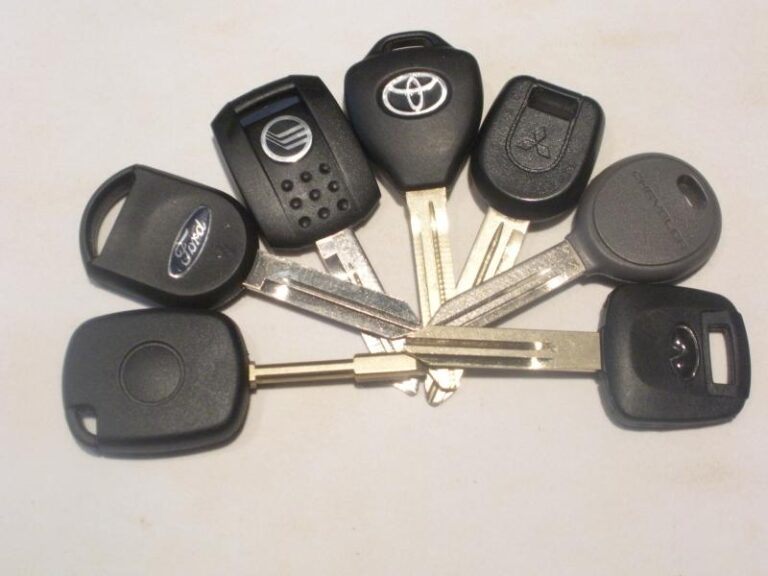
You are about to head out for a run, a swim, or a workout at the beach. Your car key is bulky, your shorts have no pockets, and strapping it to your wrist feels awkward. So the obvious solution seems to be hiding it somewhere on or in the car before you head out. Simple enough, right?
Not quite. Where you hide that key matters a lot more than most people think. A poorly chosen hiding spot can hand a car thief exactly what they need in under thirty seconds. A well-chosen one can keep your car and your belongings safe while you are out. This guide covers the good options, the bad ones, and everything you need to think through before you tuck that key anywhere.
Why People Hide Keys on Their Cars in the First Place
The scenario is incredibly common. You are going for a morning run, hitting the gym, or spending the day at the beach. Carrying your full key fob is inconvenient, and in some cases, genuinely risky. Take it into the water and you may have a very expensive problem. Run with it jangling in your pocket and it is just annoying.
Key storage accessories exist for this exact situation, things like magnetic wristbands, shoe key pockets, and waterproof pouches. They work, but plenty of people find them fiddly or uncomfortable. So hiding a spare key on the car itself becomes the path of least resistance.
Done right, it is a practical solution. Done carelessly, it is an open invitation to a thief who knows exactly where to look.
The Real Risks of Hiding a Key on Your Car
Before getting into where to hide a key, it is worth being honest about the downsides. There are a few situations where this approach can go badly wrong.
- Thieves know the common hiding spots. Car theft is not usually a random act of opportunity. Experienced thieves know the standard places people hide keys and they check them methodically. A hiding spot that feels clever to you may be completely obvious to someone who has done this before.
- You might forget where you put it. It sounds ridiculous until it happens. You use a hiding spot once, the car gets detailed or you move something around, and suddenly you have no idea where the key is. This is more common than people admit.
- The key can get stuck. Putting a key into a tight space underneath the car or wedged behind a panel can work fine until the car flexes slightly over bumps, corrosion sets in, or vibration shifts things around. What went in easily sometimes does not come back out easily.
- It can compromise an insurance claim. If your car is stolen and investigators determine that a key was hidden on or near the vehicle, your insurance company may push back on the claim. Some policies explicitly address this. It is worth knowing where yours stands.
- A visible keyring or key-related accessory draws attention. If someone can tell you are hiding something on the car, you have already created a problem.
None of this means you should never hide a key on your car. It means you should do it thoughtfully, with realistic awareness of the risks involved.
What to Think About Before Picking a Hiding Spot
Not all hiding spots are equal, and the right choice depends on several factors specific to your situation.
- How likely is someone to look there? The best hiding spots are the ones that a thief would not bother checking, either because they are too hard to reach, too inconvenient to search, or simply not a known hiding location.
- Will people nearby see you hiding or retrieving the key? A hiding spot that requires you to crouch under the car in a busy parking lot is going to attract attention, both when you hide it and when you retrieve it.
- How easy is it to retrieve in a hurry? If you need to get into your car quickly, a hiding spot that requires ten minutes and a flashlight is not actually practical.
- Is the key protected from the elements? A standard key left exposed to rain, salt air at the beach, or road spray under the chassis can deteriorate. Modern key fobs with electronics are especially vulnerable to moisture.
- Are you hiding a full key fob or just a metal backup key? This matters. Electronic fob components can be damaged by vibration, moisture, and heat in ways that a simple metal key is not. If you are hiding something on the outside of the car, a basic cut key in a waterproof magnetic box is significantly safer than trying to hide a full programmable fob.
The Best Places to Hide a Car Key
With those considerations in mind, here are the hiding spots that actually offer a reasonable balance of security and practicality.
1. A Magnetic Key Box Under the Vehicle
This is probably the most well-known method, but the key word there is execution. A magnetic key holder attached to the frame of the vehicle in a hard-to-reach, non-obvious location can work well. The problem is that most people attach them to the first flat metal surface they find, which is exactly where thieves check.
If you are going to use a magnetic box, place it somewhere that requires effort to access. Inside the frame rail, behind a wheel well liner, or in a recess that is not visible without getting flat on the ground and using a light. The more inconvenient it is to find, the better. Put only a cut metal key inside, never a fob with electronics, and choose a box with a strong enough magnet that road vibration will not shake it loose.
2. With the Spare Tire in the Trunk
If your car has a spare tire stored in the trunk or under the vehicle, the area around it offers a relatively obscure hiding spot. Most people, including most thieves, will not dig around underneath a spare tire when searching a car. You can tuck a key into a small pouch or container and secure it alongside the spare tire mounting hardware.
One important caveat here: if you have children or other people who regularly access your trunk, make sure they know not to play around in that area. A key that gets dislodged and falls into an inaccessible corner of the trunk undercarriage is going to be a frustrating afternoon.
3. A Purpose-Built Hidden Compartment
Some vehicles come with small storage compartments that most owners never even discover. Check your owner’s manual or search your specific make and model online. You might find a compartment under a floor mat, behind a trim panel, or integrated into the cargo area that is not obvious at all. These factory hidden spaces are genuinely good options because they are not where anyone would think to look.
Aftermarket magnetic lock boxes that attach inside the vehicle in hard-to-see locations are also worth considering if your car does not have a natural hidden spot.
4. Under a Floor Mat in a Subtle Location
The floor mat method is only good if you are not hiding the key under the driver’s side floor mat or the front passenger mat, because those are the first places anyone will check. However, the rear passenger floor, particularly under a mat in a corner that is covered by a seat, is less obvious. It is not a high-security option, but for a quick jog in a low-risk area it can work adequately.
5. Inside a Disguised Container in the Car
A key tucked inside an ordinary-looking object in the car, a closed water bottle, an old sunscreen bottle, a small bag among other small bags, is less likely to attract immediate attention than a key sitting loose. The principle here is camouflage rather than concealment. If a thief breaks in and sees what looks like a collection of ordinary everyday items, they are less likely to search each one carefully than if they spot something that obviously holds a key.
This works best when the car itself does not look like it contains anything valuable. A car packed with gear that looks worth stealing invites more thorough searching.
The Worst Places to Hide a Car Key
Some hiding spots are so commonly used that they might as well not be hiding spots at all. Avoid these.
- The glove compartment. This is the first place anyone who breaks into a car will look. It does not matter if it is locked. A locked glove compartment is not a serious deterrent and it signals that there might be something worth finding inside.
- Behind or under the license plate. This location is so well-known as a key hiding spot that it has become almost a cliché. Any thief with experience will check here within the first thirty seconds of approaching your vehicle.
- On the back bumper or near the exhaust system. The area around the rear bumper is visible and accessible from outside the vehicle without needing to open any doors. Anything magnetic on the rear bumper can be spotted easily and removed quickly.
- The driver’s side wheel well. This is one of the most commonly used magnetic box locations, which makes it one of the most commonly checked. The inside of the wheel well looks like an obvious hiding spot to anyone who knows what to look for.
- In the ignition. Leaving a key in the ignition is, practically speaking, not hiding it at all. It is handing the car over. The only scenario where this makes any sense is if the key is a non-transponder metal key that cannot start the car without a separate fob, and even then it is unnecessary risk.
- Under the driver’s seat. People reach under their seat all the time. So do police officers asking you to retrieve your registration, parking attendants, and anyone else who spends time near that area of the car.
A Smarter Alternative: The Lockbox Approach
If you regularly find yourself needing to leave a key behind while you exercise or spend time at the beach, it might be worth investing in a proper combination lockbox rather than improvising a hiding spot each time. These are small boxes with a combination lock that attach to something fixed, your trailer hitch, a fixed piece of the vehicle frame, or in some cases a cable that wraps around a secure point.
They are not invisible, but they are also not easy to get into quickly. A thief looking for an opportunity crime is after something fast and easy. A combination lockbox attached to the vehicle is neither. Most will move on rather than invest the time needed to defeat it.
The main drawback is visibility. A lockbox on the outside of your vehicle signals that there is a key nearby. Whether that trade-off makes sense depends on where you are parking and how long you will be away from the car.
Modern Key Fobs Make This More Complicated
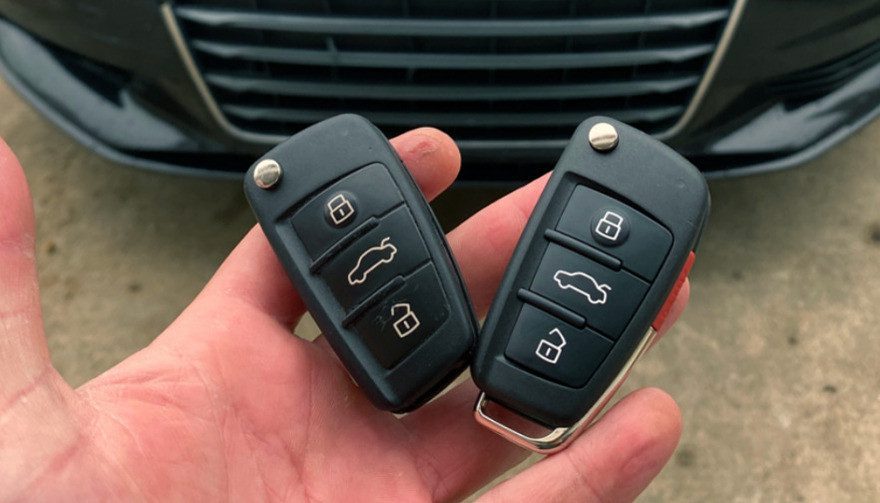
It is worth addressing something that older hiding spot advice often glosses over. Most modern cars no longer use a simple cut metal key. They use a key fob with a transponder chip, push-button start, or both. And some of these key fobs are genuinely valuable objects, sometimes costing several hundred dollars to replace and requiring dealer programming.
Hiding a full key fob outside the car exposes it to moisture, vibration, and heat that can damage the electronics. Hiding it inside the car creates a different problem: if someone breaks into the car and finds the fob, they can now also drive away in it.
The best approach for modern vehicle owners who want to leave a key behind is to obtain a basic cut metal backup key for the door lock, if your car has one, and hide only that. It will let you get into the car but will not start it without the fob. This is a much lower-risk item to leave hidden than a fully functional electronic fob.
Check with your dealer about whether your vehicle supports a traditional key blade as a backup. Many do, even if the car primarily uses a fob-based system.
Quick Comparison: Key Hiding Spots at a Glance
| Hiding Spot | Security Level | Notes |
|---|---|---|
| Magnetic box in an obscure undercarriage location | Moderate | Good if placed in a non-obvious spot, use only a metal key |
| With the spare tire | Moderate to good | Not commonly searched, keep the key secured in a small container |
| Factory hidden compartment | Good | Check your manual, many drivers never find these spaces |
| Rear passenger floor under mat | Low to moderate | Better than front mats, still searchable if the car is broken into |
| Inside a disguised container | Low to moderate | Works best when the car itself does not look worth breaking into |
| Glove compartment | Very low | First place anyone looks |
| Behind the license plate | Very low | Extremely well-known hiding spot |
| Driver’s side wheel well | Low | Commonly checked by experienced thieves |
| Rear bumper area | Very low | Visible and easily accessible from outside |
| In the ignition | None | Not a hiding spot, this is just leaving the car unlocked |
A Few Final Practical Points
Whatever hiding spot you choose, test it before you rely on it. Hide the key, walk away, come back, and retrieve it as if you had forgotten exactly where it was. If it is hard for you to find, that is a good sign. If you retrieved it in under ten seconds without even thinking about it, a thief probably can too.
Also consider the environment you are parking in. A quiet residential area is a very different risk level from a busy beach parking lot where people actively scan vehicles for valuables and opportunities. Adjust your approach based on the actual threat level, not just habit.
And if you are doing this regularly, such as every time you go for a run or visit the beach, it might be worth spending twenty dollars on a proper wearable key solution rather than relying on a hiding spot every single time. Consistency and routine make any hiding spot less effective over time, especially if someone watches you retrieve the key more than once from the same location.
The goal is to make your car the least convenient target in the parking lot. Thieves, like most people, take the path of least resistance. A hidden key that requires real time and effort to find is usually enough to make them move on to an easier opportunity.