
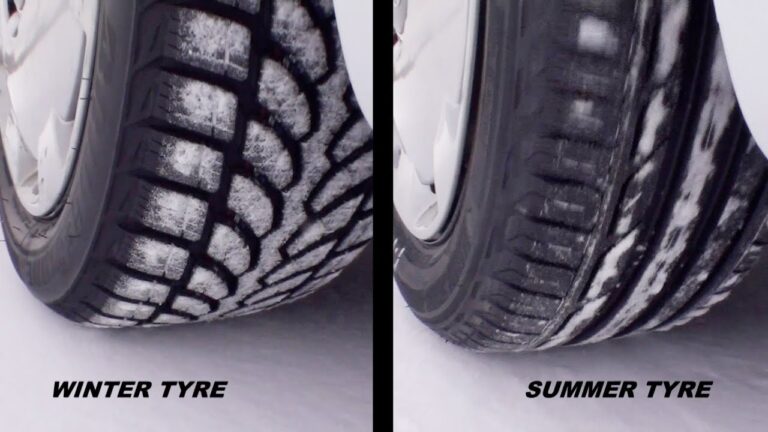
Plenty of drivers make it through winter with a set of winter tires and then simply leave them on when the warmer months arrive. No fine, no immediate problem they can see, and one less expense to worry about. It feels like a reasonable decision.
It is not.
Using winter tires in summer is genuinely dangerous, and it ends up costing you more money than buying a separate set of summer tires would have in the first place. Both of those things are true, and both are worth understanding before you decide the swap is not worth the hassle.
Why So Many Drivers Still Use Winter Tires in Summer
The numbers are worse than most people realize. Studies and road surveys suggest that more than 15% of vehicles on the road during summer months are still running on winter tires. And that percentage has been growing.
The reason is not ignorance, mostly. It is economics. Many drivers were pushed into buying winter tires because the law required it. Then, having already spent money on one set, they decided they could not justify a second set for summer. So the winter tires stay on year-round.
You see it everywhere. Luxury cars, taxis, vans, ordinary family hatchbacks. A brand-new BMW X5 or a Range Rover with winter tires in July. Status has nothing to do with it. The habit cuts across every segment of the market.
The logic feels sound on the surface. One set of tires, one expense, no seasonal swapping. But once you understand what winter tires actually do at warm temperatures, the calculation changes completely.
The Science Behind Why Winter Tires Are Wrong for Summer
Tires are not just rubber. They are specific chemical compounds engineered to perform within defined temperature ranges.
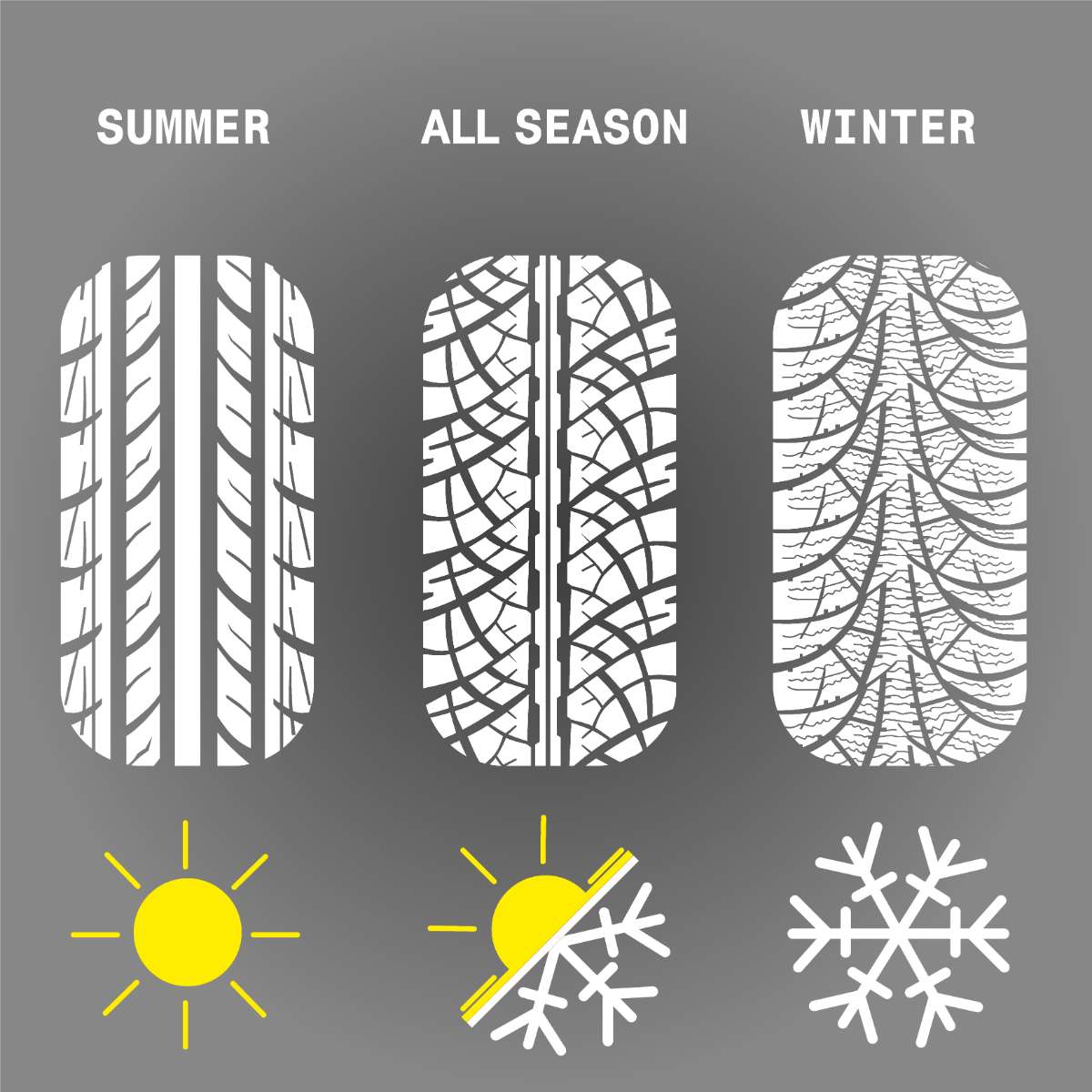
Winter tires are designed to stay soft and pliable when temperatures drop below 7 degrees Celsius (44.6°F). That softness is what allows them to grip cold, wet, icy, or snowy surfaces. The compound literally changes its physical properties with temperature, getting softer as it gets colder, which is exactly what you want in winter.
But that same compound does the opposite in warm conditions. As temperature rises, a winter tire compound hardens. By the time you are driving on a 30-degree summer day, that tire has become significantly more rigid than it was ever meant to be during normal operation. It is not gripping the road the way a tire should. It is rolling on a surface that the compound was never formulated to handle.
Summer tires work in reverse. Their compound stays appropriately flexible at high temperatures, maintaining the contact patch, the grip, and the predictable handling behavior you need. Below 7 degrees Celsius, that same compound starts to stiffen, which is why summer tires become a liability in cold weather.
Neither tire is universally right. Each is right for its season. Using one in the other’s conditions is where the problems start.
Five Serious Risks of Driving on Winter Tires in Summer
1. Your Braking Distance Gets Much Longer
This is the most measurable and most dangerous consequence. Testing by major tire manufacturers, including Bridgestone, has shown that at around 30 degrees Celsius (86°F), a car equipped with winter tires stops approximately 2.5 meters later than the same car on summer tires. That gap alone represents a meaningful difference in whether you hit something or avoid it.
On wet summer roads, the situation gets significantly worse. In humid conditions at close to 30 degrees, a car on summer tires can stop in a distance up to 30% shorter than a car on winter tires. Under some conditions, that translates to approximately two car lengths. Two car lengths is the difference between a near-miss and a collision.
To put it in perspective: driving on winter tires in hot, wet conditions is roughly equivalent to driving on summer tires in winter. Both scenarios involve putting the wrong tire compound on the road for the prevailing temperature. The risks are comparable.
2. You Lose Grip in Corners and Straights
Grip is not just about how hard the tire presses against the road. It is about whether the tire compound can deform slightly to conform to the road surface texture, creating friction. A soft tire grips. A rigid one slides.
Think about walking on a tiled floor in leather-soled dress shoes versus rubber-soled trainers. The sole material makes all the difference. The harder surface slides. The softer one grips. Tires work exactly the same way.
When a winter tire hardens in summer heat, it loses the ability to flex and conform to the road. The result is noticeably reduced grip in corners, potential skidding under braking, and a generally unpredictable feel, particularly at higher speeds. You may not notice it in slow city driving. On a motorway or in an emergency maneuver, you absolutely will.
3. Aquaplaning Risk Increases
Aquaplaning happens when water builds up between the tire and the road surface faster than the tire tread can evacuate it. At that point, the tire is riding on a film of water rather than the road itself, and steering and braking become largely ineffective.
Winter tire tread patterns are designed to channel snow, slush, and ice, not high volumes of summer rainwater. The groove geometry that makes a winter tire effective in cold conditions is not optimized for rapidly moving large amounts of water away from the contact patch.
Summer tires have tread patterns specifically designed to evacuate water quickly at summer temperatures, keeping the rubber in contact with the road even in heavy rain. Using winter tires in summer rain means your car starts aquaplaning at lower speeds than it should, which is a significant accident risk that is entirely avoidable.
4. The Risk of a Blowout Is Real
This one surprises people. Tires generate significant heat during driving, not just from the ambient temperature, but from friction with the road surface and air resistance. At highway speeds in summer, a tire’s operating temperature can easily exceed 50 degrees Celsius (122°F). On a hot day with asphalt temperatures around 60 degrees Celsius (140°F), that tire is being asked to perform in conditions far beyond what its compound was designed for.
Summer tires are engineered to handle this. Their compound, their construction, and their sidewall design all account for these temperatures.
Winter tires are not. When a winter tire is subjected to sustained high temperatures, the sidewalls begin to degrade. The rubber compounds break down in ways they were not designed to resist. Sidewall cracking and, in the worst cases, sudden blowouts are the result. Highway statistics on summer blowouts consistently show that a disproportionate share involve winter tires that were pushed beyond their thermal limits. A blowout at motorway speed is one of the most dangerous situations a driver can face.
5. You Are Destroying Expensive Tires Faster Than You Think
Here is the financial argument that should resonate with anyone who keeps winter tires on to save money. It does the exact opposite.
A winter tire driven in summer heat wears at an accelerated rate. The combination of rigid compound, higher friction on hot asphalt, and operating temperatures beyond the design range causes rapid tread wear. You can visibly see the rubber transferred onto the road surface after even moderate driving. Some estimates suggest a winter tire used in summer can lose around 2mm of tread depth per month of daily driving, compared to a summer tire in similar use.
But it is not just the tread depth that gets consumed. The corners of the tread blocks, the sharp edges that give a winter tire its grip in snow and ice, get rounded off by hot asphalt. By the time winter comes around again, those tires are already compromised for their actual purpose. You have spent all summer destroying tires that were expensive to buy, and now they are no longer effective for the conditions they were designed for. You end up replacing them sooner, spending more overall, and having gotten worse safety performance throughout.
Buying a set of summer tires and alternating between the two sets each season means each set wears at the correct rate, in the correct conditions, and both last significantly longer. The total cost over time is lower, not higher.
What About All-Season Tires?
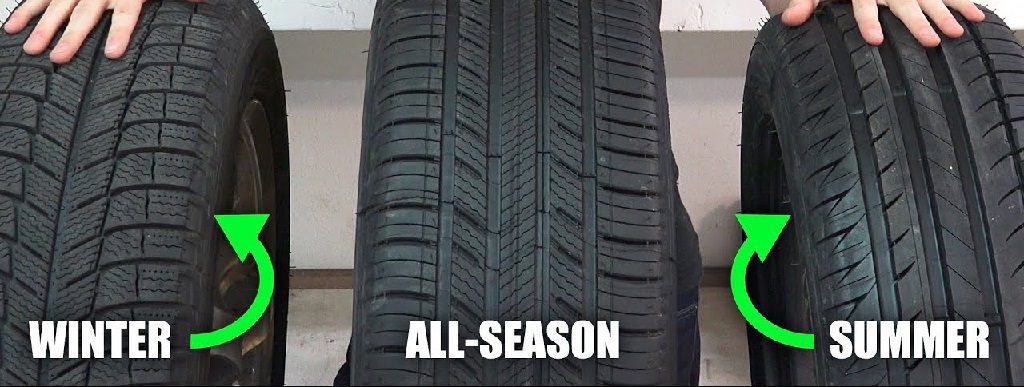
All-season tires, sometimes called all-weather tires, sit between winter and summer compounds. They are a compromise, and that word is important to understand.
They perform adequately in mild winter conditions and adequately in summer, without being optimal in either. They are the right choice for drivers who cover relatively low annual mileage, who live in areas where winters are generally mild rather than severe, and who cannot justify or store two separate sets of tires.
In terms of upfront cost, a set of all-season tires is roughly half the price of buying both a winter set and a summer set separately. That makes them financially accessible. But they wear faster than a dedicated tire used in its intended season, so the long-term cost advantage narrows over time.
If you live somewhere with genuinely harsh winters and hot summers, dedicated tires for each season will outperform all-season tires in both conditions by a meaningful margin. Performance testing consistently shows 8% to 30% variation between dedicated summer tires and winter tires used in hot conditions, with the gap widening as temperatures rise and roads get wet.
| Factor | Summer Tires in Summer | Winter Tires in Summer | All-Season Tires in Summer |
|---|---|---|---|
| Grip on dry road | Excellent | Poor | Good |
| Grip on wet road | Excellent | Poor to dangerous | Good |
| Braking distance | Shortest | Up to 30% longer | Moderate |
| Aquaplaning resistance | High | Low | Moderate |
| Blowout risk | Low | Elevated at high speed | Low |
| Tread wear rate | Normal | Accelerated | Moderate |
| Long-term cost | Lower with proper rotation | Higher due to faster wear | Moderate |
The Real Cost of Avoiding the Tire Swap
Let us be direct about what keeping winter tires on through summer actually costs you.
- Your stopping distances are significantly longer, which means your safety margin in emergency situations is reduced before you have even had a chance to react
- Your handling is less predictable, particularly in corners and on wet roads
- Your aquaplaning threshold is lower, meaning you lose control of the car sooner in heavy rain
- Your risk of a sudden blowout at highway speed is higher than it needs to be
- Your winter tires are being worn down and their specialized tread blocks are being rounded off, so they will be less effective next winter when you actually need them
None of these risks are hypothetical. They are documented, tested, and measurable. The braking distance numbers are real. The blowout statistics are real. The accelerated wear is real.
The perception that keeping winter tires on year-round saves money is simply wrong when you account for the full picture. You shorten the life of an expensive tire set, you degrade your safety margins in conditions that are more likely to involve higher speeds and wet roads, and you arrive at next winter with tires that are already worn past their best.
Fitting the right tire for the season is not a premium-driver luxury. It is basic vehicle safety, and it is ultimately cheaper than the alternative. If two full sets feel financially out of reach right now, used summer tires in good condition are a far better option than running winter tires through the warm months. Even a budget summer tire beats a winter tire in summer temperatures on every safety measure that matters.