
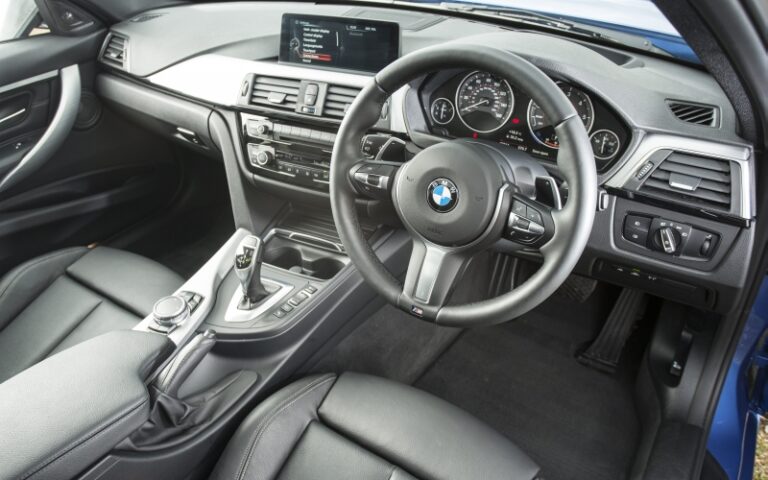
Walk down any street in London, Tokyo, or Sydney and you will notice something that looks completely normal to the locals but deeply strange to someone from the United States or continental Europe. The steering wheel is on the right side of the dashboard, and the driver sits nearest the center of the road rather than the curb. It is one of those things that most car buyers never think about until they are standing in a foreign country staring at a rental car and wondering whether they actually know how to drive it.
Where the steering wheel sits is not a random design choice. It is dictated by which side of the road a country drives on. Nations that drive on the left side of the road put the steering wheel on the right side of the vehicle. Nations that drive on the right side put the steering wheel on the left. The reason one country chooses one side and another chooses the other goes back centuries, long before the automobile ever existed.
But when you are actually shopping for a car, the history lesson is less important than the practical question. Which popular cars come with the steering wheel on the right side? And if you happen to live in a country where right-hand-drive vehicles are not the standard, which options are still available to you? This guide answers both of those questions clearly.
Why Some Countries Drive on the Left and Others on the Right
Understanding why right-hand-drive cars exist in the first place helps clear up a lot of confusion. In the era of horse-drawn carriages, the driver often sat on the right rear horse so that his dominant right hand could whip the team without hitting the passenger seated beside him. When the driver moved onto the carriage itself, it made sense to sit on the right so that the whip hand remained free. That habit stuck in countries like Britain and Japan, and when cars arrived, the steering wheel naturally landed on the right.
In France and the United States, however, an opposite tradition took hold. During the French Revolution, keeping to the right became a way to distinguish oneself from the aristocratic class that traditionally kept left. Napoleon then exported right-hand travel to the territories he conquered. The Americans, having no reason to adopt British habits after the Revolution, also settled on driving on the right. Those early decisions, made for reasons that had nothing to do with cars, are why your Toyota in Tokyo has the steering wheel on the opposite side of the same model sold in Texas.
British colonialism spread left-hand traffic and right-hand-drive cars to countries like India, Australia, South Africa, and Kenya. Japanese manufacturers naturally align with left-hand traffic because Japan itself drives on the left. That is why Japanese domestic market vehicles are overwhelmingly configured with the steering wheel on the right side. When you add up all the countries that still use this system, roughly a third of the world’s population lives in a place where right-hand-drive is the norm.
Popular Car Brands That Build Right-Hand-Drive Models
Most global automakers produce vehicles in both configurations because they sell in markets that require both. A BMW 3 Series built for the German market has the steering wheel on the left. The same model built for the United Kingdom has it on the right. The engineering that goes into moving the pedals, steering rack, dashboard, and even the wipers to the other side is substantial, but the cost is spread across millions of units, so manufacturers make it work.
That said, not every model makes the switch. Some low-volume sports cars or special editions are only produced in one configuration, and buyers in the other type of market either do without or go through the expensive and legally complicated process of importing and converting a vehicle. The list below focuses on popular, widely available cars that are commonly found with the steering wheel on the right side, particularly in countries where that layout is standard.
1. Mercedes-Benz A-Class
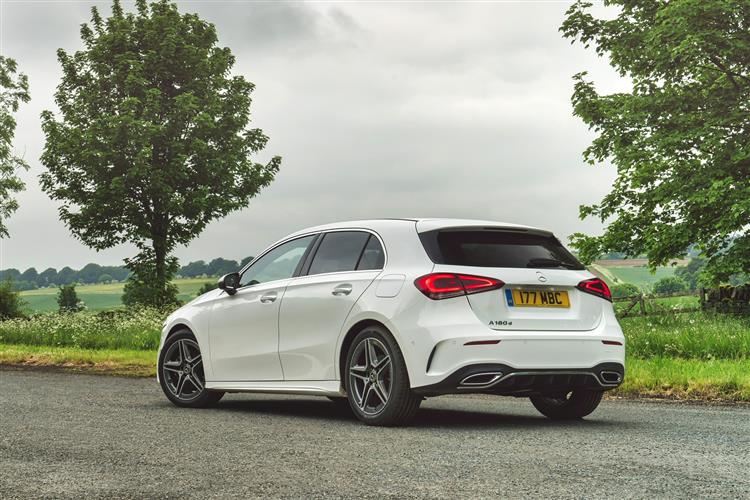
The A-Class is one of the most successful small premium cars in the world, and a huge number of them leave the factory with the steering wheel on the right. It makes sense when you think about it. The A-Class sells in huge numbers in the United Kingdom, Australia, and South Africa. Mercedes-Benz knows its customer base well enough to recognize that a right-hand-drive A-Class is not just a novelty. It is a core part of the product line.
What you get with the A-Class is a wide selection of powertrain choices spanning petrol, diesel, and plug-in hybrid setups. The interior is genuinely premium for a vehicle in this size class, and the technology is among the most advanced in the segment. A buyer who needs a car with the steering wheel on the right does not have to sacrifice anything in terms of refinement or equipment when choosing this Mercedes.
2. Volkswagen Polo
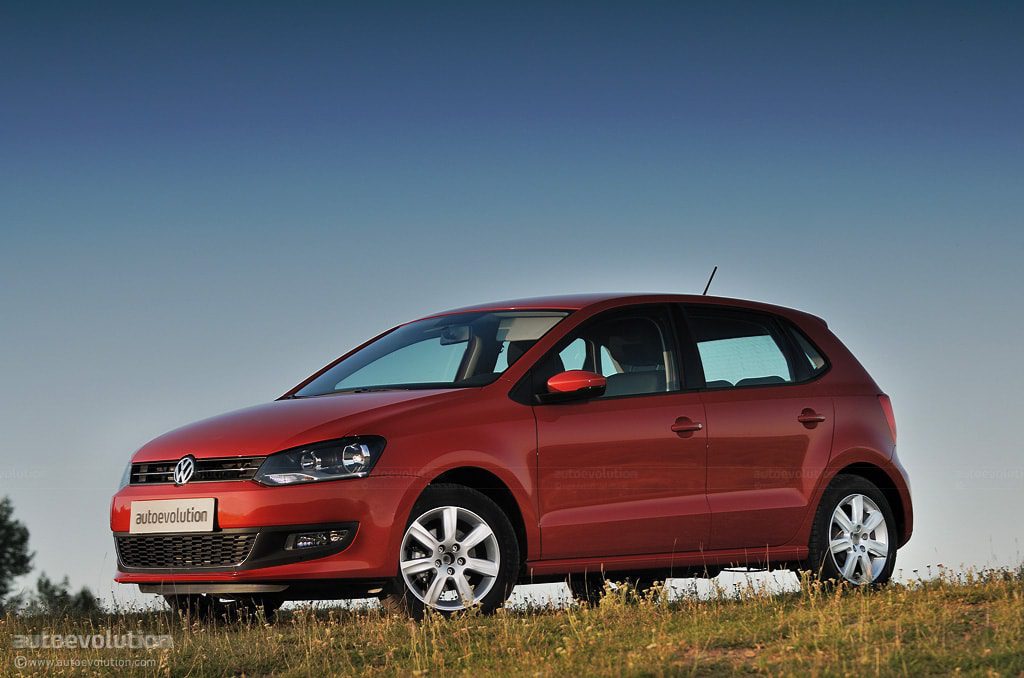
The Volkswagen Polo has been a staple of right-hand-drive markets for decades. It is one of those cars that seems to be everywhere, and the latest generation continues to push the model forward with a refreshed design and updated technology. Volkswagen recently announced a new GTI variant that pairs a 2.0-liter turbocharged petrol engine with traditional sport design cues, which makes it a genuine hot hatch contender.
The light bar that stretches across the front gives the new Polo a distinctive visual signature, but what matters more to most buyers is how it drives. The car is solid, efficient, and easy to place on the road regardless of which side the steering wheel is on. For anyone living in a country where the left lane is the driving lane, the Polo makes a strong case for itself as a practical daily companion.
3. Volkswagen Golf
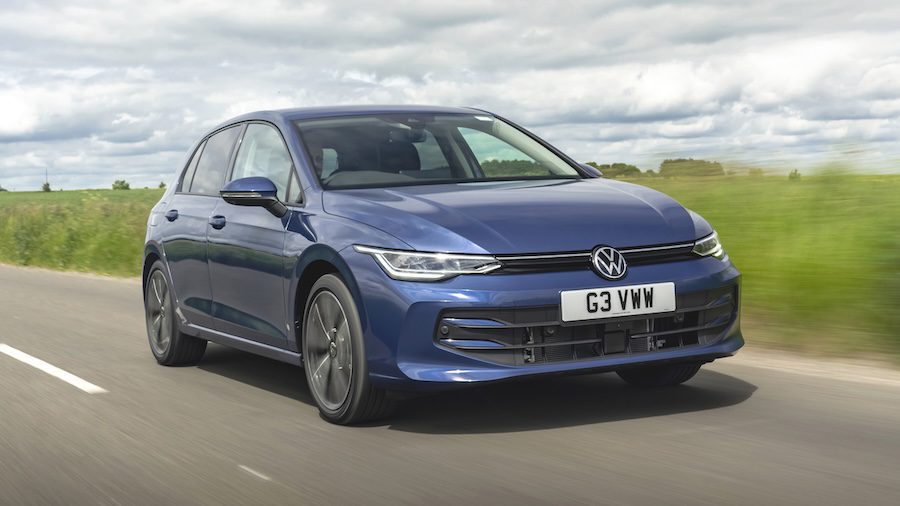
If the Polo is the younger sibling, the Golf is the benchmark that defined the family hatchback class. The right-hand-drive Golf is a common sight everywhere from the Home Counties in England to the coastal highways of New Zealand. The interior is one of the best in its class with comfortable front seats, high-quality cabin materials, and a second row that offers genuine space for adult passengers.
One of the Golf’s strongest traits is its practicality. The hatchback design means the cargo capacity is generous, and folding the rear seats opens up enough room for furniture, bicycles, or a weekend trip’s worth of luggage for the whole family. The fuel economy with the manual transmission is excellent, and the driving experience has a sense of enthusiasm that makes even a mundane commute feel more engaging than it has any right to. A single trim level in many markets simplifies the buying process, and standard amenities like heated front seats, driver assistance technology, and synthetic leather upholstery add meaningful value.
4. Porsche (Various Models)
Porsche has been building right-hand-drive cars for so long that it feels completely natural to see a 911 or a Cayenne with the steering wheel on what an American would consider the passenger side. The company takes performance seriously, and that commitment does not change based on which side of the car the driver sits on. Every Porsche model that is sold globally is available in both configurations.
The 911, Cayman, Boxster, Panamera, Macan, and Cayenne all come with right-hand-drive options for markets that require them. The quality of the engineering and the craftsmanship of the interior remain consistent regardless of steering wheel placement. Porsches are known for blending outright speed with surprising everyday usability, and seating versatility plus boot space in models like the Panamera and Cayenne make them viable family vehicles.
5. Nissan Qashqai
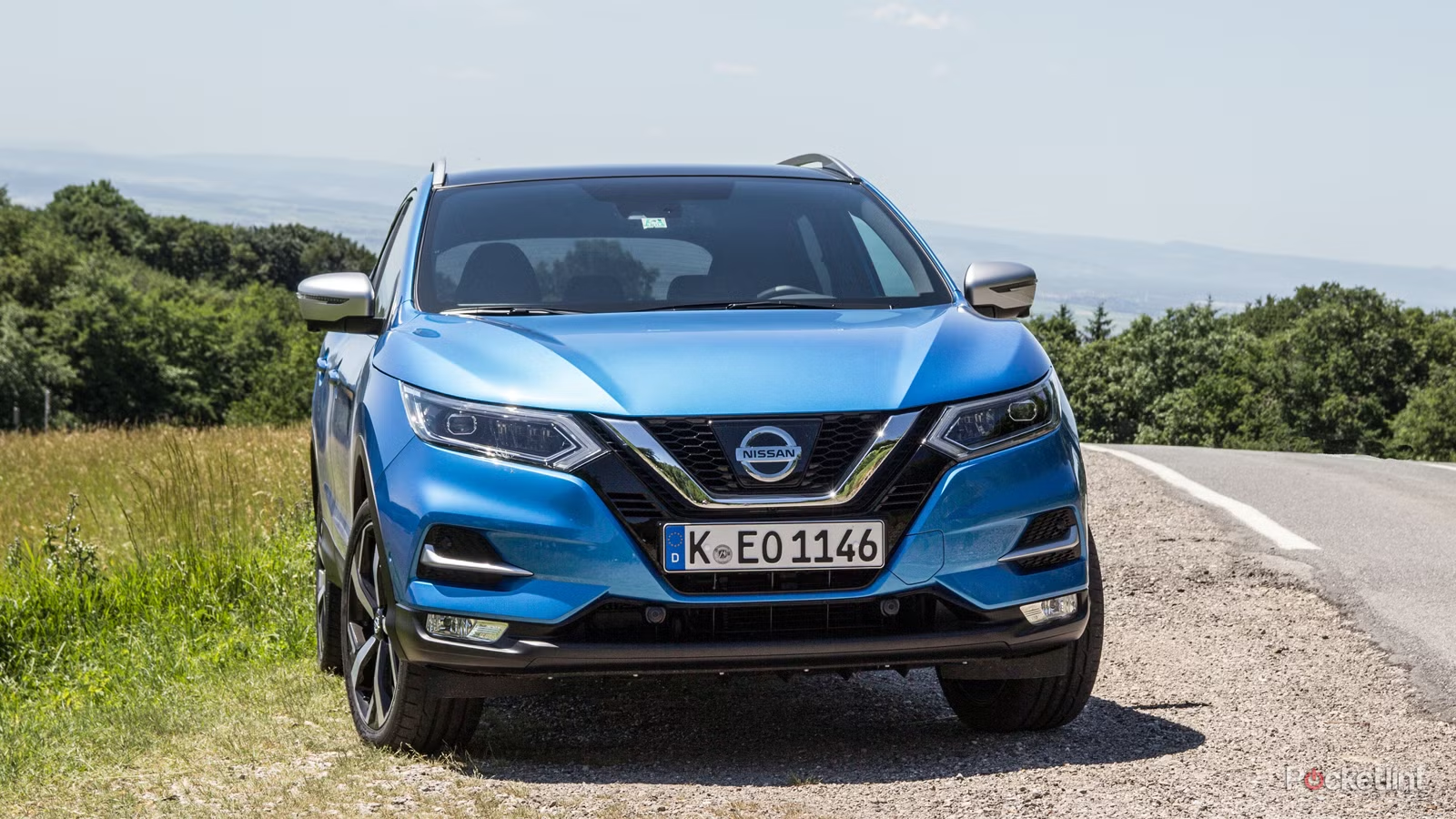
The Nissan Qashqai does not get the attention of a Porsche or a Mercedes, but it deserves a prominent spot on any list of popular right-hand-drive cars. When it launched in 2006, the Qashqai essentially created the modern crossover class. It combined the higher seating position and cargo versatility of an SUV with the driving dynamics and fuel efficiency of a hatchback, and buyers responded in enormous numbers.
In the United Kingdom, the Qashqai is consistently one of the best-selling vehicles period, not just among crossovers. The right-hand-drive version is what makes that possible. The model has evolved through multiple generations and now offers a range of powertrains including mild-hybrid options that improve fuel efficiency. For a driver who wants a practical, high-riding vehicle with the steering wheel on the right, the Qashqai is one of the most obvious and sensible choices available.
6. Ford Fiesta
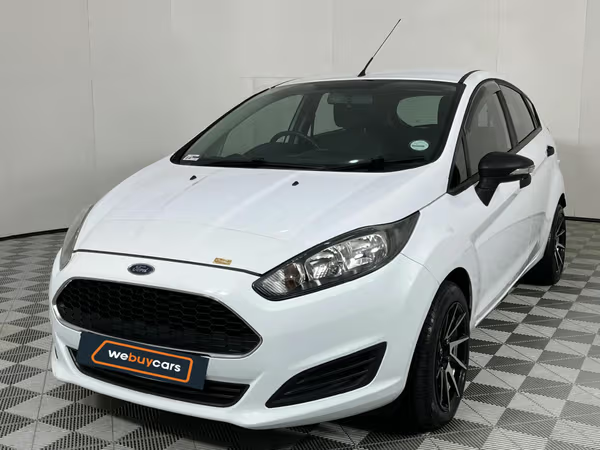
The Ford Fiesta held the title of the UK’s best-selling car for an impressive stretch of years, and every single one of those sales was a right-hand-drive vehicle. Even though competitors like the Vauxhall Corsa have occasionally overtaken it in monthly supermini sales charts, the Fiesta remains a beloved and popular choice because of its charm, its driving dynamics, and its efficiency.
The Fiesta recently received a round of tech upgrades and a refreshed exterior design that keeps it feeling current. The steering is sharp, the chassis is playful, and the engine lineup offers something for everyone from frugal commuters to the more enthusiastic driver. A right-hand-drive Fiesta is not a compromise car. It is one of the most engaging small cars available on any market.
7. Ford Puma
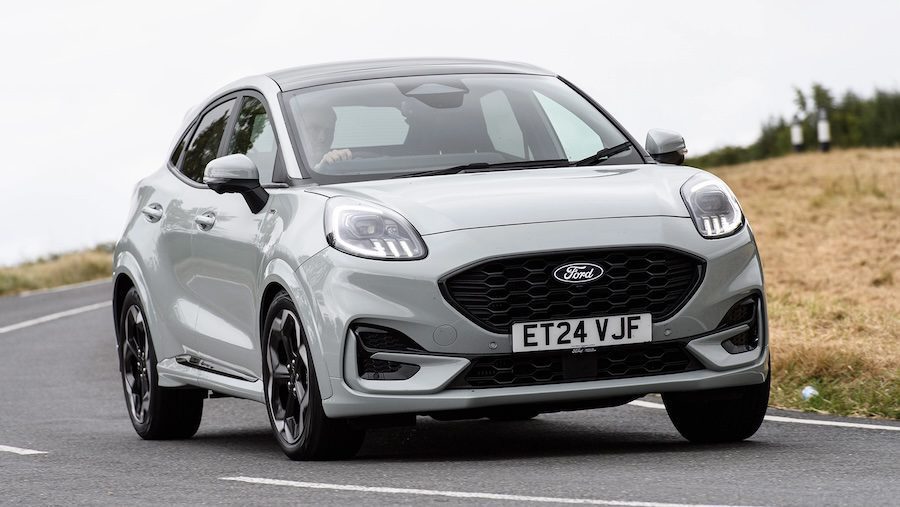
When Ford decided to bring the Puma name back, it did so not as a small coupe but as a compact crossover aimed directly at buyers who liked the Fiesta’s personality but wanted a higher driving position and more cargo space. The right-hand-drive Puma has been a hit in the UK and other left-driving markets because it delivers exactly that combination.
Keen driving dynamics are the Puma’s calling card. It genuinely feels good to steer through a roundabout or down a twisting road. The pricing is reasonable, and the range now includes a warm ST version that adds more power and a sportier suspension tune. At the luxury end, the Vignale trim wraps the interior in nicer materials and adds more technology. The right-hand-drive configuration is available across the entire lineup.
8. BMW 3 Series
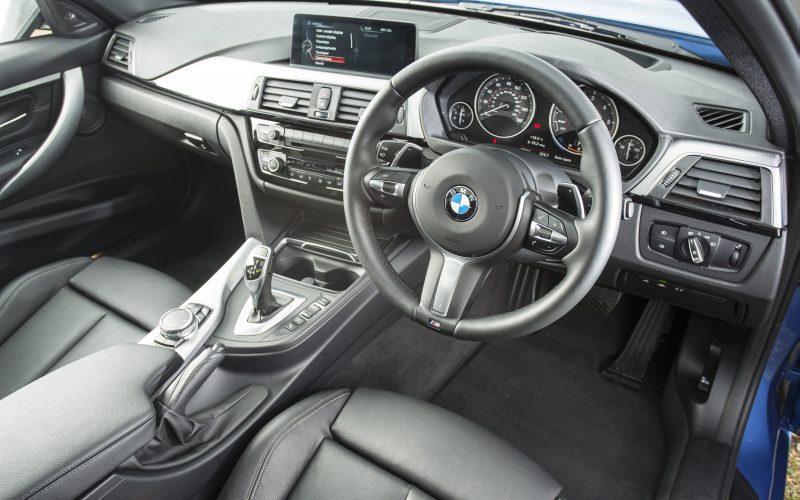
The BMW 3 Series has been a compact executive benchmark for longer than many drivers have been alive. It sells in enormous volumes in right-hand-drive markets, and the model’s reputation rests on a blend of performance, comfort, and cutting-edge technology. The current generation does not stray from that formula.
A plug-in hybrid variant known as the 330e can travel roughly thirty miles on electric power alone, which makes it a compelling option for commuters who can charge at home. Even the conventional petrol and diesel engines deliver impressive refinement and strong fuel economy. The steering wheel on the right side of the 3 Series does not change the driving experience. It simply adapts a world-class sedan to the realities of roads where the driver needs to be on the opposite side of the car.
A Broader Look at Popular Right-Hand-Drive Cars Globally
Beyond the eight models discussed above, the landscape of right-hand-drive cars is broad and varied. Japanese domestic market vehicles like the Toyota Crown, Honda N-Box, and Suzuki Jimny are engineered primarily for right-hand-drive markets and later adapted for export. British brands like Jaguar, Land Rover, Mini, and Rolls-Royce all produce their vehicles in right-hand-drive as standard practice and then create left-hand-drive variants for other markets.
For a buyer shopping in a country where right-hand-drive is the standard, the selection is nearly identical to what a left-hand-drive buyer sees. The same popular SUVs like the Toyota RAV4, Honda CR-V, and Mazda CX-5 are all available in right-hand-drive. The same pickup trucks like the Ford Ranger and Toyota Hilux are configured with the steering wheel on the right in markets like Australia, Thailand, and South Africa. The only real limitation is that a few low-volume exotic cars or special edition models might skip the right-hand-drive engineering because the cost cannot be justified by the projected sales volume.
Right-Hand-Drive Cars in the United States
The United States drives on the right side of the road, and as a result, the overwhelming majority of vehicles sold there have the steering wheel on the left. That does not mean right-hand-drive cars do not exist in America. They do, but they occupy a specific niche.
Rural mail carriers frequently use right-hand-drive vehicles so they can reach mailboxes without leaving their seat. Enthusiasts who import Japanese domestic market sports cars like the Nissan Skyline or Toyota Supra specifically want the right-hand-drive configuration because it is part of the car’s character. Some luxury buyers seek out right-hand-drive versions of cars like the Aston Martin Rapide, Ferrari 612 Scaglietti, or Mercedes CL-Class because of the uniqueness factor. A right-hand-drive car in America is not a necessity for most people. It is a choice that comes with practical consequences.
These are some of the right-hand-drive cars that have made their way onto American roads:
- Aston Martin Rapide
- Porsche Panamera
- Mazda RX-8
- Chevy Monte Carlo (specialty conversions)
- Mercedes CL-Class
- Ferrari 612 Scaglietti
- Nissan Skyline (imported models)
Driving a right-hand-drive car on American roads presents some unique challenges. Passing on a two-lane highway becomes an exercise in patience and positioning because the driver cannot see around the vehicle ahead without pulling significantly into the oncoming lane. Drive-through windows are on the wrong side. Toll booths and parking garage ticket machines are designed for left-hand-drive vehicles. These are not impossible obstacles, but they are daily reminders that the car does not match the infrastructure.
Is It Dangerous to Drive a Right-Hand-Drive Car on the Right Side of the Road?
It can be, especially for a driver who is not accustomed to it. Most traffic signs, road markings, and intersection designs are built around the expectation that the driver is sitting on the side of the car closest to the center of the road. When the driver is on the curb side instead, depth perception and visibility are affected in ways that can be genuinely hazardous.
Making a left turn across traffic in a right-hand-drive car driving on the right side of the road means the driver has a worse view of oncoming vehicles than they would in a conventional left-hand-drive vehicle. The same is true for merging from a left-side on-ramp. These are not theoretical concerns. They are real situations where a split-second visibility delay can lead to a collision.
That said, many people drive right-hand-drive vehicles on right-side roads every day without incident. Mail carriers in the United States have been doing it for decades. The key is awareness. The driver must know that the vehicle’s blind spots are different, that the sightlines are compromised in specific situations, and that extra caution is needed when visibility is limited. For someone visiting a country with opposite-hand traffic for a short trip, a rental car that matches the local norm is almost always the safer choice.
Can a Right-Hand-Drive Car Be Converted to Left-Hand-Drive?
The short answer is yes, but it is not simple. Converting a car from right-hand-drive to left-hand-drive requires replacing or relocating the steering rack, the dashboard, the pedal assembly, the brake master cylinder, the wiring harness, and often parts of the heating and air conditioning system. It is not a weekend project.
For most common vehicles, the cost of a professional conversion exceeds the value of the car, which is why it is rarely done outside of very specific enthusiast or commercial use cases. Some classic cars and a few imported rare models are the exceptions, but the average driver who ends up with a right-hand-drive car in a left-hand-drive country is usually better off selling it and buying a vehicle built for their market.
What to Check Before Driving in a Country With Different Traffic Rules
When traveling to a country where the driving side is different from what you are used to, the first few minutes behind the wheel are the most disorienting. Your brain has years of experience placing the car in a lane relative to where you are sitting, and reversing that relationship takes conscious effort.
- Take a moment before starting the engine to adjust the mirrors and get a sense of where the corners of the car are relative to your new seating position.
- Practice in a low-traffic area first if possible. An empty parking lot or a quiet residential street gives your brain time to recalibrate.
- Be especially careful at intersections. Your instinct about which lane to turn into may be wrong, and oncoming traffic will be coming from the direction you least expect.
- Remember that the gear shifter and pedals remain in the same order regardless of which side the steering wheel is on. The clutch is still on the left, the brake is in the middle, and the accelerator is on the right.
Most drivers adapt within a day or two, but until that adaptation happens, it is smart to drive more cautiously than normal and to keep distractions to a minimum.
A Quick Comparison of Popular Right-Hand-Drive Models
| Model | Type | Key Strength | Common RHD Markets |
|---|---|---|---|
| Mercedes-Benz A-Class | Premium Hatchback | Luxury and technology | UK, Australia, South Africa, Japan |
| Volkswagen Polo | Supermini | Build quality and efficiency | UK, India, South Africa |
| Volkswagen Golf | Family Hatchback | Practicality and refinement | UK, Australia, Japan, New Zealand |
| Porsche (Various) | Sports/SUV | Performance and everyday usability | UK, Australia, Japan, Hong Kong |
| Nissan Qashqai | Crossover SUV | Versatility and strong UK sales | UK, Australia, Ireland |
| Ford Fiesta | Supermini | Driving dynamics and fun factor | UK, South Africa |
| Ford Puma | Compact Crossover | Sporty handling and value | UK, Australia |
| BMW 3 Series | Compact Executive | Performance and premium feel | UK, Australia, Japan, Thailand |
Should You Buy a Right-Hand-Drive Car If You Live in a Country That Drives on the Right?
This is the question that ties everything together, and the honest answer is that it depends entirely on what you value and what you are willing to tolerate. A right-hand-drive car is a poor choice for a daily commuter vehicle in a right-hand-traffic country if convenience and ease of use are your priorities. The visibility compromises are real, and the minor annoyances stack up over time.
On the other hand, for an enthusiast vehicle, a collectible import, or a car used primarily for shows and occasional weekend drives, a right-hand-drive configuration can be part of the appeal. It is a conversation starter, a piece of automotive culture that stands out in a sea of conformity. The Nissan Skyline GT-R is a legend partly because of the right-hand-drive experience it delivers. An imported Toyota Century with wool seats and the steering wheel on the right is unlike anything most people in a left-hand-drive country have ever seen.
Just go into the purchase with your eyes open about the practical challenges. Talk to owners who have lived with a right-hand-drive car in your country. Find out what maintenance and parts availability look like. Understand that insurance may cost more and resale value may be affected. A right-hand-drive car can be a rewarding choice, but it is not one you should make without understanding what daily life with that car will actually be like.
The steering wheel placement is more than a trivia fact. It determines the car you can comfortably drive where you live, the vehicles available to you when you travel, and whether that interesting import listing is a dream purchase or a headache waiting to happen. Know which side you are on before you hand over the money.