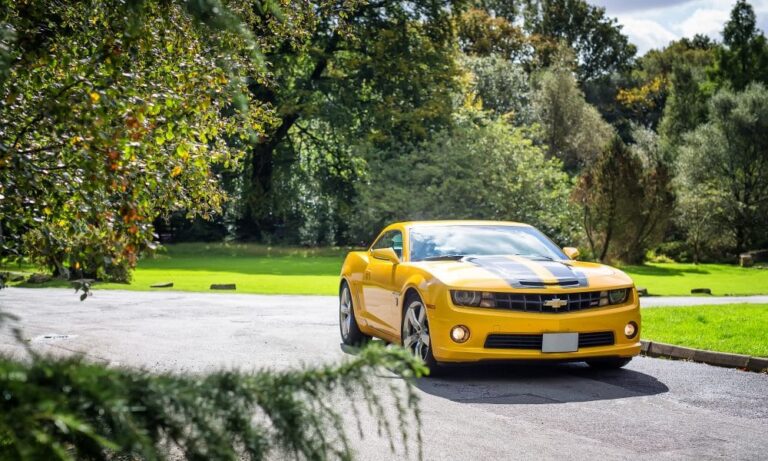
The phrase “need for speed” instantly brings to mind late-night street-racing fantasies, loud exhaust notes, and the kind of cars that seem far out of reach for the average buyer. For a long time, truly quick performance cars felt reserved for racers, celebrities, or anyone with a supercar-sized budget. That is no longer the case. Modern performance engineering has made speed far more accessible, and today there are several impressive machines that can deliver real excitement without crossing the $50,000 line.
One of the biggest misconceptions in the car world is that serious performance always demands an exotic badge or a six-figure price tag. In reality, some of the most entertaining cars on the road come from mainstream manufacturers that know exactly how to blend horsepower, style, and everyday usability. Whether you want a muscular V8 sedan, a sharp-handling Japanese sports coupe, or a legendary American pony car, there are genuine performance options available at a much more realistic price.
From an enthusiast’s perspective, what makes this part of the market so interesting is the variety. You are not limited to one formula. You can choose a four-door car that shocks people with its straight-line power, a sleek two-door machine with turbocharged punch and a bold road presence, or a classic rear-wheel-drive coupe built to make every highway on-ramp feel more exciting than it needs to be. These cars may sit below the $50,000 mark, but they still deliver the kind of energy that makes people look twice when they hear them coming.
Below is a closer look at three standout choices that prove speed does not always come with a supercar payment. Each one offers its own version of performance, personality, and value—and each one can be had for less than $50,000.
2016 Dodge Charger R/T Scat Pack
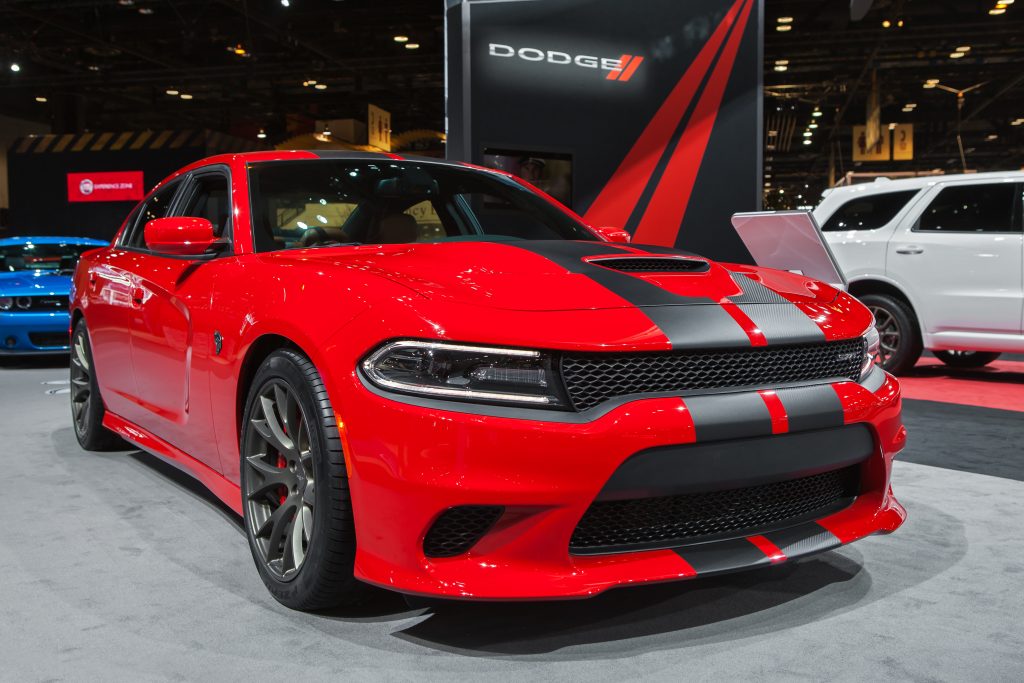
If you want a performance car that makes a statement before it even moves, the 2016 Dodge Charger R/T Scat Pack deserves serious attention. It is one of the rare modern sedans that still embraces old-school American muscle in a big, unapologetic way. Four doors, a roomy cabin, and practical sedan proportions make it more versatile than a typical sports coupe, but the real attraction is under the hood.
This version of the Charger comes equipped with a naturally aspirated 6.4-liter HEMI V8 producing 485 horsepower. That number alone is enough to put it in very impressive company for the money. The power delivery is broad, immediate, and deeply satisfying in the way only a large-displacement V8 can be. Instead of chasing speed with a tiny turbocharged engine and synthetic sound, the Charger Scat Pack delivers its performance with real displacement, real noise, and the kind of confidence that makes every acceleration run feel a little dramatic.
What makes the Charger especially interesting is that it is not just a straight-line novelty. Yes, it is heavy compared with smaller sports cars, and yes, its personality leans more toward brute force than razor-sharp precision. But that is part of the charm. This is a car built for buyers who want their performance wrapped in size, comfort, and presence. It is fast, bold, and impossible to confuse with anything timid.
Another reason the Charger R/T Scat Pack stands out is value. In the used market, you can often find one for around $39,000, sometimes even less depending on mileage and condition. That is an exceptional amount of horsepower for the price, especially if you want a vehicle that can do more than just act like a weekend toy. It can carry passengers, swallow luggage, and still leave plenty of lesser cars looking small in the mirror.
From an expert buyer’s point of view, this Dodge is best suited for someone who wants emotional performance. The Charger is not subtle, and it is not trying to be. It offers thunderous V8 character, full-size practicality, and one of the strongest horsepower-per-dollar arguments in the segment. If your idea of a bargain performance car includes a loud engine, real attitude, and enough power to feel slightly ridiculous in the best possible way, the Scat Pack makes a compelling case.
It is also the kind of car that challenges the old assumption that sedans must be dull. In this case, the four-door layout becomes part of the surprise. Most people do not expect something that practical to hit that hard, and that is part of what makes the Charger so entertaining to own.
Toyota Supra Base Model
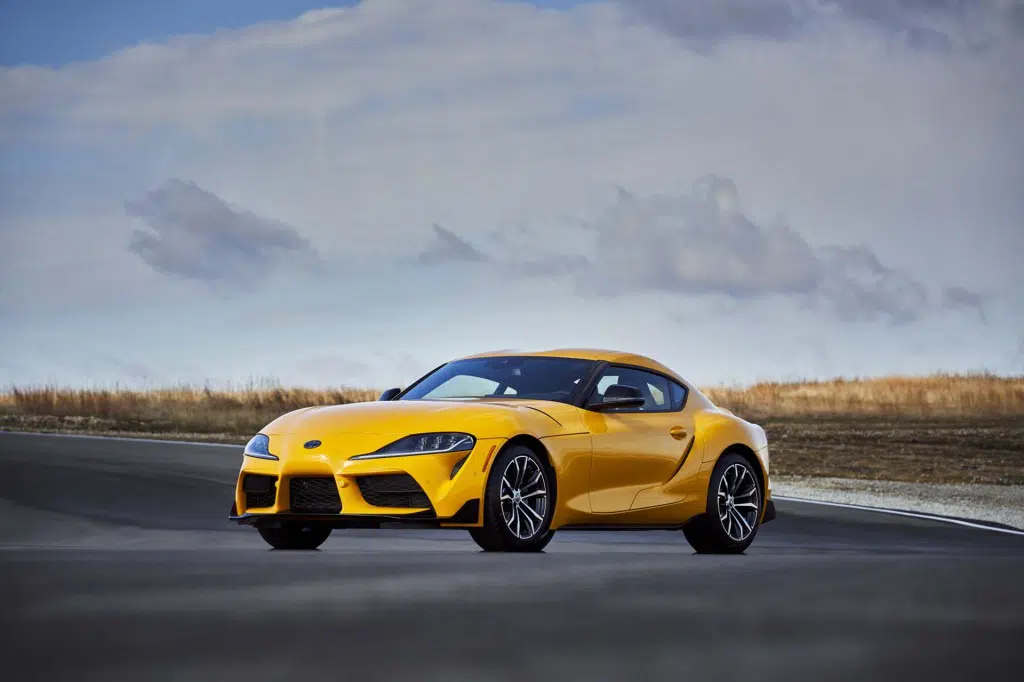
The Toyota Supra carries one of the most recognizable names in performance-car history, and that alone gives it a certain amount of pressure. Enthusiasts expect a lot from a Supra. They expect style, speed, and the kind of road presence that makes the car feel special even before the engine starts. Fortunately, the base model still manages to deliver a great deal of that appeal while keeping itself under the $50,000 threshold.
The modern base-model Supra comes with a turbocharged 2.0-liter inline-four engine producing 255 horsepower. On paper, that number may not feel as dramatic as the Dodge Charger’s V8 output, but context matters. The Supra is smaller, lighter, and far more tightly focused as a sports coupe. It pairs that engine with an 8-speed ZF automatic transmission, a unit that has earned respect across the performance world for its quick responses and smooth operation.
Where the Supra really shines is in balance. It is not just about raw horsepower. It is about how the car uses what it has. The chassis is sharp, the proportions are aggressive, and the overall feel is much closer to a purpose-built sports car than to a daily commuter with extra power. Even the base version manages to look expensive, which is something many cars in this price range struggle to pull off. It has the sort of styling that draws attention in traffic and gets remembered in parking lots.
That visual drama is a huge part of the Supra’s appeal. The long hood, muscular rear haunches, and sculpted bodywork give it a presence that feels far more exotic than the price suggests. For many buyers, that matters as much as the acceleration numbers. Performance is one thing. Looking like you bought something genuinely special is another.
At roughly $49,900, the base Supra sits right near the upper limit of this list, but it earns its place by offering a premium sports-car experience without pushing into the financial territory where things start feeling irresponsible. This is a car for the buyer who wants something more refined and more focused than a traditional muscle car. It gives you speed, but it also gives you modern styling, a sharp transmission, and the kind of handling character that turns a twisty road into part of the entertainment.
From an expert perspective, the base Supra is ideal for buyers who value design and dynamics as much as horsepower. It may not be the loudest or the largest option in the price bracket, but it is one of the most visually striking and one of the most disciplined. That makes it a smart performance buy for someone who wants a car that feels serious without crossing into supercar fantasy money.
And perhaps most importantly, it proves that you do not need a giant engine to have a genuinely fast and memorable sports coupe. Good engineering can still make a moderate power figure feel exciting when the car around it is this well focused.
Chevrolet Camaro
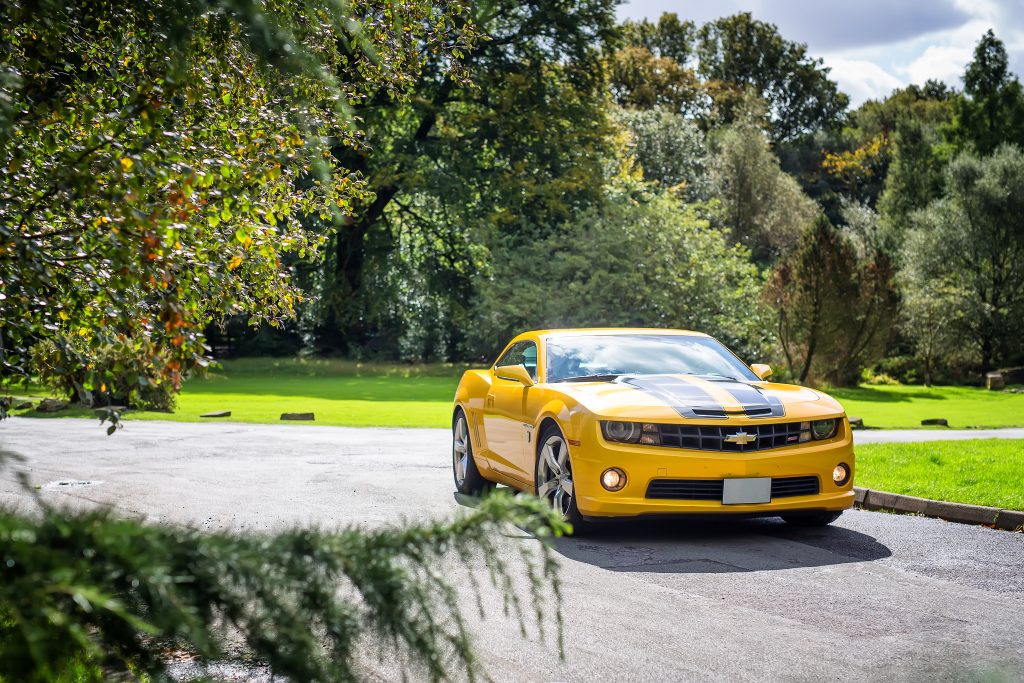
Few cars carry American performance heritage quite like the Chevrolet Camaro. It has long been one of the best-known names in the muscle and pony car world, and the modern versions continue that tradition with impressive power for the money. If the Dodge Charger represents fast sedan muscle and the Toyota Supra represents compact sports-coupe precision, the Camaro lands in that classic middle ground where raw performance, style, and everyday affordability meet.
The V8-powered versions are where the Camaro’s appeal really takes shape. With 455 horsepower available in the right configuration, it offers exactly the kind of serious thrust many buyers imagine when they think about affordable speed. More importantly, Chevrolet managed to make this level of power available at a price point that feels remarkably accessible compared with what performance used to cost. Around $34,000 for this kind of output is one of the stronger deals in the segment.
What makes the Camaro especially compelling is that it delivers its performance with attitude. It looks aggressive, sounds like it means business, and feels purpose-built in a way that fans of classic American performance still appreciate. Yet it is also a modern car, which means it benefits from years of chassis, braking, and powertrain development that make it far more capable than older muscle-car generations ever were.
The Camaro is also a reminder that speed has become much more democratic than it used to be. There was a time when truly quick cars were automatically expensive, specialized, or impractical. Today, a buyer with a realistic budget can get into a V8 coupe that offers massive straight-line speed and genuine enthusiast appeal without selling half their future to finance it. That shift is one of the most exciting things about the modern performance market.
Now, the Camaro is not perfect. Visibility has long been one of the model’s most common complaints, and buyers who prioritize cabin openness may prefer some of its rivals. But if the main goal is speed, character, and value, the Camaro is hard to dismiss. It gives buyers access to real horsepower at a price that still feels surprisingly down to earth in a world where performance often gets expensive very quickly.
From a practical enthusiast standpoint, the Camaro is for drivers who want the emotional core of a traditional American performance coupe without entering absurd pricing territory. It is dramatic, forceful, and genuinely quick. More importantly, it proves that modern performance bargains still exist if you know where to look.
For many shoppers, that is the real magic of this car. It feels like a serious machine, but it still sits within reach of buyers who do not have exotic-car money.
What These Cars Really Prove About Performance on a Budget
These three cars may look very different from one another, but together they tell an important story about the modern performance market. Fast cars are no longer locked away behind supercar gates. A buyer does not need six figures, a racing license, or a celebrity lifestyle to own something genuinely quick anymore. What matters more is understanding what kind of fast car suits your personality, driving style, and expectations.
The Dodge Charger R/T Scat Pack is the answer for someone who wants a practical car with outrageous V8 energy. It is for the buyer who wants performance without giving up rear seats and full-size comfort. The Toyota Supra is for someone who wants style, sharpness, and the feeling of a modern sports coupe that looks more expensive than it is. The Chevrolet Camaro is for the buyer who wants traditional American power, coupe proportions, and serious performance value with a familiar badge.
That variety is important because “fast” is not one fixed idea. Some people want a car that sounds huge and brutal. Some want one that feels tight and agile. Some want speed with practicality. Others want speed with visual drama. The good news is that under $50,000, there are now enough options that buyers can choose their flavor instead of settling for a single formula.
There is also a broader point worth making here. Affordable performance is not just about buying horsepower cheaply. It is about buying the right kind of experience for the money. A car can post big power figures and still fail to feel special. Another can have lower output on paper but feel thrilling because of the way its chassis, weight, transmission, and design come together. That is why shopping for a fast car should never be reduced to one stat alone. Horsepower matters, yes, but so does how the car turns that number into a real driving experience.
And that is exactly why these three models stand out. They do not just check a performance box. Each one has a strong identity. The Charger feels unapologetically muscular. The Supra feels sleek and focused. The Camaro feels like a classic performance icon brought into the modern era. That kind of personality is what makes a fast car memorable long after the first test drive.
How to Choose the Right Fast Car Under $50,000
If you are shopping in this price range, the smartest move is not to ask only, “Which one is fastest?” The smarter question is, “Which one gives me the kind of speed I actually want to live with?” Because once you narrow the field to serious performance cars, the differences become more about character than raw numbers.
If you want the most dramatic engine experience and value straight-line power above all else, the Charger and Camaro become very attractive. If you want a more compact, more polished sports-car feel with a sharper design edge, the Supra makes a strong argument. If you need real passenger space, the Charger’s four-door format gives it an advantage the others cannot match. If you want a more traditional two-door performance image, the Camaro and Supra speak more directly to that identity.
You should also think honestly about how the car will be used. Is it a daily commuter? A weekend toy? A road-trip machine? Something you want to modify later? A car that seems perfect on paper can become annoying if it does not fit your life. The best performance purchase is not the one that wins a spec-sheet war online. It is the one that still makes sense after the excitement of the buying moment settles down.
Maintenance, insurance, fuel costs, tire costs, and practical usability still matter too. A cheap fast car can become a less-cheap ownership experience if you do not account for everything that comes after the purchase. That does not mean you should avoid buying something fun. It just means you should buy the fun intelligently.
From an expert standpoint, that is the best way to approach this category. These cars are accessible enough to feel realistic, but serious enough to deserve careful thought. That combination is what makes this part of the market so exciting.
Final Thoughts
The idea that only ultra-expensive sports cars can deliver real speed is no longer true. The modern market has opened the door to serious performance at prices that, while still significant, are far more attainable than many enthusiasts once imagined. Under $50,000, buyers can now choose between very different kinds of fast cars, each offering its own version of power, style, and driving emotion.
The 2016 Dodge Charger R/T Scat Pack proves that a family-sized sedan can still behave like a muscle car. The Toyota Supra base model shows that a sharp, modern sports coupe does not have to cross into exotic-car pricing to feel special. The Chevrolet Camaro reminds us that classic American performance remains one of the best horsepower bargains on the road.
What these cars really prove is not just that speed is available. It is that choice is available. You can decide whether you want your performance wrapped in V8 thunder, turbocharged style, or coupe-based heritage. That freedom is what makes this segment so appealing. It is no longer about dreaming from a distance. It is about choosing which version of fast fits your life best.
If you have been waiting for the day when an exciting, quick, attention-grabbing car became realistically attainable, the market is already there. You just have to know where to look—and which kind of speed feels most like yours.