
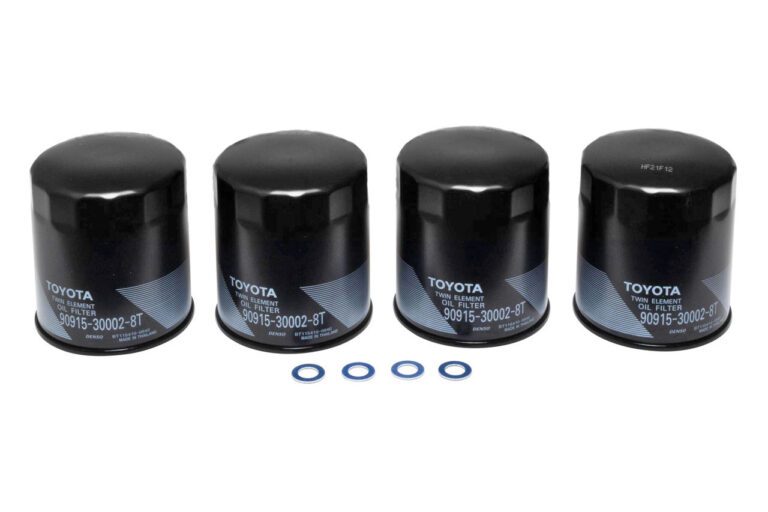
Walk into any auto parts store and you will find dozens of oil filters on the shelf, different brands, different sizes, and wildly different prices. If you are not sure which one to grab, you are not alone. This is one of those areas where vehicle owners, shop clerks, mechanics, and quick-lube technicians all seem to have a different opinion, and that conflicting advice leaves most people more confused than when they started.
The short answer to the universal oil filter question is no, they are not universal. But the longer explanation is more nuanced than a simple yes or no, and understanding it properly helps you make a better decision the next time you are standing in that aisle trying to figure out which one goes in your car.
Are Oil Filters Universal? The Direct Answer
Oil filters are not universal. Vehicle manufacturers specify the recommended filter weight, size, thread specification, and bypass valve pressure for each engine, and those specifications vary from one vehicle to another. The idea that one filter fits every engine is not accurate, and treating it that way can create real problems.
That said, oil filters are not strictly car-specific in the way that, say, a body panel is. Many filters share compatible thread sizes and gasket dimensions across different vehicle makes and models, which is why aftermarket filter manufacturers like Fram, Wix, Mobil 1, and K&N can produce a single filter that fits multiple applications. The filter you need is not always unique to your specific vehicle, but it still needs to match your engine’s requirements rather than just fitting physically.
The function of every oil filter is the same. Oil flows in through small holes around the base, passes through the filter media where particles are captured, and exits through the center tube to circulate through the engine. Every filter does this. The differences lie in thread diameter, filter height, gasket size, bypass valve pressure rating, media quality, and filtration efficiency. Getting those wrong matters.
The bottom line: you cannot grab any filter off the shelf. You need the one that matches your vehicle’s specifications. Your owner’s manual, the filter lookup system at any auto parts store, or your vehicle’s VIN will point you to the correct options.
Why Oil Filters Are Not One-Size-Fits-All
Several technical characteristics vary between filters, and each one matters for correct installation and proper function.
| Filter Specification | Why It Matters |
|---|---|
| Thread size and pitch | The filter must thread correctly onto the engine’s oil filter mount. A mismatched thread strips the fitting or fails to seal. |
| Gasket diameter | The gasket must seal flat against the engine’s mating surface. The wrong diameter causes oil leaks or prevents proper seating. |
| Filter height | Clearance around the filter varies by engine bay design. An oversized filter may contact other components or be difficult to remove. |
| Bypass valve pressure | The bypass valve opens when the filter is cold or clogged to maintain oil flow. The wrong pressure rating can cause the valve to open too early or not at all. |
| Micron rating of filter media | Determines particle size the filter captures. A higher micron rating blocks larger particles but may allow smaller contaminants through. |
Micron rating deserves a little more attention because it is often overlooked. The micron rating tells you how small a particle the filter can capture. A filter with a lower micron rating captures smaller particles, meaning it filters more thoroughly. Higher-quality oil filters often have lower micron ratings and can capture contaminants that basic filters allow through. A good quality oil filter is also associated with a modest improvement in driving mileage over time, partly because properly filtered oil maintains its lubricating properties longer.
How to Find the Right Oil Filter for Your Vehicle
There are a few reliable ways to identify the correct filter without guessing.
Use Your Vehicle’s VIN
The simplest and most reliable method for most owners is to use your vehicle identification number at an auto parts store or online parts lookup tool. Enter the VIN and the system pulls up the exact filters that meet your vehicle’s specifications. This removes any ambiguity about compatibility and is faster than measuring.
Use Your Owner’s Manual
Your vehicle’s owner’s manual lists the recommended oil filter specification. Most manufacturers note either a specific part number or a filter specification that aftermarket suppliers can match. This is the authoritative source for what your engine actually requires.
Measure the Existing Filter
If neither of the above options is available, you can measure the filter directly. Here is the process:
- Remove the existing oil filter from the engine
- Drain the remaining oil from the filter into a catch container
- Measure the thread diameter of the center screw hole using a ruler or thread gauge
- Measure the overall filter diameter, including the sealing gasket area
- Note the filter height
- Match these measurements against the filter specifications listed at an auto parts store or in an online fitment guide
One note on measuring diameter: measure the full filter body width. The rubber seal at the base is part of the sealing surface and must be included in your assessment of whether a replacement will seat correctly against the engine.
Ask a Trusted Source
A mechanic familiar with your vehicle, a knowledgeable parts store employee, or the vehicle manufacturer’s service department can all point you to the correct filter. Be cautious with any advice that sounds like “just grab a generic one, they all work the same,” because that advice ignores the specifications that actually matter for your engine.
Can You Buy Universal Oil Filters at Automotive Shops?
Oil filters are widely available at automotive retailers, dealerships, and general merchandise stores. The question of quality and correctness is more important than availability.
Some retailers stock filters that are labeled broadly as compatible with many vehicles. That compatibility only holds when the key specifications match your engine’s requirements. A filter that physically threads onto your engine and seats the gasket is not necessarily the right filter if the bypass valve pressure or media quality does not meet your engine’s specifications.
When shopping for a filter, consider the retailer’s reputation, the filter brand’s quality record, and whether the filter is listed specifically as compatible with your vehicle rather than just broadly sized to fit many applications. Reviews and long-term reliability data for filter brands are widely available through enthusiast forums and independent testing organizations, and spending a few minutes reviewing that information before purchase is worthwhile.
What Happens When You Use the Wrong Size Oil Filter
Using an incorrectly sized oil filter creates a range of problems that range from annoying to genuinely dangerous for your engine. Understanding these consequences makes the case for getting the filter selection right every time.
Oil Pressure Problems
The oil filter plays a direct role in maintaining correct oil pressure throughout the engine. A filter that does not fit properly can restrict flow or allow too much oil to bypass the filter media entirely. Either condition disrupts the pressure balance the engine depends on for lubrication. Oil pressure that is too low means bearing surfaces, camshaft lobes, and other critical components are not receiving adequate lubrication.
A filter with a bypass valve set to the wrong pressure opens at the wrong time. If it opens too easily, unfiltered oil reaches the engine. If it does not open when needed, the engine runs with restricted oil flow during cold starts when thick oil has not yet warmed to operating viscosity.
Leaks and Sealing Failures
A filter that does not match the gasket diameter of your engine’s mounting surface will not seal properly. In some cases, the filter appears to be installed correctly but leaks around the gasket under pressure. In more severe mismatches, the filter does not tighten correctly at all because the thread pitch is close but not exact, creating a leak path from the moment the engine is started.
An oil leak from a filter that is not sealing properly allows engine oil to escape rather than circulate. Oil on a hot exhaust component creates a fire risk. Oil loss that goes unnoticed depletes the engine’s lubrication reserve, which leads to the next consequence.
Engine Damage From Inadequate Lubrication
An engine running with insufficient oil, whether because of a leak, low pressure, or unfiltered oil contaminating critical surfaces, is an engine that is wearing faster than it should. Bearings, cylinder walls, piston rings, valve train components, and the oil pump itself all depend on clean oil delivered at the correct pressure. Take away that protection and the engine begins to fail from the inside out.
In serious cases, the engine can overheat as metal-to-metal contact increases friction and heat generation beyond what the cooling system can manage. If left unaddressed, this leads to engine seizure, which is the most expensive possible outcome of a filter selection error.
Performance and Exhaust Symptoms
Before catastrophic failure, a wrong filter often announces itself through noticeable performance issues. Common signs include:
- Sputtering or rough running at idle or under load
- Reduced power and sluggish acceleration
- Black or dark smoke from the exhaust, often accompanied by a burning oil smell
- Oil pressure gauge reading low or dropping quickly after startup
- Oil warning light appearing on the dashboard
Any of these symptoms following an oil change should prompt an immediate inspection of the filter installation and pressure readings before driving further.
Can You Reuse an Oil Filter?
Technically, you can reuse an oil filter, and it is not uncommon for owners who do short-interval oil changes to reuse a filter that has only accumulated limited mileage. A filter that is physically undamaged, not clogged, and was not compromised during removal can continue to function.
There is one important caveat about mixing oil types. If a filter has been used with synthetic oil, switching back to conventional oil in that same filter is not recommended. Synthetic and conventional oils have different properties and different drain interval expectations, and running conventional oil through a filter conditioned to synthetic can create compatibility issues and shorten effective drain intervals. If you change oil types, change the filter too.
In general practice, most mechanics recommend replacing the filter at every oil change because filters are inexpensive relative to the cost of engine repairs, and a used filter introduces some degree of old contamination back into the fresh oil. For high-mileage vehicles or any engine under stress, fresh filter at every change is the right habit.
What Happens If You Change the Oil But Skip the Filter?
Changing the oil without replacing the filter defeats a significant portion of the benefit from fresh oil. The old filter retains contaminants captured during the previous service interval. When fresh oil circulates through the old filter, it picks up some of those contaminants and carries them back into the engine.
Over time, a filter that is never replaced becomes increasingly restrictive as the media becomes clogged with captured particles. When flow through the filter is sufficiently restricted, the bypass valve opens to maintain oil flow to the engine. At that point, unfiltered oil is circulating through the engine, which is exactly the condition the filter exists to prevent.
The result of perpetually skipping filter changes is accelerated engine wear from contaminated oil and the risk of corrosion forming in the lubrication passages over time. Oil change intervals are set assuming the filter is changed at the same time. Following the oil change schedule while skipping the filter shortens the useful life of both the oil and the engine.
Oil filters are not expensive. Changing the filter every time you change the oil is one of the lowest-cost, highest-return maintenance decisions you can make for any vehicle.
If you are standing in the parts store wondering which filter to grab, skip the guessing. Enter your VIN into the store’s lookup system, match the result to your owner’s manual specification, and buy the filter your engine was designed to use. That five-minute step is the difference between an oil change that protects your engine and one that introduces a new problem.