
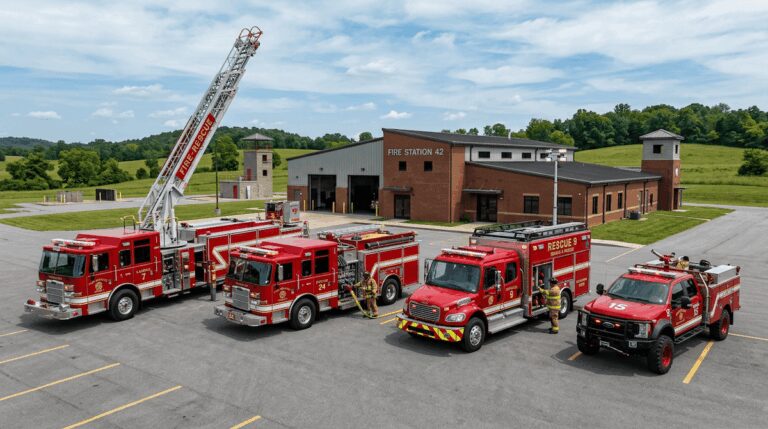
Most people recognize a fire truck the moment they see one. The flashing lights, the blaring siren, the unmistakable red paint. But beyond that immediate impression, very few people stop to think about the fact that “fire truck” is not actually one thing. It is a broad category covering a wide range of highly specialized vehicles, each built for a specific type of emergency situation.
What started as a basic water pump bolted onto a horse-drawn wagon has evolved over more than a century into an entire fleet of purpose-built machines. Some carry ladders tall enough to reach the upper floors of a high-rise. Some are built to navigate mountain terrain. Others carry enough specialist rescue equipment to handle a building collapse or a chemical spill.
Understanding the different types of fire trucks is not just trivia. It gives you a real appreciation for the level of planning and engineering that goes into keeping communities safe. Here is a breakdown of the ten main types you are likely to encounter.
1. Pumper Truck
The pumper truck is the backbone of almost every fire department. You will see it at virtually every fire scene, which is why it is often referred to as the workhorse of the fleet.
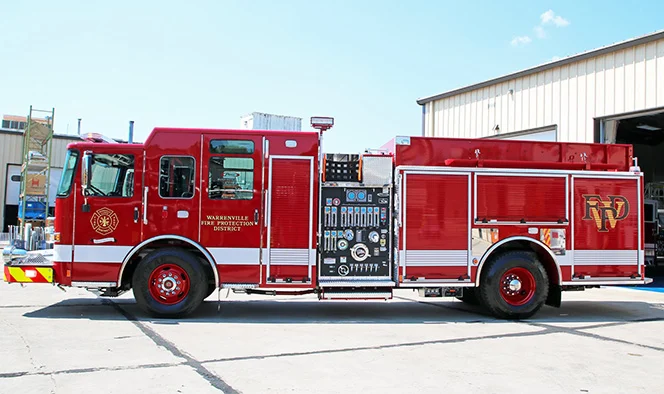
Also called a “triple combination pumper,” this truck carries three essential things: a fire pump, a water tank, and a hose body. That combination gives it the ability to draw water from an external source like a hydrant, store its own onboard water supply, and deploy hoses to attack the fire directly.
Beyond water delivery, the pumper also carries tools and equipment to help firefighters contain a blaze and assist any casualties at the scene. It is the first truck called and usually the last to leave.
2. Tiller Aerial Ladder Truck
The tiller truck is one of the most visually distinctive vehicles in any fire department’s fleet. It looks like a semi-trailer truck, and that is essentially what it is, with one critical difference: it requires two drivers. One for the front cab and one stationed at the rear to steer the back wheels independently.
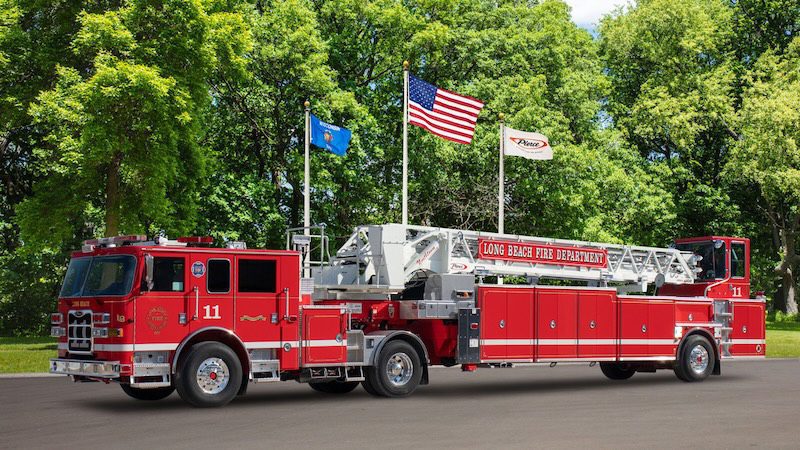
Also known as a tractor-drawn aerial, tiller ladder, or hook-and-ladder truck, it is built for navigating tight urban environments where a standard long vehicle would not be able to make the turns. The articulated design gives it a turning radius that a single-unit truck simply cannot match, making it ideal for narrow city streets and congested neighborhoods.
The rear section carries a large aerial ladder that can be rotated and extended to reach upper floors. Unlike commercial semi-trailers where you can unhitch the trailer quickly, separating the two sections of a tiller truck requires specialized tools and takes considerable time. These are not meant to be split apart in the field.
Some departments operate tiller quints, which combine the tiller truck’s semi-trailer configuration with the five-function capability of a quint apparatus, giving them even more versatility in a single vehicle.
3. Conventional Fire Truck
When most people picture a fire truck, this is probably what they imagine. The conventional fire truck is a standard fire apparatus designed primarily to get firefighters and their equipment to the scene as quickly as possible.
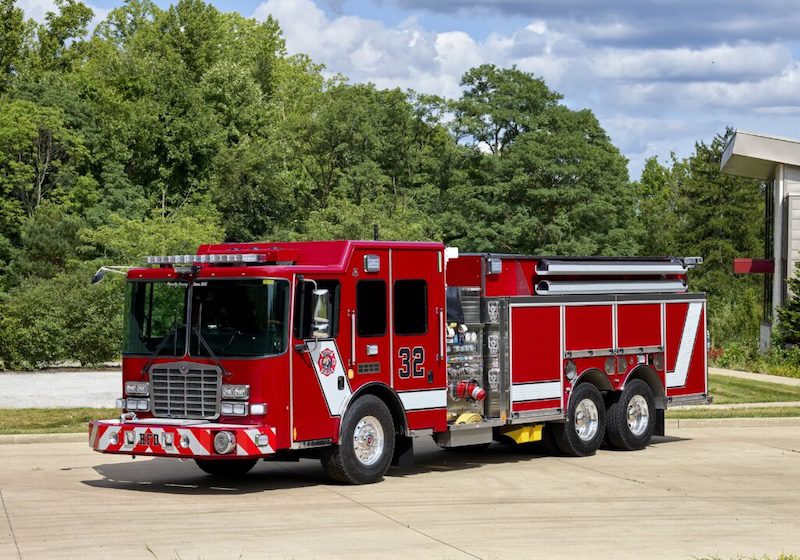
It carries firefighters, hoses, tools, and a limited supply of water. What it carries beyond those basics depends on the department and the terrain it typically operates in. A conventional fire truck serving a dense urban area will be equipped differently from one used in a rural or semi-rural district.
Typical equipment on a conventional fire truck includes:
- Fire extinguishers
- Ground ladders in various lengths
- Breathing apparatus and spare air cylinders
- Hydraulic rescue tools
- Thermal imaging cameras
- Floodlights for night operations
- Hazardous material cleanup supplies where needed
Some conventional fire trucks also carry a fixed deluge gun, commonly called a master stream, which allows a high-volume water attack on large fires from a fixed position on the vehicle.
4. Aerial Truck
The aerial truck is defined by one thing above everything else: its ladder. Mounted at the upper rear of the vehicle, the ladder extends telescopically to reach the upper floors of tall buildings, which is something ground-level hoses simply cannot do effectively.
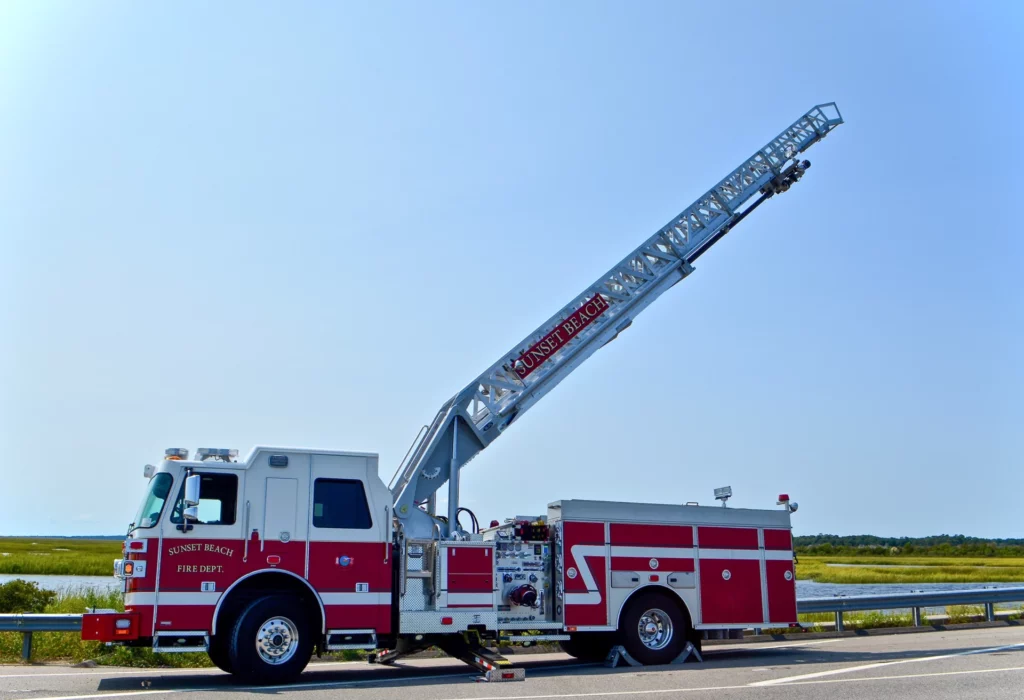
These trucks are especially common in high-density urban areas and cities with multi-story buildings. The ladder serves two main purposes: it allows firefighters and water to be directed upward, and it provides an escape route for people trapped on upper floors who cannot safely use internal staircases.
Aerial trucks come in two ladder configurations:
- Fixed telescopic ladders, which extend in a single direction toward the front of the vehicle
- Rotating telescopic ladders, which pivot at the base and can extend in any direction, giving operators far more flexibility at the scene
The rotating version is more versatile and more commonly found on modern aerial trucks.
5. Turntable Ladder Truck
The turntable ladder truck is a more advanced version of the aerial concept. The defining feature is the turntable mechanism at the rear of the vehicle, on which a large telescoping ladder is mounted. The turntable allows the ladder to rotate a full 360 degrees, which means it can be aimed precisely regardless of how the truck is parked relative to the building.
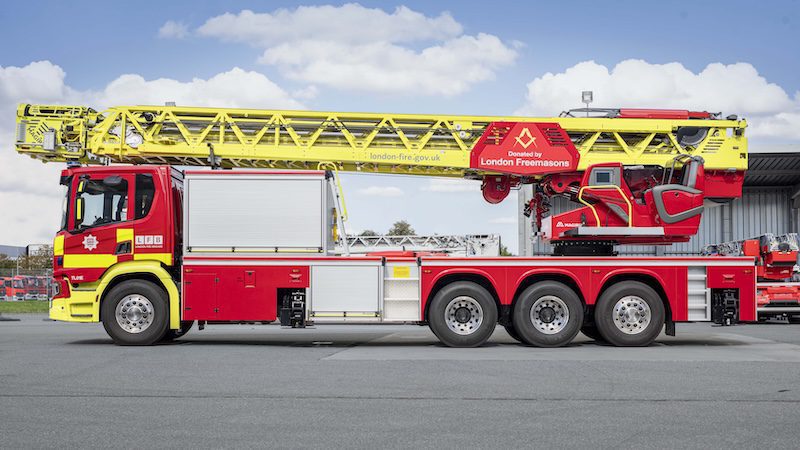
This is particularly useful in situations where the truck cannot park directly in front of the fire. The ladder can be swung out to the side or even to the rear, giving operators much greater reach and positioning flexibility.
Many modern turntable ladder trucks also include a built-in water delivery system. Some have a pre-piped waterway running the full length of the ladder so water can be sprayed directly from the elevated position. Others carry an onboard water reservoir. Some trucks of this type also carry additional aerial equipment, making them genuinely multi-role vehicles.
6. Wildland Fire Engine
Not every fire happens on a city street or in a building. Wildfires on hillsides, in forests, and across rough terrain require a completely different kind of vehicle, one that can go where a conventional fire truck simply cannot.
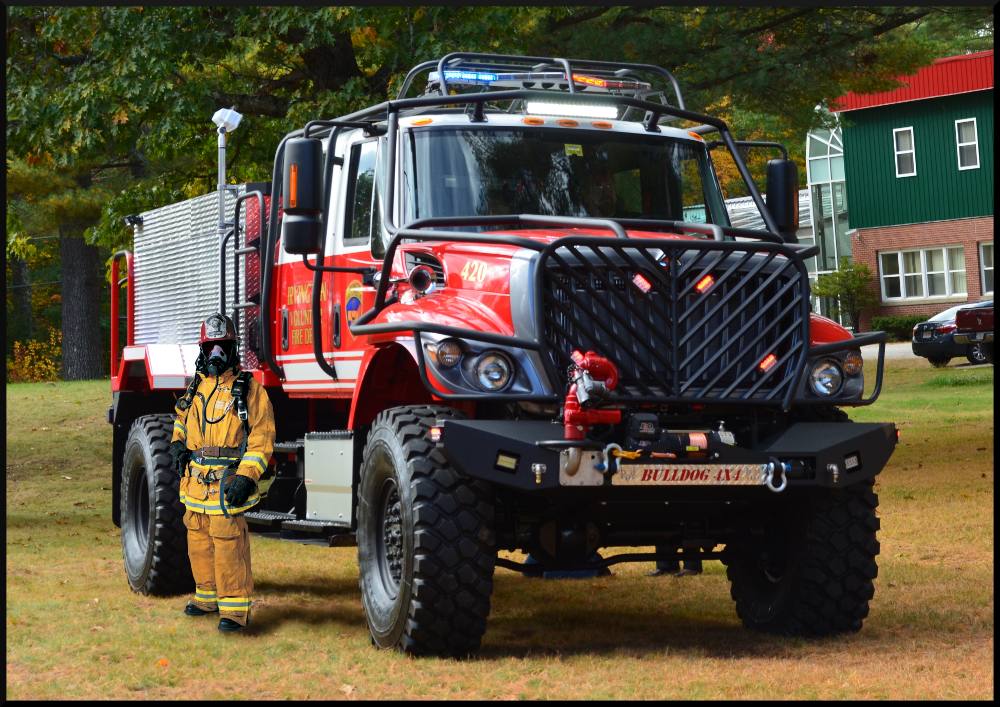
The wildland fire engine is built for exactly this. It has high ground clearance, heavy-duty suspension, and four-wheel drive as standard. These capabilities allow it to navigate steep slopes, rocky ground, and soft terrain without getting stuck or damaging the vehicle.
One of the standout features of the wildland fire engine is its ability to pump water while the vehicle is still moving. This is not possible with most conventional fire apparatus, where the pump can only operate when the vehicle is stationary. Being able to pump on the move is a significant tactical advantage when fighting fast-spreading vegetation fires, where the fire line can shift quickly and waiting in one place is not an option.
7. Quint Fire Truck
The name “quint” comes from the Latin word for five, and that tells you everything you need to know about this truck. A quint performs five functions in a single vehicle:
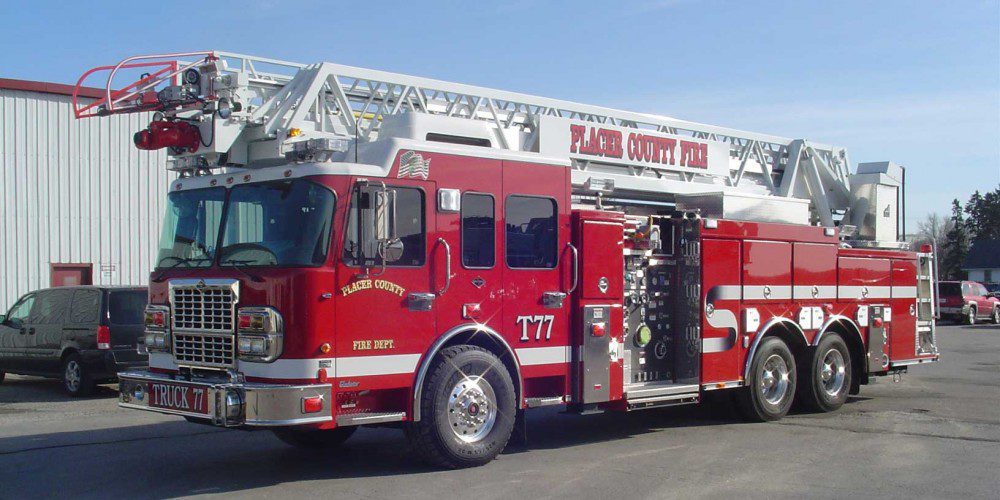
- Fire pump
- Water tank
- Hose bed
- Ground ladders
- Aerial ladder or elevating platform
That combination of a water tank and an aerial ladder in one vehicle is what sets the quint apart from both standard pumpers and dedicated aerial trucks.
To qualify as a true quint, the vehicle must meet specific minimums: at least 300 gallons of onboard water, an aerial ladder or raising platform, and a minimum of 40 cubic feet of equipment storage space. These are not optional features, they are the definition of the classification.
From an operational standpoint, the quint gives fire departments more flexibility. Rather than dispatching both a pumper and an aerial truck to a scene, a department can send a single quint and accomplish both roles with one vehicle. This can reduce staffing requirements and free up other apparatus for simultaneous calls elsewhere in the district.
8. Heavy Rescue Vehicle
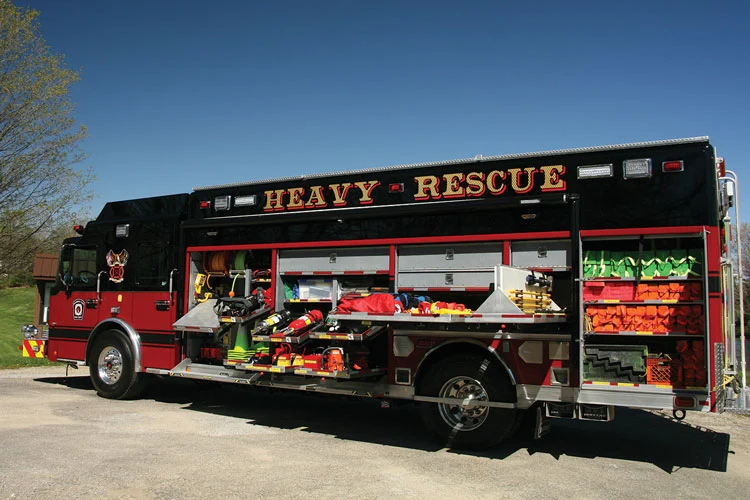
The heavy rescue vehicle, sometimes called a rescue squad, is not really a firefighting truck in the traditional sense. It does not carry hoses for water attack or an aerial ladder for high-rise access. What it does carry is an extensive array of specialized equipment for technical rescue situations.
You will find heavy rescue vehicles at:
- Major traffic accidents requiring vehicle extrication
- Building collapses
- Swift-water or flood rescues
- Trench rescues
- Confined space emergencies
- Large-scale fire scenes where specialized tools are needed
The heavy rescue vehicle is essentially a mobile toolkit for the most complex and dangerous rescue scenarios. It carries cutting equipment, hydraulic spreaders, air bags, rope rescue gear, medical equipment, and whatever else the department’s technical rescue team needs. The crews who operate these vehicles typically have advanced training well beyond standard firefighting qualifications.
9. A-Wagon
The A-Wagon is a less commonly known type of fire vehicle, but it has a specific and useful role. Also referred to as a hazardous materials apparatus in some contexts, it was originally developed to fight brush and grass fires.
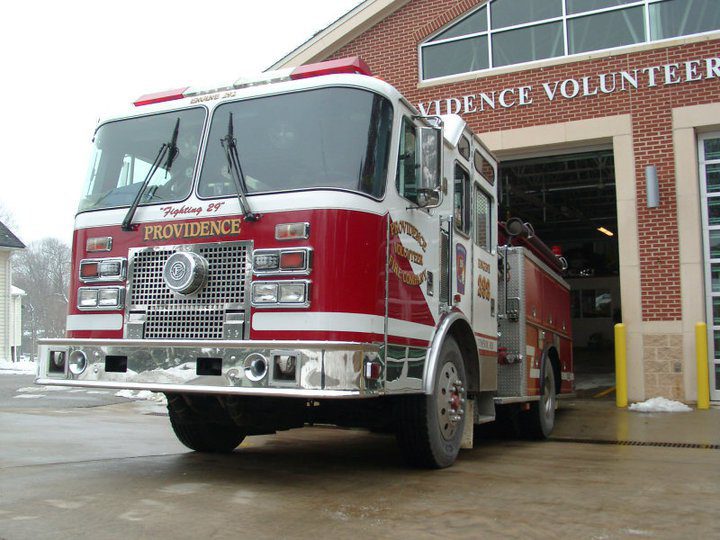
The “A” designation historically came from the fact that these vehicles were equipped with separate auxiliary motors that powered the pump independently from the main drive engine. This meant the vehicle could roll and pump simultaneously, similar to the wildland fire engine’s key capability. That ability to attack a moving fire line while the vehicle is in motion makes it well suited to vegetation fires that spread quickly across open ground.
While not as widely used as some other types on this list, the A-Wagon represents an important evolutionary step in fire apparatus design, particularly for rural and semi-rural departments dealing with brush fire risk.
10. Water Tender
Also called a tanker, the water tender has one primary job: carry as much water as possible and deliver it to where it is needed. In areas without access to fire hydrants, such as rural zones and remote locations, the water tender is not a supporting player. It is essential.
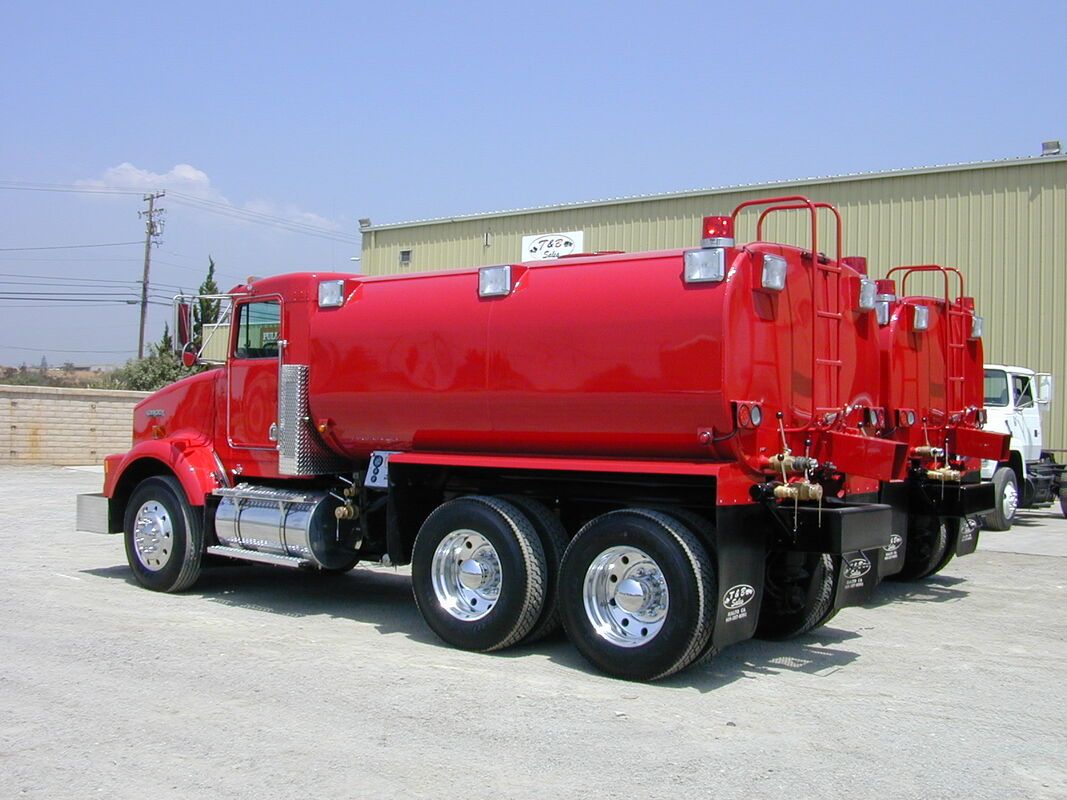
A water tender carries a significantly larger water tank than a pumper truck, but its pump and hose setup is smaller. That is intentional. The pump and hoses are not designed to fight a fire directly. They are there to offload water onto another firefighting apparatus or into a portable tank that a pumper can then draw from.
Think of the water tender as the supply chain behind the front-line trucks. It keeps the pumpers and engines supplied with water so they can maintain their attack on the fire without running dry.
A specialized version worth noting is the airport crash tender, which is a type of water tender built specifically for aviation emergencies. It differs from a standard tanker in several important ways:
- It carries firefighting foam designed specifically for fuel fires
- It is equipped with dry chemical agents and gaseous suppression systems for electrical fires
- It has a far more powerful pump than a standard water tender
- It is built for speed, getting to an aircraft incident on the runway within strict response time requirements
Airport crash tenders are highly specialized machines, and every commercial airport is required to have them on standby whenever aircraft are operating.
A Quick Comparison of Fire Truck Types
| Fire Truck Type | Primary Function | Best Used For |
|---|---|---|
| Pumper Truck | Water delivery and hose deployment | General structural firefighting |
| Tiller Truck | Aerial access with articulated body | Tight urban streets, tall buildings |
| Conventional Fire Truck | Crew and equipment transport | All-round fire response |
| Aerial Truck | Elevated ladder access | Multi-story buildings |
| Turntable Ladder Truck | Rotating aerial ladder with water delivery | High-rise fires, complex access |
| Wildland Fire Engine | Off-road fire attack with mobile pumping | Brush, forest, and terrain fires |
| Quint Fire Truck | Five combined functions in one vehicle | Departments needing operational flexibility |
| Heavy Rescue Vehicle | Technical rescue operations | Crashes, collapses, swift-water rescue |
| A-Wagon | Mobile pumping for brush fires | Grass and vegetation fires |
| Water Tender | Large-volume water transport and supply | Rural areas, hydrant-free zones, airports |
Every type of fire truck on this list exists because a general-purpose vehicle could not do the job well enough in that specific situation. The terrain, the building height, the type of fire, the rescue complexity, all of these factors demand specialized equipment. That specialization is not inefficiency. It is precision. And in an emergency, precision saves lives.