
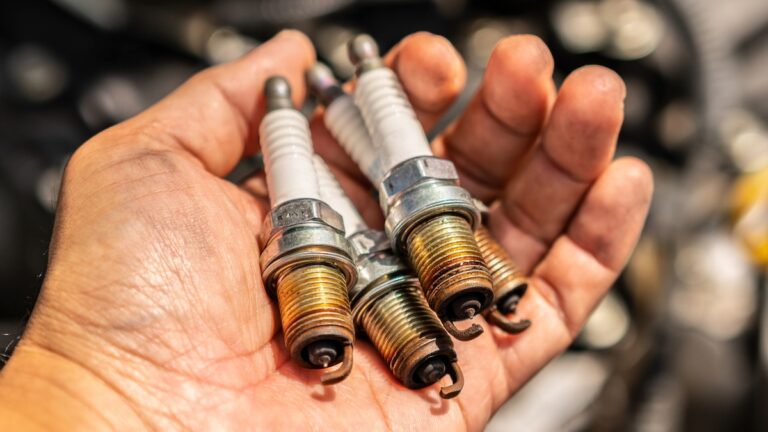
Routine maintenance is one of the biggest factors separating an engine that stays smooth and dependable from one that slowly turns rough, inefficient, and expensive to keep on the road. Among the many maintenance items drivers hear about, spark plugs are often misunderstood. They are small, relatively inexpensive, and easy to overlook compared with larger parts like the battery, alternator, or fuel pump. Yet these tiny components play a direct role in how your gasoline engine starts, idles, accelerates, and uses fuel.
That is why the question comes up so often: How long do spark plugs actually last? The answer depends mainly on the type of spark plug installed in your vehicle, but that is only part of the story. Driving style, engine design, fuel quality, maintenance habits, oil consumption, and even the condition of the ignition system can all change how long a set of plugs remains effective.
From an expert maintenance standpoint, the biggest mistake drivers make is assuming spark plugs should only be replaced after they fail completely. That approach usually leads to poor fuel economy, weak acceleration, rough idle, hard starting, and sometimes expensive secondary damage. A far better strategy is to understand what type of plugs your engine uses, follow the recommended replacement interval, and watch for signs that the plugs are beginning to wear out earlier than expected.
In this guide, I will explain how long spark plugs last by type, what spark plugs actually do, why some wear out faster than others, what symptoms point to failing plugs, what can shorten their service life, and how to decide when replacement is truly necessary. By the end, you will know not just when spark plugs should be changed, but also why that timing matters so much for engine life and overall performance.
Spark Plug Lifespan at a Glance
There is no one-size-fits-all mileage number for spark plug replacement. A basic set of copper plugs can wear out far sooner than a premium set of long-life iridium plugs. That is why asking “How long do spark plugs last?” without considering the material is a little like asking how long tires last without mentioning what type of tire they are or how the car is driven.
In general, standard copper spark plugs may need replacement around 20,000 miles. Silver plugs, though less common, often fall into a similar range. Single platinum and standard iridium plugs usually last much longer, often around 60,000 miles. At the top end, double platinum and extended-life iridium spark plugs are commonly rated for 100,000 to 120,000 miles, depending on the design and the engine they are used in.
Those numbers are useful, but they are still guidelines, not guarantees. A set of long-life plugs installed in a healthy engine may genuinely last well beyond 100,000 miles. The same plugs installed in an engine with oil consumption problems, rich fuel mixture issues, or coil weakness may foul and fail much earlier. That is why mileage alone should never be the only thing you consider.
It is also important to understand that the manufacturer’s service interval is based on the engine’s design, not just the plug’s marketing claims. You may buy a spark plug box that proudly says “100,000-mile life,” but if your engine is known to be harder on plugs, the vehicle manufacturer’s interval still matters more. In other words, the engine decides how easy or hard your spark plug life will be.
As a rule, if you do not know what type of spark plugs are installed, the safest next step is to consult the owner’s manual, look up the exact original-equipment plug specification, or ask a qualified technician to confirm what is in the engine now. Guessing can lead to either replacing them too early and wasting money or waiting too long and inviting performance issues.
To make the differences easier to understand, let’s break spark plug lifespan down by material and design, starting with the shortest-life options and moving toward the longest-lasting types.
How Long Each Type of Spark Plug Lasts
1. Standard Copper Spark Plugs
Copper spark plugs are the oldest and most basic commonly used design. They are typically the least expensive option on the shelf, which is one reason some drivers assume they are a smart bargain. In reality, they are only a bargain if your engine is designed for them and you are prepared to replace them more often.
A copper spark plug usually contains a copper-core center electrode that is coated in a nickel alloy. The copper itself conducts electricity very well, which is helpful, but the nickel alloy on the tip is relatively soft compared with platinum or iridium. That means the firing surface wears down faster over time. As the edge of the electrode rounds off and the gap grows wider, the plug requires more voltage to create a strong spark. Eventually, performance begins to decline.
In real-world use, copper plugs may need replacement around 20,000 miles, and in some applications they can wear out even sooner. That does not mean copper plugs are bad. In fact, some older engines and certain performance-oriented setups were engineered around them. Their larger electrode design and thermal behavior can work well in the right application. The problem comes when people expect copper plugs to last like iridium plugs. They do not.
Copper plugs are also more sensitive to poor maintenance. If your engine runs slightly rich, burns oil, or experiences weak ignition output, these plugs tend to show the effects quickly. Carbon deposits build faster, the gap erodes sooner, and misfire risk rises earlier in the service interval. That is why drivers who install the cheapest plugs available and then delay replacement often experience a rough-running engine much faster than expected.
There is another reason copper plugs require more attention: they need more voltage to fire than fine-wire designs. That puts additional demand on the ignition system. In a healthy vehicle, that may not be a problem. In an older engine with borderline coils or aging wires, it can expose weaknesses sooner.
If your manufacturer recommends copper plugs, use them unless there is a known approved upgrade. But if you do, treat them like a frequent maintenance item rather than a long-term install-and-forget part.
2. Silver Spark Plugs
Silver spark plugs are far less common than copper, platinum, or iridium designs, but they are still worth discussing because some older European cars, motorcycles, and specialty engines use them. Silver has excellent thermal conductivity, which helps move heat efficiently, and that can be valuable in certain engine designs.
However, silver plugs are not known for long service life. In many cases, they wear at a rate similar to copper plugs and may also need replacement around 20,000 miles. Their strength lies more in their heat-handling properties than in long-term durability. This is why they show up in niche applications rather than in most modern passenger vehicles.
One important warning with silver plugs is that they should not be treated as a universal upgrade. Because they are intended for specific engines and operating conditions, installing them in a vehicle that was never designed for them can create poor performance rather than improve anything. Spark plugs are not interchangeable just because the threads fit. Heat range, electrode design, firing characteristics, and engine calibration all matter.
If you drive an older vehicle originally equipped with silver plugs, it may be possible to move to a different plug material—but only if a known compatible replacement exists. That is something worth verifying with a knowledgeable technician or factory specification guide rather than assuming.
Because silver plugs are so uncommon in ordinary passenger cars today, most drivers reading this guide will never need them. But if your engine calls for them, be aware that you should treat their service interval much like copper plugs: relatively short, relatively frequent, and not something to postpone casually.
3. Single Platinum Spark Plugs
Single platinum spark plugs were a major improvement over basic copper plugs and remain a very common choice in many vehicles. These plugs use a platinum disc or platinum-finished center electrode tip, which is much harder and more durable than nickel alloy. Because platinum resists wear better, the electrode shape remains more stable for longer, which helps preserve the correct spark characteristics over a much greater number of miles.
One of the biggest advantages of platinum plugs is that they generate more heat at the tip than traditional copper designs, which can help reduce carbon buildup. That makes them better at resisting fouling in many everyday driving conditions. They are especially well suited to engines with modern electronic ignition systems and coil-on-plug designs, where long maintenance intervals are a priority.
In many applications, a single platinum plug can last around 60,000 miles. Some engines may push a little farther, while others may call for earlier replacement depending on manufacturer guidance. Either way, they offer a substantial jump in lifespan compared with copper.
From a maintenance perspective, platinum plugs are often an excellent balance between cost and durability. They are more expensive than copper plugs, but because they last much longer, the overall ownership cost can actually be lower when labor is considered. That matters even more in engines where the spark plugs are difficult to access and replacement is time-consuming.
There is one caution, however. Just because platinum plugs are longer lasting does not mean they are appropriate for every engine. Some engines were designed specifically around iridium or around certain firing demands that single platinum does not match as well. Others, especially waste-spark ignition systems, may call for double platinum rather than single platinum because both electrodes wear in that setup.
So yes, platinum spark plugs last much longer than copper, but the right plug is still the one specified for the engine rather than the one with the most impressive sounding material.
4. Iridium Spark Plugs
Iridium spark plugs are among the most common premium plugs found in modern vehicles, and for good reason. Iridium is a very hard, durable metal that allows manufacturers to build extremely fine center electrodes. A thinner electrode requires less voltage to create a spark, and that can improve ignition efficiency while reducing wear over time.
Because iridium is so durable, these plugs maintain their shape and spark quality for much longer than copper or even standard platinum in many cases. A typical iridium spark plug often lasts 60,000 miles or more, and many factory iridium applications go significantly longer when paired with a healthy engine and ignition system.
The performance benefits are not always dramatic in a healthy street engine, but the consistency is valuable. Iridium plugs resist erosion, stay within proper firing range longer, and tend to perform well under a broad mix of driving conditions. They are especially useful in engines where plug access is difficult, because their longer service life reduces the number of replacements needed over the vehicle’s lifespan.
One reason iridium plugs are more expensive is that the material itself is costly and difficult to work with. But in practice, they are often worth the premium. If you consider the labor cost of replacing plugs in a transverse V6, turbocharged four-cylinder, or intake-covered engine, long-life plugs often save money by reducing how often that labor must be paid for.
That said, iridium plugs are not magical. If the engine is burning oil, running rich, or suffering from ignition coil problems, even a durable iridium plug can foul early. The plug’s material affects wear resistance, not immunity from engine problems. A mismanaged engine can destroy premium plugs surprisingly quickly.
Iridium also should not be installed as a random upgrade without checking compatibility. Electrode shape, heat range, and gap requirements matter. A premium material does not override the importance of correct specification.
5. Double Platinum and Extended-Life Iridium Spark Plugs
If you are talking about the longest-lasting spark plugs commonly found in passenger vehicles, this category sits at the top. Double platinum and extended-life iridium plugs are designed for maximum durability and long maintenance intervals. In many applications, they are rated for 100,000 to 120,000 miles.
Double platinum plugs differ from single platinum because both the center electrode and the ground electrode receive platinum protection. This matters in systems where both electrodes experience wear, such as certain waste-spark ignition setups. By protecting both sides of the spark event, the plug stays stable for much longer.
Extended-life iridium plugs take the same core iridium advantage and optimize it for even greater durability. These are commonly installed from the factory in newer vehicles designed around long service intervals. If you have ever looked at a maintenance schedule that says spark plugs do not need replacement until 100,000 miles, this is the kind of plug usually responsible for that impressive interval.
From a professional standpoint, these plugs are often worth the higher price, especially when labor access is difficult. Replacing plugs every 20,000 miles in a cramped engine bay is one thing. Replacing them every 100,000 miles is another. For most owners, long-life plugs are not just about durability—they are about convenience and lower lifetime labor cost.
Still, there is an important reality check here. A plug rated for 120,000 miles is not a guarantee that your engine will treat it kindly for that long. If the engine develops a valve cover leak that fills plug wells with oil, if an ignition coil starts misfiring, or if the air-fuel mixture becomes unstable, those plugs may need replacement much earlier. Long-life plugs perform best when paired with long-life engine health.
Also, these premium plugs are sometimes overused as a universal answer. Some drivers assume that installing the most expensive plugs available will improve power, mileage, and reliability in any engine. That is not how spark plugs work. The right plug is the one that matches the engine design and the manufacturer’s specifications. Long-life plugs are excellent when called for, but not every engine benefits from blindly upgrading to them.
What Spark Plugs Actually Do
To understand why spark plug lifespan matters, it helps to understand what these parts are doing every second the engine runs. Spark plugs are not passive components. They are active participants in combustion. Their job is to ignite the compressed air-fuel mixture inside each gasoline engine cylinder at the precise moment the engine control system commands it.
In a typical gasoline engine, each cylinder has one spark plug, although some engines use two plugs per cylinder for specific combustion strategies. When the ignition system sends high voltage to the plug, electricity jumps the small gap between the center electrode and the ground electrode. That electrical jump creates the spark that ignites the fuel mixture. The combustion event then pushes the piston down and creates the power that turns the engine.
This sounds simple, but the conditions are extreme. The spark plug lives inside the combustion chamber, where it faces high heat, rapid pressure changes, fuel vapor, carbon deposits, and repeated firing events thousands of times per minute. Every time the engine runs, the plug must perform under these conditions with precision. If the spark is weak, delayed, or inconsistent, the engine does not run correctly.
That is why the spark plug has a carefully designed structure. At the top, the plug connects to an ignition coil or spark plug wire. Inside the body is an insulator that protects and guides the high-voltage path. At the lower end, the center electrode and ground electrode form the spark gap. This gap is small but extremely important. If it is too wide, the plug may require too much voltage to fire consistently. If it is too narrow, the spark may not ignite the mixture as effectively as intended.
As spark plugs age, the edges of the electrodes wear away and the gap gradually changes. Deposits can also collect on the tip. Both of these problems make ignition less reliable. That is why a worn spark plug can lead to hard starting, rough idle, sluggish acceleration, and poor fuel economy even before it fails completely.
Another important point is that spark plugs are only used in gasoline engines. Diesel engines do not use spark plugs to ignite fuel. Instead, diesel engines rely on compression heat, and many use glow plugs to assist cold starting. Glow plugs serve a different purpose and should not be confused with spark plugs. This distinction matters because drivers sometimes apply gasoline-engine maintenance habits to diesels, or vice versa, and that leads to confusion.
From a diagnostic perspective, spark plugs are also useful because they reveal a lot about how the engine is running. A healthy plug removed from a healthy engine often shows normal light-colored deposits and even wear. A plug covered in black soot may point to a rich fuel mixture. An oily plug may point to oil control problems. A white, blistered plug may point to overheating or a too-lean mixture. In other words, spark plugs do not just create combustion—they also tell the story of how that combustion has been happening.
That is why spark plug maintenance is not just a box to check during a tune-up. It is part performance, part prevention, and part engine health monitoring all at once.
Why Spark Plug Lifespan Varies So Much
Two drivers can own the same car, use the same type of spark plug, and still end up with very different spark plug life. That is because lifespan depends on far more than the plug material alone. In practice, the engine environment determines how hard the plug has to work.
One major factor is driving style. A vehicle that spends most of its life cruising steadily on the highway often treats spark plugs more gently than one driven only on short trips, stop-and-go traffic, or frequent cold starts. Repeated short trips are particularly hard on plugs because the engine may not spend enough time fully warmed up to burn deposits cleanly. That allows carbon buildup to form more easily.
Another factor is engine design. Turbocharged engines, high-compression engines, and engines with aggressive combustion demands may be harder on plugs than a simple naturally aspirated commuter engine. The higher the pressure and temperature in the combustion chamber, the more work the spark plug must do, and the more critical its exact condition becomes.
Oil consumption also plays a major role. If the engine is leaking oil past valve seals, piston rings, or through a valve cover into the spark plug wells, that oil contamination can foul the plugs much earlier than their rated service life. No premium plug material can stay effective for long if it is constantly being coated in oil deposits.
Fuel mixture problems can shorten life just as quickly. An engine running rich leaves behind heavy carbon deposits. An engine running lean can create excessive tip temperatures. Both situations reduce plug life, though in different ways. Fuel injector issues, bad sensors, vacuum leaks, and air-fuel control faults can all push the plugs outside their ideal environment.
Ignition system health matters too. Weak ignition coils, poor coil boots, aging wires on older systems, or voltage leakage can force spark plugs to operate under inconsistent conditions. Sometimes a misfire blamed on “bad spark plugs” is actually the result of weak ignition coils ruining a relatively healthy set of plugs—or vice versa. The components work together, so they age together.
Another overlooked factor is installation quality. A plug that is incorrectly gapped, cross-threaded, under-torqued, over-torqued, or installed with the wrong heat range can fail much sooner than expected. Spark plugs are simple parts, but their installation must be correct. A fine-wire iridium plug installed carelessly can perform worse than a properly installed basic plug.
Even fuel quality can play a part. Poor-quality fuel, contamination, or chronic use of the wrong octane in engines that depend on specific fuel standards can affect combustion quality and deposit formation. While fuel alone usually does not destroy plugs overnight, it can contribute to shortened life over time if the engine is sensitive.
This is why expert maintenance advice always comes back to the same principle: use the correct plug, install it correctly, keep the engine healthy, and do not expect the plug to outperform the conditions you give it.
What Happens When Spark Plugs Wear Out
Worn spark plugs usually do not fail dramatically at first. Instead, they degrade the way many engine parts do—slowly enough that the driver adapts to the changes until the problem becomes too obvious to ignore. That gradual decline is exactly why delayed replacement is so common.
As the electrodes wear, the spark gap becomes wider. A wider gap requires more ignition voltage to jump across it. The ignition system can compensate for a while, but eventually the voltage demand becomes higher than ideal. At that point, the spark can become weaker, inconsistent, or mistimed under load. This is when drivers begin to notice rough starts, hesitation, or mild misfires.
Deposits on the plug tip create a second problem. Carbon, oil ash, or fuel residues can coat the insulator and electrodes, making it harder for the spark to form correctly. In some cases, the deposits act like a conductor that allows current to leak away before a strong spark occurs. In other cases, the deposits simply insulate the firing area enough to weaken ignition. Either way, combustion suffers.
Once the combustion event becomes inconsistent, the effects spread outward. The engine runs less smoothly. Fuel economy drops. Acceleration becomes lazy. Emissions rise. In more severe cases, unburned fuel reaches the catalytic converter, where it can overheat and cause expensive damage. This is why ignoring spark plug wear is not just about tolerating rough running—it can create larger repair bills down the road.
Worn spark plugs can also stress other components. Ignition coils have to work harder to fire across an oversized gap. That can shorten coil life. The starter may spend longer cranking during hard starts. The fuel system may appear to be underperforming when the real issue is incomplete ignition. In short, old plugs do not just wear out quietly. They pull other systems into the struggle.
This is why regular replacement is not wasteful. It is preventive. A new set of correctly specified spark plugs often restores lost smoothness and efficiency because it removes a gradual problem that has been building for months or even years.
Signs Spark Plugs Need to Be Replaced
Spark plugs often give plenty of warning before they fail completely. The challenge is recognizing the symptoms early and understanding that several of them can overlap with other engine faults. When looked at together, however, they create a clear pattern.
1. Strange Engine Noises and Misfires
One of the earliest signs of spark plug trouble is a change in the way the engine sounds. When combustion becomes inconsistent, you may begin to hear pinging, light knocking, rattling, or a distinct popping rhythm that was not there before. These noises occur because the air-fuel mixture is no longer igniting exactly as it should.
As the problem gets worse, the engine may begin to misfire. A misfire means one cylinder is not contributing power correctly during part of the engine cycle. Sometimes the spark is too weak. Sometimes it happens too late. Sometimes it does not occur at all. To the driver, this may feel like a stumble, jerk, hesitation, or brief shudder, especially under acceleration.
A misfire related to spark plugs may start subtly. At idle, the engine may feel uneven. Under light throttle, it may hesitate just a bit. Under heavier load, such as climbing a hill or accelerating onto a highway, the misfire may become more obvious because the ignition system is being asked to work harder.
This is also where spark plug gap becomes important. An incorrectly gapped plug can create symptoms that mimic a worn plug. If the gap has widened too far from wear—or if it was set wrong from the start—the spark may not be strong enough under compression. That is why inspection matters before assuming the only solution is replacement.
Any engine noise involving knocking or pinging should be taken seriously, though, because those sounds can also point to other combustion issues. The presence of old or worn plugs does not rule out additional problems. It simply makes spark plug condition one of the first things worth checking.
If you catch this early, replacing the plugs may restore normal operation quickly. If you keep driving through persistent misfires, you risk damaging the catalytic converter and stressing the ignition coils.
2. Hard Starting
A gasoline engine depends on spark to start. If the spark is weak or inconsistent, the engine may crank longer than normal before firing. This is one of the clearest and most direct ways worn spark plugs can affect everyday usability.
When spark plugs are degraded, the engine may still start, but it may not start cleanly. You might hear the engine crank longer in the morning, stumble into life, or require a second attempt. Cold starts are often when this becomes most obvious because the engine already needs a stronger, cleaner ignition event when temperatures are low and fuel atomization is less ideal.
At first, some drivers mistake this for a weak battery or fuel delivery problem. That is understandable, because hard starting can be caused by many things. But if the battery tests fine and the starter sounds healthy, worn plugs remain a strong possibility—especially if the vehicle is due for replacement based on mileage anyway.
If ignored, hard-start problems caused by spark plugs tend to get worse. The engine may begin refusing to start in damp conditions, very cold weather, or after sitting for a while. Eventually, severely worn or fouled plugs can prevent the engine from starting altogether, leaving you with a no-start situation that would have been much cheaper to prevent than to diagnose roadside.
Replacing spark plugs on schedule is one of the simplest ways to avoid this type of escalating inconvenience.
3. Reduced Engine Performance
Spark plugs do not just help start the engine. They are involved every moment the engine is running. If they are weak, worn, or contaminated, overall performance suffers. This is often described by drivers as the car feeling “flat,” “sluggish,” or “not as responsive as it used to be.”
You may feel the problem most clearly during acceleration. Press the gas pedal, and the engine may hesitate before responding. It may climb through the rev range with less urgency. Passing power may feel softer. Even if the engine is not misfiring severely, it may simply feel less alive.
In a high-efficiency engine or one with turbocharging, poor plug performance can be especially noticeable. Modern engines are tuned closely and rely on precise ignition timing and clean combustion. When the spark quality drops, the engine control system often compensates as much as it can, but there are limits. The result is lost sharpness and reduced confidence under throttle.
Because the performance decline is often gradual, many drivers do not realize how much they have lost until new plugs are installed. After replacement, it can feel like the engine suddenly regained energy. In reality, the engine is simply back to running the way it was designed to all along.
That is why spark plug maintenance can feel surprisingly rewarding. It is not just preventive. It often restores a level of smoothness and throttle response that drivers had forgotten the car once had.
4. Poor Fuel Economy
When spark plugs are not firing correctly, combustion efficiency drops. If the air-fuel mixture is not being burned completely and consistently, the engine must work harder to produce the same power. That lost efficiency often shows up first at the fuel pump.
A vehicle with worn spark plugs may consume noticeably more fuel, especially during commuting, stop-and-go driving, or highway trips where engine load remains steady for long periods. The effect is not always dramatic overnight, but over time the added fuel use becomes expensive. Drivers sometimes blame seasonal changes, traffic, or fuel blend changes when in reality the plugs are simply past their best days.
This happens because poor ignition leaves energy on the table. The fuel still enters the cylinder, but the combustion event is weaker or less complete. The engine control system may then compensate by enriching the mixture or altering timing strategies, both of which can hurt efficiency further.
With fuel prices rarely staying low for long, letting worn spark plugs drag down economy makes little financial sense. Replacing old plugs often pays back part of the cost through improved fuel use—particularly if the old set was overdue by tens of thousands of miles.
When a driver says, “My car still runs, but it seems to be using more gas lately,” spark plug condition should absolutely be part of the conversation.
5. Check Engine Light
The Check Engine Light exists to warn you when the engine management system sees something outside the normal operating range. Worn or failing spark plugs can absolutely trigger that warning. In many cases, this happens when misfires become frequent enough for the engine computer to detect and log them.
Common diagnostic trouble codes tied to spark plug-related misfires include P0300 for random or multiple-cylinder misfire and P0301, P0302, P0303, P0304, and so on for cylinder-specific misfires. These codes do not prove the spark plugs are the only problem, but they tell you ignition-related diagnosis belongs near the top of the list.
It is also important to understand the difference between a steady Check Engine Light and a flashing one. A steady light means the system has detected a fault, but the situation may not be immediately destructive. A flashing Check Engine Light, especially when paired with a noticeable misfire, should be treated far more seriously. That usually means the misfire is severe enough that unburned fuel may be reaching the catalytic converter, where it can overheat and cause expensive damage.
If the light is flashing, continuing to drive is a bad gamble. Pull over when safe, reduce engine load, and get the fault diagnosed quickly. Spark plugs may be part of the solution, but by that stage the issue is beyond routine wear alone.
Even if no drivability symptoms seem obvious, a Check Engine Light tied to misfire codes should never be ignored. Modern engines are good at masking small problems until they become larger ones. The warning light is the car’s way of asking you not to wait for that next stage.
6. Rough Idle and Shaky Running
While not always highlighted first, rough idle is one of the most common spark plug complaints in the real world. When the engine is idling, combustion events need to be very even because the engine speed is low and there is little momentum to smooth out weak cylinders. If one or more spark plugs are not firing cleanly, the idle can feel shaky, lumpy, or uneven.
You may notice vibrations through the steering wheel, seat, or gear lever. The engine may sound uneven at stoplights. In some cases, the idle may dip lower than expected and then recover. These are all signs that at least one cylinder may not be contributing correctly all the time.
Of course, rough idle can have many causes, from vacuum leaks to dirty throttle bodies to injector problems. But if the plugs are old and the symptom is paired with hard starting, reduced performance, or misfire codes, spark plug wear becomes much more likely.
A smooth idle is often the first thing drivers notice after replacing a tired set of plugs. It is one of the clearest signs that the engine is once again lighting the air-fuel mixture evenly in every cylinder.
How to Inspect Spark Plugs and Read What They Tell You
One of the most useful things about spark plugs is that they act like tiny witnesses inside the combustion chamber. When removed and examined carefully, they can reveal a great deal about how the engine has been running. This process is often called “reading” the spark plugs, and while it takes some practice to do well, even a basic inspection can be very informative.
A healthy spark plug from a healthy engine usually shows a light tan or grayish deposit on the insulator nose and minimal electrode wear. The plug should not be heavily fouled, oily, blistered, or eroded to the point that the gap is excessive.
If the plug tip is covered in dry black soot, that often points to a rich fuel mixture, weak ignition, or too much short-trip driving. If the plug is wet with oil, the engine may have worn valve seals, ring issues, or oil leaking into the plug wells. If the insulator looks white and blistered, the engine may be running too hot, too lean, or using the wrong heat range plug. If the electrodes are heavily rounded or the gap is much wider than specification, normal wear has likely reached the point where replacement is overdue.
Visual inspection also lets you compare cylinders. If seven plugs look normal and one looks dramatically different, that cylinder may have a localized issue such as an injector problem, oil control problem, or weak ignition coil. This is one reason professional technicians still value spark plug inspection even in the era of advanced scan tools. The plugs provide physical evidence the scan tool cannot.
Gap measurement is another important part of inspection. Over time, normal wear increases the gap. Too wide a gap makes the ignition system work harder. Too narrow a gap can reduce spark efficiency. On modern fine-wire platinum and iridium plugs, regapping should be approached carefully or avoided unless the manufacturer explicitly allows it, because it is possible to damage the delicate electrode design. The key is to verify, not to force.
If you remove the plugs and see obvious wear, heavy deposits, oil contamination, or heat damage, replacement is usually the right next move. But if the plugs tell a larger story—such as oil burning or overly rich running—you should not stop at the plugs. Replace them, yes, but also address the engine condition that shortened their life in the first place.
This is how expert spark plug maintenance differs from basic parts swapping. You do not just throw in new plugs and move on. You ask what the old ones are trying to tell you.
Why Following the Manufacturer Schedule Matters
There is a reason every owner’s manual includes a service schedule. The automaker knows the engine design, the ignition system output, the heat range requirement, and the expected life of the original spark plugs. That schedule is not a vague suggestion. It is a tested maintenance plan built around how the engine is expected to age.
Many drivers make one of two mistakes. The first is replacing spark plugs far too early simply because they feel nervous about mileage. The second is waiting far too long because the car “still runs fine.” Neither approach is ideal. Replacing too early wastes money. Waiting too long allows wear to accumulate until it affects performance and risks secondary damage.
The right timing usually sits in the manufacturer’s interval unless your engine is showing symptoms sooner. If the manual says 60,000 miles for platinum plugs or 100,000 miles for long-life iridium plugs, that should be your baseline. Then you adjust based on reality. If the engine is using oil, misfiring, or running rich, you inspect sooner. If everything is healthy, you stay close to schedule.
There is also the issue of service difficulty. In some engines, spark plugs are quick and easy to replace. In others, they require significant labor, including intake manifold removal. Automakers choose long-life plugs in part because the replacement interval is tied to labor planning. If your vehicle was built for 100,000-mile iridium plugs, replacing them with cheap copper plugs creates a maintenance mismatch that may not serve you well.
This is why I always recommend verifying the exact service schedule for your particular engine, not just your general vehicle model. Different engines within the same vehicle line may use different plugs and different replacement intervals. The safest practice is to consult the owner’s manual, parts catalog, or a trusted technician who can verify the original spec.
Good maintenance is not about replacing parts at random. It is about replacing the right parts at the right time for the engine you actually have.
Can You Upgrade to Better Spark Plugs?
This is a very common question, and the answer is more nuanced than most people expect. Yes, in some cases you can move from a shorter-life spark plug to a longer-life design. But that does not mean every engine benefits from a casual upgrade, and it definitely does not mean the most expensive plug on the shelf is automatically the best choice.
Plugs differ by more than just material. They also differ by thread length, reach, seat type, heat range, resistor value, tip projection, and electrode design. An engine is calibrated around these details. If you install a plug with the wrong characteristics, you may create poor combustion, misfires, overheating, or pre-ignition risk. That is not an upgrade. That is a compatibility problem waiting to happen.
Where upgrades do make sense is when the manufacturer or a reputable plug maker lists a compatible premium option that matches the engine’s specification. For example, if a certain engine came with single platinum plugs and a compatible iridium version exists with the same correct heat range and dimensions, the upgrade may provide longer life. In some older vehicles originally fitted with copper plugs, compatible platinum or iridium options may also exist. But again, it has to be verified—not assumed.
It is also worth remembering that some older or special-use engines truly were designed around copper or other specific materials. In those cases, switching to a longer-life plug may not improve performance and could actually degrade it. The plug type is part of the engine’s combustion strategy, not just a consumable.
From an expert perspective, the best spark plug is not the one with the fanciest box. It is the one that meets the engine’s spec and matches your maintenance goals. If you want longer intervals and the engine safely supports that, a premium plug can be a good choice. If the engine is happiest on a simpler plug replaced more often, respect that design.
Always verify compatibility before changing plug type. Spark plugs may look small and universal, but their details matter far more than many drivers realize.
What Happens If You Ignore Old Spark Plugs Too Long?
Delaying spark plug replacement is one of those decisions that feels harmless right up until it is not. The engine may still run, and because the decline is gradual, you may convince yourself the problem is not serious. But worn spark plugs rarely stay isolated to themselves. Over time, they start affecting the rest of the engine system.
The first thing that usually happens is reduced efficiency. The engine needs more effort and more fuel to produce the same power. Then performance falls off, especially under load. The car becomes harder to start, rougher at idle, and more hesitant under acceleration. Misfires may begin as occasional events and become more frequent.
Once misfires become serious, the risk rises sharply. Unburned fuel can enter the exhaust stream and overheat the catalytic converter. Ignition coils work harder to fire across widened gaps and may fail prematurely. Fuel economy drops further. The Check Engine Light comes on. What would have been a routine maintenance visit now becomes a diagnosis-and-repair event.
There is also a practical service risk with very old plugs. In some engines, plugs that stay in place far beyond their interval can seize in the cylinder head due to corrosion and heat exposure. That makes removal more difficult and can turn a simple maintenance job into a frustrating repair, especially on aluminum cylinder heads. Long-life plugs are designed for long intervals, but even those should not be left in indefinitely beyond manufacturer guidance.
In other words, old spark plugs cost money even before you replace them. They cost it in fuel, in performance, in strain on other parts, and sometimes in more expensive repairs later. Replacing them on time is almost always cheaper than waiting for the consequences.
Best Practices for Spark Plug Replacement
If you are replacing spark plugs yourself or preparing to have them replaced, a few best practices make a major difference. The first is to use the correct plug for the engine. Match the part number or exact specification, not just the thread size or brand. The second is to inspect related ignition components while you are there. Spark plugs and ignition coils often age together, and if one coil boot is oil-soaked or cracked, it can ruin the benefit of new plugs quickly.
The third is to handle modern fine-wire plugs carefully. Iridium and platinum plugs are durable in service, but their fine electrodes are not meant to be banged around or forced with rough gapping tools. If gap adjustment is required by the manufacturer, it should be done gently and correctly.
Torque matters too. Over-tightening a spark plug can damage the threads or distort the seating surface. Under-tightening can lead to poor heat transfer and sealing problems. A torque wrench and the correct specification go a long way toward preventing installation mistakes. So does working on a cool engine unless the service procedure explicitly says otherwise.
It is also wise to inspect the removed plugs, even if you are replacing them because the mileage says it is time. The old plugs may reveal oil issues, carbon buildup, lean-running clues, or uneven wear between cylinders. This inspection can catch developing engine problems before they become major.
Finally, keep records. Spark plug intervals are easy to forget because they are measured over such large mileage gaps. Writing down the mileage, date, and plug type used can save a great deal of confusion later—especially if the car changes owners or if future drivability symptoms appear and you need to know exactly how old the plugs are.
Routine maintenance is at its best when it is documented. Spark plug service is no exception.
A Simple Maintenance Habit That Pays Off
One of the best habits any driver can build is keeping a simple maintenance log. It does not need to be fancy. A notebook in the glove box, a spreadsheet on your phone, or an app that tracks vehicle service can all work. The important thing is to write down what was replaced and at what mileage.
Spark plug service is easy to forget because the intervals are much longer than oil changes. But that is exactly why logging it matters. If you note the mileage when the plugs were changed, you always know whether the engine is running on a fresh set, a mid-life set, or one that is overdue. That makes future diagnosis much easier.
While you are at it, record oil changes, air filter replacement, fuel filter service if applicable, cabin filter changes, and any other tune-up work. Engine maintenance works best as a system. Clean air, correct oil, healthy ignition, and fresh filters all support one another. When those basics are handled consistently, the engine simply runs better and lasts longer.
This is not glamorous advice, but it is effective. Engines reward consistency. They punish procrastination. Spark plugs are one of the clearest examples of that truth.

Final Thoughts
Spark plug lifespan depends primarily on the type of plug installed, but material is only the starting point. Copper and silver plugs may need replacement around 20,000 miles. Standard platinum and iridium plugs often last around 60,000 miles. Double platinum and extended-life iridium plugs can reach 100,000 to 120,000 miles in the right engine and under the right conditions. Those numbers are useful, but only when paired with manufacturer recommendations and real-world engine health.
More importantly, spark plugs should never be viewed as parts you replace only after the engine begins to struggle badly. They are wear items, and when they age, the symptoms show up across the entire driving experience: harder starts, rough idle, weaker performance, reduced fuel economy, misfires, warning lights, and sometimes expensive collateral damage if the issue is ignored too long.
The smartest approach is simple. Know what type of plugs your engine uses. Follow the service interval for that exact engine. Watch for warning signs between scheduled replacements. If the engine starts showing symptoms early, inspect the plugs and read what they are telling you rather than assuming mileage alone tells the whole story. If your engine is healthy and your maintenance timing is good, the plugs will usually deliver the lifespan they were designed for.
In the end, spark plugs may be small, but they are central to how a gasoline engine lives and performs. Taking them seriously is one of the easiest ways to protect engine smoothness, efficiency, and long-term reliability.