
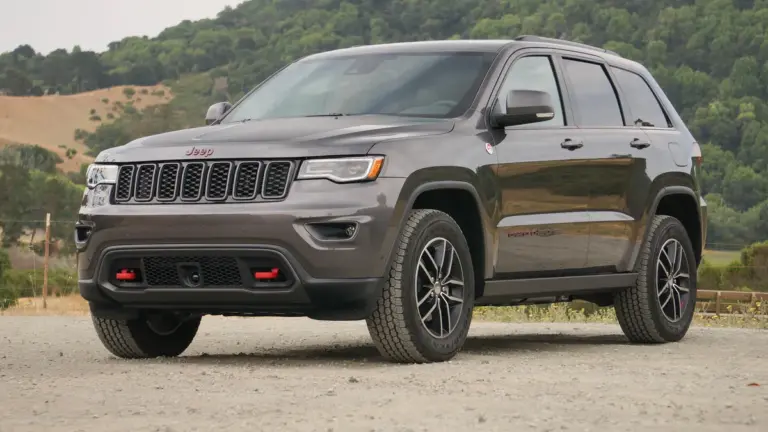
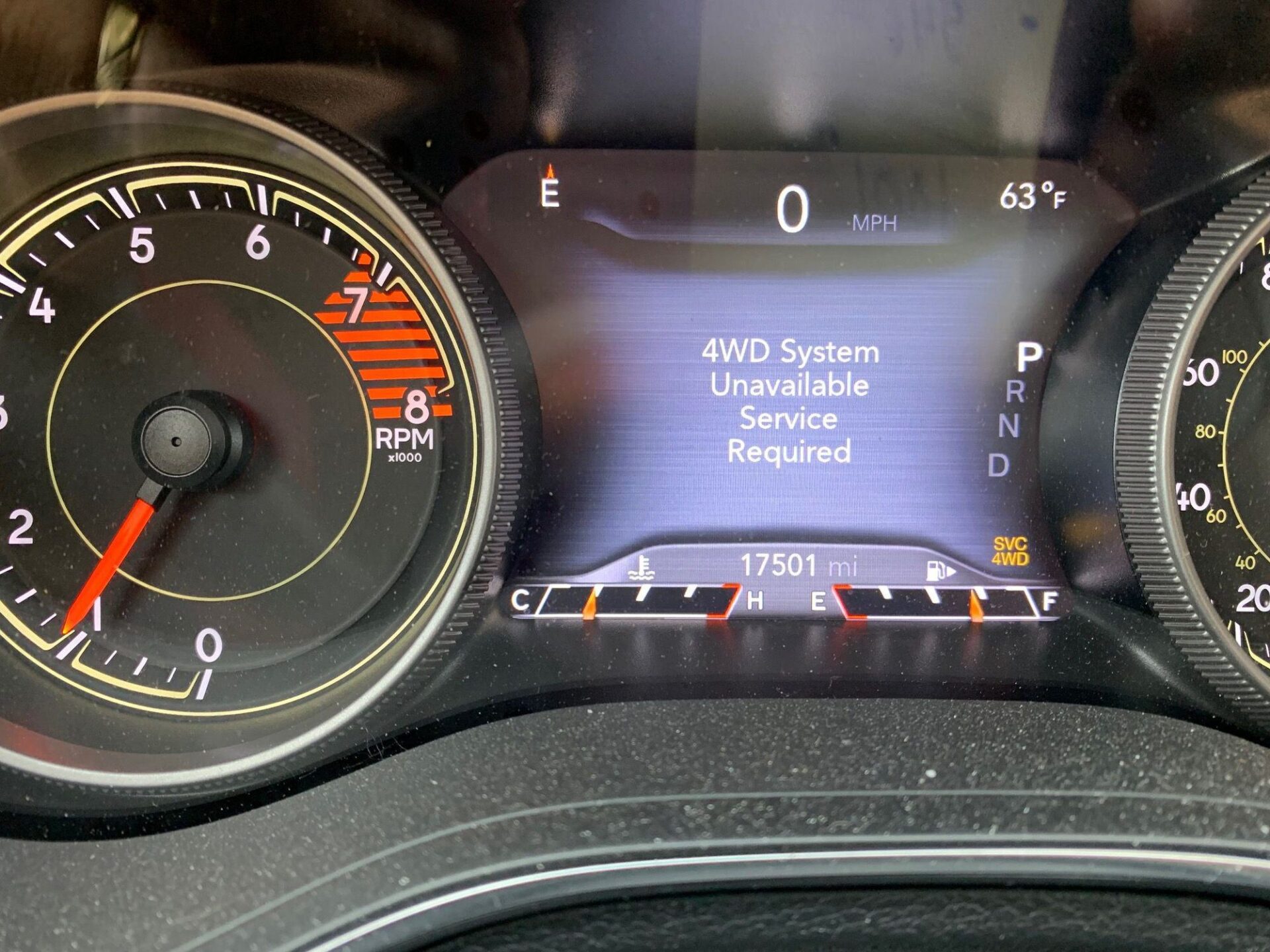
Seeing “4WD Overheated Temporarily Unavailable” on your dashboard is one of those warnings that demands immediate attention. It is not a minor alert you can dismiss and deal with later. When your four-wheel drive system overheats to the point where it shuts itself down, something in the vehicle’s thermal management chain has broken down, and continuing to drive without addressing it can cause expensive damage to components that are not cheap to replace.
This guide explains exactly what is happening when that message appears, what causes it, how to fix the most common issues, and how to prevent it from happening again.
What “4WD Overheated Temporarily Unavailable” Actually Means
To understand the warning, it helps to understand how the 4WD system works in the first place. When four-wheel drive is engaged, the engine sends power to the transmission, which then splits that power between the front and rear axles through the transfer case. The transfer case uses a chain-driven arrangement to link the front and rear differentials via the driveshafts, ultimately delivering torque to all four wheels.
Every component in that chain, the differentials, the transfer case, the driveshafts, and the axles, generates heat during operation. Under normal conditions, the vehicle’s cooling system and the lubricating fluids within the 4WD components keep those temperatures within a safe operating range. But when something disrupts that cooling or lubrication, temperatures climb. When they climb high enough, the vehicle’s computer detects the thermal fault and shuts the 4WD system down to prevent internal damage.
That is the “temporarily unavailable” part of the message. The system is telling you it has intentionally taken itself offline to protect itself. In most cases, the 4WD will revert to two-wheel drive operation automatically. You may also notice a burning smell, which is a sign that something has already been running hot for a period of time before the warning appeared.
The word “temporarily” in the message is telling. If the underlying cause is addressed and temperatures return to normal, the 4WD system can be re-engaged. But if the root cause is not fixed, the warning will return every time you try to use four-wheel drive, and eventually the damage to the drivetrain components will become permanent.
What Causes the 4WD Overheated Temporarily Unavailable Warning?
The causes break down into two broad categories: problems with the vehicle’s cooling system that allow the engine and transmission to run too hot, and problems within the 4WD drivetrain components themselves. Here is a detailed look at each.
1. Low or Leaking Coolant
The cooling system is responsible for managing the temperature of both the engine and the transmission. Here is how it connects to your 4WD system: coolant absorbs heat from the engine block, circulates through the radiator where that heat is dissipated into the surrounding air, and also passes through a transmission cooler before returning to the radiator. When transmission fluid gets too hot, it circulates through this cooler to bring its temperature down.
When coolant level drops due to a leak or evaporation, this entire chain of heat management becomes less effective. The engine runs hotter, the transmission runs hotter, and the heat from both of those systems transfers into the drivetrain components they are connected to, including the transfer case and differentials. Once those 4WD components exceed their thermal limits, the warning appears.
Common sources of coolant leaks include:
- A cracked or leaking radiator
- A damaged radiator hose or a hose clamp that has worked loose
- A failing water pump that allows coolant to escape around its gasket or seal
- A blown head gasket that allows coolant to mix with engine oil or escape into the combustion chamber
- A cracked coolant reservoir
A visible puddle of bright green, orange, or pink fluid under the front of the vehicle after it has been parked is a reliable sign of a coolant leak. The smell of coolant, which is often described as sweet, is another indicator.
2. A Failing Engine Thermostat
The engine thermostat is a valve that regulates when coolant flows through the engine. When the engine is cold, the thermostat stays closed and coolant does not circulate. This allows the engine to reach its optimal operating temperature quickly. Once the engine reaches that target temperature, the thermostat opens and allows coolant to flow freely, preventing the temperature from rising further.
When the thermostat fails in the closed position, coolant cannot flow regardless of how hot the engine gets. The temperature climbs unchecked. The engine overheats, the transmission overheats, and the heat propagates into the 4WD drivetrain components. The overheated 4WD warning is the downstream consequence of what started as a thermostat failure.
A stuck-closed thermostat typically shows up as the engine temperature gauge climbing toward the red zone, often within minutes of starting the vehicle after it has fully warmed up. If you also see the engine overheating light alongside the 4WD warning, the thermostat is a primary suspect.
3. Low or Leaking Engine Oil
Engine oil does more than lubricate moving parts. It also plays a meaningful role in managing engine temperature by carrying heat away from components that the coolant system cannot directly reach, such as the pistons and the underside of the cylinder head. When oil level drops due to a leak or consumption, its ability to manage heat is reduced proportionally.
Insufficient engine oil causes friction to increase between moving metal surfaces. Increased friction generates additional heat. That excess heat accumulates in the engine and, if severe enough, affects the transmission and the drivetrain components connected to it.
An oil leak serious enough to cause overheating is typically visible as dark staining under the vehicle or smoke rising from the engine bay if oil is dripping onto hot exhaust components. A steady drop in the oil level between changes when no visible external leak is present may indicate oil consumption through worn piston rings or valve seals, which is a different but equally serious problem.
4. Low or Leaking Transmission Fluid
This is one of the most direct causes of 4WD overheating because the transfer case and differentials in many vehicles share fluid with the transmission system or are in close thermal proximity to it.
Transmission fluid serves as both a lubricant and a coolant within the transmission and associated drivetrain components. When fluid level is low, the internal components of the transmission, transfer case, and differentials experience increased friction. Friction generates heat. That heat accumulates rapidly in the enclosed transmission housing and the linked 4WD components.
Transmission fluid leaks are common at:
- The transmission pan gasket, which is the most common leak point
- The front or rear transmission seals where the driveshaft enters the transmission housing
- The cooler lines running between the transmission and the external cooler or the radiator’s built-in transmission cooler section
- The transfer case input or output seals
Red or pinkish fluid under the center or front section of the vehicle is typically transmission fluid. A burning smell during gear changes or difficulty shifting smoothly are early warning signs of low transmission fluid that should prompt an immediate level check before the overheating warning appears.
5. Failing or Insufficiently Lubricated 4WD Components
The transfer case, differentials, and other 4WD-specific components have their own fluid requirements separate from the engine and transmission in some vehicles. When transfer case fluid or differential fluid is low, contaminated, or degraded, these components begin to run hot on their own even if the engine and transmission are operating normally.
This type of overheating is particularly common in vehicles that are frequently used in demanding 4WD conditions, such as off-road driving, towing heavy loads, or driving through deep snow, without corresponding maintenance of the drivetrain fluids. Hard use depletes and degrades these fluids faster than normal highway driving would.
Internal component wear within the transfer case or a differential, such as damaged bearings or a worn clutch pack in a limited-slip differential, can also generate abnormal levels of heat even when fluid levels are adequate.
6. Sustained Demanding 4WD Use
This is worth acknowledging as its own cause because it happens to owners who are pushing their vehicles hard in legitimate off-road or heavy-duty use. Extended low-speed four-wheel drive operation during off-roading, rock crawling, or pulling a heavy trailer through challenging terrain generates significant heat in the drivetrain. In extreme cases, even a well-maintained system with correct fluid levels can trigger this warning if it has been working very hard for an extended period.
If the warning appears after sustained demanding use and the vehicle has been properly maintained, the solution is simply to stop, let the drivetrain cool down for 20 to 30 minutes, and avoid re-engaging 4WD until temperatures have normalized. This is the system working as intended, not a sign of a mechanical fault.
How to Fix the 4WD Overheated Temporarily Unavailable Warning
The fix depends on the underlying cause. Here is how to work through each one systematically.
Fix 1: Stop Driving and Let the System Cool Down
This is always the first step, regardless of cause. When the 4WD overheated warning appears, pull over safely, turn off the engine, and allow the drivetrain to cool. Do not try to continue driving with 4WD engaged or attempt to re-engage it immediately. Trying to force the system to operate while it is already in an overheated state will accelerate internal damage.
Wait at least 20 to 30 minutes before attempting to restart the vehicle and assess the situation. In a severe overheating situation, the cooling process may take longer.
Fix 2: Check the Coolant Level
With the engine cool, open the hood and check the coolant level in the overflow reservoir. The reservoir is a translucent plastic tank connected to the radiator and has minimum and maximum fill lines on the side. If the level is below the minimum line, you have either a leak or significant evaporation loss.
Do not open the radiator cap when the engine is hot. The cooling system operates under pressure, and releasing that pressure with a hot engine can cause scalding coolant to spray outward.
If the coolant is low, top it up with the correct type of coolant for your vehicle as specified in the owner’s manual. Do not use water as a long-term substitute. Then inspect for the source of the leak by looking at the radiator, hoses, and connections for staining, cracks, or puddles under the vehicle.
Fix 3: Inspect and Replace the Engine Thermostat
If the engine is overheating consistently even with adequate coolant, the thermostat is a likely culprit. You can confirm this with a thermal imaging gun pointed at the thermostat housing while the engine is warming up. A functioning thermostat will show a clear temperature change on the downstream side when it opens. A stuck-closed thermostat will show the upstream side getting very hot while the downstream side remains relatively cool.
A diagnostic scan tool connected to the OBD-II port can also read engine coolant temperature sensor data and help identify whether the engine is running abnormally hot.
Thermostat replacement is a moderately involved repair. The thermostat is located where the upper radiator hose connects to the engine block. Replacing it involves draining some coolant, removing the housing, swapping the thermostat, reinstalling, and topping up the coolant. It is within the capability of most mechanically inclined owners, but if you have not done it before, a step-by-step guide specific to your vehicle model is strongly recommended.
Fix 4: Locate and Fix Engine Oil Leaks
Check the engine oil level using the dipstick with the engine off and the vehicle on level ground. If the oil is significantly below the minimum mark, add oil to bring it to the correct level immediately before driving further.
To find an active oil leak, park the vehicle on a clean flat surface and place cardboard or newspaper under the engine area overnight. Staining on the cardboard identifies the approximate location of the leak. Follow up by inspecting the valve cover gaskets, oil pan gasket, rear main seal, and oil filter housing for signs of leakage. Oily residue on the underside of the engine or oil that has been flung across surrounding components by rotating parts often indicates the leak source.
Significant oil leaks, particularly those involving the rear main seal or oil pump, require professional repair. These jobs involve removing major components to access the seal, which is beyond the scope of most home garage repairs.
Fix 5: Address Transmission Fluid Leaks and Low Fluid Level
Transmission fluid level checks vary by vehicle. Some transmissions have a dipstick accessible from the engine bay. Others are sealed units that require lifting the vehicle and checking through a fill plug on the transmission housing. Consult your owner’s manual for the correct procedure for your specific vehicle.
If the fluid is low, top it up with the correct fluid type and specification. Using the wrong transmission fluid can cause as many problems as having none at all, so verify the correct fluid type before adding anything.
Transmission leaks are notoriously complex because the system has many potential leak points and the transmission itself is sealed within a complex housing. While simple pan gasket leaks are accessible, most transmission fluid leak repairs benefit from professional handling to ensure the correct repair is made without introducing additional problems. This is especially true on vehicles with continuously variable transmissions or those with integrated transfer cases.
Fix 6: Check and Service Transfer Case and Differential Fluids
If the engine and transmission systems check out fine but the 4WD overheating warning persists, the issue may be internal to the 4WD drivetrain components. Check the transfer case fluid and the differential fluids. These are separate fluid systems from the transmission on many vehicles and have their own fill and drain plugs accessible from under the vehicle.
Transfer case fluid and differential fluid should be changed at the intervals specified in your owner’s manual, which is typically every 30,000 to 60,000 miles depending on usage conditions. If these fluids have never been changed or have exceeded their service interval, changing them may resolve the overheating issue by restoring proper lubrication to the components.
If the fluids are at the correct level and appear normal in color and consistency but the overheating persists, internal component wear within the transfer case or a differential is likely. This requires professional diagnosis and potentially rebuild or replacement of the affected unit.
What to Do Immediately When the Warning Appears
Here is a practical action sequence for the moment the warning shows up on your dashboard:
- Do not ignore it or try to push through. Pull over as soon as it is safe to do so
- Disengage 4WD if it is currently engaged and let the vehicle shift back to 2WD
- Turn the engine off and let everything cool for at least 20 to 30 minutes
- While waiting, check for obvious signs of the problem: fluid puddles under the vehicle, a burning smell, steam from under the hood, or an abnormally high reading on the engine temperature gauge
- Once cooled, check coolant level, engine oil level, and look for visible leaks
- If you cannot identify an obvious cause, do not re-engage 4WD. Drive the vehicle in 2WD to the nearest service facility
- If the engine temperature gauge is also reading high, do not attempt to drive further until the cooling system issue is identified and resolved
How Much Does It Cost to Fix a 4WD Overheating Problem?
| Cause | DIY Cost | Professional Repair Cost |
|---|---|---|
| Low coolant top-up | $10 – $20 | $20 – $50 with inspection |
| Coolant leak repair (hose or clamp) | $15 – $50 | $100 – $300 |
| Radiator replacement | $150 – $400 (parts only) | $400 – $900 with labor |
| Engine thermostat replacement | $20 – $60 (parts only) | $150 – $350 with labor |
| Engine oil leak repair (gasket) | $20 – $80 (parts only) | $150 – $600 depending on location |
| Transmission fluid top-up | $15 – $40 | $50 – $100 with inspection |
| Transmission leak repair (pan gasket) | $30 – $80 (parts only) | $150 – $400 with labor |
| Transfer case fluid service | $20 – $60 | $100 – $200 at a shop |
| Transfer case rebuild or replacement | Not recommended for DIY | $800 – $2,500 depending on vehicle |
| Differential fluid service | $30 – $80 | $100 – $250 per differential |
| Differential rebuild or replacement | Not recommended for DIY | $600 – $2,000 per differential |
The cost range here is wide for good reason. A low coolant level that needs a top-up is a ten-dollar fix. A failed transfer case that has run dry and sustained internal damage can cost over two thousand dollars to address. This is exactly why responding to the warning quickly matters so much. Every mile driven with an overheating 4WD system increases the risk of pushing a less expensive problem into a much more expensive one.
Vehicles Most Commonly Affected by This Warning
| Vehicle | Common Trigger | Notes |
|---|---|---|
| Chevrolet Silverado / GMC Sierra | Transfer case fluid low, coolant leaks | Frequently reported after heavy towing use |
| Chevrolet Tahoe / Suburban | Thermostat failure, low transmission fluid | High mileage vehicles especially susceptible |
| Ford F-150 / F-250 | Transfer case overheating in off-road use | Common after extended 4Lo operation |
| Jeep Grand Cherokee | Transfer case fluid, coolant issues | Electronic transfer case sensitive to fluid levels |
| Dodge Ram 1500 / 2500 | Coolant system failures, low fluid levels | Transfer case electronic actuator faults also reported |
| Toyota 4Runner / Tacoma | Differential and transfer case fluid low | Often triggered after off-road use without fluid maintenance |
How to Prevent 4WD Overheating From Happening Again
Most cases of 4WD overheating are preventable through consistent maintenance. Here is what actually makes the difference:
- Check your coolant level monthly. A slow leak can go unnoticed until the level drops low enough to cause a problem. A thirty-second check each month catches the issue early.
- Change engine oil on schedule. Fresh oil at the correct level is one of the most effective heat management tools available. Neglecting oil changes accelerates sludge buildup and reduces oil’s ability to manage temperature.
- Service transmission fluid at the recommended interval. Many owners overlook this service. Degraded transmission fluid loses its ability to lubricate and cool effectively, making the transmission and connected drivetrain components run hotter under the same load conditions.
- Service transfer case and differential fluids regularly. These are often forgotten components. Check your owner’s manual for the service intervals and make sure they are included in your maintenance routine, particularly if you regularly use 4WD in demanding conditions.
- Do not ignore early warning signs. A slight burning smell, a temperature gauge creeping higher than usual, or a small fluid puddle under the vehicle are all early warnings that something is not right. Addressing them early is far cheaper than waiting for the system to shut itself down.
- Let the system rest during extended off-road use. If you are running 4WD hard for an extended period, periodic breaks allow the drivetrain to cool before temperatures reach the threshold that triggers the warning.
The 4WD system in your vehicle is one of the most mechanically complex and expensive assemblies it contains. A proper cooling system and well-maintained drivetrain fluids are what keep it running reliably. When the overheated warning appears, treat it as the serious alert it is: stop, cool down, diagnose the cause, and repair it before you re-engage four-wheel drive. That sequence protects both the vehicle and your wallet.