
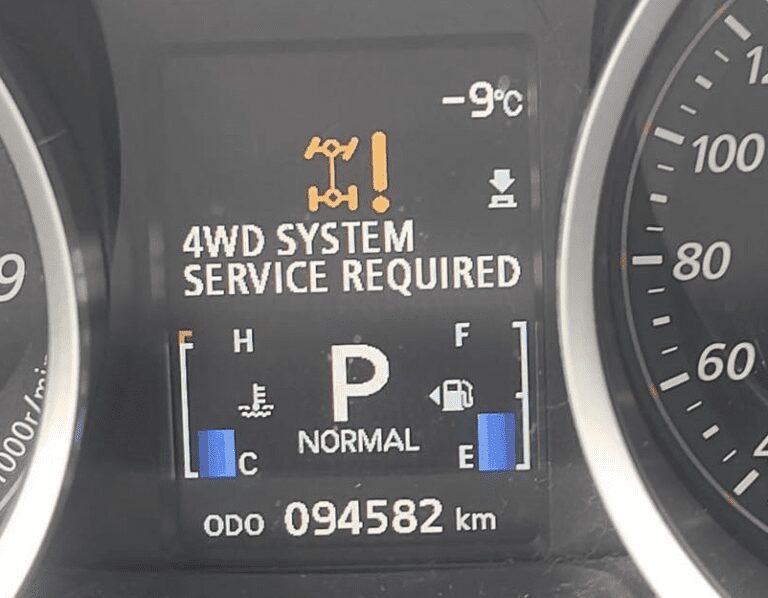
You are driving your Mitsubishi Lancer Evolution X, and suddenly a warning message pops up on your dashboard: “4WD System Service Required.” Your heart sinks a little. This is not the kind of message you want to see on a car that depends on its all-wheel-drive system for performance, handling, and overall driving character.
The Evo X is not just another sedan. Its 4WD system is what makes it special, what gives it that legendary grip and agility through corners and over challenging terrain. When that system throws up a warning, you are not just dealing with an inconvenience. You are dealing with a car that has been crippled at its core.
This guide breaks down exactly what the 4WD System Service Required warning means, what causes it, and how to fix it properly. No guesswork, no vague advice. Just real answers from someone who has worked on these systems and knows what actually goes wrong.
What the 4WD System Service Required Warning Actually Means
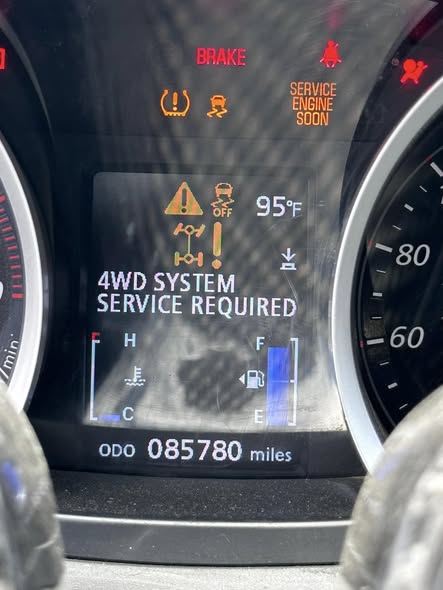
When the “4WD System Service Required” message shows up on the dashboard of your Evo X, the vehicle’s Engine Control Module (ECM) has detected a fault somewhere inside the all-wheel-drive system. This is not a generic warning light that could mean anything. It is specific to the 4WD drivetrain and the components that make it function.
The Evo X uses what Mitsubishi calls the Super All-Wheel Control (S-AWC) system. This is an advanced all-wheel-drive setup that combines active center differential control, active yaw control, anti-lock braking, and active stability control into one integrated system. The goal is simple: maximize traction, stability, and cornering performance by intelligently distributing power to the wheels that need it most at any given moment.
When the system is working properly, you feel it in every corner. The car grips, rotates, and accelerates with precision. When the system is not working, the car feels completely different. The handling becomes unpredictable, power distribution is uneven, and in some cases, the vehicle may enter a limp mode that locks the drivetrain into a fixed torque split to prevent further damage.
The warning message is telling you that something inside this complex system has failed or is operating outside normal parameters. It could be a sensor, an actuator, a fluid leak, or an electrical fault. The ECM has logged a fault code, disabled part or all of the 4WD functionality, and is now asking you to get it fixed before you drive the car hard or rely on it in challenging conditions.
How the Evo X 4WD System Actually Works
Before we dig into what goes wrong, it helps to understand what the system does when everything is going right. The Evo X 4WD system is not a simple mechanical setup. It is an electronically controlled, continuously variable system that adjusts power distribution in real time based on driving conditions and driver inputs.
Here is the basic flow of how the system operates:
- Power from the engine goes to the transmission and then to the transfer case, which splits power between the front and rear axles.
- The active center differential inside the transfer case uses an electronically controlled clutch pack to vary the torque split between front and rear wheels. This is not a fixed 50/50 split. The system can send more torque to the rear for better rotation in corners or to the front for better traction during acceleration.
- Wheel speed sensors at each wheel monitor how fast each tire is rotating. This data gets fed to the ECM continuously.
- The Active Yaw Control (AYC) system uses an electronically controlled rear differential that can send more torque to the outside rear wheel during cornering, helping the car rotate more aggressively and reducing understeer.
- The ECM processes inputs from the wheel speed sensors, steering angle sensor, throttle position, brake pressure, and yaw rate sensor to determine the optimal torque distribution at any given moment.
- The system adjusts power distribution in milliseconds, constantly reacting to changing conditions.
That is a lot of moving parts, a lot of electronics, and a lot of potential failure points. When one component in this chain breaks or sends bad data, the whole system can shut down.
Symptoms That Usually Show Up Alongside the Warning
The dashboard warning is the obvious sign, but there are usually other symptoms that appear at the same time. Recognizing these symptoms helps you understand the severity of the issue and whether you can still drive the car safely to a shop.
- Difficulty shifting gears: If the transfer case or drivetrain components are malfunctioning, the transmission may struggle to shift smoothly or may refuse to shift into certain gears.
- Unresponsive 4WD system: The car may feel like it is stuck in front-wheel drive or rear-wheel drive mode, with no active torque vectoring happening.
- Engine stalling or rough idle: If a faulty sensor is sending bad data to the ECM, the engine management system can become confused and cause rough running or stalling.
- Poor fuel economy: A malfunctioning 4WD system can cause the drivetrain to work inefficiently, increasing fuel consumption.
- Grinding or clunking noises: If the transfer case, differential, or actuators are damaged, you may hear mechanical noises during acceleration, deceleration, or cornering.
- Limp mode activation: The car may enter a reduced-power mode to protect the drivetrain from further damage. Acceleration will feel sluggish, and top speed may be limited.
If you are experiencing multiple symptoms at once, the problem is likely more serious than a simple sensor fault. Get the car to a shop sooner rather than later.
7 Real Causes of the Evo X 4WD System Service Required Warning
There are several components in the 4WD system that can fail and trigger this warning. Some are more common than others. Here is what actually goes wrong in the real world.
1. A Failed 4WD Actuator
The 4WD actuator is the electromechanical device that physically engages and disengages the transfer case. It receives a signal from the ECM and then moves internal components inside the transfer case to activate the 4WD mode. Think of it as the gatekeeper that decides whether power goes to all four wheels or just two.
When the actuator fails, the 4WD system cannot engage. The car may default to front-wheel drive, and the ECM will log a fault code and display the service required warning. The actuator can fail due to wear, corrosion, or electrical issues within the actuator motor itself.
A failed actuator often shows up with symptoms like an inability to engage 4WD mode, rough idling, poor acceleration, or even smoke from the exhaust if the drivetrain is struggling under load. Driving with a failed actuator is not safe, especially in conditions where you need all-wheel traction. The car will behave unpredictably and will not handle the way it was designed to.
2. Faulty Wheel Speed Sensors
Each wheel on the Evo X has a speed sensor that monitors how fast that wheel is rotating. The ECM uses this data to calculate differences in wheel speed, which helps it determine when a wheel is slipping and where to send more torque. If one or more of these sensors fails or starts sending inaccurate data, the 4WD system cannot function correctly.
Wheel speed sensors are mounted near the wheel hubs and are exposed to road debris, moisture, dirt, and vibration. Over time, the sensor wiring can get damaged, the sensor itself can fail, or corrosion can build up on the sensor tip or the tone ring it reads from.
When a wheel speed sensor fails, the ECM may see phantom wheel slip or lose data from one corner of the car entirely. The 4WD system will shut down rather than operate on bad information, and the warning message will appear. Often, an ABS warning light will also come on at the same time since the ABS system uses the same wheel speed sensors.
3. Fluid Leaks in the Transfer Case or Differentials
The transfer case and differentials rely on specialized gear oil to lubricate internal components and prevent metal-on-metal wear. If a seal fails or a gasket leaks, that oil drains out. Once the fluid level drops too low, the gears and clutch packs inside the transfer case or differential start to overheat, wear rapidly, and eventually fail.
A fluid leak often shows up as puddles of thick, dark oil under the car after it has been parked. The oil may have a distinct burnt smell if the components have been running low on fluid for a while. You may also hear whining, grinding, or clunking noises from the transfer case or rear differential during acceleration or cornering.
Ignoring a fluid leak is a fast track to catastrophic drivetrain failure. If you see oil under your Evo X and you are also getting the 4WD service warning, check the fluid levels in the transfer case and differentials immediately.
4. Transfer Case Mechanical Failure
The transfer case is the heart of the 4WD system. It contains the active center differential, the clutch packs that vary torque distribution, and the gears that split power between the front and rear axles. When something inside the transfer case fails, the entire 4WD system is compromised.
Common transfer case failures include worn clutch packs, damaged gears, bad bearings, or a stretched or broken chain inside the case. These failures are often the result of low fluid levels, contaminated fluid, aggressive driving without proper maintenance, or just high mileage wear.
A failing transfer case usually announces itself with loud mechanical noises: grinding, whining, or rattling sounds that get worse under acceleration or when shifting. You may also feel vibrations through the floor or hear clunking when the drivetrain is under load. In severe cases, the transfer case can seize entirely, leaving the car undrivable.
5. Wiring and Electrical Problems
The 4WD system depends on a network of wiring, connectors, sensors, and control modules to function. If any part of that electrical network is damaged, the system can fail. Common electrical issues include corroded connectors, broken wires, blown fuses, or damaged wiring harnesses.
Electrical faults are often intermittent, meaning the warning may come and go depending on temperature, humidity, or vibration. A connector that is corroded may make contact sometimes and lose contact other times, causing the system to behave erratically. This type of fault can be frustrating to diagnose because it does not always show up during a static inspection.
The Evo X is also known for issues with the wiring near the transfer case and rear differential, where exposure to road salt, moisture, and heat can accelerate corrosion. If the wiring harness to the AYC pump or the transfer case actuator becomes damaged, the 4WD service warning is almost guaranteed to appear.
6. AYC Pump Failure
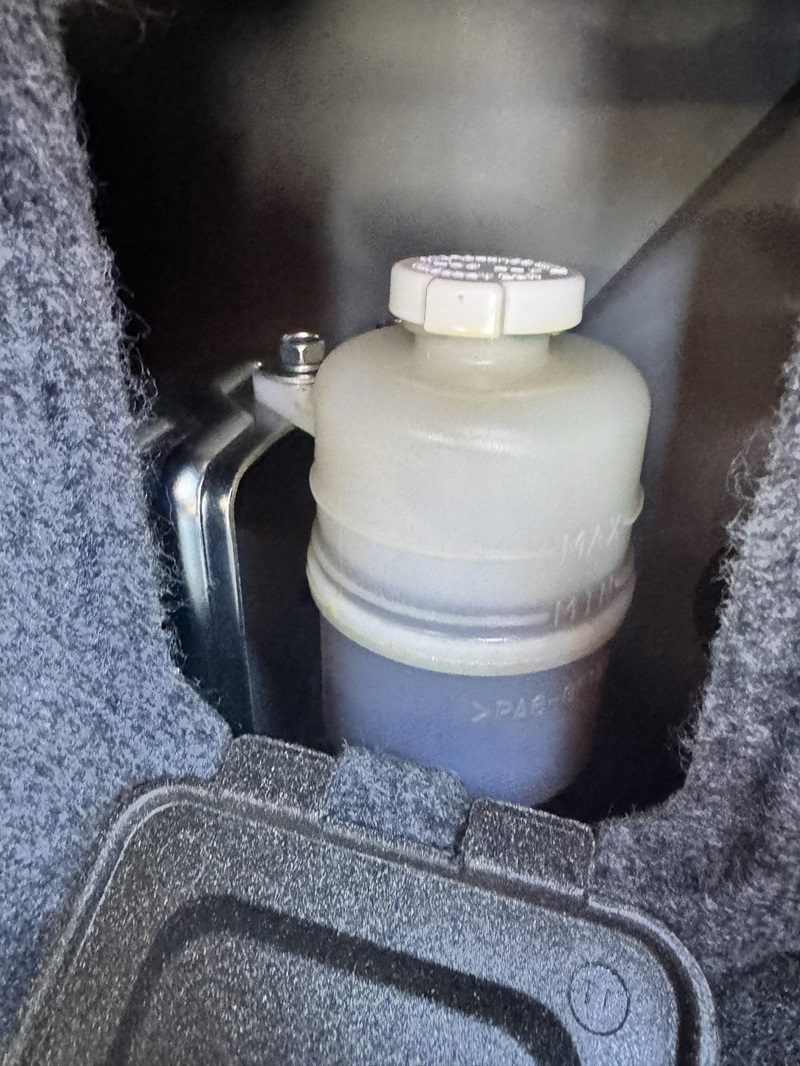
The Active Yaw Control pump is a hydraulic pump that controls the rear differential’s torque vectoring function. It pressurizes hydraulic fluid that actuates the clutch packs inside the AYC rear differential, allowing the system to send more torque to the outside rear wheel during cornering.
The AYC pump is a known weak point on the Evo X, especially on higher-mileage cars or those that have been driven hard on track. The pump can fail due to wear, contaminated fluid, or electrical issues with the pump motor. When the AYC pump fails, the rear differential cannot actively vector torque, and the ECM will log a fault and display the 4WD service required warning.
A failing AYC pump often makes a high-pitched whining noise from the rear of the car. You may also notice that the car understeers more in corners and feels less agile than it should. In some cases, the pump will leak hydraulic fluid, which can drip onto the exhaust and create smoke or a burning smell.
7. Manufacturing Defects or Inadequate Maintenance
In rare cases, a manufacturing defect in a specific component can cause premature failure. Mitsubishi has issued recalls and technical service bulletins for certain Evo X model years related to 4WD system components, so it is worth checking if your vehicle is affected.
More commonly, the issue is simply neglected maintenance. The Evo X 4WD system requires regular fluid changes in the transfer case, front differential, rear differential, and AYC system. If those fluids are never changed, they break down, become contaminated, and lose their ability to protect the internal components. Over time, that neglect leads to accelerated wear and eventual failure.
Performance cars like the Evo X demand more frequent maintenance than a typical commuter sedan. If you bought the car used and do not know the maintenance history, assume the worst and plan for a full fluid service on the drivetrain.
| Component | Common Failure Mode | Typical Symptoms | Repair Difficulty |
|---|---|---|---|
| 4WD Actuator | Wear, corrosion, electrical fault | Cannot engage 4WD, rough idle, poor acceleration | Moderate |
| Wheel Speed Sensors | Sensor failure, damaged wiring, corrosion | ABS light on, traction control disabled, 4WD warning | Easy to Moderate |
| Transfer Case | Low fluid, worn clutch packs, damaged gears | Grinding noises, vibrations, clunking | Difficult |
| AYC Pump | Pump motor failure, contaminated fluid | Whining noise, understeer, fluid leaks | Moderate to Difficult |
| Wiring/Connectors | Corrosion, broken wires, blown fuses | Intermittent warning, erratic system behavior | Moderate |
| Fluid Leaks | Failed seals, damaged gaskets | Oil puddles, burnt smell, mechanical noise | Moderate |
How to Properly Diagnose the 4WD System Service Required Warning
Before you start replacing parts, you need a proper diagnosis. The 4WD system has too many potential failure points for guesswork to be effective. You need fault codes, you need to physically inspect components, and you need to test sensors and actuators to confirm what is actually broken.
Here is the logical diagnostic process:
- Pull the fault codes with a capable scan tool. You need a scanner that can communicate with the 4WD control module, not just the engine ECU. Mitsubishi-specific scan tools or high-end multi-brand tools like Autel or Launch scanners are your best bet. Generic OBD2 code readers will not give you the detail you need.
- Record all stored fault codes. Common codes related to the 4WD system include codes for the AYC system, transfer case control, wheel speed sensors, and actuator faults. Write them down and research what each one means for your specific model year.
- Physically inspect the underside of the vehicle. Look for fluid leaks near the transfer case, front differential, rear differential, and AYC pump. Check for damaged wiring, corroded connectors, or obviously broken components.
- Check fluid levels. Pull the fill plugs on the transfer case, front differential, and rear differential to confirm the fluid is at the proper level. If any are low, you have a leak that needs to be found and fixed.
- Test the wheel speed sensors. Most scan tools can display live data from each wheel speed sensor. With the car on a lift and the wheels off the ground, spin each wheel by hand and verify that the scanner shows the wheel rotating. If a sensor shows zero when the wheel is spinning, that sensor or its wiring is bad.
- Inspect the AYC pump. Listen for abnormal noises from the rear of the car when the system is active. Check for fluid leaks around the pump. If the pump is accessible, check the electrical connector for corrosion or damage.
- Test the 4WD actuator. Some scan tools allow you to command the actuator to engage and disengage manually. If the actuator does not respond to the command, it is likely failed.
Once you have the fault codes and you have inspected the physical components, you will have a much clearer picture of what needs to be fixed.

How to Fix the Evo X 4WD System Service Required Warning: Step by Step
The fix depends entirely on what the diagnosis reveals. Here is how to address each common cause.
Fix 1: Replace a Failed 4WD Actuator
If the actuator is confirmed bad, it needs to be replaced. The actuator is bolted to the transfer case, and replacing it requires accessing the underside of the vehicle. Here is the general process:
- Lift the vehicle and support it securely on jack stands.
- Locate the 4WD actuator on the transfer case. It is typically on the driver’s side of the transfer case and has an electrical connector and a mechanical linkage.
- Disconnect the electrical connector from the actuator.
- Remove the bolts securing the actuator to the transfer case.
- Remove the old actuator and inspect the mating surface on the transfer case for damage.
- Install the new actuator with a new gasket or O-ring if applicable. Torque the bolts to spec.
- Reconnect the electrical connector.
- Clear the fault codes with the scan tool and test the system.
Use an OEM or high-quality aftermarket actuator. Cheap replacement parts often fail prematurely or do not calibrate correctly with the ECM.
Fix 2: Replace Faulty Wheel Speed Sensors
Wheel speed sensors are relatively easy to replace, and the parts are not expensive. Each sensor is mounted near the wheel hub, and replacement usually takes less than an hour per wheel.
- Lift the vehicle and remove the wheel at the affected corner.
- Locate the wheel speed sensor. It is typically mounted to the knuckle or backing plate with a single bolt.
- Disconnect the electrical connector from the sensor.
- Remove the mounting bolt and pull the sensor out of its bore.
- Clean the sensor bore with a wire brush or sandpaper to remove any corrosion or debris.
- Install the new sensor and torque the mounting bolt to spec.
- Reconnect the electrical connector.
- Clear the fault codes and verify the sensor is reading correctly with the scan tool.
If multiple wheel speed sensors have failed, inspect the wiring harness for damage. Sometimes the sensors themselves are fine, but the wiring has been damaged by road debris or corrosion.
Fix 3: Repair Fluid Leaks and Refill
If you have found a fluid leak, you need to identify the source and fix it before refilling. Common leak points include the transfer case output seals, differential pinion seals, axle seals, and gaskets.
- Clean the area around the leak thoroughly so you can see exactly where the fluid is coming from.
- Replace the leaking seal, gasket, or component. This may require removing the driveshaft, axles, or other components depending on the location of the leak.
- Once the leak is repaired, refill the affected component with the correct type and quantity of fluid. The Evo X requires specific gear oils for the transfer case and differentials. Do not use generic gear oil.
- Check for leaks again after refilling and driving the car for a short distance.
- Clear the fault codes and verify the warning does not return.
If the fluid level has been low for an extended period, there may already be internal damage to the gears or clutch packs. Monitor the system closely after the repair and listen for abnormal noises.
Fix 4: Rebuild or Replace the Transfer Case
If the transfer case has suffered internal damage, you have two options: rebuild it or replace it with a used or remanufactured unit. Rebuilding a transfer case is a complex job that requires specialized knowledge and tools. It is not a backyard DIY project unless you have serious mechanical experience.
Replacing the transfer case is often more cost-effective than rebuilding it, especially if you can source a good used unit from a salvage yard or a remanufactured unit from a reputable supplier. The replacement process involves:
- Draining the transfer case fluid.
- Removing the driveshafts from the transfer case.
- Disconnecting all electrical connectors and wiring from the transfer case.
- Supporting the transfer case with a transmission jack.
- Removing the bolts that secure the transfer case to the transmission.
- Carefully lowering the transfer case out of the vehicle.
- Installing the replacement transfer case in reverse order.
- Refilling with the correct fluid and bleeding any air from the system.
- Clearing fault codes and testing the system.
This is a labor-intensive job that typically takes four to six hours in a professional shop. Do not attempt it without a lift, proper tools, and a good understanding of the drivetrain layout.
Fix 5: Repair or Replace Damaged Wiring
If the diagnosis points to a wiring or connector fault, you need to trace the harness, find the damaged section, and repair or replace it. Common problem areas include the connectors near the transfer case, the AYC pump wiring, and the wheel speed sensor wiring.
For corroded connectors, you can sometimes clean the pins with electrical contact cleaner and a small wire brush, then apply dielectric grease to prevent future corrosion. If the connector is severely corroded or the pins are damaged, replace the connector.
For broken wires, cut out the damaged section and splice in a new piece of wire using proper automotive-grade connectors and heat shrink tubing. Do not use household electrical wire or cheap crimp connectors. The 4WD system depends on accurate signal transmission, and poor-quality repairs will cause ongoing issues.
Fix 6: Replace or Rebuild the AYC Pump
If the AYC pump has failed, you can replace it with a new or remanufactured unit, or you can have it rebuilt by a specialist. The AYC pump is located near the rear differential and is accessible from underneath the car.
- Lift the vehicle and support it securely.
- Locate the AYC pump near the rear differential.
- Disconnect the electrical connector from the pump.
- Disconnect the hydraulic lines from the pump. Be prepared for fluid to drain out.
- Remove the mounting bolts and remove the pump.
- Install the replacement pump and reconnect the hydraulic lines. Use new crush washers or O-rings on the hydraulic fittings.
- Reconnect the electrical connector.
- Bleed the AYC system according to the factory service manual procedure. This usually requires a scan tool to command the pump to cycle while you bleed air from the system.
- Refill the AYC fluid reservoir to the correct level.
- Clear the fault codes and test the system.
The AYC system is sensitive to air in the hydraulic lines. Proper bleeding is essential, or the system will not function correctly even with a new pump installed.
Fix 7: Perform a Full Drivetrain Fluid Service
If the car has high mileage or an unknown maintenance history, perform a complete fluid service on the 4WD system. This includes the transfer case, front differential, rear differential, and AYC system. Use the fluids specified in the factory service manual. For the Evo X, this typically means:
- Transfer case: Mitsubishi Diaqueen Transfer fluid or equivalent
- Front differential: Mitsubishi Diaqueen differential oil or equivalent
- Rear differential: Mitsubishi Diaqueen differential oil or equivalent
- AYC system: Mitsubishi Diaqueen AYC fluid or equivalent
Do not use generic gear oil from the auto parts store. The Evo X 4WD system is sensitive to fluid viscosity and friction characteristics. Using the wrong fluid can cause the system to behave erratically or fail prematurely.
Is It Safe to Drive with the 4WD System Service Required Warning On?
The car will still drive. The engine will run, the transmission will shift, and the wheels will turn. But the 4WD system will be operating in a degraded mode or shut down entirely. That changes the character of the car completely.
In dry conditions on smooth pavement, you may not notice much difference. But in the wet, in snow, on gravel, or during aggressive cornering, the car will not behave the way it was designed to. You will lose the torque vectoring, the active yaw control, and the intelligent power distribution that make the Evo X what it is.
If you are just driving to the shop to get it diagnosed, fine. But do not drive the car hard, do not take it on track, and do not rely on it in challenging conditions. The 4WD system is a safety and performance feature. Without it, you are driving a compromised vehicle.
Estimated Repair Costs for Common 4WD System Issues
Repair costs vary depending on the specific component that has failed, whether you do the work yourself or take it to a shop, and where you source parts. Here is a realistic breakdown:
| Repair | DIY Cost (Parts Only) | Shop Cost (Parts and Labor) |
|---|---|---|
| 4WD Actuator Replacement | $150 to $400 | $400 to $800 |
| Wheel Speed Sensor Replacement (per sensor) | $30 to $80 | $150 to $300 |
| Transfer Case Seal Replacement | $20 to $60 | $200 to $500 |
| Transfer Case Replacement (used) | $800 to $1,500 | $1,500 to $3,000 |
| Transfer Case Rebuild | $500 to $1,200 (parts) | $1,500 to $3,500 |
| AYC Pump Replacement | $300 to $800 | $800 to $1,800 |
| Full Drivetrain Fluid Service | $100 to $200 | $300 to $600 |
| Wiring Harness Repair | $20 to $100 | $200 to $700 |
These are ballpark estimates. Actual costs depend on your location, the specific model year of your Evo X, and the condition of the components. Always get a written estimate before authorizing any work.
Preventive Maintenance to Avoid Future 4WD System Problems
The Evo X 4WD system is robust, but it is not maintenance-free. Here are the habits that will keep the system healthy for the long term:
- Change the drivetrain fluids on schedule. Mitsubishi recommends fluid changes every 30,000 miles for the transfer case and differentials. If you drive the car hard or on track, cut that interval in half.
- Inspect for leaks regularly. Look under the car every few months for signs of fluid leaks. Catching a small leak early prevents major damage later.
- Keep the underside of the car clean. Road salt and grime accelerate corrosion on wiring, connectors, and seals. Rinse the underside of the car periodically, especially in winter.
- Avoid aggressive launches on uneven surfaces. The 4WD system is designed for performance, but slamming the drivetrain with shock loads on rough pavement or gravel puts unnecessary stress on the transfer case and differentials.
- Monitor the AYC fluid level. The AYC system has a separate fluid reservoir that should be checked periodically. Low AYC fluid is a sign of a leak that needs attention.
- Do not ignore warning lights. If the 4WD service required warning appears, address it promptly. Continuing to drive the car with a known fault can turn a simple sensor replacement into a multi-thousand-dollar drivetrain rebuild.
Should You Take It to a Dealer or an Independent Shop?
For diagnosis and basic repairs like sensor replacement or fluid changes, a competent independent shop that specializes in Mitsubishi or performance cars can handle the job and save you money compared to dealer rates. Make sure they have a scan tool that can communicate with the 4WD control module. A generic OBD2 scanner will not cut it for this kind of work.
For more complex repairs like transfer case replacement, AYC pump replacement, or system reprogramming, the dealer may be the safer choice. They have access to factory service information, specialized tools, and OEM parts that independent shops may not stock. The cost will be higher, but the quality of the work is usually more consistent.
If you are doing the work yourself, invest in a factory service manual for your specific model year. The Evo X 4WD system is complex, and having accurate torque specs, fluid capacities, and bleeding procedures is essential for a successful repair.
Quick Troubleshooting Reference Guide
| Symptom | Most Likely Cause | First Step |
|---|---|---|
| Warning light on, no other symptoms | Wheel speed sensor fault or software glitch | Pull fault codes with scan tool |
| Warning light on with ABS light | Wheel speed sensor failure | Test wheel speed sensors with scan tool |
| Grinding noise from under the car | Transfer case or differential damage | Check fluid levels, inspect for leaks |
| High-pitched whining from rear | AYC pump failure | Inspect AYC pump for leaks and noise |
| Oil puddles under the car | Fluid leak from transfer case or differential | Clean area and identify leak source |
| Car feels like front-wheel drive only | Transfer case not engaging or actuator failure | Test 4WD actuator, check transfer case fluid |
| Warning appeared after hard driving | Overheated or damaged drivetrain components | Let car cool, check fluid levels, pull codes |
The Reality of Owning a Performance AWD System
The Evo X is a legendary car, and its 4WD system is a big part of what makes it special. But that performance comes with responsibility. The system is complex, and when it breaks, it is not cheap or simple to fix. You cannot treat an Evo X like a Corolla and expect it to survive on neglect and deferred maintenance.
If you own an Evo X, respect the drivetrain. Change the fluids on schedule. Pay attention to warning lights. Address small issues before they become big ones. The 4WD system is engineered to handle serious performance driving, but only if you take care of it.
When the 4WD System Service Required warning shows up, do not panic. But do not ignore it either. Get the codes pulled, get a proper diagnosis, and fix what is broken with quality parts and proper procedures. The car will reward you for it.
Your Evo X is not just another car. Treat the 4WD system like the precision performance component it is, and it will keep delivering the grip, the handling, and the driving experience you bought the car for in the first place.