
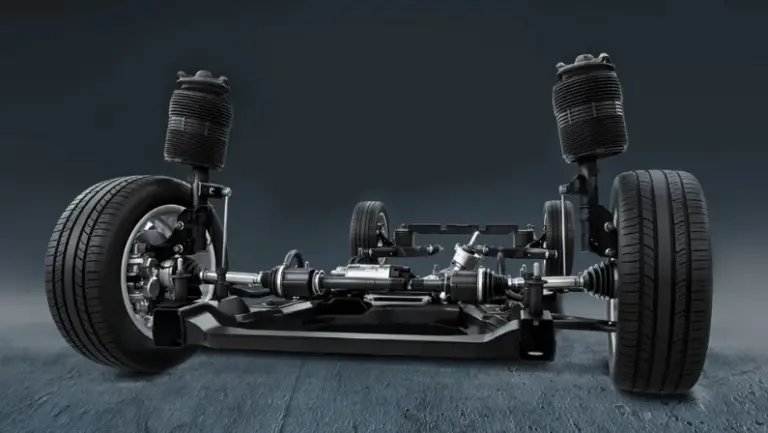
Your air suspension system is working hard every single time you drive. It reads the road, adjusts your ride height, cushions bumps, and keeps your vehicle sitting level whether you are hauling a full load or cruising empty. Most of the time, you do not even think about it. Until the day it stops working.
When your air suspension is not airing up, you will know it. The vehicle sits low. Maybe it leans to one side. The ride feels harsh, or a warning light blinks on the dashboard. Something is wrong, and ignoring it will only make things worse, and more expensive.
The good news is that air suspension problems are usually traceable. There are a handful of common culprits, and once you know what to look for, you can either handle the fix yourself or walk into a shop knowing exactly what conversation to have. Let us get into it.
Why Your Air Suspension Is Not Airing Up: The Most Common Causes
There is rarely just one reason an air suspension stops working. It could be a mechanical failure, an electrical fault, a slow leak, or a failed sensor giving bad instructions to the rest of the system. Here is a breakdown of the most frequent causes.
Leaking Air Lines
This is one of the most common issues, and it makes sense when you think about it. Air lines are essentially flexible tubes routing compressed air throughout your suspension system. Over years of heat cycles, road vibration, and general wear, those lines develop cracks, holes, or loose connections at the fittings.
Sometimes the leak is dramatic and fast. You park the car overnight and wake up to a vehicle sitting on its bump stops. Other times it is slow and sneaky. The system airs up fine, but the vehicle gradually sinks over a few hours. Both point to a leak somewhere in the system.
To find it, spray a soapy water solution along all the air lines and around every fitting and connection. Watch for bubbles forming. That is your leak. A hissing sound when the car is running or sitting still is another giveaway.
Temporary patches can buy you some time, but they are not a real fix. Replace the damaged section of line or the leaking fitting properly. Air line repairs done halfway tend to fail again quickly.
Failed Air Compressor
The air compressor is the heart of the system. It is responsible for generating the compressed air that inflates your air bags. If it fails, nothing gets inflated. Simple as that.
Compressors can fail for a few different reasons. They can burn out from overwork, which often happens when there is a slow leak somewhere that forces the compressor to run constantly trying to maintain pressure. They can also fail internally from normal wear, or seize up due to moisture contamination inside the unit.
Signs of a failing compressor include:
- The compressor runs but the vehicle never lifts to the correct height
- The compressor does not run at all
- Loud grinding, rattling, or squealing noises when it operates
- The compressor runs excessively long before shutting off
Before replacing the compressor outright, check for electrical issues. A blown fuse or bad relay can make a perfectly good compressor appear dead. Check those first. If the electrical supply checks out and the compressor still will not run or run correctly, replacement is the next step.
Make sure you get the right compressor for your specific vehicle and suspension system. Air suspension compressors are not universal, and using the wrong one can cause pressure issues or premature failure.
Defective Height Sensor
Your air suspension does not just inflate blindly. It uses height sensors, sometimes called ride height sensors or level sensors, to measure where the vehicle is sitting relative to where it should be. The sensor sends that data to the suspension control module, which then tells the compressor to add or release air accordingly.
When a height sensor fails or gives inaccurate readings, the system gets confused. It might think the vehicle is at the correct height when it is actually sitting three inches too low. Or it might constantly inflate one corner while ignoring another. You can end up with a vehicle that leans, sits unevenly, or just never gets to the right height no matter how long the compressor runs.
Height sensors are mechanical linkages with an electronic component. They can fail because the linkage arm gets bent from road debris, the sensor itself wears out internally, or the wiring harness gets damaged. Visually inspect the sensor and its linkage arm for obvious physical damage first. Then check the wiring.
If the sensor itself is faulty, replacement is the fix. On some vehicles, the new sensor needs to be calibrated after installation, so check your vehicle’s specific requirements before calling the job done.
Faulty Solenoid Valves
Each air bag in your suspension system has a solenoid valve controlling the flow of air in and out of it. Think of these valves as gatekeepers. When the system needs to inflate a corner, the valve opens to let air in. When it needs to deflate, it opens the other way. If a valve sticks closed, air cannot get to that air bag. If it sticks open, that corner deflates on its own.
Faulty valves are a surprisingly common cause of uneven ride height or one corner refusing to air up while the others work fine. Valves can fail due to internal wear, contamination from moisture or debris in the air lines, or electrical issues with the solenoid coil itself.
Diagnosing a bad valve often requires either a scan tool that can command individual valves open and closed, or careful physical inspection and testing with a multimeter. If a valve is confirmed bad, it needs to be replaced. There is no rebuilding or cleaning your way out of a failed solenoid in most cases.
Moisture Damage
Water and air suspension systems do not mix. Every time the compressor pulls in outside air to generate pressure, it also pulls in humidity. Over time, that moisture accumulates inside the air lines, the compressor, and the air bags themselves.
In warm climates, moisture leads to internal corrosion that slowly degrades metal components and clogs small passages in valves and fittings. In colder climates, it gets worse. That accumulated water can freeze inside the air lines during winter, blocking airflow completely and leaving you with a vehicle that will not lift at all until things thaw out.
Most air suspension systems have a dryer or desiccant in the compressor assembly designed to absorb moisture before it enters the system. When that dryer gets saturated and stops working, moisture flows freely through the system.
Preventive maintenance here matters. Replace the air dryer at recommended intervals, and if your system does not have one, consider adding an inline moisture trap. If moisture damage has already occurred, you may need to flush the system and replace corroded components.
Electrical Problems
Air suspension systems are heavily dependent on electronics. The compressor, the solenoid valves, the height sensors, and the control module all need proper electrical supply and clean communication signals to function correctly. When electrical faults creep in, the whole system can go haywire.
Common electrical problems include:
- Blown fuses in the air suspension circuit
- A failed relay that cuts power to the compressor
- Corroded or loose wiring connectors at the sensors or valves
- Damaged wiring from road debris, heat, or rodent damage
- A failing suspension control module
Start electrical diagnosis at the fuse box. Pull the fuse for the air suspension system and inspect it. A blown fuse is a five-minute fix, but remember that fuses do not blow for no reason. If the new fuse blows again quickly, there is an underlying short circuit that needs to be tracked down.
After fuses, check the relay. Then move to inspecting the wiring harness and connectors at each component. Corroded connectors are extremely common on older vehicles and can cause intermittent faults that are maddening to chase down.
How to Fix Air Suspension That Is Not Airing Up
Now that you know what causes the problem, let us talk about how to actually fix it. Some of these repairs are straightforward enough for a mechanically inclined person to handle at home. Others genuinely require professional tools and expertise. Know your limits, and do not be afraid to call in help when the job warrants it.
Finding and Fixing Leaks
Start with a thorough visual inspection of all air lines, fittings, and the air bags themselves. Run your hand along the lines feeling for moisture, which often collects at a leak point. Then apply your soapy water solution and watch carefully for bubbles while the system is pressurized.
Once you find the leak:
- If it is at a fitting, try tightening the fitting first. Sometimes a fitting simply loosens over time
- If the line itself is cracked or has a hole, cut out the damaged section and splice in new line using appropriate fittings
- If the air bag itself is leaking, replacement is the only real fix. Air bags cannot be reliably patched
After any repair, pressurize the system and recheck the repaired area with soapy water before calling it fixed.
Replacing the Air Compressor
Once you have confirmed the compressor is the problem and not an electrical supply issue, replacement is the path forward. Here is the general process, though steps vary by vehicle:
- Disconnect the battery for safety
- Locate the compressor, usually found in the trunk area, under the vehicle, or in the engine bay depending on the make and model
- Relieve any pressure in the system before disconnecting air lines
- Disconnect the electrical connectors and air line fittings
- Unbolt and remove the old compressor
- Install the new unit, reconnect lines and wiring
- Reconnect the battery and test the system
If the compressor failed because of a leak elsewhere forcing it to overwork, fix the leak first. Otherwise the new compressor will burn out for the same reason.
Adjusting or Replacing the Height Sensor
If the sensor’s linkage arm is simply bent out of position, carefully straightening and repositioning it may solve the problem. However, if the sensor itself has failed electronically, it needs to come out and a new one needs to go in.
After installing a new height sensor on many vehicles, you will need to perform a calibration procedure using a scan tool. This tells the control module what “normal” ride height looks like with the new sensor in place. Skipping this step can leave the system confused even with a brand new sensor installed.
Replacing Valves and Relays
Before ordering parts, confirm which valve or relay is actually faulty. A scan tool that can access air suspension system data and command individual components is extremely helpful here. Once you have confirmed the bad component:
- Relieve system pressure before disconnecting any air lines
- Disconnect the electrical connector from the valve or relay
- Remove the faulty component and install the replacement
- Reconnect all lines and wiring, checking that everything is seated and secured
- Pressurize the system and check for leaks at the new valve
- Clear any fault codes and test the system through its full range of operation
Repairing Wiring and Connectors
Wiring repairs require patience more than anything else. Trace the wiring harness from each component back through the vehicle, looking for chafed insulation, pinched wires, melted sections, or corroded connectors.
When you find damage:
- Corroded connectors: Clean the terminals with electrical contact cleaner and a small pick or wire brush. Apply dielectric grease and reconnect. If the terminals are too far gone, replace the connector entirely
- Broken or damaged wire: Cut out the damaged section and splice in new wire using soldered connections covered with adhesive-lined heat shrink tubing. Do not rely on electrical tape alone
- Extensive harness damage: Consider replacing the entire affected section of harness rather than making multiple individual splices
After any wiring repair, test the circuit with a multimeter to confirm continuity and correct voltage before reassembling anything.
Warning Signs Your Air Suspension Is About to Fail
The best time to fix an air suspension problem is before it leaves you stuck. These are the early warning signs that something is going wrong, even before the system stops airing up entirely.
A warning light on the dashboard. Most vehicles with air suspension have a dedicated warning indicator. When it lights up, the system has detected a fault. Do not dismiss it and hope it clears on its own.
The vehicle sitting noticeably lower than usual. If your car or truck looks like it is squatting down compared to normal, air pressure is escaping from somewhere. The longer you drive on a deflated air bag, the more stress you put on the bag, the compressor, and the surrounding suspension components.
The vehicle leaning to one side. If one corner is lower than the others, that corner’s air bag, valve, or height sensor is likely the problem. Step back and look at your vehicle from the front and rear when parked. It should sit level.
The compressor running constantly or running longer than usual. If you hear the compressor cycling on and off repeatedly while the vehicle is parked, it is fighting a leak. Normal operation involves the compressor running briefly to reach target pressure and then shutting off. Constant cycling means it cannot hold pressure.
A rough or harsh ride that was not there before. If the system cannot maintain proper air bag pressure, you lose the cushioning effect that makes air suspension worth having. The ride will feel stiffer and bumpier, similar to driving a vehicle with worn-out conventional springs.
Catch these signs early and you can often turn what would be a major repair into a minor one.
Air Suspension vs. Traditional Suspension: What Is the Real Difference?
If you are dealing with air suspension problems and wondering whether it is even worth repairing, it helps to understand what you are actually getting from the system compared to a conventional setup.
Traditional suspension systems use metal springs, either coil springs or leaf springs, to support the vehicle’s weight and absorb road impacts. They are mechanically simple, relatively cheap to repair, and extremely durable. A set of good coil springs can last the lifetime of the vehicle with essentially zero maintenance. The trade-off is that the ride characteristics are fixed. The spring rate is what it is, and it does not change based on load, speed, or road conditions.
Air suspension replaces those fixed metal springs with air bags that can be inflated or deflated on demand. This gives you a few real advantages:
- Adjustable ride height: You can raise the vehicle for rough terrain or lower it for better aerodynamics and easier entry and exit
- Load leveling: The system automatically compensates when you add weight, keeping the vehicle level whether you are towing a trailer or hauling a full truck bed
- Adaptable ride quality: The system can soften or firm up the suspension based on speed and driving conditions, something fixed metal springs simply cannot do
- Superior comfort on poor roads: At its best, a properly functioning air suspension absorbs road imperfections in a way that a comparable metal spring setup just cannot match
Vehicles like the Mercedes-Benz GLS and Lamborghini Urus use air suspension precisely because it delivers both comfort and handling capability that would require significant compromise with a fixed spring setup.
But air suspension comes with trade-offs that traditional suspension does not have:
- More components that can fail, including the compressor, air bags, solenoid valves, height sensors, and control module
- Higher repair costs when things do go wrong
- Sensitivity to moisture and electrical problems
- The possibility of being stranded if the system fails completely
Here is a side-by-side comparison to make it clearer:
| Feature | Air Suspension | Traditional Suspension |
|---|---|---|
| Ride Comfort | Excellent, adjustable | Good, fixed |
| Load Leveling | Automatic | Not available without add-ons |
| Ride Height Adjustment | Yes | No |
| Maintenance Complexity | Higher | Lower |
| Repair Cost | Higher | Lower |
| Durability | Moderate (more wear points) | High (fewer components) |
| Electrical Dependency | High | Low to none |
| Off-Road Capability | Excellent with height adjustment | Limited by fixed height |
Neither system is objectively better across the board. It depends entirely on what you need your vehicle to do. For towing, hauling, and driving comfort across varied conditions, air suspension is hard to beat when it is working properly. For simplicity, low maintenance cost, and reliability over the long haul, traditional springs have a strong argument.

How to Prevent Air Suspension Problems Before They Start
Fixing air suspension problems after they happen is one thing. Keeping them from happening in the first place is smarter and cheaper. Here are habits and maintenance steps that actually make a difference.
- Replace the air dryer on schedule. The dryer in your compressor assembly absorbs moisture from the air before it enters the system. Once it is saturated, moisture flows freely and causes internal corrosion and valve contamination. Check your vehicle’s maintenance schedule and replace it proactively
- Do not park with a known leak. If your vehicle is sitting low and you suspect a leak, driving on it compounds the damage. The compressor overworks and burns out, and the deflated air bag flexes in ways it was not designed to handle
- Inspect air lines periodically. Especially on older vehicles, take a look under the vehicle and check the condition of the air lines. Look for cracks, chafing against metal, or lines that have come loose from their routing clips
- Keep the battery in good shape. Air suspension control modules and compressors need stable voltage to operate correctly. A weak battery or charging system causes all kinds of strange behavior in electronic suspension systems
- Address warning lights immediately. A suspension warning light is not a suggestion. It is the system telling you something is wrong right now. The longer you wait, the more likely a small problem becomes a large one
- Avoid aftermarket air line modifications unless you know exactly what you are doing. Improper fittings, wrong line diameter, or incompatible materials can introduce leaks or restrict airflow
When to Stop DIYing and Call a Professional
Some air suspension repairs are genuinely manageable at home if you have a decent set of tools and some patience. Replacing a fuse, cleaning corroded connectors, or swapping a height sensor are all in the DIY range for most mechanically inclined people.
But there are situations where you need to bring in a professional:
- You cannot find the source of the leak after a thorough inspection
- The compressor replacement did not fix the problem
- The vehicle sits unevenly even after replacing a height sensor
- Fault codes keep coming back after you have addressed the obvious causes
- The control module itself appears to be the fault, as module programming and replacement require specialized equipment
- You are not comfortable working on a pressurized system, which can be dangerous if handled incorrectly
A shop with access to air suspension-specific diagnostic software can command individual components, read live sensor data, and pinpoint faults in minutes that might take hours to find through physical inspection alone. Sometimes paying for a proper diagnosis upfront saves you money compared to guessing and replacing parts that turn out to be fine.
Frequently Asked Questions
Why does my air suspension work when it is warm but not when it is cold?
This is almost always a moisture problem. Water trapped inside the air lines freezes in cold temperatures, blocking airflow. Once the vehicle warms up, the ice melts and the system works again. The fix is to address the moisture source, typically a failed air dryer.
Can I drive my vehicle if the air suspension will not air up?
You can drive it short distances at low speeds if you have to, but it is not advisable. Driving on a deflated air bag puts stress on the bag, the control arms, and surrounding components. It can also affect handling and braking stability significantly.
How long do air bags typically last?
It varies quite a bit depending on climate, road conditions, and vehicle usage. On average, air bags in passenger vehicles last somewhere between 80,000 and 100,000 miles, though some fail earlier and others go longer. Exposure to road chemicals, heat, and ozone from the environment accelerates degradation.
Is it worth repairing air suspension or should I convert to coil springs?
It depends on the vehicle and how much the repair will cost. On luxury vehicles where the air suspension contributes significantly to the driving experience, repair usually makes sense. On high-mileage vehicles where multiple air suspension components are failing simultaneously, a conversion to coil springs can be a cost-effective alternative. Weigh the repair cost against the vehicle’s value and your long-term plans for it.
Why does my air suspension sag overnight but inflate fine when I start the car?
This points to a slow leak. The system airs up because the compressor runs when you start the vehicle and brings pressure back up. But while the car sits, air slowly escapes through a leak in a line, fitting, or air bag. Eventually the leak will get worse, and the compressor will not be able to keep up. Find and fix the leak before that happens.
Air suspension is one of those systems where small problems turn into expensive ones faster than most people expect. A slow leak ignored for a few months becomes a burned-out compressor on top of the original leak repair. Address issues early, maintain the system properly, and your air suspension will give you years of trouble-free service. Let it go, and you will pay for it eventually.