
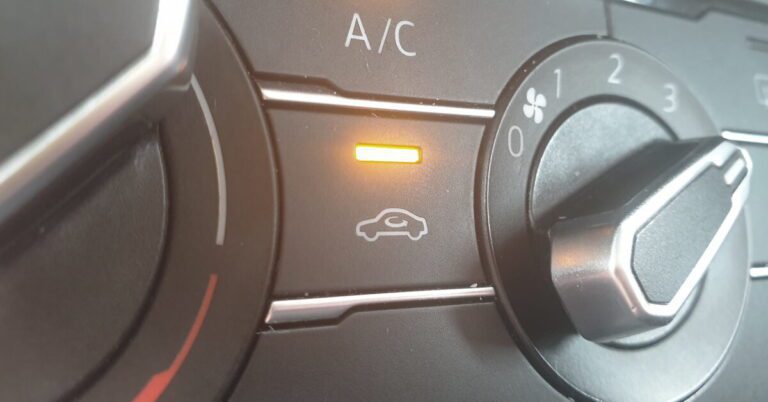
Your car’s air recirculation button is one of those features most drivers press without thinking too much about what it actually does. But when the system stops working properly, especially in hot weather or heavy traffic, the difference is immediately noticeable. The cabin takes longer to cool down, outside odors find their way in, and the AC compressor works harder than it should.
This guide covers what air recirculation actually does, why it stops working, how to fix the most common causes, and when you should and should not be using it in the first place.
What Car Air Recirculation Does and Why It Matters
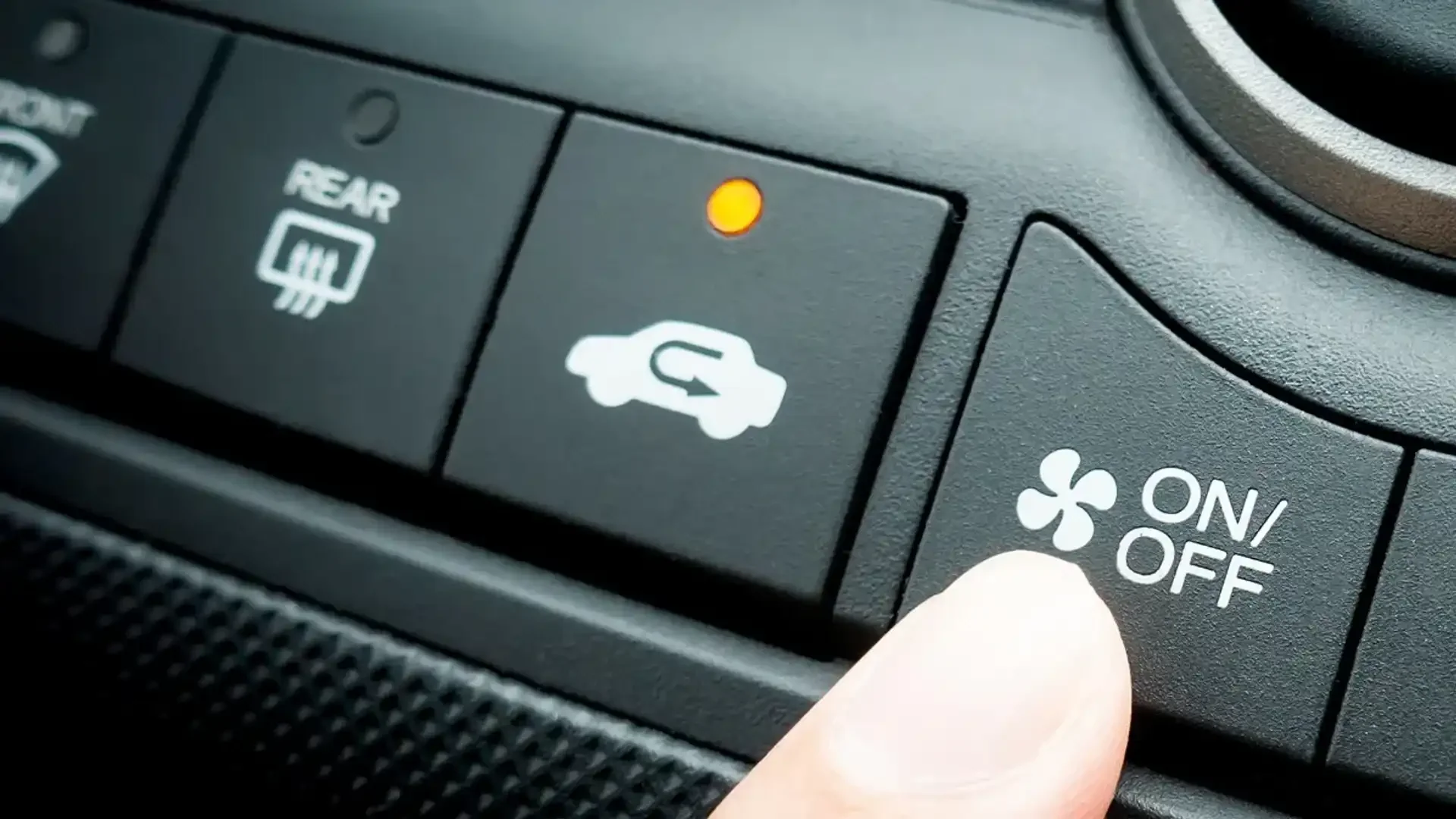
When you press the recirculation button on your climate control panel, it closes the fresh air intake damper and switches the system to draw air from inside the cabin rather than pulling in air from outside. The air already inside the car is then continuously circulated through the evaporator core, cooled, and pushed back into the cabin.
Here is why that matters. On a hot day, the air outside your car can be significantly warmer than the air inside the cabin once the AC has been running for a few minutes. By recirculating the already-cooled interior air rather than constantly fighting to cool down hot outside air, the AC system reaches your target temperature faster and maintains it with less effort. That translates directly into less strain on the compressor and better fuel economy.
Beyond cooling efficiency, air recirculation serves other useful purposes:
- It blocks exhaust fumes and pollutants from outside from entering the cabin, which is particularly useful when you are stuck in heavy traffic or following a diesel vehicle
- For drivers with hay fever or pollen allergies, recirculation mode keeps the pollen-laden outside air from continuously flowing through the cabin
- It helps prevent unpleasant smells from outside, such as those near industrial areas, farms, or construction zones, from entering the vehicle
That said, air recirculation is not always the right choice, and understanding when to use it and when to turn it off is just as important as knowing how to fix it when it fails.
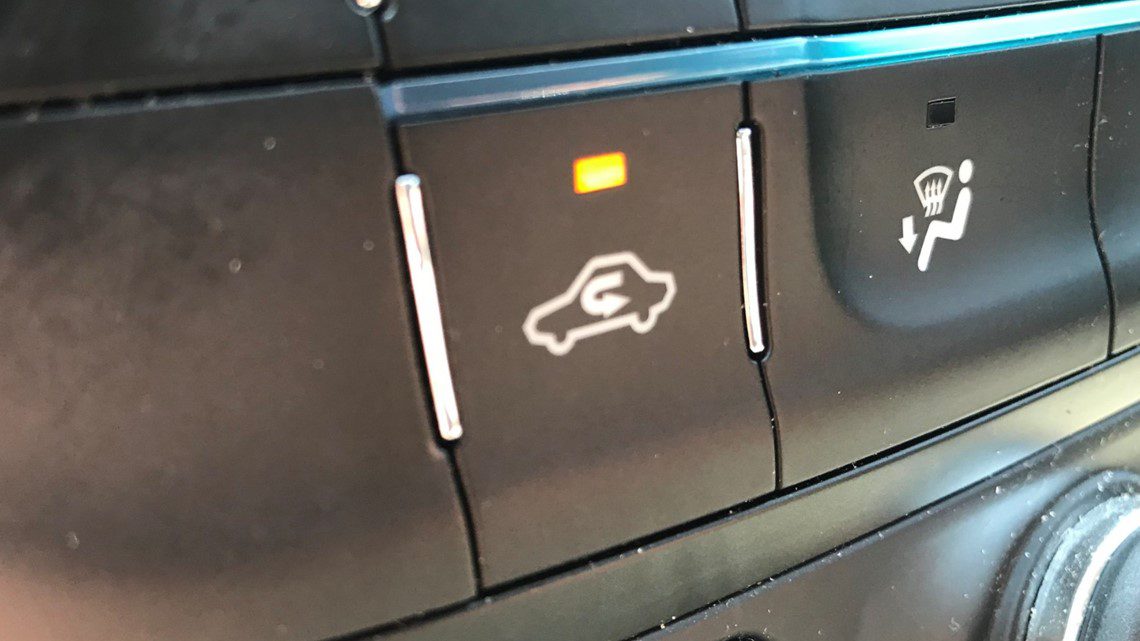
When to Use Air Recirculation and When to Turn It Off
Use It When
- The AC is on and you want to cool the cabin as quickly as possible in hot weather
- You are stuck in traffic and want to block exhaust fumes from entering the cabin
- You are driving through an area with strong external odors
- Pollen levels are high and you want to reduce allergen exposure inside the vehicle
Turn It Off When
- The car is carrying several passengers. In recirculation mode, carbon dioxide and humidity build up inside a sealed cabin. With a full load of passengers, this happens faster, leading to a stuffy, uncomfortable environment that can cause drowsiness
- You are driving in cold or rainy weather. Recirculating warm, humid air in cool conditions dramatically accelerates windshield fogging. Switching to fresh air mode helps clear fog faster and prevents it from reforming
- You notice the windows starting to fog up. Most modern vehicles automatically deactivate recirculation when the defroster is activated precisely for this reason
- The weather outside is mild and you do not need the AC. In comfortable conditions, bringing in fresh outside air improves air quality inside the cabin
Why Car Air Recirculation Stops Working: Causes and Fixes
1. A Blocked or Clogged Air Intake
The air recirculation system draws air from inside the cabin and passes it through the cabin air filter before it reaches the evaporator and blower. If the cabin air filter is clogged with dust, debris, leaves, or pet hair, the volume of air the system can move drops significantly. In severe cases, the filter restricts airflow so much that the recirculation system effectively stops working even though all the mechanical and electrical components are in good shape.
Signs of a clogged cabin air filter alongside failing recirculation:
- Weak airflow from all vents regardless of blower speed setting
- A musty or dusty smell coming from the vents when the fan is on
- Visible debris coming out of the vents when the fan starts
- The blower motor sounds like it is working harder than usual
Cabin air filters are typically located behind the glove box, under the dashboard on the passenger side, or under the hood near the windshield base depending on the vehicle. Most manufacturers recommend replacing the cabin air filter every 15,000 to 25,000 miles or once a year, whichever comes first. In dusty environments or cities with heavy air pollution, more frequent replacement is appropriate.
Replacement is a straightforward job on most vehicles. The filter slides out of its housing, the new one slides in, and the process takes about ten minutes. If the filter is only mildly dirty rather than completely clogged, carefully tapping it against a flat surface to dislodge loose debris and using compressed air to blow it out can extend its life, but replacement is always the more thorough solution.
Also check the air intake opening that feeds outside air into the system when recirculation is off, typically a grate or vent at the base of the windshield. Leaves, pine needles, and debris commonly accumulate there and can block the intake duct, reducing overall system airflow.
2. A Blown Fuse or Failed Relay
The electrical components of the air recirculation system, including the recirculation door actuator and the blower motor, are protected by fuses and controlled through relays. A blown fuse cuts power to the affected component entirely. A failed relay prevents the component from receiving the correct electrical signal to operate.
If the recirculation button lights up but pressing it produces no response from the recirculation door, or if the blower motor stops functioning entirely, a blown fuse or failed relay is worth checking before assuming a component has physically failed.
Locate the fuse associated with the HVAC system or blower motor using the fuse diagram in your owner’s manual. Pull the relevant fuse and inspect it. A blown fuse will show a visible break in the metal strip inside the transparent casing. Replace any blown fuse with one of the exact same amperage rating. If the fuse blows again shortly after replacement, a short circuit somewhere in the circuit is the underlying cause that needs to be identified and repaired.
Relays can be swapped with an identical relay from a nearby position in the fuse box as a quick test. If the system starts working with the swapped relay, the original relay has failed and needs replacement.
3. A Faulty Blower Motor
The blower motor is the fan that pushes conditioned air through the vents and into the cabin. Without a functioning blower motor, the air recirculation system has no way to move air regardless of whether the recirculation door is open or closed. A failing blower motor progressively reduces airflow until eventually there is none at all.
Common symptoms of a failing blower motor:
- Airflow from the vents is noticeably weaker than it used to be at all fan speeds
- The blower only works at certain speeds but not others, which often indicates a failing blower motor resistor rather than the motor itself
- Strange noises from behind the dashboard including squealing, rattling, or grinding when the fan is running
- A hot or burning smell from the vents, which suggests the motor is overheating
- The circuit breaker trips repeatedly when the blower is on
Blower motor failure can result from age and wear, moisture damage to the motor windings, debris getting into the motor housing and damaging the bearings or fan blades, or overheating caused by restricted airflow from a clogged filter running the motor at high resistance for extended periods.
Before replacing the blower motor, check the blower motor resistor, which is a separate component that controls the motor speed at different fan settings. A failed resistor commonly causes the blower to work only at the highest speed setting. This is a much cheaper repair than a full motor replacement and should be verified first.
Blower motor replacement involves accessing the motor housing under the dashboard on the passenger side in most vehicles, disconnecting the electrical connector, and unbolting the motor from its housing. On some vehicles this is a relatively accessible job. On others, significant dashboard disassembly is required. If the motor is in a difficult location on your specific vehicle, professional installation is the more practical path.
4. A Failed Recirculation Door Actuator
The recirculation door is a flap inside the HVAC housing that opens and closes to switch between recirculated cabin air and fresh outside air. This door is moved by a small electric motor called an actuator or blend door actuator. When the actuator fails, the door cannot move, and the system is stuck in whichever position the door was in when the actuator died.
If the door is stuck in the fresh air position, recirculation will not activate even when you press the button. If it is stuck in the recirculation position, you cannot bring in fresh air from outside regardless of the button state.
A clicking or tapping sound from behind the dashboard when you press the recirculation button is a classic symptom of a failing actuator that is trying to move but cannot reach its intended position. The actuator may also strip its plastic gears, which produces a similar clicking sound and leaves the door unable to move at all.
Actuator replacement is a job that varies considerably in difficulty depending on where the recirculation actuator is located in your specific vehicle’s HVAC housing. Some are accessible with minimal disassembly. Others require significant dashboard work to reach. A professional diagnosis with the right scan tool can confirm which actuator has failed and whether the door itself is intact before any disassembly begins.
5. Leaking or Damaged Hoses and Ducting
The air conditioning system uses various hoses and ducts to circulate refrigerant and conditioned air through the vehicle. If any of these develop cracks, leaks, or disconnections, the efficiency of the entire climate control system degrades. Air that should be directed through the vents escapes elsewhere, and the recirculation system cannot maintain the airflow needed to cool the cabin effectively.
On the refrigerant side, a leak in an AC hose causes the system to lose refrigerant over time. As refrigerant drops below the correct level, the evaporator cannot absorb heat effectively, and the air coming through the vents progressively gets less cold. An AC system with low refrigerant due to a hose leak will appear to have poor performance across all modes, not just recirculation.
Signs of refrigerant leaks include:
- The air from the vents is cool but not cold, and this has gotten progressively worse over time
- Oily residue visible around AC hose connections or fittings
- The AC compressor cycles on and off rapidly, which happens when refrigerant pressure is too low
- A UV dye test performed by a technician reveals a leak point
Refrigerant work must be handled by a certified technician. Automotive refrigerants require specialized recovery and recharge equipment, and in most places, releasing refrigerant into the atmosphere is illegal. A shop will recover any remaining refrigerant, repair the leak, and recharge the system to the correct specification.
Repair Cost Overview for Air Recirculation System Issues
| Issue | DIY Cost | Professional Repair Cost |
|---|---|---|
| Cabin air filter replacement | $15 – $40 (parts only) | $50 – $100 with labor |
| Blown fuse replacement | $1 – $5 | $20 – $60 with labor |
| Relay replacement | $10 – $30 | $50 – $100 with labor |
| Blower motor resistor replacement | $20 – $60 (parts only) | $80 – $200 with labor |
| Blower motor replacement | $50 – $150 (parts only) | $200 – $600 with labor |
| Recirculation door actuator replacement | $20 – $80 (parts only) | $150 – $400 with labor |
| AC hose leak repair and recharge | Not recommended for DIY | $200 – $800 depending on leak location |
How to Diagnose Air Recirculation Problems Systematically
Before spending money on parts, narrow down the cause with these checks.
Check 1: Is There Any Airflow at All?
Turn the fan to its highest setting and check airflow from the vents. If there is no airflow at any speed, the blower motor or its fuse is the likely cause. If there is some airflow but it is very weak, a clogged cabin air filter or a failing blower motor is the more likely cause. If airflow is strong but the recirculation function itself is not switching modes, the recirculation door actuator is the suspect.
Check 2: Does the Blower Work at All Speeds?
Cycle through every fan speed setting. If the blower works at high speed but not at lower speeds, the blower motor resistor has likely failed. This is a cheaper and simpler repair than replacing the full motor. If the blower does not work at any speed, check the fuse first before assuming the motor has failed.
Check 3: Does Pressing the Recirculation Button Produce Any Response?
Listen for the sound of the recirculation door moving when you press the button. A healthy actuator produces a brief mechanical movement sound as the door flips position. A clicking or tapping that does not result in changed airflow characteristics points to a failing actuator. No sound at all suggests the actuator is not receiving power or has completely failed.
Check 4: Is the Air from the Vents Cold When the AC Is On?
With the AC on and the fan at a medium setting, hold your hand in front of a center vent. The air should be noticeably cold within a minute or two of the AC being active. If the air is cool but not cold, or if it progressively gets warmer over a longer drive, low refrigerant from a hose leak may be limiting the system’s ability to cool air regardless of recirculation mode.
Simple Maintenance Habits That Keep Your Air Recirculation System Running
- Replace the cabin air filter on schedule. This single maintenance item prevents the most common cause of reduced airflow and recirculation system performance. Check it annually or every 15,000 miles, and replace it sooner if you notice reduced airflow or musty odors from the vents.
- Keep the fresh air intake grate clear. The grate at the base of the windshield where outside air enters the HVAC system accumulates leaves and debris over time. Clear it out periodically, particularly in autumn when leaf fall is heavy.
- Do not ignore weak airflow for extended periods. Consistently running the blower with a severely restricted filter puts extra load on the motor. Addressing a clogged filter early prevents premature blower motor failure.
- Have the AC system checked if cooling performance has gradually declined. A slow refrigerant leak will not announce itself dramatically. It shows up as progressively weaker cooling over months. An annual AC check before summer ensures the system has the correct refrigerant charge and gives a technician the opportunity to spot developing leaks before they become significant.
- Use recirculation mode appropriately. Keeping recirculation permanently active in cold or damp weather accelerates windshield fogging and increases humidity inside the cabin. Using it intentionally, when cooling quickly or blocking outside odors, and switching back to fresh air mode when conditions allow, keeps the system working in the range it was designed for.
Most air recirculation problems trace back to either a clogged filter or an actuator issue, both of which are diagnosable without specialized tools and fixable at a reasonable cost. Start with the cheapest and most accessible check, the cabin air filter, before moving to the electrical components and the actuator. In a climate where your AC is working hard for most of the year, keeping the recirculation system in good shape is not optional maintenance. It is what keeps the AC efficient, keeps the cabin comfortable, and keeps the compressor from wearing out prematurely.