

If you are seeing the P0345 error code on your Ford F150, you are not alone. It can feel stressful because the check engine light usually shows up with noticeable drivability issues, and you start wondering whether you are looking at a cheap fix or something bigger.
The good news is that P0345 typically points to a very specific problem: a camshaft position sensor issue on Bank 2. When that sensor is not reading correctly, the engine control module cannot synchronize timing the way it expects, and that is when rough running, misfires, and poor performance often follow.
In many cases, the cause is a defective sensor or faulty wiring. Sometimes it can be tied to timing components or related systems, which is why a proper diagnostic approach matters. Below, I will walk you through what P0345 means, the common symptoms on an F150, the primary causes, and the right way to troubleshoot and repair the issue.
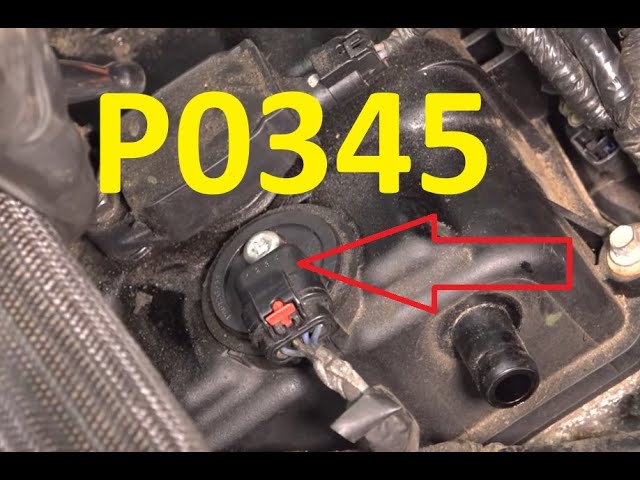
P0345 on your Ford F150: what it actually means
The P0345 code on a Ford F150
Your engine needs accurate timing data to manage fuel injection and ignition. The camshaft position sensor helps the ECU figure out where the camshaft is in relation to the crankshaft. If that input becomes unreliable, combustion does not happen at the right moment, which can cause misfires and unstable idle.
So while the code sounds technical, the core idea is simple. The engine is missing correct timing information, and the ECU compensates as best it can. Sometimes it manages to limp along. Other times it runs poorly right away.
Before you start swapping parts, it helps to understand what Bank 2 refers to on many V8 engines and how it relates to which cam sensor is involved. Bank 2 is the side of the engine that is not number one bank. In real troubleshooting, this matters because you want to make sure you are testing the correct sensor and correct wiring harness.
Recognizing the symptoms of P0345 in your F150
Most drivers do not discover P0345 by reading codes for fun. The code typically shows up with drivability problems that make you aware something is wrong. The most common symptoms described for P0345 include erratic idle, engine misfires, and an illuminated check engine light.
Unsteady idle and reduced performance
A rough idle is one of the most noticeable signs. When the camshaft position sensor is malfunctioning, it can interfere with engine timing, which leads to irregular idling and sometimes vibrations. You might also notice sluggish acceleration, which makes normal driving feel harder than it should.
Here is the owner-friendly translation. When the ECU does not get accurate timing data, it cannot manage combustion consistently. That can show up as an idle that feels like it is “hunting,” jerking, or not running smoothly while stopped.
Sometimes the symptoms vary depending on engine temperature and driving conditions. You might experience worse behavior during cold start, or you might notice it more during steady throttle changes. That variability is one reason these codes can feel confusing, but it still points back to timing signal reliability.
Engine misfires and unstable operation
Another major symptom is misfiring. If the camshaft position sensor is not working correctly, it can disrupt ignition timing. That means the air-fuel mixture can be ignited at the wrong time, causing the engine to jerk or hesitate unexpectedly.
The warning here is important. Prolonged neglect of misfires can lead to more serious engine damage. It can also reduce fuel efficiency because the engine is not operating efficiently when combustion is inconsistent.
If you have ever driven a vehicle that was misfiring, you know the feeling. It can feel like the engine skips and then catches again. It can also create strong vibration, and it sometimes becomes worse when you load the engine, like climbing a hill or accelerating after a stop.
Check engine light as an early warning
On an F150, the check engine light is your early notification system for engine-related problems. In the case of P0345, the light appears due to an error connected to the camshaft position sensor operation. Even if your vehicle feels “fine” at first, an illuminated check engine light should still trigger follow-up diagnostics.
Do not rely on “maybe it will go away.” Engine codes store information that the ECU detected. Clearing a code without fixing the root issue usually brings the same issue back. That is why a repair plan based on diagnostics is the smarter path.
Primary causes of the P0345 error code on Ford F150
There are several reasons your Ford F150 might display P0345. The most common possibilities include a defective camshaft position sensor, issues with timing components, electrical faults, or problems with the variable cam timing system, often referred to as VCT.
Here is the key to staying in control. P0345 is not always “just the sensor,” but the sensor is often the first suspect. Your job is to confirm which area is failing before you spend money unnecessarily.
1) Defective camshaft position sensor
The camshaft position sensor is responsible for detecting camshaft movement and sending signals to the engine control unit. When the sensor malfunctions, timing information becomes compromised. That leads to symptoms like difficulty starting and inconsistent performance.
In many cases, replacing the sensor is the most effective solution. That said, you should not ignore the condition of the sensor connectors. Loose or corroded connections can create similar issues because the signal cannot travel correctly.
If you have experience with older engine sensors, you already know the pattern. A sensor can fail internally. It can also fail due to wiring damage or connection problems. That is why “sensor replacement” often works best when it is paired with a quick wiring inspection.
2) Timing chain or belt malfunction
Timing components also matter. Issues with the timing chain or belt can trigger P0345. A stretched or broken chain interferes with proper engine timing, and that can affect how the engine runs overall.
The original guidance also points out a practical clue. If you hear strange noises from the engine, it could indicate a timing component issue. If timing is off, your engine is not operating within correct synchronization, and that can lead to more extensive engine damage if ignored.
For many drivers, timing noise is not subtle. It might sound like rattling, ticking, or a noticeable change in the engine sound. If the code appears along with that kind of noise, you should treat it as a higher-risk scenario and investigate quickly.
3) Electrical faults and wiring problems
Electrical problems are one of the most underestimated causes of camshaft-related codes. Faulty wiring can create signal dropouts, intermittent errors, or unstable readings. The result can look exactly like a “bad sensor,” even when the sensor itself is fine.
This is why the original description highlights faulty wiring as a potential cause. A damaged harness, corroded connector pins, or a loose connection can all disrupt the sensor signal. If you replace a sensor without checking wiring, you might still end up with the same code returning.
If your F150 has seen rough conditions, like heavy vibration, heat exposure, or engine compartment work before, wiring damage becomes more likely. Even a small pinch point in the harness can cause problems over time.
4) Variable cam timing (VCT) malfunction
Some Ford F150 issues are related to VCT, the system that helps optimize cam timing for efficiency and power. If the variable cam timing system is not functioning properly, it can cause timing signal mismatches. That mismatch can show up as P0345, because the ECU detects that camshaft timing does not behave as expected.
That is not to say you should immediately assume VCT is the culprit. The smart approach is to treat VCT as one of the possible causes you verify through diagnostics, especially if the sensor and wiring checks do not fully explain the code.
How to troubleshoot P0345 step by step (without guessing)
Fixing the P0345 code requires a systematic approach. The core idea is the same across most vehicles. You check the camshaft position sensor, inspect the wiring and connectors, look for issues in the timing system, and confirm electrical and related components are functioning properly.
If you rush, you risk wasting money and you may still have poor performance. If you follow a plan, you can restore performance and reduce the chance that the code returns.
Step 1: confirm the code and look for related information
Start with a proper scan tool. Your goal is to confirm that you truly have the P0345 camshaft position sensor Bank 2 code. Then check whether there are additional codes related to ignition timing, camshaft signals, or VCT behavior.
Also check freeze-frame data if your scan tool supports it. That data can show you engine rpm and conditions when the code stored. For example, a code triggered during cold start can point toward a sensor signal issue that appears when components are at a certain temperature.
If you only have P0345 and the truck runs very rough, you already have enough to start focused diagnostics. But it is still smart to confirm whether there are other clues stored in the ECU.
Step 2: inspect sensor connectors and wiring first
Before you replace anything, inspect the sensor connectors. Look for corrosion, loose connections, oil contamination, or broken insulation on wires. Even if the sensor is the most likely failure, wiring issues can create the same symptoms.
The original guidance explains that inspecting connectors is important because loose or corroded connections can cause similar issues. So treat this step like a filter. It is quick and it can save you from unnecessary replacement parts.
If the connector looks clean and tight, you can move forward. If the connector looks damaged, you should address the electrical issue before you assume the sensor is faulty.
Step 3: test or verify the camshaft position sensor condition
The camshaft position sensor is the part designed to send cam movement signals to the ECU. If it is defective, timing information is unreliable. In that scenario, replacing the sensor is often the most effective solution.
If you have the tools and experience, you can verify sensor behavior through testing. If you do not, the simplest ownership-friendly path is replacing the sensor after you complete connector and wiring inspection, since that is specifically called out as an effective fix in the original guidance.
Either way, make sure you confirm correct sensor location and part type for your exact engine. A “Bank 2” sensor needs to match the bank correctly. Swapping the wrong sensor can waste time and leave you with the same symptoms.
Step 4: inspect timing components if the sensor and wiring checks do not add up
Timing chain or belt issues can trigger P0345. If the code remains after sensor replacement, that is your clue to inspect the timing system further. A stretched or broken timing chain can interfere with correct engine timing, affecting performance and triggering sensor mismatch behavior.
The original guidance also recommends listening for strange engine noises. If you hear odd sounds that could indicate timing wear, you should address timing early. Timing failures can become major engine damage problems if you keep driving.
Even if you do not hear obvious noise, timing wear can still exist. That is why you treat persistent P0345 as something to re-diagnose rather than repeatedly clearing the code.
Step 5: consider the VCT system
Variable cam timing systems can contribute to timing mismatches. If you have verified the sensor and wiring but the code persists, consider that the VCT system may not be operating correctly. VCT issues can cause cam timing to deviate from what the ECU expects.
At this point, many owners choose a mechanic for deeper testing because VCT diagnosis can require careful evaluation. Still, you can use the original guidance logic: the ECU expects a relationship between cam timing signals and the VCT system behavior. If that relationship is wrong, you have to find out why.
Fixing the P0345 code in your Ford F150: what the repair usually includes
Resolving the P0345 code requires a structured repair plan. You will often need to check and possibly replace the camshaft position sensor, inspect the timing system, and ensure all related electrical components are in good condition.
Here is the part that matters most. The right repair depends on what you find during troubleshooting. But the original guidance specifically identifies sensor replacement as a key solution in many situations, especially when the camshaft position sensor is defective or when wiring issues are not the root cause.
Replacing a faulty camshaft position sensor: the core process
If you confirm the camshaft position sensor is faulty, replacing it is often the most effective solution. Before you touch any electrical components, the original guidance recommends disconnecting the battery. That helps you avoid electrical hazards during repair work.
From there, locate the sensor. It is usually positioned near the timing chain cover. Once you find it, you can carefully remove it. Installing the new sensor involves securing it with bolts and reconnecting all wiring properly so you restore optimal signal functionality.
In other words, do not treat the connector as optional. A loose connection can bring the code back. A wiring harness that is not seated correctly can also create intermittent sensor failures.
Owner-friendly tips during sensor replacement
Sensor replacement can be straightforward, but small mistakes can create bigger problems. Keep these simple habits while you work.
- Disconnect the battery first: The original guidance is clear about electrical safety. Use that step every time.
- Handle the connector carefully: Do not force it. If it does not connect easily, something is misaligned.
- Inspect the old sensor before removal: Check for oil contamination or visible damage. It can hint at the root cause.
- Use the correct sensor type for Bank 2: Match the part to your engine and bank location.
- Secure the sensor with bolts: Do not leave it loose. Vibration can cause intermittent signals.
- Reconnect wiring properly: Confirm no pinched wires and no partially seated connector.
- After installation, clear codes and retest: The goal is to confirm the fix, not just erase the light.
These tips keep your repair closer to the intent of the original guidance. The ECU needs a reliable camshaft position signal, and your installation must restore that signal path.
After repair: how to confirm P0345 is truly fixed
Clearing the code is not the same as fixing the code. Once you replace the sensor or address wiring, you must verify the truck runs correctly and that the code does not return.
A simple confirmation plan often looks like this. Start the engine, let it idle, and listen for stable operation. Then drive gently and watch for misfires, hesitation, or any unusual check engine light behavior.
When the repair is successful, your idle should smooth out, the check engine light should stay off, and acceleration should feel normal again. If the code returns quickly, you likely still have wiring, connector, timing, or VCT related issues.
What to watch for during a road test
Use your senses, but also be practical. P0345 is often tied to timing signal reliability. That means symptoms may show up at specific load conditions or specific RPM bands.
- Idle stability: Does the engine idle smoothly after warm-up?
- Misfire behavior: Does the engine stumble during acceleration?
- Hesitation under load: Does it hesitate when you merge or climb hills?
- Check engine light: Does the light return during the test drive?
- Power feel: Does acceleration feel sluggish compared to before the repair?
If any symptom returns, re-scan and re-diagnose. At that stage, it is smart to focus on timing chain issues, wiring, and VCT system behavior, because the original guidance lists those as possible root causes.
Should you keep driving with P0345?
You can sometimes drive a vehicle with a check engine light on, but the question is whether it is safe and whether it is causing damage. With P0345, the symptoms described include misfires and unstable operation. Misfires can lead to engine stress, and poor running can cause you to lose confidence while driving.
Here is a practical rule: if the engine misfires strongly, runs very rough, or shakes significantly, do not keep driving as if everything is normal. Plan to get the truck inspected quickly. If the timing system is involved, the risk can escalate.
Even if you can drive, you should avoid heavy loads and long trips until the underlying issue is resolved. A quick repair now can prevent a bigger repair later, especially when timing and electrical signal problems are involved.
Preventing future P0345 errors: the maintenance habits that actually help
The best way to avoid repeat P0345 problems is staying proactive with maintenance. Routine maintenance of your Ford F150 can help you avoid recurrence. The original guidance specifically points to regular inspections of timing components, sensors, and electrical connections as key preventive measures.
This is one of those situations where “keeping up” is not just about convenience. It directly reduces risk because a failing sensor, damaged connector, or timing component problem can develop gradually. When you catch it early, you fix a manageable issue instead of chasing major drivability damage later.
What to inspect regularly on your F150
- Camshaft position sensor area: Look for oil seepage, connector wear, and secure seating of wiring.
- Wiring and connectors: Check for corrosion, looseness, and insulation damage.
- Timing system signs: Pay attention to unusual engine noises and changes in engine behavior.
- VCT related conditions: If the engine shows timing-related symptoms, investigate VCT components as part of the diagnostic flow.
- General maintenance: Keep routine services on schedule so the engine runs within normal temperature and operating conditions.
That is the prevention strategy. It keeps the sensor signal stable and it keeps the engine timing system operating as it should. In the long run, it reduces the odds of costly repairs.
Real-world examples: how P0345 shows up for drivers
Sometimes the best way to understand a code is to picture how it might show up in your driveway. Here are a few realistic scenarios based on the symptoms and causes described.
Example 1: rough idle that gets worse after warm-up
Imagine you start your F150 and it idles a little rough. After a few minutes, the check engine light comes on and the idle becomes more erratic. When you try to accelerate smoothly, the truck feels hesitant and you notice occasional misfires.
That pattern matches the symptom description for P0345, where a malfunctioning camshaft position sensor interferes with timing and combustion. The first likely suspect is a defective sensor, but wiring and connector condition are also worth checking because electrical faults can create similar behavior.
Example 2: misfires under load and power feels sluggish
Another driver might not notice much at idle. But after driving for a while, the engine misfires when you merge or climb hills. The truck might jerk, hesitate, and feel unstable.
That is consistent with a camshaft position sensor signal issue. The ECU depends on cam timing data for proper ignition and fuel control, and disrupted signals can lead to unstable operation. If the issue persists after a sensor replacement, that is when timing chain or VCT-related issues become more likely based on the listed causes.
Example 3: sensor replacement, then the code returns
Now picture the frustrating scenario. A new camshaft position sensor is installed, and the code clears. For a short time, the engine feels better. Then the check engine light returns and P0345 comes back.
When that happens, it usually indicates the root cause was not fully resolved. Wiring, connector fitment, sensor part match, timing component stretch, or related VCT issues can still be part of the problem. That is why a systematic repair and verification process is so important.
Cost and risk: why diagnostics are worth it
It is tempting to jump straight to replacing the camshaft position sensor because it is a common solution. That approach is often effective when the sensor is truly defective. But it can become expensive if the real cause is wiring, a timing chain issue, or VCT-related problems that were not checked.
The original guidance emphasizes a systematic approach that includes inspecting the timing system and electrical components. That is not just academic. It is about avoiding repeat work and avoiding deeper engine damage from timing issues.
As a vehicle owner, the best way to protect yourself is to confirm what failed instead of only assuming. When you match the repair to the actual cause, the code typically stops returning, and your F150 performance becomes predictable again.
Frequently asked questions about Ford F150 P0345
What does P0345 tell me about my engine?
P0345 typically indicates a problem with the camshaft position sensor on Bank 2. That is why the check engine light turns on. The ECU relies on cam timing signal accuracy, and when it is wrong, the engine can idle rough and misfire.
Is it always the camshaft sensor?
Not necessarily. The underlying cause can range from a defective sensor to faulty wiring. It can also involve timing components or VCT system malfunction. That is why connector inspection and systematic troubleshooting matter.
Why do I get engine misfires with P0345?
The sensor helps the ECU manage timing for proper combustion. If camshaft position data is disrupted, ignition and fuel control can become inconsistent, which can cause misfires and unstable operation. The original guidance directly links camshaft sensor malfunction to disrupted ignition of the fuel-air mixture.
Can I replace the sensor myself?
If you have experience with automotive electrical and basic engine work, sensor replacement can be done. The original guidance includes a safe step: disconnect the battery first, locate the sensor near the timing chain cover, remove it, install the new sensor with bolts, and reconnect wiring properly. If you do not have that comfort level, a qualified mechanic should handle it.
How do I prevent P0345 from coming back?
Routine maintenance helps a lot. The original guidance recommends regular inspections of timing components, sensors, and electrical connections. By staying proactive, you keep timing signal paths stable and you reduce the odds of costly repairs later.
Your next move: decide based on diagnosis, not panic
Here is the most practical question: Have you confirmed whether P0345 is being triggered by the camshaft position sensor itself, or by faulty wiring, timing components, or VCT behavior? If you have not, do that next. Start with connector and wiring inspection, then move to sensor verification or replacement, and only then dig deeper into timing and related systems if needed.
When you match the repair to the real cause, your F150 stops fighting you. If you want this problem solved for good, your best step is simple. Scan the code, inspect wiring and connectors, and then replace or repair based on what you find. What do you see first when you check the Bank 2 cam sensor connector on your F150: damage, corrosion, looseness, or everything looks clean?