
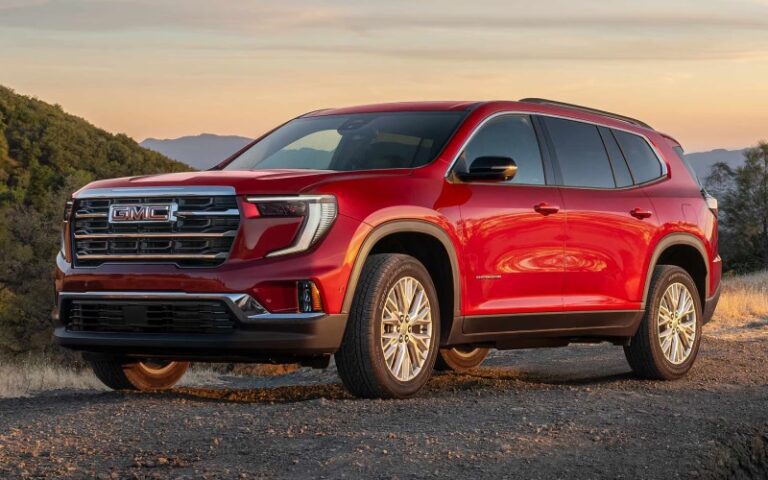
The GMC Acadia has earned a solid spot in a lot of driveways. It rides comfortably, hauls the family and the gear without complaint, and generally feels like a dependable choice for daily life. But if you have owned one long enough, or if you are shopping the used market right now, there is a good chance you have run into some chatter about transmission trouble.
Here is the honest truth. Not every Acadia has transmission problems, and plenty of owners drive theirs for well over a hundred thousand miles without a single complaint. But certain model years and certain transmission types have shown a pattern of issues clearly enough that it deserves a real conversation, not a quick dismissal.
In this guide, we are going to walk through exactly what these problems look like, which model years tend to be the most affected, what recalls and formal complaints exist, and what it actually costs to fix things if your Acadia starts acting up. By the end, you will know whether that shudder you felt on your last drive is something to worry about, or just a fluke.
What Transmission Trouble Actually Feels Like Behind The Wheel
Before diving into specific model years, let us talk about the symptoms themselves. Transmission problems rarely announce themselves with a single dramatic failure. More often, they creep in gradually, starting subtle and getting worse the longer you ignore them.
Overheating: The Silent Damage Multiplier
One of the more common complaints tied to GMC Acadia transmissions, particularly the 6-speed 6T75 used in earlier models, is overheating. Here is what is actually happening inside your transmission when this occurs. As gears, clutches, and other moving parts do their job, they naturally generate friction and heat. Under normal circumstances, transmission fluid absorbs that heat and carries it away to be dissipated through the cooling system.
When something disrupts that process, whether it is old fluid that has lost its heat-resistant properties or fluid levels that have dropped too low, heat starts building up faster than it can escape. This is genuinely one of the more damaging things that can happen to a transmission, since excessive heat breaks down fluid even further, creating a snowball effect where the problem accelerates itself.
Keeping your fluid clean and topped off at the correct level is the single best defense against this. It sounds almost too simple to matter, but in the real world, a huge percentage of overheating complaints trace directly back to neglected fluid maintenance rather than some inherent design flaw.
Solenoid Problems: Small Parts, Big Headaches
Solenoids are small electromechanical valves that control fluid flow within your transmission, essentially telling the system when to shift and how much pressure to apply during that shift. When a solenoid starts failing, you will typically notice delayed engagement when shifting from Park into Drive, or gear changes that feel erratic and inconsistent rather than smooth.
The frustrating part about solenoid issues is that they often mimic more serious mechanical problems, which leads some owners to assume the worst when the actual fix might be far simpler and cheaper than a full transmission rebuild.
Fluid Leaks: The Problem You Can Actually See
Fluid leaks represent one of the more straightforward problems to diagnose, since you can often spot direct physical evidence. If you notice reddish fluid spots underneath your Acadia, particularly after it has sat parked overnight, that is your transmission telling you something is wrong.
Leaks lead directly to slipping and slow shifting because the transmission simply does not have enough fluid to maintain proper hydraulic pressure. Common sources of leaks include:
- A damaged or worn transmission gasket
- Cracked or deteriorated seals
- Loose or corroded fluid line connections
If you catch a leak early, repairing it is often relatively inexpensive. Let it go unnoticed for months, and you risk running your transmission with dangerously low fluid, which accelerates wear on nearly every internal component.
It is also worth mentioning that fluid does not last forever even without a leak. Over time and mileage, transmission fluid naturally degrades and becomes contaminated with tiny metal particles from normal wear. If your fluid has simply aged past its useful life, a full transmission flush or fluid change restores proper function without needing any actual repair work.
Torque Converter Shudder: The Shake You Cannot Ignore
Here is a symptom that catches a lot of Acadia owners off guard the first time they experience it. You are driving uphill, or the transmission shifts into overdrive, and suddenly the entire vehicle starts shaking or trembling in a way that feels distinctly different from normal engine vibration.
This shudder typically points to a torque converter issue. The torque converter is responsible for transferring power from your engine to the transmission, and it relies heavily on properly maintained fluid to function smoothly. When fluid condition or level falls short of what the converter needs, that shudder is often the direct result.
The good news is that torque converter shudder is frequently linked to fluid problems rather than a failing converter itself, meaning a fluid change sometimes resolves the issue entirely. That said, if the shudder persists after a fresh fluid change, the torque converter itself may need professional attention.
Clutch Problems: When Gears Refuse To Cooperate
Internal clutch components, the pieces responsible for actually engaging and disengaging different gears, can also wear down over time and mileage. When this happens, your Acadia may struggle to shift gears properly, sometimes hesitating noticeably or failing to engage a gear at all.
Regular maintenance of clutch components, along with the rest of your transmission system, goes a long way toward keeping shifts smooth and reliable throughout your ownership experience.
Which Model Years Have The Most Documented Problems?
This is probably the most important section for anyone currently shopping for a used Acadia or trying to understand why their specific model year seems to have more complaints online than others. Let us break this down generation by generation.
First Generation: 2014 to 2018 Models
The first generation of the modern GMC Acadia, spanning model years 2014 through 2018, used the 6T70 and 6T75 transmissions. Unfortunately, these transmissions became fairly well known for shifting difficulties that showed up consistently enough to generate real owner frustration.
Here is what owners commonly reported during this era:
- Complete transmission failures that required full rebuilds, sometimes covered under warranty and sometimes not
- Improper or rough gear changes that made everyday driving feel unpredictable
- Weak acceleration that seemed disconnected from how hard the driver pressed the gas pedal
The 2016 model year in particular gets mentioned frequently in owner complaints and documented reports, including detailed accounts of jerking, improper shifting, and weak acceleration that affected the overall driving experience significantly enough to warrant attention from GMC directly.
These transmission issues did not just affect comfort and drivability either. Owners reported that the problems could impact towing capacity and overall power output, which matters quite a bit if you bought your Acadia specifically because you needed a capable family hauler that could also handle a trailer on weekends.
If you are looking at a used first-generation Acadia right now, this history does not automatically mean you should walk away. Plenty of these vehicles received warranty repairs or rebuilds that fully resolved the issue. But it does mean you should ask pointed questions about transmission history before buying, and strongly consider having an independent mechanic inspect the transmission specifically before signing any paperwork.
Second Generation: 2019 to 2022 Models
When GMC redesigned the Acadia for the 2019 model year, they also swapped in new 9-speed transmissions, specifically the 9T50 and 9T65 units. This change was a deliberate attempt to improve both performance and fuel economy compared to the outgoing 6-speed units, and General Motors clearly hoped it would also put the earlier reliability concerns to rest.
To be fair, these newer transmissions generally represent an improvement over their predecessors. But “improvement” does not mean “problem free.” Even the 2022 GMC Acadia, sitting near the end of this generation’s production run, can still occasionally show some transmission concerns, largely due to the inherent complexity of a 9-speed design combined with the occasional need for software updates to keep everything running smoothly.
If you own or are considering a second-generation Acadia, keep an eye out for:
- Improper or hesitant gear changes, even if they seem minor at first
- Rough shifts that feel noticeably different from how the vehicle drove when new
- Any unusual noises during acceleration or gear changes that were not present before
The takeaway here is straightforward. The second generation represents a real step forward, but it is not a guarantee of a completely trouble-free ownership experience. Staying alert to early symptoms and addressing them promptly with a qualified professional remains just as important as it was with the earlier models.
Quick Comparison: Generation One Versus Generation Two
| Feature | 2014-2018 (First Generation) | 2019-2022 (Second Generation) |
|---|---|---|
| Transmission Type | 6-speed (6T70, 6T75) | 9-speed (9T50, 9T65) |
| Common Complaints | Rough shifting, weak acceleration, full failures | Occasional rough shifts, software-related quirks |
| Overall Severity | More frequent, more severe reports | Improved, but not entirely problem free |
| Notable Model Year | 2016 | 2022 |
Recalls And What Other Owners Are Actually Saying
Beyond individual symptoms and model year patterns, it helps to look at official recall data and aggregated customer complaints. This gives you a broader, more objective picture rather than relying solely on scattered forum posts and secondhand stories.
Where To Check For Real Complaint Data
CarComplaints.com is a widely used online resource that compiles complaint data and defect patterns across countless vehicle makes and models. The site provides graphs and detailed breakdowns that let you browse specific vehicle components and see exactly what problems other owners have reported for their 2021 GMC Acadia or any other model year you are curious about.
This kind of aggregated data is genuinely useful because it removes some of the guesswork and anecdote-driven noise you get from scattered forum threads. Instead, you get a clearer sense of just how widespread a particular issue actually is across the ownership base.
A Notable Recall Worth Knowing About
One recall that specifically affected the 2023 GMC Acadia involved an incorrectly manufactured transmission sun gear. This is exactly the kind of manufacturing defect that can seriously impact your vehicle’s performance and, in more severe cases, create genuine safety concerns if left unaddressed.
If you own a GMC Acadia, or you are considering buying one, checking for open recalls takes only a few minutes and could save you from a serious headache down the road. Visit the National Highway Traffic Safety Administration website and search using your vehicle’s VIN. From there, you can also report a problem yourself if you notice something new, whether it involves your transmission, tires, car seats, or any other equipment on your vehicle.
Why Reporting Your Own Issues Actually Matters
Here is something worth considering if you have experienced transmission trouble with your Acadia. Filing a complaint with CarComplaints.com or reporting your issue directly to the NHTSA is not just venting frustration into the void. That data genuinely contributes to a growing database that helps other prospective buyers make informed decisions, and it also helps automakers identify pattern failures across their fleet.
Manufacturers pay attention to complaint volume. Enough reports about the same issue on the same model year can be exactly what pushes a company toward issuing a formal recall or extending warranty coverage. Social media platforms have also become an unofficial gathering place for owners comparing notes on shared problems, and joining relevant discussion groups can occasionally surface repair tips or warranty options you might not find through official channels alone.
Here is a helpful video walking through some of the real-world diagnostic steps for Acadia transmission concerns.

Keeping Your Acadia’s Transmission Healthy: A Practical Approach
Understanding the problems is only half the battle. Let us talk about what you can actually do, starting today, to protect your transmission and avoid becoming another entry in that complaint database.
Fluid Checks: Your First And Best Line Of Defense
Checking your transmission fluid periodically takes just a few minutes and tells you a lot about your transmission’s current health. Here is what to look for:
- Color: Fresh transmission fluid typically has a clear, reddish tint. If yours has turned brown or looks dark and murky, that is a clear sign it has degraded and needs replacing.
- Level: Fluid that sits noticeably below the recommended mark on the dipstick suggests either a leak somewhere in the system or fluid that has simply burned off due to excessive heat over time.
- Smell: Fluid with a burnt odor indicates it has been exposed to excessive heat and has likely lost much of its ability to properly lubricate and protect internal components.
Consult your owner’s manual for the specific recommended interval for changing transmission fluid on your particular Acadia model year, since this can vary somewhat between the 6-speed and 9-speed generations.
Regular Professional Inspections Catch What You Cannot See
While checking fluid yourself is a great habit, some problems simply are not visible or detectable without proper diagnostic equipment. Visiting a trusted mechanic for periodic inspection of your transmission and its related components gives you a much more thorough picture of what is actually happening inside the system.
A qualified technician can check your transmission control module for stored error codes, which often reveal irregular shifting issues or sensor problems well before they become noticeable through normal driving. Catching a TCM-related issue early through proper diagnostics genuinely saves both time and money compared to waiting until symptoms become severe enough that you cannot ignore them anymore.
When A Rebuild Becomes Necessary
In some cases, particularly with the documented issues affecting certain first-generation models like the 2016 Acadia, a full transmission rebuild becomes the only realistic path forward. If you find yourself in this situation, working with a reputable, experienced mechanic matters enormously.
Not every shop is equally qualified to properly diagnose whether a rebuild is genuinely necessary versus whether a simpler, cheaper fix might resolve your symptoms. Getting a second opinion before committing to a rebuild, especially given the significant cost involved, is a reasonable and smart step to take.
What Transmission Repairs Actually Cost For A GMC Acadia
Let us talk numbers, because this is often the part that matters most when you are trying to decide whether to repair, rebuild, or move on from your current vehicle entirely.
Transmission Costs By Generation
The specific transmission type installed in your Acadia significantly affects how much you can expect to pay for parts alone.
| Transmission Model | Used In | Approximate Parts Cost |
|---|---|---|
| 6T70 / 6T75 | 2014-2018 (First Generation) | Around $2,955 each |
| 9T50 | 2019-2022 (Second Generation) | Around $3,250 |
| 9T65 | 2019-2022 (Second Generation) | Around $3,300 |
These figures represent transmission unit costs alone, not including labor, which can add a significant amount depending on where you take your vehicle and how complex the specific repair turns out to be.
Rebuild Versus Full Replacement: Which Makes More Sense?
Deciding between a rebuild and an outright replacement really comes down to a few key factors specific to your situation:
- The age and overall mileage of your Acadia
- The extent and severity of the current transmission damage
- Your long-term plans for the vehicle, meaning whether you intend to keep driving it for many more years or eventually trade it in
A full transmission replacement for a GMC Acadia typically runs between four thousand and five thousand dollars or more, according to industry pricing resources like getjerry.com. A rebuild generally comes in somewhat cheaper than a full replacement, though it is worth understanding the tradeoffs involved.
Here is how to think through this decision practically:
| Option | Pros | Cons |
|---|---|---|
| New Transmission | Better long-term reliability, typically comes with a stronger warranty | Significantly more expensive upfront |
| Rebuild | More budget friendly, can address the specific failed components | May not catch or resolve every potential underlying issue |
If your Acadia is relatively young with low mileage and you plan to keep it for many more years, a new transmission might genuinely be the smarter long-term investment despite the higher upfront cost. If your vehicle is older with higher mileage and you are unsure how much longer you plan to keep it, a rebuild often makes more financial sense.
Real-World Repair Cost Ranges
Beyond full transmission replacement or rebuild costs, general repair expenses for smaller transmission issues vary quite a bit depending on the specific problem. Some GMC Acadia owners have reported repair costs falling in the one thousand to twenty-four hundred dollar range for more moderate issues, while others facing more severe problems have reported costs exceeding twenty-five hundred dollars.
The single biggest factor in keeping your costs on the lower end of these ranges is proactive maintenance. Regular fluid checks, prompt attention to early warning signs, and scheduled professional inspections all work together to catch small problems while they are still cheap to fix, rather than letting them snowball into expensive, major repairs.
A Practical Checklist Before Buying A Used GMC Acadia
If you are shopping the used market and considering an Acadia, here is a straightforward checklist to run through before committing to a purchase.
- Ask the seller directly about any transmission repairs, rebuilds, or replacements performed during their ownership
- Request maintenance records specifically showing transmission fluid change history
- Check the vehicle’s VIN against the NHTSA recall database for any open, unresolved recalls
- Have an independent mechanic, ideally one familiar with GM transmissions specifically, inspect the vehicle before finalizing your purchase
- Take the vehicle on a test drive that includes highway speeds, uphill driving, and several stop-and-go gear changes to feel for any hesitation or shudder
- If considering a first-generation model between 2014 and 2018, pay extra attention to shift quality and acceleration response given the documented history with these years
None of this guarantees a completely trouble-free vehicle, since no used car purchase ever comes with that kind of certainty. But going in informed, with a clear checklist and realistic expectations, dramatically reduces your chances of an unpleasant surprise a few months down the road.
Signs You Should Not Ignore, Ever
To wrap up the practical guidance here, let us consolidate the warning signs that genuinely deserve immediate attention rather than a “wait and see” approach.
| Warning Sign | What It Likely Means | Recommended Action |
|---|---|---|
| Shuddering while accelerating or shifting to overdrive | Torque converter issue, often fluid related | Check fluid condition and level immediately |
| Reddish fluid spots under the vehicle | Active fluid leak | Locate and repair the source promptly |
| Delayed or erratic gear engagement | Solenoid or TCM issue | Schedule a diagnostic scan |
| Burning smell from underneath the vehicle | Overheating transmission | Stop driving and check fluid condition immediately |
| Weak acceleration despite normal engine revs | Clutch wear or internal transmission damage | Professional inspection needed |
Any single item on this list, experienced once, might be a minor fluke. But repeated or persistent occurrences of any of these symptoms deserve prompt professional attention rather than hoping the problem resolves itself with time.
The Bottom Line For Current And Future Acadia Owners
Being aware of the potential transmission problems tied to your specific GMC Acadia model year genuinely matters, whether you already own one or you are shopping for your next family vehicle. Maintaining your transmission properly through regular fluid checks and prompt attention to early warning signs directly improves reliability and extends the overall lifespan of your vehicle.
Stay alert for the telltale signs we covered here, strange noises, unexpected slipping, or hesitation during shifts. Addressing these concerns quickly, rather than hoping they resolve on their own, genuinely protects you from far more expensive repairs down the road.
Whether you are driving a first-generation Acadia with its documented 6-speed transmission history, or a newer second-generation model with the improved 9-speed setup, the same basic principle applies. A little consistent attention now saves you a lot of money and frustration later. Check that fluid, listen to your vehicle, and do not wait until a small shudder turns into a five thousand dollar repair bill. Your Acadia, and your wallet, deserve that much attention.