
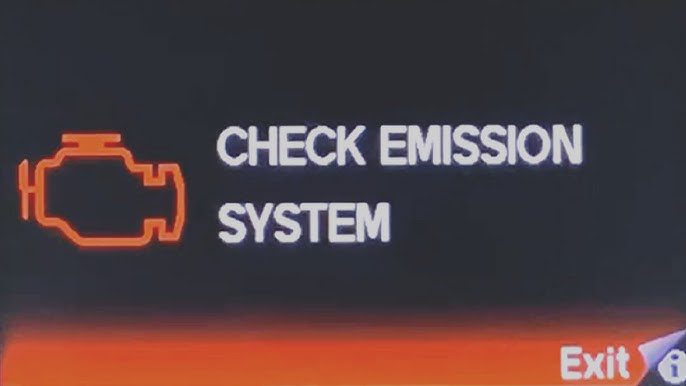
If your Honda Accord is throwing an emissions-related warning, it can feel like you are being punished for something you cannot even see. You might notice rough idle, weaker acceleration, worse fuel economy, or maybe it is only the check engine light that shows up. Either way, the emissions system is not just about passing a test. It is also about protecting engine performance and keeping your fuel burns clean.
Here is the thing that matters most. Emissions problems usually point to an issue inside the emissions control system. That means something is not reading correctly, not flowing correctly, or not filtering exhaust the way it should. When that happens, the car may run less efficiently and release more pollutants. The good news is that many common causes are identifiable, fixable, and sometimes preventable.
In this guide, you will learn the four most common causes of Honda Accord emissions system problems, the warning signs that go with each one, and the practical steps you can take to diagnose and repair the issue without throwing money at random parts.
Frequent Emission System Issues and the Warning Signs That Give Them Away
The fastest way to solve an emissions problem is to spot the pattern. Some issues show up as fuel economy changes. Others show up as misfires, smells, or power loss. A few only reveal themselves during an emissions test.
Below are four common root causes you will see on Honda Accords. For each one, you will learn what it does, what typically goes wrong, and what symptoms usually show up on the road.
1) Oxygen Sensor Malfunctions (O2 Sensors)
The oxygen sensor, often called the O2 sensor, monitors oxygen levels in the exhaust gases. The engine computer uses that information to fine-tune the air-fuel mixture. That is how your Accord stays efficient and keeps emissions under control.
When the oxygen sensor is faulty, the engine can no longer adjust the mixture accurately. The result is usually one or more of these:
- Poor fuel economy
- Higher emissions
- Reduced engine performance
- Rough running, hesitation, or stumbles in some cases
A common sign of oxygen sensor failure is the emissions warning light and sometimes the check engine light as well. You may also notice you are stopping for gas more often than usual.
In the real world, people often experience this after a long period without maintenance. A sensor can fail gradually. At first, performance feels “a little off.” Then the ECU gets less confidence in the readings. Once that happens, the car may start storing trouble codes and illuminate warnings.
If you want a solid next step, use an OBD-II scan tool and look for the relevant diagnostic trouble codes. Trouble codes tell you whether the car is seeing a sensor voltage problem, a slow response, or a signal that is out of expected range.
2) Catalytic Converter Failures (Clogging or Damage)
The catalytic converter is one of the key emissions control components. Its job is to reduce harmful pollutants before exhaust leaves the tailpipe. When the converter is damaged, overheated, or clogged, exhaust flow and conversion performance suffer.
What usually happens when the catalytic converter fails:
- The engine loses power or feels sluggish
- Fuel consumption increases because the engine is not operating as efficiently
- The check engine light illuminates
- Depending on the failure, you may smell sulfur or “rotten egg” odors
Another major consequence is that a failing catalytic converter can cause you to fail an emissions test. It can also lead to further exhaust system damage if the root cause is not addressed.
A practical way to think about this is simple. The catalytic converter is not the only component that can cause emissions issues. It is also the part that becomes a victim when other problems dump extra unburned fuel into the exhaust. For example, a failed oxygen sensor or misfire can damage a catalytic converter over time.
That is why diagnosis matters. Replacing a catalytic converter without fixing the underlying cause often leads to the new part failing again too soon.
3) EGR Valve Issues (Exhaust Gas Recirculation)
The EGR valve helps reduce nitrogen oxide (NOx) emissions by redirecting a portion of exhaust gases back into the combustion chamber. That lowers combustion temperatures and reduces NOx formation.
If the EGR valve fails, your Accord may behave in ways that feel like ignition or fuel issues. Common signs include:
- Rough idle
- Hesitation when accelerating
- Stalling in some situations
- Check engine light related to emissions control
In many cases, you will see a warning after the ECU detects that EGR performance does not match expectations. That detection might be based on sensor feedback, calculated airflow, or combustion behavior.
For diagnosis, an OBD-II scan tool helps confirm whether the problem is actually EGR-related. If you are only guessing, you can end up doing expensive work to the wrong components. Scanning can save both time and money.
4) EVAP System Problems (Vapor Control and Fuel Tank Emissions)
EVAP stands for Evaporative Emissions control. It prevents fuel vapors from escaping into the atmosphere. Those vapors would normally be vented through a system of valves, hoses, and charcoal canisters so they can be burned by the engine instead.
When EVAP components fail, your Accord can show emissions warnings and may struggle with emissions readiness monitors. In practical terms, EVAP issues often show up as:
- Check engine light that appears intermittently
- Hard fuel cap symptoms, or the warning persists even after tightening the cap
- Failed emissions readiness or emissions test problems
- Occasional rough running in certain EVAP failure scenarios
EVAP faults can be annoying because they can happen “in the background.” The car might feel fine most of the time. Then the warning returns, especially under certain driving or temperature conditions.
If you are trying to figure out the root cause, look for EVAP-related diagnostic trouble codes using an OBD-II scanner. Once the code points you to the correct EVAP component or circuit, the fix becomes much more straightforward.
Quick real-world example: a driver notices the emissions light keeps coming back after a day of driving. The car starts normally. The fuel economy is not terrible. After scanning, the fault points to EVAP purge or a venting issue. Cleaning or replacing the faulty EVAP component solves it. That is a very common storyline because EVAP failures do not always feel like “engine trouble.”
Steps for Diagnosing Emission System Problems (Without Guessing)
Diagnosing emissions system problems the right way usually goes like this: scan the codes, confirm the pattern, inspect likely components, and only then replace parts. That sequence saves money because it prevents the “replace-and-hope” approach that drains budgets quickly.
Here is how to get from “check engine light” to “I know what is wrong,” step by step.
Understanding Trouble Codes (DTCs) in Plain English
When your Honda Accord detects an emissions-related fault, it stores a diagnostic trouble code. Those codes point toward specific systems such as:
- Oxygen sensor performance or circuit problems
- Catalytic converter efficiency issues
- EGR valve command and feedback mismatch
- EVAP purge and venting system faults
An OBD-II scanner reads those codes so you can see what the ECU believes is wrong. Many drivers stop there and immediately buy parts, which is where mistakes happen.
Instead, use the codes as your roadmap. Then inspect or test components that match the code. When you follow that route, repairs become logical rather than random.
Do a Quick Visual Check That Often Finds the Real Problem
Before you spend on parts, look for obvious issues. This is not “superhero troubleshooting.” It is simply checking the areas that commonly cause emissions faults.
Focus on these real-world checks:
- Exhaust leaks near the oxygen sensors (leaks can skew readings)
- Loose or damaged wiring connected to O2 sensors, EGR, or EVAP valves
- Vacuum hoses that are cracked, detached, or brittle
- Fuel cap condition and proper seating (for EVAP warnings)
- Blocked passages around EGR or intake paths (often causes EGR performance problems)
If something looks broken or loose, you just saved yourself from blaming a component that is actually fine.
Use Freeze Frame Data When It Is Available
Some scanners show freeze frame data when the code was triggered. Freeze frame information can include engine temperature, vehicle speed, and operating conditions at the time the fault happened.
This matters because many emissions issues show up only under certain conditions. For example, an EVAP fault may trigger after a specific drive cycle. A catalytic converter efficiency issue might appear during sustained load.
When you match the code conditions to what you experience, you gain clarity instead of frustration.
Match Symptoms to the Most Likely Cause
If you are not sure what system is involved, use your symptoms as clues. This table is a quick way to organize the most common links between symptoms and causes.
| Symptom You Notice | Most Likely Emissions Cause | First Step to Take |
|---|---|---|
| Fuel economy drops, emissions warning appears | Oxygen sensor malfunction | Scan codes and verify O2 sensor-related faults |
| Sluggish power, check engine light, possible exhaust smell | Catalytic converter failure | Scan codes and check for upstream causes like misfires |
| Rough idle, hesitation, possible stalling | EGR valve issues | Scan codes and inspect EGR passages and vacuum supply |
| Intermittent warning, emissions test problems, fuel cap does not help | EVAP system fault | Scan for EVAP codes and check lines and valves |
Effective Solutions for Emissions Problems (What Actually Works)
Once you know the system that is failing, repairs become much more predictable. The most effective solutions share one trait: they address the actual failure point instead of reacting to the symptoms.
Below are solution paths that align with each of the four common causes.
Replacing Oxygen Sensors and Restoring Correct Fuel Balance
If the oxygen sensor is faulty, replacing it can restore the engine control unit’s ability to tune the air-fuel mixture correctly. When that balance returns, fuel economy often improves and emissions warnings typically fade.
Before replacement, confirm the diagnosis. A bad sensor code does not always guarantee the sensor is the failed component. Wiring problems can cause sensor errors. Exhaust leaks can also lead to incorrect sensor readings.
Once confirmed, sensor replacement is usually one of the cleaner and less invasive emissions repairs.
Catalytic Converter Fixes That Start With Root Causes
When a catalytic converter is damaged, the typical repair is replacement. A clogged or damaged converter does not “heal” reliably. However, replacing it without fixing the cause behind the damage is where many owners get burned.
If your converter fails, investigate the upstream cause. Common triggers include oxygen sensor failure, ignition problems, vacuum leaks, and persistent fuel enrichment. If the engine continues to run rich or misfire, the replacement converter can be damaged again.
That is why a good shop or a careful DIY diagnostic uses scanning and inspection as a system, not as a single part replacement job.
EGR Valve Repairs: Cleaning, Testing, or Replacement
EGR valve problems often come from carbon buildup. Even when the valve is technically not “broken,” heavy deposits can prevent it from moving properly or from flowing enough exhaust gas.
A practical repair approach is:
- Scan and confirm EGR-related codes
- Inspect vacuum and wiring connections if applicable
- Inspect EGR passages for carbon buildup
- Clean the throttle or intake paths if buildup may restrict airflow
- Replace the EGR valve if testing confirms it is not functioning
If the EGR valve is malfunctioning, your Accord may idle rough, hesitate, or stall. Addressing the EGR system usually restores smoother combustion control and improves emissions behavior.
Preventive Maintenance for a Healthier Emissions System
Emissions system problems often become expensive when drivers wait too long. Preventive maintenance is not about obsessing over your engine. It is about catching small issues before they become major failures that damage the exhaust system and cost more.
Here are the habits that make the most difference for Honda Accord owners.
Routine Inspections and Care That Keep Emissions Clean
When people hear “emissions maintenance,” they often think they need special tools. You usually do not. You need consistency and attention to warning signs.
Consider routine checks for these emissions-related components:
- Oxygen sensors during scheduled maintenance or when codes appear
- Catalytic converter health if you notice power loss, smells, or repeated emission warnings
- EGR valve condition and carbon buildup (especially if you drive short trips often)
- EVAP components when you have intermittent warnings or readiness monitor issues
Also, replace air and fuel filters as needed. Clean air and clean fuel help the engine burn properly. When combustion is correct, the emissions system does less work to compensate for mistakes the engine is making.
One more underrated step: pay attention to how your car drives. If you feel a change, do not just ignore it until the next emissions test. Early action prevents the small problem from damaging the expensive parts.
Here is a simple hypothetical. A driver keeps driving with an oxygen sensor warning. The car still moves, so the driver keeps commuting for weeks. That continued misreading can cause the mixture to be off. Over time, the catalytic converter starts getting overloaded. When the catalytic converter finally fails, the repair is much more expensive than fixing the oxygen sensor early.
That scenario plays out constantly. It is why proactive emissions maintenance is not just “good practice.” It is practical money management.
What to Do If You Want This Fixed Fast
If you want a fast path to a fix, follow this order. It keeps you from wasting time.
- Scan the codes with an OBD-II tool and write them down.
- Inspect likely related components like wiring, vacuum lines, exhaust leaks, and fuel cap condition.
- Fix the root cause first so you do not damage the next part you install.
- Clear codes and monitor whether the warnings return after the appropriate drive cycle.
That is how you turn a stressful dashboard light into a clear plan.