

If your Toyota’s steering feels off, it gets your attention fast. One day the wheel turns like normal. The next day it feels heavy, you hear strange noises, or the car seems to drift to one side. In some cases, the power assist works intermittently, which is even more stressful because the car is telling you something is not right.
The good news is that many Toyota electric power steering (EPS) problems follow patterns. When you know what those patterns look like, you can narrow the cause quickly, avoid unnecessary repairs, and decide when it is time to visit a shop. This guide walks you through that process step by step, using the same symptom-to-cause logic owners and technicians use in the real world.
To keep things grounded, this article sticks to the core symptoms and solutions you already see in the original guidance: stiff steering, high-pitched noises during turns, the vehicle pulling to one side, misalignment as a frequent contributor, faulty sensors because EPS is electronics-driven, and loss of power assist as a sign the EPS system itself is malfunctioning.
Then it covers Toyota’s power steering recall history, including the points about manufacturing defects, recalls over 100,000 vehicles in the United States, and random EPS shutdowns linked to faulty circuit boards, plus the specific models mentioned. Keep reading, because the “what to check first” sections are where most owners save the most time and money.
What Triggers Electric Power Steering Issues?
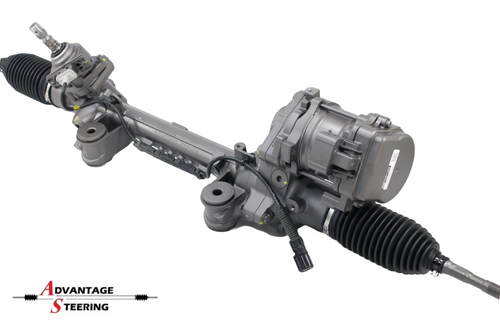
Electric power steering (EPS) is designed to be more energy-efficient than older hydraulic systems. Instead of relying on hydraulic pumps and fluid pressure, the system uses an electric motor to provide assistance when you turn the wheel.
Even so, EPS systems are not flawless. They depend on a mix of components that have to communicate properly: sensors, wiring, the EPS control unit, and the steering motor itself. When something in that chain acts up, the steering can become difficult, noisy, inaccurate, or inconsistent.
One frequent cause is an overheated electric motor. When the motor runs too hot, it can fail and make steering more challenging. That is not just theory. In hot weather, after hard driving, or when cooling is restricted, many systems become more vulnerable to this kind of behavior.
Other factors can contribute too, including faulty sensors, debris buildup, and improper tire pressure. Those items might sound unrelated at first, but they matter because steering control is tied to wheel and vehicle conditions that the EPS system monitors and reacts to.
Here are the key symptoms of EPS issues in Toyota vehicles, along with their potential fixes. You will see the same symptom logic repeated again and again in owner forums and in shop diagnostics because it matches how EPS faults present in daily driving.
| What You Notice | Likely EPS-Related Cause | First Fix to Try |
|---|---|---|
| Stiff steering wheel | Low tire pressure and reduced grip feedback, sometimes combined with sensor or motor issues | Check tire pressure first and set it to the recommended level |
| High-pitched noises when turning (squealing or whining) | Loose wire harness rubbing against the steering column seal | Reposition and secure the harness so it cannot rub |
| Vehicle pulling to one side | Loose steering gear, worn steering components, or uneven power distribution due to misalignment | Check and correct wheel alignment and inspect the steering gear as needed |
| Loss of power assist | EPS system malfunction, such as faults in control logic or a sensor input problem | Have the system diagnosed because the ECU needs to confirm the root cause |
That table gives you the fast version. Now let us go deeper, because the “why” behind each symptom helps you avoid the common trap: guessing. Guessing wastes time. Guessing also delays the one fix that would have solved it quickly.
Common Toyota EPS Symptoms, and What They Point To
When owners describe Toyota electric power steering problems, the stories tend to follow a few repeat themes. Sometimes the steering feels heavy all the time. Other times the assist drops during specific conditions, like after you start moving, when the vehicle is cold, or during tight turns.
To make this practical, the sections below walk through the same symptom list that appears in the original guidance, with extra detail on what to check at home, how to describe it to a shop, and how to decide whether the fix is quick or needs a deeper diagnosis.
1) Stiff Steering Wheel: Heavy Turns and Slow Response
Turning the steering wheel should feel smooth. You should not have to muscle it, especially at low speeds. If it requires excessive effort, particularly during sharp turns or U-turns, there is likely a problem affecting steering assistance or steering feedback.
The guidance specifically suggests a simple first check: check tire pressure. Low tire pressure makes the steering feel heavier because the tires roll and flex differently than they should. It can also make grip less consistent, which can confuse the steering control logic.
Here is the safe way to handle it. Find the recommended tire pressure label on the driver door jamb or in the owner manual. Check all tires with a proper gauge. Set pressure to the recommended level, then test steering again.
If steering remains stiff even after correct tire pressure, then the issue may be deeper. An overheated electric motor, faulty sensors, or other EPS system problems can still be involved. But tire pressure is the easiest and most common contributor, so it is where many owners get the quickest win.
Real-world example: a commuter notices stiff steering after a weekend trip. The wheel feels heavy at parking-lot speeds. The tires had been underinflated for weeks. Once pressure is corrected, steering returns to normal. The EPS system was not “mysteriously broken.” The inputs were off.
2) High-Pitched Noises When Turning: Squeals, Whines, and Rub Marks
A squealing or whining sound when turning the steering wheel, especially if it stops when you return the wheel to neutral, is a clear clue. The guidance points out that this kind of noise often intensifies at higher turning speeds.
One common cause given in the original guidance is a loose wire harness rubbing against the steering column seal. That can create a repeated sound pattern because the harness shifts with steering movement. It does not require a full steering component failure to cause the noise.
If you can access the area safely (and you feel comfortable doing light visual inspection without disturbing airbag-related components), look for harnesses near the steering column area. The goal is to confirm whether anything looks like it could be contacting a seal or cover during movement.
The original guidance says the fix is to reposition and secure those components. In practice, that means you want the harness to sit the way it was designed, with enough clearance so it cannot rub again. Once secured, the noise should disappear.
Important reality: if you do not feel safe working near steering or airbag wiring, stop. Steering column areas can be sensitive. Your safety matters more than a noise diagnosis.
3) Vehicle Pulling to One Side: Drift, Constant Corrections, and Control Issues
A slight drift when you release the steering wheel can be normal. Tires, road camber, and minor alignment differences can create gentle pull. The guidance is clear though: excessive pulling, or the need to constantly correct the steering, suggests a problem.
The original guidance lists a loose steering gear as a common culprit. That may require disassembly, cleaning, and tightening. Worn components might also need repair or replacement. This kind of issue often shows up alongside unusual noises during turns.
It also notes that key indicators of steering gear issues include persistent drifting, difficulty controlling the steering wheel, and unusual noises during turns. If you have all three, you can reasonably suspect steering gear or mechanical steering components rather than only sensors.
Then it adds another very common EPS-adjacent factor: uneven power distribution to the wheels, often due to misalignment. In that case, the guidance tells you to check alignment and have it corrected by a professional mechanic. They can also inspect for other alignment-related problems that contribute to pull.
If alignment is not the issue, faulty sensors may be the reason. Because EPS uses electronic sensors instead of hydraulic pressure feedback, inaccurate sensor data sent to the vehicle’s ECU can disrupt steering performance. The guidance says sensors should be inspected, recalibrated, or replaced as needed.
Here is how that logic plays out in a typical driveway situation. The owner reports pull to the left and slightly heavy steering. Tires are inflated properly. Alignment is measured and adjusted, and the pull improves significantly. If pull remains, the next suspect is sensors or steering control components, because the car no longer has the “wrong geometry” input.
4) Loss of Power Assist: When the Assist Drops Out
Loss of power assist is one of the more serious-feeling symptoms because it changes steering effort without warning. The guidance specifically says: if power assist fails during situations where it is typically active, that signals a malfunction in the EPS system.
This matters because “power assist” is the main reason EPS feels easy to steer. If it drops, you can still steer manually, but the effort and control can change. That can be uncomfortable, and in certain conditions it can be unsafe if it happens at low speeds, during parking, or on slick roads.
When you see this symptom, the most reliable next step is diagnosis. The EPS ECU typically needs to confirm what it detected. That is where a shop’s scan tool and knowledge of Toyota EPS logic becomes valuable.
Step-by-Step: Solving Toyota EPS Problems Without Wasting Money
Now we get to the step-by-step part. Here is the approach that helps owners with little technical knowledge. You start with safe, inexpensive checks that can rule out common triggers. Then you move to symptom-based diagnosis. Finally, you decide whether the fix is something you can manage or something you should hand to a professional.
The key is to follow the order. If you jump straight to expensive parts, you can pay for repairs that were never needed. If you follow a logic path, you reduce the chance of chasing the wrong issue.
Step-by-step troubleshooting roadmap
Use this sequence as your plan. Each step narrows the problem until you reach a clear direction.
Confirm the exact symptom pattern. Does steering feel heavy all the time, or only during sharp turns? Does it happen when the vehicle is cold, after driving, or after sitting? The pattern determines the likely cause.
Check tire pressure and tire condition. The guidance calls out low tire pressure as a contributor to stiff steering. Inflate all tires to the recommended level and re-test steering feel.
Listen carefully during turns. If you hear a high-pitched squeal or whine that stops when you return to neutral, suspect something that contacts during steering movement, such as a loose wire harness rubbing near the steering column seal.
Inspect for obvious harness contact points (if you can do so safely). Look for harnesses or wiring near the steering column area that might be able to move and rub. If anything looks loose, that aligns with the noise cause described in the guidance.
Test for pull and drift on a safe road. If the vehicle pulls excessively or you constantly correct the steering, treat that as a real issue. The guidance includes loose steering gear and misalignment as typical suspects.
Check wheel alignment. Since misalignment can lead to uneven power distribution to the wheels, you should have alignment corrected by a professional. Do not skip this step if your car pulls.
When alignment does not solve it, suspect sensors. The guidance emphasizes that EPS relies on electronic sensors. Inaccurate sensor data sent to the ECU can disrupt steering performance. That is where calibration or replacement might be required.
If power assist drops out, plan diagnostic scan time. Loss of power assist during normal assist conditions indicates an EPS malfunction. A scan tool can confirm the fault and direct the repair.
That is the path. It is not glamorous, but it works because it follows the same symptom-to-cause logic described in the original guidance. Next, let us add more “owner-level” context so each step is easier to execute.
What to check first when steering is stiff
If the steering is stiff, your brain wants to jump to the steering rack or the power steering motor. But the guidance says to check tire pressure first, because low tire pressure can make steering heavy and reduce traction feedback.
After you correct tire pressure, evaluate whether stiffness changes. If steering becomes normal, you have solved the likely trigger. If stiffness persists, you move on to the EPS system itself, including possible overheated motor behavior, sensor faults, or debris buildup.
Debris buildup is worth mentioning because it can interfere with how steering components move or how sensors read conditions. It may not always be visible from the driver seat. Still, it is part of the “EPS issue triggers” category given in the guidance.
What to check first when you hear high-pitched noise
High-pitched noises that show up when turning and then disappear when you straighten the wheel often point to a rubbing component, something flexible that shifts with steering angle.
The original guidance calls out the scenario of a loose wire harness rubbing against the steering column seal. Repositioning and securing those components should eliminate the noise. That is a different repair philosophy than replacing the EPS motor or steering rack, so it matters to identify the cause early.
When you reproduce the noise, pay attention to these details. Does it happen only at full lock, or at mild turns too? Does it happen with the engine off, or only when the engine is running? These clues help distinguish between mechanical rub and sensor or electrical vibration issues.
Even if you decide not to repair the harness yourself, recording when the noise happens helps the shop. Mechanics can diagnose faster when you provide consistent observations rather than vague complaints like “it is making a noise.”
What to check first when the car pulls to one side
Pulling is one of the symptoms that can come from multiple layers of the car. Misalignment is common. Steering gear looseness is also possible. Sensor issues that influence steering behavior can contribute too.
That is why the guidance offers a two-lane approach. Lane one is mechanical and geometry oriented: check alignment first and correct it. Lane two is control oriented: if alignment is not the issue, look at sensors and steering gear condition, including the possibility of a loose steering gear that needs disassembly, cleaning, and tightening.
One owner-friendly method is to test the pull after an alignment adjustment. If the vehicle’s drift improves, you keep moving in that direction. If it does not improve, the odds rise that steering gear or sensors are part of the problem.
The guidance also notes that key steering gear indicators include persistent drifting, difficulty controlling the steering wheel, and unusual noises during turns. If you experience all of those, you can treat the steering gear as a strong suspect rather than a distant possibility.
What to check first when power assist fails
Loss of power assist often makes owners feel like they are driving a completely different car. You can still steer manually, but the effort is higher and the response changes.
The guidance states that if power steering assist fails during situations where it typically is active, that signals a malfunction in the EPS system. That is not the time to keep “trying random fixes.” That is the time to scan the system and identify the fault.
In a shop setting, the technician will typically check sensors and control logic, including whether the ECU is receiving accurate signals. If the EPS system overheats or detects an invalid input, it can reduce or disable assist to protect components.
If your Toyota has repeated assist drops, ask the shop to show you the codes and explain what they point to. That simple step helps you make smarter decisions, especially if multiple repairs are suggested.
Toyota’s Power Steering Recall History (What Owners Should Know)
If your Toyota’s power steering repeatedly fails, it can feel personal. It feels like you purchased a defective vehicle, not a machine that should work day after day. The guidance you provided makes it clear you are not alone, and it also explains why the issue became a topic for regulators and consumer groups.
According to the original information, these problems appear to stem from manufacturing defects. The key detail is that the defects affected a significant number of vehicles, potentially in the tens of thousands. When a large number of vehicles share the same weakness, the problem is not just “a bad luck story.” It becomes a pattern worth investigating.
Toyota faced scrutiny from regulatory bodies and consumer groups due to widespread complaints. This led to a recall of over 100,000 vehicles in the United States alone. Even if your vehicle is not included, this context helps you understand why EPS failures got attention at this scale.
One important nuance from the original guidance is that not all recalled vehicles had power steering issues. Still, they shared components linked to EPS failures. That is why some owners experienced symptoms more than others, even within the same recall group.
The original guidance also mentions a specific failure mode: many vehicles experienced random EPS shutdowns. Those shutdowns were often tied to faulty circuit boards in the power steering system.
The recall included models such as the 2014 and 2015 RAV4, 2015 Camry, and 2015 Highlander, including their hybrid variants. Toyota notified customers and recalled vehicles from dealerships.
This was not Toyota’s first encounter with power steering issues either. Between 2009 and 2010, an investigation focused on similar problems affecting the Toyota Corolla.
How to use recall history as an owner today
Recall history does not mean every EPS issue is the same. Still, it gives you a smart “checklist mindset.” If your Toyota is within the years or models mentioned, your next move should be to verify your vehicle’s status with the dealer or through official recall lookup tools.
If a recall applies, you want it completed. If a recall does not apply, you still want a diagnostic process that matches how the guidance explains EPS faults: check sensors, inspect for overheating-related behavior, confirm wiring and harness condition, and verify alignment when pull issues exist.
When a recall addresses a known weakness, the best advice is not “wait and see.” The best advice is to remove uncertainty by confirming whether your vehicle is included and repaired under the campaign.
Why EPS Problems Feel Confusing (Even When You Know the Symptoms)
Owners often report that steering issues seem to change depending on the situation. The car may steer normally after a cold start, then feel heavier after highway driving. The noise may appear only at certain steering angles. The pull may feel stronger after hitting bumps. This inconsistency is exactly what makes EPS faults frustrating.
Here is the simple explanation tied to the original guidance: EPS is electronics-driven. Faulty sensors can send inaccurate data to the ECU, and because EPS relies on those sensor inputs rather than hydraulic feedback, the ECU can disrupt steering performance even if the steering hardware looks fine.
Another reason symptoms feel inconsistent is the trigger list mentioned in the guidance. An overheated electric motor can cause steering to become difficult when heat builds. Debris buildup can create problems intermittently. Even improper tire pressure can change the steering feel quickly after a tire loses air.
That is why a good troubleshooting process is not just “fix the symptoms.” It is “find the trigger.” Once you know which trigger it is, you get a more dependable fix and fewer repeat visits.
What a Mechanic Will Typically Look at (So You Know What You Are Paying For)
You do not need to be a technician to understand what your mechanic is doing. You just need to know the categories. The guidance already covers the categories: tire pressure and alignment, harness or sealing rub, steering gear looseness and worn parts, sensor accuracy and recalibration, and EPS system malfunction including assist loss.
So, when you take your Toyota in, you can expect diagnostic work that maps to your symptoms. It may involve visual inspection, measurements, and a scan of EPS-related fault codes. Some shops will also check for wiring and connector integrity because a loose harness can cause noise or even sensor interruptions.
Here is a practical breakdown of what they typically verify, in a way that matches the guidance you provided:
- Tire pressure and vehicle setup when steering feels stiff
- Noise source checks near the steering column, looking for harness contact with the steering column seal
- Alignment measurements when the vehicle pulls to one side
- Steering gear condition for signs of looseness, drifting, and unusual noises during turns
- Sensor data verification because EPS relies on accurate electronic inputs
- Recalibration or sensor replacement decisions when sensor readings are inaccurate
- EPS system fault confirmation when assist fails during expected conditions
When mechanics can connect your symptoms to likely root causes, you are less likely to end up in a “replace parts until it works” situation. That is where ownership gets expensive for the wrong reasons.
When You Should Stop Driving and Get Help
Most EPS issues do not mean the car is unsafe to move at all. Still, some patterns are a “do not gamble” situation. If steering becomes difficult enough that it affects your ability to control the vehicle, you should arrange service sooner rather than later.
Also, if power assist repeatedly drops out, treat that as urgent. The guidance is direct that this indicates a malfunction in the EPS system. Repeated assist loss can lead to higher steering effort and less predictable handling during the times you need steady control.
Finally, if the vehicle pulls severely, it can make lane-keeping harder and can contribute to tire wear. That does not mean you are guaranteed to crash, but it does mean you are already fighting the steering system. Fixing it quickly reduces risk and prevents secondary damage.
A Real Owner Plan You Can Follow This Week
If you have noticed EPS problems, here is a plan that keeps you in control. It is designed for real schedules and real garages, and it follows the guidance you provided without turning this into an overwhelming technical project.
Do this:
- Write down exactly when the steering problem happens (cold start, after driving, during sharp turns, at idle, during rain, and so on).
- Check tire pressure and set it to the recommended level. Re-test steering.
- Record the noise pattern if you hear a high-pitched whine or squeal. Does it stop in neutral? Does it intensify at higher turning speeds?
- Take note of vehicle pull if you are drifting or constantly correcting the steering. If possible, compare pull direction across similar roads.
- Schedule alignment measurement if pull is present or if uneven behavior persists.
- If assist drops out, book diagnostic scan at a Toyota service center or a shop that understands Toyota EPS logic.
- If you suspect harness contact near the steering column seal, consider professional inspection before you disturb wiring yourself.
These actions reduce uncertainty, and they also respect the reality that EPS faults have multiple triggers. When you gather consistent clues, the diagnosis becomes easier for everyone.
Conclusion: Electric Steering Can Be Efficient, but It Needs Smart Attention
Toyota chooses electric power steering systems over hydraulic ones because they offer better efficiency. That said, these systems come with their own set of challenges, including sensor dependency and motor behavior under heat.
Over the past two decades, Toyota has faced criticism from regulators and customers over recurring power steering issues. In recent years, the company recalled over 100,000 vehicles and also faced a class-action lawsuit, which highlights the scale of the concern.
Now here is the actionable thought. If your Toyota shows stiff steering, noisy turns, pulling, or loss of assist, the smartest next move is to start with the exact checks the guidance calls out: tire pressure for stiffness, harness contact for high-pitched noises, alignment for pull, and sensor or ECU diagnostics for assist loss.
Question for you: which symptom are you dealing with right now, stiff steering, whining noises during turns, pulling to one side, or power assist dropping out?