
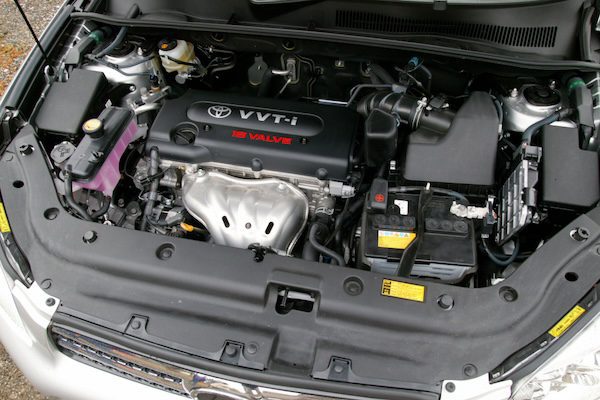
The Toyota 2AZ-FE has a lot going for it. Introduced in Japan in the early 2000s, it became part of Toyota’s AZ engine lineup from 2000 to 2009. Owners and mechanics often describe it as dependable, with a solid power band and a reputation for durability that holds up when maintenance is done on time.
But here is the part that trips up a lot of owners. Even though this engine is known for lasting a long time, some 2AZ-FE engines can develop excessive oil consumption over time. If you are noticing oil disappearing faster than you expected, you are not imagining it, and you are not alone.
The good news is that you do not have to panic. You do need a plan. This guide gives you a clear, step-by-step approach to tackling oil burning in the 2AZ-FE, with practical strategies you can use while deciding whether deeper repairs are worth considering.
One last note before we go deep. Oil consumption issues are not all the same. Sometimes it is normal for your specific engine to use some oil. Other times, the real issue is that something else is causing oil loss, like leaks or crankcase breathing problems. The goal is to know which situation you are in, then act before the oil level gets too low.
Toyota 2AZ-FE Characteristics and Oil Consumption Causes
The 2AZ-FE is often described as “not fragile,” and for many owners, that is true. It is a 2.4-liter inline-4, with displacement listed at 2362cc. Its lifespan is commonly referenced up to 350,000 km, and its power range is typically stated around 145 to 170 horsepower, depending on the specific application and tune.
Even so, the 2AZ-FE has a well-known oil consumption story, particularly as mileage climbs. The issue is often noticed after the engine reaches 100,000 miles (or roughly that neighborhood), when oil control problems become more noticeable. That does not mean the engine instantly becomes unsafe or unusable. It means the oil control system is not doing its job as consistently as it did earlier in life.
Here is how the oil burning situation is commonly explained. The 2AZ-FE uses a fuel-injection setup that runs at high pressure. That high-pressure operation contributes to vacuum conditions in the engine, and that vacuum can allow excess oil to slip past the piston ring area and then burn in the combustion chamber. In the explanation of this design behavior, the piston ring drain holes are part of the story, because they are described as relatively small, which makes it harder for excess oil to drain back down cleanly.
So yes, owners sometimes call it a “design limitation.” That is essentially what the root issue boils down to in the common explanation. The piston ring design and how the engine operates at high pressure can make oil consumption more likely, especially as the engine ages and clearances and deposits change.
With that said, the big question is always the same: if the engine has a limitation, can it be managed? Absolutely. While there is no single one-size-fits-all solution, and replacing piston rings might not fully resolve it, several strategies can reduce oil burning and help you keep the engine happy.
Before you jump to oil type changes or additives, you should understand one thing. Oil consumption problems can be caused by more than one mechanism. Some engines consume oil mainly through the cylinder sealing area, which is the common 2AZ-FE explanation. Others lose oil because of leaks, PCV-related issues, or worn components that allow oil to escape somewhere other than the combustion chamber.
Oil Burning Versus Oil Leaks: Why the Difference Matters
Imagine two owners with the same engine and similar mileage. Owner A has oil consumption through the combustion chamber. Owner B has oil leaking from gaskets or seals. Both check the dipstick and see a low level. But the fix is completely different.
In the real world, owners often assume it is “burning” because that is the common reputation of the 2AZ-FE. Even so, it is smart to confirm what you are dealing with. You can do this with a few observations that take a short time and cost nothing.
Use this quick checklist to sort out what is happening:
- Look under the car after it sits overnight. Fresh wet spots, streaks, or puddles usually suggest leaks.
- Check the oil filler cap area for heavy wetness or gunk. Excess blow-by can show up as messy residue.
- Watch for blue or gray smoke, especially on hard acceleration or after idling. Persistent smoke can point toward oil being burned.
- Check spark plugs if you pull them. Oil fouling can show a pattern that points toward oil entering the combustion area.
- Track how fast oil drops between oil changes. Consumption that is consistent often suggests a combustion-related issue.
If you see leaks, you need to fix those first. If you see signs of burning, you focus on oil strategy, maintenance, and keeping the engine supplied with the correct oil level. The management plan becomes much clearer once you know which direction the oil is moving.
That is also why monitoring matters, even when the engine is “not damaged” by normal levels of consumption. The danger is not the oil burn itself. The danger is what happens when the oil level gets too low, or when you ignore the pattern and the engine begins running with insufficient lubrication.
How Much Oil Use Is “Normal” for This Situation?
No one answer fits every 2AZ-FE, but owners usually benefit from having a way to measure. If you want to stop guessing, measure it like a mechanic would.
Here is a practical way to set a baseline:
- After an oil change, fill to the correct level and record it.
- Drive a fixed distance, such as 1,000 miles, before checking again.
- Note whether you are using oil steadily, slowly, or rapidly.
- If the oil level is consistently dropping faster than you can comfortably top up, treat it as a management priority.
The goal is to keep the oil level in the safe range. Even if high oil consumption does not always cause long-term damage in these engines, running low oil is where you invite expensive problems, like bearing wear or oil pressure faults.
Now, let us get to the strategies that actually help most owners. This is where you can reduce oil burning and keep the engine performing the way it should.
Solutions for Toyota 2AZ-FE Oil Consumption
The strategies below are not about “fixing” the engine overnight. They are about reducing oil loss and protecting the engine while you live with the realities of the 2AZ-FE’s common oil consumption behavior. In many cases, owners combine multiple strategies and get meaningful results.
Also, do not treat these as random tips. Each one targets a specific part of the problem, such as oil viscosity behavior, oil quality degradation over time, or the way deposits form when idling is excessive.
Switch to Heavier Engine Oil
One of the most common owner moves for a 2AZ-FE oil consumption issue is switching to heavier oil. The idea is straightforward: thicker oil can reduce how easily oil slips past worn or less-than-perfect ring control, especially when the engine is older.
In the original guidance, oils like SAE 40 are mentioned as thicker choices, and they are described as performing well in colder climates compared to lighter SAE 30 oils. On the other hand, SAE 5W-30 is highlighted as a good match for the 2AZ-FE, especially because it offers the ability to flow well on a cold start but still helps resist oil burn compared to thinner choices.
Here is the practical owner angle. The 2AZ-FE is described as not particularly sensitive to heat, so moving to a heavier oil can minimize oil burning. The reasoning is that heavier oil expands when metallic components heat up, which can reduce the amount that burns off. That is why you often see a noticeable difference when switching from a lighter grade to something thicker that still meets the engine’s needs.
The guidance also explains an interesting detail: a cold engine typically consumes less oil than a warm one due to vacuum dynamics in the piston rings. In simple terms, oil behavior changes as temperatures change. So if you are only monitoring after long drives, you might think the problem is worse than it is. Tracking both after warm and after cold helps you understand the pattern.
Multi-grade oils are also mentioned for a reason. They maintain viscosity in both hot and cold conditions. That means you get protection when things heat up without making cold starts overly sluggish. Multi-grade formulations help the oil stay in the correct “window” for lubrication and oil control.
If you are deciding what to do next, here is a simple approach that matches the guidance without overcomplicating things:
- If you currently run a thinner oil, consider moving to an oil grade described as a better fit for 2AZ-FE oil control, such as SAE 5W-30, as noted in the guidance.
- If your climate is colder and you are using a lighter grade, you may explore a thicker grade like SAE 40 where it still makes sense for start-up conditions.
- Stick with multi-grade oils so viscosity stays stable across temperature swings.
One more owner reality check. Your owner manual and local weather matter. You should match the viscosity recommendations that your car expects. If the manual calls for a specific viscosity and you want to move within that range, do it carefully and give the engine a few oil-change cycles to show the impact.
Shorten Oil Change Intervals
This is the other big lever you can pull. Shortening oil change intervals often helps because it reduces oil breakdown and helps keep the oil doing what it is supposed to do: lubricate, control oil flow, and keep the engine clean.
The standard recommendation provided in the guidance is changing engine oil every 12 months, 3,000 miles, or 4,500 km, whichever comes first. That baseline can be fine for a lot of engines. For a 2AZ-FE that is already consuming oil, the guidance recommends reducing that interval.
For heavy use, the guidance suggests halving the interval to every 6 months, 1,500 miles, or 2,250 km. The reason is simple. Fresh oil maintains better oil quality. It enhances engine health and helps curb oil consumption more effectively than letting the oil age and degrade.
In real-world terms, this makes sense for a few reasons:
- Older oil loses viscosity control, which can worsen oil slip past ring areas.
- Oil that is past its best tends to carry more soot and contaminants, which can increase deposits.
- When deposits build up, oil control can get worse because the system stops operating cleanly.
Here is a common owner situation. Person A drives 6,000 miles between oil changes, mostly city driving. Person B drives 6,000 miles too, but it is all highway driving with longer steady trips. Even if both are within the same total mileage, the oil does not age the same way. City driving often increases the wear and contamination rate because the engine spends more time in stop-and-go conditions.
So if your 2AZ-FE is already burning more oil than expected, shorten the interval, especially if your driving includes a lot of short trips or idling. The guidance specifically calls this out as a highly effective approach.
Incorporate Oil Additives
Oil additives are a topic where owners either swear by them or avoid them completely. The guidance here takes a balanced position. Adding oil additives can sometimes help reduce oil burning, but results vary.
It also gives two important criteria for choosing an additive:
- Choose additives designed to withstand high temperatures and reduce friction.
- Opt for high-quality additives in sealed containers and verify their ability to minimize harmful emissions.
That second point matters because some additives claim emissions improvements while others do not have the same validation. You want an additive that is meant for modern engine conditions, not something that only makes the oil smell nice and feel slippery.
Also, understand the limit of additives. If your core issue is the piston ring oil control behavior described earlier, an additive is not a guaranteed fix like new piston rings. Think of additives as a potential helper, not a replacement for oil changes and correct oil viscosity.
If you decide to try an additive, keep it simple. Use one additive at a time so you can tell whether it helps. Follow the container directions. Overdosing additives can sometimes do more harm than good, including disrupting the oil’s normal chemistry and causing deposit issues.
After adding it, monitor your oil consumption pattern. If the oil level drop slows noticeably over a couple of intervals, you have evidence it helped. If nothing changes, you learned something without spending more than necessary.
Minimize Idle Time
One of the most underrated habits is how long you let your engine idle. The guidance states that prolonged idling accelerates oil consumption in any engine, particularly when the engine is cold.
Why does idling cause more oil use? The guidance explains the chain: excessive idling reduces fuel efficiency, lowers oil viscosity as temperature cycles, and leads to incomplete combustion. All of that increases oil burn and also increases engine wear over time.
Even if you do not consider yourself a “heavy idler,” most people idle more than they think. Examples include:
- Letting the engine warm up longer than necessary on cold mornings.
- Waiting in long lines where your vehicle never really gets moving.
- Cooking time for a “quick stop” that becomes ten minutes of idling in a parking lot.
- Running errands back to back without giving the engine time to stabilize temperature.
Here is a realistic alternative. If it is safe and allowed, reduce unnecessary idle time and prioritize driving until the engine is fully warmed. You do not need to race the engine. You just need to avoid long periods where combustion is inefficient and oil control becomes less stable.
Also, do not ignore the effect of short trips. Even if the car is not idling heavily, short trips can prevent full temperature stabilization. The result can be similar: less complete combustion and more soot or deposit tendencies that worsen oil control.
If your goal is less oil consumption, think of idling as “fuel and oil stress time” for the engine. Less of that time usually means less oil being burned.
Does High Oil Consumption Harm the 2AZ-FE?
High oil consumption on the 2AZ-FE does not typically cause long-term damage to the engine’s performance or durability. That is an important point, and it matches the guidance directly. Many owners keep these engines running for a long time even while dealing with oil burning.
However, here is the second part that matters just as much. It is not a problem to ignore. Even if the oil burn does not instantly destroy the engine, you still need regular maintenance and monitoring. Keeping the oil level within the correct range protects the engine from unnecessary stress.
You also want to avoid running the engine with too little or too much oil. Too little oil increases friction and bearing risk. Too much oil can increase crankcase pressure and promote more oil getting into areas it should not be, which can actually worsen consumption behavior and create additional mess inside the engine.
So what does “not typically cause long-term damage” mean in everyday ownership? It means the design behavior and oil burning pattern may be manageable if you stay on top of oil levels and stick to the maintenance habits described earlier.
If you consistently top off, change oil at shorter intervals, and use the recommended viscosity strategy, you can often reduce the impact on the engine’s health. If you ignore the oil level and keep driving, that is when long-term damage becomes much more likely, regardless of engine design.

Practical example time. Imagine a 2AZ-FE owner who checks the dipstick every week, notices oil dropping, and uses heavier oil plus shorter oil intervals. The engine may use more oil than average, but the oil level stays in the safe range. Now compare that to an owner who waits until the “low oil” light or until the engine feels strange. In the second scenario, the risk increases because the engine spends time under-oiled.
That is why the monitoring part is not optional. Oil burning can be a “manage it” issue. Oil starvation is a “fix it now” issue.
Conclusion
No engine is flawless. The 2AZ-FE has strengths and weaknesses, and excessive oil consumption is one of the weaknesses that some owners notice, especially after mileage climbs. The concern deserves attention, but it does not automatically mean the engine is doomed.
Addressing oil burning promptly, with the strategies laid out here, is what keeps the situation under control. Switching to heavier engine oil when appropriate, shortening oil change intervals, using oil additives carefully when they fit your situation, and minimizing idle time can all help reduce oil consumption and help protect the engine’s long-term health.
Here is the actionable thought: the very next time you check your dipstick, write down what level you see, how often you are topping off, and when your next oil change is due. If you want to reduce 2AZ-FE oil burn, you have to measure it first so you can respond with the right fix instead of guessing.
Quick question: when was the last time you measured how much oil your 2AZ-FE uses between oil changes, and how often do you need to top it up?