
Most people who buy a bicycle focus on the frame, the color, and whether it looks fast. Brake types rarely get the same attention. I have been there too. The truth is, I would buy the bike because I liked it, and only later did I realize how much brake design affects real stopping power, control in wet conditions, and even how confident you feel on descents.
Over the past couple of decades, bicycle brake technology has improved a lot. That progress has helped riders stop more consistently and ride more confidently. At the same time, it has also made bicycles a bit more expensive, because better braking systems are not cheap to build.
Here is the one thing every brake system must do. Brakes provide stop power, which means you can slow down safely and come to a complete stop when you need to. If your brakes are weak or inconsistent, you feel it immediately when traffic, potholes, or a surprise rider show up.
From a practical standpoint, bicycle brakes are the levers on your handlebars paired with a braking system that prevents the wheel from turning. But beyond that basic description, there are many styles. Some clamp the rim. Some squeeze a rotor. Some press pads in different ways. Some even slow the wheel using cable wrap methods from older designs.
This guide breaks down 11 common bicycle brake types and explains what each one is best for. I also include the real-world “watch out for this” parts, because brake problems often show up at the worst time: wet roads, rough trails, steep hills, or when you are tired and riding on autopilot.
1. Rim Brakes (the classic stop-at-the-rim design)
Rim brakes work by pressing a friction pad against the inside of the wheel rim. The pad can be rubber, leather, or cork. The goal is simple: create braking power by using friction between the pad and the rim. The pad sits away from the rubber tire, because the rim is the surface designed to handle that friction.
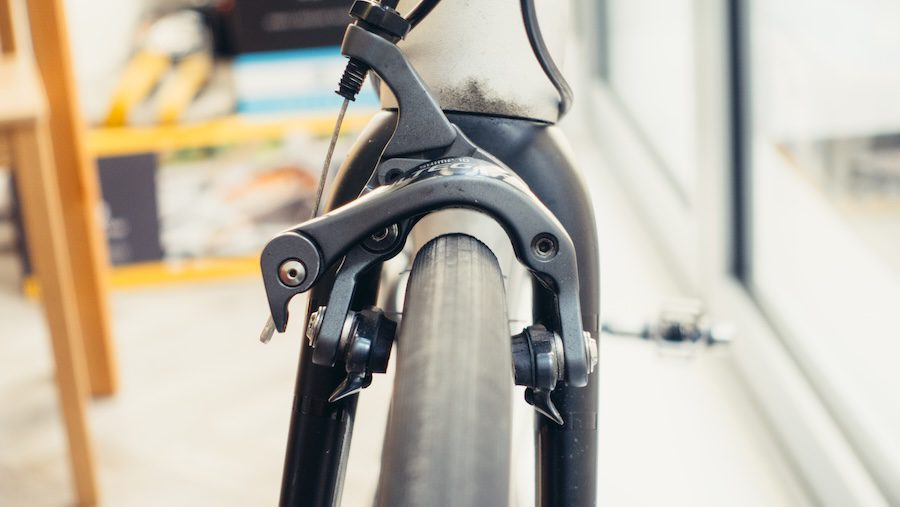
When you pull the lever on the handlebars, the cable or linkage activates the brake. Rim brakes are still found on some lower-cost bicycles today, mainly because they are relatively straightforward.
From a practical owner perspective, rim brakes are not usually heavy. They are often not too costly either. Maintenance is not usually complicated, but you do have to stay on top of one simple thing. Do not let the pads wear down too far. If you do, performance drops and the rim can start taking more damage than it should.
Rim brakes do have weaknesses. When the rims are wet, greasy, or unclean, they collect water, grease, and grime from the road. That dirt layer reduces braking strength because the pad is no longer rubbing clean friction material. Another issue is debris on the rims, like dirt, twigs, or road garbage. If enough debris builds up, rim pads can become practically useless.
Even so, rim brakes can work just fine when you ride on smooth paved streets in excellent weather and you do not go off-road. If you mostly ride city routes, commute on clean roads, and keep your pads maintained, rim brakes can still be a solid setup.
Quick “is rim braking for me?” check
- Good fit: Dry or mostly clean pavement, regular commuting, and riders who keep pads fresh.
- Not ideal: Muddy/off-road riding, wet greasy conditions with dirty rims.
- Maintenance focus: Keep pads from wearing too far and periodically clean rim surfaces if you notice reduced stopping.
If you want a brake that performs consistently in messy conditions, you might find yourself moving toward other types later. That is not because rim brakes are “bad.” It is because different designs handle grime and wet conditions differently.
2. Cantilever Brakes (more stopping power than basic calipers)
Cantilever brakes are popular bicycle brake technology for riders who like cyclo-cross style setups. The big appeal is that they can deliver strong stops when traction is less than perfect, which matters when you are riding road bikes on light off-road trails.
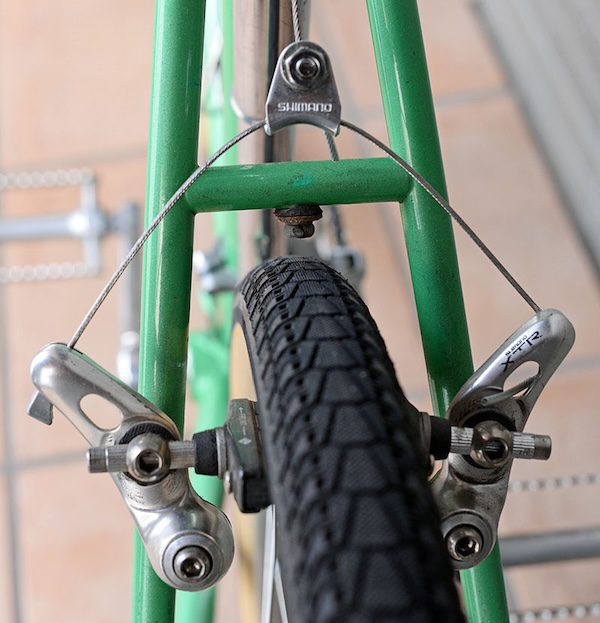
Even with all that variety, cantilever brakes are closely related to caliper brake concepts. The original guidance notes that cantilever brakes are identical to caliper brakes, except that a caliper brake is typically one solid piece. A cantilever brake instead has two opposed mechanisms on either side of the rim.
That two-sided layout gives cantilevers greater stopping power than basic calipers. There is a trade-off though. Cantilever brakes are less aerodynamic compared with some other brake setups, which matters mostly for speed-focused road riding.
Where cantilever brakes tend to shine
- Mixed terrain: Road riding plus light off-road trails.
- Quick stopping needs: When traction is not ideal and you want confident braking.
- Rider goal: Better stopping power than a simpler caliper style.
If your riding mixes pavement and rougher surfaces, cantilever brakes can feel like the “step up” from basic rim brake setups, especially when you are not yet ready to switch to discs.
3. Rod-Actuated Brakes (durable, dependable, and a bit sophisticated)
Rod-actuated, often called “rod” brakes, are associated with practical touring and older build styles. The original description says these brakes are standard on Raleigh bicycles and that they use a sequence of rods and pistons to transmit force from the handlebar lever to the rim brakes on the wheels.
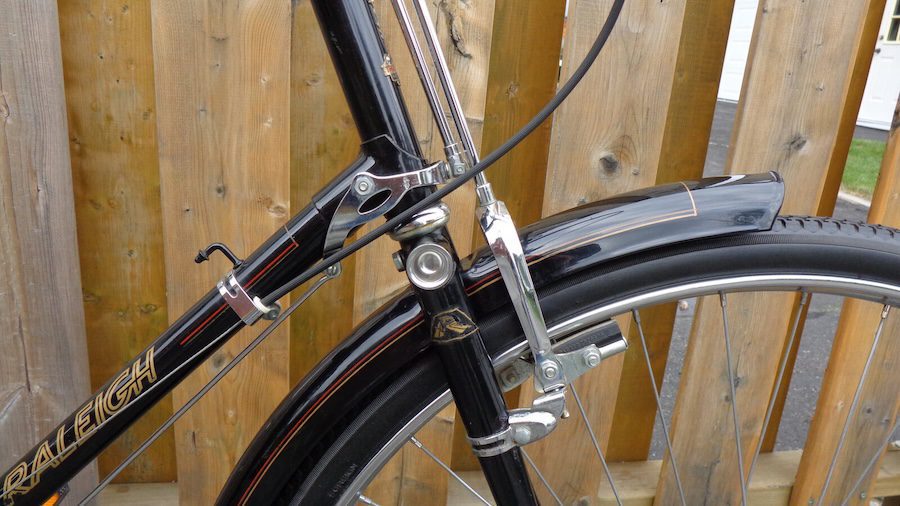
One thing you can notice about rod brakes is the brake pad shape. The brake pads are somewhat concave instead of lying flat against the rim. That shape matters because it affects contact and how evenly braking force is applied.
The trade-off is complexity. Rod brakes are difficult to maintain and they can feel more sophisticated than simpler cable-driven rim brakes. Even so, they are known for being durable and dependable.
It also makes sense why some Asian and African-made touring bike manufacturers choose rod brakes for specific models. When you build for reliability and long-distance use, durability becomes a big selling point.
Who rod-actuated brakes usually suit best
- Touring riders: Riders who value dependability.
- Maintenance reality: Riders who do not mind a more “system” style brake setup rather than a simple cable pad swap.
- Durability preference: People who prefer long-lasting components over easy service.
If you are shopping and you find a rod-brake model you like, it helps to understand how you will maintain it over time. A strong brake is good. A brake you can maintain confidently is better.
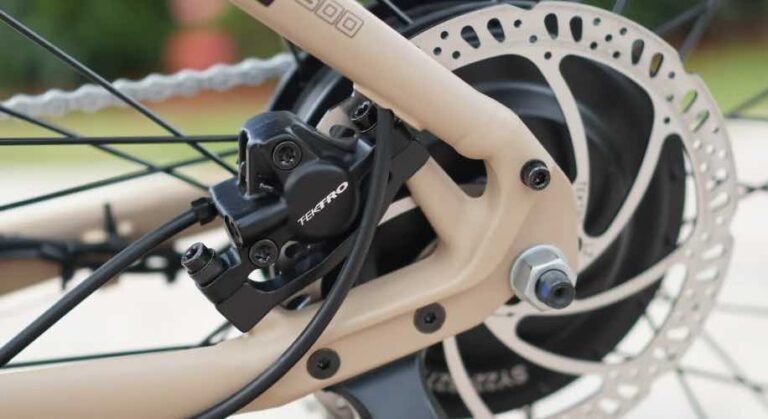
4. Disc Brakes (braking force focused at the wheel center)
If you are not interested in rim brakes like calipers and cantilevers, disc brakes are the next big category. Disc brakes concentrate braking force on a disc in the middle of the wheel, instead of pushing pads against the rim surface.
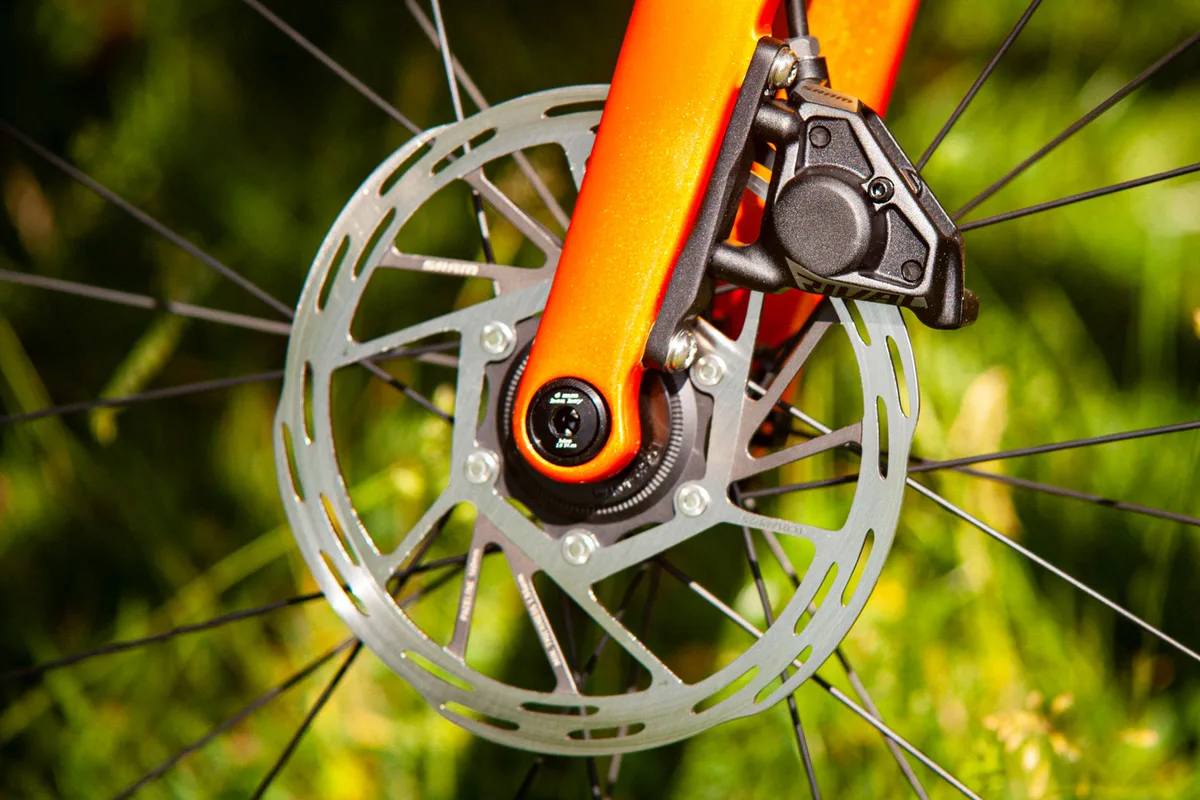
The original guidance points out that this shift in braking emphasis brings several advantages. It also stresses energy efficiency. Disc brakes take less energy to stop your bike because they control the wheel at the center rather than the outside rim.
You can also come to a complete stop without fully engaging the brake. In plain terms, disc brakes often feel more controllable because you do not need to squeeze to extremes to get results.
Another key advantage is consistency. Disc brakes are described as having significantly better braking consistency than most rim brakes. Even more, advocates claim that the brake feel and “character” give riders better control while riding.
Disc brakes: the real-life reason people love them
- Less wasted effort: Better energy use because braking happens closer to the wheel’s center.
- More control: You can slow smoothly, not only with extreme squeezes.
- Consistency: Stronger repeatable performance compared with many rim setups.
When you are riding in weather where rims can get dirty or wet, disc brakes tend to feel less dramatic and more predictable. That predictability can be the difference between “I can stop” and “I am not sure I can stop in time.”
5. Caliper Brakes (direct, lightweight road stopping)
Caliper brakes are commonly associated with road bike setups. The original content describes them as a choice for road racing bikes when you want to stop a little faster while also losing a little weight. That is a common theme with calipers. They are designed to be compact and provide direct braking feel.
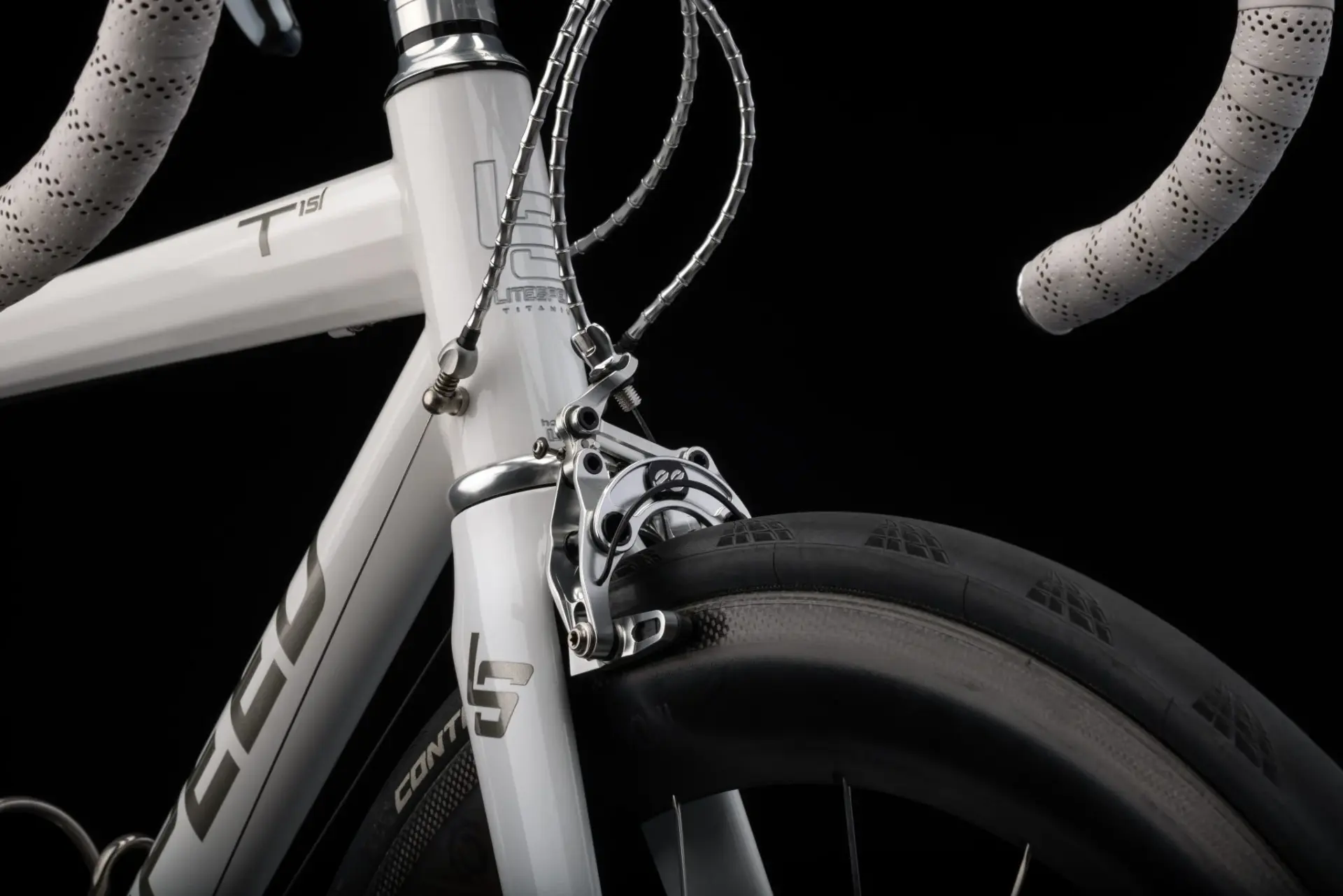
Caliper brakes are used to prevent road bikes, while disc brakes are becoming more popular. The wording is a bit awkward, but the meaning is clear: road bike braking evolved toward discs, yet calipers still appear in builds, especially on frames made to accept them.
There are also alternatives to modify caliper brakes when your frame was constructed for them. The goal is still the same. You want robust, consistent stopping force in various conditions.
When caliper brakes make sense
- Road-focused riding: When you want compact braking and direct lever feel.
- Frame compatibility: If your bike was built for calipers, you might keep them and tune performance.
- Rider goal: Reliable stopping force without adding complexity.
Calipers can feel great when everything is aligned correctly and the pads are fresh. They can also feel frustrating if the rim surface is wet or contaminated, which is why many riders eventually switch to discs.
6. Side Pulls Caliper Brakes (powerful but can pull the bike to one side)
Side pull caliper brakes are a specific caliper style built around two curved arms. The original description explains that two curved arms connect at a pivot point above the wheel. On each side of the rim, these arms hold the brake pads in place.
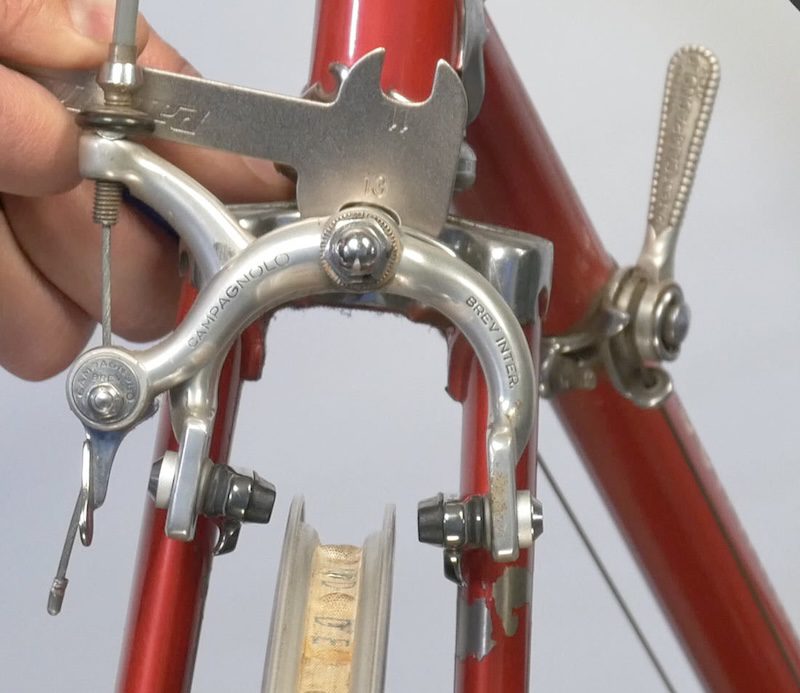
Another detail is how the cables and housing route through the arms. There are extensions on both sides of each arm. The brake cable is linked to one wing, and the cable housing to another. When you squeeze the brake lever, the parts come together.
In theory, the braking action is familiar. To stop the wheel, the two brake pads create friction on the rim. That friction slows the wheel down.
Here is where the original guidance becomes blunt. Side pull caliper brakes have a negative reputation because they pull to one side. That side bias can become a real safety issue, especially when you brake quickly while negotiating a curve. The bike’s stability may be compromised, and you can fall.
What to think about before choosing side-pull calipers
- Brake behavior matters: If your braking pulls to one side, corner confidence drops.
- Cornering tests: Pay attention to how the bike tracks when braking mid-turn.
- Safety mindset: Quick braking in curves is where this brake style can reveal its weaknesses.
If you already have them, do not ignore handling feedback. Brakes are not only about stopping. They are about controlling direction while stopping.
7. U Brakes (also known as 990-style, with simple service)
U brakes are sometimes called “990-style” brakes. The original description ties that to a trademarked sales name, then explains what makes U brakes different in design and repair style.
U brakes have two arm pivots mounted directly to the bike frame or fork. That design sets them apart from center-pull caliper brakes, which typically have two arms attached to a connecting bridge.
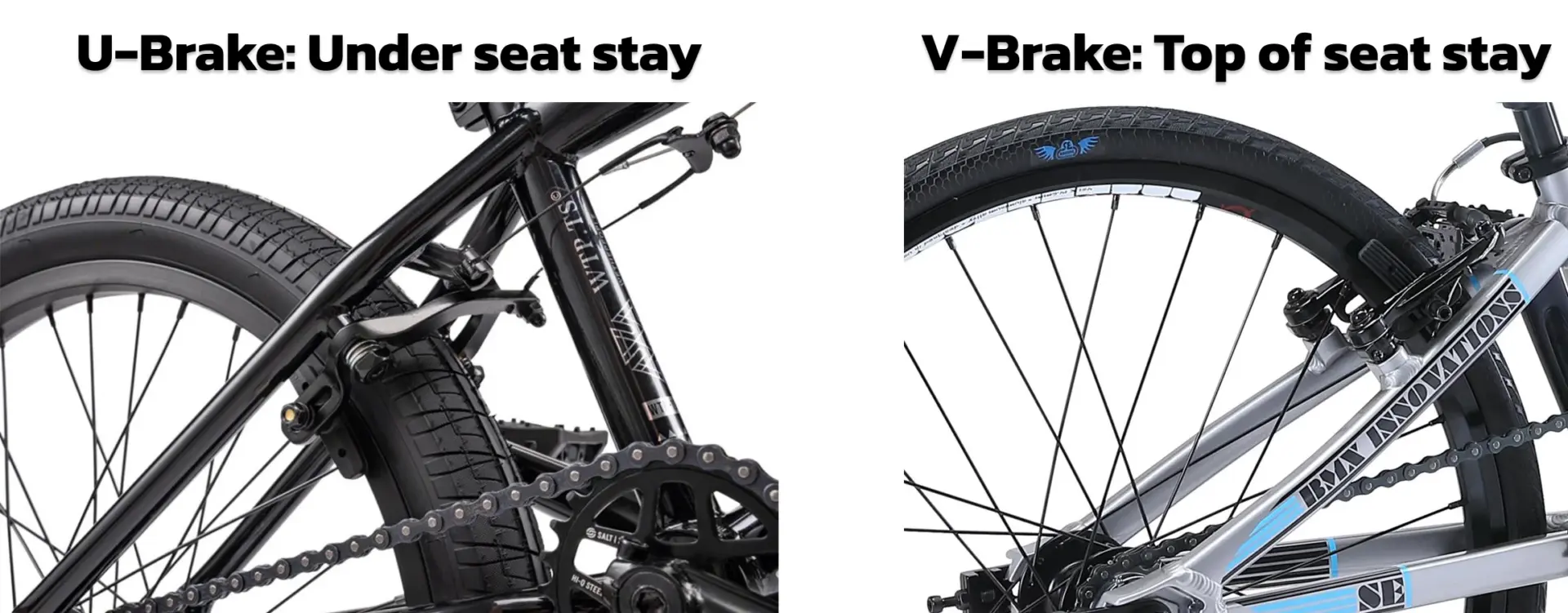
With U brakes, the pivots are located above the rim. Another big plus in the original guidance is serviceability. U brakes are simple to repair and replace. The downside is wear behavior. As U brakes wear out, they tend to hit the edge higher and higher, which can potentially damage the tire.
U brakes: the practical pros and cons
- Pro: Simple repair and replacement.
- Pro: Fixed pivot mounting at the frame or fork.
- Watch-out: As the system wears, it may start contacting the tire edge more aggressively.
So if you ride a lot, keeping an eye on wear is not optional. It is how you avoid the “it was fine yesterday” tire damage story.
8. Drag Brakes (slow-down specialists for long descents)
Drag brakes are designed to slow the bike on a long downhill run. The original guidance explains that they are used when other brakes might cause the rim to overheat and blow out. That is a serious concern on long descents where rims heat up under repeated braking.
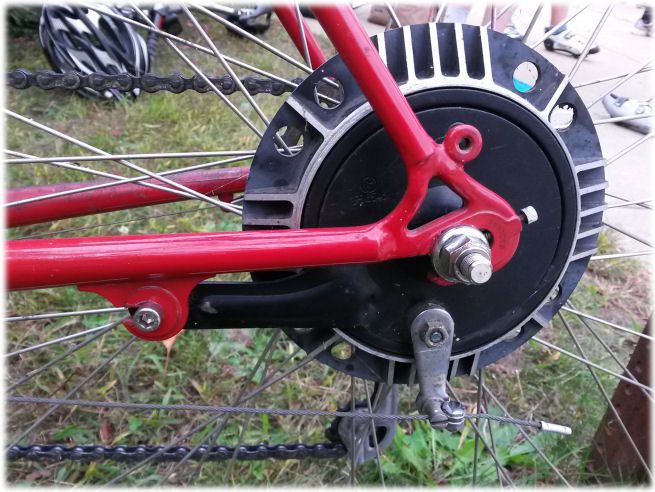
The original text also notes that Arai Helmet, Inc., a Japanese company, still produces bikes with this braking technology. That detail is included to show drag brakes are not only a historic concept. They still exist in production for certain bike styles.
Another explanation in the original guidance is that band brakes work by slowing the wheel hub by applying pressure. The mechanism wraps a cable around the hub. You might find this kind of braking setup in used Yankee bikes.
Wet weather is the warning sign. Band brakes can tighten when it is wet, posing a risk for bikers on wet roads. That does not mean drag brakes are unusable in rain. It means you should understand the brake’s behavior in wet conditions and ride accordingly.
When drag brakes can be a good choice
- Long descents: When heat buildup is a major concern.
- Rim-protection thinking: When you want less rim stress.
- Wet riding awareness: Know that wet weather can tighten band brakes.
If your routes include long downhill stretches and you worry about overheating, drag brake designs are worth considering. Just plan for how they react when conditions change.
9. Duck Brakes (old-school rollers that grip the front tire)
Duck brakes were described as the newest bicycle component in 1897. The original guidance explains that when a rider pulls a long lever, two rollers descend against the front tire, creating a duck brake effect.
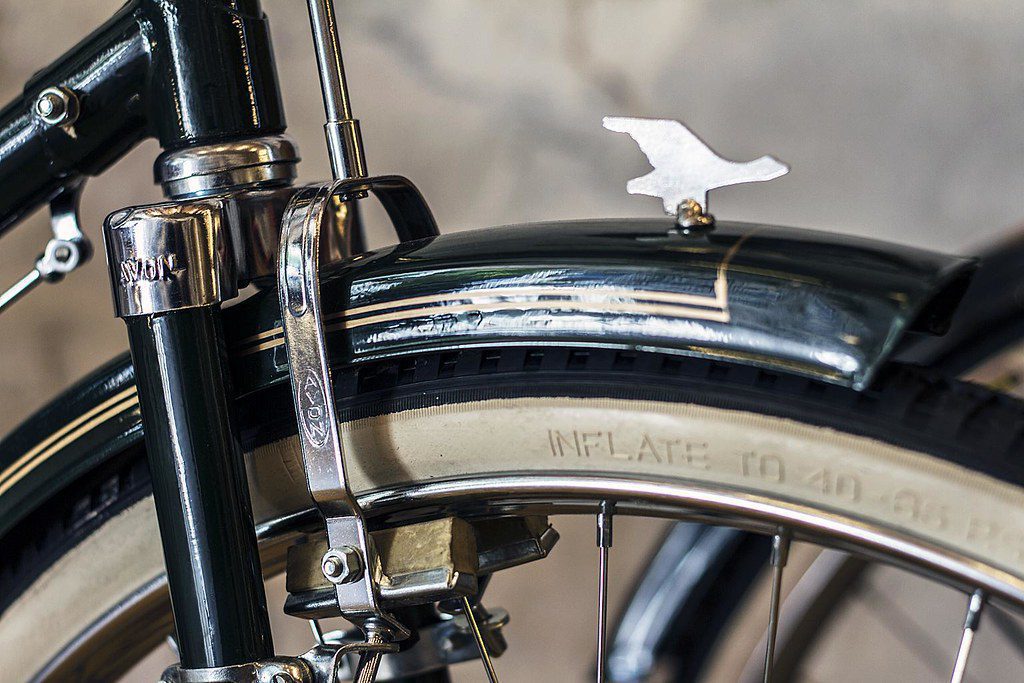
This brake style comes with an interesting detail. The lever increases the rider’s effort to stop the bike, so it is not a “light squeeze and you stop instantly” design. The rollers also help create better contact. The original text notes that the tool rollers, rather than a single spoon, ensure more excellent tire contact.
For controlled deceleration, duck brakes are preferable over spoon brakes. Still, the reality is different today. Riding on slick pavement is easier. The original description also adds that you will not find duck brakes on most modern bikes. They are mostly limited to antique road bicycles today.
Why duck brakes still come up
- Historic interest: They represent an older brake system approach.
- Contact concept: They rely on tire contact using rollers.
- Modern availability: Mostly antique road bicycle use.
If you see duck brakes on a vintage bike, do not treat them like a modern brake system you can compare directly. Understand what they do and how they feel, then decide if they fit your riding needs.
10. Coaster Brakes (backpedal stopping with a surprise downside)
Coaster brakes are simple: by pedaling backward, you engage them. The original guidance states that until the 1980s, coaster brakes were standard on budget bicycles. That means many older bikes still rely on this braking system.
The mechanism involves a clutch. When the rider reverses direction, the clutch presses the brake mantle. The original guidance also includes the problem: coaster brakes can be actuated by a minor backward movement rather than requiring true backward pedaling. That means you might accidentally trigger braking when you did not intend to.
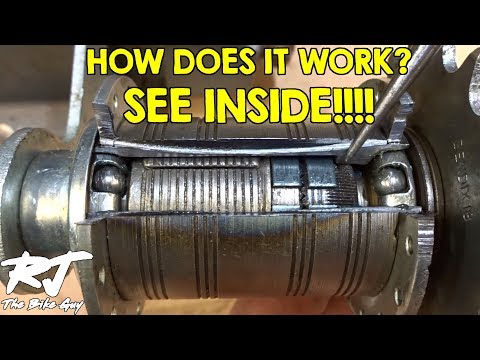
Coaster brakes: what riders should expect
- Learning curve: Small backward movements may activate the brake unexpectedly.
- Fit: Common on budget and vintage bikes.
- Riding style: You might need to adjust how you pedal and coast.
If you ride a bike with coaster brakes, you get used to it quickly when you ride consistently. If you jump on someone else’s bike, you might feel the surprise at first.
11. Hydraulic Rim Brakes (oil pressure for excellent control)
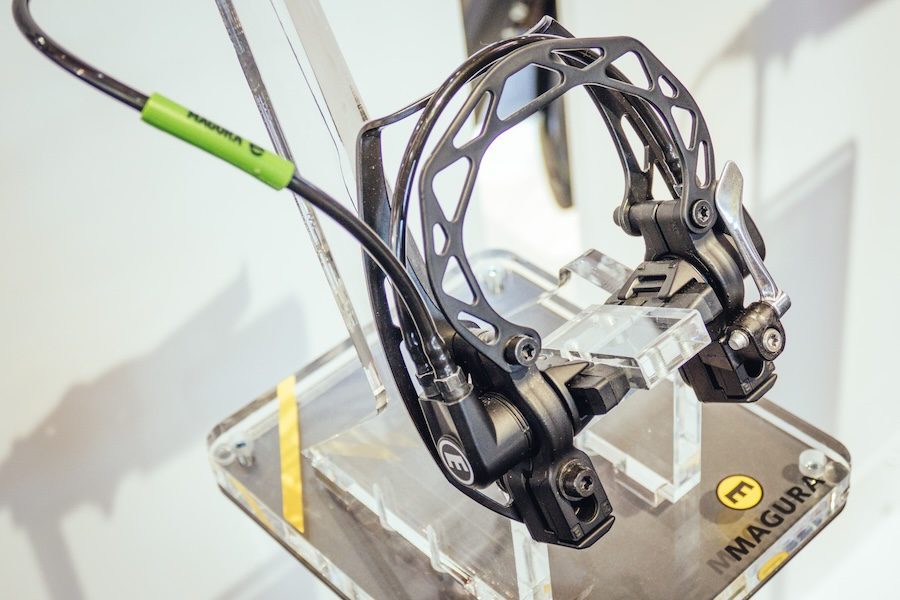
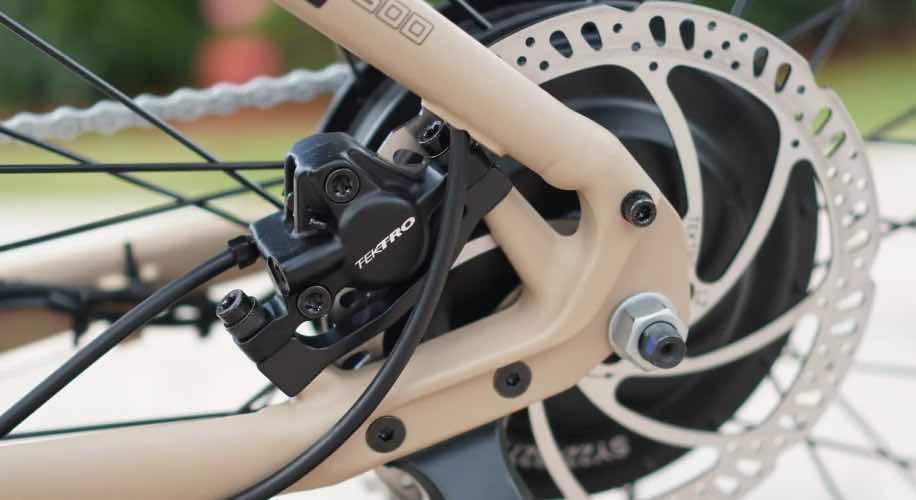
Some e-bikes come with hydraulic rim brake types. The original guidance explains why these are called hydraulic. They are hydraulic because they use oil pressure instead of relying on purely mechanical stress on a wire to actuate the brake.
The original text also notes that hydraulic rim brakes provide excellent control, at the cost of extra weight. The extra weight is usually not a big issue with motorized e-bikes, because the power system offsets what you give up in weight.
For the “how does it work” piece, hydraulic concepts are described in general references like Hydraulics. The key point for bicycle owners is the outcome: stronger and more consistent braking feel compared with older mechanical-only systems.
Hydraulic rim brakes: the practical takeaway
- Control: Excellent control due to oil pressure acting on the braking mechanism.
- Trade-off: Extra weight compared with simpler systems.
- Fit with e-bikes: Weight is usually less of an issue because of the motorized setup.
If you ride an e-bike and you care about stopping confidence, hydraulic rim brakes are one of the brake upgrades that often makes the most noticeable difference.
How to choose the right brake type for your riding (without overthinking it)
Brake choice does not have to be stressful. You can make it simple by matching the brake type to the conditions you ride in, then choosing the setup that supports confident stopping.
Here is a practical way to think about it.
| Your riding style | Brake type that usually matches | What to watch |
|---|---|---|
| City commuting on mostly clean pavement | Rim brakes | Wet, greasy, or dirty rims reduce braking strength. Keep pads from wearing too far. |
| Road plus light off-road trails | Cantilever brakes | Less aerodynamic. Make sure alignment and pad condition stay healthy. |
| Long-distance touring and durability-first builds | Rod-actuated brakes | Difficult to maintain, but durable and dependable when set up correctly. |
| All-weather consistency and smoother control | Disc brakes | Consistency is high, but you still should maintain pads and components properly. |
| Road racing style setups | Caliper brakes | Rim condition matters. Wet or dirty rims can reduce stopping power. |
| Brake stability matters during quick turns | Avoid relying on side-pull calipers without testing | Side pull calipers have a negative reputation for pulling to one side and affecting stability. |
| Long downhill where heat buildup is the enemy | Drag or band brake systems | Wet weather can tighten band brakes, affecting control on wet roads. |
| Vintage bikes or simple kid-friendly braking | Coaster brakes | They can actuate with minor backward movement instead of real backward pedaling. |
| Modern e-bike comfort and control | Hydraulic rim brakes | Weight can increase, but e-bike power offsets it and control is usually strong. |
The main idea is that brakes are not universal. One brake type might feel excellent on clean dry roads and feel weak in wet grime. Another brake type might feel consistent and controlled, but might require a different maintenance mindset.
Maintenance basics that help every brake type last and perform
No matter which of these brake types you have, the basics matter. Brake performance rarely dies instantly. It fades when pads wear, rims get contaminated, cables stretch, or hydraulic systems are not in a healthy condition.
Use these general habits as your brake “health checklist.”
- Keep friction surfaces clean: For rim brakes, grime on rims can reduce stopping strength. Cleaning helps.
- Do not ride with worn pads: Rim brake pads should not be allowed to get too worn out. Worn pads reduce braking.
- Inspect cables and linkage: For lever-actuated designs, check for binding, slack, or inconsistent pull.
- Test braking calmly: After adjusting or replacing parts, test stopping gradually first before you trust it at full speed.
- Be aware of wet behavior: Some brake types reduce performance when wet. Plan braking distance accordingly.
In the real world, the best brakes are the ones you can trust every day. That usually comes from maintenance plus good riding habits.
Frequently asked questions about bicycle brake types
Which brake type is safest in wet weather?
It depends, but the original guidance highlights a key weakness with rim brakes. When rims are wet, greasy, or unclean, rim pads have less braking strength. Disc brakes are described as having better consistency, which is why many riders prefer them when wet conditions are common.
Are cantilever brakes better than caliper brakes?
The original content says cantilever brakes have greater stopping power than calipers because of their two opposed mechanisms on either side of the rim. They also trade off aerodynamics, so what matters is your riding style and how often you need quick stops on mixed traction.
Are side-pull caliper brakes always a bad choice?
The original guidance gives them a negative reputation. It says they have the drawback of pulling to one side, which can compromise stability if you brake quickly while negotiating a curve. That does not mean every bike with them will feel terrible. It does mean you should test corner braking carefully before you rely on them.
Do coaster brakes make it easier or harder to stop?
Coaster brakes engage by pedaling backward. The main issue in the original guidance is that they can be actuated by minor backward movement rather than full backward pedaling. That can surprise riders until they learn the feel. If you ride predictably and consistently, it becomes easier.
What is the advantage of disc brakes in the original guide?
Disc brakes are described as using less energy to stop because they control the wheel at the center rather than the outside rim. They also provide significantly better braking consistency than most rim brakes and are known for smoother control.
Your next move: pick brakes that match your roads, not just your budget
Here is the actionable thought I want you to take with you. When you buy your next bicycle or adjust the setup on your current one, do not treat brakes like an afterthought. Look at your riding environment first. If your routes are wet or dirty often, rim brakes can struggle because grime and wetness reduce braking strength. If you ride mixed terrain and want control, disc brakes are described as having better consistency. If you ride long downhills and worry about overheating, drag or band brake systems are designed to slow the bike in those situations.
Question for you: what do you ride most, clean city roads, wet routes, light trails, or steep descents?