
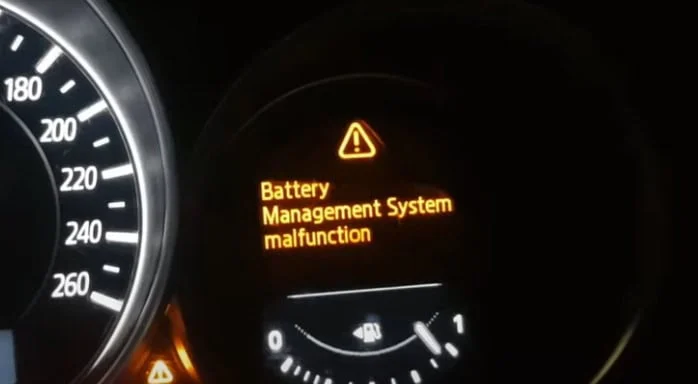
Seeing a charging system warning light on your Mazda dashboard is one of those moments that can make your stomach drop. Your first instinct might be to pull over immediately or assume the worst. But before you panic, take a breath. While a charging system malfunction is not something you want to ignore, understanding what is actually happening under the hood puts you in a much better position to respond intelligently rather than reactively.
This guide covers everything you need to know about Mazda charging system malfunctions, what causes them, how to spot them early, what they cost to fix, and what you can do right now to start troubleshooting.
How Your Mazda’s Charging System Actually Works
Think of your Mazda’s charging system as the financial backbone of the car’s electrical world. Everything that runs on electricity, from the headlights to the infotainment system to the fuel injectors, depends on this system functioning correctly. When it fails, the effects ripple through the entire vehicle.
The system is built around three main components that work together constantly while you drive.
The battery is the starting point. It stores electrical energy and delivers the burst of power needed to start the engine. When the engine is off, the battery is the sole power source for anything electrical. It also serves as a buffer, stepping in when the electrical demand momentarily exceeds what the alternator can supply.
The alternator is the system’s generator. Once the engine starts, the alternator takes over. It is driven by the serpentine belt connected to the engine, and as the engine turns, the alternator converts that mechanical energy into electrical energy. This electricity does two things: it powers the car’s electrical systems while the engine is running, and it continuously recharges the battery.
The voltage regulator is the referee. It controls how much electricity the alternator produces at any given moment. Without the voltage regulator, the alternator could overcharge the battery, which causes swelling, overheating, and potentially dangerous battery failure. It could also undercharge it, leaving you with a dead battery after a few short trips. The voltage regulator keeps the output in a safe range, typically between 13.5 and 14.8 volts while the engine is running.
When any part of this trio fails or starts underperforming, the vehicle’s computer detects the anomaly and triggers the charging system warning. That is your cue to take action.
Warning Signs You Should Never Dismiss
The charging system warning light is the most obvious indicator, but it is rarely the only sign something is wrong. In many cases, the symptoms appear before the warning light does. Knowing what to look for can help you catch the problem early, before a minor issue becomes a roadside emergency.
- Dimming or flickering headlights. This is one of the earliest and most visible signs. If your headlights seem noticeably dimmer than usual or flicker when you turn on accessories like the air conditioning or rear defroster, the charging system is struggling to keep up with electrical demand.
- Electrical component behavior changes. Power windows moving slower than usual, the infotainment system rebooting randomly, or the instrument cluster behaving erratically can all point to an unstable power supply from the charging system.
- Rough idling or difficulty staying running. When the battery is not being adequately charged, the engine management system can start struggling. You might notice the engine idling roughly or feeling like it wants to stall, especially when multiple electrical accessories are active.
- Unexpected power loss while driving. A severely undercharged battery combined with a failing alternator can cause the vehicle to lose power mid-drive. This is a serious situation and should be treated as an emergency.
- Unusual noises from the engine bay. A whining or grinding sound coming from the front of the engine can indicate a failing alternator bearing. The sound may increase with engine speed. Do not ignore this.
- A swollen battery or sulfur smell. If you open the hood and notice the battery looks bloated or you detect a rotten egg smell, the system is overcharging the battery. This is a safety hazard that needs immediate attention. An overcharged battery can leak battery acid or, in extreme cases, rupture.
- The warning message on the dashboard or infotainment screen. Modern Mazda vehicles display either a battery icon, a “Charging System Malfunction” message, or both on the dashboard. Some models display the warning on the infotainment screen as well. Either way, this is the system telling you directly that something is wrong.
Catching two or more of these symptoms at the same time is a strong signal that the charging system needs immediate diagnosis. Do not wait for the warning light to appear if you are already noticing these issues.
The Most Common Causes of a Mazda Charging System Malfunction
1. A Failing or Dead Battery
The battery is the most frequent cause of charging system warnings, and it is also the easiest to test and replace. Car batteries have a lifespan of roughly three to five years under normal conditions. After that, their ability to hold a charge degrades significantly. A battery that can no longer hold a proper charge will cause the charging system to work overtime trying to compensate, and eventually the system flags a fault.
Corroded or loose battery terminals are another battery-related culprit that often gets overlooked. Even if the battery itself is in good condition, a poor connection at the terminals can restrict current flow and confuse the charging system into thinking there is a fault. Look for white or bluish-green buildup around the terminals. Clean it off with a wire brush and a baking soda and water solution, then ensure the terminal connections are tight.
Testing the battery is simple. With the engine off, connect a voltmeter across the battery terminals. A healthy, fully charged battery should read between 12.4 and 12.7 volts. Below 12.2 volts indicates a discharged battery. Below 12 volts suggests the battery may no longer be capable of holding a full charge and should be replaced.
Most auto parts stores like AutoZone, O’Reilly, and Advance Auto Parts will test your battery for free. Take advantage of this before spending money on anything else.
2. A Faulty Alternator
If the battery tests fine but the warning persists, the alternator is the next suspect. A failing alternator can present in several ways. It might stop charging entirely, charge intermittently, or charge at the wrong voltage level.
To test the alternator output, start the engine and use your voltmeter to check the voltage across the battery terminals with the engine running. The reading should be between 13.5 and 14.8 volts. If it is below 13.5, the alternator is not providing enough charge. If it is above 15 volts, the voltage regulator may be failing and allowing overcharging.
Some alternator problems are software-related rather than mechanical. On certain Mazda models, an ECU glitch can incorrectly report an alternator fault. In these cases, letting the engine idle for at least 20 minutes, which allows the alternator to run through a full charge cycle, can sometimes reset the ECU and clear the warning. But if the fault returns, assume the issue is mechanical rather than software-based.
Alternator replacement on a Mazda typically costs between $300 and $700 including parts and labor. Prices vary depending on the model and whether you go to a dealer or an independent shop. A remanufactured alternator costs less than a new one and generally works just as well for most daily drivers.
3. A Worn, Loose, or Broken Serpentine Belt
The alternator does not spin on its own. It is driven by the serpentine belt, which connects it to the engine. If this belt is worn, cracked, stretched, or has snapped entirely, the alternator cannot generate electricity regardless of how good its internal components are.
A slipping belt will cause inconsistent charging, which can trigger intermittent charging system warnings. You might also hear a squealing or chirping sound from the engine bay, particularly on startup or when accessories like the air conditioning are turned on. This sound often gets louder or changes pitch with engine RPM.
The belt tensioner is equally important. A weak tensioner cannot maintain proper belt tension, causing slippage even if the belt itself is in decent condition. Inspect both the belt and the tensioner as a pair. If either one is worn, replace both at the same time since labor costs for accessing one include accessing the other anyway.
Serpentine belt replacement is relatively inexpensive, usually $75 to $200 including labor, and should be part of your regular maintenance schedule. Most manufacturers recommend replacing it every 60,000 to 100,000 miles, but inspect it visually at every oil change for cracking, glazing, or fraying.
4. Wiring Problems and Corroded Connections
The charging system depends on clean, solid electrical connections between all of its components. A break, short, or high-resistance connection anywhere in the circuit can cause the system to behave erratically or fail entirely.
Common wiring issues include:
- Corroded or loose connections at the battery terminals
- Damaged wiring between the alternator and the battery
- A faulty ground connection between the battery and the vehicle chassis
- Damaged wiring between the alternator and the ECU or voltage regulator
Visually inspect all wiring and connections you can see around the battery and alternator. Look for frayed insulation, green or white corrosion buildup, or wires that look like they have been chafed by moving components. The ground cable, which runs from the negative battery terminal to the chassis, is particularly prone to causing mysterious electrical faults when it corrodes internally, because the wire can look fine on the outside while being severely corroded inside.
Wiring repairs can range from almost nothing if it is just a loose terminal to several hundred dollars if damaged harness sections need to be replaced. A professional mechanic with an electrical multimeter can trace these faults efficiently if you cannot locate them visually.
5. An ECU or Software Glitch
Not every charging system malfunction warning means hardware has failed. On some Mazda models, particularly newer ones with more sophisticated electronics, a software glitch in the ECU can trigger a false charging system fault. This is more likely to occur after a battery replacement or disconnection, which can sometimes cause the ECU to lose calibration data and behave unpredictably for a short period.
If you have recently replaced the battery or had the battery disconnected for any reason and the warning appears shortly afterward, try letting the engine idle for 20 or more minutes. This gives the alternator time to complete a full charge cycle and allows the ECU to re-establish its baseline parameters.
If a software update is available for your specific Mazda model that addresses known charging system warning issues, a Mazda dealer can apply it during a service visit. Ask specifically whether any Technical Service Bulletins exist for your vehicle related to the charging system. TSBs are manufacturer-issued documents addressing known problems, and a dealer should be able to look these up for your VIN quickly.
Mazda-Specific Issues: What Owners of the Mazda 3 and Mazda 6 Should Know
Mazda 3: The i-ELOOP System and Battery Compatibility
The Mazda 3 introduced an energy recovery system called i-ELOOP, which stands for Intelligent Energy Loop. This is Mazda’s version of regenerative braking. Instead of using a traditional alternator to charge the battery continuously, i-ELOOP captures kinetic energy during deceleration and stores it in a capacitor. That stored energy is then used to power electrical accessories, reducing the load on the engine and improving fuel economy.
This is clever technology, but it adds complexity to the charging system. Because of how i-ELOOP works, Mazda 3 models equipped with this system require a specific battery type: the Q85 Enhanced Flooded Battery (EFB). This battery has superior charge acceptance and cycle durability compared to a standard battery, because it needs to handle rapid charging and discharging events that i-ELOOP creates.
Installing a standard battery in a Mazda 3 with i-ELOOP is one of the most common causes of charging system malfunction warnings in this model. The standard battery cannot handle the charge/discharge demands of i-ELOOP, and the system quickly flags a fault. If you have recently had your Mazda 3 battery replaced and the charging system warning appeared shortly afterward, the wrong battery type is the first thing to verify.
Some Mazda 3 owners have also reported the charging system warning appearing at higher RPMs, specifically when the tachometer approaches or exceeds 3000 RPM whether stationary or moving. If this describes your situation, check the i-ELOOP fuse in the fuse box. It is typically labeled “CHARGE” or “CHG.” A blown fuse here will disrupt the i-ELOOP system and trigger the warning.
Mazda 6: Battery Management System Faults
The Mazda 6 uses a battery management system that monitors battery health and manages charging cycles. As the battery ages and its capacity to hold a charge diminishes, the battery management system can flag a malfunction warning even if the alternator and other components are functioning correctly. The root cause is the battery itself being unable to accept or hold a charge within the parameters the system expects.
On Mazda 6 models equipped with i-ELOOP, the same battery compatibility issue that affects the Mazda 3 can apply. Always verify that the replacement battery meets Mazda’s specifications for your specific model and trim level before purchasing.
If the Mazda 6 warning persists after a battery replacement with the correct battery type, having the i-ELOOP system specifically diagnosed by an authorized Mazda dealer is the most reliable next step. The dealer has access to Mazda’s proprietary diagnostic software, which can communicate with the i-ELOOP capacitor and battery management system at a level that generic OBD-II scanners cannot reach.
Step by Step: How to Troubleshoot the Charging System Yourself
Before spending money on professional diagnostics, work through this systematic process. Start with the simplest, cheapest possibilities and work toward the more complex.
- Check the battery terminals first. Pop the hood and look at the battery terminals. If there is any visible corrosion, clean it off with a wire brush and a baking soda and water mixture. Tighten the terminal connections and recheck whether the warning is still present.
- Test the battery voltage. With the engine off, connect a multimeter across the battery terminals. A reading between 12.4 and 12.7 volts is healthy. Below 12.2 means the battery needs charging. Below 12 volts suggests a battery that can no longer hold an adequate charge.
- Test the alternator output. Start the engine and check the battery voltage again with the engine running. It should read between 13.5 and 14.8 volts. Below 13.5 means the alternator is undercharging. Above 15 volts means the voltage regulator may be failing and allowing overcharging.
- Inspect the serpentine belt. Look at the belt running across the front of the engine. Check for cracks, fraying, glazing (a shiny smooth surface on the ribs), or any obvious damage. Check that the tensioner holds the belt firmly without visible slack.
- Check the charging system fuse. Refer to your owner’s manual for the fuse box layout. Find the fuse labeled for the charging system or alternator. Pull it and inspect the wire inside. If it has melted or broken, replace it with an identical amperage fuse.
- Inspect visible wiring. Check all wiring you can see around the battery and alternator for damage, chafing, or loose connections. Pay special attention to the ground cable from the negative terminal to the chassis.
- Try an engine idle reset. If you cannot find any obvious physical issue, let the engine idle for 20 or more minutes. This can sometimes allow the ECU to reset and clear a software-triggered false warning.
- Run an OBD-II diagnostic scan. If the warning persists after the above steps, use an OBD-II scanner to pull any stored fault codes. Basic readers available at auto parts stores will cover general engine codes. For Mazda-specific charging system codes, you may need a more advanced scanner or a dealer visit.
Repair Cost Breakdown for Mazda Charging System Issues
| Issue | Estimated Repair Cost |
|---|---|
| Battery terminal cleaning | Free to $20 |
| Battery replacement (standard) | $80 to $200 |
| Q85 EFB battery replacement (i-ELOOP models) | $150 to $280 |
| Fuse replacement | Under $10 |
| Serpentine belt replacement | $75 to $200 |
| Belt tensioner replacement | $100 to $250 |
| Alternator replacement | $300 to $700 |
| Voltage regulator replacement | $100 to $400 |
| Wiring repair (minor) | $50 to $200 |
| Wiring harness replacement (major) | $300 to $900 |
| ECU software update or recalibration | $75 to $200 |
Is It Safe to Drive with a Charging System Warning On?
This depends entirely on how severe the underlying issue is. In some cases, the warning is triggered by a minor software glitch and the car continues operating normally. In other cases, the alternator has completely stopped charging and the vehicle is running purely on whatever charge remains in the battery.
Here is a practical way to think about it: if the alternator is not charging the battery at all, a fully charged battery typically provides enough power to run the vehicle for 30 to 60 minutes under normal driving conditions. That window shrinks dramatically if you are running the headlights, air conditioning, rear defroster, and other accessories simultaneously.
If the warning appears while you are driving, turn off any non-essential electrical accessories immediately. This extends your window of operation and reduces the load on the battery. Your priority should be getting to a safe location, whether that is home, a mechanic, or a parking lot where you can call for help, without pushing the vehicle until it dies on a highway or busy road.
Do not assume that because the car seems to be running fine the problem can wait. A charging system fault that appears minor in the moment can escalate quickly, and getting stranded is both inconvenient and potentially dangerous depending on where and when it happens.
How to Keep Your Mazda’s Charging System Healthy
The best charging system problem is one that never happens in the first place. These habits will meaningfully reduce your chances of encountering a charging system fault:
- Replace the battery proactively. Do not wait for the battery to fail completely before replacing it. Have it tested annually once it is three years old. If a load test shows it is holding less than 70% of its rated capacity, replace it. Catching this early prevents the alternator from overworking itself trying to compensate.
- Keep battery terminals clean. A quick visual inspection at every oil change takes seconds and can catch corrosion buildup before it causes connection problems. Clean terminals when needed and apply a small amount of terminal protector spray to slow future corrosion.
- Inspect the serpentine belt regularly. Look at the belt at every oil change. Replace it at the manufacturer’s recommended interval, typically every 60,000 to 100,000 miles, or sooner if any signs of wear are visible.
- Manage your electrical load sensibly. Running the air conditioning, rear window defroster, seat heaters, and charging multiple devices simultaneously places maximum demand on the charging system. This is fine for short periods, but sustained high electrical loads over time can accelerate wear on the alternator.
- Park smart in extreme temperatures. Both extreme heat and extreme cold stress the battery. Heat accelerates internal battery degradation. Cold reduces a battery’s ability to deliver current, which means the alternator has to work harder to recharge it. Parking in shade during summer and in a garage during winter extends battery life measurably.
- Have the charging system tested at each service visit. Many shops will test battery and alternator output as part of routine service at no extra charge. Ask for this explicitly if it is not offered automatically. Catching a failing component early costs far less than dealing with a sudden failure.
A Mazda’s charging system is not complicated in principle, but it is absolutely foundational to everything the car does. Treat it like the critical system it is, address warning signs early, and use the correct battery specification for your specific model. Do those things consistently and you will rarely, if ever, have to deal with a charging system warning light interrupting your drive.