
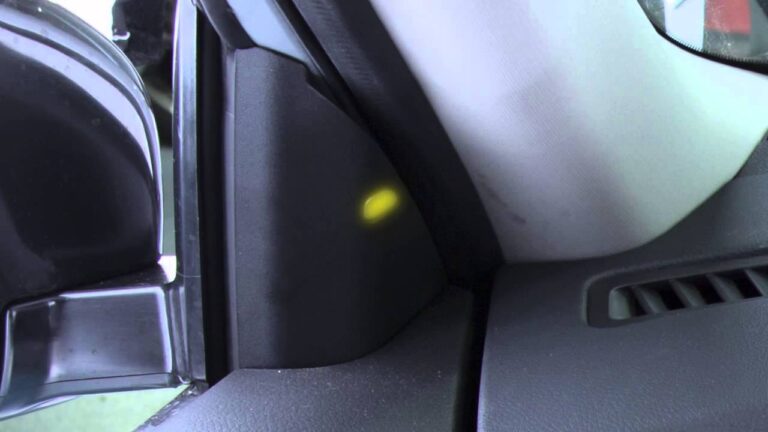
You are cruising down the highway, ready to change lanes. You check your mirror, glance over your shoulder, and start to move. Suddenly, a car appears out of nowhere, blaring its horn. Your heart pounds. That was close. Too close.
This is exactly why your Nissan came equipped with a blind spot warning system. That little orange light near your side mirror is supposed to save you from these heart-stopping moments. But what happens when that safety feature stops working?
If your Nissan blind spot warning has gone silent, you are not alone. Thousands of Nissan owners face this issue every year. The good news is that most causes are fixable, and many you can diagnose yourself without spending a fortune at the dealer.
This guide will walk you through everything you need to know about your Nissan blind spot warning system. We will cover how it works, why it fails, what you can check yourself, when you need professional help, and what repairs typically cost. By the end, you will understand your system better and know exactly what steps to take next.
How Your Nissan Blind Spot Warning Actually Works
Before jumping into troubleshooting, let us talk about what is happening behind the scenes. Understanding how the system works helps you diagnose problems more effectively.
Your Nissan uses radar sensors mounted in the rear bumper, typically one on each side near the corners. These sensors constantly send out radar waves and listen for reflections. When those waves bounce off a vehicle in the adjacent lane, the sensor detects it.
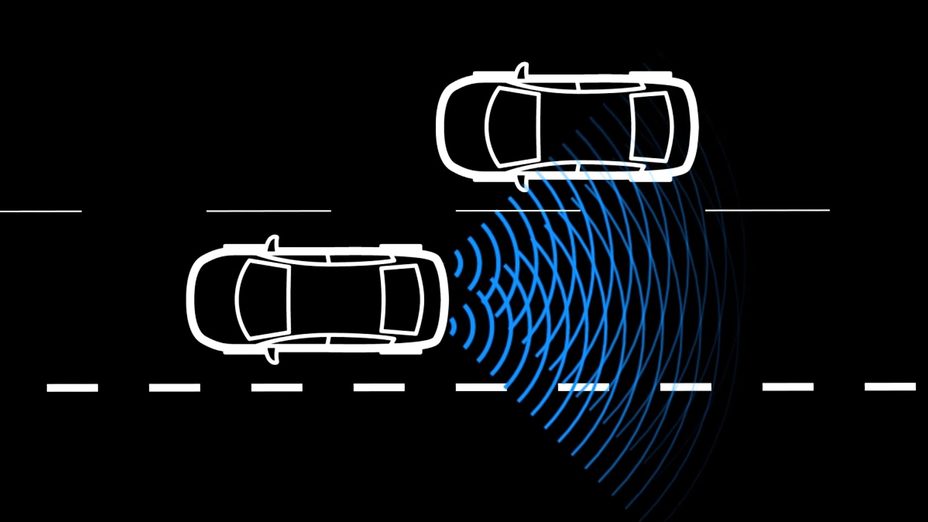
The system does not just detect any vehicle anywhere. It has a specific detection zone designed to match your actual blind spot. This zone typically extends from just behind your door to about one car length back, and covers the adjacent lane plus a little beyond.
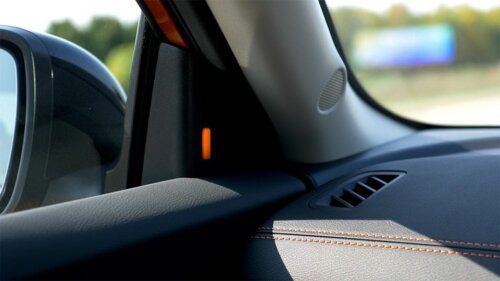
When a vehicle enters this zone, the system illuminates a warning indicator on the corresponding side mirror. On most Nissans, this appears as an amber or orange light. If you activate your turn signal while a vehicle is in your blind spot, the warning light flashes and may be accompanied by a beeping sound, depending on your model and settings.
Some newer Nissan models take this a step further with Blind Spot Intervention (BSI). This system not only warns you but can actually apply subtle brake pressure to individual wheels to help guide you back into your lane if you start drifting toward a vehicle in your blind spot. Think of it as the system gently nudging you away from danger.
The Difference Between BSW and BSI
Nissan offers two levels of blind spot technology, and knowing which one you have matters for troubleshooting.
Blind Spot Warning (BSW) is the basic system. It detects vehicles and illuminates the warning light. That is it. Simple, effective, and found on most Nissan models from the mid-2010s onward.
Blind Spot Intervention (BSI) adds active safety features. Beyond the warning light, it provides audible alerts and can apply corrective steering or braking to prevent you from changing lanes into another vehicle. This appears on higher trim levels and newer models.
Check your owner’s manual or the settings in your vehicle information display to confirm which system you have. The troubleshooting steps are similar, but BSI systems have additional components that can fail.
Why Your Blind Spot Warning Stopped Working
Blind spot systems fail for a variety of reasons. Some are simple fixes you can handle in your driveway. Others require professional diagnosis and repair. Let us break down the most common culprits.
Dirty Sensors Are the Number One Cause
This is so common it deserves to be first. Your radar sensors live on the rear bumper, right where road spray, mud, snow, and salt accumulate. When sensors get covered with crud, they cannot send or receive radar signals properly.
The system interprets this as a malfunction and either disables itself or displays a warning message on your dashboard. You might see messages like “Radar Unavailable,” “Side Radar Unavailable,” or a simple warning light on the instrument panel.
Winter drivers know this pain well. Road salt mixed with slush creates a grimy coating that loves to stick to everything, sensors included. Heavy rain can also cause temporary issues as water droplets interfere with radar signals.
Real-world example: Mike in Minnesota could not figure out why his 2019 Altima blind spot warning stopped working every winter. The dealer kept telling him the sensors were fine. Turns out, the road salt spray from driving on treated highways was coating his sensors daily. A quick wipe with a damp cloth before his commute solved the problem completely. No repairs needed, zero dollars spent.
Physical Damage to Sensors
Radar sensors are tucked into the rear bumper, but they are not invincible. Minor fender benders, backing into posts, shopping cart impacts, and even aggressive snow removal can damage them.
The sensors themselves are relatively small modules mounted behind the bumper cover. Even if your bumper looks fine on the outside, the sensor bracket could be bent, the sensor could be cracked, or the mounting angle could be off.
Radar sensors need to be aimed precisely. If a sensor gets knocked even slightly out of alignment, it might be scanning the wrong area. Instead of monitoring the adjacent lane, it could be pointing at the ground or up into the sky. The system will throw an error and shut down.
Even minor bumper repairs can cause problems if the body shop does not recalibrate the sensors afterward. Some shops forget this step or do not have the proper equipment to perform it.
Electrical Issues and Wiring Problems
Each radar sensor connects to the vehicle’s electrical system and computer network through wiring harnesses. These connections live in a harsh environment: heat, moisture, road salt, and constant vibration.
Corroded connectors are common, especially on vehicles that see winter weather or live in humid climates. Corrosion creates resistance in the circuit, preventing proper communication between the sensor and the control module.
Rodents present another threat. Mice and rats love to nest in warm engine compartments and wheel wells. They chew through wiring insulation without a second thought. I have seen blind spot systems fail because a mouse decided the sensor wiring made a perfect snack.
Water intrusion can also wreak havoc. If a bumper seal is damaged or missing, water can get into the sensor cavity. While the sensors are designed to handle some moisture, sitting in water leads to corrosion and eventual failure.
Failed Radar Sensor Modules
Like any electronic component, radar sensors can simply fail. The electronics inside degrade over time, especially when subjected to extreme temperatures and constant vibration.
Sensor failure usually happens gradually. You might notice the system working intermittently before it quits completely. Maybe it works fine in the morning but fails after the car sits in the sun all day. Or perhaps it works on one side but not the other.
Complete sensor failure typically requires replacement. These are not repairable components. When they die, they die.
Software Glitches and Module Issues
Your blind spot system relies on a dedicated control module that processes sensor data and makes decisions. Like any computer, it can experience software glitches, corrupted data, or complete failure.
Sometimes a simple module reset fixes the problem. Other times, the module needs a software update from the dealer. In rare cases, the module itself has failed and needs replacement.
Battery disconnection or replacement can sometimes cause the blind spot system to throw errors. The module loses its learned parameters and needs to relearn them. This usually happens automatically after driving for a while, but occasionally requires a manual reset procedure.
Aftermarket Accessories Causing Interference
Aftermarket modifications can interfere with blind spot systems in ways you might not expect. Tinted taillight covers or vinyl wraps on the rear bumper can block radar signals. Trailer hitch installations sometimes require relocating sensors or can damage wiring during installation.
Aftermarket parking sensors that use similar radar frequencies can create interference. Two systems trying to use the same frequency range will confuse each other.
Even something as simple as a bike rack or cargo carrier can block the sensor field of view. The system sees a constant object in the detection zone and either ignores everything or throws a malfunction code.
Troubleshooting Steps You Can Do Yourself
Before spending money on dealer diagnostics, try these troubleshooting steps. You might solve the problem in your driveway and save yourself a few hundred dollars.
Step One: Clean Those Sensors Thoroughly
This should be your first step, every single time. Locate the sensors on your rear bumper. They are usually near the corners, often marked with a small emblem or visible as circular areas in the bumper cover.
Use warm water and a soft microfiber cloth to gently clean the sensor areas. Do not use harsh chemicals, abrasive cleaners, or rough materials that could scratch the sensor covers. Be thorough. Get into the edges where dirt likes to hide.
If you live in a winter climate, pay special attention to salt buildup. A mixture of warm water and a tiny bit of car wash soap works well for cutting through salt residue. Rinse thoroughly and dry.
After cleaning, drive the vehicle for a few minutes at speeds above 20 mph. Many Nissan blind spot systems perform self-checks during driving and will automatically re-enable once they verify the sensors are clear.
Step Two: Check for Obvious Physical Damage
Inspect your rear bumper carefully. Look for cracks, dents, or deformation near the sensor locations. Check for missing or loose bumper clips that might allow the bumper to sit at the wrong angle.
Get down low and look at the bumper from the side. Is it sitting flush and aligned properly? A bumper that is pushed in or pulled out even slightly can throw off sensor alignment.
If you recently had any bodywork done or bumper replacement, the sensors might not have been reinstalled correctly or might need calibration.
Step Three: Verify the System is Actually Turned On
This sounds obvious, but you would be surprised how often the blind spot system gets turned off accidentally. Many Nissans have a dedicated button to disable the system, usually on the dashboard or center console.
Check your vehicle settings menu through the information display. Navigate to the driver assistance or safety features section and verify blind spot warning is enabled. The exact menu path varies by model and year, so consult your owner’s manual if you cannot find it.
Some systems disable automatically in certain situations, like when a trailer is connected. Make sure you do not have anything plugged into the trailer wiring connector.
Step Four: Try a System Reset
Sometimes the blind spot system just needs a reboot, like your computer when it acts weird. The reset procedure varies by Nissan model, but here is a general approach that works on many vehicles:
- Turn off the engine completely and remove the key or fob
- Wait at least two minutes
- Restart the vehicle
- Drive at speeds above 20 mph for several minutes
- Check if the system reactivates
Some Nissan models have a specific reset procedure in the settings menu. Check your owner’s manual for model-specific instructions.
If you recently disconnected the battery or had electrical work done, the system might need to complete a relearning process. This typically requires driving straight at steady speeds above 20 mph for 10 to 15 minutes.
Step Five: Check for Error Messages and Warning Lights
Your dashboard might be trying to tell you something specific. Look for messages like:
- “Radar Unavailable”
- “Side Radar Unavailable”
- “Blind Spot Malfunction”
- “BSW Currently Unavailable”
- A yellow warning light shaped like a car with waves or lines
These messages provide clues about what the system thinks is wrong. “Radar Unavailable” often means dirty sensors or bad weather interference. “Malfunction” messages usually indicate a hardware problem that needs professional diagnosis.
Take note of exactly what the message says and when it appears. This information helps mechanics diagnose the problem faster, saving you money on diagnostic time.
Where Are the Sensors and What Do They Look Like?
Knowing where to find your sensors helps with cleaning, inspection, and understanding repair quotes. Sensor location varies slightly by model, but follows a general pattern across the Nissan lineup.
Typical Sensor Locations by Model
Nissan Altima (2013 and newer): Sensors mount inside the rear bumper at the far left and right corners. You will see small circular or rectangular badges on the bumper surface marking their location.
Nissan Maxima (2016 and newer): Similar to Altima, with sensors in the rear bumper corners. Some models also integrate sensors into the rear quarter panels.
Nissan Rogue and Rogue Sport: Rear bumper corner mounting, typically with visible sensor covers or emblems on the bumper surface.
Nissan Murano: Sensors located in rear bumper corners, sometimes with chrome or body-colored covers over the sensor areas.
Nissan Pathfinder: Larger SUV models typically mount sensors higher on the rear bumper due to increased ground clearance.
Nissan Armada and Titan: On trucks and large SUVs, sensors may be relocated to accommodate towing equipment. Check near the taillights and upper bumper areas.
What the Sensors Actually Look Like
From the outside, you might not see much. Nissan hides sensors behind the bumper cover for aesthetics. You will typically see a small emblem, badge, or textured area on the bumper surface. Sometimes the sensor area is a slightly different color or has a subtle outline.
Behind the bumper, the actual sensor is a small rectangular or square module, usually black or dark gray, about the size of a deck of cards. It has a wiring harness connector on the back and mounts to a bracket attached to the bumper structure.
If you need to access the sensors, most Nissan models require removing the rear bumper cover or accessing them through the wheel well. This is not typically a DIY job unless you have experience with automotive trim removal.
When Weather Affects Your Blind Spot System
Radar sensors work amazingly well in most conditions, but extreme weather can cause temporary malfunctions. Understanding these limitations helps you know when to worry and when to just wait it out.
Heavy Rain and Water on Sensors
Torrential rain can temporarily disable blind spot systems. Heavy water droplets scatter radar signals, creating false echoes and making it impossible for the system to distinguish real vehicles from water spray.
Most systems will display a “Radar Unavailable” message during heavy rain. This is normal and expected. The system should automatically resume normal operation once rain intensity decreases.
If your system stays disabled after the rain stops, the sensors might still be wet or have water sitting on them. Dry the sensor areas with a cloth and see if function returns.
Snow, Ice, and Winter Challenges
Winter presents multiple challenges for blind spot systems. Snow accumulation on sensors blocks radar signals completely. Ice buildup does the same. Road salt spray coats sensors in a grimy film that interferes with operation.
Before driving in winter conditions, check your rear bumper and brush off any snow covering the sensor areas. After driving in winter weather, especially on salted roads, wipe down the sensors regularly.
Some Nissan models have heated sensor covers to help melt snow and ice, but these only work when the vehicle is running and take time to warm up.
Fog and Low Visibility Situations
Dense fog can reduce blind spot system effectiveness. Tiny water droplets suspended in fog scatter radar signals similarly to rain. The system might work intermittently or display reduced range in heavy fog.
This is when you need to rely on your mirrors and shoulder checks even more than usual. The blind spot system is an aid, not a replacement for proper driving techniques.
Professional Diagnosis: What Happens at the Dealer
If DIY troubleshooting has not solved your problem, professional diagnosis is the next step. Understanding what happens during professional diagnosis helps you evaluate quotes and avoid unnecessary repairs.
The Diagnostic Process
A Nissan technician will connect a specialized scan tool to your vehicle’s diagnostic port. This tool communicates with the blind spot control module and retrieves fault codes.
These codes tell the technician which sensor has failed, whether there are communication errors between modules, or if electrical problems exist in the system. The codes provide a starting point for diagnosis, not a definitive answer.
Next, the technician will perform functional tests. They might drive the vehicle to see if the system activates properly. They will use a multimeter to test sensor power and ground circuits. They may verify sensor output signals are within specifications.
For intermittent problems, diagnosis can be frustrating. If the system is working when the technician tests it, they might not find anything wrong. This is why documenting when and how the problem occurs is so important.
What Diagnostic Fees Cover
Most dealers charge a diagnostic fee ranging from $100 to $200. This covers the technician’s time to connect the scan tool, retrieve codes, perform tests, and identify the problem.
Some dealers waive the diagnostic fee if you proceed with the recommended repairs at their shop. Others apply the diagnostic fee toward repair costs. Ask about their policy before authorizing diagnosis.
What the diagnostic fee does not cover is the actual repair. Once diagnosis identifies the failed component, you will receive a separate quote for parts and labor to fix it.
Repair Costs: What You Can Expect to Pay
Blind spot system repairs range from cheap and easy to expensive and complex. Here is a realistic breakdown of costs for common repairs.
Sensor Replacement Costs
If one or both radar sensors have failed, replacement is the only option. You cannot repair the sensors themselves.
| Component | Part Cost | Labor Cost | Total Cost |
|---|---|---|---|
| Single radar sensor (OEM) | $150 – $350 | $100 – $200 | $250 – $550 |
| Both radar sensors (OEM) | $300 – $700 | $150 – $300 | $450 – $1,000 |
| Aftermarket sensor (each) | $80 – $200 | $100 – $200 | $180 – $400 |
| Sensor calibration (per sensor) | N/A | $50 – $150 | $50 – $150 |
Labor costs depend on how difficult the sensors are to access. Some models require removing the rear bumper completely, which adds labor time. Others allow access through the wheel well, which is faster.
Calibration is sometimes necessary after sensor replacement to ensure the system scans the correct detection zone. Not all shops have calibration equipment. Dealers always do.
Control Module Replacement Costs
If the blind spot control module has failed, expect higher costs:
- Control module: $400 to $800
- Labor: $100 to $250
- Programming: $50 to $150
- Total: $550 to $1,200
Control modules require programming to your specific vehicle. This requires dealer-level scan tools in most cases. Some independent shops that specialize in Nissan have the necessary equipment, often at lower rates than dealers.
Wiring Repair Costs
Wiring repairs are labor-intensive. Tracing wires, finding breaks or shorts, and making proper repairs takes time. Expect to pay:
- Minor wiring repair: $150 to $400
- Harness replacement: $300 to $800
- Connector replacement: $100 to $250
The final cost depends on where the damage is located and how extensive it is. Rodent damage often requires replacing entire harness sections.
Ways to Save Money on Repairs
You have options beyond going straight to the dealer with an open checkbook.
Get multiple quotes. Prices vary significantly between dealers and independent shops. Call around. Provide the specific fault codes from diagnosis so shops can give accurate estimates.
Consider aftermarket parts. Quality aftermarket sensors cost less than OEM parts and often come with warranties. Make sure any aftermarket parts are specifically designed for your vehicle model.
Check warranty coverage. Some Nissan models had extended warranty coverage for blind spot system issues. Check with your dealer using your VIN to see if any extended coverage applies.
Find a Nissan specialist. Independent shops that specialize in Nissan vehicles often have the same diagnostic equipment as dealers but charge lower labor rates.
Can You Drive Safely Without Blind Spot Warning?
Your blind spot system has failed. Is your car safe to drive? The short answer is yes, but you need to adjust your driving habits.
Millions of vehicles on the road do not have blind spot warning systems at all. Drivers manage just fine using mirrors and shoulder checks. Your Nissan is not suddenly dangerous just because the blind spot warning stopped working.
That said, you probably got used to relying on that little orange light. Now you need to be more vigilant. Check your mirrors more frequently. Always perform a shoulder check before changing lanes. Increase your following distance to give yourself more time to react.
Pay special attention in situations where blind spot warning helped most: highway merging, multi-lane traffic, and congested city driving. These scenarios require extra caution without the electronic backup.
While you can drive safely without the system, do not put off repairs indefinitely. Blind spot warning exists because it prevents accidents. Studies show these systems reduce lane-change crashes by up to 14 percent. That is significant.
Preventing Future Blind Spot System Problems
Prevention is cheaper than repair. These simple habits keep your blind spot system working reliably.
Regular Sensor Cleaning
Make sensor cleaning part of your car wash routine. Every time you wash your vehicle, take an extra minute to wipe down the sensor areas on the rear bumper. This prevents buildup that causes malfunction warnings.
In winter climates, check and clean sensors more frequently. Weekly cleaning during winter months prevents salt and grime accumulation.
Careful Parking and Backing
Many sensor failures result from parking lot mishaps. Backing into posts, hitting curbs, or tapping other vehicles during parking can damage sensors even when visible bumper damage is minor.
Use your backup camera and parking sensors (if equipped) to avoid bumper contact with obstacles. That extra caution protects expensive sensor equipment.
Professional Installation of Aftermarket Accessories
If you plan to install a trailer hitch, aftermarket bumper, or other rear-end modifications, have the work done professionally by a shop familiar with blind spot systems. They know how to avoid damaging sensors and wiring during installation.
Inform the installer that your vehicle has blind spot warning. They can take appropriate precautions and verify system function after completing the work.
Address Body Damage Promptly
If you are involved in even a minor rear-end collision or backing accident, have the blind spot system checked even if it seems to be working. Bumper impacts can misalign sensors or damage wiring that fails later.
When getting bumper repairs, specifically ask the body shop to verify blind spot sensor alignment and function after the repair. Not all shops do this automatically.
Model-Specific Issues and Technical Service Bulletins
Some Nissan models have known blind spot system issues that Nissan has addressed through Technical Service Bulletins (TSBs) or extended warranty coverage.
Known Issues by Model Year
2013-2015 Altima: Some early models experienced false radar unavailable warnings. Nissan released a software update to address the issue. If you own one of these vehicles and have not had the update, contact your dealer.
2016-2018 Maxima: Certain vehicles had sensor bracket mounting issues that allowed sensors to move slightly out of position over time. TSBs addressed proper sensor installation procedures.
2017-2019 Rogue: Some models experienced intermittent blind spot warnings related to control module software. Software updates resolved most cases.
Check with your dealer service department using your VIN to see if any open TSBs or extended warranty programs apply to your specific vehicle. Some repairs might be covered at no cost even if your standard warranty has expired.
Real Stories from Nissan Owners
Hearing how others solved their blind spot issues might help you tackle your own.
Sarah’s 2017 Rogue experience: Sarah’s blind spot warning stopped working after a minor parking lot tap. The bumper looked fine with just a small scuff. She ignored it for weeks until she scheduled an oil change. The technician noticed the bumper was sitting slightly off-center. A $200 bumper realignment and sensor calibration restored full function. The lesson is that even minor impacts can affect sensor alignment.
James and the mystery malfunction: James owned a 2015 Altima that threw radar unavailable warnings randomly. Dealers could not find anything wrong during three separate visits. Frustrated, he tried cleaning the sensors himself and noticed one sensor area had a hairline crack in the bumper cover. Road debris had caused a tiny crack that was letting moisture reach the sensor. A $50 bumper repair patch and thorough drying solved the intermittent problem completely.
The winter wake-up call: Linda in Wisconsin discovered her blind spot warning would not work all winter long. Every spring it magically started working again. After two years of this pattern, she realized she was not cleaning road salt off the sensors during winter. Once she started wiping them down weekly during winter months, the problem vanished. Zero repair costs, just a change in maintenance habits.
Your Blind Spot System Is Fixable
Your Nissan blind spot warning stopped working, and now you know why that happens and what to do about it. Most causes are straightforward. Dirty sensors account for the majority of problems. Simple cleaning fixes them for free.
When cleaning does not work, you have a decision to make. Can you identify and fix the problem yourself, or do you need professional help? Be honest about your skills and available tools. Some repairs are genuinely DIY-friendly. Others require specialized equipment and training.
Understand that driving without blind spot warning is not the end of the world, but it is not ideal either. This system prevents accidents. It protects you and your passengers. Yes, repairs cost money. But compare that cost to the consequences of a preventable collision.
Start with the free troubleshooting steps. Clean the sensors. Check for damage. Verify settings. Try a reset. If these simple steps restore function, you just saved hundreds of dollars and gained valuable knowledge about your vehicle.
If professional diagnosis and repair become necessary, shop around for the best combination of expertise and value. Dealers are not your only option. Quality independent shops exist. Get multiple quotes. Ask questions. Make informed decisions.
Whatever you decide, do not ignore the problem indefinitely. That little orange light in your mirror serves an important purpose. It watches your blind spots when you cannot. It gives you an extra set of electronic eyes in situations where human vision falls short. Get it working again. Your safety is worth the investment.
